Pain Relief for a Great Dane With Bone Cancer
The day you hear the words "bone cancer" and "Great Dane" in the same sentence is one of the darkest. Our gentle giants are prone to so many health challenges, and osteosarcoma, a devastating form of bone cancer, is sadly high on that list. It's an aggressive disease that often brings immense pain, and as their loving human, all you want to do is make them comfortable. This guide is here to help you navigate the complex world of pain relief options for your Great Dane battling bone cancer, offering a comprehensive look at what's available to ensure their remaining time is filled with as much comfort and joy as possible, even when faced with such a heartbreaking diagnosis.
Understanding Osteosarcoma in Great Danes
Learning that your beloved Great Dane has osteosarcoma is truly gut-wrenching. This aggressive form of bone cancer is, unfortunately, far too common in large and giant breeds like our Danes. It's not just a benign lump; it's a rapidly spreading disease that primarily affects the long bones of the limbs, though it can appear elsewhere. Knowing what you're up against is the first step in formulating a compassionate care plan focused on pain management.
The Brutal Reality of Great Dane Bone Cancer
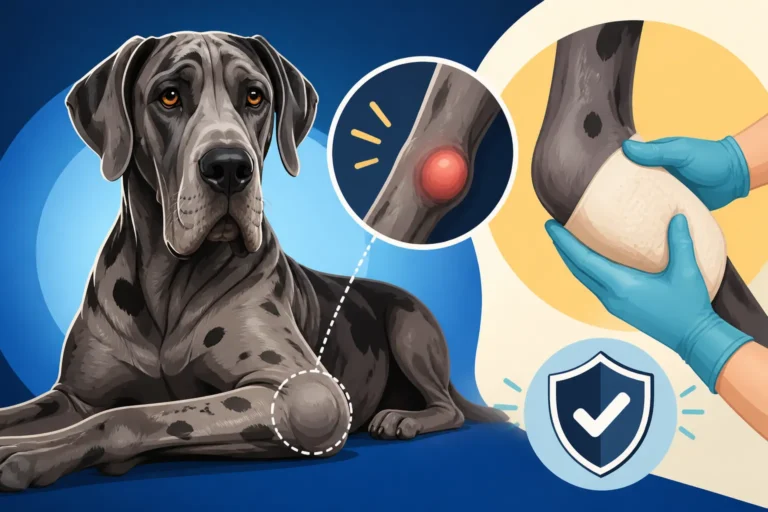
Osteosarcoma typically arises from the bone-forming cells and quickly eats away at the healthy bone structure. For Great Danes, it frequently targets areas like the humerus (upper front leg), radius/ulna (lower front leg), femur (upper hind leg), and tibia (lower hind leg), often near the joints. This is one of the most common and aggressive forms of cancer in our big dogs. The average age it hits a Great Dane is usually around 7-8 years, which feels incredibly unfair given their already short lifespan. The statistics are grim, but focusing on their quality of life, especially through effective pain control, becomes paramount. When your vet performs X-Rays That Confirm Great Dane Bone Cancer, they'll be looking for tell-tale signs of bone destruction and new, abnormal bone growth.
How Bone Cancer Causes Pain
The pain associated with osteosarcoma is multi-faceted and intense, making it so challenging to manage. First, the cancerous cells actively destroy normal bone tissue, which is richly innervated and exquisitely painful when damaged. Imagine your own bone being slowly eaten away from the inside – it’s a constant, deep ache. Second, this destruction leads to significant inflammation in the surrounding tissues, adding another layer of throbbing pain. Third, the weakened bone becomes incredibly fragile, susceptible to tiny microfractures even during normal activity, which can lead to a A Great Dane That Fractures a Leg Doing Nothing in severe cases. This constant bone remodeling and breakdown also releases substances that further stimulate pain receptors. The pressure from the growing tumor within the rigid bone structure further contributes to the dog’s discomfort, making it a persistent and often debilitating experience.
The Goals of Pain Management for Your Great Dane
When faced with a diagnosis like bone cancer, it's easy to feel overwhelmed and powerless. However, focusing on pain management empowers us to give our Danes the best possible quality of life during this challenging time. It’s not about finding a cure, but about finding comfort.
Improving Quality of Life
The primary goal of pain management isn't to make the cancer disappear—though we all wish it could—but to ensure your Great Dane can live as comfortably and happily as possible for as long as possible. This means reducing their suffering to the point where they can still enjoy walks, playtime, eating, and cuddles without obvious discomfort. A Great Dane That Limps Without an Injury is often the first visible sign something is wrong, and that limp is almost certainly accompanied by pain. Identifying pain signs early and consistently is crucial. Are they reluctant to go on walks? Are they slow to get up? Are they licking the affected limb excessively? Are they less interested in food or interaction? These subtle cues are your dog's way of communicating their discomfort, and learning to interpret them will guide your pain management strategy. Regularly assessing their pain level will help your vet adjust medications and supportive therapies, ensuring their comfort remains the top priority.
A Multi-Modal Approach
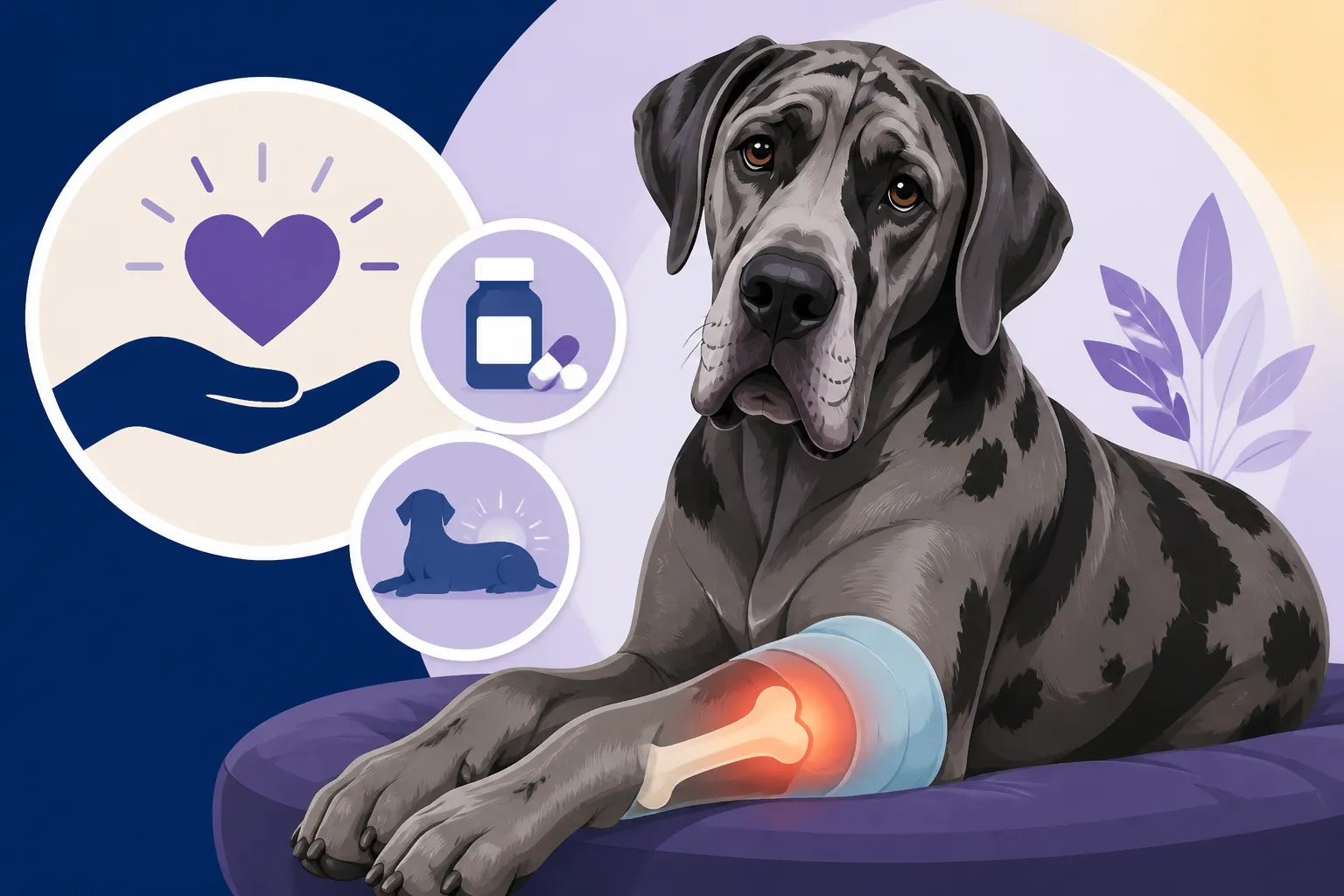
One of the most important principles in managing bone cancer pain is to embrace a multi-modal approach. This means combining different types of pain relief that work through various mechanisms, targeting pain from multiple angles. Relying on a single medication, no matter how strong, is rarely sufficient for the severe and complex pain of osteosarcoma. Your veterinarian will likely recommend a combination of pharmaceutical agents, alongside supportive care and potentially complementary therapies. This synergistic approach allows for better pain control, often at lower doses of individual medications, which can help minimize side effects. Think of it like a team effort, with each component playing a crucial role in tackling your Great Dane's discomfort from every possible direction.
Conventional Medical Pain Relief Options
When it comes to battling the pain of osteosarcoma, your veterinarian has a powerful arsenal of medications and treatments. These options are often the cornerstone of a comprehensive pain management plan, designed to provide targeted relief and improve your Great Dane's comfort.
Non-Steroidal Anti-Inflammatory Drugs (NSAIDs)
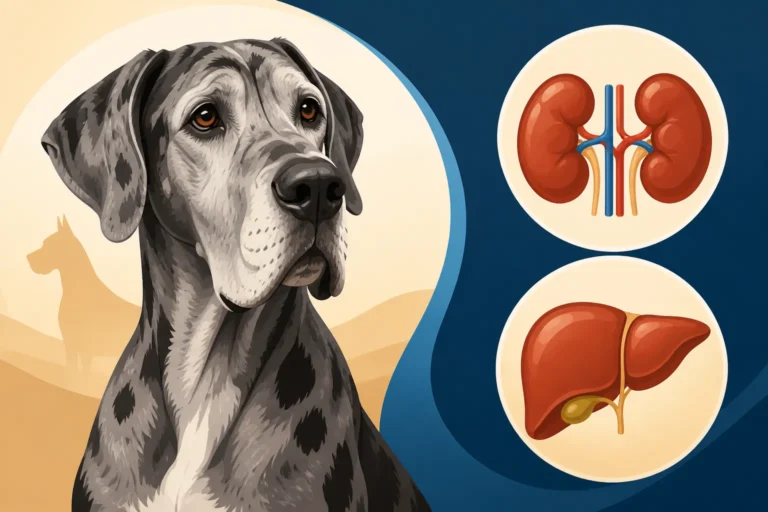
NSAIDs are often the first line of defense against the inflammation and pain associated with bone cancer. Drugs like Carprofen (Rimadyl), Meloxicam (Metacam), Deracoxib (Deramaxx), and Firocoxib (Previcox) work by inhibiting enzymes that produce inflammatory mediators. For many Danes, these can provide significant initial relief, reducing swelling and the associated discomfort. However, it's crucial to understand that while effective, NSAIDs come with potential side effects, especially with long-term use in giant breeds. These can include gastrointestinal upset (vomiting, diarrhea, ulcers), and kidney or liver issues.
Your vet will carefully consider your Great Dane's overall health, especially kidney and liver function, before prescribing an NSAID. They'll also likely recommend regular blood tests to monitor these organs, particularly if your dog is on the medication for an extended period. Never give your Great Dane human NSAIDs like ibuprofen or naproxen, as these are highly toxic to dogs. Always follow your vet's dosage instructions precisely, and report any adverse reactions immediately. For a Great Dane, even a slight overdose can be dangerous.
Opioids and Gabapentin for Advanced Pain
When NSAIDs alone aren't enough, or if your Great Dane's pain is severe, your vet will likely add other medications to the regimen. Opioid medications, such as Tramadol, are often prescribed for moderate to severe pain. While not as potent as some human opioids, Tramadol can help by acting on opioid receptors in the brain and spinal cord, modifying pain perception. Its effectiveness can vary widely between dogs, but it's often used in combination with NSAIDs.
Gabapentin is another incredibly useful medication, particularly for neuropathic (nerve-related) pain, which can be a component of bone cancer pain. It works by calming overactive nerve signals. Many vets also find it helpful for general pain relief, and it has the added benefit of providing some mild sedation, which can be beneficial for an anxious dog struggling with constant discomfort. Amantadine is sometimes added to the mix, particularly for chronic, "wind-up" pain, where pain pathways become overly sensitized. It works by blocking certain receptors in the nervous system, helping to prevent or reverse this sensitization. The beauty of these drugs is that they target pain pathways differently from NSAIDs, making them excellent partners in a multi-modal approach.
Bisphosphonates to Combat Bone Destruction
This category of drugs, which includes medications like pamidronate or zoledronate, is specifically designed to address the underlying process of bone destruction that causes so much pain in osteosarcoma. Bisphosphonates work by inhibiting osteoclasts, the cells responsible for breaking down bone. By slowing down this bone resorption, these medications can reduce pain, increase bone density in the affected area, and potentially decrease the risk of pathological fractures.
They are typically administered intravenously, often as a series of infusions. While they don't cure the cancer, they can offer a significant improvement in comfort levels and may even play a role in slowing disease progression in the bone. For Great Danes, whose bones are large and already under immense pressure, reducing this destructive process can be a game-changer for their daily comfort.
Radiation Therapy as a Palliative Measure
Sometimes, localized radiation therapy isn't about curing the cancer but about providing profound pain relief. Palliative radiation works by damaging the cancer cells in the affected bone, causing them to shrink or stop growing, which in turn reduces the pressure and inflammation that cause pain. It can offer rapid and dramatic pain relief in a significant percentage of dogs with osteosarcoma.
Typically, palliative radiation involves a few sessions (often 1-4) delivered over a shorter period compared to curative radiation protocols. The goal is to maximize pain relief with minimal side effects. While it won't eradicate the cancer or prevent metastasis (spread to other parts of the body, like the lungs), it can often restore a good level of limb function and comfort, allowing your Great Dane to walk and play more freely. This can be a vital component of extending a good quality of life.
Supportive Care and Alternative Therapies
Beyond medications, there's a world of supportive care and complementary therapies that can significantly enhance your Great Dane's comfort and overall well-being. These approaches focus on making daily life easier and reducing the physical strain on their aching bodies.
Environmental Modifications for Comfort
Living with bone cancer makes even simple movements painful. Modifying your home environment can make a huge difference for your Great Dane. Start with their resting spots: invest in extra thick, orthopedic bedding. Consider a high-quality memory foam bed designed for large breeds like Big Barker or K&H Pet Products, to provide maximum cushioning for their joints and the painful limb. This helps alleviate pressure points and encourages restful sleep.
Next, address slippery surfaces. Hardwood or tile floors can be treacherous and painful for a dog with an unstable or painful leg. Lay down non-slip rugs, carpet runners, or yoga mats in high-traffic areas. If your Dane struggles with stairs, block them off or carry them if they're still light enough (which, let's be honest, is rarely the case for a fully grown Great Dane!). Ramps can be invaluable for getting into and out of cars, or navigating a few steps. You might also find a sling or support harness helpful for providing a bit of lift when they need to get up or go outside, especially if they are struggling with mobility. Consider looking into Mobility Aids for a Failing Great Dane, as these tools can truly help preserve their dignity and independence.
Physical Therapy and Gentle Exercise
While your Great Dane needs to avoid strenuous activity, complete inactivity can lead to muscle atrophy and stiffness, exacerbating their discomfort. Gentle, controlled exercise and physical therapy can play a supportive role. This isn't about rigorous workouts; it's about maintaining mobility, muscle mass, and joint flexibility without putting undue stress on the affected limb.
Your vet might recommend specific exercises you can do at home, such as slow, controlled walks on soft surfaces (like grass), passive range of motion exercises for the joints, or gentle massage to alleviate muscle tension. Hydrotherapy (underwater treadmill or swimming) can be particularly beneficial, as the buoyancy of the water reduces weight-bearing stress on the painful limb while allowing them to move and build strength. A certified canine rehabilitation therapist can develop a tailored plan for your Dane, focusing on strengthening compensatory muscles and improving balance, which can indirectly reduce the burden on the cancerous limb.
Acupuncture and Laser Therapy
Many owners explore complementary therapies as adjuncts to conventional pain management, and for good reason. Acupuncture, performed by a veterinary acupuncturist, involves inserting thin needles into specific points on the body. It's believed to stimulate nerves, release natural pain-relieving endorphins, and improve blood flow, which can help reduce inflammation and discomfort. Many dogs tolerate acupuncture very well and find it relaxing.
Laser therapy (also known as cold laser or low-level laser therapy) is another non-invasive option. It uses specific wavelengths of light to penetrate tissues, promoting cellular regeneration, reducing inflammation, and stimulating nerve function. Owners often report seeing improvement in their dog's comfort and mobility after a course of laser treatments. While neither acupuncture nor laser therapy will cure the cancer, they can be valuable tools in a multi-modal pain management plan, offering additional relief and improving your Dane's overall comfort without the systemic side effects of medication.
Nutritional Support and Supplements
Nutrition plays a vital, albeit supportive, role in managing a Great Dane with bone cancer. Maintaining a healthy weight is crucial; extra pounds put more stress on an already painful limb. Your vet can help you determine an appropriate diet to keep your Dane at an ideal body condition. While no diet can cure cancer, a high-quality, easily digestible diet rich in omega-3 fatty acids (like EPA and DHA) can have anti-inflammatory benefits that may contribute to overall comfort. Supplements like glucosamine and chondroitin, while primarily for joint health, might offer some secondary comfort, though their direct impact on cancer pain is less established. Always discuss any supplements with your vet to ensure they are appropriate and won't interact with other medications.
When to Consider Amputation
The thought of Amputation and Chemotherapy for a Great Dane is terrifying for many owners, but it's a vital conversation to have, especially when the goal is definitive pain relief from bone cancer. For a Great Dane, their size can make this decision feel even more daunting, but it's often a path to improved quality of life.
Amputation as a Definitive Pain Relief Strategy
For osteosarcoma that is localized to one limb and has not visibly spread (metastasized) at the time of diagnosis, amputation can be the most effective way to eliminate the source of pain. When the tumor is within the bone, causing constant, excruciating discomfort, removing the entire affected limb literally removes the pain. Many owners are amazed at how quickly their dogs recover and adapt to life on three legs, often showing an immediate improvement in their demeanor and willingness to move because they are no longer in agony.
While it is a major surgery, for many Great Danes, amputation isn't about extending life significantly (unless followed by chemotherapy to target microscopic spread), but about dramatically improving the quality of the life they have left. What Three Legs Buy a Great Dane With Bone Cancer is often freedom from constant pain, allowing them to truly enjoy their remaining time with their family.
Assessing Your Great Dane's Suitability
Deciding on amputation is a complex, deeply personal choice that needs careful consideration with your veterinary team. Not every Great Dane is a suitable candidate. Key factors include:
- Overall Health: Your Dane must be otherwise healthy enough to undergo a major surgery and recover. This means good heart, kidney, and liver function.
- Other Orthopedic Issues: If your Great Dane has significant arthritis or other orthopedic problems in the remaining limbs, life on three legs might be too challenging. Their compensatory limbs need to be strong and sound.
- Temperament: Dogs are incredibly resilient, but a very anxious or fearful Dane might struggle more with the adjustment. However, many dogs, once pain-free, become more confident.
- Weight: While Great Danes are large, their size doesn't automatically rule out amputation. Many giant breeds adapt very well. However, being overweight can complicate recovery and put extra strain on the remaining limbs.
- Owner Commitment: You'll need to be prepared for the post-operative care, rehabilitation, and helping your Dane adjust to their new mobility. This includes things like managing ramps, helping them get up, and being patient during their learning curve.
Your vet will conduct a thorough physical exam, bloodwork, chest X-rays (to check for lung metastasis, which is common with osteosarcoma), and potentially other imaging to ensure your Great Dane is a good candidate and to help you make the most informed decision.
Monitoring Pain and Adjusting Treatment
Pain management for bone cancer isn't a "set it and forget it" kind of deal. Your Great Dane's needs will change as the disease progresses, and constant vigilance and communication with your vet are paramount.
Recognizing Subtle Signs of Discomfort
Our Great Danes are stoic, and sometimes their pain signals can be incredibly subtle, especially in the early stages or when they're trying to hide discomfort. It's not always obvious crying or yelping. You need to become an expert observer of your dog's normal behavior. Look for:
- Changes in gait: A slight limp that comes and goes, favoring one leg, or a "head bob" when they walk.
- Reluctance to move: Hesitation to jump into the car, go up stairs, or even get off their bed.
- Pacing or restlessness: Especially at night, they might struggle to find a comfortable position.
- Changes in posture: Standing with an arched back, tucking their tail, or shifting weight uncomfortably.
- Licking or chewing at the affected area: This can be a self-soothing mechanism.
- Changes in appetite or thirst: Pain can suppress their desire to eat or drink.
- Altered personality: Becoming withdrawn, less playful, irritable, or even growling when touched in certain areas.
- Heavy panting or shallow breathing: Can indicate discomfort or stress.
Keeping a log of these observations can be incredibly helpful for your vet to understand how your Great Dane is truly feeling day-to-day.
Working Closely with Your Veterinarian
Managing chronic, severe pain like that from bone cancer requires a strong partnership with your veterinary team. They are your greatest resource. Don't hesitate to call them if you notice changes in your Great Dane's comfort level. Pain relief medication doses often need to be adjusted, or new medications added, as the disease progresses.
Regular check-ups are essential, not just for monitoring the cancer's progression, but specifically for evaluating the effectiveness of the pain management plan. Your vet might suggest trying different combinations of medications, adjusting the timing of doses, or exploring new therapies. Be honest about your observations at home; you are your Great Dane's best advocate. Discussing your concerns, even seemingly small ones, can lead to critical adjustments that significantly improve your dog's comfort. This continuous dialogue ensures your Great Dane receives the most appropriate and compassionate care throughout their journey.
Making Difficult Decisions
Facing bone cancer in your Great Dane brings with it an unavoidable reality: difficult decisions. These are the choices no pet owner ever wants to make, but they come from a place of deep love and commitment to your dog's well-being.
Prioritizing Quality of Life
When you're dealing with a disease like osteosarcoma, the focus shifts from "how long" to "how well." The ultimate goal is to ensure your Great Dane's quality of life remains as high as possible for as long as possible. This means constantly evaluating whether they are still finding joy in their daily activities – eating, interacting with family, taking gentle walks, and being free from significant, unmanageable pain.
It's natural to want to extend their time with you, but sometimes, our desire to keep them near can inadvertently lead to prolonging their suffering. Honest self-assessment and open conversations with your vet about your Great Dane's current comfort levels, their response to pain medication, and their ability to engage in life are crucial. The question becomes: are the good days still outweighing the bad? Are they still truly living, or just existing in discomfort?
Recognizing the Right Time for Goodbye
This is the hardest part of loving a Great Dane, or any pet, deeply. Recognizing the right time to say goodbye, to make the ultimate act of kindness by ending their suffering, is a monumental burden. There's no single right answer, no perfect moment. It's a combination of your observations, your vet's assessment, and that deep, intuitive bond you share with your dog.
Often, the "right time" comes when despite all available pain relief and supportive care, your Great Dane's pain can no longer be adequately controlled, or their bad days consistently outnumber the good. Perhaps they've stopped eating, lost interest in their favorite things, or can no longer move without immense struggle. It's about preventing suffering, not waiting for it to be unbearable. For many Great Dane owners, this decision is the most agonizing, but it's also the final, selfless act of love you can provide. During this incredibly challenging time, knowing you've done everything possible to alleviate their pain, including using financial resources with the help of pet insurance like Healthy Paws, can provide some comfort. Remember, you don't have to go through this alone; your veterinary team is there to support you through every step of this journey, including helping you evaluate Whether to Treat or Let a Great Dane Go.
Financial Considerations for Great Dane Bone Cancer Treatment
It's an unfortunate truth that providing comprehensive care for a Great Dane with bone cancer can incur significant costs. From diagnostics to ongoing pain management and potentially surgery or radiation, the bills can add up quickly. This is where having pet insurance can make a tangible difference.
Navigating the Costs of Care
The initial diagnosis often involves X-rays, blood tests, and potentially a biopsy, which can range from a few hundred to over a thousand dollars. If amputation is chosen, the surgery itself, including anesthesia, hospitalization, and post-operative pain medication, can easily be several thousand dollars. Chemotherapy and radiation therapy also carry substantial price tags, with a course of palliative radiation costing several thousand dollars.
Ongoing pain relief medication, particularly the multi-modal approach often required, can be hundreds of dollars per month for a Great Dane, given their size and dosage requirements. This is where knowing the typical Pain Medication Costs for a Great Dane can help you budget or prepare. Beyond medical costs, you might also invest in special orthopedic beds, mobility aids, or even home modifications to enhance their comfort.
The Role of Pet Insurance
This is precisely the kind of scenario where pet insurance can be a lifesaver. Companies like Healthy Paws offer comprehensive coverage that can help mitigate the financial strain of these devastating diagnoses. If you enrolled your Great Dane early, before the diagnosis, your policy could cover a significant portion of the eligible veterinary bills for cancer treatment, including consultations, diagnostics, medications, surgery, radiation, and even rehabilitation therapies.
Having pet insurance means you can focus on making the best medical decisions for your Great Dane without the added stress of crushing debt. It allows you to say "yes" to treatments and pain relief options that might otherwise be out of reach. While it won't take away the emotional pain of the diagnosis, it can certainly ease the financial burden, empowering you to provide the highest level of compassionate care for your beloved companion during their most challenging time. Always review your policy details carefully to understand what is covered, deductibles, and reimbursement percentages.
Disclaimer
This article is intended for informational purposes only and does not constitute veterinary medical advice. Always consult with a qualified veterinarian for any health concerns or before making any decisions about your Great Dane's care.