Early Heart Signs in a Great Dane
One of the hardest parts of living with a magnificent Great Dane is the constant shadow of potential health issues, especially those concerning their hearts. It's a heavy burden, often felt by owners who pour their love into these gentle giants, knowing that their lifespan can be painfully short. This guide isn't here to scare you, but to empower you with the knowledge to recognize the subtle, early heart signs in your Great Dane, because catching these problems early can truly make a difference.
The Great Dane Heart: A Vulnerable Giant
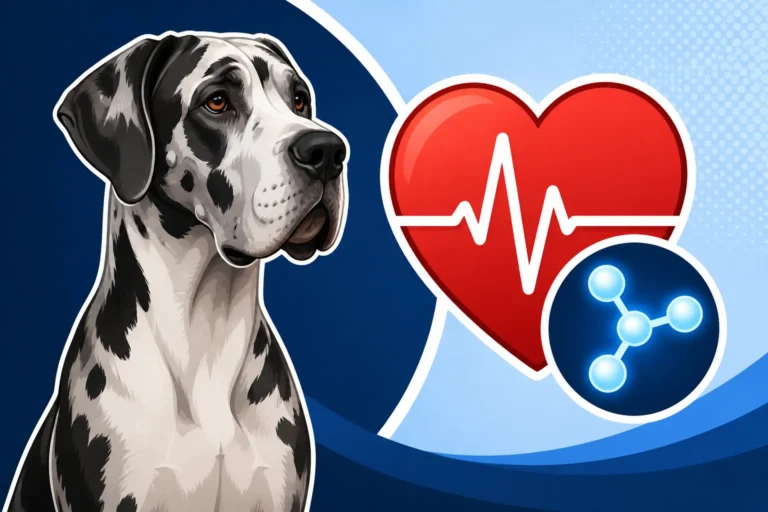
It's a tough truth to face, but Great Danes are disproportionately affected by certain heart conditions, most notably Dilated Cardiomyopathy (DCM). This isn't just a generic dog ailment; it's a specific, aggressive disease that hits our Danes hard and often silently at first. As owners, we often feel like we're constantly on high alert, trying to decipher every cough or slow step, wondering if it's just a normal part of being a big dog or something more sinister.
Understanding Dilated Cardiomyopathy (DCM)
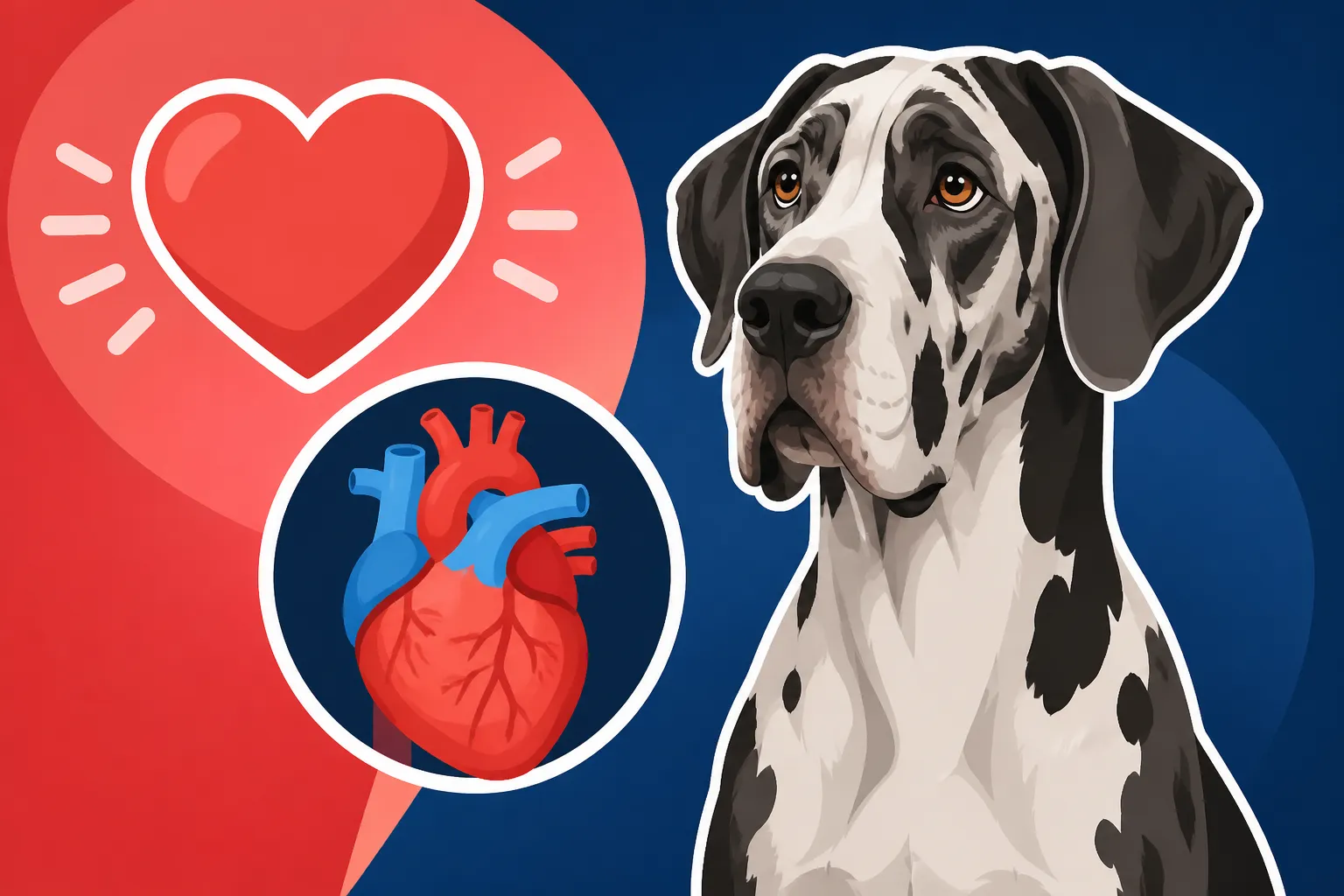
Dilated Cardiomyopathy is a primary disease of the heart muscle. In simpler terms, the heart muscle becomes thin and weak, and the chambers of the heart, particularly the left ventricle, become enlarged or "dilated." This thinning and stretching mean the heart can't pump blood effectively to the rest of the body. Think of it like a worn-out rubber band that has lost its snap – it just can't do its job as well anymore. This reduced pumping efficiency leads to a backlog of blood, causing fluid to build up, often in the lungs (pulmonary edema) or abdomen (ascites), which is a sign of congestive heart failure.
The insidious nature of DCM is that it can progress for a long time without obvious clinical signs. Your Dane might seem perfectly fine, full of life, while their heart is slowly deteriorating. This silent progression is what makes us Great Dane owners so vigilant and sometimes paranoid about every little change. It’s a reality that weighs heavily, knowing that The Heart Muscle Disease Great Danes Are Prone To can be lurking without immediate fanfare.
The Genetic Predisposition in Great Danes
While the exact mechanisms are complex and still being researched, it's widely accepted that there's a significant genetic component to DCM in Great Danes. Certain lines and families within the breed have a higher incidence of the disease, suggesting a hereditary link. This is why reputable breeders go to such lengths to screen their breeding stock, attempting to reduce the risk for future generations. However, even with the best intentions and rigorous screening, DCM can still appear, which is incredibly frustrating for both breeders and owners.
It means that even if you've done all your homework, chosen a great breeder, and seen all the health clearances, the possibility of DCM still exists. This genetic lottery adds another layer of anxiety for those of us who adore this breed. Knowing How a Great Dane Heart Enlarges and the underlying reasons helps us understand why vigilance is so crucial.
Subtle Early Warning Signs to Watch For
Recognizing early heart signs in a Great Dane can feel like finding a needle in a haystack. Their sheer size and generally placid nature can mask symptoms that would be obvious in a smaller, more active dog. But learning to "read" your Dane is an invaluable skill. These aren't always dramatic collapses; often, they're tiny, creeping changes that only someone deeply familiar with the dog would notice.
Changes in Energy Levels and Stamina
One of the first and most common indicators of developing heart issues is a subtle shift in your Dane's energy. Maybe they're not quite as eager for that long walk they used to love, or they tire out faster than usual. It's easy to dismiss this as "just getting older" or a "lazy day," especially if your Dane is naturally a couch potato.
- Decreased Exercise Tolerance: Your Great Dane might start lagging behind on walks, refusing to finish their usual route, or taking more breaks. What once was a vigorous romp might become a slow amble. If your Dane normally enjoys a good run, but now prefers to cut it short or even lies down during play, pay attention. This isn't just about age; it could be their heart struggling to keep up with the demands of exercise. You might notice your A Great Dane That Cannot Finish a Walk is more frequent or pronounced.
- Increased Lethargy or Rest: Are they sleeping more? Are they less interested in engaging with you or other family members? A healthy Great Dane loves to relax, but an excessive amount of resting, or a noticeable drop in their usual playful bursts, could be a red flag. It’s a difficult thing to quantify, but if you feel something is "off" with their usual zest for life, trust that instinct.
Coughing and Breathing Peculiarities
Coughing in a Great Dane is almost always a cause for concern. While it could be kennel cough or an allergy, when it's associated with heart disease, it's usually due to fluid accumulating in the lungs.
- Nighttime or Resting Cough: One classic sign of congestive heart failure in dogs is a cough that seems worse at night or when they are resting. They might lie down, get comfortable, and then start a soft, moist cough. This isn't just clearing their throat; it's often their body trying to expel fluid from their lungs. If you notice your A Great Dane That Coughs at Night more often, it's definitely time to call the vet.
- Increased Respiratory Rate: Count your Dane's breaths per minute while they are resting or sleeping. A normal resting rate is typically between 10-30 breaths per minute. If you consistently find their rate to be higher, especially above 30, it could indicate fluid in the lungs, making it harder for them to breathe. This is a quiet, shallow type of breathing, not panting from heat or exercise.
- Gagging or Choking Sounds: Sometimes, the cough can sound like a gag or a choke, as if they're trying to clear something from their throat. This can be mistaken for a minor irritation, but combined with other signs, it points more strongly to heart issues.
Appetite and Weight Fluctuations
Changes in eating habits and body condition can be subtle indicators of underlying health problems, including heart disease.
- Decreased Appetite: As heart disease progresses, dogs can lose their appetite. They might turn their nose up at food they once loved, or only pick at their meals. This isn't always the case, and some Danes maintain a good appetite, but if combined with other signs, it's noteworthy.
- Weight Loss (Cardiac Cachexia): While not an early sign, in later stages of heart disease, dogs can experience "cardiac cachexia," which is a severe muscle wasting and weight loss despite adequate food intake. This is due to the body working harder and metabolism shifting. Before this extreme stage, you might just notice your Dane becoming leaner, or their muscles feeling less firm.
- Abdominal Swelling: In some cases, heart failure can lead to fluid accumulation in the abdomen, known as ascites. This would make their belly appear distended or bloated, which is a symptom that can also be easily confused with the terrifying signs of bloat in a Great Dane. However, ascites typically develops more gradually than bloat.
Behavioral Shifts
Our Danes communicate a lot through their behavior, and subtle changes can often be the earliest warnings.
- Restlessness or Anxiety: A dog in early heart failure might have trouble getting comfortable. They might pace, shift positions frequently, or seem generally restless, especially at night. This can be due to mild discomfort or difficulty breathing when lying down.
- Fainting or Collapsing: This is a more dramatic and alarming sign, often indicating a more advanced stage of heart disease, but can sometimes be the first obvious symptom. Fainting in a Great Dane can occur during or after exertion, or even during excitement. It happens when the heart can't supply enough blood and oxygen to the brain. If your Dane collapses, even if they recover quickly, it's an immediate emergency.
- Reluctance to Play or Interact: If your typically social Dane is withdrawing, becoming less interested in playing with toys, other pets, or family members, it could be a sign they don't feel well. They might still be affectionate, but their enthusiasm for activity might wane.
When to Seek Veterinary Attention and What to Expect
If you notice any of these signs, even if they seem minor, it’s critical to contact your veterinarian. Early intervention is key with heart disease in Great Danes. Don't wait until the symptoms are severe; by then, the disease may have progressed significantly.
The Importance of Early Detection Screenings
Because DCM can be so sneaky, proactive screening is incredibly important, especially for a breed like the Great Dane. If you're wondering When a Great Dane Should Have Its First Echo, most breed clubs and veterinary cardiologists recommend starting screenings by 2-3 years of age, and then annually. Even if your Dane seems perfectly healthy, these regular check-ups can catch the disease in its asymptomatic phase. Think of it as preventative maintenance for their most vital organ. This is also where pet insurance like Healthy Paws can be a lifesaver, as these specialized screenings and potential treatments can quickly add up.
What Happens at a Cardiac Exam
During a cardiac exam, your vet will do a thorough physical check-up. They will:
- Listen to their heart: They'll listen for murmurs (abnormal heart sounds), gallop rhythms (an extra heart sound), or arrhythmias (irregular heartbeats). While a murmur doesn't always mean DCM, it warrants further investigation.
- Check pulse quality: A weak or irregular pulse can be a sign of poor heart function.
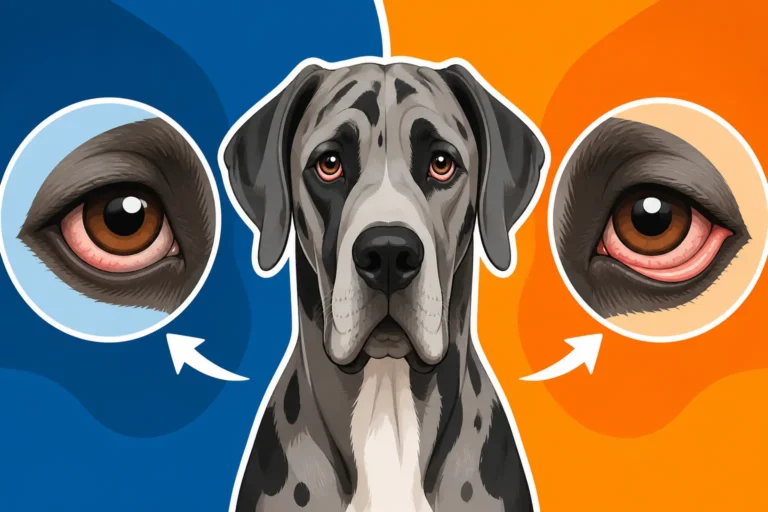
- Assess mucous membranes: The color of their gums can indicate how well their blood is being oxygenated.
- Observe breathing: They'll note your Dane's respiratory rate and effort.
If your general vet suspects an issue, they will likely refer you to a veterinary cardiologist for more specialized diagnostics.
Diagnostic Tests: Echocardiograms and Holter Monitors
To definitively diagnose DCM and assess its severity, specific cardiac tests are needed.
- Echocardiogram (Echo): This is essentially an ultrasound of the heart. It allows the cardiologist to visualize the heart's structure, measure the size of the chambers, assess the thickness of the muscle walls, and evaluate how efficiently the heart is pumping blood. It’s the gold standard for diagnosing DCM and What a Cardiologist Measures in a Great Dane Heart. This non-invasive test is crucial for early detection.
- Holter Monitor: A Holter monitor is a wearable device that records your dog's electrocardiogram (ECG) over a 24-hour period while they go about their normal activities. This is invaluable for detecting arrhythmias that might be intermittent and missed during a brief vet visit. Many Great Danes with DCM have ventricular arrhythmias even before showing other clinical signs. It provides a comprehensive look at their heart's electrical activity, giving your vet a much clearer picture of what's happening. Learning about Holter Monitoring for a Great Dane Heart can prepare you for this process.
Here's a quick comparison of common diagnostic tools:
| Diagnostic Tool | What it Measures/Shows | Purpose |
|---|---|---|
| Physical Exam | Heart sounds, pulse, respiratory rate, mucous membranes | Initial assessment, identifying potential issues |
| X-rays (Chest) | Heart size, fluid in lungs, fluid in abdomen | Evaluate heart enlargement, presence of congestive heart failure |
| Echocardiogram | Heart structure, chamber size, muscle thickness, pump function | Definitive diagnosis of DCM, severity assessment, monitoring progression |
| ECG / Holter Monitor | Electrical activity of the heart, arrhythmias | Detects irregular heartbeats, especially intermittent ones |
| Bloodwork | General health, kidney/liver function, cardiac biomarkers | Rule out other diseases, assess overall health, sometimes indicates heart strain |
Managing Heart Health Proactively (Even Before Diagnosis)
Even if your Great Dane hasn't been diagnosed with heart disease, there are proactive steps you can take to support their overall cardiovascular health. And if they do receive a diagnosis, these practices become even more critical in managing the condition and maintaining their quality of life.
Nutrition and Supplementation Considerations
Diet plays a role in overall health, and for Great Danes, getting it right is crucial, particularly concerning their heart.
- High-Quality Diet: Feeding a high-quality, balanced diet specifically formulated for large or giant breeds is important. Be cautious about boutique, grain-free diets, as some studies have linked certain dietary ingredients (like peas, lentils, and potatoes as primary ingredients) to an increased risk of DCM in some breeds, although the connection is still under investigation. Discuss this with your vet or a veterinary nutritionist.
- Supplements: Certain supplements might be beneficial for heart health. For Great Danes, particular attention is often paid to Taurine and L-Carnitine. While not every Dane needs these, and they are usually only supplemented under veterinary guidance, some studies suggest a link between taurine deficiency and DCM in certain breeds. It's worth discussing Taurine and Great Dane Heart Health with your vet, especially if you have concerns about your dog's diet or breed predisposition. CoQ10 and Omega-3 fatty acids are also sometimes recommended for their general cardiovascular benefits. Remember, always consult your vet before adding any supplements.
The Role of Regular Veterinary Check-ups
You simply cannot overstate the importance of consistent veterinary care for a Great Dane. Given their propensity for serious health issues like Bloat in a Great Dane and the One in Three Odds and heart disease, regular check-ups are not a luxury but a necessity.
- Annual Wellness Exams: Beyond just vaccinations, these visits allow your vet to establish a baseline for your dog's health, catch subtle changes, and perform routine screenings. This is when your vet might pick up a new heart murmur or an increase in respiratory rate.
- Cardiac Screenings: As mentioned, annual cardiac screenings, often involving an echocardiogram, are highly recommended for Great Danes, even if they appear healthy. These screenings can identify early structural or functional changes in the heart before clinical signs develop, allowing for earlier intervention. For Great Danes, this proactive approach is key.
Lifestyle Adjustments for a Healthy Heart
While you can't prevent all heart disease, you can certainly support your Dane's heart through smart lifestyle choices.
- Weight Management: Keeping your Great Dane at a lean, healthy weight is paramount. Excess weight puts additional strain on their heart and joints. Discuss your dog's ideal body condition score with your vet and adjust their food intake and exercise accordingly. Whether a Great Dane Puppy Should Be Kept Lean is a common question, and the answer is usually yes, slow and steady growth is best.
- Appropriate Exercise: While regular exercise is good for heart health, it needs to be appropriate for your Dane's age and condition. Avoid intense, prolonged exercise in hot weather, or strenuous activity if your dog is showing any signs of cardiac distress. Short, frequent walks are often better than one long, exhausting session. Listen to your dog; if they want to slow down, let them.
- Stress Reduction: While less directly linked than other factors, chronic stress can impact overall health. Providing a calm, stable environment and consistent routines can contribute to your Dane's well-being.
- Considering Pet Insurance: The reality of managing a Great Dane’s health, especially with conditions like DCM, is the significant financial burden. These specialized diagnostics, ongoing medications, and potential emergency care can quickly run into thousands of dollars. Having pet insurance, such as from Healthy Paws, can provide immense peace of mind, allowing you to make medical decisions based on what’s best for your beloved Dane, rather than what you can afford out-of-pocket. It’s an investment in their future and your sanity. Whether Pet Insurance Is Essential for a Great Dane is a question many owners ponder, and for a breed prone to serious health issues, it's often a resounding yes.
Disclaimer
This article is for general informational purposes only and does not constitute professional advice. Laws, prices and regulations vary by location and change over time. Consult a qualified professional for guidance on your specific situation.