Whether a Great Dane’s Size Predicts Its Health
Great Dane health risks, including rapid growth, bone issues, and bloat, are explained through physiological size predispositions.
Know what to watch for.
Breed-specific conditions, screening and DNA tests, what surgery actually costs, and the daily habits that stretch a healthy lifespan.
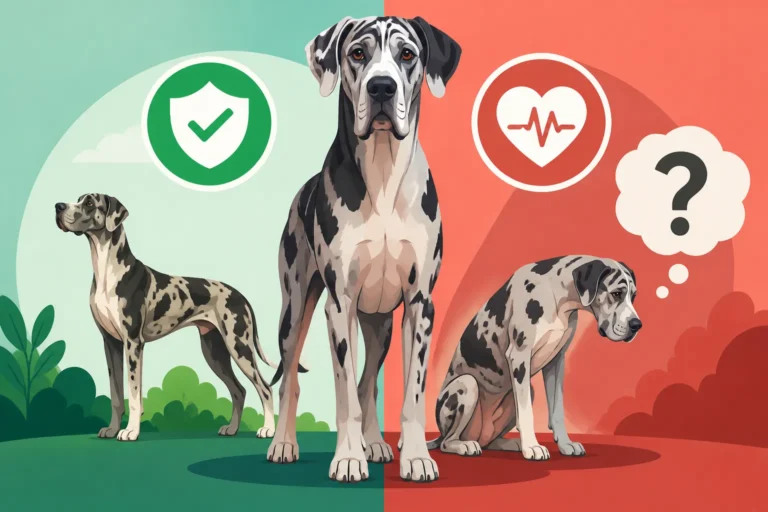
Great Dane health risks, including rapid growth, bone issues, and bloat, are explained through physiological size predispositions.
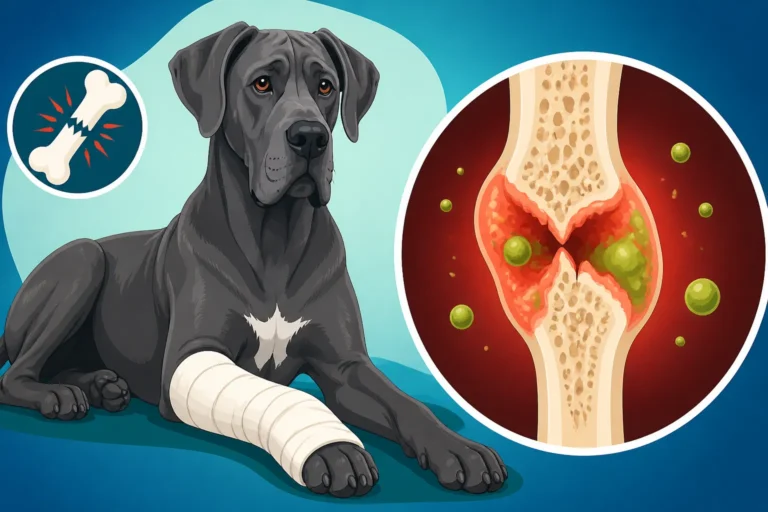
Osteomyelitis in Great Danes involves bacterial bone infections after fractures, threatening healing, mobility, and long-term health.
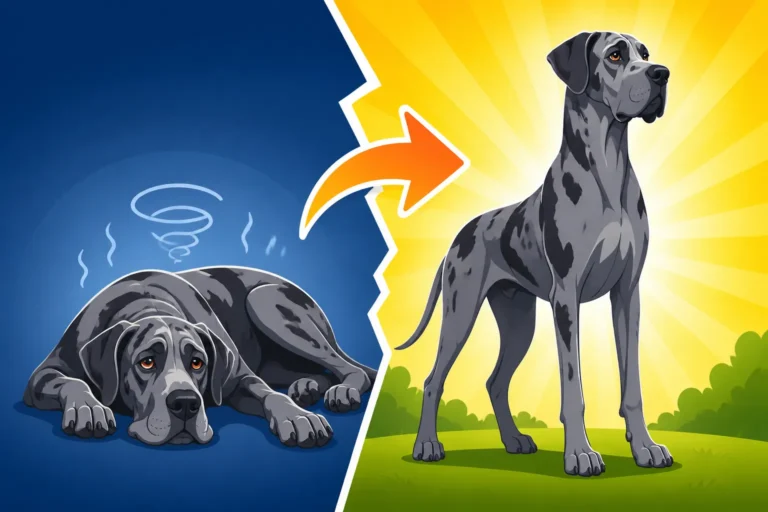
A Great Dane collapse and recovery episode reveals cardiac arrhythmias or seizures requiring immediate veterinary emergency attention.
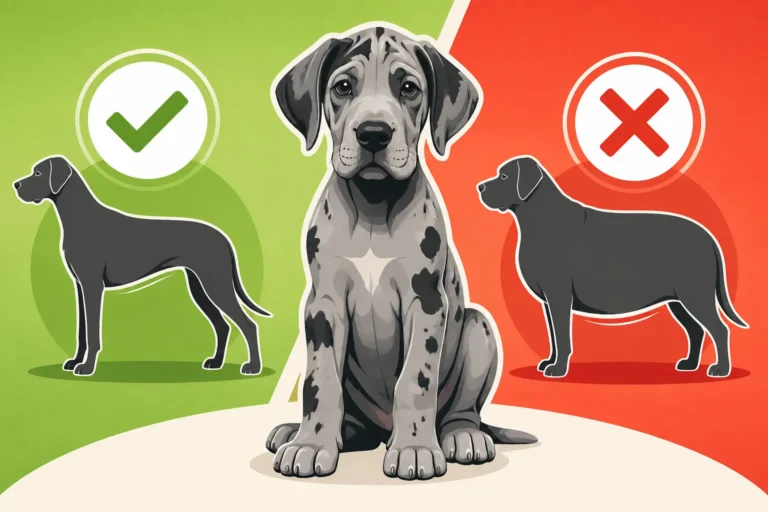
Great Dane puppy growth requires a slow, steady pace to protect joints and prevent serious developmental orthopedic diseases.

End-of-life care for senior Great Danes explains behavioral changes, mobility issues, and physical signs of declining health.
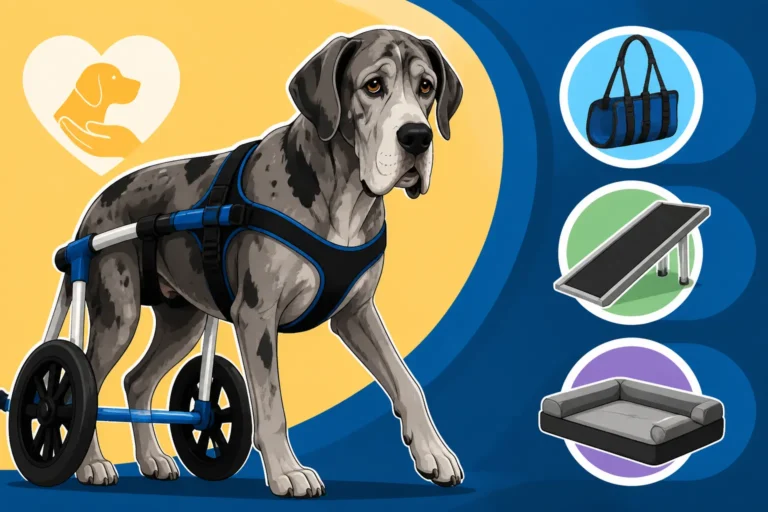
Mobility aids and practical strategies help aging Great Danes manage arthritis, Wobbler Syndrome, and other health conditions.
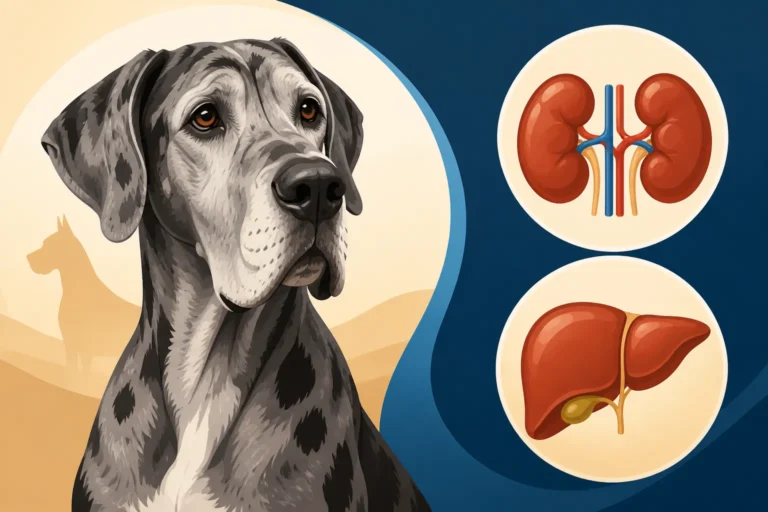
Kidney and liver values in senior Great Danes explain bloodwork numbers, waste filtration, and age-related organ changes.
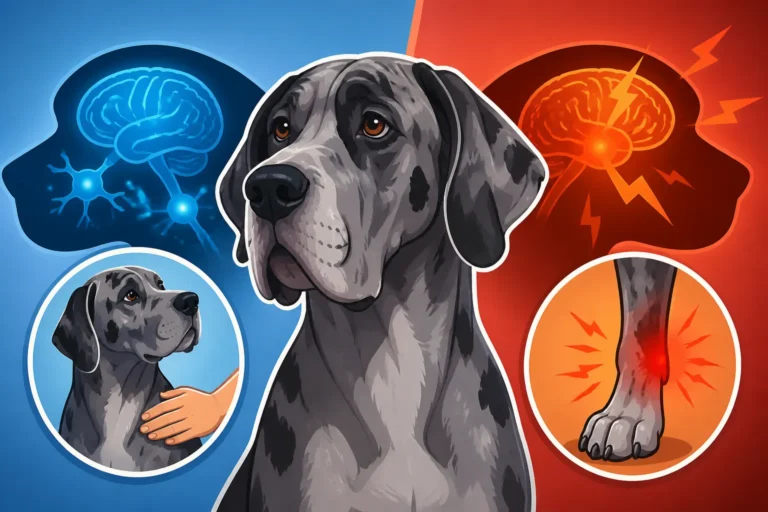
Great Dane pain perception, unique physiology, and joint stress explained for owners managing canine discomfort.
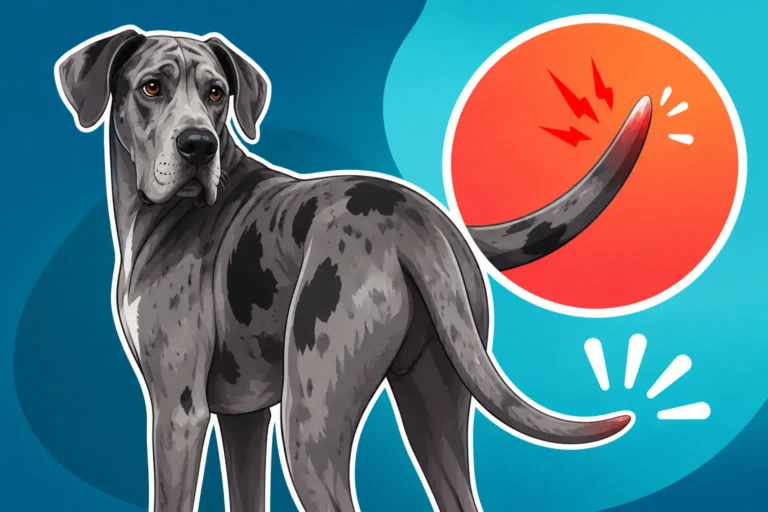
Great Dane tail injuries occur when powerful wags strike hard surfaces like walls, causing painful wounds that bleed constantly.
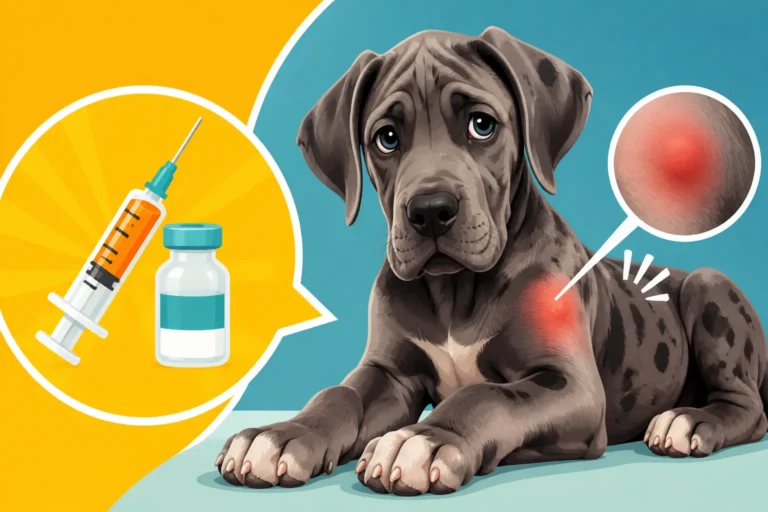
Great Dane puppy vaccination schedules, standard giant breed doses, and how to recognize mild and serious post-shot reactions.