Why Physical Corrections Fail on a Great Dane
It's incredibly frustrating when you're trying to communicate with your giant dog, and what you've been told should work – a firm hand, a quick leash correction – seems to make things worse, or just doesn't get through at all. For Great Dane owners, understanding why physical corrections often fall flat, and can even be detrimental, is crucial for building a strong, respectful bond and ensuring a well-adjusted companion. This guide will dive deep into the unique temperament of the Great Dane, explore the inherent risks of physical discipline, and show you why positive, trust-based training is the only way forward for these magnificent dogs.
The Great Dane's Sensitive Nature and Why It Matters
When you look at a Great Dane, their sheer size might lead you to believe they're incredibly tough, capable of shrugging off anything. After all, they’re massive! But beneath that impressive physique lies a profoundly sensitive, often soft-hearted companion. This isn't just a quaint breed characteristic; it's a fundamental aspect of their being that dictates how they learn and react to the world around them. Ignoring this sensitivity when training can lead to significant behavioral setbacks and a damaged relationship with your gentle giant.
The "Gentle Giant" Misconception
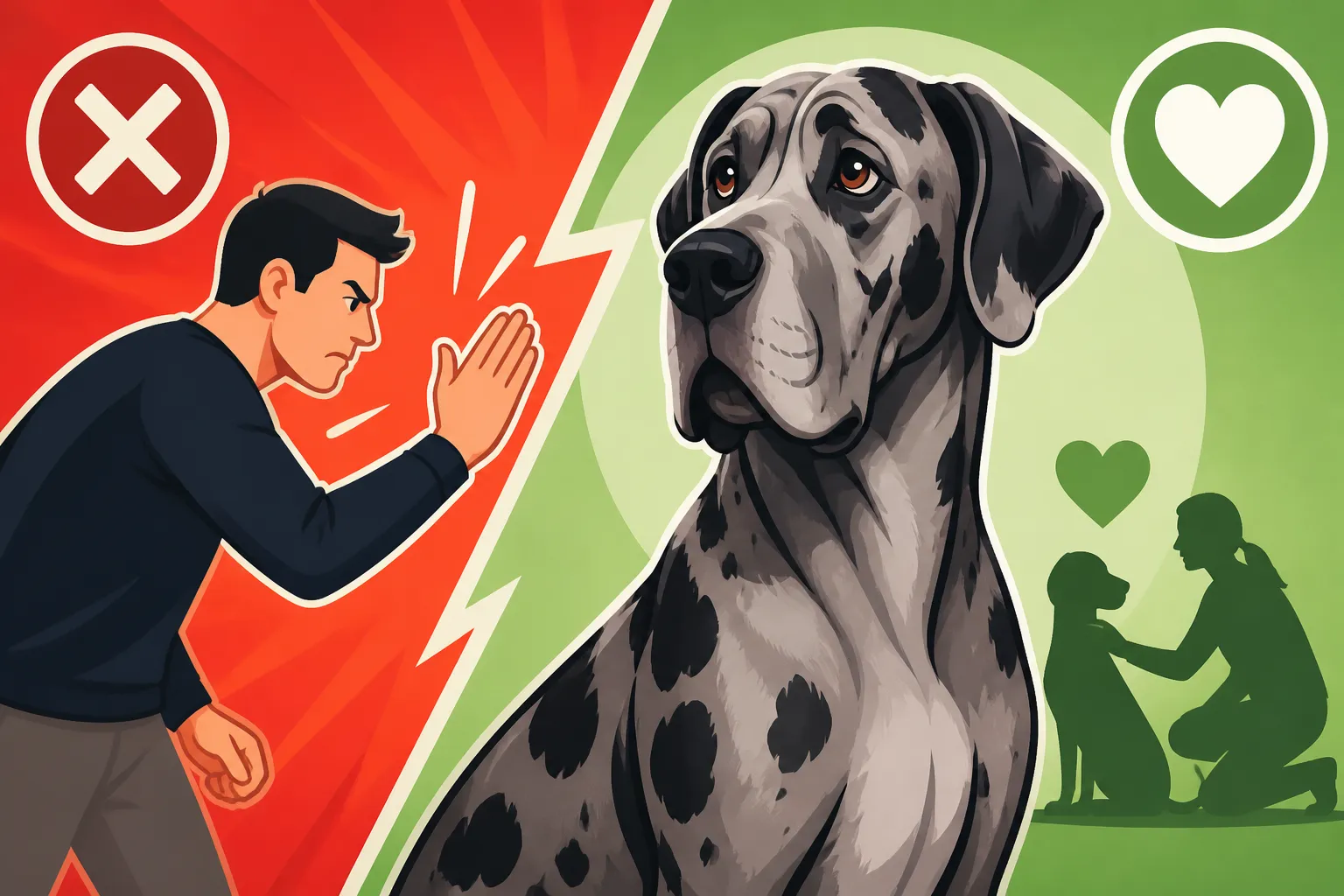
The moniker "gentle giant" isn't just marketing fluff; it's rooted in the Great Dane's actual temperament. These dogs are typically affectionate, eager to please, and deeply devoted to their families. They thrive on companionship and positive interaction. However, this very gentleness can be mistaken for weakness or stubbornness when faced with training challenges. Owners might think a Great Dane needs a stronger hand because it's so big, or that its size means it won't be easily intimidated. This couldn't be further from the truth. A Great Dane's sensitivity means they are highly attuned to your emotions and body language. A harsh tone, an abrupt gesture, or a physical correction can be deeply upsetting and confusing for them. They don't just feel the physical sensation; they process the intent behind it, which can register as a betrayal of trust from their most important person. This sensitivity is why many traditional, dominance-based training methods simply backfire with a Great Dane. They shut down, become fearful, or, in some cases, can even react defensively out of fear, which is never the intention.
How a Great Dane Interprets Harshness
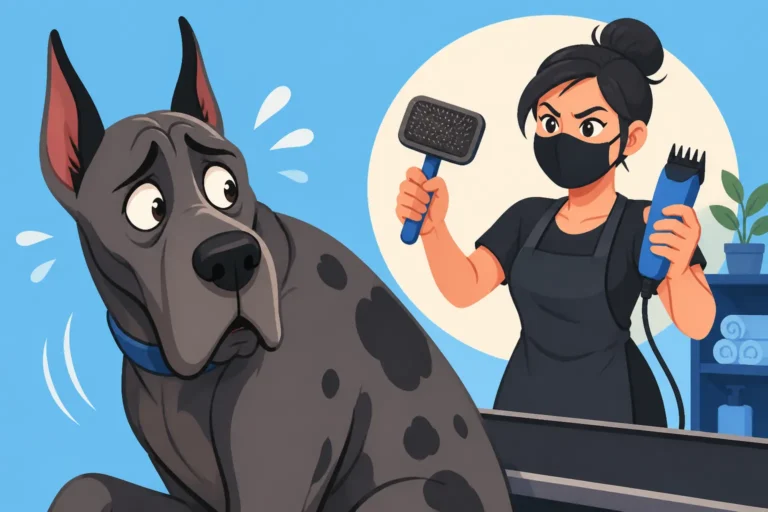
Imagine trying to learn a new skill, but every mistake you make is met with a sharp jab or a frightening push. How eager would you be to try again? How quickly would you associate the learning process with pain or fear? That's very much how a Great Dane can interpret physical corrections. What you might intend as a quick "no" or a redirection, like a tap on the nose or a yank on the leash, can be perceived by your sensitive Dane as an act of aggression or an inexplicable punishment. Because they are so large, a simple physical correction that might be mildly irritating to a smaller, hardier breed can be genuinely painful or alarming for a Great Dane. Their instinct isn't to understand the "lesson"; it's to protect themselves from discomfort or perceived threat. This can manifest as shying away, becoming avoidant, or even developing a deep-seated anxiety around training tools or situations. Over time, consistent harshness erodes the trust between you and your dog, making them less willing to engage, learn, or even approach you freely. This can lead to a Great Dane that is anxious rather than gentle, constantly on edge and unsure of what to expect.
The Practical Dangers of Physical Correction
Beyond the emotional and psychological toll, employing physical corrections with a Great Dane carries very real, practical dangers. Their immense size, while making them gentle, also means that any interaction carries significant force. Misguided attempts at discipline can lead to serious injury for both dog and owner, and can escalate behavioral issues rather than resolving them. It's a lose-lose situation that often creates more problems than it solves.
Physical Injury Risk for Dog and Owner
Let's be frank: a Great Dane can weigh well over a hundred pounds, sometimes pushing two hundred. Any physical interaction that involves force has the potential for injury. A sharp leash correction, even with the best intentions, can cause damage to their sensitive neck and throat, especially if they are wearing a standard collar. Their long, often delicate necks are not designed to withstand sudden, forceful impacts. Similarly, if a Great Dane tries to pull away from a physical correction, the force generated by their weight and momentum can easily knock a person off their feet, strain muscles, or cause falls.
Think about a common scenario: your Great Dane jumps up on a visitor. A natural, though misguided, reaction might be to push them down or knee them in the chest. Not only is this likely to be ineffective in the long run, but it risks bruising internal organs or joints on your dog, or causing you significant injury if they react unexpectedly or stumble. What if they accidentally scratch or nip during the struggle? A dog who learns that human hands bring pain might start to guard themselves, leading to defensive behaviors that can be mistakenly perceived as aggression. It's simply not worth the risk when there are so many effective, non-physical methods available.
Escalation of Fear and Aggression
This is perhaps the most critical danger of physical corrections. While most Great Danes are inherently gentle, any dog can become fearful or defensive if consistently subjected to pain or intimidation. When a dog is repeatedly punished physically, they don't learn what to do; they learn to fear the consequences of trying to do anything. This fear can quickly escalate into avoidance, anxiety, and eventually, aggression.
Consider a Great Dane puppy that nips during play, a perfectly normal puppy behavior. If this is met with a hard slap or a scary shout, the puppy doesn't learn "don't nip"; it learns "hands are scary" or "humans are unpredictable." This fear can generalize, making them wary of hands, or even leading to resource guarding down the line because they anticipate punishment. An adult Great Dane, feeling cornered or threatened by physical discipline, might resort to growling, snapping, or biting as a last resort to make the scary thing stop. A small dog doing this is concerning; a Great Dane doing this is genuinely dangerous. Instead of resolving the initial behavioral issue, physical corrections breed a reactive, fearful dog, making the original problem far worse and far more dangerous. A Great Dane That Growls at Strangers could easily be a dog that has learned to be defensive through past negative experiences, rather than inherently aggressive.
Building a Positive Training Relationship
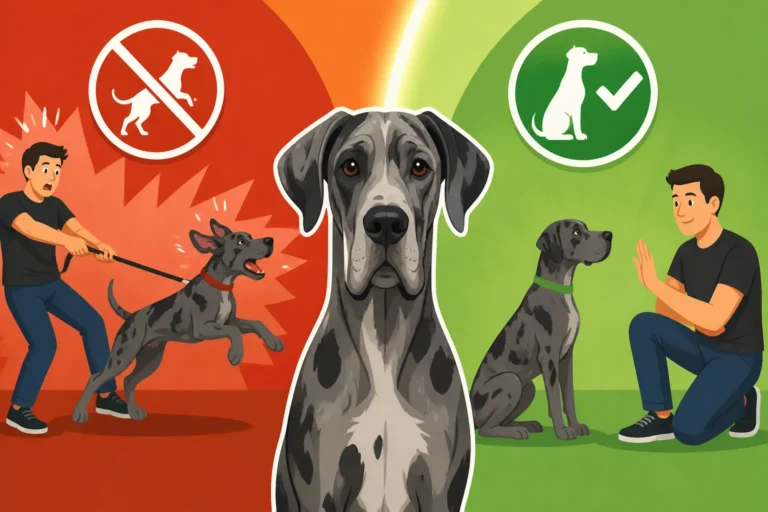
Given the sensitive nature and immense physical presence of a Great Dane, the only truly effective and ethical approach to training is through positive reinforcement and a strong, trust-based relationship. This method focuses on rewarding desired behaviors, creating clear communication, and making learning a joyful experience for both you and your dog. It's about building them up, not tearing them down.
Understanding Motivation and Reward
The foundation of positive reinforcement is understanding what motivates your Great Dane. For most Danes, this means high-value treats, enthusiastic praise, and perhaps a favorite toy. When your Great Dane offers a behavior you like – sitting politely instead of jumping, walking calmly on a leash, or coming when called – you immediately reward them. This teaches them that good things happen when they do certain actions, making them more likely to repeat those actions. It's a simple yet incredibly powerful concept.
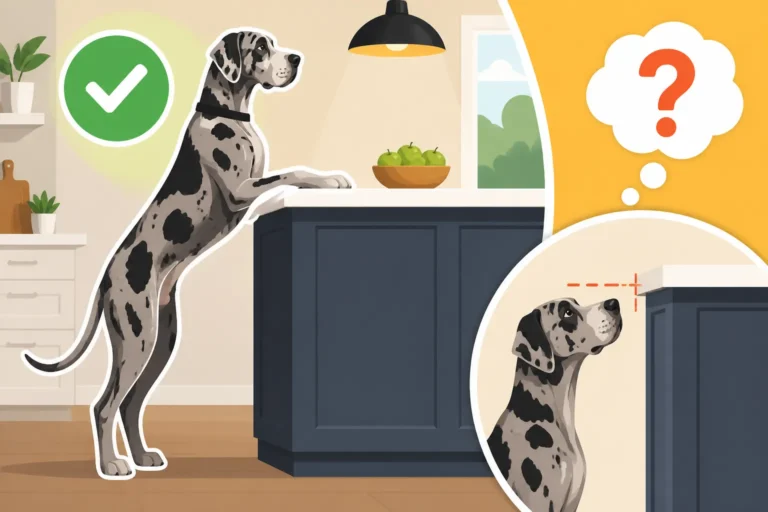
Instead of thinking about how to stop unwanted behavior, think about how to encourage desired behavior. For instance, if your Great Dane tends to counter-surf, instead of scolding or swatting them away (which can teach them to just do it when you're not looking), train a "place" command. Reward them heavily for going to their bed or mat when you're in the kitchen. Over time, they learn that staying out of the kitchen area can be even more rewarding than trying to snatch a forbidden snack. Consistency is key here. Every time they make the right choice, reinforce it. You can find excellent treat pouches and training aids on platforms like Amazon, making it easy to have rewards on hand during training sessions.
The Power of Consistency and Clear Communication
Great Danes are intelligent, but like all dogs, they need consistency to understand what's expected of them. This means everyone in the household needs to be on the same page with commands, rules, and reward systems. If one person allows jumping and another punishes it, your Great Dane will be confused and stressed, making it harder for them to learn. Establishing clear communication involves using consistent verbal cues (e.g., always "sit" for sitting, not sometimes "sit," sometimes "plop"), hand signals, and clear body language.
Short, frequent training sessions are far more effective than long, drawn-out ones, especially for puppies. A Great Dane puppy's attention span can be quite short, and trying to force them through a long session can lead to frustration for both of you. Aim for 5-10 minute sessions several times a day, keeping them fun and upbeat. This builds positive associations with learning. Reputable online training programs, such as those offered by BAXTER & Bella, emphasize consistency and positive methods, providing structured guidance that can be incredibly helpful for new and experienced Great Dane owners alike. Remember, your Great Dane isn't being stubborn; they might simply not understand what you're asking. Clear, consistent communication bridges that gap. For more on foundational training, consider The Manners a Great Dane Needs Before It Grows.
Effective Alternatives to Physical Discipline
When faced with unwanted Great Dane behavior, the knee-jerk reaction might be to correct it immediately, but for these sensitive giants, a different approach is not just kinder, it's more effective. Instead of punishment, we focus on management, redirection, and teaching alternative, acceptable behaviors. This not only solves the immediate problem but strengthens your bond and builds a well-adjusted, confident dog.
Redirection and Management Strategies
One of the most powerful tools in your training arsenal is proactive management. This means setting your Great Dane up for success by preventing opportunities for unwanted behavior to occur. For example, if your Great Dane is prone to counter-surfing, simply don't leave tempting food on the counter. Use baby gates (extra-tall ones for Danes!) to block access to certain areas, or keep them on a long line tethered to you when guests are over, so you can gently guide them away from jumping.
Redirection is also incredibly useful. If your Great Dane starts to chew on an inappropriate item, instead of yelling "no," calmly take the item away and immediately offer an appropriate chew toy. Praise them when they take the toy. This teaches them what they can chew, rather than just what they can't. Similarly, if they're nipping your hands during play, redirect their attention to a tug toy or a ball. This isn't ignoring the behavior; it's actively guiding them toward a more acceptable outlet. For issues like A Great Dane That Jumps on Visitors, instead of physical correction, teach them an incompatible behavior like "sit" or "four on the floor" and reward them heavily when all four paws stay on the ground during greetings.
Here's a quick comparison of approaches:
| Problem Behavior | Physical Correction Approach (Ineffective/Harmful) | Positive Reinforcement & Management (Effective/Beneficial) |
|---|---|---|
| Jumping on people | Pushing down, kneeing in chest, yelling | Teach "sit" or "off"; reward for all four paws on floor; leash management |
| Counter-surfing | Swatting nose, yelling "no," chasing | Management (remove temptations); teach "leave it" or "place" |
| Leash pulling | Harsh leash jerks, "corrections" | Teach loose-leash walking; use front-clip harness; reward for slack leash |
| Nipping/play biting | Slapping muzzle, yelling | Redirection to appropriate chew toy; yelp/disengage if too hard |
| Chewing furniture | Scolding, hitting | Management (restrict access); provide appropriate chew toys; bitter spray on furniture |
Professional Guidance and Support
Sometimes, despite your best efforts, you might encounter behavioral challenges that feel overwhelming, especially with a dog as large and powerful as a Great Dane. This is where professional guidance becomes invaluable. A certified professional dog trainer (CPDT-KA) or a veterinary behaviorist can assess your specific situation, help you understand the root cause of the behavior, and develop a tailored positive reinforcement plan. They can also help address more complex issues like A Great Dane That Is Anxious Rather Than Gentle or fear-based reactions that might be beyond the scope of basic training.
Look for trainers who emphasize positive, force-free methods and have experience with giant breeds. Avoid anyone who suggests harsh physical corrections, prong collars, or e-collars for Great Danes, as these tools are counterproductive and potentially harmful to their sensitive nature. Many trainers offer virtual consultations, making expertise accessible regardless of your location. Investing in professional help isn't a sign of failure; it's a commitment to your Great Dane's well-being and ensures you have the best possible relationship for their The Seven to Ten Year Great Dane Lifespan. Remember, you're not alone, and there are resources available to help you navigate the unique joys and challenges of living with a Great Dane. For more on effective strategies, you might want to read Getting a Great Dane to Walk on a Loose Leash or Getting a Great Dane to Greet Without Standing Up.
Disclaimer
This article is for general informational purposes only and does not constitute professional advice. Laws, prices and regulations vary by location and change over time. Consult a qualified professional for guidance on your specific situation.