A Great Dane That Shuts Down When Scolded
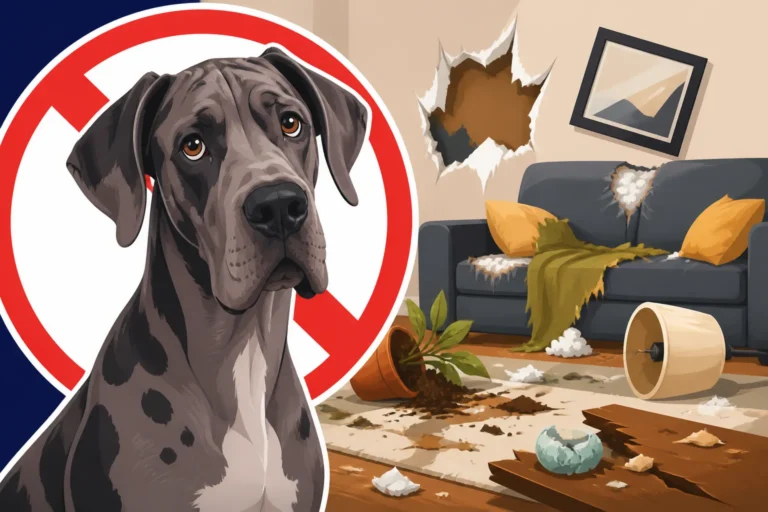
It's incredibly disheartening when you try to communicate with your Great Dane, only for them to completely shut down, cowering or refusing to respond. This isn't just frustrating for you; it's a clear sign that your gentle giant isn't understanding what you need, and likely feels anxious or fearful. This guide will help you understand why your Great Dane might react this way to scolding and, more importantly, how to build a positive, trusting relationship where they feel safe to learn and thrive.
Understanding Why Your Great Dane Shuts Down
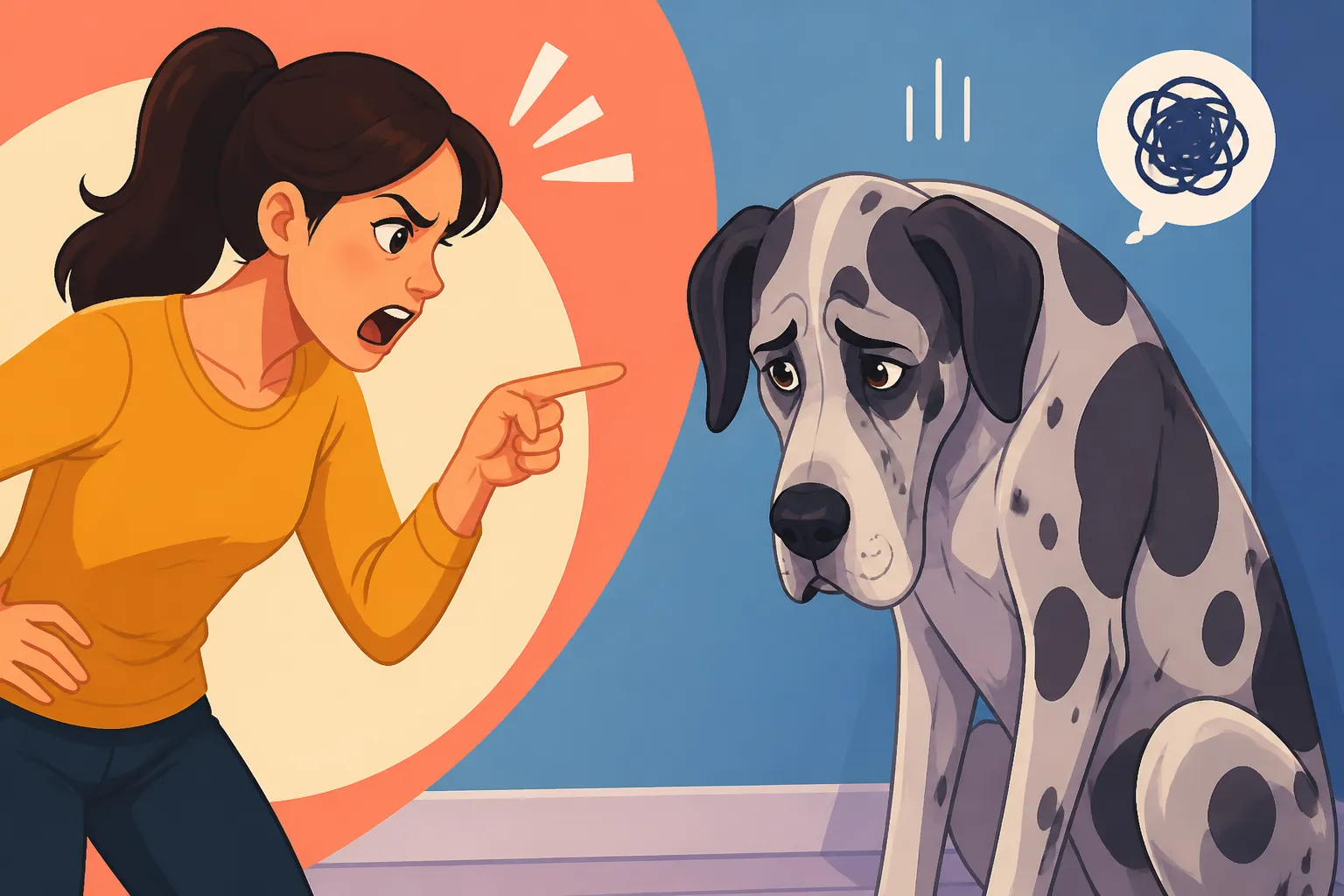
Great Danes are often described as "gentle giants," and there's a lot of truth to that. Their massive size belies a deeply sensitive and often soft nature. When they shut down after being scolded, it's not a sign of stubbornness or defiance; it's usually a manifestation of their sensitive temperament colliding with a training approach that isn't compatible with their emotional makeup.
The Sensitive Nature of Great Danes
From their calm demeanor to their tendency to lean on you for comfort, Great Danes are intrinsically sensitive creatures. They crave connection and approval, and they form incredibly strong bonds with their human families. This deep emotional connection means they are highly attuned to your tone of voice, body language, and emotions. A harsh word or a sudden, loud reprimand can be genuinely distressing for them, far more so than for many other breeds.
Imagine being in a classroom where the teacher suddenly yells at a student. Most people would feel a jolt of anxiety, even if they weren't the target. For a Great Dane, who relies so heavily on human cues and often tries so hard to please, that jolt can be magnified. They don't always understand the why behind the scolding, only the how – the harshness, the anger, the disapproval. Their large size makes them even more vulnerable to feeling overwhelmed, as their world often revolves around these powerful human figures. Their desire to please can backfire when faced with scolding, leading them to freeze up rather than trying to understand what went wrong. It's crucial to understand The Gentle Great Dane Temperament and Its Limits when approaching their training.
The Impact of Punishment-Based Training
When we talk about "scolding," we're often straying into punishment-based training methods, even unintentionally. This can include yelling, physical corrections, harsh leash pops, or even just a severely disapproving tone coupled with a stern stare. While these methods might seem like they produce an immediate cessation of unwanted behavior, especially in a dog as eager to avoid conflict as a Great Dane, they come at a significant cost.
Instead of teaching your Great Dane what to do, punishment-based methods only teach them what not to do, and often, they don't even learn that effectively. What they do learn is that certain actions result in unpleasant consequences from you. This can lead to a breakdown of trust, making them hesitant to interact, experiment, or even offer behaviors for fear of being "wrong." A Great Dane who has been frequently scolded might begin to associate your presence with potential negativity, leading them to avoid eye contact, retreat to another room, or simply "shut down" as a coping mechanism. They're not being stubborn; they're trying to protect themselves emotionally. This is why Why Physical Corrections Fail on a Great Dane is so important to grasp early on. They learn to suppress behavior, not to choose a better one.
Reading the Signs of Shutdown
Recognizing when your Great Dane is shutting down is the first step toward changing your approach. It's often subtle, especially in a dog that is already gentle and laid-back.
Here are some common signs:
- Freezing or becoming very still: They might stop whatever they're doing mid-action and become unresponsive.
- Averting gaze or refusing eye contact: Instead of looking at you for guidance, they might turn their head away, stare at the floor, or squint their eyes.
- Cowering or making themselves small: They might lower their body, tuck their tail, or try to squeeze into a corner or under furniture, despite their massive size.
- Excessive yawning or lip licking: These are common canine appeasement signals, indicating stress or anxiety.
- Refusing to take treats or engage in play: Even high-value rewards might be ignored if they are too stressed or scared to engage.
- Slow or hesitant movements: They might move very slowly, almost as if they're walking on eggshells, or become reluctant to move at all.
- Refusing commands they normally know: They might understand what you're asking but are too anxious to perform, or they might not be processing the command at all due to stress.
If you observe these behaviors after you've raised your voice or given a harsh correction, your Great Dane isn't being disobedient; they're showing you they're overwhelmed and distressed. Their mental processing literally shuts down under stress, making learning impossible.
Shifting from Scolding to Positive Reinforcement
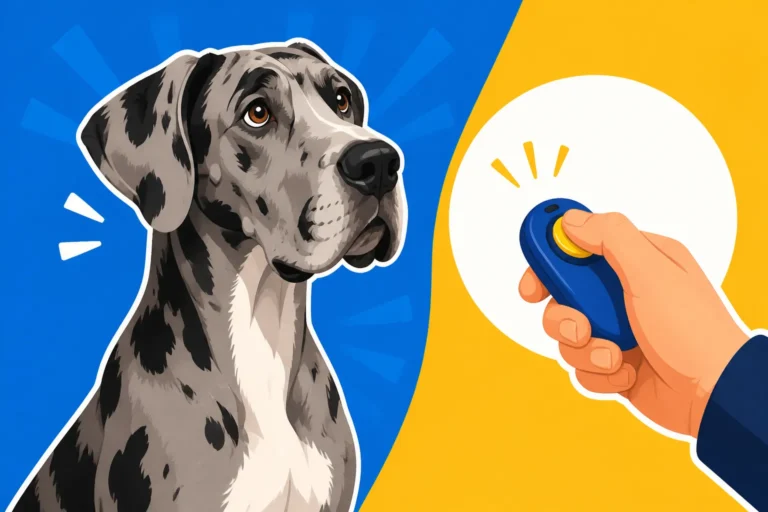
The good news is that Great Danes respond incredibly well to positive reinforcement. Their desire to please, combined with their intelligence, means they thrive in environments where they feel safe, understood, and rewarded for making good choices. This shift isn't just about being "nicer"; it's about being more effective and building a stronger bond.
Building Trust and a Safe Learning Environment
Trust is the bedrock of any good relationship with a Great Dane. They need to know that you are a benevolent leader, not a punitive one. A safe learning environment means your Great Dane feels secure enough to try new things and make mistakes without fear of harsh reprimand.
- Be Predictable and Consistent: Establish clear routines for feeding, walks, and training. Dogs, especially large, sensitive breeds, thrive on predictability. They know what to expect, which reduces anxiety.
- Use a Calm and Encouraging Tone: Even when you're feeling frustrated, try to maintain a calm and even tone. Your voice is a powerful tool. A soothing voice can calm a nervous Dane, while a harsh one can immediately shut them down.
- Make Training a Game: Frame training as a fun interaction rather than a chore. Use playful language, enthusiastic praise, and plenty of rewards. When training feels like a game, your Great Dane will be eager to participate.
- Physical Affection (When Appropriate): Gentle pets, ear scratches, or a comfortable lean against your leg can reinforce your bond and communicate affection, making them feel secure. Ensure your Dane actually enjoys these touches, as some prefer less physical interaction. Living With a Great Dane That Leans on You describes this common trait.
The Power of Rewards and Praise
Positive reinforcement means rewarding behaviors you want to see repeated. This is far more effective than punishing behaviors you don't want. For a Great Dane, rewards should be generous and meaningful.
- High-Value Treats: Think small pieces of cooked chicken, cheese, or specialized training treats they adore. These act as powerful motivators. Don't be stingy; for a Great Dane, a tiny crumb might not be enough motivation. Be sure to find Treats a Great Dane Will Work For.
- Enthusiastic Verbal Praise: A genuine "Good dog!" delivered with warmth and excitement can be just as rewarding as a treat. Combine it with a treat for maximum impact.
- Favorite Toys: If your Dane loves a particular squeaky toy or tug rope, use it as a reward for successful completion of a task.
- Praise and Petting: For Danes who enjoy it, a gentle rub or scratch in their favorite spot can be a great reward. Just be mindful not to overdo it or make it uncomfortable.
Consistency is key. Reward the desired behavior immediately as it happens, so your Dane can make a clear connection between their action and the positive outcome.
Correcting Without Crushing Spirit
The goal isn't to never correct your Great Dane, but to correct in a way that guides them rather than frightens them. When an unwanted behavior occurs, focus on redirection and teaching an alternative.
- Redirection: If your Dane is doing something undesirable (e.g., counter surfing), calmly interrupt the behavior with a cheerful sound or word, then immediately redirect them to an appropriate activity. "Oops!" or "Let's go!" then lead them to a toy or their bed with a reward. Teaching a Great Dane to Leave Food Alone is a great example of redirecting energy.
- Management: Often, the best "correction" is to prevent the behavior from happening in the first place. Use baby gates (tall ones for a Great Dane!), close doors, or put tempting items out of reach. If your Dane can't practice the unwanted behavior, they can't reinforce it.
- Interrupt and Re-engage: If your Dane is doing something wrong, a quick, neutral "Ah-ah!" followed by immediate instruction for a known positive behavior (like "Sit" or "Down") can work wonders. When they perform the correct behavior, reward heavily.
- Teach an "Opposite" Behavior: Instead of scolding for jumping, teach "four on the floor" or Getting a Great Dane to Greet Without Standing Up. When guests arrive, ask for the "four on the floor" behavior and reward it before they have a chance to jump.
- Positive Interruption: Sometimes, a sudden clap or a quick "Hey!" is enough to break their focus on the unwanted item. Follow it immediately with a positive command and reward.
For more structured training, consider programs like those offered by BAXTER & Bella. They focus on positive reinforcement techniques that can be incredibly effective for giant breeds. Their online resources and trainers can provide guidance on how to implement these methods consistently, especially for behaviors like A Great Dane That Jumps on Visitors or A Great Dane That Takes Dinner Off the Table.
| Aspect | Traditional (Punishment-Based) Approach | Positive Reinforcement Approach |
|---|---|---|
| Focus | Stopping unwanted behavior | Encouraging desired behavior |
| Primary Method | Scolding, yelling, physical corrections, harsh reprimands | Rewards (treats, praise, toys), gentle guidance, redirection |
| Dog's Reaction | Fear, anxiety, shutdown, avoidance, broken trust | Engagement, confidence, eagerness to learn, strengthened bond |
| Learning Outcome | Suppression of behavior (often temporary), confusion, generalized fear | Clear understanding of what to do, intrinsic motivation to please |
| Long-Term Effect | Strained relationship, potential behavioral issues (aggression, fear) | Strong, trusting bond, well-adjusted and happy dog |
Practical Strategies for Sensitive Dane Training
Working with a Great Dane requires thoughtful strategies that acknowledge their unique size and sensitive nature. It's not about being soft; it's about being smart and effective.
Short, Engaging Training Sessions
Great Danes, like most dogs, have relatively short attention spans, especially when they're young or if they're feeling stressed. Longer sessions can lead to frustration for both of you and are more likely to result in a shutdown.
- Keep it Brief: Aim for 5-10 minute sessions, a few times a day. This is far more effective than one long, exhausting session. It keeps your Dane engaged and prevents them from becoming overwhelmed or bored.
- End on a High Note: Always try to end a training session after a successful command or a positive interaction. This leaves your Dane feeling accomplished and eager for the next session.
- Vary the Location: Once your Dane understands a command in a quiet environment, practice in different areas with increasing distractions. This helps generalize their learning without overwhelming them all at once. Remember, Why Great Dane Training Cannot Wait for these reasons.
Managing the Environment for Success
An ounce of prevention is worth a pound of cure, especially with a massive Great Dane. Environmental management is your secret weapon to reduce the need for corrections.
- "Great Dane Proof" Your Home: They can reach almost anything on counters and tables. Keep food, valuables, and anything potentially dangerous out of reach. Use tall baby gates to restrict access to certain rooms when you can't supervise directly.
- Provide Appropriate Outlets: Ensure your Great Dane has plenty of appropriate chew toys, puzzle feeders, and opportunities for mental stimulation. A bored Dane is more likely to invent their own (often destructive) entertainment. You can find durable toys suitable for giant breeds on Amazon.
- Consistent Routines: Predictable potty breaks, feeding times, and walks can prevent many common behavioral issues that might otherwise lead to scolding. A dog that knows when their needs will be met is a calmer, more confident dog. Consider How Much Sleep a Great Dane Actually Needs to maintain their overall well-being.
- Safe Spaces: Ensure your Great Dane has a designated safe space, like a comfortable crate or a special bed in a quiet corner, where they can retreat and feel secure. This is especially important if they get overwhelmed. Providing Orthopedic Beds a Great Dane Needs is essential for their joint health and comfort, making their safe space even more inviting.
Seeking Professional Guidance
Sometimes, despite your best efforts, you might feel stuck or unsure how to address specific behavioral challenges. That's when professional help is invaluable.
- Certified Professional Dog Trainers (CPDT-KA): Look for trainers who are certified and explicitly use positive reinforcement methods. Avoid any trainer who advocates for dominance theory, harsh corrections, or physical punishment. Ask about their experience with giant breeds like Great Danes.
- Behaviorists: If your Great Dane's shutdown behavior is severe, or accompanied by other anxiety-related issues, a veterinary behaviorist (DACVB) can help diagnose underlying issues and develop a comprehensive behavior modification plan.
- Online Training Resources: Online platforms like BAXTER & Bella can offer structured courses, live Q&A sessions, and a community of support that can be particularly helpful for Great Dane owners who might not have access to local trainers experienced with their breed. They can guide you through everything from Teaching a Great Dane to Sit Before It Weighs Eighty Pounds to more complex issues.
Don't hesitate to reach out for help. A good trainer or behaviorist can provide personalized strategies and support, helping you and your Great Dane build a stronger, more positive relationship. Finding a Trainer Comfortable With a Great Dane is key to ensuring their methods align with your dog's needs.
Rebuilding Confidence in a Previously Scolded Dane
If your Great Dane has a history of being scolded or if you've realized your previous methods might have caused them to shut down, rebuilding their confidence is paramount. This isn't a quick fix; it's a journey of patience, consistency, and unwavering positive support.
Patience and Consistency Are Key
Undoing negative associations takes time. Your Great Dane needs to experience a prolonged period of positive interactions to truly believe that things have changed and that you are a source of comfort and security, not fear.
- No More Scolding: This might seem obvious, but it's the absolute foundation. Commit to eliminating any form of harsh verbal or physical correction. Every interaction should be calm, clear, and positive.
- Celebrate Small Wins: Even if your Great Dane just looks at you willingly after you've called their name, or takes a treat without hesitation, acknowledge and celebrate that small step. These moments build cumulative trust.
- Routine and Predictability: Re-establish a consistent daily routine. Knowing what to expect reduces anxiety and helps them feel more in control of their environment, fostering confidence.
- Don't Rush Progress: Each Great Dane is an individual. Some may bounce back quickly, while others may take months or even longer to fully regain their confidence. Respect their pace and don't push them beyond their comfort zone. Patience is truly a virtue here, as you're likely working on Building Confidence in a Nervous Great Dane.
Fun and Confidence-Building Activities
Engaging your Great Dane in activities that build their confidence without pressure can be incredibly healing. These activities should be enjoyable for them, allowing them to succeed and feel good about themselves.
- Scent Work: Dogs naturally love to sniff. Simple scent games, like hiding treats around the house for them to find, can be mentally stimulating and incredibly rewarding without any pressure. Great Danes excel at this!
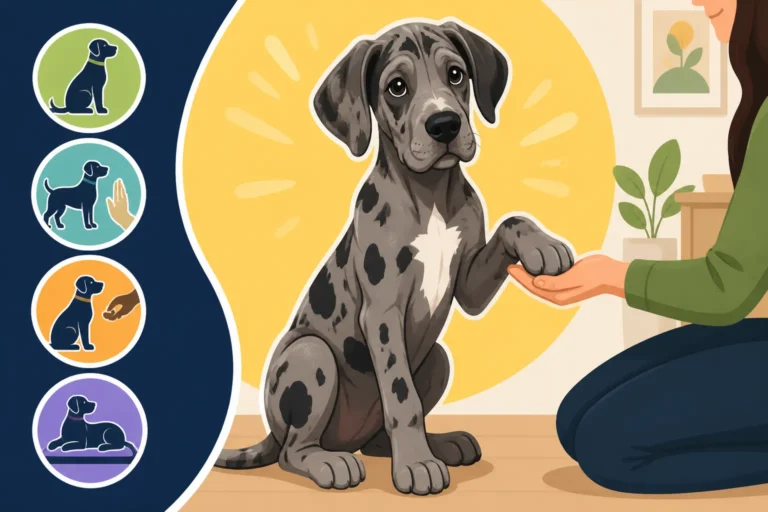
- Simple Tricks: Teaching fun, non-essential tricks (like "shake a paw" or "spin") can boost their confidence. Since there's no real consequence for not performing perfectly, it keeps the learning light and positive. Always reward generously!
- Structured Walks: Go on walks where your Great Dane can explore, sniff, and enjoy the environment at their own pace. Use a comfortable, well-fitting harness (you can find many options on Amazon) and a sturdy leash to avoid any discomfort or control issues. A front-clip harness can be particularly useful for Getting a Great Dane to Walk on a Loose Leash without harsh corrections.
- "Choose Your Own Adventure" Training: Present your Dane with two positive options (e.g., "sit" for a treat, or "down" for a favorite toy). Let them choose, and reward whatever positive behavior they offer. This empowers them and makes them feel like an active participant.
Avoiding Triggers and Relapses
As you work to rebuild confidence, be mindful of situations or interactions that could inadvertently trigger a relapse into shutdown behavior.
- Identify Past Triggers: Think about what situations or tones of voice previously caused your Dane to shut down. Was it loud noises? Certain commands? Your frustration showing in your voice?
- Modify Interactions: Adjust your behavior to avoid these triggers. For example, if a harsh tone sets them off, make a conscious effort to use a soft, encouraging voice even when you're redirecting.
- Gentle Introductions: If your Great Dane is nervous around new people or dogs, manage these introductions carefully. Keep them brief, positive, and allow your Dane to approach on their own terms, rewarding calm interactions. This is part of Socializing a Great Dane Puppy Early, but it continues throughout their life.
- Advocate for Your Dog: Inform family members or guests about your Great Dane's sensitive nature and how best to interact with them. Ask them to use calm voices and gentle movements, especially if your dog is prone to A Great Dane That Backs Away From Strangers.
- Provide Space: If your Great Dane is feeling overwhelmed, give them space. Don't force interactions or try to physically comfort them if they're showing signs of wanting to retreat. Sometimes, just leaving them alone to decompress is the kindest thing you can do.
Rebuilding confidence takes time and dedication, but the reward is an even stronger, more trusting bond with your magnificent Great Dane, fostering a happy, well-adjusted companion who feels safe and understood in your home.
Disclaimer
This article is for general informational purposes only and does not constitute professional advice. Laws, prices and regulations vary by location and change over time. Consult a qualified professional for guidance on your specific situation.