A Great Dane Wagging Its Tail Into a Child
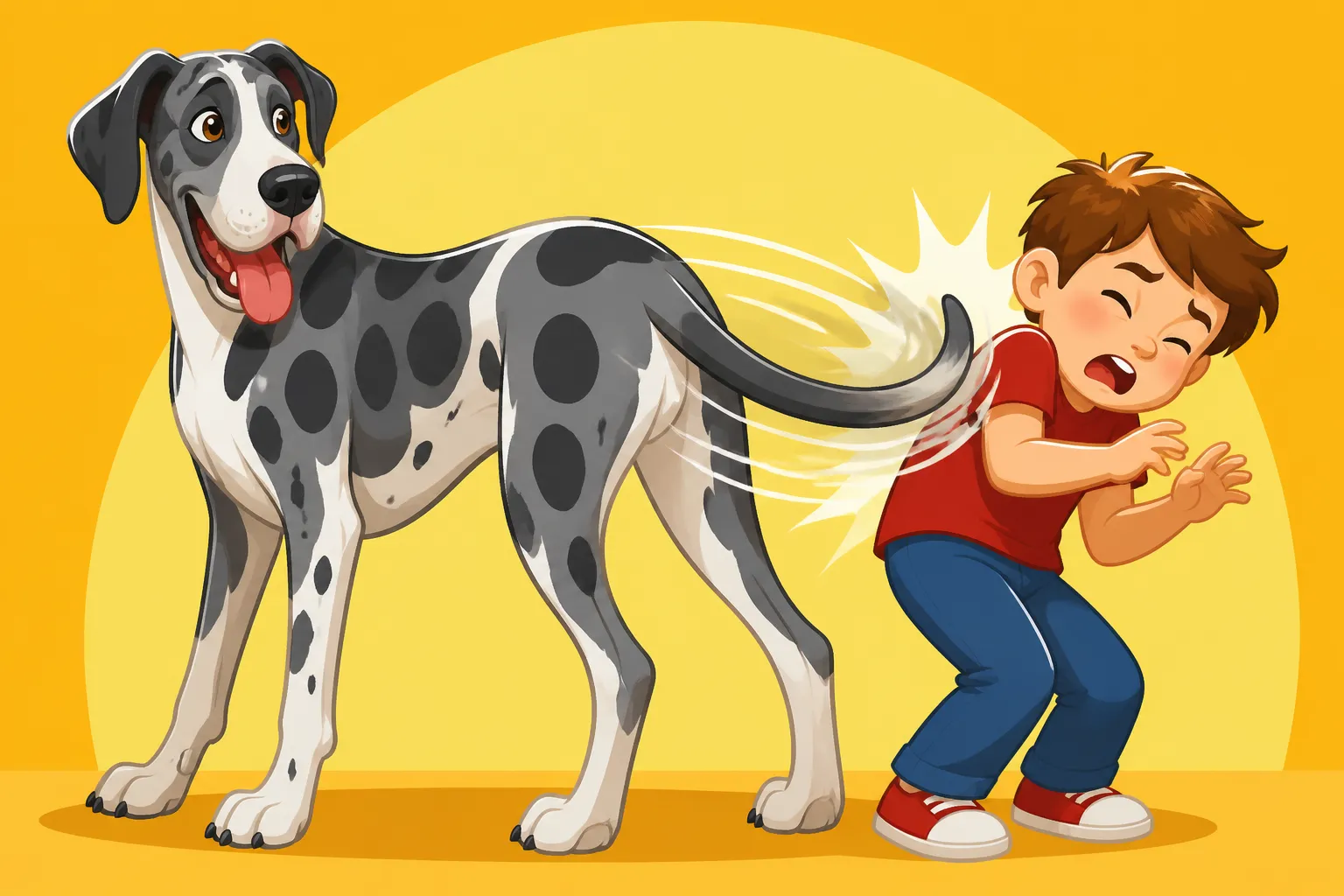
One of the trickiest things about sharing your home with a magnificent Great Dane, especially when you have little ones, is managing that enthusiastic, powerful tail. It seems like such a simple thing, a happy wag, but it can quickly become a whirling, bruising weapon that accidentally knocks over a toddler, sends a glass flying from a coffee table, or even injures a child's face. This guide is here to walk you through understanding why your gentle giant's tail is such a force, how to mitigate the risks, and practical steps you can take to ensure harmony and safety for everyone in your home.
Understanding the Great Dane Tail – A Force of Nature
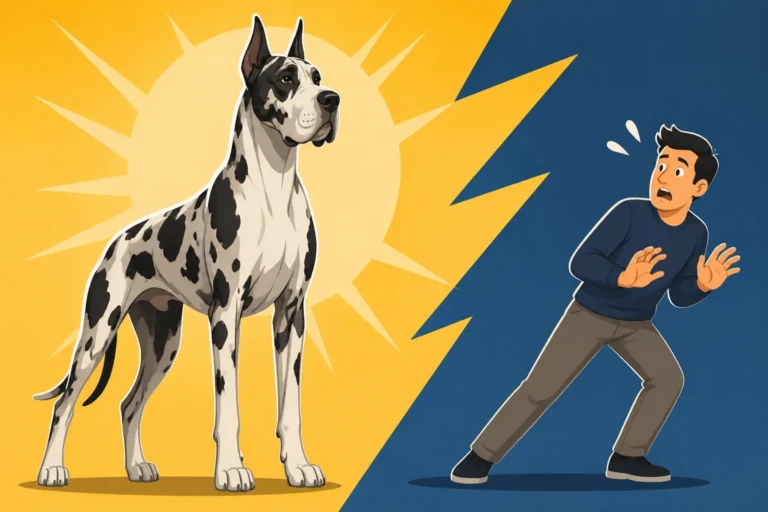
Let's be honest, we all love seeing a happy dog with a wagging tail. It’s a universal sign of canine joy! But with a Great Dane, that joy comes with significant physics. Their sheer size means everything about them is bigger and more impactful, and their tail is no exception. It's not just a cute appendage; it's a powerful tool for communication and balance, capable of generating surprising force.
The Sheer Power and Reach of a Great Dane's Tail
Imagine a whip-like appendage, thick at the base, often reaching down to the hocks, sometimes even longer, and capable of swinging in a wide arc. That's a Great Dane's tail. When they get excited, that tail isn't just gently swaying; it's thumping against furniture, walls, and yes, unfortunately, sometimes people. We're talking about a tail that can easily be 2-3 feet long, plus the dog's height. This means it can sweep across a wide area at varying heights, from floor level to waist height on an adult, and well above the head of a small child.
Many Great Dane owners have stories of broken lamps, cleared coffee tables, or even bruised shins from an innocent "happy tail." When a dog that can easily weigh over 100 pounds, sometimes pushing 150-180 pounds, gets going with that tail, it’s not to be underestimated. It's a testament to their strength and the sheer scale of the breed.
Why They Wag So Enthusiastically
Tail wagging is a fundamental part of canine communication and expression. Great Danes, being inherently friendly and often quite demonstrative, tend to be enthusiastic waggers. They wag their tails for a myriad of reasons: excitement at seeing you, greeting a visitor, anticipating a walk or a meal, during playtime, or just expressing general contentment. It's an instinctive, joyful response to positive stimuli in their environment.
Their deep connection with their human families means they often react with great exuberance when their people are around, or when new people enter their space. This isn't a behavior you want to suppress entirely, as it's a natural and healthy expression for your dog. Instead, the focus becomes channeling that enthusiasm into safer, more controlled outlets, particularly when children are involved.
Misconceptions About Tail Wagging and Intent
It’s crucial to understand that while a wagging tail often signals a dog's happiness or excitement, it doesn't automatically mean "friendly" or "safe" in a way that considers the physical impact on a child. A dog might be overjoyed to see a child, but that doesn't mean its tail is going to be gentle. The intent is almost always benign – pure, unadulterated canine joy – but the physical consequences can be painful or damaging.
Another common misconception is that a dog will understand its own size and the potential impact of its actions. While Great Danes are famously sensitive and intelligent, they don't inherently grasp the delicate nature of a toddler or the fragility of a glass vase. They act on instinct and learned behaviors. Therefore, it falls to us, as responsible owners, to teach them appropriate manners and to manage their environment to prevent accidents.
Assessing the Risk in a Family Environment
Bringing a Great Dane into a home with children, or bringing children into a home with a Great Dane, requires a careful assessment of how these magnificent animals interact with their smaller, more vulnerable housemates. The risks associated with a powerful tail wag are very real and need to be proactively addressed rather than simply hoping for the best.
The Vulnerability of Children
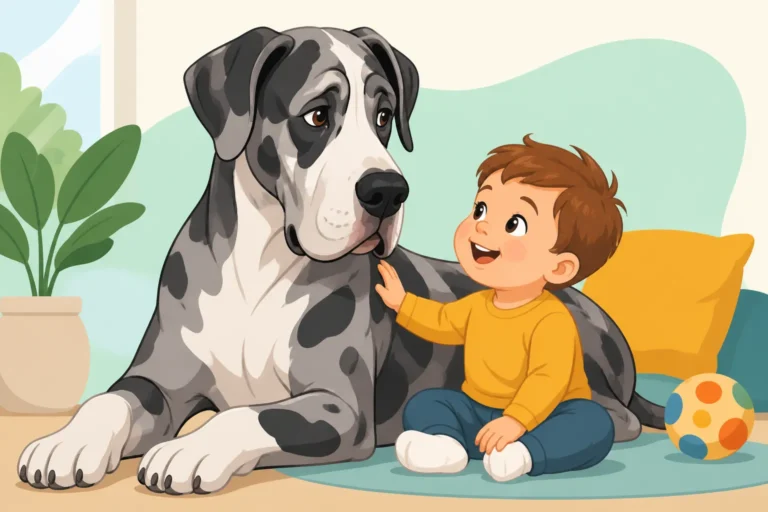
Children, especially those still in the toddler and preschool stages, are incredibly vulnerable to a Great Dane's tail. Their height puts them directly in the path of a powerful wag. A tail striking a child's legs, torso, or even head can cause significant bruising, scrapes, or even more serious injuries. Imagine a small child running excitedly towards the dog, and the dog responds with an equally excited, powerful wag. The impact could easily knock a child off their feet, potentially leading to secondary injuries from falling.
Their natural curiosity and sometimes unpredictable movements mean they might not always be aware of the dog's space or impending tail action. They might bend down to pet the dog just as it wags, or turn their back at the wrong moment. It's not malicious on the dog's part, but the sheer size difference creates an inherent risk that parents must manage. This makes teaching both the dog and the child appropriate boundaries and interactions absolutely essential.
Household Hazards Beyond the Child
It's not just the children you need to worry about. The "Great Dane tail sweep" is a well-known phenomenon among owners. Anything on a low coffee table, a side table, or even shelves that are within the arc of a wagging tail is at risk. Picture this: your Great Dane greets you at the door, thrilled you're home, and its tail clears your carefully arranged magazines, a cup of coffee, or a glass vase right off the table.
This isn't just about breakages, though those are certainly a frustration and added cost. It can create additional hazards, such as broken glass on the floor that can injure paws or bare feet, or spills that create slippery surfaces. The sheer physical presence of a Great Dane demands a conscious effort to "Dane-proof" your home, considering not only their height when standing but also the radius of their enthusiastic tail.
When the Risk is Highest
Certain situations inherently raise the risk of a tail-related incident. Understanding these triggers allows you to be more vigilant and proactive in your management.
- Excited Greetings: This is probably the number one scenario. When you or a visitor (especially a child) first enters the home, or when family members return after an absence, your Dane's excitement levels will naturally spike, leading to vigorous tail wagging.
- Playtime: During active play, especially with toys that encourage chasing or exuberant movement, a Great Dane's tail can become even more animated. If children are involved in this play, the risk increases.
- Food Anticipation: Meal times, or even the crinkle of a treat bag, can send a Great Dane into a flurry of excitement, complete with vigorous tail wags. If children are close by or holding food, this can be a precarious situation.
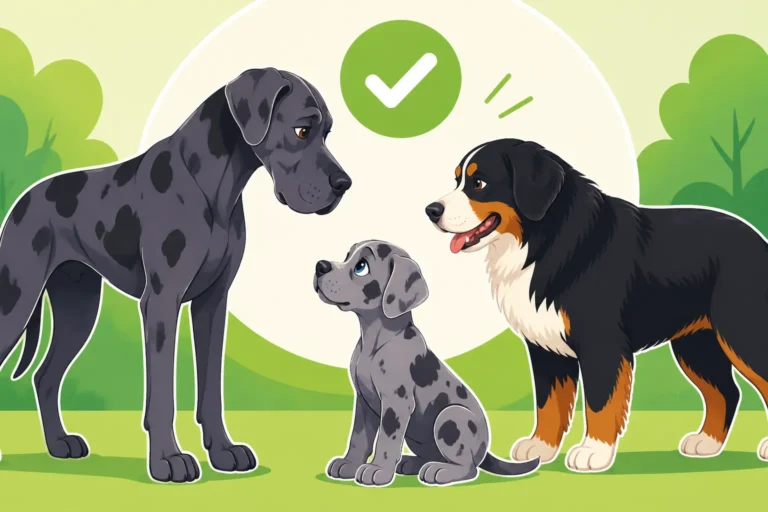
- Novelty: Anything new – a new person, a new toy, a new sound – can trigger curiosity and excitement, often expressed through tail wagging. This is where early Socializing a Great Dane Puppy Early can make a huge difference in managing their reactions.
By identifying these high-risk moments, you can implement specific strategies to manage your Dane's behavior and protect your children and your home.
Proactive Strategies to Prevent Tail-Related Incidents
Prevention is always better than reaction, especially when it comes to the safety of your children and the well-being of your Great Dane. Implementing proactive strategies from day one is key to harmonious living. This isn't about stopping your Great Dane from expressing joy, but about teaching them how to express it safely and appropriately within a family setting.
Early Training and Management for Puppies
The moment your Great Dane puppy enters your home is the moment training begins. Don't wait until they're a giant adolescent to start working on manners; their size will quickly make even minor behavioral quirks difficult to manage. Focus on core obedience commands like "sit," "stay," "down," and "place" or "settle." These commands are invaluable for managing excitement.
Teach your puppy that calm greetings earn rewards. When a person approaches, ask for a sit or a down before they receive attention. Reward them heavily for keeping four paws on the floor and a relatively relaxed tail wag. If you wait until they’re 80 pounds and jumping, it’s much harder to correct. Think about the long game here: a polite 80-pound dog is a well-mannered 150-pound adult. Concepts like The Manners a Great Dane Needs Before It Grows are critical; you want to instill these habits before the full force of that tail becomes a problem.
Teaching Children How to Interact Safely
Dog ownership with children is a two-way street. It's not just about training the dog; it's equally important to teach your children how to interact respectfully and safely with your Great Dane.
- Gentle Hands and Voices: Teach children to approach the dog calmly, using soft voices and gentle petting, avoiding pulling ears or tails.
- Respecting Space: Crucially, children need to learn that dogs need their own space. This means not disturbing the dog when it's eating, sleeping, or resting in its "place."
- "Be a Tree": This is a fantastic safety lesson. Teach children that if a dog gets too excited, rushes them, or jumps, they should "be a tree" – stand still, put their hands in front of them (like branches), and look at their feet. This makes them less interesting to the dog and prevents accidental falls.
- Supervision is Non-Negotiable: Never leave young children unsupervised with any dog, regardless of temperament or training. An adult should always be present to mediate interactions, redirect unwanted behaviors, and ensure safety.
These lessons empower children to be part of the solution, fostering a mutual respect between them and your Great Dane.
Creating Safe Zones and Supervision
Physical management and environmental control are paramount, especially during the puppy and adolescent phases, or if your Great Dane is particularly boisterous.
- Designated "Safe Zones": Establish areas where your Great Dane can retreat and be undisturbed, typically their crate or a specific mat/bed in a quiet corner. Teach children that this is the dog's private space.
- Gates and Barriers: Utilize baby gates or exercise pens to create physical separation between your Great Dane and young children when you cannot offer direct, undivided supervision. This is especially useful during mealtimes or when children are playing rambunctiously. Thankfully, there are many Crates and Gates Sized for a Great Dane available on the market designed for larger breeds.
- Close Supervision: As mentioned, constant adult supervision is the cornerstone of safety. An adult should always be within arm's reach to intervene if needed, preventing both accidental tail injuries and any stress on the dog. Being present allows you to praise calm behavior and redirect overly enthusiastic wags before they become an issue.
Leash Control Indoors for Excited Moments
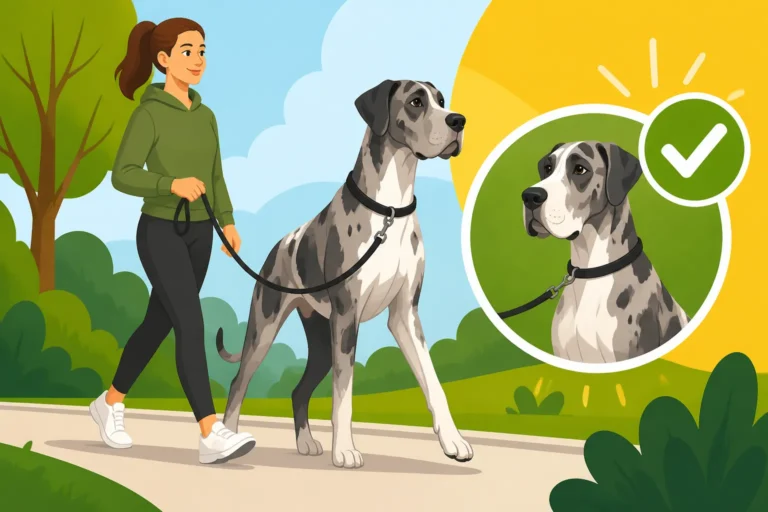
This might sound a bit extreme for a house dog, but keeping a lightweight house leash on your Great Dane, especially during times of high activity or when visitors are present, can be a game-changer. It gives you a way to gently guide and manage your dog without having to physically grab them or shout commands.
A leash allows you to:
- Guide Away: Gently steer your dog away from areas where children are playing or where fragile items are present.
- Reinforce Commands: Use it to reinforce a "sit" or "down" during greetings, giving you immediate control.
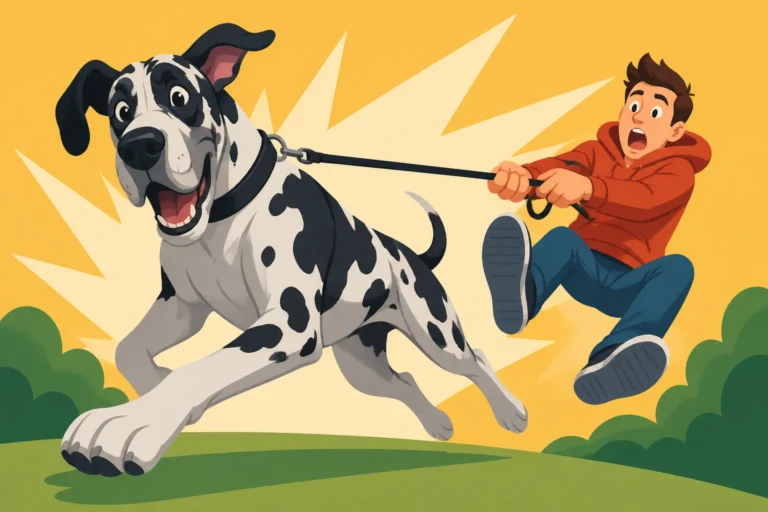
- Prevent Rushing: If your Great Dane tends to rush people at the door, the leash provides a way to hold them back while you manage the greeting calmly.
This isn't about punishment; it's a management tool to help your Great Dane succeed in a busy household environment and learn appropriate indoor manners. You can find durable leashes rated for a Great Dane's strength on platforms like Amazon, ensuring you have the right equipment.
Training Techniques to Manage Tail Excitement
Beyond basic obedience, there are specific training techniques you can employ to help your Great Dane manage their excitement levels, especially when that excitement manifests as a powerful tail wag that can inadvertently impact children. The goal is to teach them alternative, calmer ways to express their happiness.
Teaching an Alternative Greeting Behavior
Instead of allowing your Great Dane to greet guests or family members with an uncontrolled flurry of tail wags, work on teaching them a polite, alternative greeting. The "sit" or "down" command is perfect for this.
Start by practicing with family members first. When someone approaches, ask your Great Dane to "sit" or "down." As soon as their rear touches the ground, mark the behavior with a verbal cue like "yes!" or a clicker, and immediately reward them with a high-value treat. Keep the greeting calm and brief initially. If they break position to wag exuberantly, simply ask for the sit again. Consistency is key. Over time, your Dane will learn that calm behavior gets them what they want – attention and treats – much faster than an over-the-top, tail-whipping display.
You can also teach a "place" command, sending them to their bed or mat when people enter the house, and rewarding them for staying there until released. This gives them a clear job to do during exciting moments and helps manage their initial burst of enthusiasm.
Desensitization and Controlled Exposure
If your Great Dane gets overly excited around children, a slow and controlled desensitization program can be incredibly helpful. This involves gradually exposing your dog to children in a way that keeps them calm and below their excitement threshold, pairing the presence of children with positive experiences.
- Observe from a Distance: Start by having your Great Dane observe children from a safe distance, such as through a window or across a park, while you calmly reward them for relaxed behavior.
- Gradual Proximity: Slowly decrease the distance over multiple sessions, always ensuring your dog remains calm. If you see signs of escalating excitement (intense staring, stiff body language, frantic tail wagging), increase the distance again.
- Controlled Interactions: Once your dog can calmly be near children, arrange very short, supervised interactions. Have the child calmly approach and offer a treat (under adult supervision), then walk away. Keep interactions brief and positive, always ending before your dog gets over-stimulated. The goal is for your dog to associate children with calm, positive experiences, not just wild excitement.
Using "Place" or "Mat" Training
The "place" or "mat" command is a lifesaver for managing a Great Dane's boundless enthusiasm, including that powerful tail. This training teaches your dog to go to a designated spot (a mat, bed, or crate) and stay there until released, regardless of what's happening around them.
To teach "place":
- Lure to Mat: Lure your dog onto their mat with a treat. As soon as all four paws are on the mat, say "place" and reward them.
- Duration: Gradually increase the time they spend on the mat before getting a reward. Start with a second, then two, then five, building up slowly.
- Distractions: Once they're reliably staying on the mat, introduce minor distractions – someone walking by, a child entering the room, or even just you moving around. Reward heavily for staying on "place" through these distractions.
- Release: Always use a clear release word, like "okay" or "free," to signal they can leave the mat.
Practicing this command regularly, especially before expected exciting events (like dinner or guests arriving), will give your Great Dane a consistent way to manage their energy and keep that tail safely contained.
Tools and Aids for Management
Sometimes, a little help from the right equipment can make a huge difference in managing a Great Dane's energy and preventing accidental tail whacks.
- Harnesses: A well-fitting front-clip harness can provide better control over your Great Dane's body, which can indirectly help in managing their overall excitement and movement. Brands like BAXTER & Bella often incorporate harness use into their comprehensive training programs, focusing on positive reinforcement. These harnesses discourage pulling by redirecting the dog's momentum back towards you, making it easier to keep them calm and close, even indoors.
- Leashes: As mentioned, a short, lightweight house leash can be an invaluable management tool for quick, gentle guidance without having to grab your dog's collar directly. Ensure the leash is robust enough for a Great Dane, perhaps checking options on Amazon.
- Calming Aids: In some cases, natural calming supplements or pheromone diffusers might help take the edge off an overly excitable Great Dane, especially during times of high stimulation. Always consult with your veterinarian before introducing any supplements.
- Chew Toys and Enrichment: Providing appropriate, durable chew toys and puzzle feeders can help channel excess energy and excitement into constructive activities. A Great Dane busy with a long-lasting chew is less likely to be wildly wagging its tail at the nearest child.
When to Seek Professional Help and Resources
While many tail-wagging management issues can be addressed with consistent home training, there are times when seeking professional guidance is not just helpful, but essential. Recognizing when you've hit a wall and need an expert's eye can make all the difference in creating a safe and happy home for everyone.
Recognizing When You Need More Support
It's completely normal to feel overwhelmed sometimes, especially with a giant breed. If you find yourself consistently struggling with your Great Dane's enthusiasm, or if despite your best efforts, tail-related incidents continue to occur, it's a clear sign you might need external support.
Consider seeking professional help if:
- Training Plateaus: You've tried various training techniques consistently, but your Great Dane isn't showing improvement in managing their excitement.
- Escalating Incidents: The frequency or severity of accidental tail injuries to children (or damage to property) is increasing.
- Your Own Stress Levels: You're constantly anxious about your Great Dane's interactions with children, leading to stress for you and potentially affecting your relationship with your dog.
- Aggression Concerns: While rare, if the tail wagging is accompanied by any signs of fear, resource guarding, or uncharacteristic aggression towards children (even if it's not the primary issue), professional intervention is critical. This indicates a deeper behavioral concern that needs immediate attention.
Finding a Trainer Experienced with Giant Breeds
When looking for a professional trainer or behaviorist, it's incredibly important to find someone with experience specifically with giant breeds like Great Danes. Their size and unique developmental needs mean that training approaches that work for smaller dogs might not be appropriate or effective.
- Look for Force-Free, Positive Reinforcement Trainers: These trainers focus on rewarding desired behaviors and building a positive relationship with your dog, which is crucial for a sensitive breed like the Great Dane. Avoid trainers who advocate for harsh corrections or punishment, as these can easily backfire with a large dog.
- Ask About Giant Breed Experience: Don't hesitate to ask potential trainers about their experience working with Great Danes or other large/giant breeds. They should understand the specific challenges, from their growth plates as puppies to their sheer physical power as adults. Finding a Trainer Comfortable With a Great Dane is a significant step towards success.
- Certifications and Reviews: Look for trainers with reputable certifications (e.g., from the Karen Pryor Academy, CCPDT, IAABC) and positive client testimonials, especially from other large dog owners.
Online Training Programs and Community Support
In today's connected world, you're not limited to local trainers. Many excellent online training programs can provide structured guidance and community support, which can be particularly helpful for managing specific behaviors like enthusiastic tail wagging.
Platforms like BAXTER & Bella offer comprehensive online puppy and dog training programs that can be tailored to address specific behavioral challenges. They often include:
- Step-by-Step Video Tutorials: Breaking down complex training into manageable steps.
- Live Q&A Sessions: Opportunities to get direct feedback from certified trainers.
- Community Forums: Connecting with other dog owners facing similar challenges, sharing tips, and finding encouragement.
These types of resources can be fantastic for owners who need flexibility, or who live in areas with limited access to experienced local giant breed trainers. They empower you to work at your own pace while still benefiting from expert guidance and a supportive network. Remember, you're not alone in navigating the joys and challenges of a Great Dane; there's a whole community out there ready to help.
| Strategy Type | Focus | Examples | Benefits |
|---|---|---|---|
| Proactive Training | Shaping desired behaviors from an early age | Teaching "sit," "down," "stay," "place" for calm greetings; desensitization to children; rewarding calm tail wags. | Prevents issues before they start; builds a well-mannered dog; fosters positive association with children. |
| Environmental Management | Controlling the physical space and interactions | Using baby gates or crates to create safe zones; supervising all dog-child interactions; removing fragile items from tail-height areas; using a house leash for temporary control. | Immediate safety measure; reduces opportunities for accidents; gives dog and child space to learn; provides peace of mind for owners. |
| Child Education | Teaching children safe interaction principles | Instructing children to approach calmly, use gentle hands, respect dog's space, and "be a tree" if dog gets over-excited. | Empowers children to be part of the solution; promotes mutual respect; reduces child's fear and misunderstanding of dog behavior. |
| Professional Support | Seeking expert guidance for complex issues | Consulting certified positive reinforcement trainers or behaviorists experienced with giant breeds; utilizing online training programs like BAXTER & Bella. | Provides tailored strategies; addresses underlying behavioral concerns; offers ongoing support and community; accelerates progress. |
Disclaimer
This article is for general informational purposes only and does not constitute professional advice. Laws, prices and regulations vary by location and change over time. Consult a qualified professional for guidance on your specific situation.