How Much Sleep a Great Dane Actually Needs
It's a common misconception that because Great Danes are so big, they must need an exorbitant amount of sleep, or conversely, that their size somehow makes them perpetually lazy. The truth is, understanding your Great Dane's sleep needs is crucial for their overall health and well-being, and it's not always as straightforward as it seems. This guide will walk you through the nuances of Great Dane sleep, from puppyhood to their senior years, and help you ensure your gentle giant is getting the restorative rest they truly require.
Understanding the Great Dane Sleep Cycle
Just like us, dogs have different sleep needs at various stages of their lives. For a Great Dane, whose growth is rapid and whose lifespan is shorter than many other breeds, these stages can feel compressed, making it even more important to pay attention to their rest patterns. Their enormous bodies require significant downtime for repair and rejuvenation, but it's the quality and type of sleep that truly matters.
Puppy Sleep Patterns and Growth
Great Dane puppies are, in a word, sleepy. When they're not exploring the world with clumsy enthusiasm, they're typically napping deeply. A young Great Dane puppy, say up to around four or five months old, might sleep anywhere from 18 to 20 hours a day. This isn't laziness; it's absolutely vital for their incredible growth. During these long stretches of sleep, their bodies are working overtime, developing bones, muscles, and nervous systems at an astounding rate. You'll often see them twitching and paddling in their sleep, which indicates they're in REM sleep, consolidating all the new information and experiences from their waking hours.
This intense sleep requirement is why it's so important to protect a puppy's nap times. Trying to keep a Great Dane puppy awake for extended periods can lead to overstimulation, crabbiness, and even hinder their physical development. Think of them as tiny, rapidly expanding sponges – they absorb a lot, and then they need to squeeze it all out through deep, restorative sleep. For many of us, getting a puppy to settle down can be a challenge, but investing in proper Why Great Dane Training Cannot Wait and creating a consistent routine, perhaps even with the help of online resources like BAXTER & Bella, can make a huge difference in establishing healthy sleep habits early on. Remember, proper rest at this age contributes significantly to their overall health, including their Great Dane Hips, Elbows and Growing Joints.
Adult Great Dane Sleep Habits
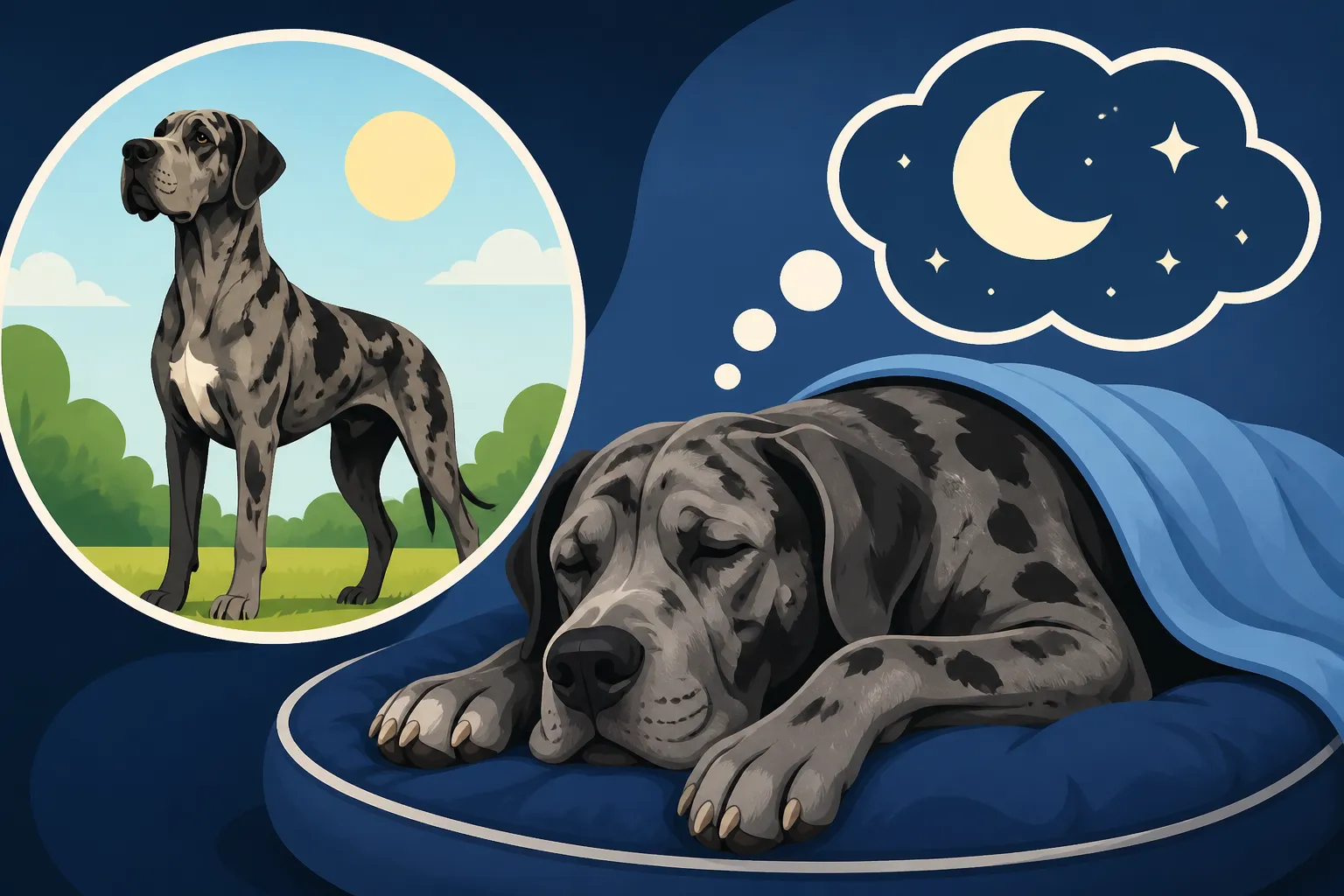
Once your Great Dane has reached maturity, typically around 18 to 24 months, their sleep patterns will normalize somewhat. An adult Great Dane generally needs about 12 to 14 hours of sleep per day, though this can vary. This usually breaks down into 7 to 9 hours overnight and several naps throughout the day. These aren't necessarily long, deep sleeps like those of a puppy. Instead, you'll see them dozing, lounging, and taking short, restorative naps in various spots around the house.
The key with adult Danes is often finding that sweet spot between enough rest and enough activity. They might appear laid-back, but they do require regular, moderate exercise to stay healthy and ensure they're tired enough for good sleep without overexertion. Wearing Out a Great Dane Without Wrecking Its Joints is a delicate balance. If your adult Dane is constantly restless, pacing, or struggling to settle down, it could be a sign they're not getting enough mental or physical stimulation during their waking hours. Conversely, an adult Dane that seems excessively tired, lethargic, or struggles to get up might be signaling an underlying health issue rather than just being naturally sleepy.
Senior Great Dane Rest Requirements
As your Great Dane transitions into their senior years, typically starting around age six or seven (which counts as quite senior for our big friends, as discussed in The Age a Great Dane Is Considered Old), their sleep needs will change again. You'll likely notice them sleeping more, often up to 16-18 hours a day, similar to a puppy. However, the quality of this sleep might not be the same. Senior Danes can experience more fragmented sleep, waking more frequently due to discomfort, needing to go outside, or just general aches and pains.
It's common for older Danes to struggle with joint issues like arthritis, making it harder for them to find a comfortable sleeping position or get up once they've settled. Providing truly supportive bedding becomes non-negotiable at this stage; an Orthopedic Beds a Great Dane Needs can make a world of difference. You might observe your senior Dane moving slowly, taking longer to settle, or changing positions frequently. This increased need for rest is a natural part of Why a Great Dane Ages Faster Than Smaller Dogs, but it's important to distinguish between normal aging sleep and sleep changes that might signal pain or illness. We'll delve into those warning signs a bit later. Caring for a Great Dane Past Six often revolves around maximizing their comfort and ensuring their rest is truly restorative.
Factors Influencing Great Dane Sleep
Sleep isn't just about closing their eyes; it's a complex process influenced by a multitude of external and internal factors. For a breed as sensitive and physically demanding as the Great Dane, these factors play an even more significant role in their ability to achieve quality rest.
Environment and Comfort
Imagine trying to sleep on a hard floor when you weigh 150 pounds and have bony joints. That's often the reality for Great Danes if their environment isn't properly set up for comfort. Their large size means their pressure points (elbows, hips, hocks) bear a lot of weight, making proper bedding absolutely critical. A thin dog bed might be fine for a smaller breed, but for a Great Dane, it's barely better than the floor. This is where investing in truly supportive, thick orthopedic beds pays off immensely, not just for comfort, but for preventing issues like Elbow Hygromas on a Great Dane or even just general joint stiffness. You can find a huge variety of options on platforms like Amazon, from memory foam to gel-infused beds designed for larger breeds.
Beyond the bed itself, the overall sleeping environment matters. A quiet, dark, and consistent space helps them settle. Many Great Danes thrive on routine, so having a specific "bedtime" and "waking time" can help regulate their internal clocks. Consider where your Great Dane sleeps. Is it a high-traffic area? Is there a lot of noise or light disruption? A calm, secure den, even if it's a large crate (properly sized so they can stand and stretch comfortably, like those mentioned in Crates That Hold a Full-Grown Great Dane), can provide a sense of security and encourage deeper sleep. Some owners even use white noise machines or quiet music to block out household sounds that might disturb their sensitive ears.
Exercise, Diet, and Health
The relationship between activity levels and sleep is a delicate balance for Great Danes. Too little exercise, and they might be restless and unable to settle, despite appearing calm. Too much high-impact exercise, especially during their growth phases, can be detrimental to their developing joints and lead to pain that disrupts sleep. The key is appropriate exercise: moderate walks, supervised play in a secure yard, or mental games that tire them out without stressing their bodies. Wearing Out a Great Dane Without Wrecking Its Joints is about smart exercise choices, not just endless running.
Diet also plays a surprisingly large role. A Great Dane on an inappropriate diet might experience digestive upset, energy spikes and crashes, or nutritional deficiencies that impact their overall well-being and, consequently, their sleep. High-quality food designed for large breeds, fed in a consistent routine, can help maintain stable energy levels and promote good health. Furthermore, underlying health conditions can drastically impact a Great Dane's ability to sleep soundly. Pain from arthritis, heart conditions (like those discussed in How a Great Dane Heart Enlarges), or even thyroid issues (The Thyroid Test a Slow Great Dane Needs) can lead to restlessness, panting, or difficulty getting comfortable. Any sudden, unexplained change in sleep patterns warrants a vet visit to rule out medical causes.
Mental Stimulation and Routine
Physical exercise is important, but don't underestimate the power of mental stimulation for a Great Dane's sleep quality. A bored Dane is often a restless Dane, even if they've had their walk for the day. Puzzle toys, training sessions, or even just consistent interaction and playtime can tire out their minds in a way that physical activity alone cannot. A dog whose brain has been engaged during the day is more likely to settle down contentedly at night.
Establishing a consistent routine is another cornerstone of good sleep for Great Danes. Dogs are creatures of habit, and knowing what to expect throughout their day can reduce anxiety and promote a sense of security. This includes regular meal times, consistent potty breaks, predictable exercise slots, and a wind-down routine before bed. Even something as simple as a quiet cuddle session or a gentle brush before lights out can signal to your Dane that it's time to relax. Tools from BAXTER & Bella, for example, often emphasize routine and positive reinforcement in training, which indirectly contributes to a well-adjusted dog who is better able to sleep peacefully.
Recognizing When Your Great Dane Isn't Getting Enough (or Too Much) Sleep
It's easy to assume our big dogs are always sleeping because they're often found snoozing on the sofa. But paying close attention to how they're sleeping, and their behavior when awake, can give you crucial clues about their overall health.
Signs of Sleep Deprivation
Just like humans, a Great Dane who isn't getting enough quality sleep can exhibit a range of behavioral and physical symptoms. One of the most common signs is increased irritability or moodiness. A sleep-deprived Dane might be quicker to snap, less tolerant of other pets or children, or simply seem "off." You might notice an increase in destructive behaviors, not necessarily out of malice, but because they're overtired and don't know how to self-regulate. Think of a toddler who gets cranky and throws a tantrum when they miss their nap – a Great Dane isn't much different, just a lot bigger.
Other signs of insufficient sleep include:
- Restlessness at night: Pacing, frequently changing sleeping spots, or whining when they should be settled.
- Excessive yawning: More than usual, especially outside of a normal "waking up" stretch.
- Difficulty learning or focusing: Their cognitive function can be impaired, making training sessions less effective.
- Increased accidents indoors: Sometimes, an overtired dog might forget their potty training.
- A "wired" look: Instead of being relaxed, they might seem hyper-alert or anxious, even when nothing is happening. A Dane that is A Great Dane That Is Anxious Rather Than Gentle might be signaling stress, which can definitely impact sleep.
If you suspect your Great Dane isn't getting enough sleep, first review their daily routine: Are they getting enough appropriate exercise? Is their sleeping environment comfortable and quiet? Sometimes, simple adjustments can make a big difference. For senior dogs, increased pain can often disrupt sleep, so pain management, in consultation with your vet, might be necessary.
When Excessive Sleep Can Be a Warning Sign
While Great Danes do sleep a lot, there's a difference between healthy napping and excessive lethargy. If your normally active adult Great Dane suddenly starts sleeping significantly more than usual, is difficult to rouse, or seems generally low-energy even when awake, it's a red flag. This isn't just "being a Great Dane" – it could be an indicator of an underlying health issue.
Conditions that can manifest as excessive sleepiness or lethargy include:
- Hypothyroidism: A common issue in Great Danes where their thyroid gland doesn't produce enough hormones, leading to a slowed metabolism and low energy.
- Heart conditions: As mentioned earlier, DCM (The Heart Muscle Disease Great Danes Are Prone To) can cause fatigue and reduced activity tolerance.
- Pain or illness: Dogs often hide pain, and increased sleep can be their way of coping or trying to heal. Joint pain, infections, or even early stages of cancer can present with lethargy.
- Nutritional deficiencies: While less common with high-quality diets, poor nutrition can sap energy.
- Medication side effects: If your Dane is on new medication, excessive sleepiness might be a known side effect.
It's important to distinguish between a healthy, relaxed dog dozing comfortably and a dog who is genuinely lethargic and unwell. Always err on the side of caution; if you notice a significant, unexplained change in your Great Dane's sleep patterns or energy levels, a visit to your veterinarian is warranted. Early detection can make a huge difference in managing health conditions.
Creating an Optimal Sleep Environment
Setting up the perfect sleep sanctuary for your Great Dane is one of the best things you can do for their long-term health and happiness. Their sheer size means they need more than just a blanket on the floor; they need dedicated support.
Key Components of an Optimal Sleep Environment:
- High-Quality Orthopedic Bedding: This is paramount. Look for beds with dense, supportive foam that won't flatten under their weight. Brands available on Amazon often offer extra-large options with memory foam, sometimes with removable, washable covers (a must for Danes!). Bedding That Prevents Great Dane Hygromas and supports their large joints is essential. For senior Danes, especially, a bed that is easy to get in and out of can make a big difference.
- Consistent Location: Place their bed in a quiet, low-traffic area where they won't be constantly disturbed by household activity. A corner of the living room, a dedicated den space, or even a large, comfortable crate can work.
- Comfortable Temperature: Great Danes can get chilly if their coat is thin, but they can also overheat, especially in warmer climates, as discussed in Keeping a Great Dane Comfortable in Heat. Ensure their sleeping area is a comfortable ambient temperature.
- Darkness and Quiet: Just like us, dogs sleep better in darker, quieter environments. Consider blackout curtains if they sleep in a room with a lot of external light, or a white noise machine if your home is particularly noisy.
- Routine: As mentioned earlier, a consistent bedtime routine helps signal to your Great Dane that it's time to wind down. This might include a final potty break, a chew toy, or quiet petting before they settle in for the night.
Here's a quick overview of Great Dane sleep needs by age:
| Age Group | Typical Daily Sleep Hours | Key Characteristics & Needs |
|---|---|---|
| Puppy (0-6 months) | 18-20+ hours | Crucial for rapid growth; deep, often twitchy sleep. Protect nap times. |
| Adolescent (6-18 months) | 14-16 hours | Still growing, but more awake energy. Good naps and overnight rest are important. |
| Adult (1.5-6 years) | 12-14 hours | 7-9 hours overnight, with several daytime naps. Balance activity with rest. |
| Senior (6+ years) | 16-18 hours | More frequent, often fragmented sleep. Orthopedic support and comfort are vital. |
By understanding these nuances and proactively creating an environment that supports healthy sleep, you're not just ensuring your Great Dane is well-rested; you're contributing significantly to their overall health, happiness, and longevity.
Disclaimer
This article is for general informational purposes only and does not constitute professional advice. Laws, prices and regulations vary by location and change over time. Consult a qualified professional for guidance on your specific situation.