The Fifteen Hundred to Three Thousand Great Dane
Bringing a Great Dane into your home is an incredibly exciting prospect, but the sheer size and unique needs of these gentle giants often come with sticker shock that many prospective owners simply aren't prepared for. Beyond the initial adoption fee or purchase price, there's a world of ongoing expenses that can quickly add up, leaving new families feeling overwhelmed. This comprehensive guide will pull back the curtain on the real financial commitment of Great Dane ownership, covering everything from the upfront costs to the surprising day-to-day bills and essential long-term planning.
Understanding the Initial Purchase Price of a Great Dane
When you start looking for a Great Dane puppy, you'll quickly discover a wide range of prices, often quoted anywhere from $1,500 to $3,000, and sometimes even higher for championship lines or specific rare colors. It's a significant investment, to be sure, but understanding what influences this price tag is crucial to making a responsible choice. This isn't just about getting a puppy; it's about investing in the future health and temperament of a beloved family member.
What Influences a Great Dane Puppy's Price Tag?
The price of a Great Dane puppy is rarely arbitrary. It reflects the dedication, expertise, and significant financial outlay of a responsible breeder. First and foremost, a reputable breeder will invest heavily in the health of their breeding stock. This means extensive health screenings for both parents, including cardiac evaluations for Dilated Cardiomyopathy (DCM), orthopedic clearances for hips and elbows, and thyroid testing. These tests alone can cost hundreds to thousands of dollars per dog, but they are absolutely essential to minimizing the risk of inherited diseases in the puppies. If a breeder isn't transparent about these tests, it's a major red flag.
Beyond health testing, the lineage and reputation of the breeder play a huge role. Breeders who consistently produce healthy, well-tempered dogs that adhere to the breed standard, perhaps with a history of success in the show ring or performance events, will naturally command higher prices. They aren't just selling a puppy; they're selling the assurance of careful breeding, extensive socialization, and ongoing support for the life of your dog. Location can also factor in, with prices sometimes varying based on the cost of living and demand in different regions. Finally, certain colors, like Harlequin or Blue, might occasionally fetch a higher price due to their perceived rarity or specific breeding challenges, though a responsible breeder prioritizes health and temperament over color trends.
The Range: $1500 to $3000 – What Does it Mean?
So, what does the $1,500 to $3,000 range actually signify? At the lower end, around $1,500, you might find a puppy from a reputable breeder who focuses on solid, healthy family companions without necessarily campaigning their dogs in the show ring. These breeders still perform essential health testing and provide a well-socialized puppy, but their overhead might be slightly less due to not pursuing expensive titles or extensive travel for breeding. You should still expect thorough health clearances for both parents and a comprehensive puppy contract.
As you move towards the $2,000 to $3,000 mark, you're often looking at puppies from breeders with established show lines or those who have invested significantly in champion-titled parents. These puppies often come from generations of dogs bred for specific conformational traits and excellent temperaments, and the breeders provide extensive support, mentorship, and health guarantees. This higher price point often reflects the extensive time, travel, and resources dedicated to achieving excellence in the breed. No matter the price, a good breeder will always provide you with all of the necessary health certificates for the parents, detailed information about the puppy's upbringing, and a willingness to answer all your questions, even providing a copy of the contract for you to review beforehand. It’s also important to be able to visit the home where the puppies are raised and interact with the dam. Reading a Great Dane Puppy's Health Papers is a crucial step in this process.
When a Bargain Great Dane Is Not a Bargain
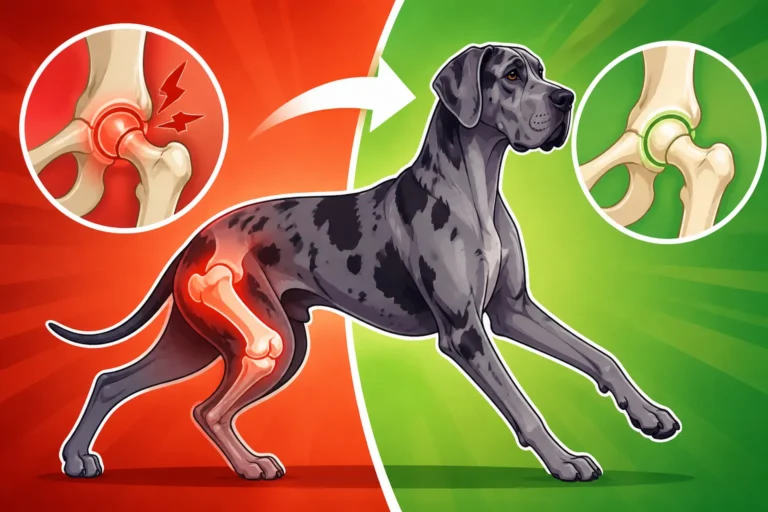
It's tempting to look for a "bargain" Great Dane, especially when prices seem so high. However, if you see puppies advertised for significantly less than $1,500, consider it a major warning sign. These lower prices often indicate a "backyard breeder" or even a puppy mill, where the focus is on profit rather than the health and well-being of the dogs. These breeders typically skip essential health screenings, leading to puppies with a much higher risk of expensive genetic diseases like hip dysplasia, heart conditions, or Wobbler Syndrome. Remember, Great Dane Hips, Elbows and Growing Joints are already prone to issues, and skipping screenings can lead to a lifetime of pain and massive vet bills.
Beyond health issues, puppies from irresponsible sources often lack proper socialization, leading to behavioral problems down the line that can be difficult and costly to correct. They might also come from environments that neglect their basic needs, resulting in fearful, anxious, or aggressive dogs. What seems like a cost saving upfront can quickly turn into tens of thousands of dollars in veterinary bills, behavioral therapy, and heartbreaking emotional distress. The initial investment in a well-bred Great Dane is a small price to pay compared to the potential costs and heartache associated with a poorly bred one. Always prioritize transparency, health guarantees, and a breeder's willingness to take back any dog they've bred if circumstances change.
The True Cost Beyond the Purchase: Essential Supplies
Once you've secured your Great Dane puppy, the initial purchase price is just the beginning. The sheer size of these dogs means that everything, from their bed to their food bowl, needs to be scaled up, and that often comes with a higher price tag. Preparing your home and budget for these essential supplies is a critical part of responsible Great Dane ownership.
Setting Up for a Giant: Initial Gear Needs
Bringing a Great Dane puppy home means outfitting your house with equipment built for a dog that will soon weigh over 100 pounds. A crate is indispensable for house-training, safety, and providing a den-like space, but it needs to be enormous. Think 54-inch crates – these aren't cheap and can run anywhere from $150 to $300 or more, especially if you opt for a sturdy, durable model that will last. Then there's the bed. Forget those flimsy pet store cushions; a Great Dane needs substantial support to protect their joints. Orthopedic Beds a Great Dane Needs are a must, and quality memory foam beds designed for giant breeds can easily cost $100-$300 each, especially from brands like Big Barker or K9 Ballistics.
Next, consider feeding and watering stations. A Great Dane drinks a lot of water and eats a lot of food. You'll need large, sturdy bowls that won't tip over. Many owners opt for raised feeders to help with digestion and posture, though the debate around whether Raised Bowls Help or Hurt a Great Dane's bloat risk is ongoing. Regardless, large, heavy-duty stainless steel bowls on a solid stand can cost $50-$100. Don't forget leashes and collars. A strong, wide collar and a robust leash are essential for handling a powerful, rapidly growing puppy. And chew toys? Forget the small ones. You'll need durable, large-breed appropriate toys to keep those giant jaws busy, which can quickly add up, often costing $10-$30 per toy. The Kit a Great Dane Puppy Needs First outlines many of these crucial early purchases.
The Monthly Munch: Food Costs for a Growing Dane
Great Danes eat a lot. There's no way around it. During their rapid growth phase, a Great Dane puppy needs specialized large-breed puppy food formulated to promote slow, steady growth, preventing the developmental orthopedic issues that can arise from growing too quickly. This specialized kibble is often more expensive per pound than regular puppy food. Expect to go through large bags quickly. Monthly Food Spending on a Great Dane can easily reach $100-$200 or more, depending on the brand and quality of food you choose.
As they mature, an adult Great Dane might consume anywhere from 6 to 10 cups of kibble per day, sometimes more depending on their activity level and metabolism. High-quality kibble from brands like Fromm, Orijen, or Taste of the Wild can range from $70-$100+ for a large 30-pound bag, and you'll likely go through one of these every 2-3 weeks. If you opt for fresh-prepared food delivery services, like Ollie, which some owners prefer for its nutritional benefits, your monthly food bill could easily climb to $200-$400 or higher due to the sheer volume needed for a giant breed. And don't forget treats! Training and rewarding a Great Dane means a steady supply of large, palatable treats, adding another $20-$50+ to your monthly budget.
Training and Socialization: An Investment in Manners
Given their immense size and strength, training a Great Dane isn't just a recommendation; it's a non-negotiable safety requirement. A Great Dane that pulls on the leash or jumps on people can inadvertently cause serious injury. Early and consistent training, starting in puppyhood, is paramount. The Manners a Great Dane Needs Before It Grows are critical to establish early. Puppy classes, which typically focus on basic obedience, socialization, and polite greetings, can cost $150-$300 for a multi-week course. These classes are invaluable for exposing your puppy to new sights, sounds, people, and other dogs in a controlled environment.
As your Great Dane grows, you might find that group classes aren't enough, or you might need help addressing specific behavioral challenges. Hiring a professional trainer for private sessions can be a significant investment, often ranging from $75-$150 per hour, with many owners requiring several sessions. Some owners opt for board-and-train programs, which can cost thousands but offer intensive, focused training. Even if you plan to do most of the training yourself, investing in high-quality training treats, long lines, and appropriate harnesses (like a front-clip harness) will add to your costs. Remember, a well-behaved Great Dane is a joy; an untrained one can be a liability and a source of constant stress.
Ongoing Veterinary Care and Preventative Health
The health of a Great Dane is a serious consideration, and their unique physiology means that standard veterinary care often comes with a higher price tag. Preventative care is not just about avoiding illness; it's about catching potential problems early and ensuring your giant companion lives as long and healthy a life as possible, even if that means facing The Short Expensive Life of a Great Dane.
Routine Vet Visits and Vaccinations
Just like any dog, Great Dane puppies require a series of vaccinations to protect them from common diseases. This initial series, often spread over several visits during their first few months, can cost $100-$300. Annual wellness exams for an adult Great Dane are crucial for monitoring their overall health. During these visits, your vet will perform a thorough physical, discuss diet and exercise, and recommend any necessary screenings. These yearly check-ups typically run $70-$150, not including any additional tests or medications.
Due to their deep chest, Great Danes are especially prone to bloat, a life-threatening condition. Many veterinarians recommend a prophylactic gastropexy, a surgery that tacks the stomach to the abdominal wall to prevent it from twisting. This elective surgery can be performed during spay/neuter surgery and is highly recommended by many breeders and vets. While it's an upfront cost, typically ranging from $400-$800 if done with a spay/neuter, it can save you thousands in emergency surgery costs and, more importantly, save your dog's life. When to Book a Great Dane Gastropexy is a decision every owner should discuss with their vet.
Preventative Medications: Heartworm and Flea/Tick
Preventative medications are non-negotiable for a Great Dane's health, and their sheer body mass means these medications are dosed at the heaviest weight bands, driving up the cost. Heartworm prevention, which is typically given monthly, is essential in most regions. For a Great Dane, a year's supply can cost anywhere from $100-$250, depending on the brand and whether it's bundled with other parasite protection.
Flea and tick prevention is another critical ongoing expense. These medications also come in weight-based dosages and can be administered monthly (oral or topical) or every three months (oral). Expect to spend $150-$300 annually on flea and tick prevention for your Great Dane. While these costs might seem high, they are far less than the cost of treating heartworm disease or managing a severe flea infestation, not to mention the discomfort and potential health risks to your dog. Many owners find buying these preventatives in bulk or through online pharmacies like Chewy can offer some savings, but always consult your veterinarian first.
Spay/Neuter and Prophylactic Gastropexy
Deciding whether and when to spay or neuter your Great Dane is a significant decision, and the timing can impact their long-term orthopedic health. Many vets recommend waiting until Great Danes are more mature (18-24 months) to allow their growth plates to close fully, which can reduce the risk of certain joint issues. The cost for a routine spay or neuter for a giant breed is higher than for smaller dogs due to increased anesthesia, medication dosages, and longer surgical times. Expect to pay $400-$800 for a standard spay or neuter at a typical veterinary clinic.
As mentioned, a prophylactic gastropexy is often recommended and can be done at the same time as a spay or neuter. This greatly reduces the lifetime risk of Gastric Dilatation-Volvulus (GDV), commonly known as bloat. The cost for adding this procedure can vary widely, from an additional $400 to $1,000, bringing the total for both procedures potentially into the $800-$1800 range. While it’s a substantial upfront expense, the peace of mind and the potential to avoid an emergency bloat surgery – which can cost upwards of $3,000-$7,000 – makes it an investment many Great Dane owners consider absolutely essential. The Lifetime Bloat Risk in a Great Dane is a statistic that no owner can ignore.
The Lifelong Financial Commitment: Health Issues & Insurance
Even with the best breeding and preventative care, Great Danes are prone to certain health conditions that can lead to substantial veterinary bills. Being prepared for these possibilities, both financially and emotionally, is a cornerstone of responsible Great Dane ownership.
Common Great Dane Health Concerns and Their Bills
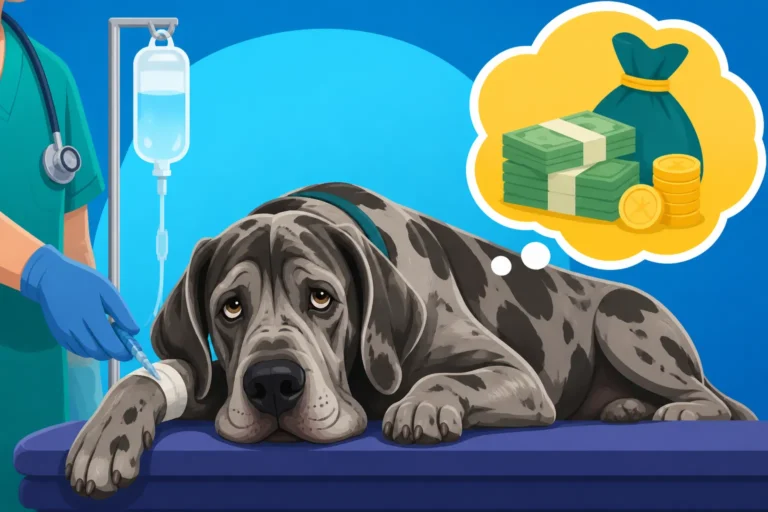
Unfortunately, the majestic size of Great Danes comes with a predisposition to several serious health conditions that can be incredibly costly to treat. The most widely known is Bloat in a Great Dane, which can escalate into a twisted stomach (GDV). An emergency surgery for GDV can easily run $3,000 to $7,000 or more, often requiring intensive post-operative care. This is why a prophylactic gastropexy is so highly recommended.
Another significant concern is The Heart Muscle Disease Great Danes Are Prone To, Dilated Cardiomyopathy (DCM). Diagnosis often involves echocardiograms and Holter monitoring, followed by lifelong medication. Initial diagnostics can cost $500-$1,500, and ongoing monthly medications like pimobendan and diuretics can add $100-$300+ to your monthly expenses. Wobbler Syndrome, a neurological condition affecting the neck, can also be common. Diagnosis involves advanced imaging like MRI, which alone can cost $2,000-$4,000, with surgery often running $5,000-$10,000 or more. Other issues like bone cancer (osteosarcoma) or orthopedic problems like hip dysplasia can also lead to surgeries, chemotherapy, or long-term pain management, with costs easily reaching into the thousands. The sheer size of these dogs means higher doses of medication, longer surgical times, and larger specialty equipment, all contributing to higher bills.
Navigating Pet Insurance for a Giant Breed
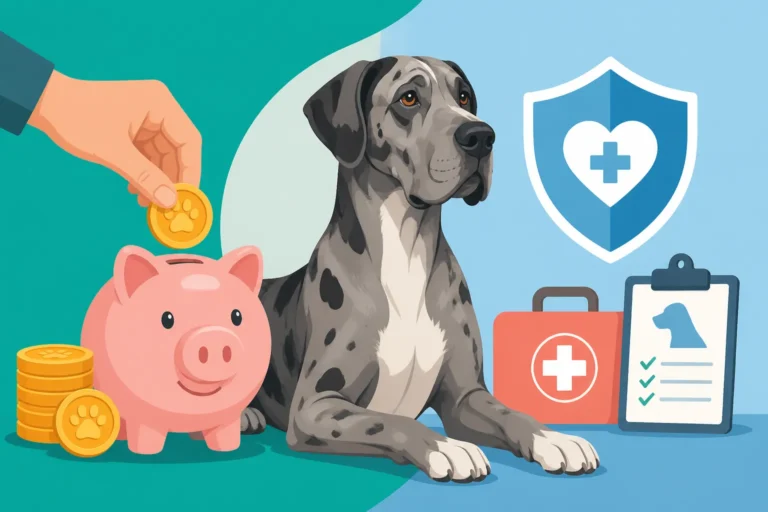
Given the high potential for expensive health issues, pet insurance is a wise investment for Great Dane owners, almost a necessity rather than a luxury. However, insuring a giant breed comes with its own set of considerations. Premiums for Great Danes are generally higher than for smaller breeds due to their breed-specific health risks. Expect monthly premiums to range from $60-$150, depending on your location, your dog's age, the deductible you choose, and the reimbursement level.
When researching pet insurance, pay close attention to what's covered, what's excluded (especially pre-existing conditions), and the annual limits. Companies like Healthy Paws are popular choices among Great Dane owners, but it's crucial to compare several providers to find the best fit for your budget and your Dane's needs. Ensure any policy you consider has robust coverage for emergencies, chronic conditions, and specialist care. Enrolling a Great Dane Before Anything Happens, ideally when they are a young puppy, is vital to avoid exclusions for pre-existing conditions that might develop later.
Building an Emergency Fund: A Non-Negotiable for Dane Owners
Even with pet insurance, there will be out-of-pocket expenses, including deductibles, co-pays, and costs for services not covered by your policy. For Great Danes, who can face sudden, critical health emergencies like bloat, having a readily accessible emergency fund is absolutely non-negotiable. Aim to have at least $3,000-$5,000 set aside specifically for veterinary emergencies. This fund can bridge the gap between unexpected large bills and your insurance reimbursement, or cover the costs if a claim is denied.
Many responsible Great Dane owners find that a combination of pet insurance and a dedicated emergency savings account provides the most robust financial safety net. This allows you to make medical decisions based on what's best for your dog, rather than being constrained by financial limitations. The alternative – facing a $5,000 emergency bill without insurance or savings – is a terrifying prospect that can force heartbreaking decisions.
Hidden Costs and Lifestyle Adjustments
Beyond the obvious expenses of food and vet care, owning a Great Dane requires a series of lifestyle adjustments that come with their own financial implications. These "hidden costs" are often overlooked but can significantly impact your budget and daily life.
Housing Considerations: Space, Fencing, and Pet Rent
A Great Dane needs space, both indoors and out. While they are often surprisingly calm indoors, their sheer size means they can't thrive in cramped quarters. If you're renting, you might encounter significant challenges. Many landlords have breed or weight restrictions that exclude Great Danes, limiting your housing options. Even if allowed, pet rent and pet deposits for a large breed can be substantially higher, adding hundreds or even thousands to your annual housing costs.
If you own your home, consider your yard. While Great Danes don't necessarily need acres to run, a secure, adequately fenced yard is important for their exercise and safety. Fencing for a Great Dane needs to be sturdy and tall enough to deter any adventurous leaps, which can be a significant investment if your property isn't already secured. Indoor space also matters; expect wear and tear on floors and furniture from a dog of this size. Some owners invest in heavy-duty flooring or protective covers, which are additional expenses. Whether a Great Dane Fits in a Small Home is a common question, and while they adapt, the furniture and floor plan need to accommodate their imposing presence.
Transportation: Fitting a Dane into Your Life
Fitting a Great Dane into your car isn't like fitting a small terrier. Many standard cars simply aren't big enough to comfortably and safely transport a full-grown Great Dane. You might find yourself needing to upgrade to a larger SUV, van, or truck, which is a significant expense. Even with a large vehicle, you'll need robust travel crates or harnesses designed for giant breeds to ensure their safety and prevent them from becoming a projectile in the event of an accident.
Longer trips or vacations can also become more complicated and expensive. Not all hotels or vacation rentals are truly "pet-friendly" for a Great Dane-sized dog. You might have to pay extra fees or limit your choices to specific establishments. If you need to board your Great Dane, finding a facility with runs large enough to accommodate them can be challenging, and boarding fees for giant breeds are often higher than for smaller dogs, sometimes $60-$100 per night. If you consider flying with your Dane, be prepared for extreme limitations and high costs, as most airlines have strict size and breed restrictions, and the cargo option for a giant breed is often stressful and expensive.
Grooming, Boarding, and Pet Sitting
While Great Danes have short coats that are relatively easy to maintain, there are still grooming costs. Regular nail trims are essential, and their thick, hard nails often require heavy-duty clippers or a powerful Dremel grinder. Some owners prefer professional grooming for nail trims, which can be $20-$40 per visit. While you can bathe a Great Dane at home, it's a huge undertaking that requires a large tub or wash station, copious amounts of shampoo, and many towels. Professional groomers might charge $70-$150 or more for a bath and brush for a giant breed.
As mentioned, boarding can be expensive. If you travel frequently, a reliable pet sitter comfortable with giant breeds might be a better option, but expect higher rates for a Great Dane compared to a smaller dog, often $30-$80 per visit or more for overnight stays. And then there's the Great Dane Drool and What to Do About It. You'll likely find yourself buying dedicated drool rags, towels, and cleaning supplies to keep your home tidy, adding small but consistent costs over time. These seemingly minor expenses truly add up over the years and are part of the overall cost of owning such a magnificent breed.
Long-Term Budgeting for a Great Dane
Owning a Great Dane is a marathon, not a sprint. The financial commitment doesn't diminish as they grow older; in fact, it often increases. Realistic long-term budgeting is key to providing your Great Dane with the best possible quality of life throughout their relatively short lifespan.
The Climbing Costs as a Great Dane Ages
As Great Danes approach their senior years, typically starting around age five or six, their veterinary needs often increase dramatically. Caring for a Great Dane Past Six means more frequent vet visits, often every six months, for comprehensive check-ups. Arthritis is common, requiring joint supplements, pain medication, and potentially specialized diets, which can easily add $50-$200+ to your monthly budget. Diagnostic tests, such as X-rays or bloodwork to monitor organ function (especially kidney and liver values), become more frequent and costly.
Mobility issues are also prevalent in older Great Danes. You might need to invest in ramps for your car or home, specialized orthopedic beds, non-slip rugs, or even a support harness or cart to assist with their mobility. These aids can range from hundreds to thousands of dollars. The medications required for conditions like DCM or cancer, if they arise, can become a significant ongoing expense, as discussed earlier. The final year of a Great Dane's life is often the most expensive, as owners strive to provide comfort and manage complex health issues.
The Overall Lifetime Cost of a Great Dane
When you add up all the initial purchase price, food, routine vet care, preventative medications, potential emergency surgeries, training, supplies, and incidental expenses, the lifetime cost of owning a Great Dane is substantial. While estimates vary, most sources suggest that owning a Great Dane for their typical 7-10 year lifespan can cost anywhere from $25,000 to $50,000, and potentially even more if they develop serious chronic health conditions or require specialized care.
This figure accounts for an average of:
- Initial Purchase/Adoption: $1,500 – $3,000
- Food: $1,200 – $2,400 per year ($10,000 – $24,000 over 8 years)
- Routine Vet Care & Vaccinations: $200 – $500 per year ($1,600 – $4,000 over 8 years)
- Preventative Meds (Heartworm/Flea/Tick): $250 – $500 per year ($2,000 – $4,000 over 8 years)
- Spay/Neuter & Gastropexy: $800 – $1,800 (one-time)
- Supplies (Beds, Crates, Leashes, Toys): $500 – $1,500 (initial), plus replacements
- Training Classes/Private Sessions: $300 – $1,000+
- Pet Insurance: $720 – $1,800 per year ($5,760 – $14,400 over 8 years)
- Emergency Fund/Unexpected Health Issues (out-of-pocket): $3,000 – $10,000+
- Grooming/Boarding/Sitters: $200 – $1,000+ per year ($1,600 – $8,000+ over 8 years)
This table offers a simplified view, and individual costs can fluctuate wildly:
| Category | Initial (One-time) Estimate | Annual Estimate (Puppy) | Annual Estimate (Adult) | Annual Estimate (Senior) | Lifetime (8 Years) Estimate Range |
|---|---|---|---|---|---|
| Purchase/Adoption | $1,500 – $3,000 | – | – | – | $1,500 – $3,000 |
| Food | – | $1,500 – $2,500 | $1,200 – $2,400 | $1,000 – $2,000 | $10,000 – $24,000 |
| Routine Vet Care | – | $300 – $700 | $200 – $500 | $400 – $1,000 | $2,000 – $6,000 |
| Preventative Meds | – | $250 – $450 | $250 – $500 | $250 – $500 | $2,000 – $4,000 |
| Spay/Neuter/Gastropexy | $800 – $1,800 | – | – | – | $800 – $1,800 |
| Supplies & Gear | $500 – $1,500 | $200 – $500 | $100 – $300 | $100 – $400 | $1,500 – $4,000 |
| Training | $200 – $500 | $150 – $300 | $50 – $150 | $0 – $100 | $500 – $2,000 |
| Pet Insurance | – | $720 – $1,200 | $840 – $1,500 | $1,000 – $2,000 | $6,000 – $16,000 |
| Emergency Fund/Health | – | $0 – $1,000 | $500 – $3,000 | $1,000 – $5,000 | $3,000 – $10,000 |
| Grooming/Boarding/Sitters | – | $100 – $500 | $200 – $1,000 | $200 – $1,000 | $1,500 – $8,000 |
| Total Lifetime Estimate | $25,000 – $50,000+ |
This breakdown clearly illustrates that while the initial purchase price is a notable hurdle, it's just the tip of the iceberg when it comes to the lifelong financial commitment of a Great Dane.
Is a Great Dane Within Your Budget?
Before bringing a Great Dane into your life, it's vital to perform an honest and realistic assessment of your financial situation. Can you comfortably afford the ongoing monthly expenses, which can easily reach $200-$500 or more, even for a healthy adult? Do you have the financial flexibility to manage unexpected emergencies, even with insurance? Remember, premiums and deductibles are out-of-pocket, and some things might not be covered. Whether Anyone Can Afford a Great Dane often comes down to this kind of rigorous self-reflection.
Great Danes are magnificent, loving companions, but their care is expensive. Acknowledging this reality upfront allows you to prepare adequately and ensure you can provide your Great Dane with everything they need to thrive. If the numbers seem daunting, consider adopting an older Great Dane through a rescue group, which often comes with a lower adoption fee and sometimes even a partially known health history, potentially making their initial costs more manageable. Ultimately, choosing to welcome a Great Dane into your home is a profound commitment, and being financially prepared is one of the greatest acts of love you can offer.
Disclaimer
This article is intended for informational purposes only and should not be taken as professional veterinary or financial advice. The costs provided are estimates and can vary significantly based on location, individual veterinary practices, specific product choices, and your dog's unique health needs. Always consult with a qualified veterinarian for personalized advice regarding your Great Dane's health and care.