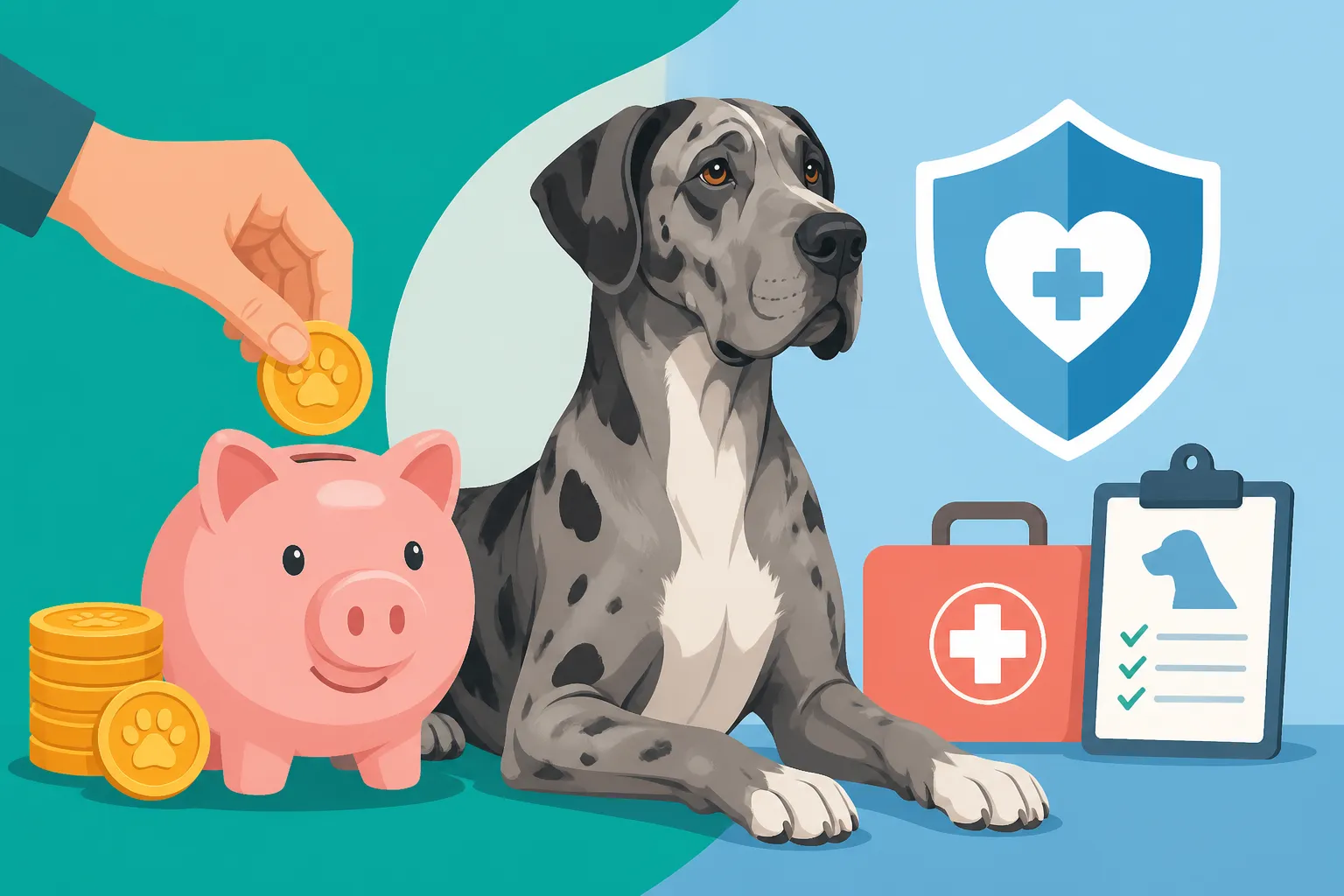
Building a Fund Before a Great Dane Needs It
Bringing a magnificent Great Dane into your home is an unparalleled joy, but let's be honest, the financial commitment can feel overwhelming, especially when unexpected costs hit like a ton of bricks. We all want the best for our gentle giants, yet the sheer scale of their needs can make saving feel like an uphill battle. This guide is all about empowering you to build a robust financial fund, ensuring you're prepared for every stage of your gentle giant's life, from routine care to major health emergencies.
Understanding the Inevitable Costs of a Great Dane
Owning a Great Dane isn't just about love; it's about making a significant financial commitment. Many first-time owners are truly taken aback by how quickly expenses add up, and it's not just the initial purchase price. These are dogs that defy "average" pet budgets, and understanding why is the first step toward financial preparedness.
The Sheer Scale of Their Needs
Imagine everything a smaller dog needs, then multiply it by three or four – that's often the reality of Great Dane ownership. From the moment you bring home your new puppy, you're looking at things like food, which isn't just a small bag of kibble, but often 6-10 cups a day for an adult. This isn't just about quantity, but also quality, as proper nutrition, particularly for a growing puppy, is critical to avoiding Bone Development Problems in a Great Dane Puppy. Then there's their equipment. Think about a bed – it can't be just any bed; it needs to be an orthopedic, giant-breed-sized bed, often costing hundreds of dollars, and you'll likely need to replace it more often than you'd expect. Crates, leashes, toys – everything needs to be industrial-strength and appropriately sized, and that generally comes with a premium price tag. Even something as simple as a water bowl becomes an extra-large affair, and many owners find themselves needing Two Water Bowls in a Great Dane House to keep up with their hydration needs. It’s a constant reminder that their size dictates nearly every purchasing decision.
Why Every Great Dane Bill Is Bigger
The reality of Great Dane ownership is that almost everything costs more. Medications, for instance, are often dosed by weight. A monthly heartworm pill or flea and tick preventative for a 150-pound Great Dane will be significantly more expensive than for a 30-pound beagle. Vet visits are often billed higher too, not just for medication, but because simple procedures require more anesthesia and more staff to handle a dog of their size, influencing Why Great Dane Anesthesia Is Billed Higher. Surgeries are exponentially more complex and costly, requiring more surgical supplies, longer operating times, and more extensive post-operative care. Even standard lab work can sometimes be higher, just due to the volume of samples needed. This isn't your vet trying to upsell you; it's the simple economics of caring for an animal the size of a small person. This consistent upcharge across the board makes having a financial cushion not just a good idea, but an absolute necessity.
Essential Upfront and Ongoing Expenses
Before your Great Dane even sets a paw in your home, there are significant upfront costs, and these are just the tip of the iceberg for the expenses that will continue throughout their life. Being aware of these predictable financial outflows is crucial for budgeting effectively.
Initial Investment and Puppyhood Ponderings
Bringing home a Great Dane puppy often means an initial investment in the dog itself, which can range from $1,500 to $3,000, sometimes even more for show-line dogs or specific colors like a Harlequin. This is before you buy a single toy or bag of food. Beyond the purchase price, puppyhood comes with a flurry of necessary expenses. There are initial vet checks, deworming, and the full course of vaccinations. You'll need a giant-sized crate, comfortable bedding, bowls, leashes, and collars. Puppy classes are highly recommended, not just for training, but for early socialization, and Finding a Trainer Comfortable With a Great Dane might mean investing in specialized trainers. Great Dane puppies grow at an astonishing rate, meaning they'll quickly outgrow harnesses, collars, and even some toys. You might find yourself buying a few different sizes of each item within their first year, making Year One With a Great Dane Priced Out a surprisingly high figure. Investing in good quality, appropriate puppy food formulated for large breeds, like the options from Chewy, is also critical for their proper development and can be a significant monthly cost.
Daily and Monthly Budget Items
Once the initial puppy phase passes, the ongoing daily and monthly expenses settle into a rhythm, but they remain substantial. Food will likely be your largest recurring cost. A high-quality kibble for giant breeds is essential for their joint and overall health, and with a Great Dane easily consuming 10 cups a day, those bags disappear fast. Many owners also consider fresh food options, with companies like Ollie providing customized meal plans that, while potentially more expensive, can offer tailored nutrition. Then there are treats, which, again, must be appropriately sized and numerous to satisfy a Dane's appetite. Monthly preventative medications for heartworm, fleas, and ticks are non-negotiable health expenses, always falling into the highest weight categories. Beyond direct consumables, you'll have grooming supplies – brushes, shampoo (a lot of it for a big dog!), nail clippers or grinders, and ear cleaner. Even regular wear and tear on household items from a rambunctious giant means occasional replacement costs for anything they might knock over or chew. Pet waste bags, cleaning supplies for inevitable drool and accidents, and durable toys that can withstand their powerful jaws also add up over time.
| Category | Estimated Monthly Cost (USD) | Estimated Yearly Cost (USD) | Notes |
|---|---|---|---|
| Food & Treats | $100 – $250 | $1,200 – $3,000 | Varies by brand, quality (kibble vs. fresh), and appetite. |
| Preventative Meds | $40 – $100 | $480 – $1,200 | Heartworm, flea/tick. Dosed by weight. |
| Routine Vet Care | $20 – $50 (average) | $250 – $600 | Annual check-ups, vaccinations, fecal exams. Higher in puppy's first year. |
| Pet Insurance | $60 – $150 | $720 – $1,800 | Varies by plan, deductible, and coverage. Essential for Great Danes. |
| Supplies (beds, toys) | $20 – $80 (average) | $250 – $1,000 | Replacement costs for durable items. Beds are a major expense. |
| Training/Daycare | $0 – $100+ | $0 – $1,200+ | Varies on individual needs; puppy classes, behavioral training, occasional daycare. |
| Emergency Fund | $50 – $200 | $600 – $2,400 | This is the amount you contribute to your fund, not a direct expense. |
| Total (Excl. Fund) | $240 – $730 | $2,900 – $8,800 | This is a broad average; individual costs can be higher or lower. |
Preparing for the Unforeseen: Health Emergencies
This is where the financial planning for a Great Dane truly differs from many other breeds. While all dogs can face health challenges, Great Danes are unfortunately prone to several serious conditions that come with astronomical treatment costs. Ignoring this reality is setting yourself up for potential heartbreak and financial crisis.
The Shadow of Bloat and Other Major Health Concerns
Great Danes are notoriously susceptible to bloat, or Gastric Dilatation-Volvulus (GDV), a life-threatening condition where the stomach fills with gas and can twist. This is not a "maybe it will happen" scenario; it's a "one in three odds" reality. When this strikes, it's an immediate, terrifying emergency, and What to Do the Minute a Great Dane Bloats involves rushing to an emergency veterinary hospital. The cost for emergency bloat surgery can easily run into the thousands, often between $3,000 and $8,000, sometimes even more. It’s a stark reminder of The Night a Great Dane Bloats and What It Costs.
Beyond bloat, Great Danes are also prone to other serious health issues like Dilated Cardiomyopathy (DCM), a heart muscle disease; Wobbler Syndrome, a neurological condition affecting the neck; and osteosarcoma, an aggressive bone cancer. Each of these conditions, if diagnosed, involves extensive diagnostic tests, specialist consultations, and long-term treatment plans that can quickly deplete savings. Imaging a Great Dane Neck for Wobblers, for example, can involve expensive MRI scans, and Osteosarcoma Treatment Costs for a Great Dane can involve amputation and chemotherapy, again, easily costing five figures. This makes the question of Whether Pet Insurance Is Essential for a Great Dane a resounding yes for many owners.
Specialist Care and Chronic Conditions
As Great Danes age, or if they develop one of their breed-specific conditions, the need for specialist veterinary care becomes more common. A veterinary cardiologist for DCM, a neurologist for Wobbler Syndrome, or an oncologist for cancer will provide the best care, but their expertise comes at a premium. Regular follow-up appointments, specialized diagnostics like echocardiograms (Echo Prices for Screening a Great Dane), and ongoing medications can become chronic, significant expenses. For example, a Great Dane with DCM might be on medications like Pimobendan for the rest of its life, which, at Great Dane dosages, isn't cheap. Managing arthritis in a senior Dane, while not always life-threatening, can involve regular pain relief, joint supplements, and potentially hydrotherapy or other rehabilitation services, again adding to the ongoing financial burden. Without a dedicated fund or comprehensive insurance, these long-term care costs can quickly become unmanageable, forcing owners into heartbreaking decisions.
Strategizing Your Savings Fund
Knowing the potential costs is only half the battle. The other, arguably more crucial, half is actively planning and implementing strategies to ensure you have the funds available when you need them. This proactive approach can alleviate immense stress during an emergency.
The Dedicated Emergency Fund
Think of a dedicated emergency fund as your Great Dane's personal savings account for the unexpected. This isn't just for a minor illness; it's designed to cover those major, sudden health crises like bloat, a broken leg, or an unexpected cancer diagnosis. Experts often recommend having at least $5,000 to $10,000 readily accessible for a Great Dane emergency. This might sound daunting, but breaking it down into smaller, consistent contributions can make it achievable. The goal is to build it before you need it, rather than trying to scramble when disaster strikes. Setting up an automatic transfer each month from your checking account to a separate savings account, labeled specifically for your "Great Dane Emergency Fund," is a fantastic way to ensure steady growth. This fund acts as a safety net, allowing you to focus on your dog's health rather than the agonizing question of how to pay for life-saving treatment. Remember, emergencies don't wait for your next paycheck. This fund is arguably as important as their daily food.
The Role of Pet Insurance
For a breed like the Great Dane, pet insurance isn't a luxury; it's a strategic necessity for many. Given their propensity for expensive conditions like bloat, DCM, and bone cancer, a good insurance policy can literally be a lifesaver, both for your dog and your bank account. When comparing options, look for comprehensive accident and illness plans, and pay close attention to deductibles, reimbursement percentages, and annual limits. Companies like Healthy Paws are popular choices among Great Dane owners due to their strong reputation for covering a wide range of conditions, often without per-incident limits, which is crucial when facing a multi-thousand-dollar surgery.
It's vital to enroll your Great Dane as early as possible – ideally as a puppy – because pre-existing conditions are almost never covered. This means if you wait until your dog is diagnosed with a heart condition, that condition won't be covered by a new policy. Understanding When to Book a Great Dane Gastropexy also plays into insurance, as some policies may consider a preventive gastropexy elective, while others might view it differently in the context of reducing bloat risk. While premiums for a giant breed can feel high, often ranging from $60 to $150 per month, they are a predictable expense that guards against unpredictable, catastrophic costs. Many owners find that a single major claim can easily pay for years of premiums, making it a wise investment in their Great Dane's longevity and their own peace of mind.
Budgeting for Preventative Care and Wellness
While the emergency fund and pet insurance tackle the big, scary unknowns, a robust financial plan also includes budgeting for routine and preventative care. This includes annual veterinary check-ups, regular vaccinations, parasite control, and dental cleanings. These seem like small costs, but consistent preventative care can actually prevent larger, more expensive problems down the line. For example, keeping your Great Dane at a healthy weight to reduce strain on their joints is crucial, and that requires investing in quality food and monitoring their calorie intake.
Consider proactive measures like yearly cardiac screenings, especially as your Great Dane approaches mid-life, to catch conditions like DCM early. These might involve specialized tests like echocardiograms. Some owners also opt for a preventive gastropexy to drastically reduce the risk of bloat, a surgery that has its own upfront cost but can save you from a far more expensive emergency later. This is where you might factor in the cost of supplements like fish oil for joint health or specialized foods for sensitive stomachs, if recommended by your vet. By allocating specific funds for wellness, you're not just reacting to problems; you're actively investing in your Great Dane's long-term health and quality of life, hopefully reducing the likelihood of drawing from that emergency fund.
Practical Steps to Build and Maintain Your Fund
Building a substantial fund for your Great Dane won't happen overnight, but with a structured approach and consistent effort, it's entirely achievable. It's about making smart financial choices and integrating these habits into your everyday life.
Setting Realistic Financial Goals
The first step is to quantify your goals. How much do you realistically need in your emergency fund? A good starting point is aiming for at least $5,000, given the potential cost of a bloat emergency or other major surgery. Break this down into smaller, manageable monthly or weekly contributions. If your goal is $5,000, and you aim to achieve it in two years, that's roughly $208 a month, or about $50 a week. This seems much less daunting than staring at a $5,000 figure.
Beyond the emergency fund, consider creating a separate sinking fund for predictable but less frequent large expenses. This might include a new giant orthopedic bed every few years, an upcoming dental cleaning under anesthesia (Sedating a Great Dane for a Dental), or perhaps a comprehensive geriatric workup as your Dane enters their senior years, which involves more extensive tests. Even earmarking a portion for annual cardiology screenings or The Yearly Checkup a Great Dane Needs can make those costs feel less burdensome when they arrive. Be honest about your current income and expenses, and don't overcommit yourself initially; even small, consistent contributions are better than none. The goal is sustainability, not sprinting to the finish line and burning out.
Smart Savings Strategies
There are numerous ways to consistently contribute to your Great Dane's fund without feeling like you're sacrificing too much. One of the simplest and most effective is setting up automatic transfers from your checking account to a dedicated savings account. This "set it and forget it" method ensures you're consistently saving without having to actively think about it each month. Even a modest $50 or $100 per paycheck can accumulate quickly over time.
Look for areas in your budget where you can cut back, even temporarily. Perhaps it's skipping a few takeout meals a month, reducing subscriptions you don't use often, or picking up a side gig for a few extra hours a week, with the explicit purpose of funneling that extra income directly into your Great Dane's fund. Consider consolidating pet supply purchases; buying in bulk from online retailers like Chewy can sometimes offer discounts on large quantities of food and supplies, freeing up a little extra cash. You could also explore lower-cost, high-value enrichment for your Great Dane, like long walks or homemade puzzle toys, instead of constantly buying expensive store-bought toys. Every little bit truly adds up when you have a clear financial goal. Think of it as investing in your best friend's future.
Long-Term Financial Planning
Caring for a Great Dane is a marathon, not a sprint. Their lifespan, though shorter than many breeds, often still means 7-10 years of commitment, and expenses tend to climb dramatically in their later years. Understanding The Short Expensive Life of a Great Dane means planning ahead. As your Great Dane ages past six or seven, you'll likely see an increase in vet visits, potentially for conditions like arthritis or the need for more frequent diagnostic screenings. These later years often incur the highest veterinary bills.
Review your budget and fund goals annually, adjusting them as your Great Dane moves through different life stages. For example, a young adult might need more funds allocated to training and high-energy food, while an older Dane might require more budget for joint supplements, mobility aids, or specialized senior food. Consider creating a "Caring for a Great Dane Past Six" budget specifically to anticipate the higher medical costs associated with senior care. Having a clear idea of How Much Cash a Great Dane Owner Should Keep Ready at various stages can help prevent financial surprises. By being proactive and continuously adapting your financial strategy, you can ensure that you're always ready to provide the best possible care for your beloved Great Dane, no matter what challenges come your way.
Disclaimer
This guide offers general information and recommendations for managing the costs associated with Great Dane ownership. While we strive for accuracy, individual costs can vary significantly based on location, veterinary practices, specific pet insurance policies, and your Great Dane's unique health needs. It is always recommended to consult with a financial advisor and your veterinarian to create a personalized financial and health plan for your specific situation.