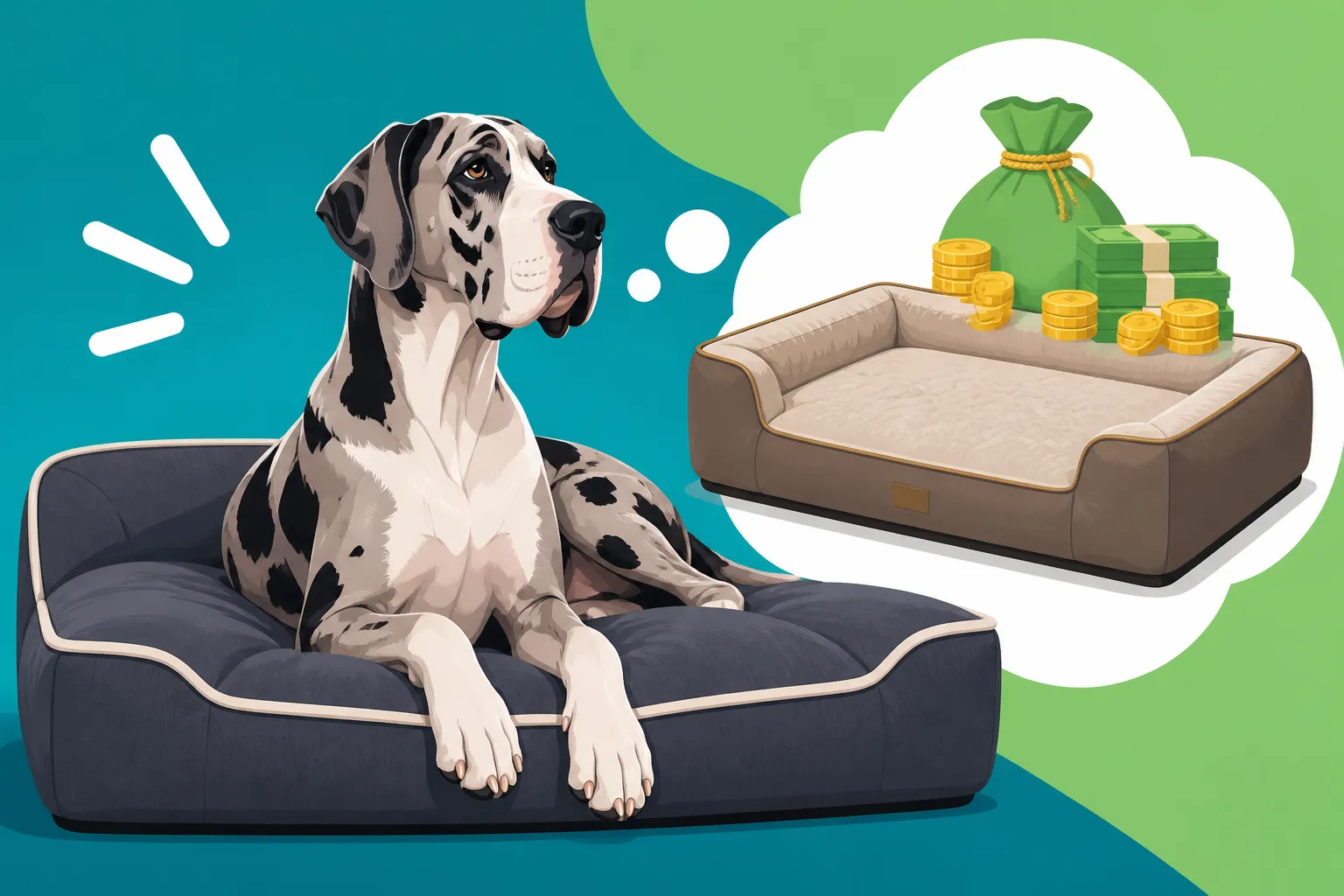
What a Bed Big Enough for a Great Dane Costs
Bringing a Great Dane into your life is an incredible joy, but it also comes with the unique challenge of finding everyday essentials that actually fit their colossal size. One of the most common frustrations new (and even seasoned) Great Dane parents face is the search for a dog bed that isn't just big, but truly supportive and durable enough to withstand a giant breed. This guide will dive deep into what makes a Great Dane bed different, what factors drive the cost, and how to budget for this essential piece of giant dog furniture without compromising on your beloved companion's comfort and health.
Why a Great Dane Needs More Than Just Any Dog Bed
It’s easy to think a dog bed is just a dog bed, but for a Great Dane, it’s a critical piece of their health and well-being infrastructure. These gentle giants, with their impressive stature, have specific needs that smaller dogs simply don't. Skipping on a quality bed isn't just about temporary discomfort; it can have lasting repercussions.
The Importance of Orthopedic Support for Giant Breeds
Imagine sleeping on a thin camping mat every night when you're a hundred and fifty pounds. That's essentially what a flimsy, under-stuffed dog bed is for a Great Dane. Their large, heavy frames put immense pressure on their joints, even when they're simply lying down. This makes a firm, supportive foundation absolutely essential. Without it, hard floors or inadequate bedding can exacerbate existing joint conditions or contribute to their development over time.
Great Danes are unfortunately prone to a host of orthopedic challenges. Conditions like hip and elbow dysplasia, arthritis, and other growth-related issues can plague them throughout their lives. You’ll want to be familiar with concerns like Great Dane Hips, Elbows and Growing Joints and understand that preventative care starts early. A good orthopedic bed helps to cushion these vulnerable areas, distributing their weight evenly and reducing stress on the joints. This isn't just about comfort; it's about minimizing wear and tear on cartilage and bone, which can translate into fewer aches and pains, better mobility as they age, and potentially even a longer, more comfortable life for your big friend. Think of it as an investment in their future health, helping to delay or mitigate the severity of conditions that are sadly common in the breed.
Durability and Size: A Great Dane's Unique Requirements
Let’s be honest: a Great Dane isn't just a big dog; it's a force of nature. A bed designed for a Labrador simply won't cut it. Your Dane needs ample space to stretch out fully, roll around, and get comfortable without their limbs dangling off the edges. This often means looking beyond standard "XL" and searching for "Giant," "XXL," or even custom-sized options. Many owners quickly discover that a bed they thought was large enough ends up looking like a postage stamp under their Dane.
Beyond sheer size, durability is non-negotiable. A Great Dane can easily destroy a poorly made bed with casual scratching, digging, or even just repeated use over time. Cheap materials rip, seams unravel, and stuffing shifts or flattens at an alarming rate. You'll want materials that can stand up to their weight and their natural behaviors. Think rip-stop fabrics, heavy-duty zippers, and a construction that can withstand the daily movements of a very large animal. A bed that promises to be chew-proof might be appealing, but for a dog like a Great Dane, it needs to be life-proof in terms of enduring their sheer presence.
Comfort for a Large Body Mass
While support is key for joint health, comfort is equally important for a Great Dane's overall well-being and quality of sleep. These dogs love to lounge, and they need a bed that invites relaxation, not just tolerates their weight. A thin bed on a hard floor can quickly lead to painful pressure sores, especially on prominent bony areas like elbows and hips. This is why addressing issues like Elbow Hygromas on a Great Dane often starts with better bedding.
The right bed cushions these pressure points, providing a soft yet firm surface that contours to their body without allowing them to "bottom out." This deep cushioning helps maintain proper spinal alignment and muscle relaxation, ensuring they get truly restorative sleep. Additionally, some beds offer features that regulate temperature, keeping them cool in summer and insulated in winter. Given that many Great Danes have thinner coats, understanding Whether a Thin-Coated Great Dane Gets Cold can influence your bed choice. Ultimately, a comfortable Great Dane is a happy Great Dane, and a good bed contributes significantly to their daily comfort, mood, and even their willingness to settle calmly in their designated space.
Deconstructing the Cost: What Factors Influence Great Dane Bed Prices?
So, you're ready to invest in a proper bed for your Great Dane. But why do some seemingly similar beds have such wildly different price tags? Understanding the underlying factors will help you make an informed decision and manage your expectations.
Material Quality and Construction
This is perhaps the biggest differentiator in dog bed pricing. A cheap bed might use chopped foam or basic polyfill, which offers minimal support and quickly flattens, becoming useless in a matter of months. For a Great Dane, this is a recipe for disaster. What you're really looking for is high-density memory foam or orthopedic foam. These materials conform to your dog's body, providing superior pressure relief and maintaining their shape over time. However, quality foam is expensive, and the thicker the foam (which a Great Dane needs), the higher the cost.
Beyond the filling, consider the outer cover and internal liners. Look for durable, furniture-grade fabrics like canvas, microsuede, or even ballistic nylon for extreme chewers. A removable, machine-washable cover is a must for easy cleaning and hygiene. Many high-quality beds also feature waterproof or water-resistant liners under the main cover, which are invaluable for protecting the foam from accidents, drool, or wet paws. These thoughtful construction details, from reinforced stitching to high-quality zippers that won't break with repeated use, all contribute to the higher price point but also to the longevity and performance of the bed.
Size, Obviously, but What Kind of Size?
It's a given that a larger bed will cost more than a smaller one, but for Great Danes, "large" isn't always large enough. Many manufacturers use generic sizing charts that don't truly accommodate giant breeds. An "XL" from one brand might be perfect for a Golden Retriever, while your Great Dane needs a "Giant" or "XXL" to truly stretch out. This means you’re often looking at the absolute largest sizes a company offers, which naturally come with a premium.
A truly adequate Great Dane bed might be upwards of 50-60 inches long and 35-45 inches wide, sometimes even larger. Such dimensions require significantly more raw materials (foam, fabric, thread) and more complex manufacturing processes. When shopping, always check the actual dimensions and compare them to your Great Dane's length when fully stretched out. Don't rely solely on vague size labels. Sometimes, even "orthopedic beds" advertised for large dogs won't quite cut it for the sheer scale of a Great Dane. You're not just buying a bigger version of a standard bed; you're buying a specialized product for a truly giant companion.
Brand Reputation and Warranty
Just like with human mattresses or furniture, certain brands have built a reputation for quality and stand behind their products. While lesser-known brands might offer seemingly similar beds at lower prices, they often compromise on material density, stitching quality, or customer service. Investing in a bed from a reputable brand usually means you're getting higher-grade materials, better construction, and often a warranty that covers defects or premature flattening.
A good warranty can be a lifesaver. If a memory foam bed starts to sag significantly within a year or two, a reputable company will often replace it. This kind of guarantee is factored into the initial cost but can save you from having to replace a cheap bed every six months. Brands known for Orthopedic Beds a Great Dane Needs often have higher upfront costs, but their products generally last much longer, providing better value over your Great Dane's lifespan. Research reviews from other giant breed owners, look for companies that specialize in large dog products, and consider what kind of customer support they offer if an issue arises.
Budgeting for a Great Dane Bed: Practical Tips and Expectations
Now that you understand why these beds can be expensive, let's talk about how to navigate the purchasing process and set realistic expectations for your budget.
Entry-Level vs. Mid-Range vs. Premium Options
When it comes to Great Dane beds, you’ll generally find three tiers, each with its own characteristics and typical price points. Remember, actual prices fluctuate, so these are broad categories.
| Bed Tier | Typical Materials & Features | Expected Lifespan (for a Great Dane) | Pros | Cons |
|---|---|---|---|---|
| Entry-Level | Thin polyfill or low-density foam, basic fabric cover, limited sizing | 6 months – 1.5 years | Lowest initial cost, widely available. | Flattens quickly, poor joint support, less durable, frequent replacement needed. |
| Mid-Range | Moderate-density orthopedic/memory foam, durable fabric, good zippers | 1.5 – 3 years | Better support and comfort, decent durability, good value for money. | Still might not be the absolute best for severe joint issues, materials can vary in quality. |
| Premium | High-density, multi-layer orthopedic/memory foam, heavy-duty cover, waterproof liner, robust construction, generous sizing | 3 – 5+ years | Excellent joint support, maximum comfort, exceptional durability, long-term investment. | Highest initial cost, can be quite heavy and bulky. |
It's tempting to go for the entry-level option, but for a Great Dane, it's often a false economy. These beds often don't last, offering little real support, meaning you'll be on the hunt for a replacement sooner rather than later. This leads to the phenomenon of Replacing a Bed a Great Dane Has Worn Through far too frequently, costing more in the long run. Mid-range options usually strike a good balance for many owners, offering decent support and durability without the top-tier price tag. Premium beds are definitely an investment, but they are designed to last, providing unparalleled comfort and support for your giant companion.
Where to Buy and Potential Savings
The vast world of online shopping is your best friend when looking for giant dog beds. Websites like Chewy offer a wide selection from various brands, often with detailed product descriptions, dimensions, and customer reviews – including many from fellow Great Dane owners. Specialty pet supply stores, both online and brick-and-mortar, might also carry a few premium giant-sized options, though their selection can be more limited.
Keep an eye out for sales events, especially around holidays. You might find significant discounts on higher-quality beds if you're patient. Signing up for email newsletters from your favorite pet retailers can give you a heads-up on upcoming promotions. Sometimes, manufacturers will offer refurbished beds at a discount, which can be a great way to get a high-quality product for less, but ensure they still come with a warranty. Another consideration for pet ownership budgeting is looking into how savings in other areas, like using fresh dog food delivery services such as Ollie, might free up funds for a superior bed.
The Long-Term Value of Investing in a Good Bed
It’s easy to focus on the immediate sticker shock of a premium Great Dane bed, but consider the long-term implications. A cheap, inadequate bed can lead to discomfort, restlessness, and, critically, contribute to or worsen joint problems. This can result in increased vet visits, pain medication, and potentially more invasive treatments down the line. While a good bed isn't a magic bullet for all health issues, it is a significant factor in preventative care.
Think of it this way: a quality orthopedic bed is an investment in your Great Dane's health and happiness. By providing proper support and comfort, you could be extending their comfortable, active years. This means fewer vet bills related to joint pain, a happier dog, and less stress for you. When you consider the short lifespan of a Great Dane—typically Why a Great Dane Only Lives Seven to Ten Years—every year of comfort and health is precious. Even factoring in other crucial preventative measures, such as Insuring a Great Dane Against Bloat and Heart Bills with a provider like Healthy Paws to cover unforeseen medical emergencies, prioritizing a comfortable and supportive bed for their daily rest is a fundamental act of care that truly pays off in the long run.
Beyond the Purchase Price: Maintenance and Longevity
The cost of a Great Dane bed doesn't end the moment you hit "purchase." Proper care and knowing when to replace it are crucial for maximizing your investment and ensuring your dog's continued comfort.
Cleaning and Care to Extend Bed Life
A Great Dane bed will see a lot of action: shedding fur, drool (especially after a big drink!), mud, and occasional accidents. To keep it hygienic and extend its life, regular cleaning is paramount. Most quality beds come with removable, machine-washable covers. Make sure to follow the washing instructions carefully to prevent shrinking or damage to specialized fabrics. Having a spare cover is a great idea, allowing one to be in the wash while the other is in use.
For inevitable drool marks or minor spills, a damp cloth with a mild, pet-safe cleaner can often spot-clean the cover between full washes. If your bed has a waterproof liner, inspect it periodically for tears or leaks, as these can compromise the foam if not addressed. Regularly vacuuming or lint-rolling the bed will help manage the impressive amount of hair a Great Dane can shed. Consistent cleaning not only keeps the bed smelling fresh and looking good but also prevents the buildup of dirt, allergens, and odors that can break down fabric fibers over time.
When to Replace a Great Dane's Bed
Even the best-quality Great Dane bed won't last forever. Knowing when it's time for a replacement is crucial for your dog's comfort and health. The most obvious sign is when the foam or filling starts to flatten or develop permanent indentations where your dog usually lies. If your Great Dane is "bottoming out" and you can feel the floor through the bed, it's no longer providing adequate support and pressure relief.
Other signs include visible wear and tear like large rips, torn seams, or excessive fraying that compromises the bed's integrity. Lingering odors that won't wash out, even after a thorough cleaning, can also be a sign that the inner materials have absorbed too much and it's time for a fresh start. If your Great Dane seems restless on their bed, struggles to get comfortable, or opts to lie on the hard floor instead, it might be a subtle hint that their current bed isn't meeting their needs anymore. Just as we transition to Caring for a Great Dane Past Six with changes in diet and exercise, their bedding needs may also evolve with age, demanding replacement or an upgrade to ensure they remain comfortable as their joints stiffen.
Disclaimer
This article is for general informational purposes only and does not constitute professional advice. Laws, prices and regulations vary by location and change over time. Consult a qualified professional for guidance on your specific situation.