Year One With a Great Dane Priced Out
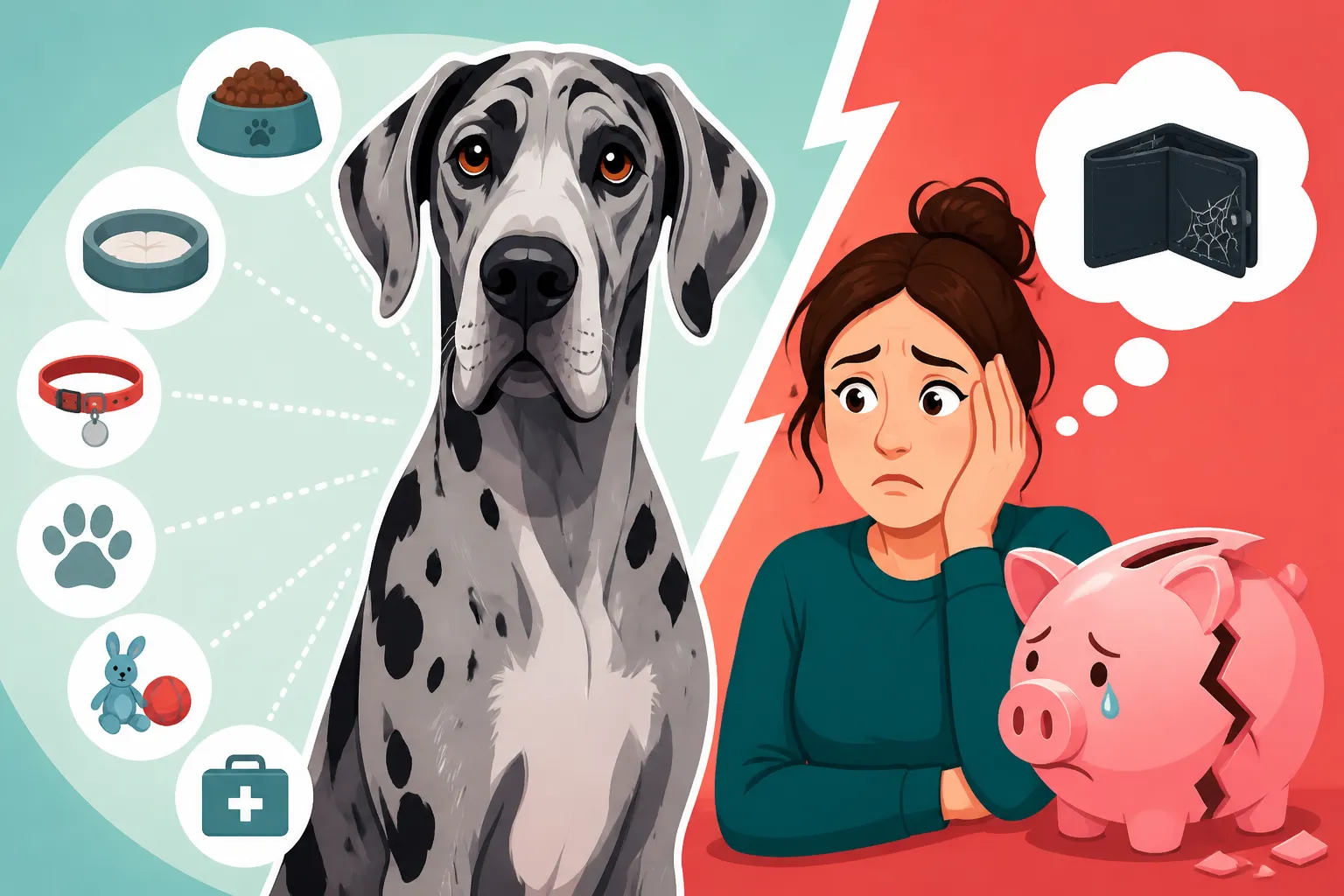
Bringing home a Great Dane puppy is an absolute joy, filled with clumsy cuddles and boundless enthusiasm. But let's be honest, the excitement often comes with a creeping anxiety about the actual cost of raising one of these magnificent giants, especially during that crucial first year. Many new owners find themselves surprised by just how quickly the bills add up, from the initial purchase to the ever-increasing food bill and the inevitable vet visits. This guide is here to break down what you can realistically expect to spend in that pivotal first year, helping you budget wisely and avoid those unwelcome financial shocks.
Initial Costs to Bring Your Great Dane Home
The very first expenses you'll encounter are often the most significant and can vary wildly depending on whether you choose to purchase a puppy from a breeder or adopt a rescue. Both paths have their own financial implications and benefits.
Understanding Great Dane Puppy Prices and Breeder Selection
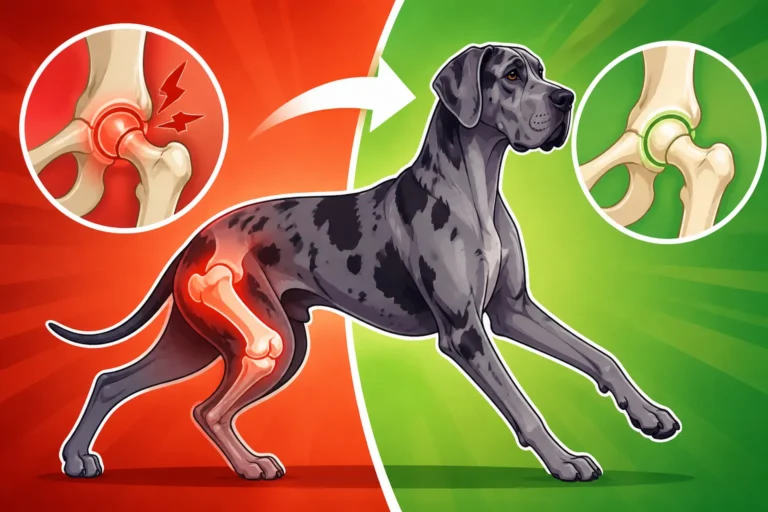
If you're looking for a Great Dane puppy from a reputable breeder, expect to pay a premium. These aren't your average backyard pups; a well-bred Great Dane typically comes from lines with extensive health testing, ensuring healthier, more predictable temperaments. We're talking about parents who've been screened for cardiac issues like dilated cardiomyopathy (DCM), orthopedic problems like hip and elbow dysplasia, and sometimes even thyroid conditions or eye anomalies. This rigorous screening costs breeders a lot of time, money, and expertise, which is reflected in the puppy price.
You might see prices ranging anywhere from $1,500 to $3,000, and sometimes even higher for specific colors or show lines. While it might seem like a lot up front, remember that investing in a puppy from a breeder who performs The Health Testing a Great Dane Breeder Owes You can potentially save you astronomical vet bills down the line. A cheaper puppy from an unverified source could come with hidden genetic issues that manifest into serious and expensive problems later on, making that initial "saving" a costly mistake. Always prioritize health and temperament over a lower price tag.
Adoption Fees for a Great Dane from a Rescue
Choosing to adopt a Great Dane from a rescue organization is another fantastic option, and often a more budget-friendly one in terms of initial outlay. Rescue organizations typically charge an adoption fee that covers a portion of their costs for spaying or neutering, vaccinations, microchipping, and sometimes even a basic health check-up. These fees can range from $200 to $600, give or take, depending on the rescue and the dog's age and health status.
Many surrendered Great Danes come from situations where their previous owners couldn't afford their care or were simply unprepared for the commitment. This means you might find adult dogs, or even younger ones, who are already house-trained and past the destructive puppy phase. Adopting a Great Dane at Five Years Old, for instance, could offer a more mature companion with fewer immediate behavioral challenges, though they might come with their own set of health needs that a good rescue will be transparent about. It's a wonderful way to give a deserving Dane a second chance at a loving home.
Essential Supplies for a Growing Giant
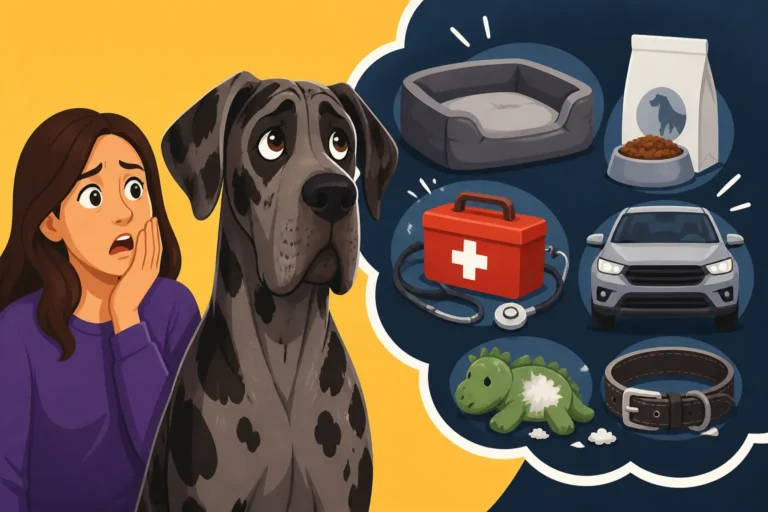
Once your Great Dane is coming home, you'll quickly realize that "standard" pet supplies simply won't cut it. Everything needs to be bigger, stronger, and more durable when you're dealing with a rapidly growing giant breed.
Crates, Beds, and Bowls Built for Size
Let's start with the basics: your Dane needs a safe space to call their own. A crate for a Great Dane needs to be massive, allowing them to stand, turn around, and lie down comfortably. This isn't just a temporary solution; a properly sized crate is crucial for house-training, managing puppy antics, and providing a secure den. You'll likely need an extra-large or giant-sized wire crate, which can easily run you $100-$300. Some owners opt for a durable, heavy-duty model from brands like MidWest or Frisco for longevity. Remember, you might go through a few cheaper beds before finding one that stands up to your Dane's weight and chewing habits.
When it comes to bedding, comfort is key for their developing joints. Orthopedic Beds a Great Dane Needs are a non-negotiable expense. Look for thick, supportive foam beds designed for large breeds. Quality orthopedic beds can cost anywhere from $100 to $400, but they are an investment in your dog's long-term joint health. For feeding, you'll need sturdy, extra-large bowls that won't tip over. Many Great Dane owners also consider raised bowls to help with digestion and posture, although the debate on Whether Raised Bowls Help or Hurt a Great Dane for bloat prevention continues. A good set of stainless steel bowls in a sturdy, raised stand will probably set you back $50-$150.
Leashes, Collars, and Harnesses for Control
A Great Dane puppy grows incredibly fast, and their strength increases just as quickly. You'll want to invest in durable, comfortable walking gear from day one. A strong, wide collar (at least 1.5-2 inches) made from robust nylon or leather is essential, costing around $20-$50. For walking, many owners find a front-clip harness to be invaluable for managing a Great Dane That Pulls You Off Your Feet. Brands like Kurgo and Ruffwear offer harnesses designed for larger, stronger breeds. A good quality, durable harness might cost $40-$80.
And don't skimp on the leash! A standard thin leash simply won't hold up. Opt for a heavy-duty nylon or leather leash, 6 feet long, with strong hardware. This could be another $20-$50 investment. Having a reliable, well-fitted harness and leash is critical for safety, not just for your dog, but for anyone you encounter on your walks.
Durable Toys and Chews to Keep Them Occupied
Great Danes have powerful jaws and need toys that can withstand their chewing. Those cute, squeaky toys meant for smaller dogs will be decimated in minutes. Focus on durable rubber toys, such as those from Kong, Nylabone, or Goughnuts, designed for aggressive chewers. These toys often cost $15-$40 each, and you'll want to have several on hand to rotate. Chew toys are vital for mental stimulation and to redirect destructive chewing away from your furniture.
Edible chews, like bully sticks or dental chews, also need to be appropriately sized for a Great Dane to prevent choking hazards. Keep in mind that a Great Dane's size means they'll go through these larger, more expensive chews more quickly than a smaller dog. Expect to spend $30-$80 monthly on a variety of durable toys and safe chews to keep your pup happy and engaged.
Nutrition: Fueling a Fast-Growing Dane
This is where the Great Dane budget really starts to stretch. These dogs eat a lot, and feeding them correctly during their rapid growth phase is paramount for their long-term health.
Specialized Large Breed Puppy Food
Great Dane puppies don't thrive on regular puppy food. They need a diet specifically formulated for large and giant breeds to support slow, steady growth. Why a Great Dane Puppy Should Grow Slowly is a critical concept; fast growth can lead to serious orthopedic problems like hip and elbow dysplasia. Look for foods lower in calcium and phosphorus and with moderate protein levels. Brands like Royal Canin Giant Puppy, Purina Pro Plan Large Breed Puppy, or Eukanuba Large Breed Puppy are often recommended.
You'll be buying enormous bags of kibble, and you'll go through them quickly. A 30-40 lb bag might last only a couple of weeks, depending on your puppy's age and activity level. Depending on the brand, expect to pay $70-$100+ per bag. Many Great Dane owners find themselves spending around $80-$150 per month on specialized puppy food alone, especially as their Dane reaches its full adult size and transitions to adult food around 18-24 months.
If you're considering fresh food options, companies like Ollie offer pre-portioned, human-grade meals delivered to your door. While this can be fantastic for nutrition, be prepared for a significantly higher monthly cost compared to kibble, as the volume required for a Great Dane can be substantial.
Treats and Essential Supplements
Beyond kibble, treats are an important part of training and bonding. Again, choose treats appropriate for a large dog. You'll likely use a lot during puppy classes and daily training sessions. High-value treats for a Great Dane will work for often cost more, so factor in another $20-$50 monthly.
Joint supplements containing glucosamine and chondroitin are often recommended for Great Danes, even from a young age, to support healthy joint development. These can be integrated into their diet as powders, chews, or liquids. Brands like Cosequin or Dasuquin are popular, but always discuss any supplements with your veterinarian. Depending on the brand and dosage, these could add another $30-$70 to your monthly expenses. Omega-3 fatty acids, found in fish oil, are also beneficial for skin, coat, and overall health and are another popular supplement for Great Danes.
Monthly Food Budget Expectations
To give you a clearer picture, here’s a rough estimate of what you might spend on food and treats for your Great Dane in the first year:
| Category | Estimated Monthly Cost (USD) |
|---|---|
| Specialized Puppy Kibble | $80 – $150 |
| Training Treats | $20 – $50 |
| Chews & Dental | $15 – $40 |
| Supplements (e.g., Joint, Fish Oil) | $30 – $70 |
| Total Monthly Average | $145 – $310 |
This table highlights why Feeding a Great Dane That Eats Ten Cups a Day is a significant line item in the budget. It's a continuous, substantial cost that needs to be factored into your decision to own a Great Dane.
Veterinary Care: Keeping Them Healthy from the Start
Preventative care and addressing potential health issues early are paramount for Great Danes, as they are prone to several serious conditions.
Puppy Vaccinations and Deworming
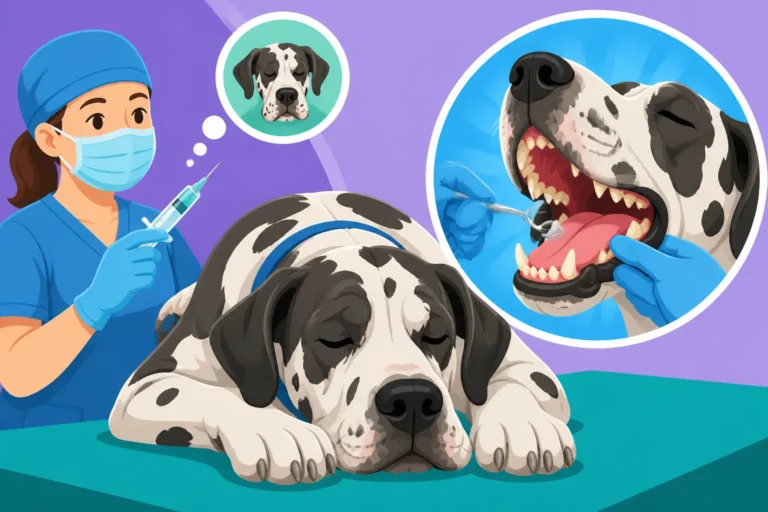
The first few months of a Great Dane puppy's life involve a series of veterinary visits for vaccinations and deworming. This crucial initial care protects them from common and dangerous diseases. Expect multiple appointments for their core vaccinations (distemper, parvovirus, adenovirus, parainfluenza) and potentially others like bordetella, leptospirosis, and rabies. Each vet visit can range from $70-$150, and you'll likely have 3-4 visits in the first 4-6 months. Deworming treatments are also part of this initial package.
Additionally, heartworm prevention is absolutely critical for Great Danes, given their outdoor activity and the severity of the disease. These medications are dosed by weight, so expect Heartworm Tablets for the Heaviest Weight Band to be more expensive. Monthly costs for heartworm and flea/tick prevention could range from $20-$60, depending on the product and your dog's weight.
Spay/Neuter and Gastropexy
Deciding when and whether to spay or neuter your Great Dane is a discussion you'll have with your vet. For giant breeds, there's often a recommendation to wait until they are more mature (18-24 months) to allow for proper joint and bone development. However, these procedures are a significant expense in the first one to two years.
A standard spay or neuter surgery for a Great Dane will cost significantly more than for a small dog, due to the increased anesthesia, medication, and surgical time required. Expect to pay anywhere from $400 to $800, or even more depending on your location and veterinary clinic.
Crucially, many Great Dane owners opt to combine spay/neuter surgery with a preventive gastropexy, often referred to as "stomach tacking." This procedure significantly reduces the lifetime risk of Gastric Dilatation-Volvulus (GDV), commonly known as bloat, which is a life-threatening condition Great Danes are highly prone to. The Price of a Preventive Great Dane Gastropexy can range from $800 to $2,000 when performed standalone, but often offers a cost-saving when combined with spay/neuter, potentially bringing the combined total to $1,200-$2,500. This is a big expense, but considering the alternative – an emergency bloat surgery that can cost $3,000-$7,000 – many owners see it as a wise investment.
Emergency Fund and Pet Insurance
Given the propensity for bloat, heart conditions, and orthopedic issues, an emergency fund or pet insurance is not just recommended for a Great Dane, it's practically essential. An emergency vet bill for a Great Dane can easily run into thousands of dollars, making a significant dent in, or completely depleting, savings. Many owners wish they had a robust fund or insurance when A Great Dane Collapses and Recovers or when bloat strikes.
Pet insurance can help cushion the blow of these large, unexpected costs. Premiums for a Great Dane will be higher than for smaller breeds due to their breed-specific health risks. Expect to pay anywhere from $60-$120 per month for a comprehensive policy, depending on your deductible, reimbursement rate, and location. Companies like Healthy Paws are popular choices, and it's always smart to enroll your Great Dane Before Anything Happens. Research different providers like Embrace or Pets Best to find a plan that suits your budget and coverage needs.
Training and Socialization Investments
A Great Dane that isn't properly trained or socialized can quickly become a handful, or even dangerous, due to their sheer size and strength. Investing in their education from a young age is non-negotiable.
Puppy Classes and Professional Training
Great Dane puppies grow incredibly fast, meaning What a Great Dane Must Know by Six Months is a lot! Basic obedience classes are crucial for teaching manners like "sit," "stay," "come," and especially polite leash walking. Puppy classes, which typically run for 4-6 weeks, can cost $150-$300. These classes also provide vital early socialization opportunities.
As your Dane grows, you might consider advanced obedience or working with a private trainer. For issues like a Great Dane That Pulls You Off Your Feet or jumping on guests, a professional trainer comfortable with giant breeds is invaluable. Private sessions can range from $75-$200 per hour. Many owners find it beneficial to invest in a few sessions to tackle specific challenges as their pup hits adolescence, a time when a Great Dane Adolescent That Ignores Everything is a common frustration. This early training prevents problems from escalating when your dog outweighs you.
Socialization Opportunities
Beyond formal classes, regular, positive socialization is key for a well-adjusted Great Dane. This means exposing them to various sights, sounds, people, and other friendly dogs in a controlled manner. Puppy playdates, trips to dog-friendly stores, and supervised visits to dog parks (once fully vaccinated) are all important.
Some owners opt for doggy daycare to provide structured socialization and exercise, especially if they work long hours. Daycare costs for a Great Dane can be higher than for smaller dogs, ranging from $30-$60 per day or $300-$600 for monthly packages. These experiences are vital for helping your Great Dane develop into the "gentle giant" we all adore, rather than a fearful or over-excitable behemoth.
Estimated First-Year Costs for a Great Dane
To give you a clearer picture, here's a summary of potential first-year expenses:
| Category | Low-End Estimate (USD) | High-End Estimate (USD) |
|---|---|---|
| Acquisition | ||
| Purchase/Adoption Fee | $200 (Rescue) | $3,000 (Breeder) |
| Initial Supplies | ||
| Crate | $100 | $300 |
| Orthopedic Bed | $100 | $400 |
| Bowls & Stand | $50 | $150 |
| Collar, Leash, Harness | $80 | $200 |
| Toys & Chews (initial) | $50 | $150 |
| Ongoing Monthly Costs (x 12 months) | ||
| Food (Kibble + Treats + Chews) | $145 x 12 = $1,740 | $310 x 12 = $3,720 |
| Heartworm/Flea/Tick Prev. | $20 x 12 = $240 | $60 x 12 = $720 |
| Pet Insurance (Optional but Recommended) | $60 x 12 = $720 | $120 x 12 = $1,440 |
| Veterinary Care | ||
| Puppy Vaccinations/Deworming | $200 | $500 |
| Spay/Neuter + Gastropexy | $1,200 | $2,500 |
| Training & Socialization | ||
| Puppy Classes | $150 | $300 |
| Private Training (optional) | $0 | $500 |
| Total First Year Estimate | $4,830 | $13,980 |
Note: These are estimates and can vary significantly based on location, specific product choices, and any unexpected health issues.
Unexpected Expenses and Hidden Costs
Beyond the easily quantifiable costs, Great Dane ownership often comes with a few "surprises" that can quickly inflate your budget. These are the bills nobody mentions until you're already in it.
Damage and Replacements
Great Danes, especially puppies and adolescents, can be surprisingly destructive. Their size and strength mean that a "mishap" can have much larger consequences than with a small dog. Think about furniture chewed, carpets ruined, doors scratched, or even walls damaged when they get zoomies indoors. A Great Dane That Opens Doors and Bins is not uncommon, leading to potential mischief and costly repairs.
You might find yourself replacing beds frequently as they wear through or get chewed. Those "indestructible" toys? Your Dane might beg to differ. Even general wear and tear on your home from a 150-pound dog can add up. Factor in an extra $200-$500 (or more!) for unexpected replacements and repairs in that first year, just in case. It's not a matter of if but when something gets damaged.
Higher-Dose Medications and Anesthesia
One of the less obvious but consistently higher costs for Great Danes is anything requiring medication or anesthesia. Because dosages are calculated by weight, a Great Dane needs significantly more medication than a smaller dog, whether it's antibiotics, pain relief, or sedatives. This translates directly to higher prescription costs.
Similarly, Why Great Dane Anesthesia Is Billed Higher boils down to their size and unique physiology. They require more anesthetic agents, specialized monitoring equipment, and often longer recovery times. Even for routine procedures like dentals, the sedation costs on a Great Dane will be substantially more than what a smaller breed owner would pay. This applies to any diagnostic imaging, such as X-rays or ultrasounds, as they often require sedation for cooperation and proper positioning. Be prepared for every medical procedure, no matter how minor, to carry a "Great Dane tax."
Disclaimer
This guide is intended for informational purposes only and should not replace professional veterinary advice. Always consult with a qualified veterinarian regarding your Great Dane's specific health, diet, and care needs. Costs are estimates and can vary based on location, individual needs, and market fluctuations.