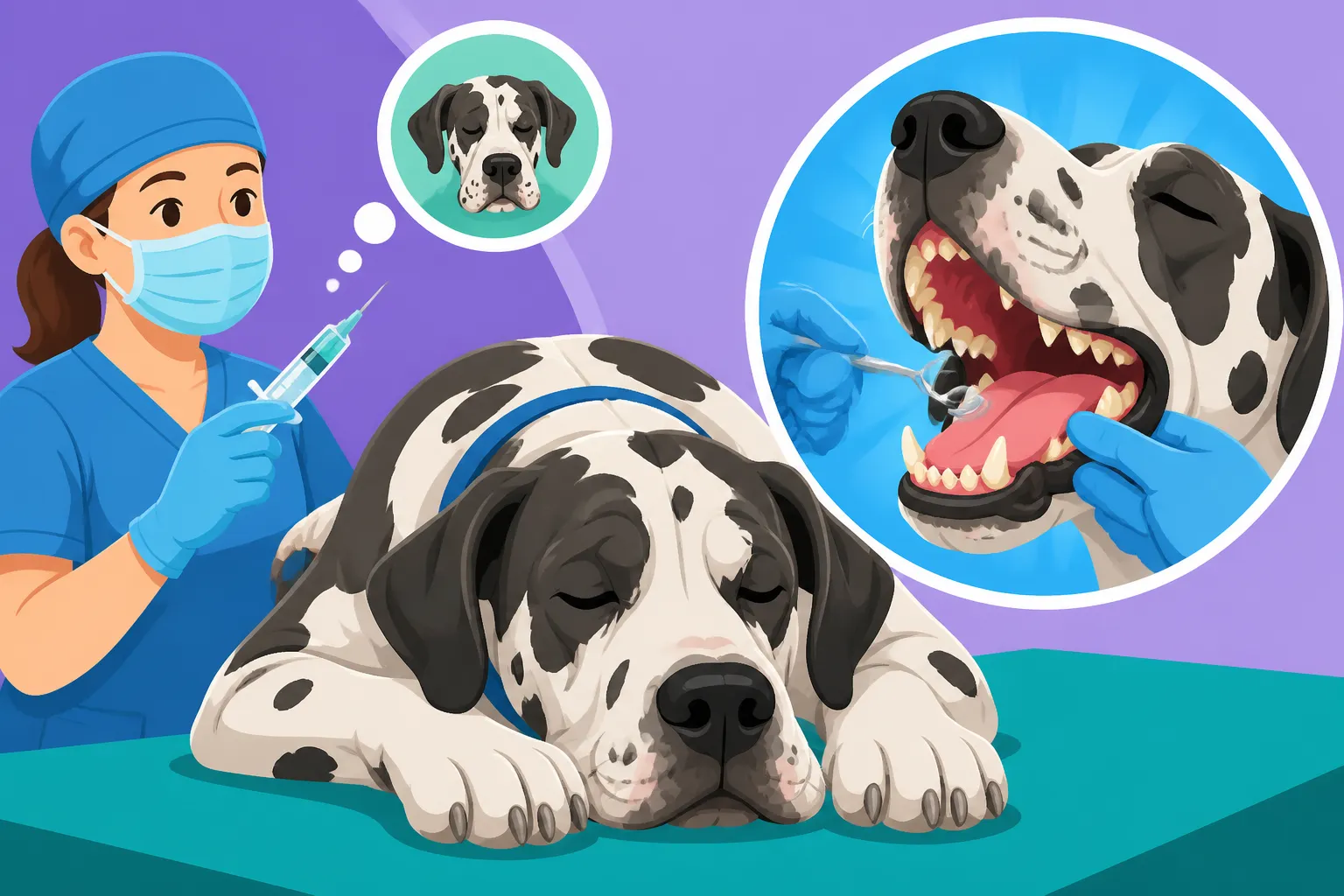
Sedating a Great Dane for a Dental
The thought of your gentle giant going under anesthesia for a dental cleaning or any procedure is enough to make any Great Dane owner anxious. These magnificent dogs have unique needs and a few breed-specific health concerns that can make even a routine dental feel like a major undertaking. This guide is here to walk you through everything you need to know about sedating a Great Dane for a dental, from understanding the risks to preparing for recovery, so you can feel more confident and informed.
The Unique Anesthesia Challenges for Great Danes
Let's be real, a Great Dane isn't just a big dog; they're a huge dog. Their sheer size brings a whole host of considerations when it comes to anesthesia that simply aren't as prevalent with smaller breeds. It's not just about scaling up the dosage; it's about the physiological differences that come with being a giant.
Size and Dosage Concerns
Administering anesthesia to a Great Dane is a delicate balance. Their immense body mass means that drug calculations need to be incredibly precise. Too little, and they might not be adequately sedated, leading to stress or even awakening during the procedure. Too much, and the risks of respiratory depression, cardiac arrest, or a prolonged, difficult recovery skyrocket. Vets need to carefully consider not just their weight, but also their lean body mass versus fat content, as some anesthetic drugs distribute differently in fatty tissues. It's a precise science, and one where experience with giant breeds truly makes a difference. This is also why the cost of anesthesia tends to be higher; more drugs are needed, and often, more specialized monitoring equipment and personnel are involved.
When you're dealing with a dog that can easily weigh over 150 pounds, the margin for error can feel slimmer. Your veterinarian will often have specific protocols developed for giant breeds, which might include different types of anesthetic agents or combinations to achieve the desired effect with the lowest possible risk. It's crucial to have a vet team that is well-versed in these nuances. Many owners are justifiably concerned about the general Anesthesia Risk in a Great Dane, and understanding these specific challenges can help alleviate some of that worry.
Breed-Specific Health Risks
Beyond just their size, Great Danes are unfortunately prone to certain health conditions that can complicate anesthesia. The most prominent among these is Dilated Cardiomyopathy (DCM), a heart muscle disease that can silently progress. Anesthesia puts stress on the cardiovascular system, and a dog with undiagnosed or poorly managed DCM could be at significantly higher risk for complications. This is why thorough pre-anesthetic screening is non-negotiable for our big dogs.
Another major concern, though perhaps less directly related to the anesthetic itself but more to the procedure's context, is bloat, or Gastric Dilatation-Volvulus (GDV). While a dental procedure itself doesn't cause bloat, the stress, fasting, and post-anesthetic recovery period can sometimes be contributing factors or reveal an underlying predisposition. Although less common during a routine dental, any procedure involving sedation requires vigilance for Bloat in a Great Dane and the One in Three Odds. Orthopedic issues, common in such large, fast-growing breeds, can also affect how a Great Dane is positioned during a procedure, requiring extra care to prevent joint strain or nerve damage during prolonged unconsciousness.
Monitoring a Giant
Monitoring a Great Dane under anesthesia is a monumental task, quite literally. Think about the size of the equipment needed to accurately measure blood pressure, oxygen saturation, and ECG readings on a dog that might not even fit comfortably on a standard vet table. Dedicated staff, often a veterinary technician, will be assigned solely to monitor your Great Dane throughout the procedure, tracking every vital sign.
They use specialized equipment to ensure heart rate, respiratory rate, blood pressure, body temperature, and oxygen levels remain stable. Maintaining body temperature is especially important for giant breeds, as they can lose heat quickly under anesthesia, leading to a slower and more complicated recovery. This constant, vigilant oversight is a major component of Why Anesthesia Costs More for a Great Dane. It requires trained personnel and sophisticated, sometimes oversized, monitoring tools that are crucial for their safety.
Preparing Your Great Dane for a Dental Procedure
Preparing your Great Dane for any procedure involving anesthesia is key to a smooth and safe experience. It's not just about the day of the dental; it's about the weeks leading up to it, ensuring your dog is as healthy as possible and that your veterinary team has all the information they need.
Pre-Anesthetic Screening
This is arguably the most critical step. Before any anesthesia, your Great Dane should undergo a thorough physical exam and comprehensive diagnostic tests. This usually includes:
- Bloodwork: A full blood panel, including a complete blood count (CBC) and chemistry profile, will assess organ function (liver, kidneys) and check for underlying infections or anemia. This helps the vet choose the safest anesthetic agents and identify any issues that might need to be addressed before the procedure. Understanding Pre-Surgery Bloodwork on a Great Dane is crucial, as abnormal results could prompt a delay or change in the anesthetic plan.
- Urinalysis: Provides additional information about kidney function and can detect urinary tract infections.
- Chest X-rays: Especially important for Great Danes, as they can help evaluate lung health and check for any signs of an enlarged heart or other cardiac abnormalities.
- Electrocardiogram (ECG) and Echocardiogram: Given their predisposition to The Heart Muscle Disease Great Danes Are Prone To, a cardiac workup is highly recommended. An ECG checks electrical activity, while an echocardiogram provides a detailed ultrasound of the heart's structure and function. This allows the vet to assess your dog's cardiac health and adjust the anesthetic protocol accordingly. Annual Screening a Great Dane's Heart Each Year is a good practice for all Danes, but especially before anesthesia.
Fasting and Hydration Protocols
Your vet will give you specific instructions for fasting your Great Dane before the dental procedure. Typically, this means no food for 8-12 hours before the appointment and sometimes withholding water for a few hours as well. This is to prevent aspiration (vomiting and inhaling stomach contents into the lungs) while under anesthesia. With a Great Dane, who has a large stomach capacity, strict adherence to these instructions is even more vital.
Make sure you understand these guidelines completely. If your Dane accidentally gets into some food the night before, be honest with your vet – they may need to reschedule the procedure for your dog's safety. Hydration is also important; while water is usually withheld for a shorter period, ensuring they are well-hydrated beforehand can make a difference. Many vet clinics will administer IV fluids during the procedure to help maintain hydration and blood pressure, which is particularly beneficial for large breeds.
Discussing Concerns with Your Vet
Never hesitate to voice your concerns. Your vet understands that sedating a Great Dane is a big deal for you. Ask about their experience with giant breeds, their specific monitoring protocols, and what emergency procedures they have in place. Discuss any changes in your dog's behavior, appetite, or energy levels that might have occurred recently.
You can ask about the specific anesthetic agents they plan to use and why those are considered safest for your Great Dane. Understanding the process can significantly reduce your anxiety. Your vet team is your partner in ensuring your Great Dane receives the best possible care, and open communication is key. They should be able to walk you through the entire process, from drop-off to recovery, clearly outlining the steps involved in Dental Work on a Great Dane.
The Dental Procedure Itself and Recovery
Once all the preparations are in place, the day of the dental procedure arrives. Knowing what to expect during and after can help you feel more at ease.
What Happens During the Dental
When you drop off your Great Dane, the vet team will do a final check-in, review the pre-anesthetic bloodwork, and answer any last-minute questions. Once settled, your dog will receive a pre-medication to help them relax and reduce the amount of general anesthetic needed. This is a common practice that improves safety and comfort.
Once under general anesthesia, a breathing tube will be placed to protect their airway, and they'll be connected to monitoring equipment. The dental cleaning itself involves:
- Oral Examination: A thorough visual inspection of the entire mouth, including gums, teeth, tongue, and throat, to identify any underlying issues.
- Scaling: Using ultrasonic and hand scalers to remove plaque and tartar from above and below the gum line. This is crucial for preventing periodontal disease.
- Polishing: After scaling, the teeth are polished to smooth out any microscopic scratches on the enamel, making it harder for plaque to adhere in the future.
- Dental X-rays: Essential for assessing the health of the teeth below the gum line, where many problems like root infections or bone loss can hide.
- Extractions (if needed): If severe dental disease is present, some teeth may need to be extracted. This is often an unexpected cost, but vital for your dog's long-term health and comfort.
The entire process is done with the utmost care, ensuring your Great Dane's comfort and safety.
Post-Anesthesia Care at Home
Recovery is just as important as the procedure itself. When you pick up your Great Dane, they might still be a bit groggy or disoriented from the anesthesia. They will likely be sent home with pain medication, especially if extractions were performed. Your vet will provide detailed instructions, which usually include:
- Quiet Rest: Provide a comfortable, quiet, and warm place for your Great Dane to rest. Avoid stairs or excessive activity for the first 24-48 hours. Using a large, orthopedic bed is ideal to support their joints during recovery.
- Food and Water: Offer small amounts of water initially, and then a small, soft meal a few hours later, unless otherwise instructed. It's often recommended to avoid their regular hard kibble for a day or two, especially if they had extractions. Soft, easily digestible food is best. Companies like Ollie offer fresh, soft food options that could be ideal during this recovery period.
- Monitoring: Keep a close eye on their incision sites (if any), appetite, water intake, urination, and energy levels. Report any concerns like persistent vomiting, lethargy, or pain to your vet immediately.
Managing Costs and Insurance
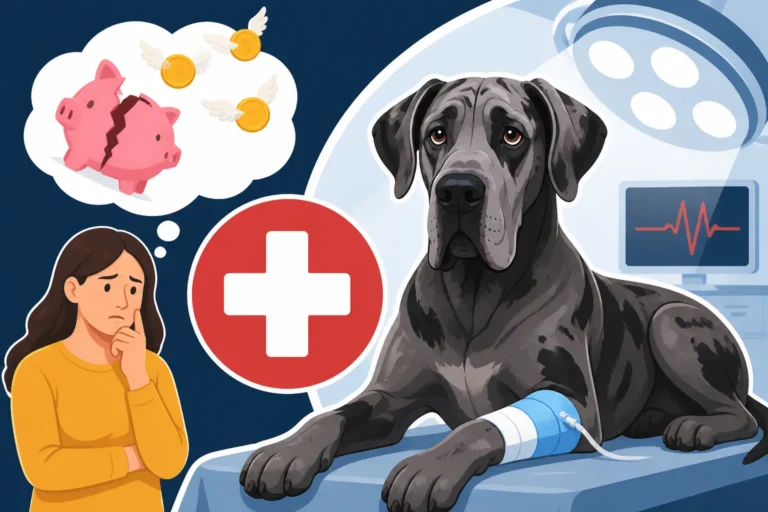
Let's not sugarcoat it: a Great Dane dental, especially one involving comprehensive pre-screening and potentially extractions, can be a significant expense. The cost of general anesthesia alone for a giant breed is often higher due to the increased drug dosages, specialized monitoring, and longer recovery times required. This is where preparing your finances or having pet insurance can make a world of difference.
Many owners wonder Whether Pet Insurance Is Essential for a Great Dane, and for procedures like this, it often proves invaluable. Pet insurance providers like Healthy Paws can help cover a significant portion of unexpected veterinary bills, including those for diagnostic tests, anesthesia, the dental procedure itself (excluding routine cleaning in some plans, but covering extractions due to disease), and post-operative medications. It's always wise to check your policy specifics, but having that safety net can ease the financial burden and allow you to make decisions based on your Dane's health rather than your wallet. Be aware that most policies have waiting periods, so enrolling before a problem arises is crucial.
Long-Term Dental Health for Your Giant
A professional dental cleaning under anesthesia is a fantastic reset for your Great Dane's oral health, but it's not a one-and-done solution. Long-term care is essential to prevent future problems and extend the intervals between anesthetic procedures. Many vets recommend regular follow-up dental cleanings every 1-3 years for most dogs, but this can vary based on individual needs and home care. For Great Danes, due to the anesthesia risks, prolonging these intervals through excellent home care is often a priority.
Daily Home Care Routine
The single most effective way to maintain your Great Dane's dental health between professional cleanings is daily home care. Yes, it sounds daunting with such a large mouth, but it's totally doable!
- Brushing: Brushing your Great Dane's teeth daily, or at least several times a week, is the gold standard. Use a dog-specific toothbrush and toothpaste (never human toothpaste). Start slow, making it a positive experience with treats and praise. Focus on the outside surfaces of the teeth, especially the canines and molars, where plaque tends to accumulate fastest. There are many guides on Keeping a Great Dane's Very Large Mouth Clean, which can offer practical tips.
- Dental Chews and Treats: Incorporate veterinary-approved dental chews into their routine. These are designed to reduce plaque and tartar buildup. Look for products that have the Veterinary Oral Health Council (VOHC) seal of acceptance, which signifies they meet standards for plaque and tartar reduction. When buying, ensure you choose Dental Chews Big Enough for a Great Dane to prevent choking hazards or them being swallowed too quickly to be effective. Sites like Chewy offer a vast selection of dental chews and brushes for all sizes, so you can easily find suitable options for your big guy or gal.
Recognizing Signs of Dental Issues
Even with the best home care, dental problems can arise. Being vigilant for signs of oral discomfort or disease in your Great Dane can help you catch issues early, potentially avoiding more complex procedures down the line. Keep an eye out for:
- Bad Breath: More than just "dog breath," really foul odor can indicate infection.
- Red, Swollen, or Bleeding Gums: Classic signs of gingivitis or periodontal disease.
- Difficulty Eating: Reluctance to chew hard food, dropping food, or chewing on one side of the mouth.
- Pawing at the Mouth or Rubbing Face: These can be indicators of pain or discomfort.
- Excessive Drooling: More than their usual slobber, especially if it's bloody or unusually thick.
- Loose or Missing Teeth: A clear sign of advanced dental disease.
- Facial Swelling: Could indicate an abscessed tooth.
If you notice any of these signs, don't wait. Schedule a check-up with your vet. Catching issues early can prevent them from becoming severe, painful problems that require extensive intervention.
Impact of Diet on Dental Health
While no diet can fully replace brushing or professional cleanings, some dietary choices can support overall oral health. Dry kibble is often thought to help "scrape" teeth clean, but its effectiveness is minimal compared to brushing. However, a diet that promotes good general health can indirectly benefit dental health. Some specialized dental diets are formulated with unique textures or ingredients that specifically aim to reduce plaque buildup.
What's often more important than the specific type of food is avoiding diets that contribute to dental problems. For example, overly sticky or sugary treats can exacerbate plaque formation. Ensuring your Great Dane receives balanced nutrition, perhaps from companies offering high-quality ingredients like Ollie, can support overall health, including the health of their gums and teeth. However, don't rely solely on diet for dental care; it's always a component of a larger, comprehensive approach. The question of Whether a Great Dane's Teeth Need Annual Sedation is often tied to the effectiveness of daily home care and preventative measures.
| Feature / Concern | General Anesthesia (Any Dog) | Great Dane Specific Considerations |
|---|---|---|
| Drug Dosage | Calculated by weight, generally straightforward. | Requires precise calculation for massive weight; potential for varied distribution in large body mass. |
| Monitoring | Standard equipment; easy access to patient. | Specialized, sometimes oversized equipment; dedicated personnel due to scale; maintaining body temp. |
| Recovery Time | Varies by individual, generally a few hours to a day. | Often longer due to larger drug volumes; risk of prolonged grogginess or disorientation. |
| Breed Health Risks | Varies greatly by breed; general health screening. | High risk for DCM (Dilated Cardiomyopathy); bloat risk; orthopedic concerns for positioning. |
| Cost | Varies by clinic, procedure complexity, and duration. | Generally higher due to increased drug volume, specialized monitoring, and extended care needs. |
| Transportation | Easily lifted into/out of cars; fits standard crates. | Requires specific planning; ramps or multiple people for lifting; may not fit standard vehicles. |
Disclaimer
This article is for general informational purposes only and does not constitute professional advice. Laws, prices and regulations vary by location and change over time. Consult a qualified professional for guidance on your specific situation.