What to Buy Before a Great Dane Arrives
Bringing home a Great Dane, whether it's a floppy-eared puppy or a dignified rescue, is an incredibly exciting time! But let's be honest, the sheer scale of preparing for a dog this size can feel utterly overwhelming. You can't just pick up standard supplies; everything needs to be bigger, stronger, and carefully chosen to ensure their health and happiness. This guide is here to walk you through the essential items you'll need before your giant companion even sets a paw inside your door, making sure you're ready for their arrival and beyond.
Setting Up Their Space: The Essentials for a Giant Dog's Home
Preparing your home for a Great Dane isn't just about making space; it's about making sure that space is safe, comfortable, and functional for a dog that will easily outweigh many adult humans. These gentle giants have specific needs when it comes to their personal areas, and getting it right from the start can save you a lot of hassle and expense down the road.
The Right Bedding for Growing Joints
From the moment your Great Dane arrives, their joints are a top priority. These magnificent dogs grow at an astonishing rate, and their developing bones and ligaments need all the support they can get. Floppy, cheap beds simply won't cut it. You're looking for serious orthopedic support to cradle their massive frames and prevent pressure sores, especially as they get older. Think about how much time a Great Dane spends napping – it's a lot, and that time should be restorative, not detrimental.
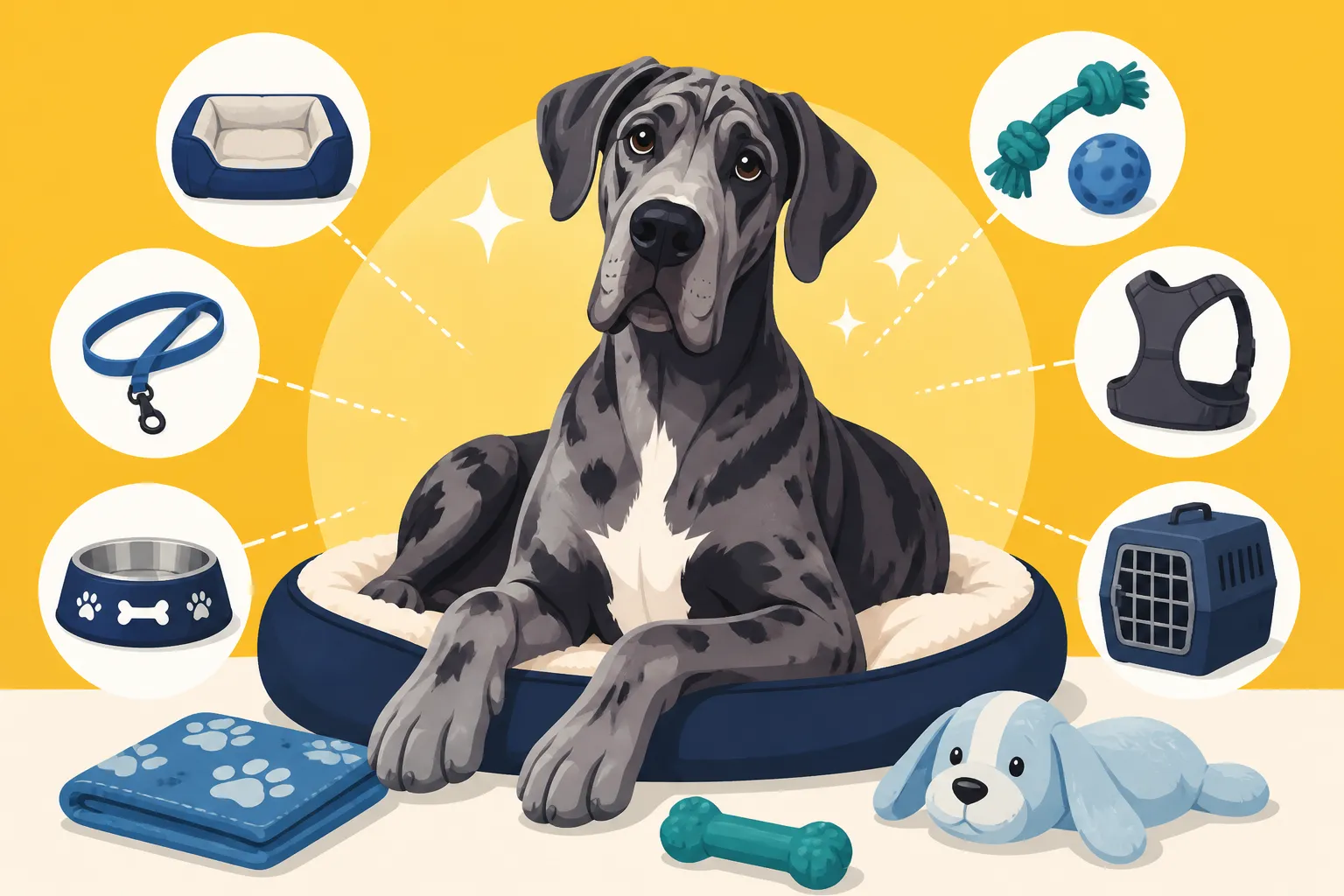
When you're shopping for beds, look for high-density memory foam or orthopedic foam. These materials conform to your dog's body, distributing their weight evenly and relieving pressure points. A bed that's too thin or sags quickly will offer little support and can actually contribute to joint discomfort over time. Also, consider durability. A Great Dane isn't just big; they can be quite destructive, especially as puppies. Opt for beds with tough, chew-resistant covers that are easy to remove and wash. Accidents happen, and a giant dog means giant messes! It's also a good idea to invest in more than one bed – maybe one for the main living area, one for the bedroom, and even a travel bed for the car. Having designated comfy spots around the house can encourage appropriate resting behavior and give your Dane a sense of security. Remember, a good bed isn't just a luxury; it's an investment in your Great Dane's long-term joint health. If you're serious about protecting those precious joints, check out our guide on Orthopedic Beds a Great Dane Needs for more in-depth recommendations.
Crates and Gates: Containing a Gentle Giant Safely
While Great Danes are often celebrated for their calm demeanor indoors, they are still enormous dogs with an inquisitive nature, and sometimes, for their safety or yours, they need a contained space. This is where a proper crate and robust baby gates come into play. A standard dog crate just won't do; you'll need one specifically designed for giant breeds, allowing them to stand up, turn around, and lie down comfortably. Trying to squeeze a growing Great Dane into a crate that's too small is not only uncomfortable but can be detrimental to their physical development and emotional well-being.
Look for a heavy-duty wire crate, often labeled "XL" or "Giant," with at least two doors for flexibility in placement. Some owners prefer solid plastic crates for their den-like feel, but ensure it's well-ventilated and large enough. Think about the material and construction – flimsy crates won't hold up to a determined Great Dane. As for gates, forget the typical tension-mounted baby gates; a Great Dane will either step over them, lean on them until they collapse, or simply push through. You'll need extra-tall, pressure-mounted gates, or even better, hardware-mounted gates that are securely screwed into doorframes or walls. These are essential for managing puppy exploration, creating quiet zones, or keeping them out of certain rooms when you can't supervise. It's not about punishment; it's about providing a safe and manageable environment. For a full breakdown of options, our post on Crates and Gates Sized for a Great Dane offers excellent insights.
Food and Water Bowls Built for Giants
Imagine trying to eat a meal from a tiny plate while towering over it – that's often what it's like for a Great Dane with standard-sized bowls. Their impressive height means you need bowls that are proportionate, not just in volume but also in height. The topic of raised feeders for Great Danes has been a subject of much debate, particularly regarding its potential impact on bloat (gastric dilatation-volvulus). While some older theories suggested raised bowls reduced bloat risk, recent research actually indicates they may slightly increase it. However, many owners still prefer them for comfort, especially for older or arthritic Danes, as they don't have to stoop as far to eat or drink. Ultimately, the decision is a personal one, often made in consultation with a vet.
Regardless of whether you choose a raised stand or ground-level bowls, focus on volume and material. Stainless steel bowls are generally the best choice: they are durable, easy to clean, and don't harbor bacteria like plastic can. You'll need at least two large bowls – one for food and one for water – capable of holding several cups each. Great Danes can drink an astonishing amount of water, so a large water bowl is non-negotiable, and you might even consider having multiple water stations around the house. If your Dane tends to gulp down their food too quickly, which is a significant bloat risk factor, a slow-feeder bowl is a must-have. These bowls have internal obstacles that force your dog to eat around them, slowing down their mealtime considerably. You can find a fantastic selection of durable and appropriately-sized bowls, including slow feeders, at retailers like Chewy, which often have specific giant breed sections. Our article on Bowls and Stands Sized for a Great Dane delves deeper into the specifics you'll want to consider.
Fueling and Protecting Your Dane: Nutrition and Health Prep
Just like setting up their living space, the nutritional and health preparations for a Great Dane require a special approach. Their unique growth rate and predisposition to certain health conditions mean that what you feed them and how you prepare for veterinary needs are paramount.
Choosing the Right Food for Optimal Growth
Feeding a Great Dane isn't as simple as grabbing any bag of "large breed" puppy food. Their rapid growth phases, particularly in the first year, are critical for proper bone and joint development. The goal is slow and steady growth, not fast and furious. This means you need a diet specifically formulated for large and giant breed puppies, which typically have lower protein, fat, and crucially, lower calcium and phosphorus levels than regular puppy foods. Excessive calcium, in particular, can lead to skeletal abnormalities in fast-growing breeds like Great Danes. It’s a common misconception that more protein means better growth, but for Danes, it can actually be detrimental.
Transitioning from puppy food to adult food also needs careful consideration, often happening earlier than with smaller breeds, sometimes between 12-18 months, depending on the specific food and your vet's advice. Always check the labels for appropriate calcium-to-phosphorus ratios (ideally around 1.1:1 to 1.5:1) and caloric density. Quality ingredients are key. Some owners opt for fresh food diets, which can be fantastic for controlling ingredients and providing optimal nutrition. Brands like Ollie offer pre-portioned, human-grade fresh food that can be tailored to your Great Dane's specific needs, though the volume required for a giant breed can certainly add up. Our detailed guide on What to Look For on a Great Dane Puppy Food Bag will give you all the specifics on deciphering those labels and making the best choice for your pup's future health.
Essential Health Gear and Preparations
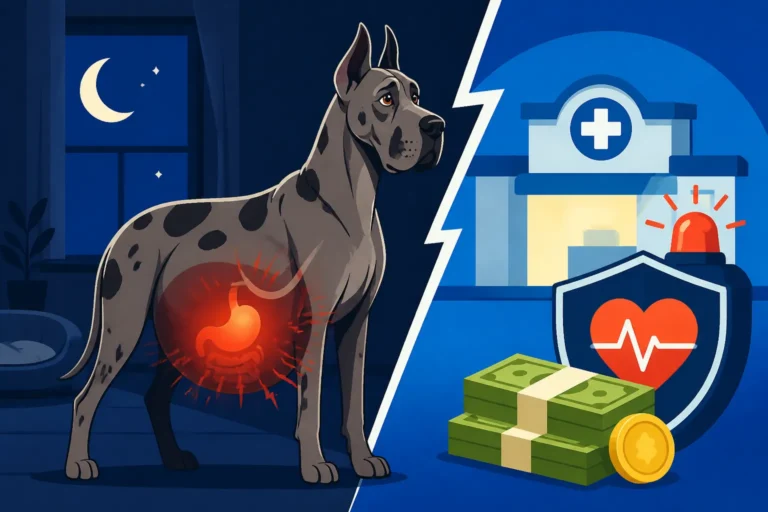
Beyond daily nutrition, preparing for your Great Dane's health involves a few crucial steps and items. A well-stocked first-aid kit, tailored for a giant breed, is a must. This isn't just about bandages; think about larger wound dressings, antiseptic wipes, heavy-duty tweezers for ticks, and even a muzzle (for emergencies, even the gentlest dog can bite when in severe pain). Knowing where your nearest 24-hour emergency vet is located is also non-negotiable; write it down and keep it visible.
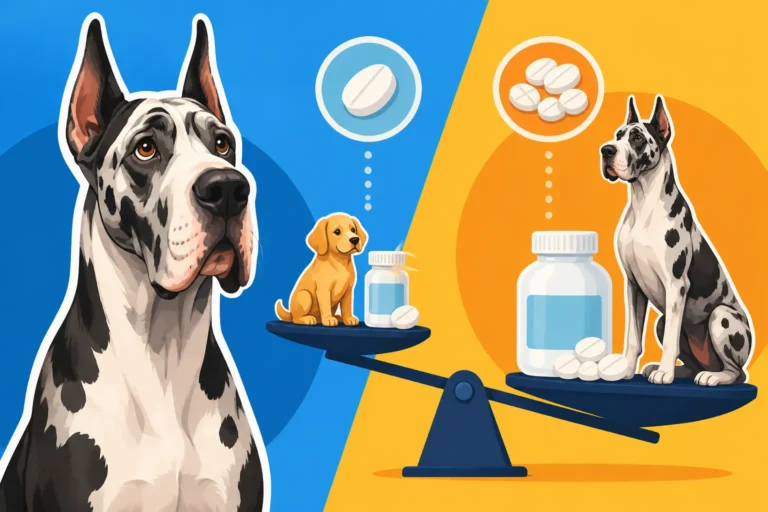
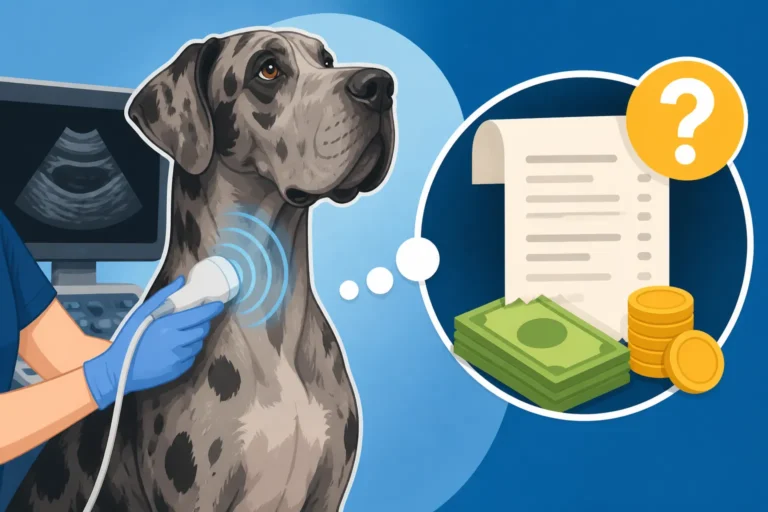
The biggest financial preparation for a Great Dane's health is pet insurance. With their predispositions to conditions like bloat, dilated cardiomyopathy, and orthopedic issues, vet bills can quickly skyrocket into the thousands for a single emergency or ongoing treatment. Enrolling your Great Dane in a comprehensive pet insurance plan before any health issues arise is one of the smartest decisions you can make. Providers like Healthy Paws are popular choices, offering plans that cover accidents, illnesses, and even hereditary conditions, which are common in Great Danes. Waiting until after a diagnosis means it will be considered a pre-existing condition and won't be covered. Our article, Enrolling a Great Dane Before Anything Happens, provides a deep dive into why this is so critical for Dane owners and how to choose the right plan. Don't forget basic preventative care items like heartworm, flea, and tick medications, all dosed for a giant breed.
Grooming Tools for a Short, Shedding Coat
You might think a short-coated Great Dane doesn't need much grooming, but trust me, they shed. A lot. Their short, dense fur can quickly accumulate on furniture and floors, so having the right tools is essential for maintaining a clean home and a healthy coat. Regular brushing helps remove loose hair, distribute natural oils, and provides a good opportunity to bond and check for any skin issues.
A good rubber curry brush or a deshedding tool like a Furminator (designed for short coats) will be your best friend. For baths, you'll need a mild dog shampoo and plenty of towels. Bathing a Great Dane often becomes an outdoor hose-down affair or requires a trip to a professional groomer with a giant tub! Beyond the coat, nail care is paramount. Great Danes have thick, strong nails that grow quickly. If allowed to get too long, they can affect your dog's gait, cause pain, and even lead to joint problems. You'll need heavy-duty nail clippers designed for large breeds or, even better, a powerful Dremel-style nail grinder. Get your puppy used to nail trims early and often. Don't overlook ear cleaning, especially for Danes with natural, floppy ears, which can trap moisture and debris. A gentle ear cleaner and cotton balls can help prevent infections. Learn more about the specific tools needed in The Clippers a Great Dane Nail Needs to keep those paws in top shape.
Training and Outfitting: Learning Life Together
A Great Dane isn't just a pet; they're a massive, powerful companion. Early training and the right gear are absolutely non-negotiable to ensure they are well-behaved, safe to be around, and a joy to live with. You simply cannot physically overpower a full-grown Great Dane, so teaching them manners from day one is crucial.
Leashes, Collars, and Harnesses for Control
Imagine a 150-pound dog lunging at a squirrel – it can easily pull an unprepared adult off their feet. This is why investing in strong, reliable, and well-fitting walking gear is paramount. Start with a sturdy flat buckle collar with your Dane's ID tags attached. For puppies, a lightweight collar is fine, but as they grow, upgrade to a durable nylon or leather collar that can withstand their strength.
When it comes to walking, many Great Dane owners find that a front-clip harness is a game-changer for leash manners. Unlike back-clip harnesses that can encourage pulling, a front-clip design redirects your dog's momentum back towards you when they pull, making it much harder for them to drag you down the street. It’s also important to have a strong, 6-foot leash made of durable nylon or leather with a robust clip. Retractable leashes are generally discouraged for giant breeds as they offer little control and can be dangerous if the dog bolts. Getting the right fit for harnesses and collars is crucial to prevent chafing or escape. Dive deeper into selecting the perfect gear with our guide on Harnesses and Collars That Control a Great Dane.
Toys Built to Last: Engaging a Powerful Chewer
Great Danes, especially when young, can be enthusiastic chewers. A toy that lasts five minutes for a terrier might be destroyed in thirty seconds by a Dane. This isn't just about wasted money; it can be a choking hazard if they ingest pieces of broken toys. You need toys that are appropriately sized and virtually indestructible.
Look for toys made from tough rubber, like those from Kong or Nylabone, specifically designed for "power chewers" or "giant breeds." Puzzle toys that dispense treats are also fantastic for mental stimulation, which is just as important as physical exercise for smart dogs. These can keep your Dane engaged and happy, reducing boredom-related destructive behaviors. Think about the texture and material; some Danes love a good rope toy (supervised, of course), while others prefer solid rubber. Rotating toys can also keep them interesting and prevent your Dane from getting bored. Again, Chewy often has dedicated sections for heavy-duty and giant breed toys, making it easier to find suitable options. For more advice on choosing safe and stimulating playthings, read our article on Toys Big Enough Not to Choke a Great Dane.
Travel and Safety Gear for Your Giant
Getting a Great Dane into a car can be an adventure in itself, and ensuring their safety (and yours) while traveling is crucial. For older Danes or those with developing joint issues, a ramp can be an absolute lifesaver to help them get in and out of vehicles without straining their hips or elbows. Trying to lift a 150-pound dog into an SUV is not only difficult but can lead to injuries for both of you.
Invest in a sturdy, non-slip ramp that can support your Dane's full weight and extends to a comfortable incline for them. Training them to use the ramp takes patience, but it's well worth the effort. Once in the car, a Great Dane needs to be securely restrained. This could be a crash-tested safety harness that clips into a seatbelt, or a large, secure travel crate. An unrestrained giant dog can become a dangerous projectile in an accident. Never let them ride in the back of an open pickup truck. If you're planning road trips or regular car rides, this gear is just as important as their leash and collar. Our post on Ramps for Getting a Great Dane Into a Car offers practical tips for making car travel easier and safer.
Here's a handy checklist to help you get ready for your Great Dane's arrival:
| Item Category | Essential Item | Great Dane Specific Considerations |
|---|---|---|
| Sleeping & Rest | Orthopedic Dog Bed | Size: Must be large enough for full adult length and width. Support: High-density memory foam or orthopedic foam essential for joint health. Durability: Chew-resistant cover, easy to clean. Consider multiple beds. |
| Crate | Size: "Giant" or "XL" breed size, allowing standing, turning, and comfortable lying. Construction: Heavy-duty wire or secure plastic. | |
| Baby/Pet Gates | Height & Sturdiness: Extra-tall (at least 36 inches), hardware-mounted gates are critical; standard gates will not suffice. | |
| Feeding & Hydration | Food Bowls | Volume: Holds multiple cups of food. Material: Stainless steel is best. Slow Feeder: Essential if your Dane eats too fast, to reduce bloat risk. |
| Water Bowls | Volume: Very large capacity, consider multiple water stations. Material: Stainless steel. | |
| Food | Type: Large/Giant breed puppy formula for puppies (specific calcium/phosphorus ratio). Transition: Age-appropriate adult food when recommended by vet. | |
| Treats | Size & Durability: Large, robust treats that won't be swallowed whole or break into choking hazards. High-value for training. | |
| Health & Grooming | Pet Insurance | Coverage: Enroll before any conditions arise. Covers accidents, illnesses, hereditary conditions common in Danes (bloat, DCM, orthopedic issues). |
| First Aid Kit (Giant-sized) | Larger wound dressings, vet wrap, antiseptic wipes, heavy-duty tweezers, emergency muzzle, non-stick pads. | |
| Nail Clippers/Grinder | Heavy-duty clippers for large breeds or powerful Dremel-style grinder. Start early for desensitization. | |
| Brushes | Rubber curry brush or deshedding tool for short, shedding coat. | |
| Dog Shampoo | Mild, dog-specific shampoo. | |
| Ear Cleaner | Gentle solution for floppy ears prone to moisture/debris. | |
| Heartworm/Flea/Tick Preventative | Dosed for Great Dane weight. | |
| Walking & Training | Collar | Sturdy, durable flat buckle collar with ID tags. |
| Leash | Strong, 6-foot nylon or leather leash with heavy-duty clip. Avoid retractables. | |
| Harness | Front-clip harness is highly recommended for better control and to discourage pulling. Ensure proper fit. | |
| Training Pouch/Treat Bag | Essential for carrying high-value treats during training sessions. | |
| Play & Enrichment | Durable Chew Toys | Designed for "power chewers" or "giant breeds" (e.g., Kong Extreme, Nylabone DuraChew). Focus on safety and longevity. |
| Puzzle Toys | For mental stimulation and slow feeding. | |
| Travel & Safety | Car Ramp | Essential for helping older/arthritic Danes get into vehicles, prevents strain. Must be sturdy and non-slip. |
| Car Restraint | Crash-tested safety harness or large, secure travel crate to prevent injury during sudden stops or accidents. |
Disclaimer
The information provided in this article is for general informational purposes only and is not a substitute for professional veterinary advice. Always consult with a qualified veterinarian for any health concerns or before making any decisions about your Great Dane's care, diet, or training.