The Gentle Great Dane Temperament and Its Limits
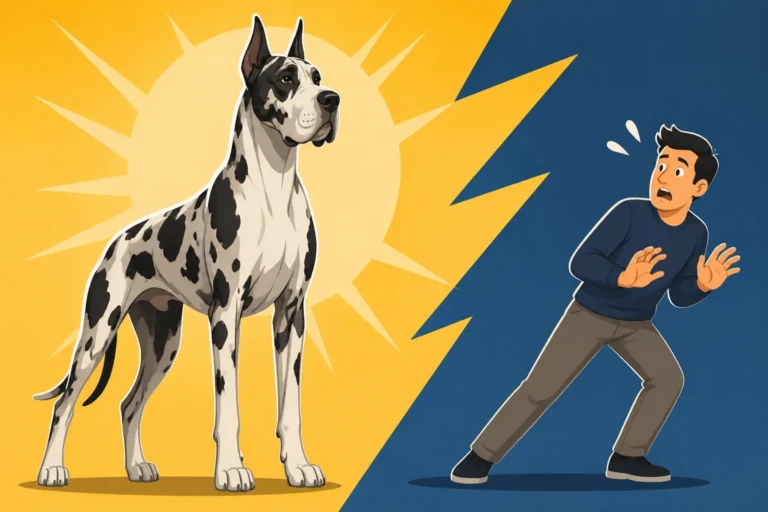
The idea of a Great Dane as a "gentle giant" is a beautiful one, and honestly, it’s often true. These magnificent dogs are famous for their sweet, patient, and affectionate nature, making them wonderful family companions. But let's be realistic: a dog that can weigh more than some grown adults and stand eye-to-eye with you on its hind legs comes with a unique set of challenges. This guide will explore the wonderful temperament of the Great Dane, but also delve into the very real limits that their immense size and breed characteristics can impose, and how you, as a responsible owner, can navigate them to ensure your Dane remains a gentle, well-adjusted member of society.
The Foundation of the "Gentle Giant" Image
There’s a reason why Great Danes have earned their famous moniker. Their demeanor is often described as serene, dignified, and incredibly tolerant. This isn't just wishful thinking by their devoted owners; it's deeply ingrained in their history and physical makeup. Understanding these roots helps us appreciate why they are so beloved, and why maintaining this temperament is so vital.
A History of Companionship, Not Aggression
While Great Danes originally had a working purpose—hunting wild boar in Germany—their role quickly evolved. They weren't bred to be aggressive or vicious; rather, they needed to be brave, strong, and capable of holding dangerous game, but also amenable to handling by their human companions. After the hunt, these impressive dogs were often brought inside, becoming guardians and companions to nobility. This dual role meant that an overly aggressive or nervous temperament would have been detrimental. Over generations, breeders favored dogs that were calm, courageous, and loyal, selecting for traits that allowed them to be formidable when necessary, yet gentle and trustworthy within the home. This historical context explains much of their inherent good nature; they were selected for their ability to be both imposing and profoundly gentle, a rare and cherished combination. They needed to be brave enough to face a wild boar but calm enough to coexist in a castle.
Inherent Calmness and Low Reactivity
One of the most appealing aspects of the Great Dane temperament is their often-remarked-upon calmness, particularly indoors. Unlike some other large breeds that can be perpetually "on" and require constant stimulation, many Great Danes are content to lounge by your feet, often seeking out the comfiest spot on the couch or a plush dog bed. This isn't laziness; it's a natural inclination towards a more relaxed pace of life within the home. Their low reactivity means they aren't typically prone to sudden bursts of barking or frantic energy at every passing squirrel or unfamiliar sound. This composure makes them less likely to cause chaos in a busy household and more inclined to observe their surroundings with a quiet dignity. Of course, a young Great Dane puppy is still a puppy, full of boisterous energy, but as they mature, this settled, easygoing nature tends to emerge, provided their needs for appropriate exercise and mental stimulation are met. They often move through a house with a certain grace, considering their size, preferring to weave around obstacles rather than crash through them.
Size, Strength, and Unintentional Mayhem
Here’s where the "limits" of that gentle temperament truly come into play. A Great Dane may have the heart of a marshmallow, but it also has the body of a small pony. No matter how sweet-natured they are, their sheer physical presence means they can inadvertently cause chaos or even injury if their size isn't constantly managed and respected. This isn't about malice; it's about physics.
The Challenge of Accidental Collisions
Imagine walking through your house, turning a corner, and suddenly being met with a wall of furry muscle. Even a gentle nudge from a 150-pound Great Dane can send a person stumbling, particularly children or elderly individuals. Their tails, thick and powerful, can sweep coffee cups off tables with surprising force, clear low-lying shelves, or even deliver a painful thwack to an unsuspecting shin or face. It’s not aggression; it’s just the consequence of their massive wag of happiness. Similarly, a Great Dane stretching out for a nap might accidentally displace furniture or block a doorway completely, turning a simple path into an obstacle course. These aren't naughtiness; they're simply the practical realities of sharing living space with an animal of such grand proportions. Owners quickly learn to keep valuable items out of tail-swath range and to always be aware of where their Dane is in relation to themselves and the furniture.
Managing Enthusiasm
One of the most common complaints, even from devoted Dane owners, is the "Great Dane lean" or the enthusiastic jump. While utterly adorable when they're puppies, a full-grown Great Dane who jumps up to greet you can easily knock an adult off their feet, let alone a child. Their natural desire for closeness and affection can manifest in behaviors that, while well-intentioned, are simply too much for their size. Teaching a Great Dane to greet visitors politely, with all four paws on the floor, is not just a matter of good manners; it's a crucial safety measure. Similarly, their leaning against you for comfort or attention, while endearing, can be incredibly heavy and unsteadying. Imagine standing at the kitchen counter, and suddenly a 180-pound dog leans into the back of your knees, almost sending you face-first into the stove. These behaviors require consistent, early training to manage effectively, turning potential hazards into manageable displays of affection. It's a testament to their loving nature that they want to be so close, but it’s a non-negotiable part of Great Dane ownership to teach them spatial awareness and polite greetings. You'll want to read up on Stopping a Great Dane Jumping Up on People for vital tips on managing this common behavior.
Social Dynamics: Danes with Humans and Other Animals
The gentle giant reputation extends to how Great Danes interact with the world around them, from the smallest human to the feistiest feline. While generally good-natured, their size means that every interaction must be carefully considered and managed to ensure safety and comfort for all parties involved. Their sheer scale can alter the dynamics in unexpected ways.
Great Danes and Children
Many families dream of a Great Dane as a loving companion for their children, and often, this dream comes true. Their patience and tolerance with kids are legendary. They can endure a fair amount of gentle poking and prodding without complaint, often preferring to simply walk away if they're uncomfortable rather than reacting negatively. However, the limit here is, again, their size. Even an unintentional bump or clumsy step from a Great Dane can send a small child flying. A playful wag of a strong tail can knock a toddler off balance. Supervision is paramount, not because the Dane is malicious, but because accidents can happen with such large animals. Teaching children how to respectfully interact with a dog of this size – no climbing, no pulling ears or tails – is just as important as teaching the dog how to be gentle around kids. Introducing a Great Dane puppy to a house with young children requires diligence, establishing boundaries for both, and never leaving them unsupervised, especially when the puppy is still learning its own body control. For more detailed guidance, consider reviewing Great Danes Around Toddlers.
Coexisting with Smaller Pets
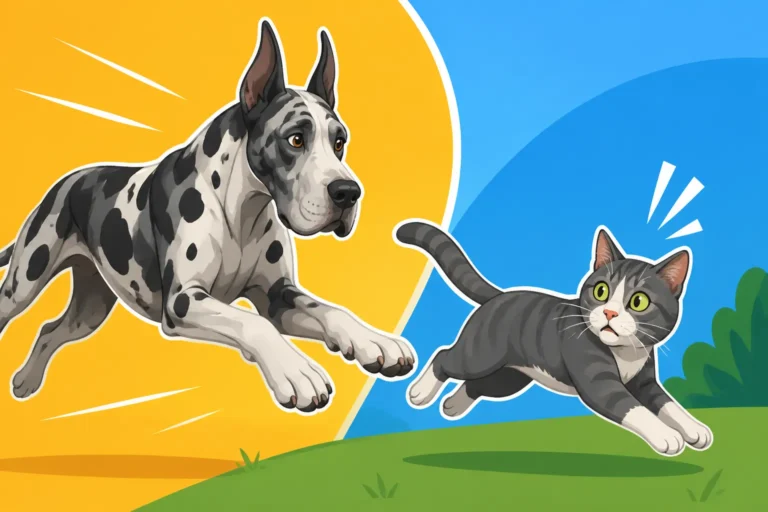
Bringing a Great Dane into a home with cats or smaller dogs requires thoughtful planning and management. Many Danes can live harmoniously with smaller animals, often forming strong bonds. They might curl up with a cat for a nap, or gently nudge a Chihuahua. However, their prey drive, though typically low, can still be present, especially if they haven't been properly socialized from a young age. A Great Dane's playful pounce that might be perfectly fine with another large dog could be devastating for a smaller, more fragile companion. Imagine a 160-pound Dane trying to "play bow" to a 10-pound terrier – the smaller dog could easily be overwhelmed or injured. Early, positive introductions are critical. Supervised interactions, teaching the Dane to respect personal space, and ensuring the smaller pets have safe "escape routes" or elevated areas they can retreat to are essential. It's about recognizing that even a gentle play swat from a Great Dane can have significant impact. Learn more about ensuring safe interactions by checking out A Great Dane Playing With a Small Dog.
The Importance of Early Socialization and Training
No matter how inherently gentle a Great Dane’s temperament might be, it is never a substitute for thorough, consistent training and extensive socialization. Their massive size makes these elements not just beneficial, but absolutely critical for preventing potential issues and ensuring they grow into well-adjusted, confident, and safe adult dogs. Without these foundations, even the sweetest Dane can become overwhelming.
Shaping the Giant Puppy
The puppy phase is arguably the most crucial period for a Great Dane. A small, clumsy puppy will soon become an enormous, powerful adolescent. Every experience during these formative months shapes their perception of the world. Socializing a Great Dane Puppy Early is not just about meeting other dogs; it's about exposing them to a wide variety of sights, sounds, smells, people of all ages and appearances, and different environments. This helps them develop confidence and resilience, preventing fear or anxiety from emerging later, which, in a dog of this size, can be a serious concern. A fearful Great Dane is a potentially dangerous Great Dane, not because of aggression, but because of their sheer panic and inability to control their reactions. Puppy classes are excellent, but daily, calm exposure to the world is even better. This includes car rides, walks in parks, visits to pet-friendly stores, and meeting new people in a controlled and positive manner. These early experiences teach them that the world is generally a safe and interesting place, rather than something to be feared.
Foundation Training for a Lifetime of Manners
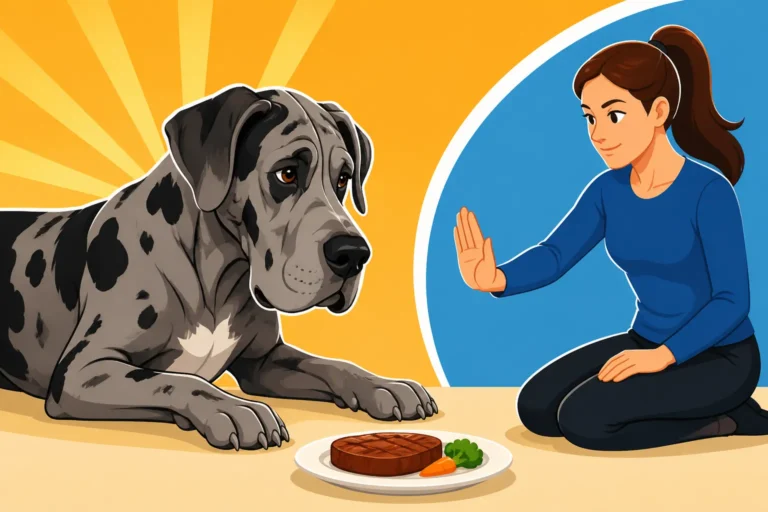
Basic obedience is non-negotiable for a Great Dane. Commands like "sit," "stay," "come," and "leave it" aren't just tricks; they are vital safety cues. Imagine a Great Dane bolting out an open door or lunging at something exciting on a walk. Their strength means that even a strong adult handler can be pulled off their feet. A reliable "come" command could literally save their life. Training also provides mental stimulation, which is just as important as physical exercise for this intelligent breed. Using positive reinforcement methods makes learning enjoyable for them and strengthens the bond between you. Investing in a good training program, whether it’s local classes or an online curriculum, is highly recommended. Many owners find value in structured guidance, and resources like BAXTER & Bella offer comprehensive online training programs that can be tailored to the pace of learning for a giant breed. They can help you implement The Manners a Great Dane Needs Before It Grows from the very start, setting your puppy up for success.
Here's a quick overview of key temperament traits and their management:
| Temperament Trait | Positive Manifestation | Potential Challenge (due to size) | Management Strategy |
|---|---|---|---|
| Affectionate | Loves to cuddle, lean, and be near family. | Leaning can knock people off balance; jumping up. | Early training for "four on the floor" greetings, teaching "off" command. |
| Calm Indoors | Content to lounge, quiet presence. | Takes up a lot of space, can block pathways. | Designated large bed, teaching "place" command. |
| Patient with Children | Tolerates gentle interactions, rarely reactive. | Accidental bumps or tail wags can injure small kids. | Constant supervision, teaching children dog etiquette, separate safe spaces. |
| Playful | Enjoys games, zoomies, and interaction. | Play can be rough, overwhelming smaller dogs/people. | Supervised play, appropriate toys, teaching "gentle." |
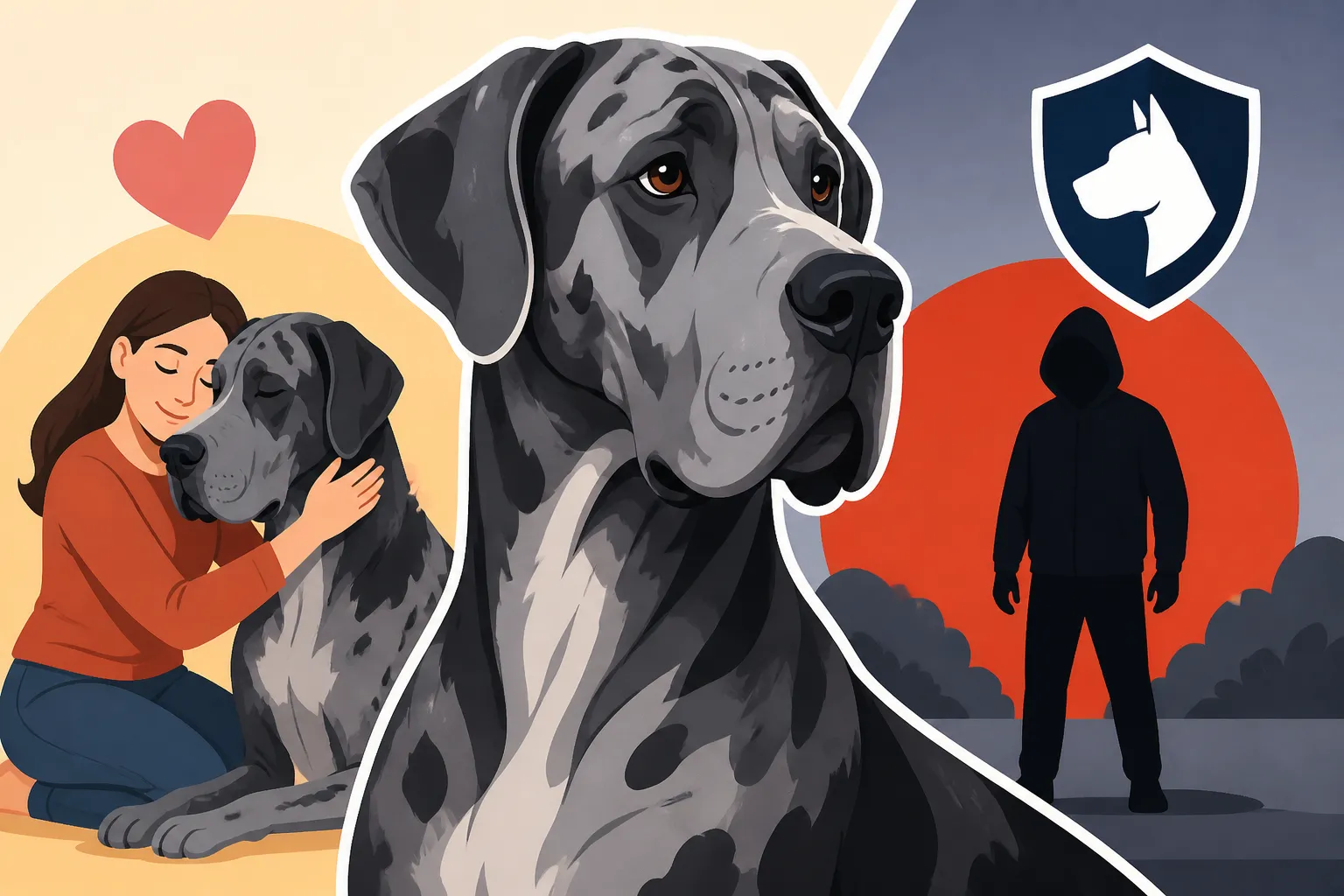
| Loyal/Protective | Forms strong bonds, watchful of family. | Can be wary of strangers if not socialized. | Extensive early socialization, controlled introductions. |
Recognizing and Addressing Temperamental Challenges
While the "gentle giant" ideal is what we strive for, Great Danes are still individuals with unique personalities and sometimes, behavioral quirks or challenges can emerge. It's crucial for owners to understand that even in a breed renowned for its good nature, problems can arise, and knowing how to recognize and address them promptly is key to maintaining a happy and safe household.
Managing Fear and Anxiety
A fearful Great Dane is a huge concern. Their size means that if they panic, they can easily cause damage or unintentionally injure someone. Signs of fear or anxiety can include excessive drooling, hiding, trembling, destructive behavior when left alone, inappropriate urination, or even growling/snapping when cornered or overwhelmed. These aren't usually signs of inherent aggression, but rather a dog trying to cope with something it perceives as threatening. Common triggers can be loud noises (thunderstorms, fireworks), unfamiliar people, or new environments if they weren't properly socialized as puppies. Addressing fear and anxiety often involves a multi-pronged approach: identifying and reducing triggers, counter-conditioning (associating fearful stimuli with positive experiences), and sometimes, working with a veterinary behaviorist who might suggest medication in severe cases. Building their confidence through positive training and predictable routines is crucial. Never force a fearful Dane into a situation; instead, gently guide them with patience and understanding. If your Dane seems particularly nervous, exploring resources like Building Confidence in a Nervous Great Dane might offer valuable insights.
Resource Guarding and Other Behavioral Concerns
Resource guarding, while not as common in Danes as in some other breeds, can still occur. This is when a dog becomes protective over their food, toys, sleeping area, or even their owner, showing aggression (growling, snapping, staring) if someone approaches what they consider "theirs." Given their size, a resource-guarding Great Dane can be intimidating and potentially dangerous. This behavior often stems from insecurity rather than malice. Early intervention is key, using positive reinforcement to teach them that human presence around their resources is a good thing (e.g., dropping extra treats in their bowl while they eat). If you notice any signs of resource guarding, it's vital to seek professional help from a certified dog trainer or behaviorist immediately. Other rare but possible behavioral concerns can include excessive barking (though generally not a primary Dane trait), destructive chewing if bored or anxious, or reactivity on leash if not properly socialized. A good trainer can help diagnose the root cause and develop a tailored plan. Remember, even a generally calm breed can develop issues if their needs aren't met or if they learn undesirable behaviors.
Living with a Great Dane: Everyday Temperament in Action
Beyond the training and potential challenges, the everyday reality of living with a Great Dane is filled with unique moments shaped by their gentle yet imposing nature. Their temperament manifests in the little things – how they interact with you, their home, and their surroundings. It's in these daily interactions that the true essence of the "gentle giant" shines, or where the "limits" might quietly surface.
The Great Dane's Affectionate Nature
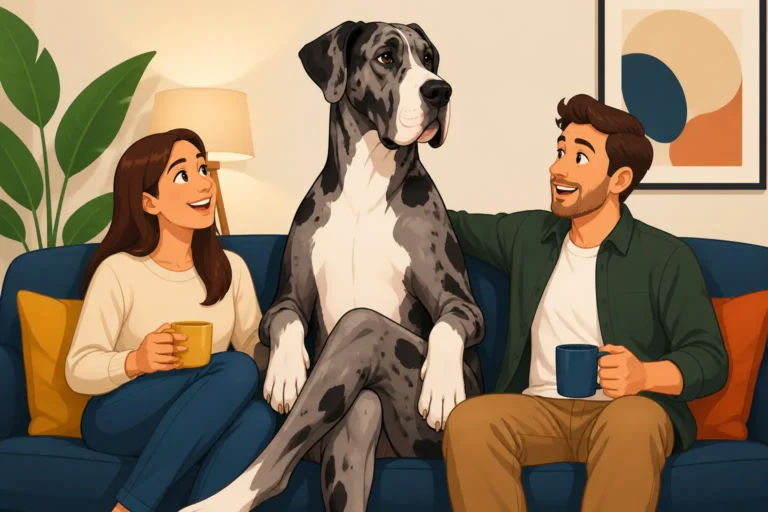
The leaning, the head resting on your lap, the insistent nudge for a pet – these are hallmarks of the Great Dane's profound affection. They thrive on human companionship and genuinely want to be part of the family action. Many Danes are true "Velcro dogs," following their owners from room to room, settling for nothing less than physical contact. This isn't just a casual affection; it's a deep, loving bond that forms the core of their appeal. They will often try to fit their enormous bodies onto the smallest patch of sofa next to you, completely oblivious to their own size. This desire for closeness, while heartwarming, also requires an owner who is willing to give copious amounts of attention and who understands that a giant dog will want to share every bit of your personal space. For Great Dane owners, this constant presence is part of the charm, a daily reminder of their dog's gentle devotion. If you want to understand more about this characteristic behavior, read Living With a Great Dane That Leans on You.
Boredom, Destructive Behavior, and Alone Time
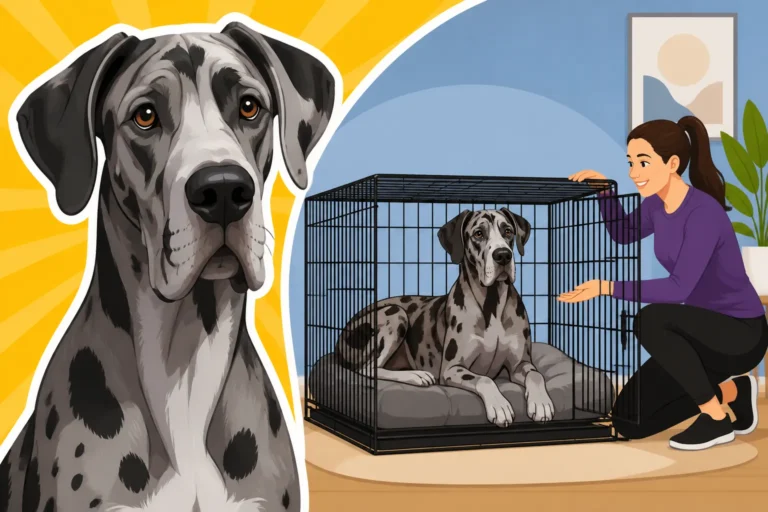
While often calm indoors, Great Danes are not inanimate objects. They are intelligent, sensitive dogs who need mental and physical stimulation. A bored Great Dane is a recipe for trouble, and trouble on a giant scale can be quite significant. Left alone for too long with nothing to do, they can become destructive, chewing on furniture, digging at carpets, or even opening cabinets. Their substantial jaws mean they can quickly destroy toys not designed for power chewers, turning a fun plaything into a pile of confetti in minutes. Investing in robust, durable toys, perhaps from a selection found on Amazon, is essential. Furthermore, Great Danes are highly social animals who can develop separation anxiety if not properly conditioned to alone time from a young age. This anxiety can manifest as howling, barking, pacing, or even frantic attempts to escape, leading to damage to themselves or your home. Gradually increasing alone time, providing puzzle toys, and ensuring they have had adequate exercise before you leave are all important strategies. The commitment to a Great Dane's emotional well-being is crucial, as A Great Dane That Cannot Be Left in the House describes, highlighting the challenges of extended solitude.
The Role of the Owner in Cultivating a Balanced Temperament
Ultimately, the temperament of a Great Dane, while inherently gentle, is significantly shaped by the environment and guidance provided by their human companions. Owners are not just caregivers; they are teachers, leaders, and advocates for their giant companions. The responsibility is immense, but the rewards of a well-adjusted Great Dane are immeasurable.
Consistency and Leadership
Great Danes, like all dogs, thrive on consistency and clear boundaries. A dog this large needs to understand what is expected of them, and those expectations need to be reinforced uniformly by every member of the household. If one person allows jumping on the couch and another does not, the Dane becomes confused, and inconsistent behavior can emerge. Establishing yourself as a calm, confident leader doesn't mean being harsh; it means being fair, predictable, and firm in your expectations. Positive reinforcement training, where good behavior is rewarded, builds trust and encourages the Dane to want to please you. When a 180-pound dog looks to you for guidance and respects your cues, it’s not just convenient – it’s a critical safety net. This consistent, positive leadership helps your Great Dane feel secure in their role within the family, reducing anxiety and promoting their naturally gentle disposition.
Lifelong Learning and Adaptation
Training a Great Dane isn't a "one-and-done" affair. It’s a lifelong journey. As they age, their needs and capabilities might change. An older Dane might not be as agile, and new commands or adaptations might be necessary to ensure their comfort and safety. Continuous mental stimulation, even in senior years, helps keep their minds sharp and prevents boredom. New challenges, like learning a fun trick or engaging in scent work games, can keep them engaged. Just as a human learns and grows, so too does a Great Dane. A well-adjusted Great Dane is one whose owners understand that learning is continuous, and who are prepared to adapt their training and care as their dog moves through different life stages. Their temperament, while largely stable, can be influenced by changes in health, environment, or family dynamics, and a prepared owner will be ready to address these shifts with patience and understanding.
Disclaimer
This article is for general informational purposes only and does not constitute professional advice. Laws, prices and regulations vary by location and change over time. Consult a qualified professional for guidance on your specific situation.