A Great Dane That Barks at the Door
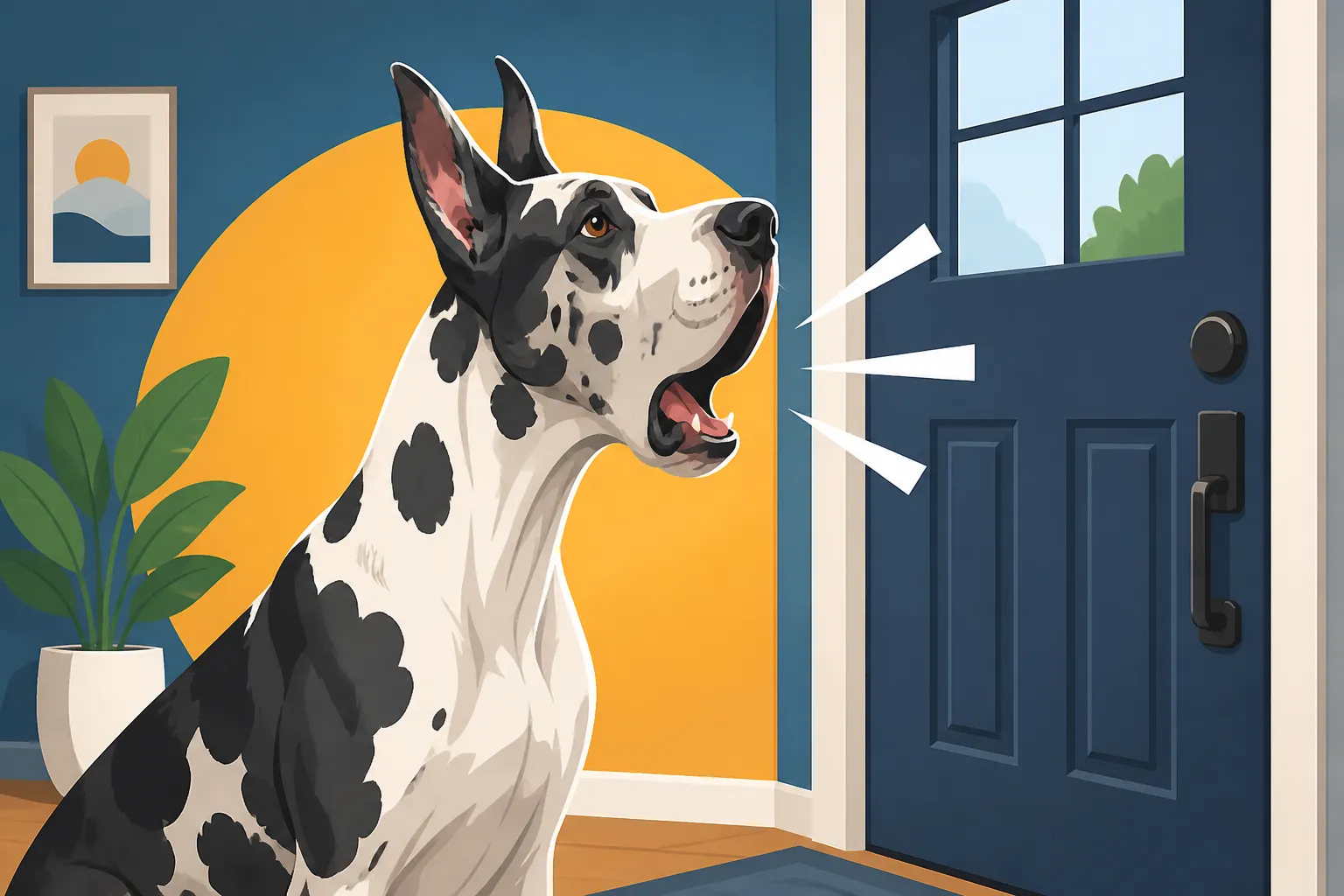
There’s nothing quite like the booming bark of a Great Dane, especially when it’s directed at the front door. What might be a minor annoyance with a smaller dog can become a truly jarring, even intimidating, experience with a giant breed like ours. Guests might feel overwhelmed, delivery drivers might hesitate, and you, the dedicated Great Dane owner, are left feeling flustered and wondering how to instill a bit of calm. This guide is dedicated to helping you unravel the mystery behind your Great Dane's door-related barking and providing practical, empathetic strategies to bring peace back to your home.
Understanding Why Your Great Dane Barks at the Door
When your majestic Great Dane unleashes a torrent of barks at the door, it can feel like a personal assault on your eardrums and your patience. But before you get frustrated, it’s crucial to understand that barking is a natural form of canine communication. The why behind the bark is far more important than the bark itself. Great Danes, for all their "gentle giant" reputation, are still dogs with instincts, emotions, and learned behaviors, and their sheer size simply amplifies every sound and action.
The "Guard Dog" Instinct vs. Learned Behavior
It’s easy to look at a formidable Great Dane and assume their barking is purely driven by an instinct to guard. After all, historically, they were formidable hunting dogs and, later, impressive estate guardians. They have the deep chest and powerful voice to certainly sound like a deterrent. Some Danes do have a genuine territorial streak; they see the house as their domain and a visitor as an intruder to be announced, or even warded off. This might manifest as a low rumble initially, escalating to full-throated barks, and they might stand between you and the door, body stiff, eyes fixed on the entry. It’s important to differentiate this from a dog who barks because they’ve learned that barking gets a reaction, be it attention, the arrival of guests, or the opening of the door.
For instance, consider a Great Dane named Thor. When a stranger approaches the house, Thor lets out a deep, resonant "woof!" that shakes the windows. He doesn't necessarily lunge or show aggression, but he stands tall, ears alert, clearly signaling his awareness and potentially trying to deter. This can be a legitimate, albeit sometimes excessive, manifestation of a protective instinct. However, another Dane, Luna, might bark furiously at the door, but her tail is actually wagging like crazy, and she's doing happy little hops. Her "guarding" is really just an excited announcement, and she expects pets and greetings rather than wanting to drive someone away. Understanding this nuance is the first step toward effective training. If it's a deep-seated guarding tendency, you'll approach it differently than if it's just over-the-top enthusiasm.
Over-Arousal and Excitement Barks
For many Great Danes, especially those who adore people, door barking is often a sign of over-arousal and excitement. Think about it: a doorbell rings, a car pulls into the driveway, or someone simply walks past the window. These are cues that something exciting is about to happen! Visitors, especially those who might shower your Dane with affection, become highly anticipated events. The barking isn't necessarily a warning; it's more like a giant, booming announcement of "THEY'RE HERE! LET ME AT THEM! HURRY UP!"
This kind of barking is characterized by high-pitched, rapid-fire barks, often accompanied by frantic tail wags, jumping, and sometimes even a little "happy pee." Your Dane might race to the door, body language loose and wiggly, clearly thrilled rather than threatened. The anticipation builds rapidly, and their immense size makes it hard for them to contain that energy. Imagine a 150-pound dog trying to contain the excitement of a toddler on Christmas morning – it's a huge task! They might get so worked up that they ignore all their manners, forgetting their "sit" or "stay" commands in their eagerness to greet. This can be particularly frustrating when you're trying to manage a guest's entry, and your giant dog is practically vibrating with unspent energy.
Anxiety and Fear-Based Barking
While many associate door barking with excitement or guarding, a less common, but equally valid, reason for a Great Dane to bark at the door is underlying anxiety or fear. For these sensitive souls, the sounds and sights associated with someone approaching the house aren't exciting; they're unsettling and potentially scary. The bark, in this context, is a defensive mechanism – an attempt to make the "scary thing" go away or to create distance. They're trying to ward off the unknown, hoping that their big, booming voice will be enough to make the perceived threat retreat.
You might notice subtle differences in their body language compared to an excited barker. A fearful Great Dane might bark with a lower growl interspersed, their tail might be tucked or held low, and their ears might be flattened. They might even try to bark from a slight distance, backing away from the door as they vocalize, or showing "whale eye" (where the whites of their eyes are visible). Instead of rushing the door, they might bark, then retreat, bark again, and maybe even pace nervously. If your Great Dane shows signs of genuine fear, such as trembling, panting, or seeking to hide, it’s critical to address this with patience and positive reinforcement, as punishment will only worsen their anxiety. For a Great Dane that is anxious rather than gentle, understanding their emotional state is paramount. This isn't a challenge of dominance; it's a cry for reassurance and safety.
Initial Steps to Manage Door-Related Barking
Dealing with a Great Dane's door-related barking isn't about silencing them entirely, but rather about teaching them more appropriate and calmer ways to respond. Given their size, early intervention and consistent management are key to preventing the problem from escalating. You want your dog to be a pleasant greeter, not a terrifying one!
Environmental Management and Prevention
One of the most immediate and effective ways to manage door barking is to proactively minimize the triggers in your Great Dane's environment. If they can’t see or hear what’s causing the bark, they’re less likely to react. Start by assessing what specifically sets your Dane off. Is it the sight of people walking past a window? The sound of the mail truck? The doorbell?
For visual triggers, consider using privacy film on windows that face busy areas or where delivery drivers approach. Even sheer curtains or blinds can help break up the visual stimulation enough to reduce reactivity. For auditory triggers, white noise machines or playing classical music can help mask external sounds like neighboring dogs, traffic, or distant conversations. Think about creating a "safe zone" for your Dane, perhaps a comfy bed in a quieter part of the house, away from the direct line of sight to the door. When you anticipate a visitor or a delivery, you can redirect your Dane to this spot before the trigger even occurs. Teaching family members and regular visitors to enter calmly, without loud greetings or immediate attention to the dog, can also make a huge difference. If everyone comes in loudly and immediately engages the barking dog, it inadvertently reinforces the noisy behavior.
Teaching a "Quiet" Command
While managing the environment is crucial, teaching your Great Dane a "quiet" command gives you an active tool to interrupt and redirect their barking. This isn't about punishing them for barking, but rather teaching them that after they bark, there's a specific action (being quiet) that earns them a reward. The process takes patience and consistency, especially with a vocal breed.
Here’s a basic approach:
- Trigger the Bark: Have a family member or friend knock on the door or ring the doorbell, just once.
- Let Them Bark (briefly!): Allow your Dane to bark 1-2 times. You want them to offer the behavior.
- Interrupt and Reward Silence: The moment there's a pause in their barking, even a split second, say "Quiet" (or "Enough") and immediately reward them with a high-value treat. It's about rewarding the absence of barking, not the bark itself.
- Repeat and Lengthen Silence: As they catch on, gradually increase the duration of silence required before the reward. Instead of one second, wait two, then three, then five. Keep practicing this in short, frequent sessions.
- Generalize: Once they understand "quiet" at the door, practice it in other situations where they might bark, like at squirrels in the yard.
Remember, the key is to reward the silence promptly. If you wait too long, they won't connect the treat to being quiet. This command provides a vital bridge from instinctual reaction to a controlled response, which is a big step for managing a giant dog.
Desensitization and Counter-Conditioning to Triggers
For many Great Danes, the door itself, or sounds associated with it, have become highly charged triggers. Desensitization and counter-conditioning work together to change your dog's emotional response to these triggers from frantic excitement or fear to calm indifference or even positive anticipation. This method is especially helpful if you find your Dane gets over-aroused or genuinely anxious.
Start by identifying the specific trigger. Is it the sound of a knock? The doorbell? The squeak of the mail slot? Begin by exposing your Great Dane to the trigger at such a low intensity that they don't react. For example, record your doorbell sound on your phone. Play it at a very low volume, so faint that your Dane barely registers it. The moment they hear it, immediately offer a high-value treat and calm praise. The goal is to create a positive association: "Doorbell sound = delicious treat." Don't wait for a bark; reward the lack of reaction.
Over many, many repetitions, slowly increase the volume of the doorbell or the intensity of the knock. Only move up a level when your Dane consistently remains calm at the current level. If they react (bark, growl, stiffen), you've gone too fast; back down to an easier level. You can also practice with someone outside the door, having them knock or ring once, then immediately walking away before your Dane barks, rewarding your dog for staying calm inside. This teaches them that the trigger doesn't always lead to the "big event" and helps them develop a more neutral response. Consistency, patience, and high-value rewards are absolutely essential for success.
Training Strategies for a Calm Door Greeting
Once you’ve started to manage the immediate triggers and teach basic quiet commands, it’s time to focus on what you want your Great Dane to do when someone approaches the door: greet calmly. This takes intentional training and a lot of practice, especially with a dog who might outweigh many adults.
Establishing a "Place" or "Settle" Command
Having a designated "place" for your Great Dane to go when the doorbell rings or guests arrive is an absolute game-changer. This command teaches them to move to a specific mat, bed, or crate and remain there calmly until released. It gives them a job to do and removes them from the highly stimulating area right at the door.
To teach "place":
- Choose a Spot: Select a bed or mat (perhaps a sturdy one from Amazon designed for large breeds) in a spot away from the direct entryway but still where they can observe if they choose, without being in the way.
- Lure to Place: With a treat, lure your Dane onto the mat. As soon as all four paws are on it, say "Place" and reward generously.
- Increase Duration: Gradually increase the time they must stay on the mat before getting a treat. Start with a second, then two, then five, always rewarding for calm duration.
- Add Distance: Once they hold their "place" for a short time, start walking a few steps away, then return and reward. Slowly increase the distance and the duration.
- Introduce Distractions: Begin practicing "place" with minor distractions, eventually building up to the sound of the doorbell or a knock. The goal is that when the doorbell rings, "Place!" becomes their automatic response, and they calmly head to their spot, rather than rushing the door. This isn't a punishment; it's giving them a clear, positive instruction. I often tell my clients, "Teaching a Great Dane a place to settle can feel like magic when it finally clicks."
Controlled Greetings and Visitor Protocol
Once your Great Dane has a good understanding of "place" or "quiet," you can start practicing controlled greetings. This requires enlistment from your family and friends, but it's crucial for teaching your Dane appropriate manners. The goal is to prevent your Great Dane from jumping, barking, or overwhelming guests.
Here’s a structured approach:
- Guest Prep: Inform your arriving guests beforehand about your training plan. Ask them to ignore your Great Dane completely upon entry, at least initially. No eye contact, no petting, no excited greetings. This can be hard for some people, but it’s vital.
- Doorway Management: When the guest arrives, ask your Dane to go to their "place." If they can't hold it, have them on a leash, perhaps a sturdy, comfortable harness for a Great Dane, held by you or another family member, away from the door. Keep the leash loose unless they try to pull.
- Calm Entry: Open the door and let your guest in. If your Dane barks or pulls, calmly close the door (don't say anything, just reset). Re-open when they are quiet and calm, or have them on "place." Repeat as many times as necessary. Your Dane will quickly learn that calm behavior allows the door to open and guests to enter.
- Delayed Interaction: Once the guest is inside and your Dane is calm (either on their "place" or sitting politely), you can give a release command. Only then can the guest calmly greet your Dane. The interaction should be low-key at first – a few gentle pets, then return to ignoring. This teaches your Dane that calm behavior earns interaction, not frantic barking. This is a huge step in getting a Great Dane to greet without standing up or jumping all over guests.
Addressing the Doorbell or Knock as a Cue
For many dogs, the doorbell or knock has become a powerful cue for an explosion of excitement or alarm. To change this, you need to re-program your Great Dane's association with these sounds. Instead of signaling chaos, they should signal a specific, calm action.
Combine your "place" command with the doorbell sound. Have a helper outside the door.
- Low-Intensity Trigger: Ask your helper to give a very soft knock or a quick, quiet ring of the doorbell.
- Immediate Command: The instant you hear the sound, give your "Place" command.
- Reward for Compliance: When your Great Dane goes to their place, reward them heavily with treats.
- Repeat, Repeat, Repeat: Do this many times a day in short sessions. Gradually increase the volume of the knock/ring.
- Adding the Door Open: Once they consistently go to their place calmly with the sound, add the step of opening the door briefly while they are in "place," then closing it, and rewarding them for staying. Slowly increase the duration the door is open.
The goal is to override the old, frantic reaction with a new, desired behavior. This systematic approach helps your Great Dane understand that the doorbell isn't a signal to panic or party, but rather a cue to perform a calm, known behavior for a reward. It’s all about creating positive associations and clear expectations, which is fundamental to the manners a Great Dane needs before it grows.
Tools and Resources to Aid Your Training
Training a Great Dane, especially one with a booming door bark, isn't always something you can tackle alone. Their sheer size means that a mistake can have bigger consequences, and effective tools and resources can make a world of difference in your success and sanity.
Essential Training Equipment for Giant Breeds
When you're dealing with a dog that can easily outweigh an adult human, standard training equipment might not cut it. The right tools are crucial for safety, control, and effective communication during training sessions, especially around the door.
- Heavy-Duty Leashes and Collars: You'll need leashes that can withstand sudden pulls and collars that are secure and comfortable. A flat buckle collar or a martingale collar (which tightens slightly but not excessively) can be good options. For strong pullers or for initial control during greetings, a front-clip harness can be incredibly helpful. Brands like Ruffwear or even those found on Amazon often offer harnesses designed for large and giant breeds that discourage pulling by redirecting your Dane's momentum. This makes it much easier to manage them when guests arrive, preventing them from dragging you to the door.
- High-Value Treats: Your Great Dane needs strong motivation to change ingrained barking habits. Small, soft, incredibly tasty treats (like boiled chicken, cheese, or specialized training treats) are much more effective than dry kibble. Always have a supply on hand, especially during doorbell training sessions.
- Durable "Place" Mat/Bed: For the "place" command, invest in a sturdy, comfortable mat or dog bed that can clearly define their spot. Given a Great Dane's weight, it should offer good support and be resistant to wear and tear.
- Baby Gates/Ex-Pens: Sometimes, the best immediate solution is to physically separate your Great Dane from the front door area during high-traffic times. Tall, sturdy baby gates or large ex-pens can create a temporary barrier, giving your Dane a safe space away from the immediate excitement while still allowing them to see and hear, if appropriate for their training stage. This helps manage the environment and prevents them from practicing the unwanted barking behavior.
Professional Guidance and Online Resources
Sometimes, despite your best efforts, a Great Dane's door barking can feel overwhelming. That's when professional help becomes invaluable. A certified professional dog trainer, especially one with experience with giant breeds, can provide personalized strategies and troubleshoot issues that you might not recognize.
- In-Person Trainers: Look for trainers who use positive reinforcement methods and understand the unique needs and temperament of Great Danes. They can observe your dog's behavior in your home environment, identify specific triggers, and guide you through practical exercises. They can also help you refine your timing and technique, which is crucial for success. Don't be afraid to ask about their experience with large or giant breeds; managing a 150-pound dog requires different skills than training a terrier! Considering the trainer rates for a Great Dane that pulls, it's an investment, but one that pays dividends in peace of mind and a well-mannered dog.
- Online Training Programs: If in-person training isn't feasible, reputable online programs can offer structured guidance. Platforms like BAXTER & Bella provide comprehensive courses covering everything from puppy basics to advanced manners, often with video tutorials and support forums. While they can't offer the individualized feedback of an in-person trainer, they provide a strong foundation and a consistent curriculum. They can be particularly useful for establishing foundation behaviors like "sit," "stay," and "place" which are integral to managing door greetings.
- Veterinary Behaviorists: If your Great Dane's barking stems from deep-seated anxiety or fear, or if it escalates into aggression, a veterinary behaviorist (a vet with specialized training in animal behavior) might be the most appropriate resource. They can diagnose underlying behavioral issues and, if necessary, prescribe medication in conjunction with behavior modification plans. This is particularly important if you suspect your Great Dane is anxious rather than just excited.
Enrichment and Exercise to Reduce Door Barking
A physically and mentally tired Great Dane is generally a much calmer Great Dane. Insufficient exercise and mental stimulation can lead to pent-up energy and boredom, making your dog more prone to reactive behaviors like excessive door barking. Think about it: if they have nothing else to do, the doorbell suddenly becomes the most exciting (or alarming) event of their day!
- Physical Exercise: Ensure your Great Dane gets appropriate exercise for their age and health. While puppies need careful limits on exercise limits while a Great Dane is still growing, adult Danes benefit from daily walks, playtime in a secure yard, or even structured fetch sessions. Getting them out for a good, brisk walk before you expect visitors or deliveries can significantly reduce their arousal levels. Remember, wearing out a Great Dane without wrecking its joints is important, so focus on moderate, consistent exercise rather than intense, sporadic bursts.
- Mental Stimulation: Great Danes are intelligent and benefit immensely from mental challenges. Incorporate puzzle toys, sniff games, and regular training sessions into their routine. For instance, feeding meals using a slow feeder or a food puzzle toy can keep them engaged for a significant period. Learning new tricks, even simple ones, provides mental enrichment and strengthens your bond. A mentally stimulated dog is less likely to become hyper-focused on external triggers.
- Structured Play: Engage your Dane in structured play that includes commands. For example, playing "fetch" where they have to "sit" and "stay" before you throw the toy, or "hide and seek" with a favorite toy, combining exercise with obedience. This helps them learn self-control even during exciting activities.
By ensuring your Great Dane is well-exercised and mentally engaged, you create a baseline of calm that makes door-related training much more effective. A dog that's had a fulfilling morning is far less likely to explode into a barking fit when the afternoon mail arrives.
Common Challenges and Troubleshooting
Even with the best intentions and consistent training, managing a Great Dane's door barking can present unique challenges. Their size, strength, and individual personalities mean that what works for one dog might not be as effective for another. It's important to be prepared for setbacks and know how to troubleshoot when things don't go according to plan.
When Barking Escalates or Becomes Aggressive
Most door barking, particularly in a breed like the Great Dane, is rooted in excitement, territoriality, or mild anxiety. However, there are instances where barking can escalate or take on aggressive undertones, which requires a more serious approach for safety. Distinguishing between nuisance barking and true aggression is critical.
- Nuisance vs. Aggression: A nuisance barker might be loud, persistent, and jumpy, but their body language (loose tail, wiggly body, open mouth) indicates excitement, not a threat. An aggressive bark, on the other hand, might be accompanied by a stiff body, raised hackles, a low growl, snarling, lunging, or a direct stare. They might try to block access or show signs of fear combined with a readiness to defend themselves. If your Great Dane’s door barking ever involves snapping, biting, or a genuine intent to harm, you are no longer dealing with a training issue; you are dealing with a serious behavioral problem that needs immediate professional intervention.
- Seeking Expert Help: If you observe any signs of aggression, stop trying to manage it yourself. Consult with a veterinary behaviorist immediately. These professionals are veterinarians with specialized training in animal behavior, who can rule out medical causes for aggression and develop a comprehensive behavior modification plan, which might include medication. Safety is paramount, and a large dog exhibiting aggression at the door poses a significant risk. Do not attempt to punish aggression, as this often makes fearful or defensive aggression worse. Instead, focus on managing the environment to prevent triggering situations and seeking expert guidance.
Consistency and Family Involvement
One of the biggest hurdles in any dog training, and especially with a smart and observant Great Dane, is a lack of consistency. Dogs thrive on routine and clear expectations. If one family member diligently enforces the "place" command when the doorbell rings, but another allows the dog to jump and bark, your Great Dane will quickly become confused and will likely revert to the more rewarding (for them) behavior of barking and rushing.
- Establish Clear Rules: Sit down with everyone in the household and establish clear, non-negotiable rules for door greetings. This includes using the same commands ("Place," "Quiet"), the same hand signals, and the same reward system. Decide who will handle the dog when guests arrive, and stick to that plan. This might mean having one person manage the dog while another opens the door.
- Practice with Everyone: Ensure everyone practices the training exercises. This includes children, if they are old enough to understand and consistently apply the rules. It’s tough to enforce calm manners with a Great Dane if a child inadvertently excites them during a greeting. Everyone must be on the same page for the training to be effective and for your Great Dane to truly understand what is expected of them. Inconsistent responses are frustrating for the dog and will dramatically slow down progress. This also reinforces the importance of why Great Dane training cannot wait, starting early to instill these manners from puppyhood.
Dealing with Persistent Outdoor Triggers
Some Great Danes bark not just at the arrival of guests, but at every person, dog, or vehicle that passes by your house. These persistent outdoor triggers can be incredibly frustrating to manage because they are largely out of your control. This requires a different approach than just managing actual visitors.
- Visual Barriers: For dogs who bark at passersby, privacy window film, blinds, or curtains are your first line of defense. Block their view of the street or sidewalk completely. If they can't see the trigger, they're less likely to react. For a Great Dane, you might need to apply film to higher portions of the window, not just the lower panes, given their height.
- Sound Masking: Use white noise machines, fans, or play music to drown out the sounds of people walking past, dogs barking in the distance, or the mail truck. This helps to reduce the perceived urgency of the outdoor sounds.
- Redirection and Engagement: Instead of scolding, redirect your Great Dane's attention before they start barking. If you know the mail carrier comes at a specific time, engage your Dane in a high-value activity before that time. A puzzle toy stuffed with treats, a structured play session in another room, or a quick training drill can effectively distract them.
- "Go to Place" with External Triggers: Practice your "place" command when you know outdoor triggers are likely. Reward them for staying calm and quiet in their designated spot even when things are happening outside. This reinforces that their job is to be calm, regardless of what's happening beyond the door. Remember that socializing a Great Dane puppy early can help build confidence and reduce reactivity to novel external stimuli down the line.
| Barking Motivation | Common Characteristics | Training Approach |
|---|---|---|
| Excitement/Greeting | High-pitched, rapid barks; frantic tail wags; jumping; body wiggles; rushing the door. | Teach "Place" or "Settle" away from the door. Practice controlled greetings with guests ignoring the dog initially. Desensitize to doorbell/knock with positive reinforcement for calm. Increase exercise/mental enrichment. |
| Territorial/Guarding | Deeper, more sustained barks; stiff body; alert posture; may stand between owner/door. | Teach "Quiet" command. Redirection to a designated "Place" further from the door. Establish clear boundaries. Work on "leave it" for external stimuli. May require professional behaviorist for stronger cases. |
| Anxiety/Fear | Lower growls or whines mixed with barking; tucked tail; flattened ears; may bark & retreat; pacing. | Desensitization and counter-conditioning with gentle, positive reinforcement. Create a safe space. Avoid punishment. Build confidence through positive experiences. Consult a veterinary behaviorist if severe. Building confidence in a nervous Great Dane. |
| Attention-Seeking | Barks when someone approaches, stops when attention is given; may escalate if ignored initially. | Ignore the barking entirely until there's a moment of silence, then reward. Teach an incompatible behavior (e.g., "sit" for attention). Ensure sufficient daily interaction and mental stimulation. |
Disclaimer
This article is for general informational purposes only and does not constitute professional advice. Laws, prices and regulations vary by location and change over time. Consult a qualified professional for guidance on your specific situation.