Why a Great Dane Leans on People
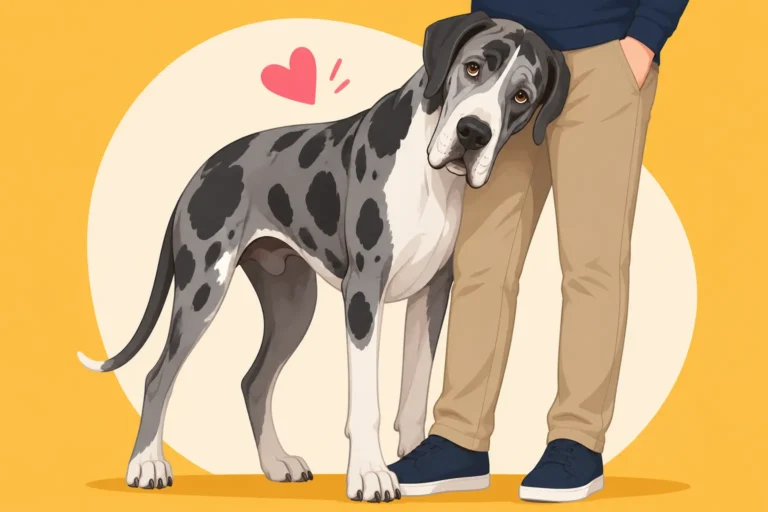
If you've ever had the delightful (and sometimes precarious) experience of owning a Great Dane, you know "the lean." It's that signature move where your giant companion slowly, deliberately, and with surprising force, presses their entire body weight against your legs, hip, or even your back. It might feel like a big, warm hug, or it might just about knock you off your feet, especially if you're holding a fresh cup of coffee. This unique behavior isn't just a quirky habit; it’s a complex mix of instinct, affection, and communication that every Great Dane owner eventually comes to understand. This guide will help you decipher why your Great Dane leans, what they're trying to tell you, and how to manage this very "Dane" trait.
Understanding the "Great Dane Lean": More Than Just Affection
The Great Dane lean is iconic. It's almost a breed hallmark, right up there with their impressive height and soulful eyes. But for new owners, it can be a bit of a mystery. Is it just that they're big and don't realize their strength? Are they trying to dominate you? Or is it something sweeter, a deep bond expressing itself in physical form? The truth is, it's usually a combination of several factors, deeply rooted in their nature and their relationship with you.
The Physicality of the Lean
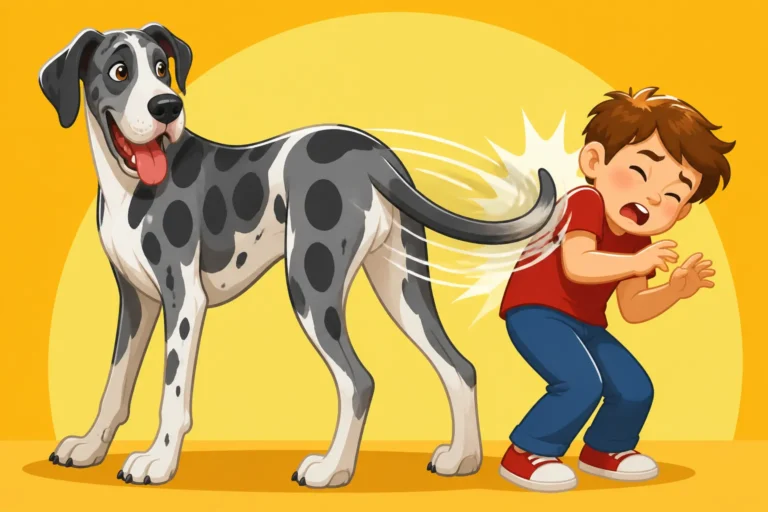
Let's be honest, getting leaned on by a 150-pound dog is an experience. It's not a gentle brush, nor is it a subtle nudge. It’s often a full-body commitment, a slow-motion push that can easily unbalance a person unprepared for it. Their sheer size means that even a slight shift of weight can feel like a significant force. For a breed that can reach well over 100 pounds, often topping 150 or even 180 pounds, their ability to use that weight to their advantage – or just as a means of seeking contact – is undeniable. Think about it: they are taller than most people when standing on their hind legs, and their centers of gravity are often much higher than smaller dogs. When they press into you, they are literally using their mass to connect.
This physical interaction is often observed from puppyhood, even when they’re just little fluffballs who haven’t quite learned the limits of their own growing bodies. They might lean against a table leg, a chair, or most commonly, against their human. It’s part of how they explore their world and assert their presence, even before they fully develop into their enormous adult stature. Understanding the physical mechanics helps you appreciate that it's less about trying to dominate and more about leveraging their natural build for connection.
Why They Do It: A Glimpse into Canine Psychology
From a psychological standpoint, the lean is fascinating. It's a behavior that’s been observed in many companion animals, but it truly stands out with Great Danes due to their sheer scale. It speaks volumes about their internal state and their understanding of their place within your family unit. While some might interpret it as a dog trying to "control" its owner, the reality is far more nuanced.
Great Danes are renowned for their affectionate and gentle nature. They are often described as "gentle giants," and their leaning behavior fits perfectly within this description. It's a non-aggressive form of seeking contact, a way to be physically close and reassure themselves of your presence. Unlike a dog that might jump up aggressively for attention, the lean is a slow, steady, and often insistent press that demands a response without being overtly demanding or confrontational. It's a subtle plea for interaction, a quiet assertion of their bond, and sometimes, a very loud declaration of their current mood.
Is It Unique to Great Danes?
While "the lean" is almost synonymous with Great Danes, they aren't the only breed to exhibit this behavior. Other large and giant breeds, like Mastiffs, Irish Wolfhounds, and even certain larger retrievers, can also be quite fond of leaning. However, it's particularly pronounced and commonly discussed within the Great Dane community because of the combination of their impressive size and their deeply affectionate personalities. A tiny Chihuahua might lean, but it's unlikely to dislodge you from your spot on the sofa!
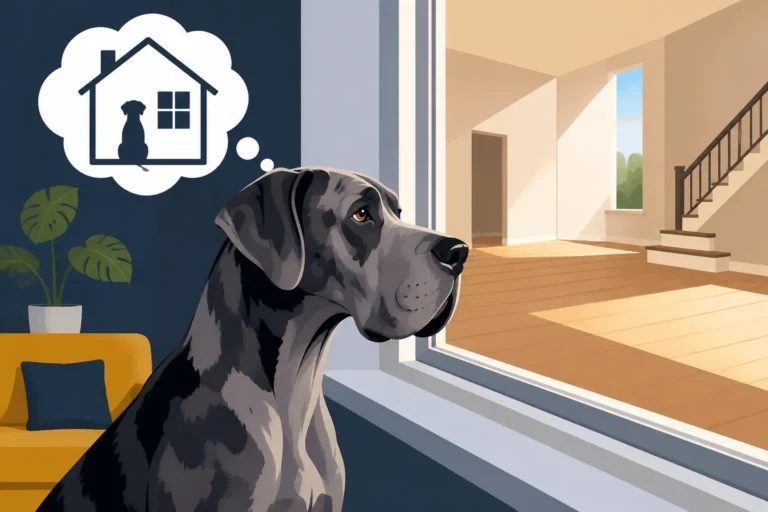
The difference with a Great Dane is in the impact of the lean. When a Dane leans, you feel it. It’s a full-body experience that leaves no doubt about their presence. This makes the behavior more noticeable and, for many owners, a more defining characteristic of their dog's personality. So, while it's not exclusively a Dane trait, it certainly feels like one given their magnificent proportions and their propensity for doing it. If you're considering Whether a Great Dane Suits Your House, understanding this physical interaction is definitely part of the package!
The Deep-Rooted Instincts Behind the Lean
To truly understand why your Great Dane loves to lean, we need to dig a little deeper into the foundational instincts that govern canine behavior. Dogs are, after all, still animals driven by ancient urges, even if they're now living in our cozy homes. The lean often stems from a blend of pack dynamics, comfort-seeking, and a diluted form of protective instinct.
Pack Behavior and Seeking Contact
Dogs are inherently social creatures, descendants of wolves who lived and thrived in tightly-knit pack structures. In a domestic setting, your family becomes their pack, and they rely on physical contact to reinforce bonds and feel secure within that unit. Leaning is a very primal way for a dog to maintain constant, reassuring physical contact with a pack member. It's a subtle way of saying, "I'm here, you're here, we're together."
Think about how puppies huddle together in a litter, or how adult dogs might sleep in a pile, pressing into one another. This physical closeness provides warmth, security, and a sense of belonging. When your Great Dane leans on you, they're often replicating this natural pack behavior. You are their trusted leader and family member, and leaning is their way of acknowledging that connection and asserting their place right by your side. It’s a powerful, non-verbal affirmation of their bond with you.
Security and Comfort in Physical Touch
Beyond simple pack behavior, there’s a deep-seated desire for security and comfort that drives the lean. For a large dog, the world can still sometimes feel like a big, overwhelming place. Loud noises, unfamiliar people, or even just a new environment can trigger a need for reassurance. What better way to find comfort than by pressing into the strongest, most reliable member of their pack – you?
The physical pressure of leaning can be incredibly soothing for a dog, much like a weighted blanket might be for a person. It grounds them, makes them feel protected, and reduces anxiety. Many owners will notice their Great Danes leaning more intensely when they feel unsure or anxious, perhaps during a thunderstorm or when meeting a new person. In these moments, the lean isn't just a sign of affection, but a genuine plea for security. Providing a solid, comfortable Bedding a Great Dane to Protect Its Elbows can also contribute to their overall sense of security and comfort at home.
The Vestigial Guarding Impulse
While Great Danes are generally not aggressive guard dogs in the traditional sense, they do carry a heritage of protecting their family. Historically, they were bred as formidable hunters of large game like wild boar and later evolved into estate guards. This protective instinct, though softened over centuries of breeding, still exists within them. The lean, in some subtle instances, can be a manifestation of this.
When a Great Dane positions itself between you and something they perceive as a potential threat (even if it's just the mail carrier), or simply presses into you while observing their surroundings, they might be subtly expressing a guarding instinct. By leaning, they are physically staking their claim to your space, and by extension, protecting you. It's a way of saying, "You're with me, and I'm watching over you." This isn't usually an aggressive act, but rather a quiet, physical assertion of their presence and their role as your protector. It’s another reason why The Gentle Great Dane Temperament and Its Limits is such an important topic for owners to understand.
Communication: What Your Leaning Dane Is Trying to Say
Your Great Dane's lean is rarely just a lean. It's a form of communication, a subtle language that, once understood, can tell you a lot about what's going on in their big heart and mind. Learning to distinguish between the different types of leans can deepen your bond and help you respond appropriately to their needs.
"I Love You": Affection and Connection
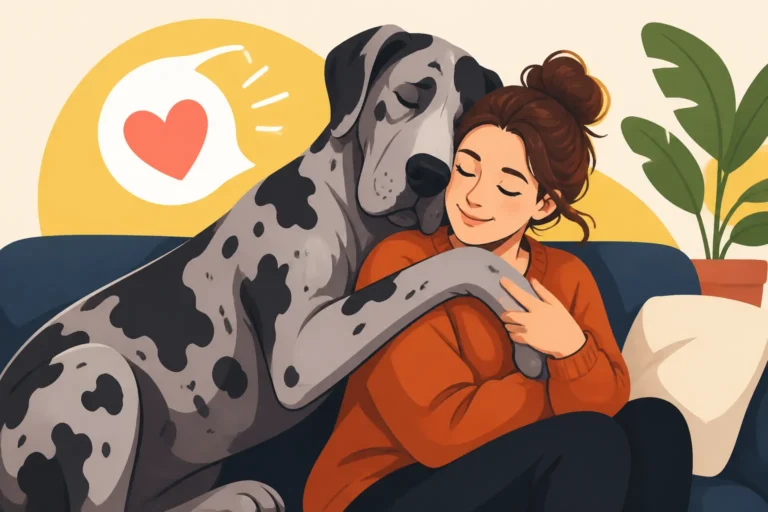
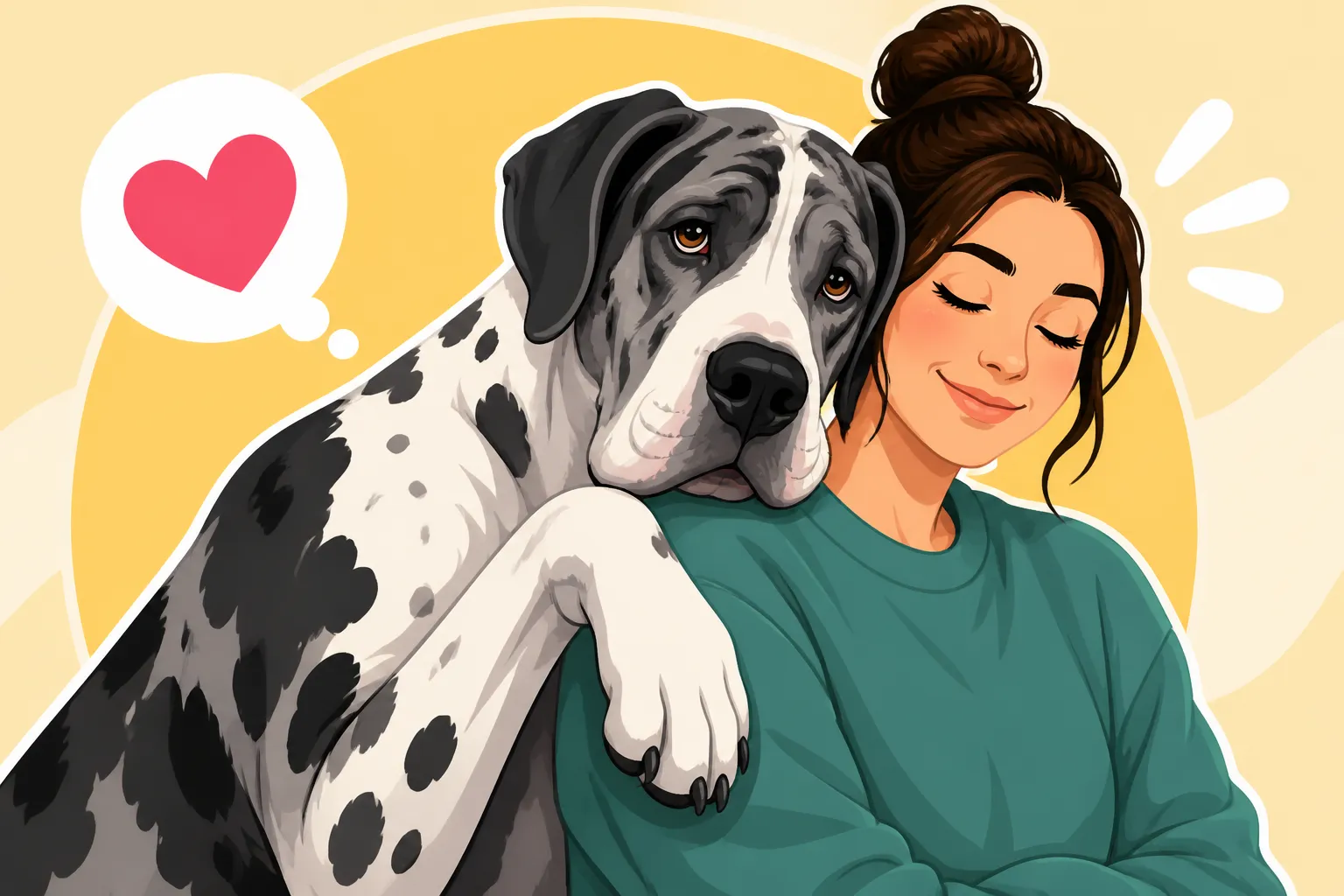
This is perhaps the most common and cherished interpretation of the Great Dane lean. When your Dane leans into you with a soft sigh, a gentle tail wag, and relaxed posture, they're almost certainly telling you they love you. This lean is pure affection, a desire for closeness and mutual connection. It’s their way of initiating a snuggle or a quiet moment of bonding.
Imagine you're sitting on the sofa, engrossed in a book. Your Great Dane ambles over, nudges your hand, and then slowly, deliberately, presses their warm body against your legs or hip. Their head might even rest on your shoulder. This isn't demanding; it's an invitation. They want to share your space, feel your touch, and simply be near you. Responding with a gentle stroke or a reassuring word reinforces this loving connection, telling them their affection is reciprocated. This lean is often accompanied by soft eyes and a general air of contentment, making it clear their intentions are nothing but sweet. If you have multiple Danes, you might even see Two Great Danes in One House leaning on each other!
"I Need Something": Attention Seeking and Demands
Sometimes, the lean has a more practical purpose: your Great Dane wants something from you. This might be attention, food, or a trip outside. These leans are often more insistent, perhaps accompanied by a nudge, a paw tap, or even a soft whine. They're not just seeking connection; they're making a request.
Consider a scenario where you're busy in the kitchen, preparing dinner. Your Great Dane comes over and leans heavily against your leg, perhaps blocking your path slightly. You might hear a huff or a soft grumble. They might follow your movements, keeping the lean constant. This isn't just a casual "hello"; it's a "Hey, I'm here, and I'd like you to pay attention to me now." They might be signaling it's close to Feeding an Adult Great Dane Six to Ten Cups time, or perhaps they've spotted their leash and are eager for a walk. Learning to differentiate these "demanding" leans from purely affectionate ones can help you understand your dog's immediate needs and set appropriate boundaries. For dogs that are particularly persistent, Treats a Great Dane Will Work For can be a great motivator for redirecting this behavior.
"I'm a Little Worried": Seeking Reassurance
As mentioned earlier, the lean can also be a clear sign that your Great Dane is feeling anxious, insecure, or even scared. This lean is often more intense, almost as if they're trying to melt into you. Their body language might be tense, their ears might be back, and their eyes might dart around. This is their way of seeking comfort and reassurance from their trusted human.
Imagine a sudden loud noise outside – a car backfiring, a distant siren, or thunder during a storm. Your Great Dane, who minutes ago was calmly napping, rushes to your side and presses their entire weight against you, perhaps trembling slightly. In this instance, they aren't looking for play or food; they're looking for safety. They need to feel your solid presence, your calming touch, and your verbal reassurance. This lean is a cry for help, a sign that they need you to be their rock. Understanding this can help you respond with empathy, offering comfort and helping them feel safe in a world that can sometimes be overwhelming for a sensitive giant breed. This type of leaning can sometimes be an early sign of A Great Dane That Is Anxious Rather Than Gentle.
Managing the Lean: Practical Strategies for You and Your Giant
While the Great Dane lean is endearing, it can also be inconvenient, or even dangerous if it knocks over children or elderly family members. It’s important to manage this behavior constructively, ensuring your Dane still feels loved and connected without compromising safety or comfort.
Setting Boundaries and Teaching Personal Space
The key to managing the lean is consistency and teaching your Great Dane what is, and isn't, acceptable. It’s not about stopping them from leaning entirely, but about channeling the behavior into appropriate contexts and moments. This involves teaching them personal space cues.
One effective method is to gently move away when they lean uninvited, or at inappropriate times. As they learn that leaning doesn't always get them what they want (especially attention), they'll start to offer alternative behaviors. Reward them heavily when they choose to sit or lie calmly near you instead of leaning. You can teach a "place" command, giving them a designated spot to settle when you're busy. When they go to their Choosing Foam Thick Enough for a Great Dane bed or mat, offer praise and a treat. Over time, they'll learn that being near you in a relaxed manner is more rewarding than leaning on you constantly. This helps them understand that while you love their affection, there are times and places for it. This is part of The Manners a Great Dane Needs Before It Grows.
Redirecting the Lean to Appropriate Behaviors
Instead of constantly saying "no" to the lean, which can be frustrating for both you and your dog, focus on redirecting their desire for contact into more appropriate behaviors. For example, if they lean when you're standing, you can encourage a "sit" or "down" command and then reward them with praise and pets while they are in that position. This satisfies their need for contact while maintaining your balance and control.
Another great redirection strategy is to offer a chew toy or a puzzle feeder when they're seeking attention through leaning. This diverts their energy and gives them something constructive to do. If they lean to get you to move, instead of letting them push you, gently guide them away and then call them back to a "heel" or a "wait" position. This teaches them that you control the space, not their leaning. Providing appropriate outlets for their attention-seeking behavior helps reinforce positive interactions. For excellent training resources, check out platforms like BAXTER & Bella, which offer comprehensive online programs that can help you teach alternative behaviors and build better communication with your Great Dane.
Training Tools and Techniques to Help
Various tools and techniques can assist in managing the lean. For dogs that lean heavily on walks, a front-clip harness can be incredibly helpful. This type of harness redirects their pulling power to their chest, making it harder for them to lean into the leash and drag you off balance. While it won't stop the home lean, it's invaluable for teaching Great Dane Leash Manners at a Hundred and Fifty Pounds. You can find a wide variety of these harnesses on Amazon, often with different sizing options to accommodate a Great Dane's substantial build.
- Positive Reinforcement: This is always the best approach. Reward desired behaviors (sitting calmly, staying in their place) with treats, praise, and gentle petting.
- "Off" Command: Teach your Dane a clear "off" command for when they are leaning or jumping up. Practice this consistently.
- Boundary Training: Use gates or barriers to create temporary physical boundaries in the house, especially during busy times like meal prep, preventing leaning by limiting access to your personal space. You'll need sturdy Baby Gates a Great Dane Cannot Step Over.
- Leash Work Indoors: Sometimes, even practicing basic leash manners indoors, gently guiding them away from leaning, can reinforce the concept of personal space.
By using a combination of these strategies, you can enjoy the affectionate side of the lean without the risk of being bowled over or having your personal space constantly invaded.
| Lean Type | Common Motivation | Body Language Clues | Recommended Response |
|---|---|---|---|
| Affectionate | Connection, love | Relaxed, soft eyes, gentle wag | Return affection, gentle pets, soft words |
| Attention | Wants something | Nudge, paw tap, insistent | Redirect to appropriate behavior, give command, reward |
| Anxiety/Fear | Seeking reassurance | Tense, ears back, trembling | Offer comfort, calm voice, physical security, move to quiet space |
| Guarding | Protecting, claiming | Alert, focused gaze, subtle | Acknowledge, calm presence, consistent leadership |
When Leaning Becomes a Problem: Addressing Underlying Issues
While the Great Dane lean is often charming, there are times when it can signal deeper issues or become genuinely problematic. It's important for owners to recognize these instances and know when to seek further assistance.
Excessive Leaning and Anxiety
If your Great Dane's leaning becomes constant, frantic, or accompanied by other signs of distress like excessive panting, pacing, whining, or destructive behavior when left alone, it could be a symptom of underlying anxiety. Great Danes, despite their imposing size, can be quite sensitive and prone to separation anxiety or generalized anxiety. In these cases, the lean is not just affection; it's a coping mechanism, a way for them to try and anchor themselves to their perceived source of security – you.
Anxiety-driven leaning needs a different approach than simple boundary setting. It requires addressing the root cause of the anxiety. This might involve structured training, enrichment activities, creating a safe den space (their crate or bed), and gradually building up their confidence and ability to cope with stressors. Sometimes, working with a certified professional dog trainer or a veterinary behaviorist is necessary to develop a comprehensive plan to manage anxiety. They can help you understand the nuances of A Great Dane That Is Anxious Rather Than Gentle and provide tailored strategies.
Leaning That Leads to Unwanted Behavior
There are instances where the lean, if consistently indulged, can escalate into other unwanted behaviors. For example, if leaning always results in attention, some Danes might start to lean more aggressively, or combine it with jumping or pushing, especially as puppies. A Great Dane That Knocks People Over is a serious concern, particularly with a dog of this size, and it often starts with an unmanaged lean.
If your Great Dane is leaning on guests and causing them discomfort or knocking them over, it’s a clear sign that the behavior needs more assertive management. This isn't about punishing the lean, but about proactively teaching alternative greetings and manners. This could involve consistent "four on the floor" training, teaching a "leave it" command for people, and ensuring visitors understand how to interact with your Dane in a way that reinforces desired behavior. Early and consistent training, even from puppyhood, is crucial to prevent these behaviors from becoming ingrained. Learning The Cues a Great Dane Needs Before Six Months can make a huge difference.
When to Seek Professional Help
Knowing when to call in the cavalry (i.e., a professional) is crucial. If you've tried consistent management strategies, but the leaning persists, intensifies, or is accompanied by concerning behaviors, it's time to seek expert guidance. A qualified professional dog trainer, especially one experienced with giant breeds, can observe your Dane's behavior in context and help you implement a tailored training plan.
Situations where professional help is strongly recommended include:
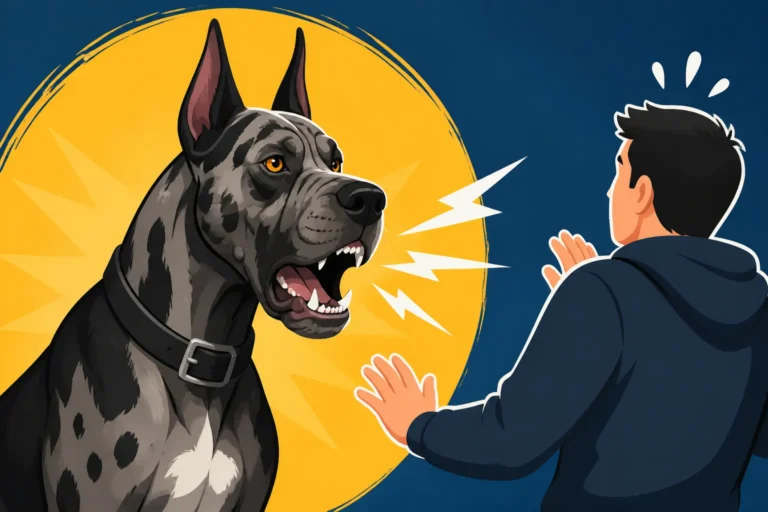
- Aggression: If the lean is ever accompanied by growling, snapping, or other aggressive displays.
- Injury Risk: If your Great Dane is regularly knocking people over or causing injury.
- Severe Anxiety: If the leaning is clearly a symptom of severe anxiety that you can't manage on your own.
- Lack of Progress: If you've been consistent with training for several weeks or months and see no improvement.
- Unwanted Habits: If the leaning is part of a larger pattern of unwanted habits that impact your quality of life or your dog's.
A professional can offer insights into the underlying motivations for the lean that you might not have considered and provide hands-on guidance. They can also help address issues like A Great Dane That Shuts Down When Scolded if you're finding traditional methods aren't working. Remember, seeking help isn't a sign of failure; it's a sign of a responsible owner committed to their Great Dane's well-being and a harmonious household.
Disclaimer
This article is for general informational purposes only and does not constitute professional advice. Laws, prices and regulations vary by location and change over time. Consult a qualified professional for guidance on your specific situation.