A Great Dane That Refuses to Get in the Car
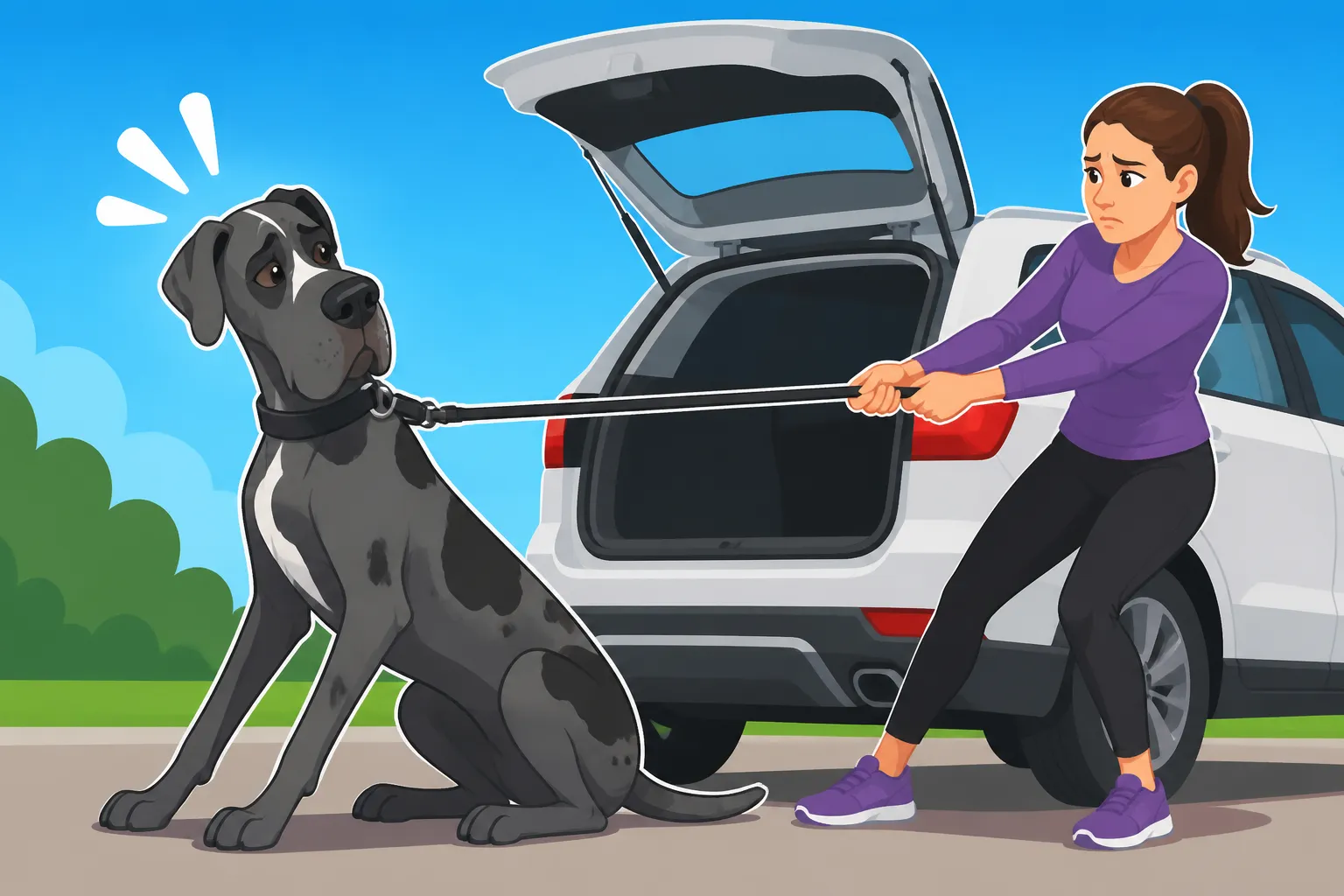
It’s a scenario many Great Dane owners dread: you’re ready for an adventure, a vet visit, or even just a quick trip to the pet store, and your magnificent Dane decides the car is a no-go zone. This isn't just about a stubborn pup; it's a genuine challenge, given their sheer size and strength. Trying to coax or, worse, force a reluctant, hundred-plus-pound dog into a vehicle can be incredibly frustrating and even dangerous for both of you. This guide will walk you through understanding why your gentle giant might be putting on the brakes and offer practical, compassionate strategies to make car rides a stress-free experience for everyone.
Understanding Why Your Great Dane Resists the Car
When your big beautiful Great Dane plants their feet and refuses to budge, it’s easy to feel a surge of frustration. After all, you’re just trying to get from point A to point B! But for your Dane, there’s usually a very good reason behind their reluctance. It’s rarely about being intentionally difficult; it’s almost always rooted in fear, discomfort, or a lack of understanding about what’s expected of them. Understanding the root cause is the first step toward finding a solution that works for both of you.
Fear of the Unknown or Past Trauma
Great Danes are renowned for their sensitive and gentle nature. While they might seem outwardly brave due to their size, many are actually quite prone to anxiety, and any negative experience can stick with them. Imagine a sudden, loud noise from a passing truck during their first car ride, or a particularly scary vet visit where the car was the prelude to something unpleasant. These single events can imprint a deep-seated fear that the car itself is a portal to scary things. They don't necessarily differentiate between a fun trip to the park and a trip to the vet; the car just equals "bad things happen."
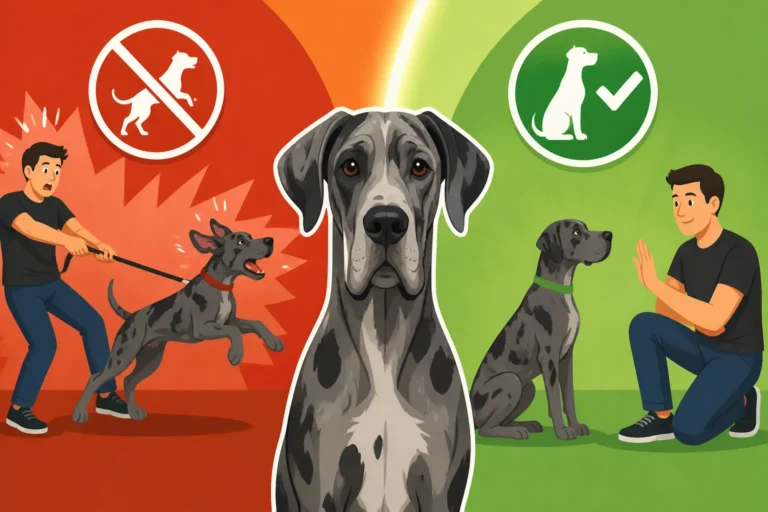
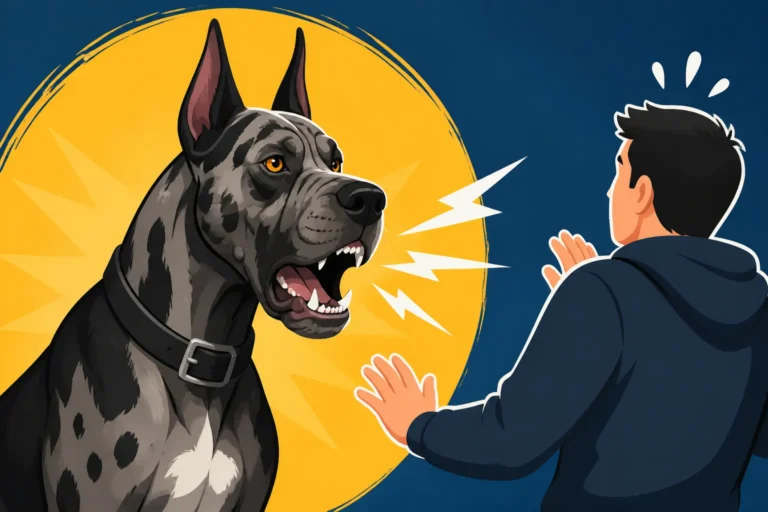
This fear isn't always rational, and it can manifest as a complete shutdown. Your Dane might tremble, resist physically, or even try to hide when they see the car door open. It’s their way of communicating that they are genuinely distressed. Trying to force them into a situation where they feel threatened will only escalate their anxiety and make future attempts even harder. We need to acknowledge that this fear is real for them, regardless of how safe we know the car to be. This is where building confidence becomes paramount. Building Confidence in a Nervous Great Dane can offer more insights into helping your Dane overcome anxieties.
Physical Discomfort or Pain
Consider for a moment what it takes for a Great Dane to get into a car, especially a taller SUV or truck. It often involves a significant leap or an awkward climb, which can be difficult even for a young, agile Dane. Now imagine an older Dane, or one prone to joint issues. A high step can put immense strain on their hips, elbows, or back, making the act of entering the vehicle genuinely painful. They might associate the car not with fear, but with physical discomfort.
Great Danes are unfortunately predisposed to various orthopedic issues, including hip and elbow dysplasia, as well as conditions like Wobbler Syndrome that affect their neck and gait. Great Dane Hips, Elbows and Growing Joints are common concerns for the breed. If getting into the car has caused them pain in the past, even subtly, they'll learn to avoid it. They might not limp or cry, but that silent hesitation could be their way of saying, "This hurts." It’s always a good idea to rule out any underlying medical conditions with your vet if car reluctance is a new or escalating behavior. Sometimes, a simple adjustment to their entry method, like a ramp, can make all the difference.
Lack of Proper Introduction
Sometimes, the issue isn't trauma or pain, but simply a lack of positive early experiences. Many Great Dane puppies aren't properly introduced to car travel in a gradual, positive way. Instead, their first few car rides might be intense experiences: a long trip home from the breeder, a stressful first vet visit, or a bumpy ride to a new, unfamiliar place. For a breed that thrives on routine and predictability, being suddenly thrust into a confined, moving space can be overwhelming.
Without a slow, gentle introduction that pairs the car with happy things, the vehicle remains a neutral or even negative entity. They haven't learned that the car can lead to exciting places like the dog park, or that car rides themselves can be a calm, relaxing part of their routine. This isn't a failure on your part, but simply an area where we can provide more guidance and positive reinforcement to reshape their perception. Think of it as teaching a new language; if they only hear harsh commands, they won’t learn to love communication. Socializing a Great Dane Puppy Early emphasizes the importance of these foundational experiences.
Building Positive Associations with Car Rides
The key to overcoming car reluctance in your Great Dane is to transform their perception of the vehicle from something scary or uncomfortable into something enjoyable and rewarding. This isn't a quick fix; it's a gradual process that relies on patience, consistency, and a generous supply of their favorite things. The goal is to flood their senses with positive experiences around the car, effectively "rewiring" their brain to associate it with good feelings.
Starting Small: Car as a Happy Place
We need to deconstruct the "car ride" into its smallest components and introduce each one with positivity. Start by simply walking past the car on a leash, offering a treat and praise. Don't even open the door yet. The next step might be opening the car door while they’re nearby, tossing a treat inside, and letting them choose if they want to investigate without any pressure. You want them to realize that the car isn't always moving, or always leading to the vet. It can just be a big, metal box where good things happen.
Once they're comfortable with the open door, try letting them sniff around the interior. Maybe they put a paw in, then two. Each tiny step is a victory that deserves celebration. Gradually, you can introduce sitting in the car with the engine off, giving them a high-value chew toy or a stuffed Kong. Spend just a few minutes, then let them out. The shorter and sweeter the sessions, the better. The idea is to build confidence and curiosity, letting them explore on their own terms. BAXTER & Bella offers excellent online resources and trainers who can guide you through these initial desensitization steps.
Using High-Value Rewards
When we're talking about high-value rewards for a Great Dane, we're not talking about regular kibble. We're talking about the good stuff – the treats that make their eyes light up and their tail thump a mile a minute. Think small pieces of cooked chicken, cheese, hot dogs, or liverwurst. These are special occasion treats, reserved only for car training sessions. The higher the value of the reward, the stronger the positive association they'll form.
Hold these treats near the car, then inside, rewarding every tiny step in the right direction. If they just look at the car without showing fear, reward! If they approach, reward! If they put a nose inside, jackpot! The goal is to make the sight and sound of the car trigger an automatic "yum!" response. You can find a vast array of delicious and motivating training treats on Amazon, often in bulk to suit your Great Dane's appetite. Remember, positive reinforcement isn't bribing; it's communicating that good choices lead to good outcomes.
Incorporating Play and Praise
Beyond treats, make the car a source of play and enthusiastic praise. For many Great Danes, a favorite squeaky toy or a game of tug can be even more motivating than food. Try tossing their favorite toy near the car door. If they retrieve it, great! Then toss it slightly inside the car. The retrieve instinct might override their hesitation. Once they're comfortable getting into the car for a toy, play a quick game of tug or fetch (if space allows) inside the car.
Couple these play sessions with an abundance of verbal praise. Use a happy, excited tone of voice. "Good boy!" "Yes! Such a brave Dane!" Your energy is contagious, and if you’re radiating positivity, your Dane is more likely to mirror it. Remember, these initial sessions should not involve actually driving anywhere. The car is simply a new, exciting play zone. The goal is pure, unadulterated positive interaction, fostering a sense of fun and comfort around the vehicle. This approach can be incredibly effective, especially for younger Danes. A Great Dane That Is Anxious Rather Than Gentle highlights how a positive approach caters to their sensitive nature.
Step-by-Step Training for Car Entry
Once your Great Dane has started to form positive associations with the stationary car, it's time to gently guide them towards actually getting inside. This is where patience truly becomes a virtue, as rushing this stage can undo all your hard work. We'll break down the process into manageable steps, focusing on making each movement as easy and rewarding as possible.
The Lure and Reward Method
The lure and reward method is a powerful tool for teaching complex behaviors, and it works wonderfully for car entry. Start with your Dane outside the car. Take a high-value treat and hold it directly to their nose, letting them sniff it. Slowly, move the treat towards the car door opening, then just inside. As their nose follows the treat, their body will naturally follow. The moment even one paw crosses the threshold, say "Yes!" or click a clicker, and immediately give them the treat. Then let them back out, if they wish.
Repeat this many times, gradually requiring more. Perhaps two paws, then all four paws on the floor of the car. Always reward immediately when they hit the target behavior. The treat isn't for being in the car, but for the action of getting in. If your Dane is hesitant, go back a step. Maybe they just need to put their nose inside for a reward. The key is to make it so easy for them to succeed that they can’t fail. With consistency, they'll learn that moving into the car predicts a tasty reward. You can find excellent training videos on this technique through resources like BAXTER & Bella, which are designed to help you communicate clearly with your dog.
Using a Ramp or Steps
For many Great Danes, especially those with any joint concerns or older Danes, a ramp isn't just helpful—it's essential. Asking a hundred-plus-pound dog to jump repeatedly into a high vehicle can exacerbate existing conditions or create new ones. A good quality dog ramp provides a gentle incline, making entry much less physically demanding. When selecting a ramp, look for one that is sturdy, has good traction (non-slip surface), and is long enough to provide a gradual slope. Shorter, steeper ramps can still be intimidating or difficult. Many suitable options are available on Amazon, often with features like portability and adjustable height.
To introduce the ramp, lay it flat on the ground initially and scatter treats on it, encouraging your Dane to walk over it. Once they are comfortable walking on the flat ramp, position it at a very slight incline. Gradually increase the incline until it's connected to your car. Just like with the lure method, use treats to guide them up the ramp, rewarding every step. Patience is crucial here; don't rush them. Some Danes might be wary of the ramp itself at first, but with positive reinforcement, they will learn to navigate it. For detailed guidance, check out Ramp Training a Great Dane for the Car.
Here's a comparison of common car entry methods:
| Method | Description | Pros | Cons |
|---|---|---|---|
| Lure and Reward | Using a high-value treat to guide the dog into the car, rewarding each step of progress. | Builds positive association, dog learns independently, no physical strain. | Requires significant patience and consistency, may not address physical barriers. |
| Ramp/Steps | Providing an inclined surface or sturdy steps for the dog to walk up into the vehicle. | Reduces physical strain on joints, ideal for older or arthritic Danes, can build confidence. | Dog may be initially wary of the ramp itself, ramp must be sturdy and adequately sized for a Dane. |
| Lifting/Assisting | Physically helping or lifting the dog into the car. | Quick solution for emergencies, can be used for very small dogs. | Extremely difficult/dangerous for a full-grown Great Dane, can cause fear/resistance, risk of injury. |
Consistent Practice and Patience
This entire process is not a race. You're trying to fundamentally change your Great Dane's emotional response and learned behavior, which takes time and consistent effort. Short, frequent training sessions (5-10 minutes, several times a day) are far more effective than one long, grueling session that leaves both of you frustrated. Every successful interaction, no matter how small, builds on the last.
Don't get discouraged if you have a setback. If your Dane refuses one day, simply end the session on a positive note by asking for an easier task they can succeed at (like touching the car with their nose) and try again later. Never scold or punish them for reluctance; this will only reinforce their negative associations. Always keep it positive, upbeat, and fun. Celebrate every tiny victory, and remember that with a Great Dane, their size amplifies both their physical and emotional responses. The more positive experiences you build, the more confident and willing your Dane will become about car travel. The eventual goal is a Dane that happily loads into the car, whether for a quick errand or a longer journey. Teaching a Great Dane to Get Into a Car is truly an investment in their comfort and your peace of mind.
Ensuring Comfort and Safety During Travel
Once your Great Dane is confidently getting into the car, the next crucial step is ensuring they are comfortable and, most importantly, safe during the actual ride. A smooth, secure journey can solidify those positive associations, whereas a bumpy, uncomfortable, or scary ride can quickly unravel all your hard work. Given their impressive size, special considerations are necessary for Great Danes compared to smaller breeds.
Choosing the Right Vehicle Setup
For a Great Dane, simply hopping into the back seat without any restraint isn't just risky for them, it's a huge distraction and safety hazard for you and other passengers. In the event of a sudden stop or accident, an unrestrained Great Dane can become a projectile, causing severe injury to themselves and others. There are generally two main safe options: a properly secured crash-tested crate or a specially designed car harness.
If you opt for a crate, it needs to be huge and robust. It should allow your Dane to stand, turn around, and lie down comfortably. This often means a heavy-duty, oversized crate that might only fit in the cargo area of an SUV or a truck bed (with proper securing and weather protection). A secured crate provides a den-like feel, which can be calming for some dogs, and prevents them from interfering with the driver. If you're considering this, you'll want to read Whether a Great Dane Should Be Crated in a Vehicle. Alternatively, a crash-tested car harness that attaches to the vehicle's seatbelt system can secure your Dane in the back seat. This allows them more freedom of movement than a crate but still restrains them safely. Ensure the harness is correctly fitted for their massive chest and weight. Harnesses and Leads for a Great Dane also discusses options for controlling your dog safely. Regardless of your choice, ensure it's specifically rated for large breeds and crash-tested if possible. For larger vehicles, a heavy-duty cargo liner can protect your car's interior from drool, dirt, and paw prints, which you can easily find on Amazon.
Managing Motion Sickness and Anxiety
Even if your Great Dane is happy to get into the car, the motion itself can sometimes trigger issues. Motion sickness is common in dogs, especially younger ones, and can lead to drooling, panting, restlessness, vomiting, and a general aversion to car travel. If you suspect motion sickness, talk to your veterinarian. They can prescribe anti-nausea medication specifically for dogs that can make a world of difference.
For Danes who are anxious in the car despite positive conditioning, various strategies can help. Calming pheromone diffusers or sprays designed for pets can be used in the car. Some owners find that calming chews or supplements, particularly those containing L-theanine or CBD, help to take the edge off anxiety, though you should always discuss these with your vet first. Keeping the car cool, playing calming music, and driving smoothly can also contribute to a more relaxed experience. Sometimes, simply having a familiar blanket or toy in their designated car spot can provide a sense of security. If your Dane seems particularly stressed, a consultation with a certified professional dog trainer from a reputable source like BAXTER & Bella might offer tailored solutions.
Essential Car Travel Gear
Beyond the primary restraint, a few other items can make car travel much more pleasant for your Great Dane. Firstly, consider floor space. Which Cars Actually Fit a Great Dane can be a major challenge. Even in a large SUV, a Great Dane can take up a lot of room. Ensure there's enough space for them to comfortably lie down without being cramped. Cushioned padding or an orthopedic bed can provide comfort, especially on longer journeys, and can be helpful for their joints.
Don't forget hydration. A collapsible water bowl and a bottle of water are indispensable, particularly on warm days or long trips. Avoid feeding them a large meal right before travel if they're prone to motion sickness. Window shades can block harsh sunlight, keeping the car cooler and reducing visual stimulation that might cause anxiety in some dogs. For added safety, ensure there are no loose items in the car that could slide around and injure your Dane or become a distraction. Taking these thoughtful steps to ensure their comfort and safety will make car rides a positive part of your Great Dane's life, opening up a world of shared adventures with your beloved giant. Fitting a Great Dane Into a Car covers the practical logistics of making space for your large companion.
Disclaimer
This article is for general informational purposes only and does not constitute professional advice. Laws, prices and regulations vary by location and change over time. Consult a qualified professional for guidance on your specific situation.