Whether a Front-Clip Harness Slows a Great Dane
Anyone who has ever walked a Great Dane, especially a young, enthusiastic one, knows the sheer force they can exert on a leash. It’s not just an annoyance; it’s a genuine safety concern, leading to pulled shoulders, dropped leashes, and even injuries. This guide dives deep into front-clip harnesses, exploring how they work, what they can realistically achieve, and whether they are truly the solution for bringing calm and control back to your walks with your giant companion.
Understanding the Challenge of Leash Training a Great Dane
Let's be real, managing a Great Dane on a leash is a whole different ballgame compared to walking a smaller dog. Their size isn't just for show; it translates directly into incredible strength that can easily overpower an unsuspecting owner. It’s a common frustration, and one that many Dane owners struggle with daily.
The Sheer Physics of a Pulling Dane
Imagine a hundred-and-fifty-pound athlete suddenly deciding they want to investigate that squirrel, that leaf, or that distant smell, right now. The momentum they build is immense. It's not just their weight; it's their broad chest, powerful legs, and often, an unwavering focus on whatever has captured their attention. When a Great Dane pulls, they're not just tugging; they're essentially dragging you along for the ride. This isn't a sign of disobedience as much as it is a natural canine instinct coupled with immense physical capability. Even with the best intentions, it's easy to get pulled off balance, especially if you're caught off guard. We've all been there, suddenly finding ourselves doing an impromptu sprint or a clumsy dance move just to stay upright. This physical disparity often leads to a dread of walks rather than an enjoyment of them.
Why Traditional Collars Often Fall Short
For a dog of this size, a flat collar often provides little to no real control once they decide to pull. The pressure is solely on their trachea and neck, which can be uncomfortable, even harmful, and still doesn't effectively redirect their power. Many owners, out of desperation, turn to tools like choke chains or prong collars. While these might offer a quick fix by causing discomfort when the dog pulls, they come with a host of issues. For starters, Great Danes have relatively sensitive necks, and prolonged pressure or sudden jerks can cause damage. More importantly, these tools often work by creating a negative association with pulling, but they don't teach the dog how to walk nicely. They suppress the behavior rather than truly training it, and in a dog as sensitive as a Great Dane, this can lead to fear, anxiety, or even a shutdown. Nobody wants their gentle giant to be walking in fear, especially when the goal is a peaceful stroll together. The sheer bulk of a Dane means that even a properly fitted prong collar can sometimes still not be enough to give a smaller person adequate leverage. When you’re dealing with A Great Dane That Pulls You Off Your Feet, you need a tool that works with you, not against your dog’s welfare.
How a Front-Clip Harness Works to Discourage Pulling
This is where the front-clip harness enters the conversation, offering a different approach to leash training that prioritizes redirection and comfort over correction. It’s a popular choice for many large breed owners, and for good reason.
The Mechanics of Directional Control
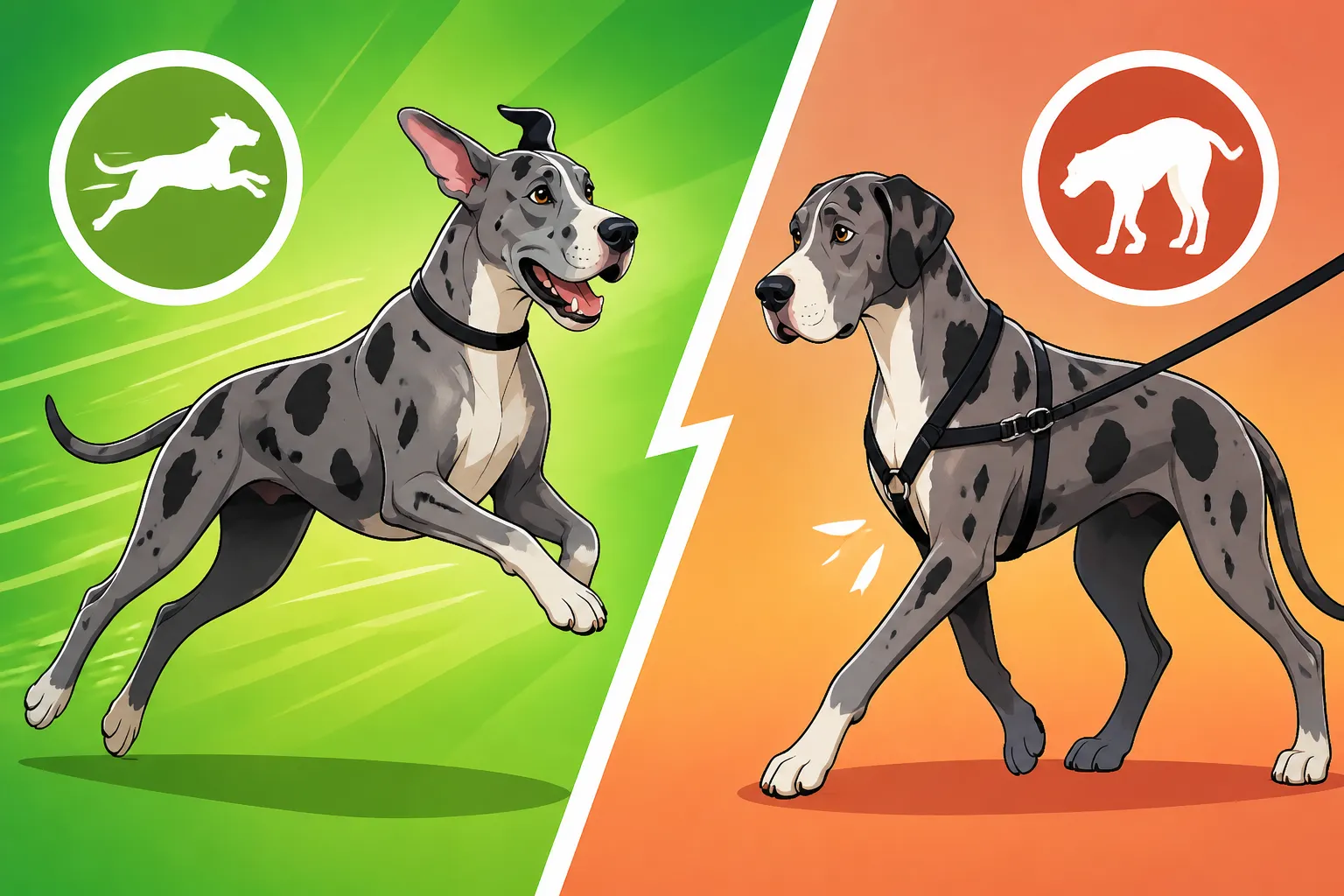
Unlike a traditional collar or even a back-clip harness, the front-clip harness has a leash attachment ring located on the dog's chest, right in the center. When your Great Dane starts to pull forward, the leash, attached at this point, naturally guides their body sideways. Instead of being able to lean into the pull with their full weight, they are gently, but firmly, turned to the side. Think of it like steering a large ship – you apply pressure to one side, and the vessel changes direction. This redirection makes it physically awkward and less efficient for them to pull straight ahead, naturally reducing their forward momentum. It’s a subtle but incredibly effective mechanical advantage that gives you, the handler, much more leverage and control without needing to apply harsh force. This redirection is key to giving you more control over your Dane's powerful forward drive.
Comfort and Safety Considerations
One of the biggest advantages of a front-clip harness is its ergonomic design. The pressure is distributed across your Great Dane's chest and shoulders, avoiding any strain on their delicate neck and throat. This means no choking, no gasping, and no potential for tracheal damage, which can be a real concern with collars, especially for a dog with a deep chest like a Dane. The harness also typically fits securely around their body, preventing them from backing out of it easily, a common escape artist tactic. This enhanced security gives you peace of mind during walks, knowing your powerful companion is safely secured. For a breed that can be prone to neck issues, such as those related to The Neck Condition That Trips a Great Dane Up, avoiding unnecessary strain is a significant benefit. Choosing the right kind of Harnesses and Collars That Control a Great Dane is paramount to their long-term health and your daily comfort.
Is "Slowing Down" the Right Expectation for a Front-Clip Harness?
It’s easy to think of a front-clip harness as a magic bullet that will instantly make your Great Dane walk at a leisurely pace. While it can contribute significantly to a calmer walk, it's important to understand what it actually does and what it doesn't.
Beyond Just Slowing: It's About Control and Communication
The term "slowing down" might be a bit misleading. A front-clip harness doesn't inherently make your dog move slower. What it does do is redistribute their pulling power and make it less effective. It gives you, the owner, a much better ability to communicate with your dog and to redirect their impulse to pull. When your Dane pulls, the harness turns them. This action breaks their forward momentum and creates a moment for you to reinforce polite walking. It’s a training aid, not a substitute for training. It allows you to practice loose-leash walking principles more effectively because you're no longer constantly battling their full strength. It’s about teaching them that pulling doesn't get them where they want to go, and staying by your side does. This makes it easier to reward calm walking and build positive associations with being on a leash. For more ingrained pulling habits, considering Trainer Rates for a Great Dane That Pulls might be a good next step to complement the harness.
When a Front-Clip Harness Might Not Be Enough
While highly effective for many, a front-clip harness isn't a miraculous cure for every pulling Great Dane. In cases of extreme pulling, deeply ingrained habits, or high reactivity, the harness alone might not fully resolve the issue. If your Dane is highly anxious or reactive on walks, they might still try to lunge or pull, albeit with less success. The harness reduces the effect of the pull, but it doesn't address the underlying reason for the pulling behavior. For these situations, the harness becomes a valuable tool within a broader training plan that might include counter-conditioning, desensitization, and working with a professional dog trainer. It provides a safer, more manageable way to handle your dog while you work on those deeper behavioral issues. Remember, consistency is key; if you rely on the harness without consistent positive reinforcement training, your Dane might still attempt to pull, just less effectively.
Here's a quick look at the pros and cons to help you weigh your options:
| Feature | Pros for Great Danes with Front-Clip Harness | Cons for Great Danes with Front-Clip Harness |
|---|---|---|
| Pulling Control | Redirects forward momentum, reducing strength. Easier for owners to manage. | Not a magic fix; still requires consistent training. Extremely strong Danes might still attempt to pull. |
| Comfort & Safety | No pressure on neck/trachea. Distributes force across chest. Harder to slip out of. | Can sometimes chafe armpits if not fitted properly or if made of rough material. |
| Training Aid | Excellent tool for teaching loose-leash walking and redirecting unwanted pulling. | Doesn't address underlying behavioral issues; must be combined with positive reinforcement. |
| Ease of Use | Generally easy to put on and take off once dog is accustomed. | Can be more cumbersome than a simple collar, especially on a squirming dog. |
| Material & Durability | Many options with robust construction suitable for large breeds. | Some cheaper options may not withstand a Great Dane's strength over time. |
Choosing and Using a Front-Clip Harness for Your Great Dane
So, you're convinced a front-clip harness might be the way to go. Excellent! Now comes the crucial part: selecting the right one and knowing how to integrate it into your walking routine. It’s not just about grabbing the first one you see; fit and quality are incredibly important for a dog of this size.
Finding the Right Fit and Durability
When you're shopping for a front-clip harness for your Great Dane, two words should be ringing in your ears: "proper fit" and "durability." These aren't just buzzwords; they are non-negotiables for a dog that can weigh well over a hundred pounds. A harness that's too loose will chafe and allow your Dane to potentially back out of it, which is a scary thought near a busy street. One that's too tight will restrict their movement and cause discomfort, especially around the shoulders and chest. You need to measure your Great Dane carefully – around their chest right behind the front legs, and around their neck – and then compare those measurements to the manufacturer's sizing guide. Brands often have different sizing, so don't assume a "large" from one company will fit the same as another.
Look for harnesses made from strong, robust materials like thick nylon webbing with heavy-duty buckles and D-rings. Remember, this harness needs to withstand the power of a giant breed. Padded straps can also add a layer of comfort, preventing chafing under the armpits during longer walks. Many owners find a good selection of durable, large-breed appropriate harnesses on platforms like Amazon, but always double-check reviews from other large dog owners. Ensure the hardware is metal, not plastic, as plastic buckles can fail under extreme pressure from a powerful Dane. You'll want to ensure that any Leashes Rated for a Great Dane you use are equally robust to match the harness.
Integrating the Harness with Training
A front-clip harness is an incredible tool, but it's just that – a tool. It works best when combined with consistent, positive reinforcement training. Think of it as giving you a better steering wheel, but you still need to learn how to drive the car. When you first introduce the harness, do it gradually. Let your Great Dane sniff it, give them treats, and praise them. Make it a positive experience. You can use a training program, such as the comprehensive online courses offered by BAXTER & Bella, to help guide you through the process of teaching loose-leash walking while using the harness. This consistency will ensure your Great Dane understands what's expected of them.
Start with short walks in a low-distraction environment. Every time your Dane walks beside you with a loose leash, reward them with a treat and verbal praise. When they start to pull, simply stop walking. The moment the leash slackens, even a little, you start walking again. This teaches them that pulling gets them nowhere, but a loose leash keeps the adventure going. The harness makes this "stop-and-go" method far more manageable because you're not fighting against their full body weight. It facilitates the lesson rather than doing all the work for you. Consistency is the name of the game here. Whether you're working on Teaching a Great Dane to Heel Beside You or just trying to get through a walk without a pulled shoulder, the harness is an aid, not a replacement for good technique. Early and consistent training, perhaps through a What a Great Dane Puppy Course Runs, is invaluable. Even adult dogs can learn new tricks, but it often requires more patience and a solid foundation. This holistic approach is crucial for achieving calm and enjoyable walks with your magnificent Great Dane. For continued guidance on Great Dane Leash Manners at a Hundred and Fifty Pounds, consistent training and the right tools are indispensable.
Disclaimer
This article is for general informational purposes only and does not constitute professional advice. Laws, prices and regulations vary by location and change over time. Consult a qualified professional for guidance on your specific situation.