Living With a Great Dane That Leans on You
Great Dane leaning behavior stems from affection, security needs, and a desire for attention, explained through practical management strategies.
Work with the temperament you have.
House-training and crate work, recall, leash manners, separation anxiety, and the behaviors this breed is wired for.
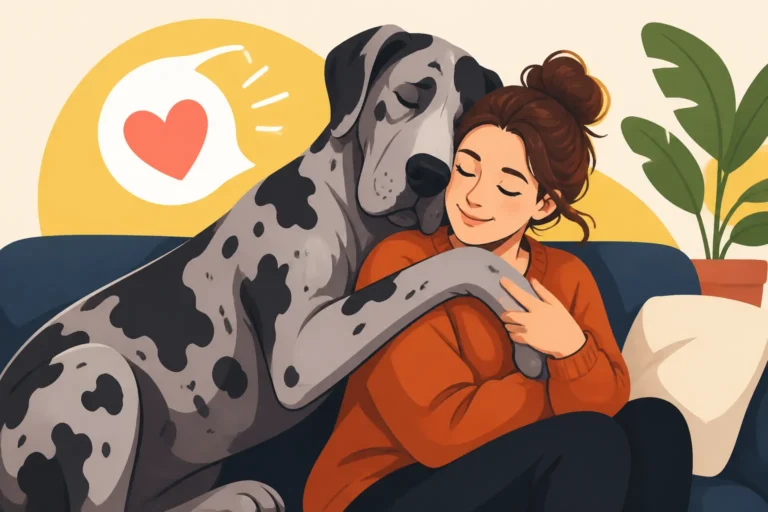
Great Dane leaning behavior stems from affection, security needs, and a desire for attention, explained through practical management strategies.
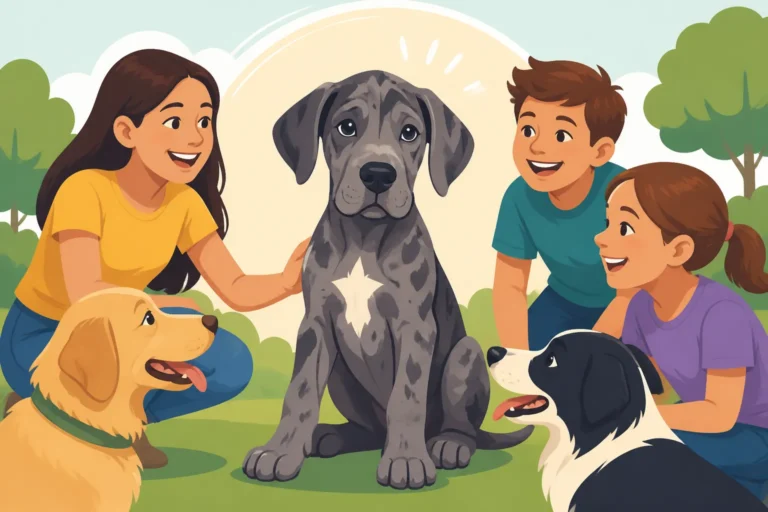
Early Great Dane socialization prevents dangerous behavioral issues in giant breeds and prevents a 150-pound dog from knocking people over.
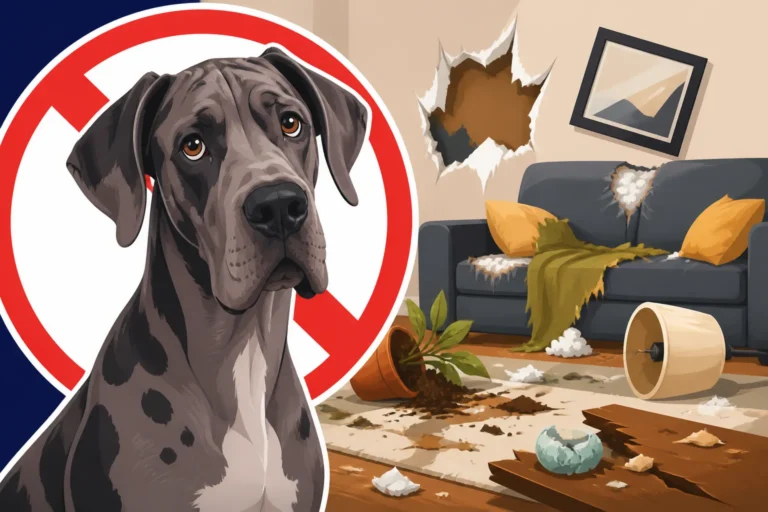
Great Dane separation anxiety causes destruction and barking, but empathetic strategies help your gentle giant stay calm.
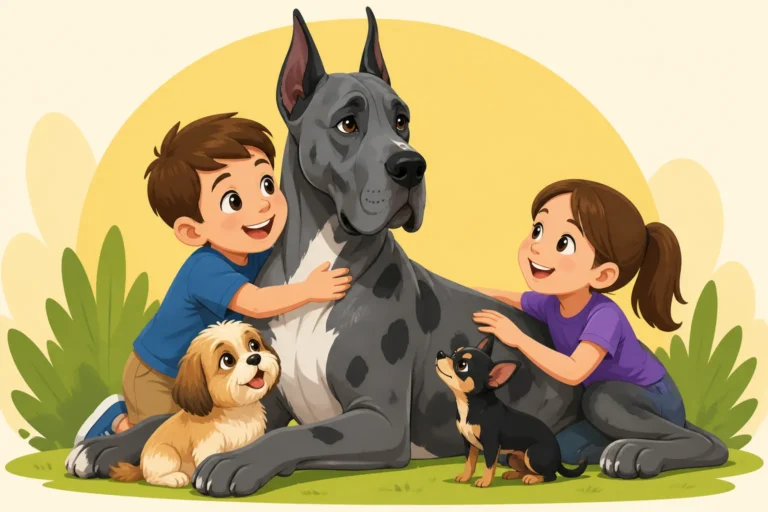
Great Danes living with children and small dogs require careful training, supervision, and environmental management to ensure safety.
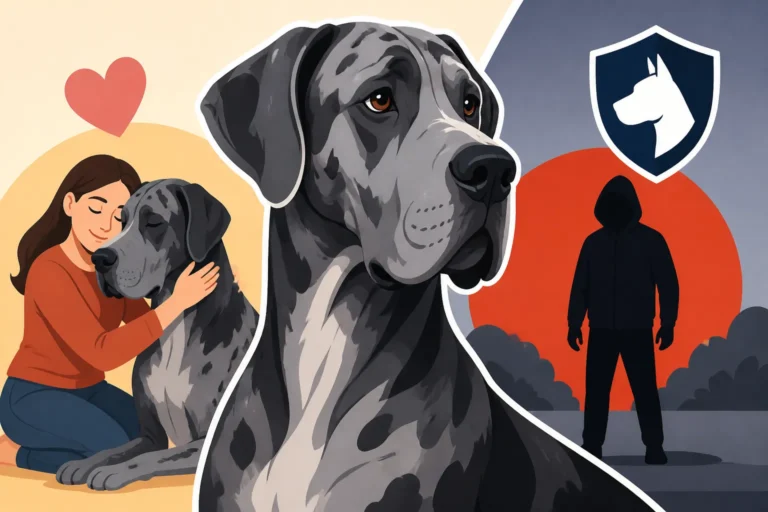
Great Dane temperament and immense size explain why these affectionate dogs require careful management to prevent accidental injuries.
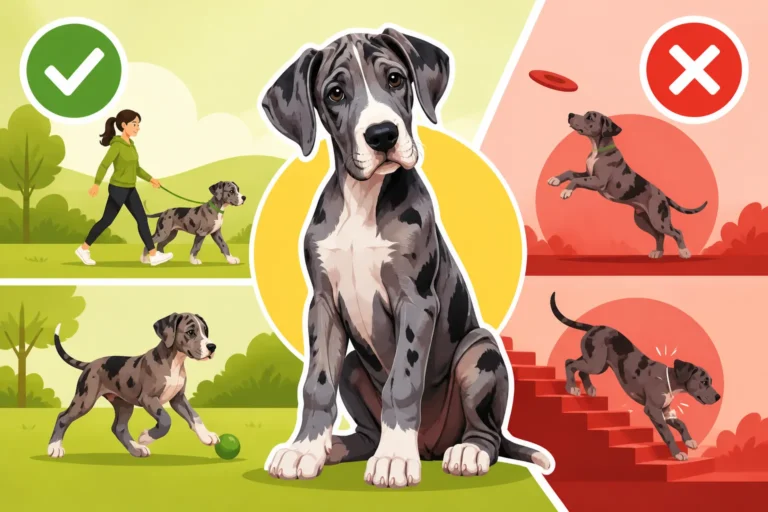
Great Dane exercise limits protect fragile growth plates and prevent lifelong bone and joint damage during rapid growth.

Great Dane counter-surfing behaviors stem from physical height and scavenging instincts, explaining how dogs reach food.
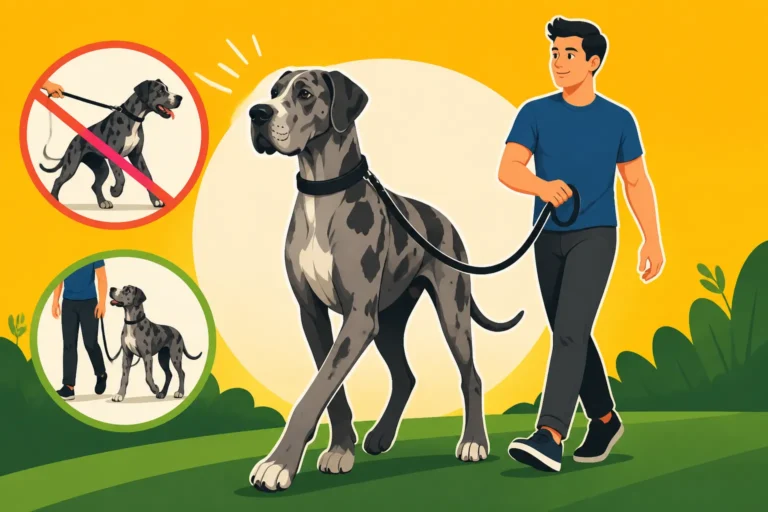
Managing a 150 pound Great Dane requires proper equipment and consistent training strategies to stop dangerous pulling behavior.
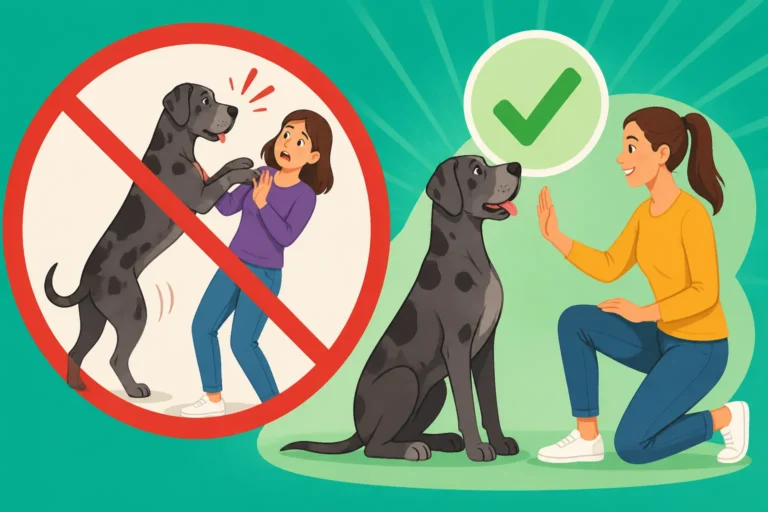
Great Dane jumping behavior and puppyhood habits explain training strategies to teach a 170 pound dog calmer greetings.
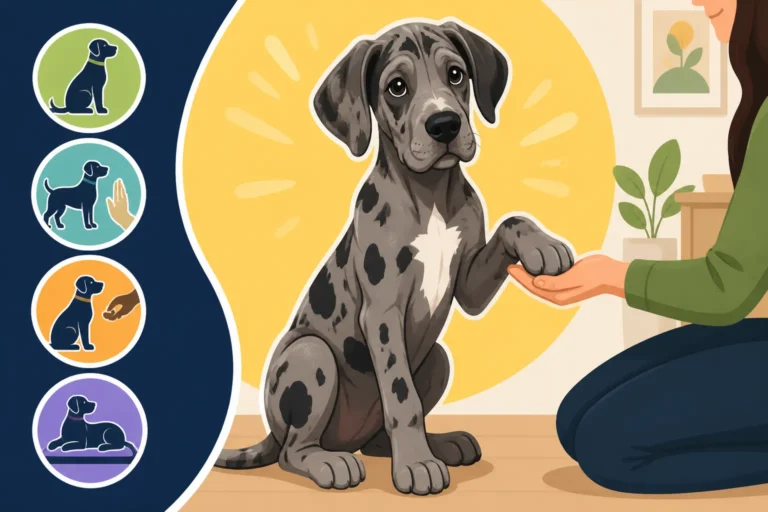
Early training matters because a gangly puppy can outweigh an adult human, and gentle refers to temperament, not to manners like jumping up or leash pulling.