How a Great Dane Heart Enlarges
Many Great Dane owners face the heartbreaking reality of their beloved giants developing severe heart conditions, often without obvious warning signs until the disease is quite advanced. Understanding how a Great Dane's heart enlarges, particularly due to Dilated Cardiomyopathy (DCM), is crucial for early detection, proactive management, and ultimately, extending their quality of life. This guide will meticulously break down the causes, mechanisms, symptoms, diagnosis, and management of this complex health challenge.
Understanding Dilated Cardiomyopathy (DCM) in Great Danes
When we talk about a Great Dane's heart "enlarging," we're almost always referring to Dilated Cardiomyopathy, or DCM. This isn't just about the heart getting bigger in a healthy, muscular way, but rather a profound and dangerous change to its structure and function. It’s a progressive disease that weakens the heart muscle, making it less efficient at pumping blood throughout the body. For a giant breed like the Great Dane, this condition carries particularly grave implications.
What "Enlarged Heart" Truly Means
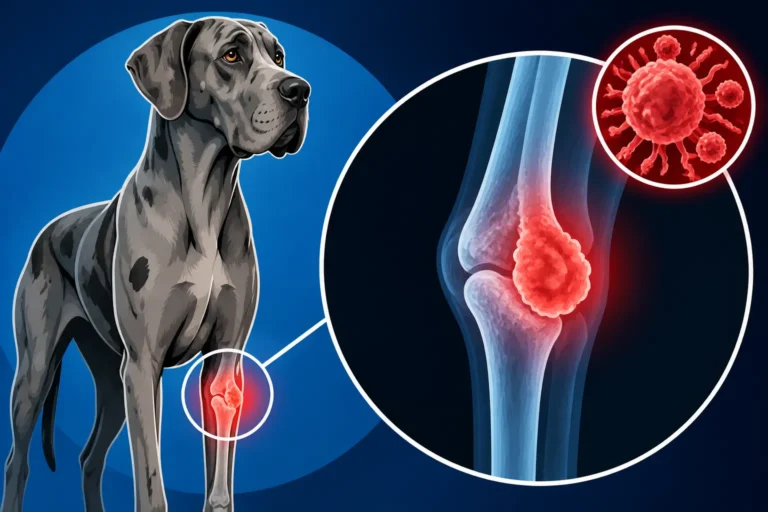
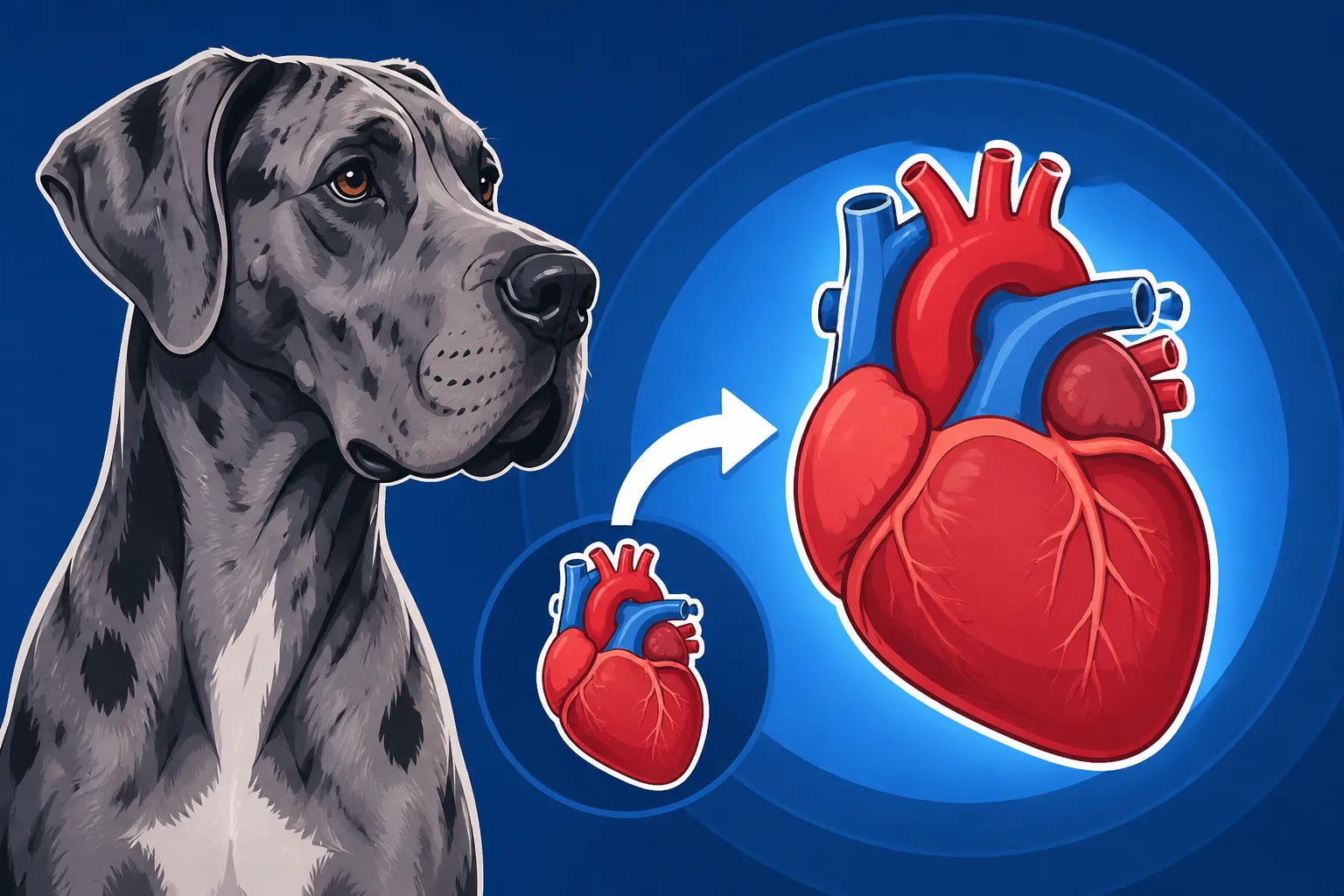
In the context of DCM, an "enlarged heart" doesn't mean a stronger heart. Quite the opposite. Imagine a water balloon that's been stretched too many times; its walls become thin, and it can't snap back with the same force. That's essentially what happens with a DCM heart. The ventricles, especially the left ventricle which is responsible for pumping oxygenated blood to the rest of the body, become dilated, meaning they stretch and become thinner. This dilation reduces the heart's ability to contract effectively, leading to a decreased ejection fraction – the amount of blood pumped out with each beat.
As the heart chambers dilate, the valves within the heart can also be affected, often leading to leakage. This further compromises blood flow and places additional strain on the already struggling heart. Over time, this inefficiency leads to a backup of blood in the lungs or body, a condition known as congestive heart failure. The entire system begins to suffer, impacting everything from energy levels to kidney function, and tragically, it's a major reason why a Great Dane Only Lives Seven to Ten Years.
The Breed-Specific Vulnerability of Great Danes
It’s a sad reality that Great Danes are disproportionately affected by DCM, making it one of the most common causes of death in the breed. This isn't just bad luck; it's deeply rooted in their genetics. While DCM can occur in any dog breed, and even in humans, Great Danes are genetically predisposed to it, alongside other giant breeds like Irish Wolfhounds and Doberman Pinschers. Research continues to identify specific genetic markers linked to DCM in Great Danes, highlighting the importance of responsible breeding practices.
This genetic vulnerability means that even with the best care, some Great Danes will develop the condition. It’s a heartbreaking lottery, and it underscores why breeders should be performing rigorous health screenings on their breeding stock. The incidence is so significant that every Great Dane owner should be aware of the signs and the importance of regular veterinary check-ups focused on cardiac health. Understanding this predisposition helps owners prepare for the possibility and ensures they are vigilant for any subtle changes in their dog's health.
The Silent Progression of DCM in Our Giants
One of the cruelest aspects of DCM is its insidious nature. The disease often progresses silently for months, sometimes even years, before outward symptoms become apparent. Your beloved Great Dane might seem perfectly fine, active, and happy, all while their heart muscle is slowly deteriorating. This "occult" or hidden phase makes early detection incredibly challenging for even the most attentive owner.
Early Cellular Changes Before Symptoms Appear
Long before you notice a cough or a decrease in stamina, the heart muscle cells of a Great Dane with DCM are undergoing significant changes. At a microscopic level, the heart muscle fibers (myocytes) begin to degenerate. They become less organized, and there's often an infiltration of fatty or fibrous tissue, which doesn't contract like healthy muscle. This cellular damage impairs the heart's ability to generate strong, coordinated contractions. Initially, these changes might not affect the heart's overall pumping capacity enough to cause noticeable symptoms. The heart is a remarkably resilient organ and has built-in ways to compensate for minor dysfunction.
During this occult phase, your Great Dane might still be able to run and play, perhaps only showing a fleeting moment of being a little slower on a particularly long walk. These subtle shifts are often dismissed as normal aging or just a lazy day. This is why specialized screening is so critical, especially for a breed like the Great Dane. Without tools like an echocardiogram or Holter monitor, these vital early changes go undetected, robbing us of precious time for intervention.
The Heart's Compensatory Mechanisms
The body is an incredible machine, and the heart has several clever ways to try and compensate when its efficiency starts to wane. Initially, the heart will try to pump harder and faster to maintain adequate blood flow to the body. This is like pressing harder on the gas pedal when your car is struggling to climb a hill. Over time, the heart chambers will also start to stretch and dilate to hold more blood, attempting to increase the stroke volume (the amount of blood pumped with each beat). This is the "enlargement" we observe.
While these compensatory mechanisms initially help to maintain normal function, they are ultimately detrimental. The continuous stretching and increased workload further thin and weaken the already compromised heart muscle. It's a vicious cycle: the heart tries to adapt, but in doing so, it exacerbates the underlying problem, accelerating its own decline. Eventually, these compensatory mechanisms fail, and that's when you start to see the more overt clinical signs of congestive heart failure. It's a critical point where the heart can no longer keep up with the body's demands, leading to the severe symptoms that often send owners rushing to the vet.
Recognizing the Subtle Warning Signs
Identifying DCM in its early stages is like finding a needle in a haystack because Great Danes are often so stoic. They're big, powerful dogs, and they have a high pain tolerance, often masking discomfort until it's quite advanced. This makes it challenging for owners to notice the subtle cues that their giant companion might be struggling with an enlarging heart.
The Elusive Nature of Early Symptoms
Early heart signs in a Great Dane are usually vague and non-specific, easily mistaken for other issues or just a dog "slowing down." You might notice a slight decrease in their usual enthusiasm for walks or play. Perhaps they tire a little more quickly than they used to, or they take longer to recover after a burst of activity. A subtle, soft cough might appear, often at night or when they're resting, which can be dismissed as a bit of kennel cough or even just a noisy sleeper. These symptoms are so mild that many owners don't connect them to a serious underlying condition.
Another common early sign could be a change in appetite or a slight weight loss, but again, these can be attributed to so many other factors. It’s rare for a Great Dane to suddenly become dramatically ill in the early stages of DCM. Instead, it’s a gradual, almost imperceptible decline that slowly chips away at their usual vigor. This is precisely why regular check-ups and open communication with your vet about any changes, no matter how small, are paramount, especially given how short The Seven to Ten Year Great Dane Lifespan can be.
When to Pay Close Attention to Activity and Breathing
As DCM progresses and the heart's compensatory mechanisms begin to fail, the symptoms become a bit more pronounced. You might notice a Great Dane that cannot finish a walk they once enjoyed, stopping to rest more frequently. Their breathing might become slightly labored, especially after exertion, and they might pant more excessively than usual even in cool temperatures. This is often due to fluid building up in the lungs, a hallmark of congestive heart failure. Listening to their breathing while they sleep can offer clues; any gurgling sounds, or an increased respiratory rate when at rest, are red flags.
Owners should also observe their dog's belly. If the right side of the heart is struggling, fluid can accumulate in the abdomen, causing it to appear distended. While this is a later sign, it's something to look out for. Any change in their sleeping position, like preferring to sleep sitting up or with their head elevated, could also indicate difficulty breathing when lying down. It's about really tuning into your dog's normal patterns and noticing any departures, even if they seem minor.
Sudden Collapse and Fainting Episodes
One of the most terrifying and unmistakable signs of advanced DCM is sudden collapse or fainting, medically known as syncope. This occurs when the heart's ability to pump blood to the brain is severely compromised, leading to a temporary loss of consciousness. It can happen during excitement, exercise, or even while simply getting up. A Great Dane that collapses and recovers, seemingly fine moments later, is experiencing a critical cardiac event. This is an emergency and requires immediate veterinary attention.
While less common, some Great Danes with DCM can also experience arrhythmias – abnormal heart rhythms – which can sometimes lead to sudden death. This unpredictable and devastating outcome highlights the urgency of monitoring and treatment. Fainting episodes, even if infrequent, are never normal and should be treated as a serious symptom requiring prompt veterinary diagnosis to determine the underlying cause and intervene as quickly as possible.
Comprehensive Diagnostic Steps
If you suspect your Great Dane might be showing signs of heart trouble, or if you're just being proactive given their breed predisposition, your veterinarian will recommend a series of diagnostic tests. These are designed to not only confirm the presence of DCM but also to assess its severity and rule out other potential issues. This can feel like a lot, but remember, early and accurate diagnosis is key to managing this disease effectively.
The Importance of Regular Cardiac Screening
For a breed so prone to DCM, regular cardiac screening is invaluable, even for seemingly healthy dogs. This is especially true for Great Danes in breeding programs, where The Health Testing a Great Dane Breeder Owes You should always include cardiac evaluations. For pet owners, a yearly check-up should involve your vet listening carefully to your dog's heart for any murmurs or irregular rhythms. While a stethoscope can't diagnose DCM definitively, it can raise suspicion.
A more advanced screening tool is a proBNP blood test. This test measures levels of a hormone released by the heart in response to stretching and stress. Elevated levels can indicate underlying heart disease, even before clinical signs are obvious. It's a good screening tool to consider, especially if your Great Dane is approaching the typical age for DCM onset, usually between 4-8 years old. Remember, early detection, even in the occult stage, can potentially extend their quality of life. Many owners use their pet insurance, like Healthy Paws, to help cover the costs of these preventative screenings.
Advanced Imaging and Tests for Confirmation
When your vet suspects DCM, or if a screening test is abnormal, they will recommend more definitive diagnostic tools. The gold standard for diagnosing DCM and assessing its severity is an echocardiogram. This is a non-invasive ultrasound of the heart that allows a veterinary cardiologist to visualize the heart's chambers, measure their size, assess the thickness of the heart muscle, and evaluate its pumping function. They can see how a Great Dane's heart enlarges in real-time. This test also helps detect any valve leakage or fluid accumulation.
Another crucial diagnostic tool is a Holter monitor. This is a portable ECG device that your Great Dane wears for 24 hours at home. It continuously records their heart's electrical activity, which is vital for detecting arrhythmias like atrial fibrillation in a Great Dane, which are common in DCM. Since arrhythmias can be intermittent, a single ECG at the vet's office might miss them. The Holter monitor provides a comprehensive picture of their heart rhythm over a full day, capturing events that might otherwise go unnoticed. What a Cardiologist Measures in a Great Dane Heart goes far beyond just listening; it's about getting a detailed, scientific picture.
Managing DCM and Improving Quality of Life
Receiving a DCM diagnosis for your Great Dane is devastating, but it's not a death sentence in the immediate sense. While there's no cure for DCM, there are effective medications and management strategies that can significantly improve your dog's quality of life and potentially slow the progression of the disease. The goal is to manage symptoms, support heart function, and minimize the impact on your dog’s daily life.
The Role of Medication in Slowing Progression
Once DCM is diagnosed, your veterinary cardiologist will typically prescribe a cocktail of medications tailored to your Great Dane's specific condition. These medications work in different ways to support the heart and alleviate symptoms. Diuretics, like Furosemide, are often used to reduce fluid accumulation in the lungs (pulmonary edema) or abdomen, helping your dog breathe easier and reducing discomfort. ACE inhibitors, such as Enalapril or Benazepril, help relax blood vessels, reducing the workload on the heart.
A key medication in managing DCM is Pimobendan for a Great Dane (Vetmedin). This drug has a dual action: it helps the heart muscle contract more strongly and also dilates blood vessels, further easing the heart's burden. Studies have shown that Pimobendan can significantly extend the lifespan and improve the quality of life for dogs with DCM. Other medications might include anti-arrhythmics to control irregular heartbeats, or even sildenafil for pulmonary hypertension if present. It's a complex regimen, and the specific combination and dosages will be carefully determined and adjusted by your vet, often requiring follow-up appointments and blood work to ensure optimal effect and monitor for side effects.
Lifestyle Adjustments and Ongoing Monitoring
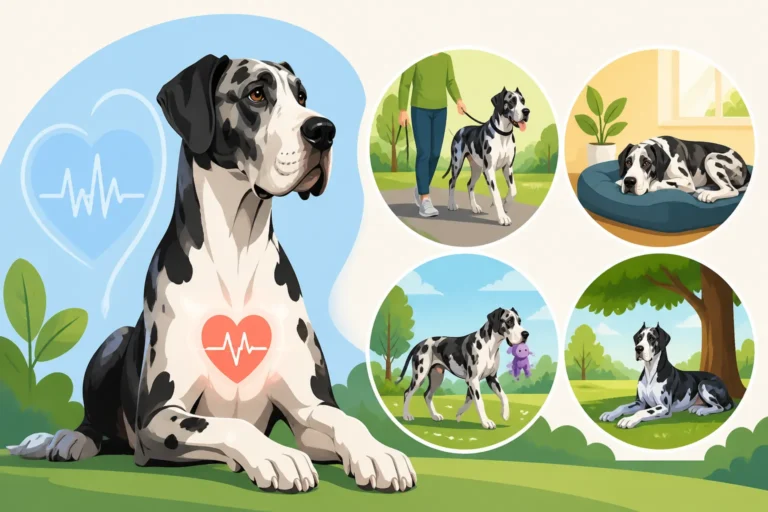
Managing DCM isn't just about medication; it also involves crucial lifestyle adjustments to support your Great Dane's compromised heart. Exercise restriction is often necessary to prevent overexertion, especially during hot weather. While they still need mental stimulation and gentle, short walks, strenuous activities like running or intense play should be avoided. Your vet will advise on How Much a Great Dane With a Weak Heart Can Do. Monitoring their resting respiratory rate at home is also very important; an increase can signal worsening congestive heart failure and requires immediate veterinary consultation.
Dietary considerations are also important. Sodium restriction can help reduce fluid retention, so your vet might recommend a prescription cardiac diet or advise on how to prepare low-sodium homemade meals. Ensuring they have a comfortable, stress-free environment is also key. Regular follow-up visits with your cardiologist, including repeat echocardiograms and blood tests, will be necessary to monitor the disease's progression and adjust medications as needed. This ongoing vigilance, combined with love and attention, is vital in caring for a Great Dane with DCM. While we can't cure it, we can strive to give them the best possible life. Knowing that pet insurance like Healthy Paws can help with the recurring costs of medication and vet visits can be a huge relief during this challenging time.
Proactive Measures and Genetic Considerations
While DCM can be a formidable challenge, there are steps that owners and responsible breeders can take to reduce its prevalence and impact. Understanding the genetic component and making informed choices about nutrition and breeding can make a significant difference in the fight against this heartbreaking disease in Great Danes.
Screening and Responsible Breeding
Given the strong genetic predisposition of Great Danes to DCM, responsible breeding practices are the cornerstone of prevention. Breeders should be meticulously screening their breeding stock before any mating takes place. This involves annual cardiac evaluations by a board-certified veterinary cardiologist, including echocardiograms and Holter monitoring, to detect signs of DCM in adult dogs. When a Great Dane Should Have Its First Echo is typically recommended before breeding. Only dogs with clear cardiac health results should be bred.
Additionally, genetic testing for known DCM-associated mutations, where available, should be utilized. While not all DCM cases are explained by current genetic tests, using them can help avoid breeding two carriers together, which could increase the risk of affected offspring. Prospective puppy buyers should always ask to see the cardiac health certifications for both parents, demonstrating a breeder's commitment to reducing the incidence of DCM in future generations. This diligent approach is critical to improving the overall health and lifespan of the breed.
Nutritional Considerations and Taurine
For years, nutrition has been a hot topic in canine health, and its potential link to DCM has gained significant attention. While the primary cause of DCM in Great Danes is genetic, there have been cases of "nutritional DCM," particularly linked to certain grain-free or boutique diets. These diets sometimes rely heavily on legumes (peas, lentils) and potatoes as primary ingredients, and some research suggests this could interfere with the dog's ability to synthesize or absorb critical nutrients like taurine.
Taurine is an amino acid essential for healthy heart function. While Great Danes are not typically considered a breed with a high risk of taurine deficiency-induced DCM, some individuals might be more susceptible. If your Great Dane is on a grain-free or boutique diet and develops DCM, your vet or cardiologist might recommend a dietary change to a more traditional, well-researched formula and/or a taurine supplement. It's always best to discuss your Great Dane's diet with your veterinarian, especially if you have concerns about heart health or are considering a specialized diet. Ensuring proper nutrition can be one piece of the puzzle in supporting overall heart health, alongside regular screening and excellent veterinary care.
Medication Costs for Great Dane DCM
| Medication Type | Example Drugs | Purpose | Estimated Monthly Cost (Great Dane Dose)* |
|---|---|---|---|
| Pimobendan | Vetmedin | Improves heart contractility, dilates vessels | $100 – $300+ |
| ACE Inhibitor | Enalapril, Benazepril | Relaxes blood vessels, reduces heart workload | $30 – $80 |
| Diuretic | Furosemide | Reduces fluid buildup, helps breathing | $15 – $50 |
| Anti-arrhythmic | Mexiletine, Sotalol | Controls irregular heartbeats | $50 – $150+ |
| Taurine Supplement | Various brands | Supports heart muscle function (if deficient) | $20 – $50 |
Note: These are rough estimates and can vary significantly based on your Great Dane's weight, the specific formulation, pharmacy pricing, and whether generic or brand-name drugs are used. This table does not include the cost of diagnostic tests, vet visits, or emergency care, which can be substantial. Pet insurance can be a huge help with these recurring expenses.
Disclaimer
The information provided in this article is for educational purposes only and is not a substitute for professional veterinary advice. Always consult with a qualified veterinarian or veterinary cardiologist for any health concerns or before making any decisions about your Great Dane's medical care.