Whether a Great Dane Survives a Twisted Stomach
The sudden, terrifying onset of bloat, or Gastric Dilatation-Volvulus (GDV), is a nightmare scenario for any Great Dane owner. One minute your gentle giant is fine, the next they're pacing, retching fruitlessly, and their belly is swelling, leaving you paralyzed with fear and desperate questions. This guide will tackle the most pressing concern in that terrifying moment: what are the chances of a Great Dane surviving a twisted stomach, and what factors play into that outcome?
Understanding the Extreme Urgency of Gastric Dilatation-Volvulus (GDV)
When we talk about a "twisted stomach" in a Great Dane, we're talking about Gastric Dilatation-Volvulus, or GDV. This isn't just an upset tummy; it's a catastrophic medical emergency that progresses with terrifying speed. Great Danes, with their deep chests, are unfortunately predisposed to this condition, making it a constant, lurking fear for owners. The sheer size of these dogs means everything happens on a larger, more critical scale, and the consequences of delay are devastating.
The Ticking Clock: Why Speed Matters
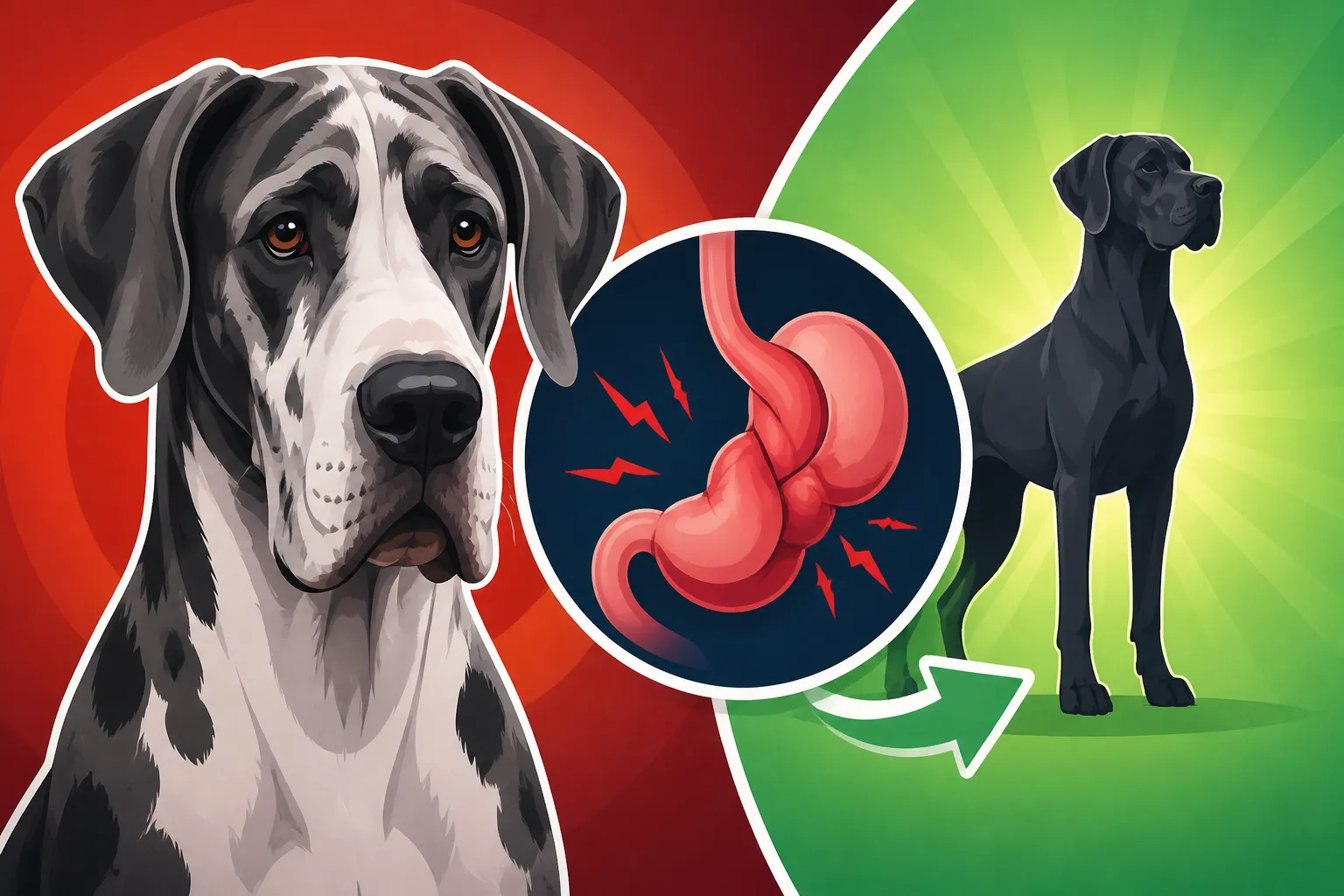
At its core, GDV involves two critical issues: the stomach fills with gas and fluid (dilatation), and then it twists on its axis (volvulus). This twisting cuts off both the entrance and exit to the stomach, trapping its contents and preventing gas from escaping. Far worse, the twist also pinches off major blood vessels, including the large veins that return blood from the hindquarters and abdomen to the heart. This leads to a cascade of life-threatening events.
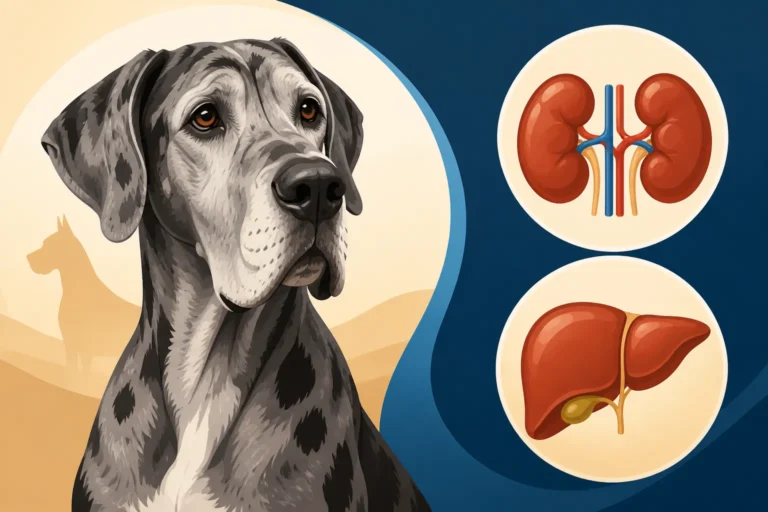
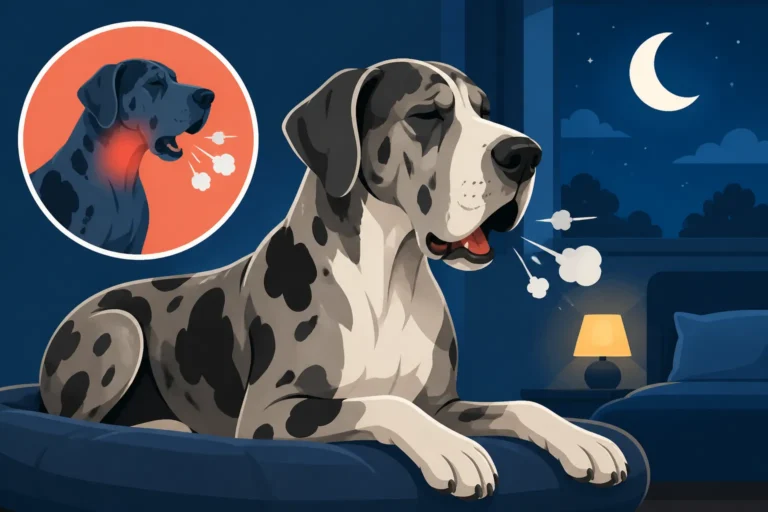
Imagine a balloon inflating inside your dog, then tied off at both ends. The pressure builds rapidly, compressing other organs and the diaphragm, making it hard for your Great Dane to breathe. The lack of blood flow to the stomach wall causes tissue death (necrosis) alarmingly quickly. Toxins build up as blood supply is cut off, and these toxins can then flood the system if the stomach is untwisted too late. The heart muscle can also be directly affected, leading to dangerous arrhythmias. Every minute that passes increases the amount of damage and decreases the chances of survival. This truly is a race against time, where every second feels like an eternity.
Initial Signs and the Grim Reality
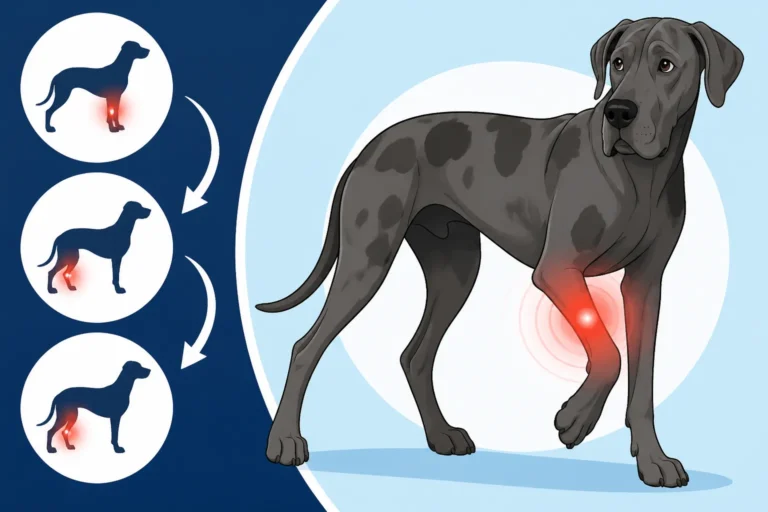
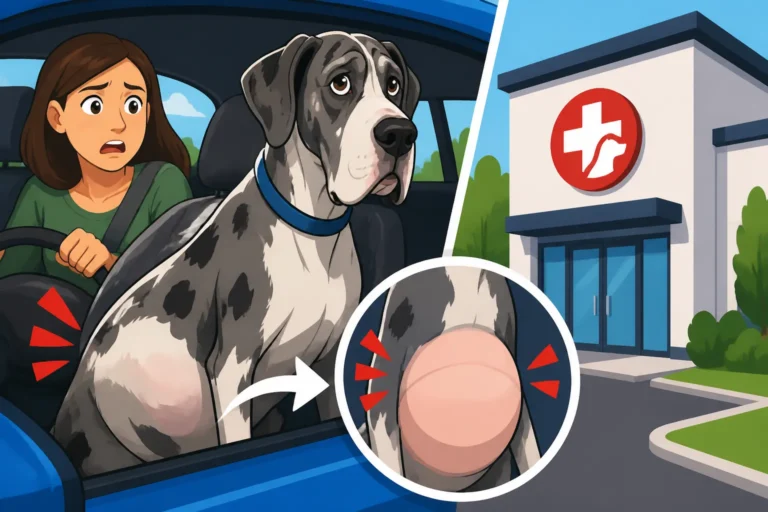
The first signs of GDV can be subtle, which is part of what makes it so insidious. You might notice your Great Dane is restless, pacing, or unable to get comfortable. They might drool excessively or stare at their flank. The classic, undeniable signs usually follow quickly: repeated, unsuccessful attempts to vomit, often described as dry heaving or retching. This is a critical indicator – they're trying to relieve the pressure, but nothing can come out. Their abdomen, particularly on the left side, will become visibly distended and feel tight or drum-like to the touch. They'll show signs of severe pain, possibly panting heavily, weakness, or even collapsing.
The grim reality is that by the time you see these pronounced symptoms, your dog is already in a critical state. They might be going into shock. There’s no home remedy, no waiting to see if it improves. This is not a situation where you can second-guess yourself. The instinct to act immediately, to get your dog to an emergency veterinary clinic right now, is the most crucial part of their potential survival. Many owners beat themselves up for not recognizing the subtle cues earlier, but the truth is, GDV can escalate from mild discomfort to full-blown crisis in less than an hour. Knowing what to look for and, more importantly, what to do the minute you suspect it, is paramount.
Factors Influencing Survival Rates
While GDV is always a severe emergency, the outcome is far from a foregone conclusion. Several critical factors significantly influence whether a Great Dane survives a twisted stomach. It's not just about the vet's skill, but also about the owner's preparedness and swift action.
Time to Veterinary Intervention
This is, without a doubt, the single most impactful factor in a Great Dane's survival with GDV. The faster your dog receives veterinary care, the higher their chances of making it through. Research consistently shows that if a dog undergoes surgery within two to six hours of the onset of symptoms, the survival rate is significantly higher. Beyond that timeframe, the risk of stomach tissue necrosis, severe shock, and irreversible organ damage skyrockets.
Think about it: precious blood flow is being cut off, and tissues are dying. The longer this goes on, the more extensive the damage. This means having a plan in place before an emergency strikes is essential. Do you know where your nearest 24/7 emergency veterinary hospital is located? Is it a twenty-minute drive or an hour? In the world of GDV, those minutes can quite literally be the difference between life and death. If you find yourself in this terrifying situation, remember that How Many Minutes a Bloating Great Dane Has can be counted, and every one of them is critical. Don't hesitate; just go.
Extent of Stomach Damage and Organ Involvement
Once your Great Dane is at the vet, the surgical team will assess the extent of the damage. This is where the long-term prognosis really takes shape. Key questions they'll be answering include:
- Is the stomach wall viable? If the stomach has been twisted for too long, parts of the wall can die due to lack of blood supply. This necrotic tissue must be removed, which is a complex procedure and significantly complicates recovery, increasing the risk of leakage, peritonitis, and sepsis.
- Has the spleen been damaged? The spleen is often twisted along with the stomach, and its blood supply can also be compromised. In severe cases, a splenectomy (removal of the spleen) may be necessary, which adds to the surgical time and post-operative risks.
- Are there cardiac arrhythmias? The severe shock and toxins released during GDV can directly affect the heart, leading to irregular heartbeats (arrhythmias) both before, during, and after surgery. These can be life-threatening and require intensive monitoring and medication. This is a terrifying complication, and it’s important to remember that The Heart Muscle Disease Great Danes Are Prone To can sometimes make them even more vulnerable.
The greater the damage to the stomach and other organs, the lower the survival rate and the higher the risk of post-operative complications. This again underscores the importance of immediate veterinary care.
Surgical Success and Post-Operative Care
The surgery itself is a major undertaking. The veterinary surgeon must carefully untwist the stomach, assess its viability, and often perform a gastropexy (suturing the stomach to the abdominal wall) to prevent future episodes. The success of the surgery hinges on the surgeon's skill and the dog's physiological stability during the procedure.
However, surviving the surgery is only half the battle. The post-operative period is incredibly delicate and demanding. Your Great Dane will require intensive monitoring in the veterinary ICU for several days. This includes:
- Pain management: They'll be on strong pain medications.
- Fluid therapy: To combat shock and maintain hydration.
- Cardiac monitoring: To detect and treat any arrhythmias.
- Monitoring for complications: Such as infection, peritonitis (inflammation of the abdominal lining), or continued shock.
Owners often find this recovery period incredibly stressful. Your Great Dane will likely be quiet, sore, and may not want to eat right away. Vigilance from both the veterinary staff and, later, the owners at home, is crucial. For more details on what to expect, consider reading about Recovery After Great Dane Bloat Surgery.
The Role of Preparedness and Prevention
While GDV is terrifying, understanding its risks and being prepared can drastically improve your Great Dane's chances of survival. Proactive measures aren't just about reducing risk; they're about ensuring you can respond effectively when seconds count.
Financial Preparedness and Pet Insurance
Let's be blunt: a twisted stomach is an incredibly expensive emergency. The emergency vet visit, diagnostics (X-rays), IV fluids, medications, complex surgery, and several days of intensive care can easily run into thousands of dollars—often between $3,000 to $8,000, and sometimes even more, depending on the hospital and complications. For many families, this is an unexpected and crushing financial burden that can force heartbreaking decisions.
This is where pet insurance becomes an absolute lifesaver for Great Dane owners. A good comprehensive policy, like those offered by Healthy Paws, can cover a significant portion of these emergency costs. Having a policy in place means that when you're faced with the devastating news of GDV, you can focus purely on your dog's health and treatment options, rather than being paralyzed by the bill. Many Great Dane owners specifically seek out insurance providers like Healthy Paws that have strong reputations for covering emergency conditions like bloat. It's a proactive step that can literally buy your dog more time and better care.
If pet insurance isn't a feasible option, establishing an emergency savings fund specifically for your dog's health can provide a crucial safety net. The reality is, Great Danes, due to their size and predispositions, often incur higher veterinary bills for various conditions throughout their lives. This financial preparedness is a non-negotiable part of responsible Great Dane ownership, as discussed in Insuring a Great Dane Against Bloat and Heart Bills.
Preventive Gastropexy
Perhaps the most impactful preventative measure you can take against GDV's twisting component is a prophylactic gastropexy. This surgical procedure involves permanently attaching a portion of the stomach wall to the abdominal wall, preventing it from twisting. While it doesn't prevent the stomach from dilating (bloating with gas), it drastically reduces the risk of the life-threatening volvulus (twisting) by up to 90-95%.
Many Great Dane owners opt for this procedure when their dog is young, often at the same time as spaying or neutering. Stomach Tacking Surgery for a Great Dane can be done laparoscopically (minimally invasive) or as an open surgery, and the recovery is generally much smoother than emergency GDV surgery. It's a significant investment, but when you consider the cost and emotional toll of an emergency bloat episode, many consider it priceless. Researching Whether Tacking a Great Dane Stomach Pays Off often leads owners to the conclusion that this preventive step is absolutely worth it. Discuss with your vet the ideal time for The Age to Tack a Great Dane's Stomach for your particular dog. Even with a gastropexy, you must still be vigilant for bloat signs, as the stomach can still fill with gas, causing discomfort and requiring veterinary attention, but the immediate life-threatening twist is largely mitigated.
Other Preventative Measures and Vigilance
Beyond a gastropexy, there are other management strategies that Great Dane owners often adopt to lower the overall risk of bloat:
- Multiple Small Meals: Instead of one or two large meals, dividing your Great Dane's daily food intake into two or three smaller meals can reduce the amount of gas and food in the stomach at any one time. This is a common recommendation for Meal Habits That Cut a Great Dane's Twist Risk.
- Slow Feeding: If your Great Dane is a fast eater, using a slow-feeder bowl or placing a large, clean rock in their bowl can help slow them down, reducing the amount of air they swallow while eating.
- Restrict Exercise Around Meals: Avoid strenuous exercise, excessive play, or even major stress for at least an hour before and two hours after meals. This reduces the chances of the stomach jostling around while full. Understanding Whether Exercise After Meals Bloats a Great Dane is crucial.
- Water Access: Ensure continuous access to fresh water, but avoid allowing them to gulp large amounts right before or after meals.
- Monitor Stress: While not a direct cause, stress can contribute to GI upset and potentially trigger bloat. Try to minimize stressful situations, especially around feeding times.
While these measures can help, none of them offer the same level of protection as a gastropexy. They are complementary strategies to be used in conjunction with a watchful eye and a readiness to act if symptoms arise. Understanding The Lifetime Bloat Risk in a Great Dane helps owners appreciate the importance of these ongoing efforts.
The Hard Truth About Survival and Quality of Life
Facing GDV is one of the toughest challenges a Great Dane owner will ever encounter. While modern veterinary medicine has made incredible strides, it's vital to have a realistic understanding of survival rates and what life looks like afterward.
The Statistics and What They Mean
When a Great Dane experiences GDV, the survival rate is generally reported to be between 70% and 85% with prompt veterinary intervention and surgery. This range can vary widely based on the factors we've already discussed, particularly the time elapsed before treatment and the extent of the damage to the stomach and other organs.
Let's break that down:
- Higher Survival: If your Great Dane gets to the emergency vet very quickly (within 2-4 hours), and there's no significant stomach tissue necrosis, the prognosis is much better, often on the higher end of that 70-85% range.
- Lower Survival: If there's a significant delay in treatment, or if parts of the stomach are dead (necrotic) and need to be removed, the survival rate drops considerably, sometimes to 50% or even lower. The risk of life-threatening cardiac arrhythmias post-surgery also impacts these numbers.
It’s a tough reality that even with the best care, not every Great Dane will survive a twisted stomach. The sheer physical insult to their system can be overwhelming, and complications like sepsis, peritonitis, or intractable cardiac issues can arise even after successful surgery. This isn't a reflection of your love or the vet's skill; sometimes, the damage is simply too extensive.
| Factor | Impact on Survival Rate (Approximate) |
|---|---|
| Early Intervention (<4 hours) | 80-90% |
| Delayed Intervention (>6 hours) | 50-70% |
| No Gastric Necrosis (Tissue Death) | 85-95% |
| With Gastric Necrosis (Tissue Death) | 30-60% |
| Prophylactic Gastropexy (Prevents Twist) | ~95% prevention of volvulus |
Note: These are approximate ranges and can vary based on individual circumstances, veterinary care quality, and specific studies.
Post-Survival Life and Long-Term Outlook
For those Great Danes who survive the harrowing experience of GDV and its subsequent surgery, the long-term outlook is generally good, especially if a gastropexy was performed during the emergency surgery. A successful gastropexy means the chance of the stomach twisting again is very low – typically less than 5%. This is a huge relief for owners, as it removes the constant terror of recurrence.
However, survival doesn't always mean a return to exactly how things were before. Some Great Danes may experience:
- Digestive Sensitivities: They might have a more sensitive stomach, requiring careful diet management, smaller meals, and continued monitoring of their eating habits.
- Cardiac Monitoring: If cardiac arrhythmias were a significant issue during the crisis, ongoing heart monitoring or medication might be necessary.
- Behavioral Changes: Some dogs might show residual anxiety or discomfort around meal times, or become more withdrawn for a period as they recover from the trauma. Patience and gentle reassurance are key here.
- Overall Health Vigilance: Owners who have been through a GDV scare tend to be much more vigilant about their dog's overall health, perhaps noticing subtle changes more quickly. This isn't a bad thing; it means a more attentive approach to their Great Dane's well-being.
Ultimately, a Great Dane that survives a twisted stomach can absolutely go on to live a full, happy life. The experience is traumatic for everyone involved, but the combination of immediate action, expert veterinary care, financial preparedness, and a preventative gastropexy can make a profound difference in the outcome. It reminds us of the delicate balance in these magnificent dogs' lives and why owners commit so much to their care, even knowing What a Great Dane Costs Across Eight Years and beyond.
Disclaimer
This article is for general informational purposes only and does not constitute professional advice. Laws, prices and regulations vary by location and change over time. Consult a qualified professional for guidance on your specific situation.