Hip Replacement in a Great Dane
Witnessing your beloved Great Dane struggle with pain, especially when it comes from something as fundamental as their hips, is utterly heartbreaking. You see that awkward gait, the reluctance to bound up for a greeting, or the difficulty just getting up after a nap, and your heart sinks. This guide is here to walk you through everything you need to know about hip replacement surgery for Great Danes, from understanding the underlying issues to navigating the recovery and costs, helping you make informed decisions for your giant companion.
Understanding Great Dane Hip Issues
Great Danes are magnificent, but their rapid growth and immense size, while awe-inspiring, also make them prone to certain orthopedic challenges. Their joints, especially their hips, bear a tremendous load, and sometimes, they just don't form or hold up as perfectly as we'd wish.
The Anatomy of a Great Dane Hip
Imagine the hip as a perfect ball-and-socket joint, designed for smooth, effortless movement. The "ball" is the head of the femur (thigh bone), and the "socket" is part of the pelvis, called the acetabulum. These two surfaces are covered in smooth cartilage and held together by strong ligaments, all encased in a joint capsule filled with lubricating fluid. For a Great Dane, whose growth plates are active for a long time and whose sheer mass puts constant pressure on these developing structures, any slight imperfection can lead to significant problems down the line. It's a delicate balance of bone, cartilage, and soft tissue, all of which need to work in perfect harmony.
Common Hip Conditions Affecting Great Danes
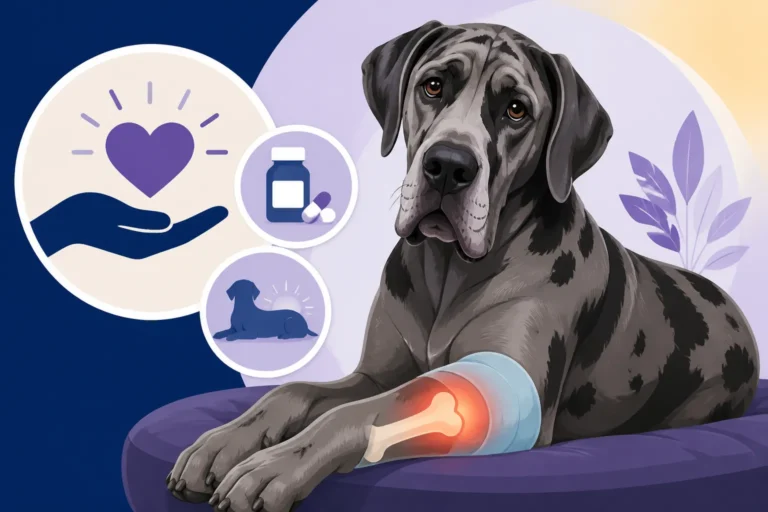
The most prevalent hip problem in Great Danes is hip dysplasia (HD). This isn't a single disease but a developmental condition where the ball and socket don't fit together properly. Instead of a snug, smooth fit, there's a looseness or laxity in the joint. Over time, this abnormal movement causes wear and tear on the cartilage, leading to bone spurs, inflammation, and ultimately, painful arthritis. While some dogs show signs young, others might not exhibit severe symptoms until middle age or later, as the cumulative damage builds up. It's a condition that can often be traced back to genetics, though environmental factors like nutrition and exercise during puppyhood can play a significant role. If you're exploring the broader spectrum of joint health, you might find our article on Great Dane Hips, Elbows and Growing Joints particularly insightful.
Beyond hip dysplasia, Great Danes can, like any large breed, suffer from other degenerative joint diseases or even trauma that affects the hip. However, HD is the big one that often sets the stage for chronic pain and mobility issues. The persistent inflammation and structural breakdown from dysplasia inevitably lead to secondary osteoarthritis, which is the grinding, painful reality many Danes face as they age.
Recognizing the Signs of Hip Pain
It's crucial for Great Dane owners to be vigilant about subtle changes in their dog's movement or behavior. Because they're such stoic creatures, they might try to hide discomfort until it's quite advanced. Early signs of hip pain can include a noticeable limp, especially after rest or exercise. You might observe a "bunny hopping" gait, where both back legs move together as a unit rather than independently, which is their way of minimizing pain.
Other indicators include reluctance to jump into a car, climb stairs, or even get up from a lying position. They might start favoring one leg, or become less active overall, foregoing walks or playtime they once enjoyed. Sometimes, you'll notice muscle atrophy in the hindquarters due to disuse, or an unusual swaying in their hips when they walk. Catching these signs early is key to exploring intervention options. If you've noticed your Dane is showing any sign of A Great Dane That Limps Without an Injury, it's definitely time to schedule a vet visit.
Diagnosing Hip Problems and Considering Options
Once you suspect your Great Dane is experiencing hip pain, the next step is a thorough veterinary assessment. This will help confirm the diagnosis and explore the best path forward for your gentle giant.
The Diagnostic Process
Your veterinarian will start with a comprehensive physical examination. They'll observe your Dane's gait, feel their hips for any instability, pain, or grinding (crepitus) during manipulation, and assess their range of motion. This initial hands-on evaluation gives a good indication of where the problem might lie. To truly confirm hip dysplasia or other structural issues, X-rays are indispensable.
Properly positioned X-rays, often requiring sedation, are vital to get clear images of the hip joints. Sedation ensures the dog is relaxed, allowing for optimal positioning to reveal the exact degree of laxity, the shape of the femoral head and acetabulum, and the extent of any arthritic changes. These images provide your vet with a detailed roadmap of your Dane's hip health, crucial for making informed treatment recommendations. Understanding Great Dane Hip and Elbow Screening can give you more context on how these evaluations are performed and what they mean.
Non-Surgical Management Strategies
For many Great Danes with hip issues, particularly those with mild to moderate dysplasia or in the early stages of arthritis, a non-surgical approach is often the first line of treatment. The goal here is to manage pain, reduce inflammation, and improve joint function, thereby enhancing their quality of life. This typically involves a multi-modal strategy tailored to your dog's specific needs.
Pain management often includes Non-Steroidal Anti-Inflammatory Drugs (NSAIDs) prescribed by your vet, which can significantly reduce pain and inflammation. Beyond medication, joint supplements containing ingredients like glucosamine, chondroitin, and MSM can help support cartilage health, while omega-3 fatty acids (like fish oil) have natural anti-inflammatory properties. Weight management is paramount for Great Danes with hip issues; even a few extra pounds put immense strain on already compromised joints. Keeping your Dane lean is one of the most effective ways to slow the progression of arthritis and reduce discomfort.
Controlled, low-impact exercise, such as short, frequent walks on soft surfaces, rather than vigorous running or jumping, is important. Physical therapy, including hydrotherapy (swimming or underwater treadmill), can be incredibly beneficial. These therapies help build muscle strength around the joint, improve range of motion, and reduce pain without putting excessive strain on the hips. These conservative measures are often effective for managing Arthritis in a Six-Year-Old Great Dane and can delay or sometimes even prevent the need for more invasive procedures. The ongoing costs of these long-term medications, supplements, and therapies can add up quickly, which is where having a robust pet insurance plan from providers like Healthy Paws can truly make a difference, helping you afford the best care without undue financial stress.
When to Consider Surgery
Deciding when to transition from conservative management to surgical intervention is a significant decision, and it's one you'll make in close consultation with your veterinary team, possibly including an orthopedic specialist. Surgery usually becomes a serious consideration when non-surgical methods are no longer effectively controlling your Great Dane's pain or significantly improving their mobility. If your Dane's quality of life is severely impacted – if they can barely get up, are in constant discomfort despite medication, or are losing their joy in daily activities – then surgery may offer the best chance for a substantial improvement.
It's a tough call because of the inherent risks and recovery involved with any major surgery, especially for a giant breed. However, for a dog suffering from severe hip dysplasia, a successful hip replacement can be truly life-changing, restoring mobility and eliminating chronic pain. The decision matrix often weighs the degree of pain, the progression of joint damage, the dog's overall health and age, and your family's ability to commit to the post-operative care.
The Great Dane Hip Replacement Procedure
If conservative treatments aren't enough, total hip replacement (THR) stands as the gold standard for treating severe hip dysplasia and arthritis, offering a chance for a pain-free, active life.
What Total Hip Replacement THR Entails
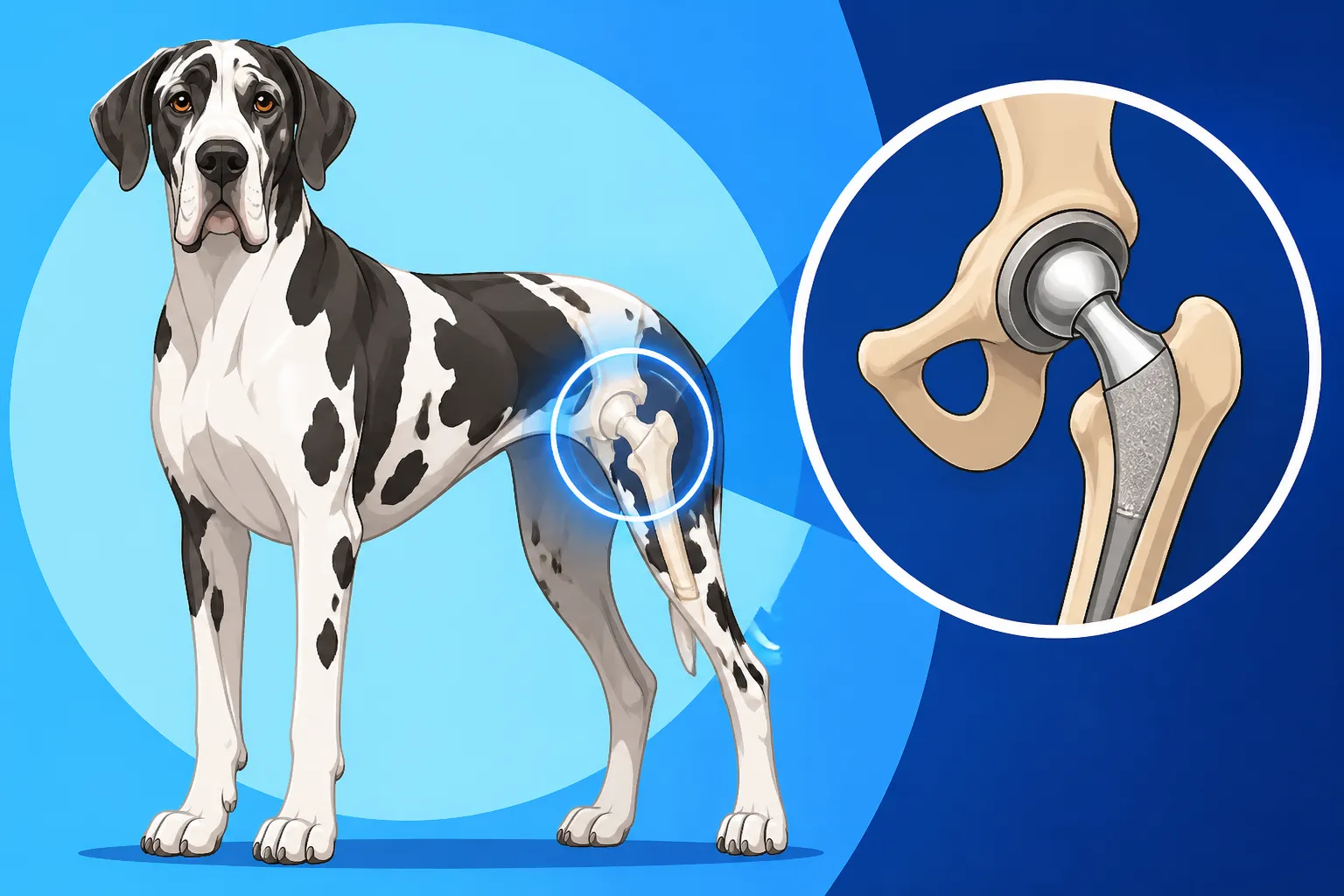
Total Hip Replacement (THR) is a highly specialized orthopedic surgery where the damaged femoral head (the "ball") and the acetabulum (the "socket") are completely removed and replaced with artificial implants made of metal and polyethylene. For a Great Dane, these implants are significantly larger than those used for smaller breeds, requiring specialized instrumentation and surgical expertise. The goal is to create a perfectly functioning, pain-free joint.
The procedure involves meticulous removal of the diseased bone and cartilage, followed by the insertion of a new femoral stem into the thigh bone, topped with a new ball, and a new cup fitted into the pelvis. These components are designed to articulate smoothly, mimicking a healthy natural joint. Due to the complexity and precision required, THR is performed by board-certified veterinary orthopedic surgeons in facilities equipped for such advanced procedures. It's a testament to modern veterinary medicine that such an intricate surgery can restore mobility to a dog of a Great Dane's size.
Pre-Surgical Preparations and Risks
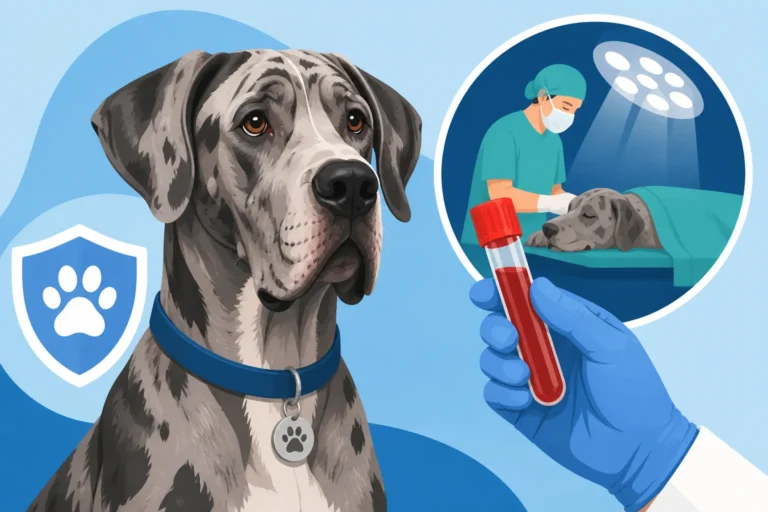
Preparing a Great Dane for total hip replacement involves a thorough pre-surgical workup to ensure they are healthy enough for the procedure. This includes comprehensive blood tests, urinalysis, and often a cardiac evaluation to assess heart function, as Great Danes are prone to certain heart conditions. Radiographs of the chest may also be taken to check lung health. Your vet will discuss all potential risks, including those associated with anesthesia, which can be heightened for giant breeds. For a deeper dive into anesthesia considerations, you might want to read our article on Anesthesia Risk in a Great Dane.
Potential complications of THR can include infection at the surgical site, luxation (dislocation) of the new joint, nerve damage, or loosening of the implants over time. While these risks are relatively low in the hands of an experienced surgeon, they are serious and must be considered. Open communication with your surgical team about these possibilities is essential to set realistic expectations for the outcome and recovery.
The Recovery Journey
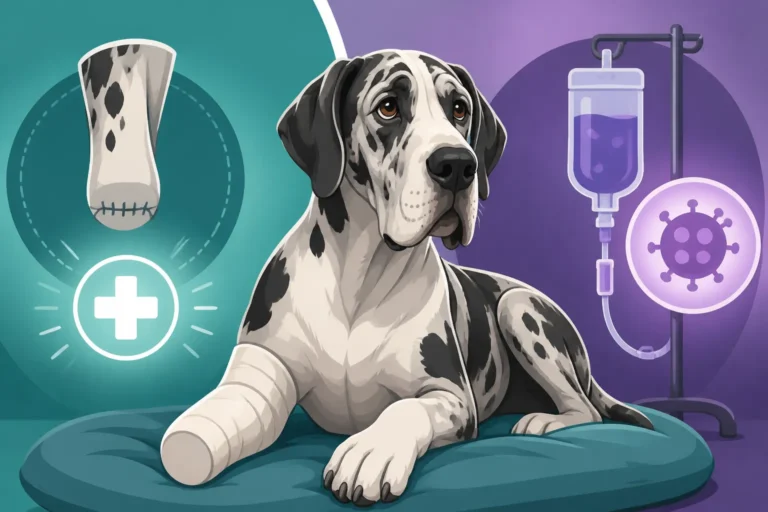
The recovery from a Great Dane hip replacement is a journey that demands patience, dedication, and meticulous care. Immediately following surgery, your Dane will be hospitalized for several days, receiving pain management and close monitoring. Once home, strict activity restriction is paramount for the first 6-8 weeks. This means no running, jumping, climbing stairs, or rough play – a challenging feat for a dog who might already be feeling much better! Leash walks for bathroom breaks will be carefully controlled, and crate rest or confinement to a small, safe area will be necessary to protect the healing joint. You may also need to employ Mobility Aids for a Failing Great Dane to assist them during the early stages of recovery.
Physical therapy is a critical component of successful recovery, often starting soon after surgery with passive range of motion exercises and gradually progressing to more active therapies. These exercises help rebuild muscle mass, improve joint stability, and restore a normal gait. This might include hydrotherapy, controlled walking exercises, and therapeutic massages. The full recovery period can span several months, but with diligent care, most Great Danes go on to enjoy a significant improvement in mobility and a greatly reduced level of pain, leading to a much higher quality of life. The expenses associated with physical therapy and follow-up appointments during this critical period can be substantial, and having pet insurance like Healthy Paws can ease the financial burden, ensuring your Dane gets all the necessary post-operative care.
Cost Implications and Financial Planning
The decision to pursue a hip replacement for your Great Dane is not just an emotional one, but a significant financial commitment. Understanding the costs involved upfront is vital for planning and peace of mind.
Understanding the High Cost of THR
Total Hip Replacement is one of the most expensive veterinary procedures, especially for a giant breed like a Great Dane. The cost can vary widely depending on your geographic location, the specific veterinary surgical center, the surgeon's fees, the type of implants used, and the complexity of the individual case. Generally, you can expect the cost for one hip replacement to range from $5,000 to $9,000 or even more. This figure typically includes the pre-surgical diagnostics, the surgery itself (anesthesia, surgeon's fees, operating room time, implants), hospitalization, and initial post-operative care.
However, it's crucial to remember that this initial cost doesn't always cover everything. Additional expenses will arise from follow-up examinations, medications, and especially the extensive physical rehabilitation that is critical for a successful outcome. Some Danes may even require bilateral hip replacements, essentially doubling the core surgical cost. For a more general understanding of potential expenses, you might find our guide on What Fixing a Great Dane Hip Runs helpful in estimating overall orthopedic costs.
The Role of Pet Insurance
Given the high costs associated with major surgeries like a total hip replacement, pet insurance can be an absolute lifeline for Great Dane owners. Many owners find themselves in a difficult position, having to choose between their dog's well-being and their financial capabilities. Pet insurance helps bridge that gap, allowing you to prioritize your pet's health without facing devastating financial hardship.
When considering pet insurance, it's vital to enroll your Great Dane before any signs of hip dysplasia or other conditions emerge, as most policies will consider these "pre-existing conditions" and will not cover them if diagnosed before or during the waiting period. A good pet insurance plan, such as those offered by Healthy Paws, can cover a significant percentage (often 70-90%) of the eligible costs for accidents and illnesses, including major surgeries like THR. It's truly a game-changer when you're facing a multi-thousand-dollar veterinary bill. We've also detailed the broader implications of Insuring a Great Dane Against Bloat and Heart Bills which touches upon how these policies are structured and what to look for.
Planning for Unexpected Veterinary Expenses
Even with pet insurance, there will always be deductibles, co-pays, and potentially non-covered services or conditions. Therefore, it's wise to have additional financial plans in place. Building an emergency fund specifically for your Great Dane's health is highly recommended. This could be a dedicated savings account that you contribute to regularly. For large, unexpected costs, some veterinary practices offer payment plans, or you might consider medical credit options like CareCredit.
The key is proactive planning. Don't wait until an emergency strikes to think about how you'll pay for it. Combining a strong pet insurance policy – from a reputable provider like Healthy Paws – with a personal emergency fund provides the most robust financial safety net for your Great Dane. This foresight can prevent you from making heartbreaking decisions based on cost, allowing you to focus purely on your beloved companion's recovery and comfort.
Comparing Hip Care Options
To help visualize the choices available, here's a brief comparison of non-surgical management versus Total Hip Replacement (THR) for Great Danes with hip issues.
| Feature | Non-Surgical Management | Total Hip Replacement (THR) |
|---|---|---|
| Goal | Manage pain, slow progression of arthritis, improve comfort | Eliminate pain, restore normal joint function |
| Conditions Suited For | Mild to moderate dysplasia, early arthritis, senior Danes | Severe dysplasia, debilitating arthritis, failed medical management |
| Approach | Medication, supplements, controlled exercise, physical therapy, weight management | Surgical removal and replacement of hip joint |
| Cost | Ongoing, variable (meds, supplements, therapy sessions) | High upfront cost (thousands), plus recovery costs |
| Recovery Time | No specific "recovery" but ongoing management | Several months of strict rest and physical therapy |
| Potential Outcome | Reduced pain, improved comfort, maintained mobility | Pain-free joint, significantly improved mobility/function |
| Risks | Side effects of long-term medication, continued pain | Anesthesia, infection, luxation, implant failure |
| Longevity | Depends on progression of disease | Implants designed to last the life of the dog |
| Pet Insurance | Covers eligible medications/therapy after deductible | Covers eligible surgical costs after deductible |
Disclaimer
The information provided in this article is for educational purposes only and is not intended as a substitute for professional veterinary advice. Always consult with a qualified veterinarian regarding your Great Dane's health conditions, diagnoses, and treatment options.