The Great Dane Head Shape Judges Want
For anyone who’s ever admired the regal bearing of a Great Dane, there's an undeniable allure to their majestic appearance, and so much of that comes down to their magnificent head. But for those involved in the breed, especially aspiring breeders or show enthusiasts, understanding the exact nuances of what makes a Great Dane's head "correct" by the breed standard can feel like trying to decipher an ancient riddle. This guide will walk you through precisely what judges are looking for when they examine a Great Dane's head, helping you appreciate the fine details that contribute to the breed's iconic look.
Understanding the Great Dane Breed Standard's Ideal Head
When you step into the world of dog shows, or even just delve into responsible breeding, you quickly learn that every single part of a dog is meticulously described in its breed standard. For the Great Dane, often called the "Apollo of Dogs," the head is paramount, setting the tone for the entire dog's noble presence. It’s not just about aesthetics; a correct head structure reflects the breed's history and purpose. It’s a complex interplay of shape, proportion, and expression that communicates intelligence, dignity, and strength.
The Overall Impression: Balance and Expression
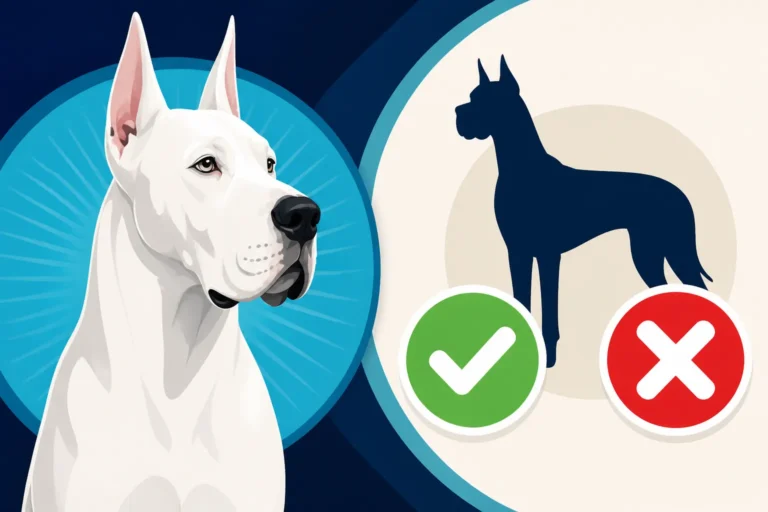
The first thing a judge sees, and frankly, what anyone notices, is the overall impression of the Great Dane's head. It should be long, powerful, finely chiseled, and importantly, well-balanced with the rest of the dog's majestic physique. Imagine a powerful sculptor creating a masterpiece – every curve and line serves a purpose and contributes to the harmonious whole. There should be no feeling of coarseness, nor should it appear too delicate or refined for such a large dog. The head should convey an impression of great intelligence and animation, often described as an alert and confident gaze. This isn't just about the physical components but how they come together to create that characteristic Great Dane look. A head that is too blocky or too snipey immediately detracts from this desired balance and nobility.
The expression is particularly vital. It's often said that the eyes are the windows to the soul, and for a Great Dane, they speak volumes. A true Dane's expression should be alert, intelligent, and friendly, never shy, vacant, or aggressive. The way the eyes are set, the arch of the brow, and the shape of the muzzle all contribute to this. A good expression is what makes a Great Dane's face so captivating and approachable, despite its imposing size. It’s a hallmark of the breed's "gentle giant" temperament. The Great Dane the Show Ring Is Looking For delves into how all these elements come together for a winning dog.
Crucial Proportions: Skull to Muzzle Ratio
One of the most critical elements in assessing a Great Dane's head is its proportions, specifically the ratio between the skull and the muzzle. The breed standard calls for a head where the length of the muzzle is equal to the length of the skull. This 1:1 ratio is absolutely fundamental. Picture a perfect square, then imagine the line extending from the tip of the nose to the stop (the indentation between the eyes), and then another line from the stop to the occiput (the bump at the back of the skull). These two segments should be of equal length. This isn't just a guideline; it's a non-negotiable aspect of the breed's type.
Many Great Danes unfortunately fall short in this area, often having muzzles that are too short, leading to a "dish-faced" or "pig-like" appearance, or sometimes, less commonly, muzzles that are too long, giving a "Roman nose" effect. Both extremes disrupt the balance and power that the standard demands. Getting these proportions right requires careful breeding choices, and breeders spend years striving for this ideal. It's a key indicator of a well-bred Dane, and a judge will notice any deviation instantly. Understanding this ratio helps you see why some Great Danes have that perfect "classic" look, while others, though still beautiful, don't quite hit the mark according to the standard.
Deconstructing the Great Dane Skull and Forehead
Beyond the overall proportions, the individual components of the skull and forehead hold significant weight in the judging ring. Each detail contributes to the overall strength and refinement of the Great Dane's head. It’s a testament to the breed’s heritage as a powerful hunting dog, requiring a skull strong enough to hold its prey, yet refined enough to maintain a noble appearance.
The Flatness of the Skull and the Stop
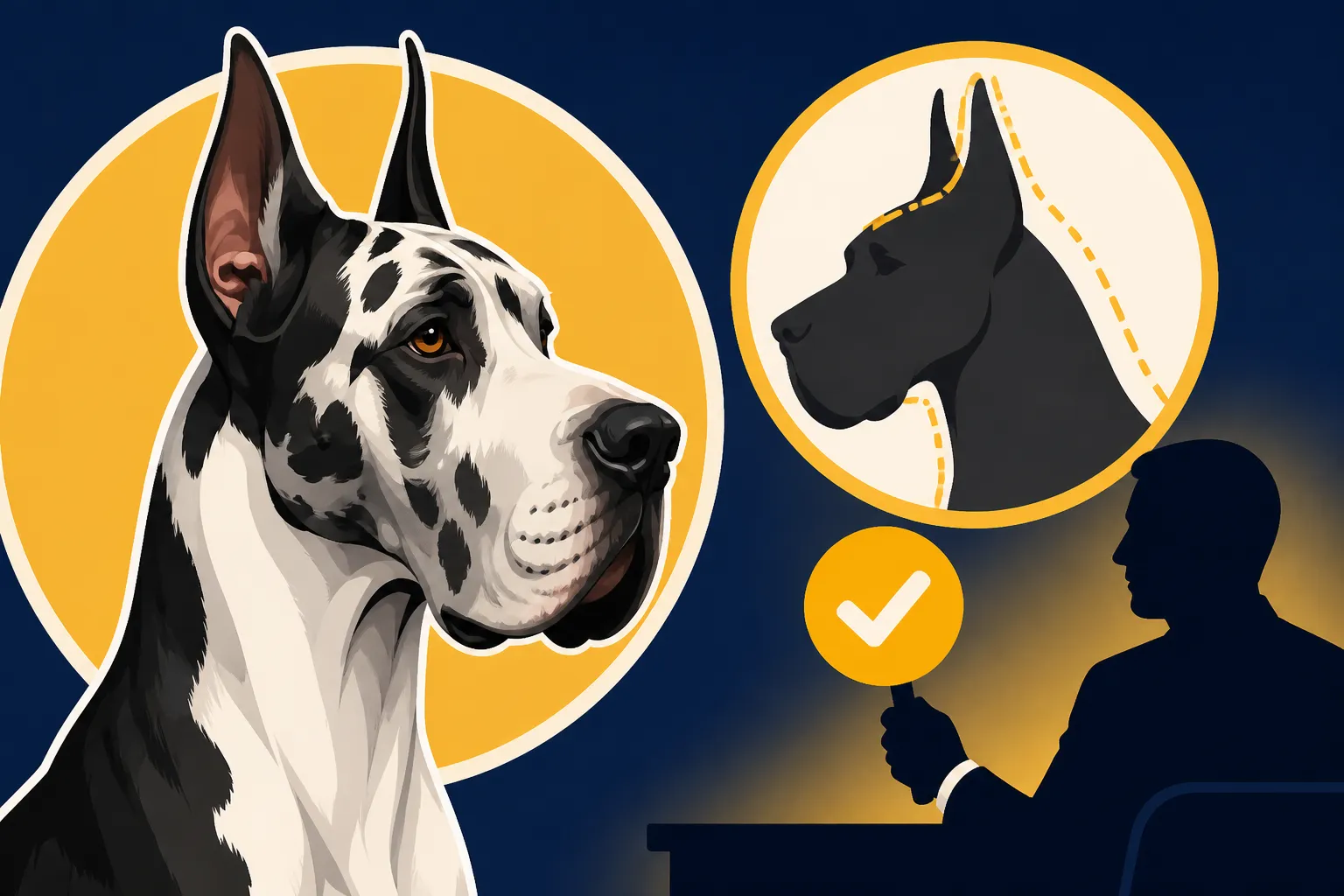
The skull of a Great Dane, viewed from the side, should appear flat and parallel to the top line of the muzzle. This "parallel planes" concept is another cornerstone of the breed standard. From above, the skull should be relatively broad, not narrow or dome-shaped, and definitely not too rounded. Think of it as a broad, flat expanse that contributes to the powerful jaw and broad muzzle. A rounded or apple-shaped skull is considered a serious fault, as it takes away from the commanding presence and distinct profile of the Dane.
The stop, the transition point between the skull and the muzzle, is equally important. It should be clearly defined, creating a noticeable indentation, but not so abrupt as to create a "chopped off" look. It should be a gradual, yet distinct, rise. A weak or non-existent stop makes the head appear slab-sided and lacking character, while an overly pronounced stop gives an exaggerated, almost "smushed" look that is far from the desired elegance. This clear, moderate stop, combined with the flat skull, forms the basis for that classic Great Dane profile. You can see how essential The Great Dane Neck and Topline is in presenting this head structure proudly.
Cheek Muscles and Under Eye Fill
The musculature of the cheeks and the fill under the eyes are crucial for conveying power without coarseness. The cheek muscles should be flat, not prominent or bulging. You want to see strength, but not an impression of a "chubby" or overly developed face. Prominent cheeks can make the head appear wider than it should be and detract from the finely chiseled appearance. This sleekness indicates proper muscle tone and bone structure, not a lack of substance.
Equally important is the fill under the eyes. This area, just below the orbits, should be well-filled, not hollow or sunken. A good fill contributes to the powerful yet refined expression. When this area is hollow, it can make the dog look gaunt or give a poor, almost worried expression. The bone structure beneath the skin should be robust, giving a smooth, full contour without being puffy. This subtle detail ensures the eyes are set correctly and contribute to the intelligent, alert gaze that is so characteristic of a well-bred Great Dane. A healthy diet, with good quality protein, which you can find at places like Chewy, certainly supports overall muscle development and condition, though genetics dictate the underlying bone structure.
Examining the Great Dane Muzzle, Jaw, and Lips
The muzzle, jaw, and lips work in concert with the skull to complete the Great Dane's head, each element contributing to both function and aesthetics. These features are not just for show; they speak to the breed's historical purpose and powerful bite.
Muzzle Depth, Width, and Length
The muzzle, as mentioned with the 1:1 ratio to the skull, needs to be equal in length to the skull, but its depth and width are also critically assessed. It should be deep and broad, maintaining its width to the end. A muzzle that is narrow or pointed, often called "snipey," is a significant fault because it suggests a lack of power and substance. Imagine the muzzle tapering dramatically; this is exactly what the standard aims to avoid. The muzzle should be robust and substantial, in keeping with the dog's overall large frame.
Furthermore, the depth of the muzzle, from the top of the nose to the bottom of the lower jaw, should be substantial. This depth provides room for strong teeth and jaw muscles, essential for a dog of this size and original working purpose. A shallow muzzle gives a weak appearance, compromising the dog's powerful profile. The combination of correct length, broadness, and depth creates a muzzle that is both functional and aesthetically pleasing, reinforcing the impression of noble strength. Some breeders will utilize specific chew toys, often sourced from retailers like Chewy, to help develop jaw strength in growing puppies, though the fundamental structure is genetic.
The Importance of a Strong Jaw and Clean Lips
Beneath that well-formed muzzle lies the jaw, and it must be undeniably strong and powerful. The lower jaw should be well-developed and deep, meeting the upper jaw in a perfectly aligned scissor bite. Any deviation, such as an undershot or overshot bite, is a serious fault. The teeth should be large, strong, and healthy, meeting cleanly. The integrity of the jaw is paramount, not just for biting, but for the overall structural soundness of the head. Weak jaws can lead to an improper bite and an undesirable facial profile.
The lips, often a source of contention and messiness for Great Dane owners, are described in the standard as well. The flews (the pendulous upper lips) should be well-developed, but not excessively pendulous or "loose." They should hang moderately, covering the lower jaw without being overly droopy or forming excessive folds. They should be clean and tight around the teeth. Excessive flews contribute to increased drooling and can obscure the powerful jawline. While a certain amount of drool is simply part of living with a Dane, overly loose lips are not desirable in the show ring. The goal is a clean, dry lip line that shows off the dog's impressive jaw. What Puts a Great Dane Out of the Ring often highlights deviations from these ideals.
The Finishing Touches: Eyes, Ears, and Nose
While the overall structure of the skull and muzzle forms the foundation, the eyes, ears, and nose are the details that complete the Great Dane's distinctive head, giving it character and expression. These elements are vital for judging, contributing significantly to the overall presentation and temperament perceived.
Eye Shape, Color, and Placement for Expression
The eyes of a Great Dane are arguably the most expressive feature on its face. They should be medium-sized, deep-set, and dark. Almond-shaped eyes are preferred, conveying intelligence and alertness. Round, protruding, or light-colored eyes are considered faults as they detract from the desired dignified expression. The color of the eyes should ideally be as dark as possible, ranging from dark brown to black, harmonizing with the dog’s coat color. For blue Great Danes, a slightly lighter eye color is acceptable, but it should still be as dark as possible.
Placement is key: the eyes should be set wide apart, giving a broad, frontal view. They should not be too close together, which can give a narrow, almost shifty expression, nor too far apart, which can make the face appear disproportionate. The eyelids should be tight, showing no haw (the red inner lining of the eyelid), which would make the dog look tired or mournful. A Great Dane's eyes should always convey confidence, curiosity, and a gentle nature. This is where their "gentle giant" personality truly shines through. Whether Great Dane Ears Are Still Cropped touches on other aspects of head appearance that sometimes divide opinions.
Ear Set and the Uncropped/Cropped Standard
Historically, Great Danes had their ears cropped to protect them during boar hunting. Today, ear cropping is a choice, and the breed standard accommodates both cropped and natural ears. For cropped ears, they should be cut to a pointed, moderately long shape, carried erect and high on the skull. They should be set high enough on the head to give an alert, upward-pointing appearance, rather than flopping outwards. The ideal cropped ear frames the head beautifully, enhancing its noble lines.
For natural ears, the standard dictates that they should be medium in size, set high, and carried with the inner edge lying close to the cheek. They should not be excessively large, low-set, or "fly away." The natural ear should have a distinct fold, forming a neat triangle that adds to the dog's expression. The important thing is that whether cropped or natural, the ears contribute to the overall balance and expression of the head. Judges will evaluate natural ears against the same standard of proportion and set as they would cropped ears, looking for that harmonious appearance. If you're considering a Great Dane, it's worth learning How a Natural Great Dane Ear Falls to understand the nuances of uncropped ears.
Nose Color and Nostril Width
Finally, the nose, while seemingly a small detail, is essential. It should be large and black, except in blue Great Danes where a dark blue-gray nose is permissible, and in harlequin and merle Danes where a pink or spotted nose is acceptable, but solid black is preferred. A "butterfly" nose, which is largely unpigmented, is generally a fault unless specific to merle/harlequin patterns where some pink is allowed, but never completely unpigmented. The nose should be well-pigmented and healthy-looking.
Beyond color, the nostrils should be wide and open, allowing for unrestricted breathing. This is a functional requirement, especially for a large, active dog. Pinched or narrow nostrils can restrict airflow and are considered undesirable. The overall shape of the nose should be square rather than pointed, complementing the broad muzzle and contributing to the powerful appearance of the head. It's truly a testament to the meticulous detail within the breed standard that even these smaller features are given such specific guidelines, ensuring the integrity and characteristic look of the magnificent Great Dane.
| Feature | Ideal Standard | Common Faults |
|---|---|---|
| Overall Head | Long, powerful, finely chiseled, balanced with body, noble expression | Coarse, delicate, unbalanced, shy or aggressive expression |
| Skull:Muzzle | 1:1 ratio (equal length) | Muzzle too short (dish-faced) or too long (Roman nose) |
| Skull (Top) | Flat and parallel to muzzle, broad | Rounded (apple-shaped), narrow, domed |
| Stop | Clearly defined, moderate (gradual but distinct) | Weak/non-existent, overly abrupt/pronounced |
| Cheeks | Flat, strong but not prominent/bulging | Bulging, overly prominent |
| Under Eye Fill | Well-filled, not hollow or sunken | Hollow, giving gaunt appearance |
| Muzzle (Shape) | Deep, broad, maintaining width to end, square | Snipey (narrow/pointed), shallow depth, tapering |
| Jaw & Bite | Strong, powerful, deep lower jaw, scissor bite | Weak jaw, undershot/overshot bite, misaligned teeth |
| Lips (Flews) | Moderately pendulous, clean, tight, covering lower jaw | Excessively loose, droopy, forming heavy folds, obscuring jaw |
| Eyes | Medium, deep-set, dark, almond-shaped, wide apart, tight lids | Round, protruding, light colored, close-set, loose lids (showing haw) |
| Ears (Natural) | Medium, high-set, inner edge close to cheek, distinct fold | Large, low-set, "fly away", lacking fold |
| Nose | Large, black (or dark blue-gray for blues), wide nostrils, square | Pink/unpigmented (except specific harlequin/merle), pinched nostrils, pointed |
Disclaimer
This article is for general informational purposes only and does not constitute professional advice. Laws, prices and regulations vary by location and change over time. Consult a qualified professional for guidance on your specific situation.