Where People Actually Find a Great Dane
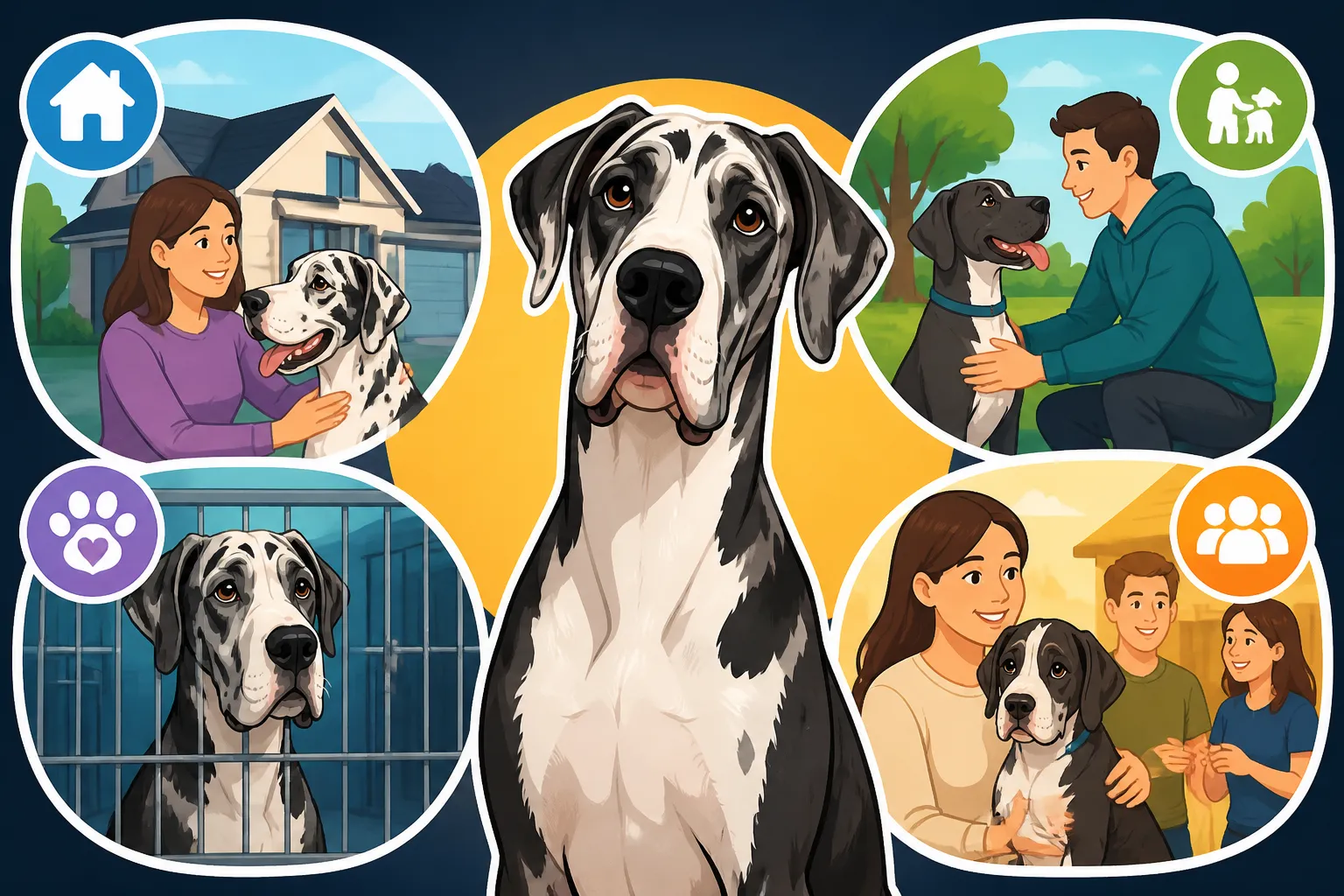
Finding a Great Dane can feel like a daunting quest. With so many avenues available – from charming puppy pictures on social media to local newspaper ads – it's easy to feel overwhelmed and unsure of where to even begin your search for a healthy, well-adjusted giant companion. This comprehensive guide will walk you through the most reliable and ethical places to find your new Great Dane, helping you navigate the options and make an informed decision that sets you and your future family member up for success.
Navigating the World of Reputable Great Dane Breeders
When you're looking for a Great Dane puppy, a reputable breeder is often the first place many people consider. And for good reason! A responsible breeder does so much more than just produce puppies; they are dedicated custodians of the breed, striving to improve health, temperament, and conformation with every litter. This isn't a quick or easy path, but it's one that offers the best foundation for your future Great Dane.
The Importance of a Reputable Breeder
A truly reputable Great Dane breeder is a passionate advocate for the breed. They invest significant time, money, and emotional energy into their dogs. This commitment starts long before puppies are even conceived. They carefully select breeding pairs based on health clearances, temperament, and adherence to the breed standard. This means both parent dogs will have undergone extensive health testing for conditions common in Great Danes, such as cardiac issues, hip and elbow dysplasia, and thyroid problems. They understand that The Health Testing a Great Dane Breeder Owes You is not a suggestion, but an absolute necessity to ensure healthy offspring.
Beyond health, a good breeder prioritizes temperament. They'll raise their puppies in a stimulating, clean, and loving environment, exposing them to various sights, sounds, and experiences from an early age. This early socialization is crucial for producing confident, friendly, and stable Great Danes. When you visit a reputable breeder, you'll see clean facilities, well-fed and socialized puppies, and happy adult dogs who are clearly part of the family. You'll also notice that they are asking you a lot of questions – this isn't an interrogation, but a sign that they care deeply about where their puppies go and want to ensure a good match.
Finding a Breeder Through Breed Clubs and Referrals
So, how do you find these elusive, wonderful breeders? One of the absolute best resources is the Great Dane Club of America (GDCA). Their website often has a breeder directory or a list of regional clubs, which in turn have their own lists of members who breed. These clubs uphold ethical breeding standards and often require members to adhere to specific health testing protocols. Attending local dog shows, even if you’re just spectating, can also be a fantastic way to meet breeders in person and see their dogs. You'll get a sense of their dedication and their dogs' temperaments in a public setting.
Word-of-mouth referrals are also incredibly powerful. If you know someone with a Great Dane whose temperament and health you admire, ask them where they got their dog. Vets who specialize in large breeds or work with show dogs can also be excellent sources of referrals. Don't be shy about asking for references from past puppy buyers, either. A good breeder will be happy to connect you with families who have one of their dogs, allowing you to ask about their experience and the long-term health and temperament of their Great Dane. This kind of networking can provide invaluable insights that no website alone can offer.
Understanding Breeder Contracts and Guarantees
When you finally choose a breeder and a puppy, expect to sign a contract. This isn't just paperwork; it's a legal document designed to protect both you and the dog, as well as the breeder. Reputable breeders will always have a contract that outlines their responsibilities and yours. These contracts typically include health guarantees, often for specific genetic conditions like The Heart Muscle Disease Great Danes Are Prone To or hip dysplasia, for a certain period. They might also include clauses requiring you to spay or neuter your puppy by a certain age if you've purchased a companion animal rather than a show or breeding prospect.
Furthermore, many contracts will stipulate that if for any reason you can no longer keep your Great Dane, the dog must be returned to the breeder. This is a hallmark of a responsible breeder who takes lifelong responsibility for every dog they bring into the world. It’s important to read and understand every part of What a Great Dane Contract Usually Says before you sign. Don't hesitate to ask questions if anything is unclear. A transparent breeder will patiently explain all terms and conditions, ensuring you're fully comfortable with the agreement. This ensures that the welfare of the Great Dane remains paramount throughout its life.
The Lifesaving Path of Great Dane Rescue
While the idea of a fuzzy Great Dane puppy is undeniably appealing, opening your home to a rescue Great Dane is an incredibly rewarding experience. These magnificent dogs, through no fault of their own, often find themselves in need of a second chance. Choosing to adopt not only saves a life but also supports dedicated organizations doing vital work.
Why Consider a Rescued Great Dane
There are countless reasons to consider a rescued Great Dane. Often, these dogs come with known histories, meaning the rescue organization can tell you about their temperament, whether they're house-trained, good with children or other pets, and their energy levels. This information can be incredibly helpful in finding a dog that seamlessly integrates into your existing lifestyle. Many rescue Danes are past the challenging puppy stage, having outgrown the chewing, potty training, and exuberant bouncing that comes with giant breed adolescence. This means less guesswork and potentially fewer surprises when it comes to their personality and routine.
Furthermore, adopting an adult dog can be a calmer experience. While puppies are adorable, the sheer size and energy of a Great Dane puppy can be overwhelming. An adult Dane has usually settled into their personality and can be a wonderful, loving companion without the intense demands of puppyhood. You might even find a senior Great Dane who just wants a soft bed and a quiet home for their golden years, offering a special kind of love and gratitude. Don't overlook the incredible bond you can form with a rescue dog; they often seem to know they've been given a new lease on life. Consider reading Adopting a Great Dane at Five Years Old for more insights into welcoming an older Dane.
Locating Reputable Great Dane Rescues
Just like with breeders, not all rescue organizations are created equal. It's crucial to find reputable, breed-specific Great Dane rescues. These organizations specialize in the breed, understand their unique needs, and have dedicated volunteers experienced with Great Danes. You can often find them through national breed club websites (like the Great Dane Club of America) or by searching online for "Great Dane rescue [your state/region]". Many of these rescues operate across multiple states, utilizing volunteer networks to transport dogs to their new homes.
The adoption process for a reputable rescue is typically thorough. Expect an application form, reference checks (vet and personal), and often a home visit. This isn't meant to be intrusive but rather to ensure that your home environment is safe and suitable for a large dog and that you understand the responsibilities involved. They are looking for the best possible match for each dog, and their careful screening process benefits everyone. While there is an adoption fee, it usually goes directly towards the care of the dogs, covering medical expenses, spay/neuter surgeries, and often microchipping. This fee is a small investment in comparison to the immense value of The Fee a Great Dane Rescue Asks For in providing a dog with a second chance.
Integrating a Rescue Dane into Your Home
Bringing any new dog home requires patience, but with a rescue Great Dane, it’s particularly important to allow them time to decompress and adjust. They've likely been through a lot of changes and may be feeling stressed or uncertain. Establish a consistent routine for feeding, potty breaks, and exercise right away. Give them a quiet, safe space of their own, like a crate or a designated bed in a low-traffic area, where they can retreat and feel secure.
Focus on positive reinforcement and building trust. Avoid overwhelming them with too much activity or too many new experiences in the first few days. Some rescue Danes may come with baggage – fear of certain people, objects, or situations – and it's your job to help them overcome these anxieties with understanding and gentle guidance. Consulting with a professional dog trainer experienced with large breeds can be immensely helpful if you encounter behavioral challenges. Remember, the bond you forge with a rescue Great Dane, built on trust and a new beginning, is incredibly powerful. Settling a Rescue Great Dane Into a House takes time and love, but it's one of the most rewarding journeys you'll embark on.
Avoiding Pitfalls: Places to Steer Clear Of
In your search for a Great Dane, you'll inevitably encounter sources that seem too good to be true. Unfortunately, in the world of dog breeding and sales, "too good to be true" usually is. It's essential to understand and avoid these detrimental avenues to ensure you're getting a healthy dog and not inadvertently supporting unethical practices.
The Dangers of Puppy Mills and Backyard Breeders
The phrase "puppy mill" often conjures images of horrible conditions, and sadly, those images are largely accurate. Puppy mills are large-scale commercial breeding operations where profit takes precedence over the health and welfare of the dogs. Dogs are often kept in cramped, unsanitary conditions, receiving minimal veterinary care, inadequate nutrition, and little to no socialization. Puppies from these environments are frequently plagued by health issues (both physical and behavioral) due to poor genetics, lack of proper care, and high stress levels. You might see terms like "farm-raised" or "family-owned kennel" that try to mask the reality of a puppy mill, but the underlying issues remain.
Backyard breeders (BYBs) are often well-meaning individuals who breed their dogs without the necessary knowledge, experience, or commitment to health testing and responsible practices. They might breed simply because they think their dog is "pretty" or "good with kids," without understanding genetics, breed standards, or the importance of proper socialization and veterinary care for both parents and puppies. They rarely perform the extensive health screenings vital for a giant breed like a Great Dane. This can lead to heartbreak down the road when your dog develops preventable health conditions like hip dysplasia, Bloat in a Great Dane and the One in Three Odds, or cardiac issues. Be wary of Great Dane Ads With No Cardiac Paperwork – it's a huge red flag.
Online Marketplaces and Unvetted Sellers
The internet has made it incredibly easy to connect buyers and sellers, but this convenience comes with significant risks when it comes to finding a pet. Online classified sites or social media groups often host unvetted sellers who may be puppy mills or backyard breeders in disguise. These platforms lack the screening processes of reputable breed clubs or rescue organizations, making it difficult to discern legitimate sources from exploitative ones. You might see beautiful pictures, but you have no way of knowing the actual conditions the puppies are living in, the health of the parents, or even if the pictures are legitimate.
The dangers here are manifold: you could fall victim to scams where no puppy actually exists, receive a sick puppy requiring extensive veterinary care, or end up with a dog whose temperament is far from what was advertised. Without the ability to visit the premises, meet the parents, and speak extensively with the breeder, you're taking a huge gamble. Always insist on an in-person visit if you find a potential puppy online, and be prepared to walk away if anything feels off or if the seller is unwilling to provide transparency.
Pet Stores and Brokers
Another avenue to approach with extreme caution, and ideally avoid altogether, is purchasing a Great Dane from a pet store. The vast majority of puppies sold in pet stores come from puppy mills. Pet stores act as middlemen, sourcing puppies from commercial breeders and then selling them to unsuspecting families. While the store itself might seem clean and well-maintained, the conditions of the breeding facility are usually hidden from public view.
Similarly, puppy brokers buy puppies from various breeders, often puppy mills, and then resell them. These brokers prioritize volume and profit, not the health and welfare of the animals. By purchasing from a pet store or a broker, you are directly supporting the puppy mill industry, perpetuating a cycle of suffering for breeding dogs and producing puppies with questionable health and genetics. Ethical pet ownership means ensuring the entire chain of custody, from breeding to your home, is humane and responsible.
What to Look for When Meeting a Great Dane
Once you've narrowed down your search to reputable breeders or rescue organizations, the exciting part begins: meeting potential Great Danes! This is your chance to observe, ask questions, and ensure the dog is a good fit for your family and lifestyle. Being prepared with what to look for can make all the difference.
Assessing Health and Temperament in Person
When you visit a breeder or rescue, pay close attention to the overall health and demeanor of the dogs. For puppies, look for bright, clear eyes, clean ears, a shiny coat, and no signs of nasal discharge or coughing. They should be active, playful, and curious, but not overly timid or aggressive. Healthy puppies have a good appetite and appear well-nourished. Observe how they interact with their littermates and with you – a well-socialized puppy should be comfortable with gentle handling and show interest without being frantic.
For adult rescue Danes, the same health checks apply. Look for a dog with a healthy weight (you should be able to feel their ribs easily but not see them protruding sharply). Their coat should be clean and free of parasites, and they should move easily without limping or stiffness. Temperament is key with an adult dog; observe how they interact with their foster family, other animals in the home (if applicable), and how they respond to your presence. A confident, friendly demeanor is ideal. If a dog seems overly fearful, aggressive, or withdrawn, discuss these observations openly with the rescue coordinator. They can provide valuable context and advice. Remember to review Reading a Great Dane Puppy's Health Papers carefully for any documented health issues.
Questions to Ask About the Dog's History
This is your opportunity to gather critical information. Don't be afraid to ask detailed questions. For a breeder, inquire about the health clearances of both parents – specifically for hips, elbows, heart (echocardiograms by a board-certified cardiologist), and thyroid. Ask about the parents' temperaments and if you can meet them. Inquire about the puppy's socialization routine, what kind of food they're eating, and their vaccination and deworming schedule. A good breeder will be happy to provide all this information and more.
For a rescue organization, ask everything you can about the dog's known history. Why was the dog surrendered? What kind of environment did they come from? How do they do with children, cats, or other dogs? What are their habits regarding house training, chewing, or barking? Ask about any known medical issues and what veterinary care they've already received. The more information you have, the better prepared you'll be to provide a loving and stable home. Don't forget to inquire about major breed-specific concerns such as Bloat in a Great Dane and the One in Three Odds and preventative measures, or The Heart Muscle Disease Great Danes Are Prone To and any screening results for it. Transparency from both breeders and rescues is a sign of their integrity.
| Feature | Reputable Breeder | Reputable Rescue |
|---|---|---|
| Source | Carefully planned litters from health-tested parents | Dogs surrendered, found, or transferred from shelters |
| Age of Dog | Primarily puppies (8+ weeks), occasionally adults | Primarily adult dogs, sometimes puppies or seniors |
| Health Info | Extensive parent health clearances (hips, heart, etc.), puppy vet checks | Full vet history available, often spayed/neutered |
| Temperament | Predictable based on parents, early socialization | Observed in foster home, often known history |
| Cost | Higher upfront price for puppy, includes guarantees | Adoption fee (covers vet care), usually lower |
| Support | Lifetime breeder support, take-back clauses | Post-adoption support, resources, community |
| Process | Application, interviews, home visit, contract | Application, interviews, reference checks, home visit |
| Timeframe | Often long waiting lists for specific litters | Varies, immediate availability to waiting for a match |
Preparing for Your New Giant Companion
Bringing a Great Dane into your home is an incredible adventure, but it's one that requires thoughtful preparation. These magnificent dogs have unique needs due to their sheer size, and getting ready before they arrive will make the transition smoother for everyone.
Essential Supplies for a Great Dane
You're not just buying a dog; you're adopting a furry, slobbery, wonderful horse-sized family member, and their supplies need to match their scale! Start with the basics:
- Food and Water Bowls: These need to be large and sturdy. Consider ceramic or stainless steel bowls that won't tip over easily. Many Great Dane owners find raised feeding bowls helpful for comfortable eating, although the debate on their effect on bloat risk continues. You can find durable, extra-large options for both food and water at places like Chewy, ensuring your giant friend gets what they need.
- Bedding: An orthopedic bed is not a luxury; it's a necessity for a Great Dane's joints, especially as they grow and age. Look for beds with thick, supportive foam that won't flatten out quickly. You might even consider having a few around the house.
- Collar, Harness, and Leash: A sturdy, wide collar and a well-fitting harness (often a front-clip harness is recommended for better control) are essential. Choose a leash that is robust and comfortable to hold, as you'll be managing a significant amount of power.
- Toys: Great Danes love to chew and play, but their toys need to be extra-durable and appropriately sized to prevent choking hazards. Think large, tough rubber toys, sturdy ropes, and puzzle toys that can withstand strong jaws.
- Crate (Optional but Recommended): If you plan to crate train, you'll need one of the largest crates available. A proper crate should allow your Dane to stand up, turn around, and lie down comfortably. What to Buy Before a Great Dane Arrives involves more than you might initially think, so plan ahead!
Initial Vet Visits and Ongoing Care
One of the very first things you'll do after bringing your Great Dane home is schedule a visit to the veterinarian. This initial check-up is crucial, even if the breeder or rescue has provided recent vet records. Your vet will establish a baseline for your dog's health, confirm vaccination status, perform a fecal test for parasites, and discuss a comprehensive parasite prevention plan (heartworm, fleas, and ticks). This is also an excellent opportunity to discuss any specific concerns you might have and to ensure your new family member is microchipped, if they aren't already.
Ongoing veterinary care is paramount for a Great Dane, especially given their predispositions to certain health conditions. Regular check-ups, typically once a year for adult dogs (or more frequently for seniors), are vital for early detection of issues. Your vet will likely recommend regular cardiac screenings due to the breed's susceptibility to Dilated Cardiomyopathy (DCM). They can also advise on joint supplements or a specific diet to support their large frame. Many pet owners rely on online retailers like Chewy for convenient delivery of prescription foods, monthly preventatives, and other health-related products recommended by their veterinarian, making it easier to manage the care of such a large dog. The Yearly Checkup a Great Dane Needs is an investment in their long-term well-being.
Training and Socialization from Day One
Training a Great Dane is not optional; it's a necessity from the moment they step paw into your home. Their size alone dictates that they must be well-mannered and under control. Puppy kindergarten classes are an excellent start for young Danes, providing crucial socialization with other dogs and people in a controlled environment. Focus on basic obedience cues like sit, stay, come, and especially "leave it" and "off" to prevent counter-surfing or jumping on guests.
Early and consistent socialization is key. Expose your Great Dane puppy to a variety of safe environments, people, sounds, and experiences to build their confidence and prevent fear-based behaviors as they grow. This doesn't mean overwhelming them, but rather positive, gradual introductions. A well-socialized Great Dane will be a joy to take out in public, while an unsocialized one can unintentionally cause chaos. Remember that The Manners a Great Dane Needs Before It Grows are far easier to teach when they're small, rather than trying to correct a 150-pound adolescent. Don't underestimate the power of consistent positive reinforcement and high-value training treats – Chewy offers a wide range of options suitable for Great Danes.
Disclaimer
This article is for general informational purposes only and does not constitute professional advice. Laws, prices and regulations vary by location and change over time. Consult a qualified professional for guidance on your specific situation.