How a Natural Great Dane Ear Falls
It's completely understandable to wonder about how a Great Dane's natural ears actually look and behave, especially when so many images we see feature the distinct, upright cropped ears. For decades, ear cropping was the norm, leading many to believe it was the only way a Great Dane's ears could appear. This guide will walk you through everything you need to know about the natural fall of a Great Dane's ears, from their physical characteristics and development to essential care tips.
The Historical Context of Great Dane Ears: A Legacy of Cropping
For a long time, the image of a Great Dane in many people's minds was intrinsically linked with those tall, erect ears. This wasn't a natural state, of course, but the result of a surgical procedure known as cropping. Understanding why this practice became so prevalent helps us appreciate the shift towards embracing their natural beauty today.
Why Cropping Became the Standard for So Long
Historically, the Great Dane, or Deutsche Dogge as it's known in Germany, was bred for hunting large, dangerous game like wild boar. In such intense pursuits, long, floppy ears could be easily torn or injured. Cropping the ears was seen as a practical measure to prevent these painful injuries. Imagine your beloved Dane wrestling with a boar – those delicate ear leathers would be incredibly vulnerable. This utilitarian origin eventually merged with aesthetic preferences, particularly as the breed moved from the hunting field to the show ring. Judges and breeders began to favor the sharp, alert look of cropped ears, believing it enhanced the dog's noble and imposing presence. This look became so ingrained in the breed standard and public perception that many genuinely didn't realize Great Danes naturally have pendulous ears.
The tradition was powerful, passed down through generations of breeders and owners who genuinely believed they were upholding the breed's historical image and character. Even when the practical need for boar hunting waned, the aesthetic stuck. It was a visual marker, instantly identifying the breed and adding to its majestic appearance. Many breed clubs and enthusiasts continued to advocate for it, reinforcing its position as the desired look for the Great Dane.
The Shift Towards Natural Ears and Modern Perspectives
However, times change, and so do our understanding of animal welfare and aesthetics. In many parts of the world, ear cropping (and tail docking) has been outright banned or severely restricted due to ethical concerns regarding the pain and stress it inflicts on puppies for purely cosmetic reasons. Public opinion has also shifted significantly, with a growing appreciation for a dog's natural appearance and a stronger emphasis on humane practices. This has led to a noticeable increase in Great Danes with natural ears, both in pet homes and, increasingly, in the show ring, particularly in countries where cropping is illegal.
This transition hasn't been without its debates within the Great Dane community. Some purists still advocate for the cropped look, citing tradition and breed type. However, a much larger movement celebrates the natural, soft expression that uncropped ears lend to the Great Dane's face. Breeders who prioritize health and natural conformation are stepping away from the practice, and potential owners are often seeking puppies that haven't undergone the procedure. This shift is a testament to evolving values, focusing more on the dog's well-being than on a man-made aesthetic. Many find the natural ear to be incredibly expressive, adding to the "gentle giant" allure that Great Danes are so famous for. Whether a Great Dane Was Ever a War Dog is a good read on their historical roles.
Understanding the Anatomy of a Natural Great Dane Ear
So, if Great Danes aren't born with those sharp, upright ears, what do they naturally look like? Their natural ears are actually quite lovely, adding a soft, thoughtful expression to their powerful faces. Understanding their structure helps us appreciate their natural beauty.
The "Rose" or "Folded" Ear: What It Looks Like
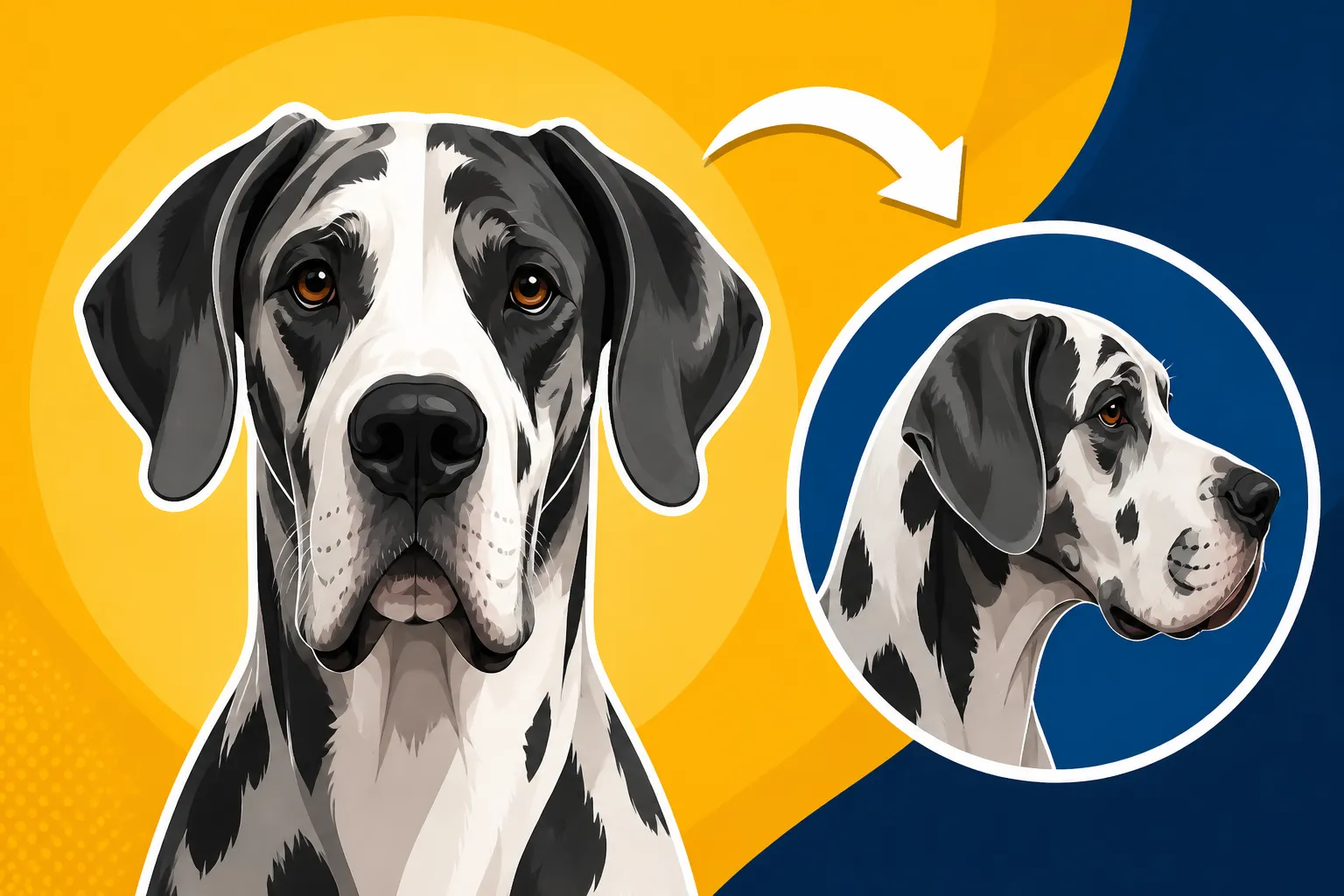
A natural Great Dane ear typically falls in what is often described as a "rose" ear or a "folded" ear. This means the ear leather itself is rather thin and soft, lying flat against the side of the head. It's not a heavy, thick drop ear like some hounds, but a more refined fold. The ear's base is usually set high on the skull, but instead of standing erect, it folds over itself. The fold itself is usually at or just above the level of the top of the skull, with the tip of the ear hanging down to about the corner of the eye or slightly below it. Imagine a soft, delicate triangle that gently drapes, with the leading edge of the ear close to the cheek.
This specific fall is part of the breed standard for natural ears in many regions. The inner part of the ear canal isn't fully exposed, nor is it completely covered. The way it folds creates a pocket, which we'll discuss more when we talk about care. The cartilage in a natural ear is supple, allowing for that graceful curve and drape. When a Great Dane is alert, those ears might lift slightly at the base, creating a more attentive expression, but they won't stand fully erect without support. It's a look of gentle curiosity rather than intense vigilance, a characteristic that truly embodies the friendly nature of the breed.
Variations in Natural Ear Set: It's Not Always Uniform
While the "rose" or "folded" ear is the ideal, natural Great Dane ears can actually vary quite a bit. Just like human hair or eye color, there's a spectrum of what's considered "normal" and acceptable. Some Danes might have ears that lie very flat and close to the head, almost disappearing into their facial lines. Others might have ears that are slightly higher set, or where the fold isn't quite as tight, giving them a bit more of a "fly-away" or "hound-like" appearance. These variations are often due to genetics, the thickness of the ear leather, or even how much cartilage has developed.
Sometimes, a young Dane's ears might look a bit uneven, with one folding differently than the other, especially during teething or growth spurts. It's usually nothing to worry about and often settles as they mature. You might also notice that the ears of a very excited or focused Dane will lift slightly at the base, or even "crinkle" in various ways, showing off their expressiveness. These slight differences add to each dog's unique character. A slightly different ear set doesn't detract from their health or temperament, and it's important for owners to appreciate these natural variances rather than striving for an impossible "perfect" look that only surgical alteration could achieve. Remember, The Great Dane the Show Ring Is Looking For has specific criteria, but natural ears are gaining acceptance.
How a Natural Great Dane Ear Develops and Settles
Watching a Great Dane puppy grow is an incredible experience, and their ears are part of that fascinating journey. They don't just spring into their final form; they go through a whole developmental process that can sometimes lead to some pretty funny, and often endearing, ear antics.
The Puppy Stage: From Floppy to "Almost There"
When a Great Dane puppy is born, its ears are incredibly soft and floppy, lying completely flat against its head. They're just little pieces of velvety leather at this stage. As the puppy grows, the cartilage in the ear starts to firm up. Around three to five months of age, you might notice some interesting changes. Their ears might start to do all sorts of quirky things – one might stand up a bit, the other might still flop. They might even look like they're trying to stand, only to flop back down dramatically later. This is often referred to as the "awkward ear phase," and it's completely normal. Think of it as their ear cartilage finding its groove and deciding exactly how it's going to settle.
This stage is often heavily influenced by what's happening internally with the puppy's bone and cartilage development, which in turn is affected by their nutrition. It's crucial to ensure your puppy is on a large-breed specific puppy food that supports slow, steady growth, rather than rapid growth that can put undue stress on developing joints and cartilage. Why a Great Dane Puppy Should Grow Slowly explains why this is so important. By around 6 to 12 months, most Great Dane puppies' natural ears will have settled into their adult fall. Sometimes, it can take a bit longer, especially if they're a late bloomer in terms of growth.
Factors Influencing the Final Ear Set
The final way a Great Dane's natural ear falls is a combination of several factors, primarily genetics. The genes passed down from their parents will dictate the thickness of the ear leather, the strength of the cartilage, and the general set of the ear on the head. If both parents have well-set natural ears, it's more likely their offspring will too. However, even with strong genetics, there can be slight variations, as mentioned earlier.
Beyond genetics, general health and development play a role. During teething, for example, puppies divert a lot of calcium and other minerals to growing their adult teeth. This can sometimes temporarily affect the firmness of ear cartilage, leading to ears that might seem to "stand" more or "flop" more dramatically during this period. Once teething is over, the ears usually settle back into their intended natural fall. Proper nutrition, as discussed, is paramount; a diet that supports healthy bone and cartilage development without causing rapid, unhealthy growth is key. Avoid any advice to supplement with extra calcium or other minerals, as this can actually do more harm than good for a growing giant breed puppy. Why Calcium Supplements Damage a Great Dane is a vital read for new owners. Environmental factors, like playful roughhousing that might bend ears repeatedly, are less impactful than genetics and nutrition but can sometimes contribute to slight asymmetries.
| Feature | Cropped Ears | Natural (Folded) Ears |
|---|---|---|
| Appearance | Erect, upright, typically triangular/pointed. | Softly folded, draped against the side of the head. |
| Expression | Alert, sharp, imposing. | Gentle, soft, expressive, thoughtful. |
| Airflow | Excellent, open ear canal. | Limited, folded over ear canal. |
| Care Needs | Initial post-surgery care, taping/posting. | Regular cleaning to prevent moisture/debris buildup. |
| Injury Risk | Historically, less prone to tearing in rough play. | Historically, more prone to minor tears or hematomas. |
| Common Issues | Scarring, infection from posting complications. | Ear infections from reduced airflow, moisture. |
| Legal Status | Restricted or banned in many countries. | Universally accepted. |
Caring for Your Great Dane's Natural Ears
Having natural ears means appreciating their unique beauty, but it also comes with a specific set of care considerations. Their folded nature, while lovely, can create an environment that needs a little extra attention to keep healthy.
Routine Cleaning and Health Checks
The most important aspect of caring for natural Great Dane ears is routine cleaning and regular health checks. Because the ears fold over, the ear canal isn't as open to air circulation as a cropped ear would be. This creates a warmer, more humid environment, which can be an inviting place for bacteria, yeast, and ear mites to thrive. You should aim to check your Dane's ears at least once a week, and ideally, give them a gentle wipe. Look for any signs of redness, swelling, unusual discharge (especially dark, waxy, or pus-like), or a foul odor. A healthy ear should be relatively clean, pale pink, and free of strong smells.
To clean, use a veterinarian-approved ear cleaner that is specifically designed for dogs. Avoid cotton swabs, as these can push debris further into the ear canal or damage the delicate structures inside. Instead, gently lift the ear flap and use a cotton ball or soft gauze moistened with cleaner to wipe the visible parts of the outer ear and the folds. Many owners find effective cleaners and supplies on platforms like Chewy, making it easy to keep up with routine maintenance. If your dog is prone to swimming or gets its ears wet frequently, you might need to clean them more often or use a drying solution to prevent moisture buildup. Establishing this routine early on with a puppy makes it a much less stressful experience as they grow into their full, magnificent size. Remember, Ear Cleaning on a Cropped or Natural Great Dane provides detailed instructions.
Potential Issues with Natural Ears (and How to Avoid Them)
The primary issue associated with natural, folded ears is the increased risk of ear infections. As mentioned, the lack of airflow and trapped moisture create a perfect breeding ground for microbes. Signs of an ear infection often include head shaking, scratching at the ears, redness, swelling, a strong unpleasant odor, and discharge. If you notice any of these symptoms, it's crucial to consult your veterinarian promptly. Untreated ear infections can be very painful for your dog and can lead to more severe problems.
Another concern, especially for a large breed like a Great Dane, can be aural hematomas. This happens when vigorous head shaking or scratching causes a blood vessel in the ear flap to rupture, leading to a blood-filled swelling. These often require veterinary intervention to drain and treat. To avoid these problems, beyond regular cleaning, try to keep your Dane's ears dry, especially after baths or swimming. You can also make sure your dog isn't scratching excessively due to allergies elsewhere on its body, as this can exacerbate ear issues. Catching signs of irritation or a developing infection early through your weekly checks can save both you and your gentle giant a lot of discomfort and potentially expensive vet bills. Whether a Great Dane's Ears Trap Infection delves deeper into these concerns.
Disclaimer
This article is for general informational purposes only and does not constitute professional advice. Laws, prices and regulations vary by location and change over time. Consult a qualified professional for guidance on your specific situation.