Why a Great Dane Needed Speed and Weight
When you look at a majestic Great Dane today, perhaps curled up peacefully on a plush bed, it's easy to forget that these "Apollo of Dogs" were once formidable working animals. Many people might wonder how such a seemingly gentle giant earned its reputation and what purpose its impressive size served. The truth is, the Great Dane's unique combination of incredible speed and formidable weight was absolutely critical for its historical role in pursuits that were both dangerous and demanding. This guide delves into the fascinating origins of the Great Dane, exploring why these specific physical attributes were not just beneficial, but entirely necessary for their survival and success.
The Formidable Task: Hunting Wild Boar in Europe
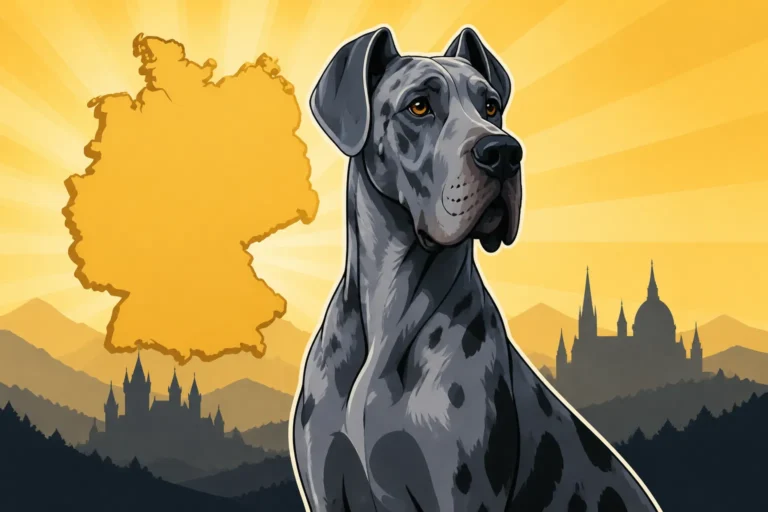
Imagine the dense forests of medieval Europe, where wild boar roamed. These weren't your friendly farm pigs; these were powerful, aggressive, tusked beasts capable of inflicting serious injury or even death. For centuries, hunting wild boar was not only a sport for nobility but also a necessity for controlling populations that could devastate agricultural lands. The dogs used for such hunts needed to be extraordinary, and this is where the Great Dane's unique physical characteristics truly shone.
A Dangerous Quarry Demanded a Robust Dog
Hunting wild boar was no casual affair. These animals are incredibly resilient, fast, and armed with razor-sharp tusks that can rip through flesh and bone with terrifying ease. A typical wild boar can weigh hundreds of pounds, and when cornered or injured, they become ferociously defensive. A smaller, less robust dog would simply be outmatched, likely sustaining fatal injuries in a direct confrontation. Hunters needed dogs that possessed an innate bravery, yes, but also the sheer physical might to stand up to such a formidable opponent. They required a dog that could not only keep pace with a fleeing boar but also have the strength and mass to engage it without being immediately overwhelmed. This wasn't a job for the faint of heart, nor for the physically inadequate.
Think about the sheer force required to withstand a charging boar. A dog needed thick skin, a powerful musculature, and a bone structure that could absorb impacts. Anything less would lead to rapid exhaustion or severe injury. The early breeders of the Great Dane recognized this, carefully selecting for traits that would produce a canine capable of such a perilous task.
The Role of the "Boar Hound": Locating and Holding Prey
The specific job of these early Great Danes, often referred to as "Boar Hounds," wasn't just to chase the boar; it was to track it through dense undergrowth, corner it, and then physically hold it in place until the human hunter could arrive and deliver the killing blow. This two-part role — the chase and the hold — is precisely why both speed and weight were indispensable.
First, the chase. Wild boar are surprisingly fast and incredibly agile, capable of quickly navigating dense forests and rugged terrain. A dog that couldn't keep up would be useless. So, the Great Dane needed the speed to outmaneuver and close the distance. But then came the most dangerous part: the hold. Once the boar was cornered, the dog had to physically grapple with it, using its weight and strength to pin it down, or at least impede its escape. This wasn't a gentle nudge; it was an all-out physical struggle. The dog had to withstand the boar's thrashing, biting, and goring attempts while maintaining its grip. Without significant body weight and powerful musculature, the dog would simply be thrown aside like a rag doll. This combination of pursuit and physical engagement meant that a balanced athlete was required. The historical records tell us much about The Boar Hound the Great Dane Descends From, highlighting a lineage forged in necessity.
The Need for Speed: Agility in Pursuit
While their impressive size is what often strikes people first, the Great Dane's speed and agility were equally vital to its original purpose. These were not slow, lumbering giants, but rather powerful athletes capable of surprising bursts of speed and sustained effort.
Covering Ground Quickly Across Varied Terrain
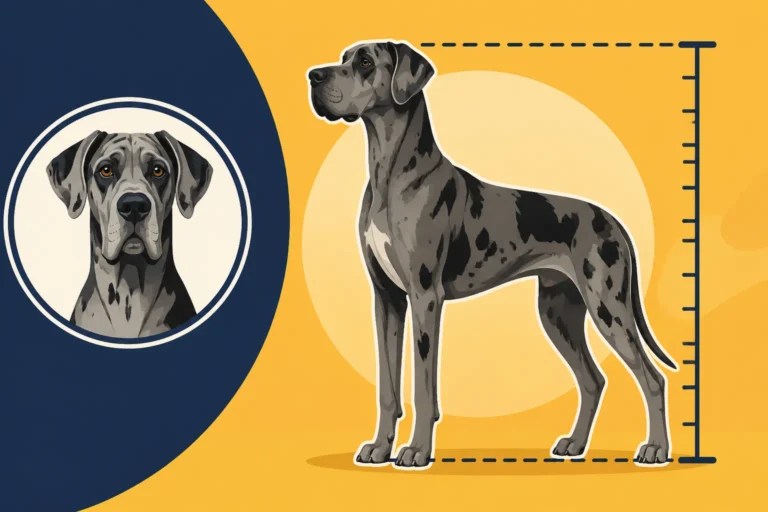
Imagine the chase: a wild boar, startled, bolts through a forest. It navigates fallen logs, tangled roots, and changes direction abruptly. A dog built solely for strength might be powerful, but if it couldn't keep pace, the hunt would be over before it began. Great Danes were specifically bred with long, powerful legs and a deep chest, enabling tremendous lung capacity. These physical attributes allowed them to cover vast stretches of varied terrain with remarkable efficiency. Their stride is famously long and effortless, a testament to their engineering for speed.
This wasn't just about raw straight-line speed; it was about dynamic agility. They needed to be able to accelerate rapidly, make sharp turns, and leap over obstacles while maintaining balance and momentum. Their well-angulated hindquarters provided the powerful drive needed for propulsion, while strong forelegs supported their massive frame during these high-impact movements. This combination meant they could not only catch the boar but also maintain pursuit through challenging environments. To see it in action, you can observe The Long Reaching Stride a Great Dane Shows in modern Danes, even in a park setting.
The Sprint and the Sustain: Endurance for the Chase
Hunting wild boar often wasn't a quick sprint to the finish line. It could involve long, arduous chases over significant distances, sometimes for hours. Therefore, the early Great Dane needed not only explosive speed but also incredible stamina and endurance. A dog that could only sprint for a short burst before tiring would be of little use in a sustained hunt.
Their lean, muscular frame, despite its bulk, was designed for efficiency. Every ounce of muscle contributed to their ability to run hard and long. Their deep chests provided the large lung volume necessary to oxygenate their large muscles, preventing premature fatigue. This ability to maintain a strong pace, to push through exhaustion, was crucial for eventually cornering and engaging a determined boar. It's a physiological marvel that these large dogs could possess such staying power, a trait that makes their current relatively short lifespan even more poignant when considering how intensely they were bred to 'burn through' their years in such demanding activities.
The Impact of Weight: Power and Presence
If speed was about catching the boar, then weight was unequivocally about holding it. This is where the Great Dane's impressive mass became its most critical asset.
Holding an Enraged Animal in Place
Once the boar was cornered, the real test of strength and weight began. A wild boar, especially one fighting for its life, is a force of nature. It will thrash, bite, and use its tusks with terrifying efficiency. A smaller dog, no matter how brave or agile, would simply lack the physical mass to anchor itself and withstand such an assault. This is precisely where the Great Dane's considerable weight became indispensable.
Their robust bone structure, broad shoulders, and dense musculature provided the necessary ballast. They could literally lean into the struggle, using their body weight to keep the boar from escaping or charging the hunters. Imagine a dog weighing upwards of 150 pounds or more, throwing its entire mass against a furious boar. This immense physical presence wasn't just for show; it was a matter of life and death for both the dog and the hunter. The dog needed to absorb the impacts, maintain its footing, and apply constant pressure, all while avoiding the boar's lethal tusks. This ability to absorb and apply force is what made them so effective at The Wild Boar the Great Dane Was Bred to Hold. Even today, you can observe a Great Dane's immense strength when they lean against you or try to jump up – it’s a force to be reckoned with.
Intimidation and Deterrence Beyond the Hunt
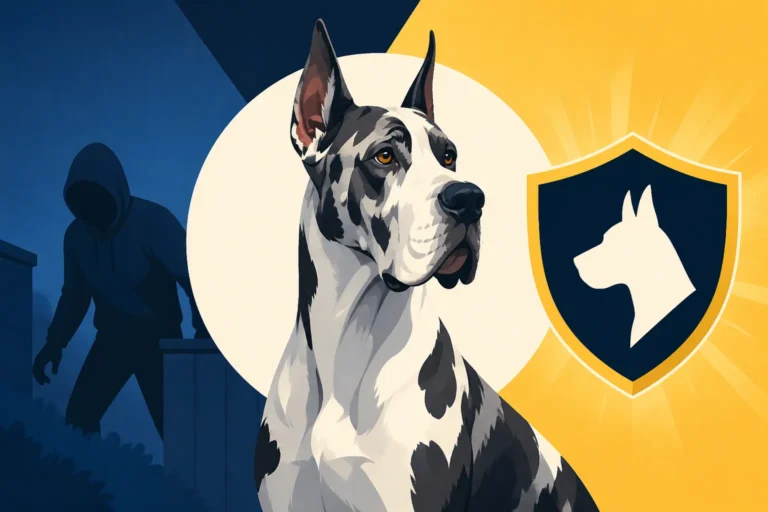
While primarily bred as boar hounds, the Great Dane's imposing size and strength naturally extended their utility beyond the hunt. Their sheer physical presence served as an incredible deterrent, making them excellent guardians of estates and invaluable protectors of their human families.
A dog of such magnificent stature commands respect. Simply seeing a full-grown Great Dane can be enough to make an intruder think twice. They don't necessarily need to be overtly aggressive to be effective guardians; their size alone is often enough. This blend of powerful physique and an often calm, watchful demeanor cemented their reputation as loyal protectors. As society evolved and large-scale boar hunting declined, this innate guarding capability meant that the Great Dane transitioned smoothly into other roles, maintaining its relevance and importance to humans. This evolution of their role is a fascinating part of their history, detailing How Great Danes Went From Hunting to Guarding. Today, even though they're often gentle giants, their imposing size still makes them effective natural deterrents.
The Balanced Build: Speed and Weight in Harmony
The Great Dane's physical structure is a masterpiece of functional design, a careful balance between the explosive power of its weight and the grace of its speed. It's not simply a large dog; it's a precisely engineered animal.
Striking the Perfect Balance: Not Too Heavy, Not Too Light
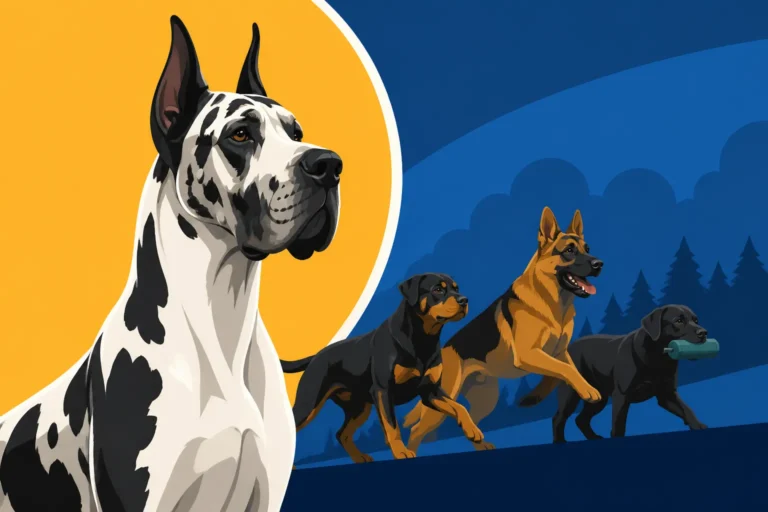
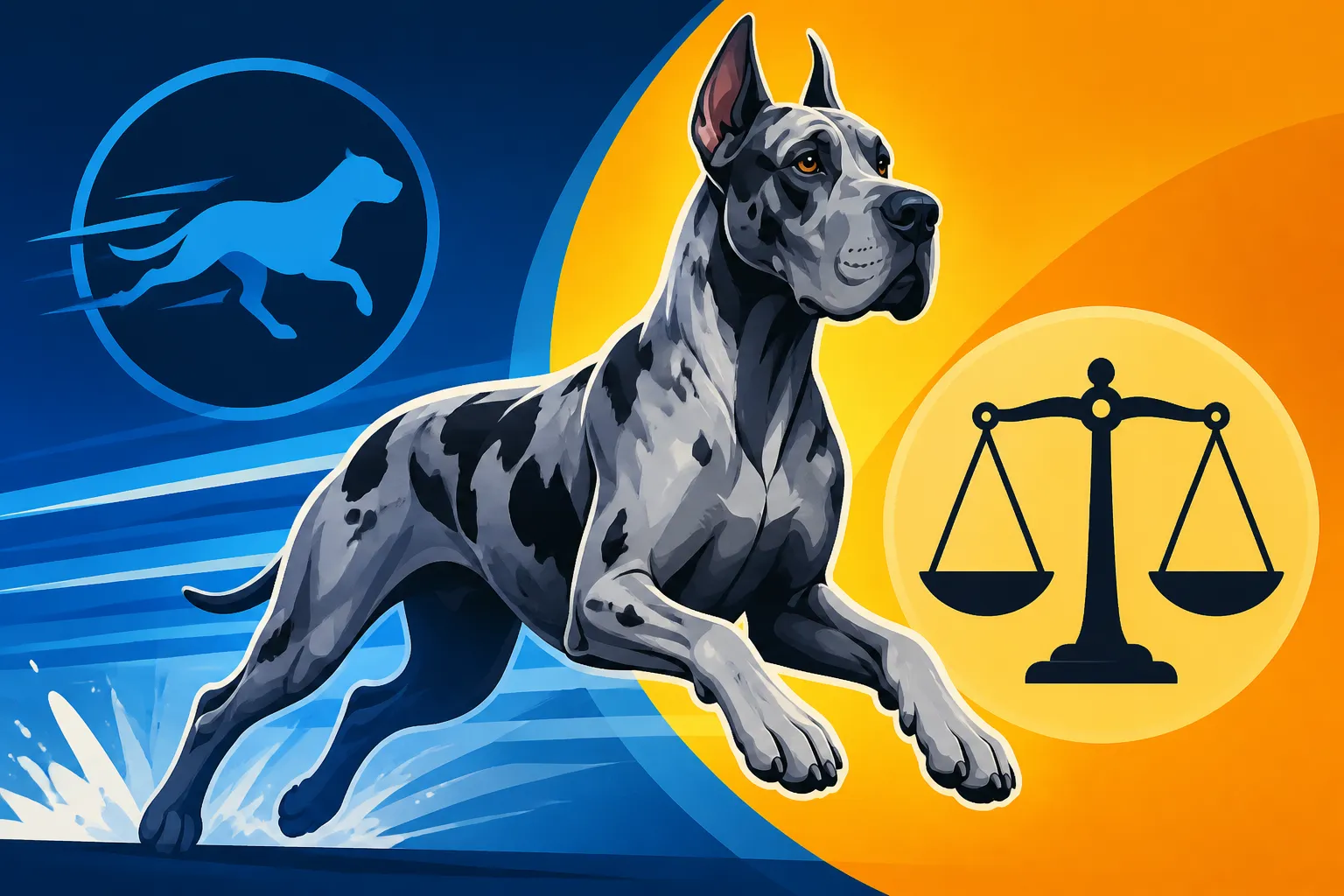
The key to the Great Dane's success as a boar hound wasn't just maximizing speed or weight independently, but achieving a harmonious balance between the two. If they were too heavy, like some of the more ponderous mastiff breeds, they would lack the necessary agility and endurance for the chase. If they were too light, they would be unable to effectively hold a powerful boar. The Great Dane represents a remarkable middle ground: a dog that is impressively muscular and heavy-boned, yet still possesses a lean, athletic build capable of sustained, swift movement.
This balance is reflected in the breed standard, which emphasizes an elegant yet powerful appearance. They are not meant to be short and stocky; rather, they should appear graceful and noble, with their power evident in their well-defined musculature and flowing gait. This isn't to say other powerful breeds like The English Mastiff Behind the Great Dane weren't influential, but the Great Dane refined these traits for a specific, demanding task. Maintaining this ideal balance is also crucial in their diet, ensuring they receive the proper nutrition without gaining excessive weight that could strain their joints. For many owners, sourcing specialized large breed formulas and supplements from trusted retailers like Chewy helps them manage this delicate balance.
| Characteristic | Optimized for Speed | Optimized for Weight/Strength |
|---|---|---|
| Body Build | Long, lean, athletic frame for agility | Deep, muscular chest and broad shoulders |
| Legs | Long, powerful, with excellent angulation | Strong bone density and sturdy joints |
| Musculature | Developed for explosive bursts and endurance | Dense, well-defined mass for leverage |
| Chest Depth | Ample room for large lungs for stamina | Provides stable anchor for powerful forelegs |
| Bone Structure | Strong yet not overly heavy for movement | Robust and thick to absorb impact |
| Gait | Effortless, ground-covering, and powerful | Strong drive from hindquarters, steady |
Modern-Day Echoes of Their Ancestors
Even today, as most Great Danes live pampered lives as beloved family companions, their physical characteristics remain a testament to their demanding ancestral roles. The long, powerful stride you see when a Great Dane lopes across a field, the deep chest that indicates impressive lung capacity, and the sheer power in their musculature are all echoes of a time when these traits were essential for survival and success in the hunt.
While they may no longer be chasing wild boar, these physical gifts allow them to excel in other activities, from competitive obedience to simply enjoying long walks with their families. It also means that responsible ownership requires an understanding of their unique needs. Their large size necessitates careful attention to diet, exercise, and joint health throughout their lives. You'll find that companies like Chewy offer a vast array of products tailored to giant breeds, from orthopedic beds that support their impressive frames to extra-large training treats and durable toys designed to withstand their powerful jaws. Whether it's the right kind of food to support their growth as puppies or supplements to aid their joints as they age, understanding "why a Great Dane needed speed and weight" helps us appreciate the magnificent animals they are today and provide them with the best possible care.
Disclaimer
This article is for general informational purposes only and does not constitute professional advice. Laws, prices and regulations vary by location and change over time. Consult a qualified professional for guidance on your specific situation.