Whether a Great Dane Is a Guard Dog
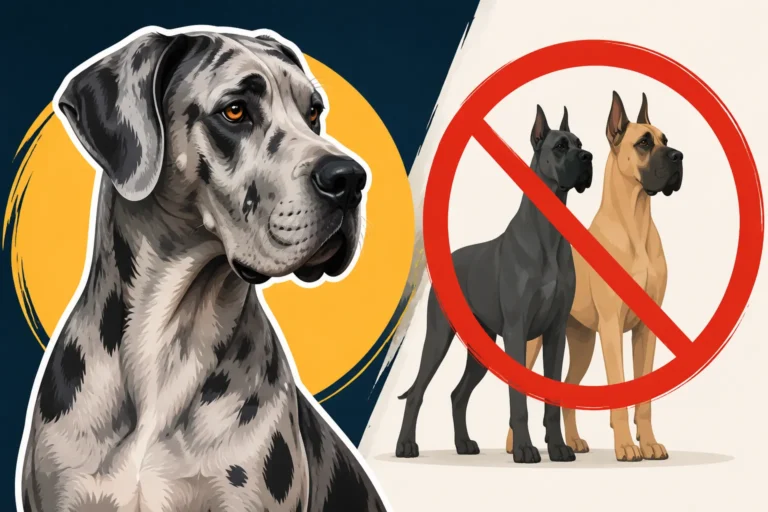
It's a common sight to see a Great Dane, with their impressive stature and deep bark, and immediately assume they must be formidable guard dogs. After all, who wouldn't be intimidated by a dog that can look a grown person in the eye? However, this assumption often leads to a misunderstanding of their true temperament and what genuine "protection" from a Great Dane actually entails. This guide will explore the beloved Great Dane's inherent nature, separating myth from reality regarding their guarding capabilities, and discuss what realistic home protection from one of these magnificent dogs truly looks like.
The "Gentle Giant" Temperament: More Than Just a Myth
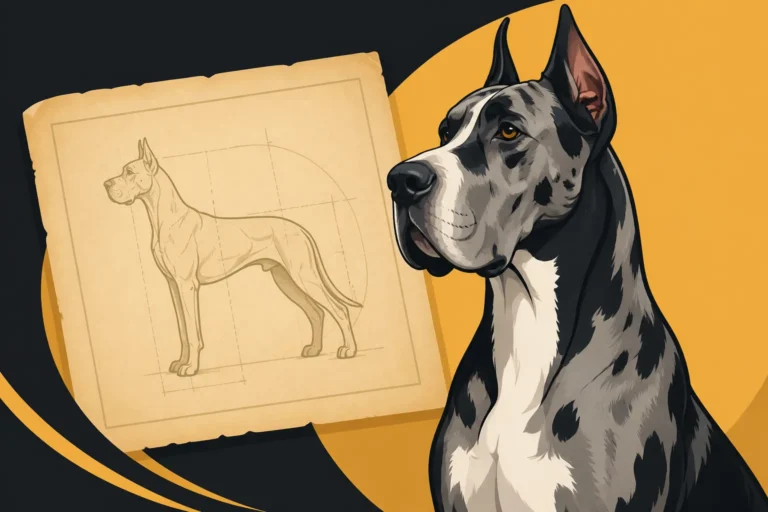
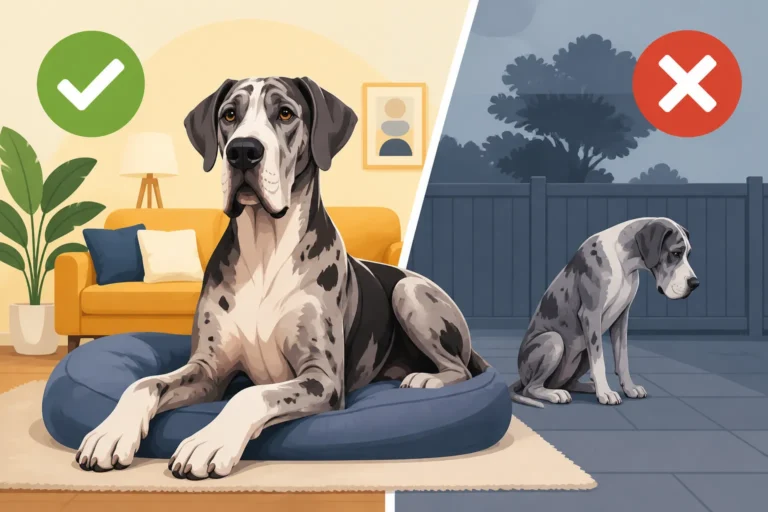
The Great Dane's nickname, "Gentle Giant," isn't just a catchy phrase; it's a profound description of their fundamental nature. These are dogs renowned for their sweet, affectionate, and often surprisingly sensitive personalities, especially when it comes to their human families. Many Great Dane owners will tell you that their massive canine companion is far more interested in snuggling on the sofa, or attempting to become a very large lap dog, than patrolling the perimeter with fierce intent. While they possess courage, their core inclination leans heavily towards peace, companionship, and comfort.
Their history as boar hounds might lead some to believe they harbor a natural aggressive streak. However, centuries of selective breeding have meticulously molded their temperament towards amiability and loyalty, moving them far from their working past. While their ancestors were indeed bred to hold large, dangerous game at bay, modern Danes thrive on deep human connections and often experience significant distress if left alone for extended periods. They are profoundly social creatures who crave interaction and inclusion in family life.
Consider a typical scenario: if an unfamiliar person were to enter your home, a Great Dane might initially be reserved, but they are often more prone to curious investigation or even soliciting attention with a gentle lean than immediately confronting with aggression. Of course, just like people, individual Great Danes have unique personalities, but the breed standard consistently emphasizes a friendly, stable, and outgoing disposition. This inherent nature is quite different from the focused, sometimes aloof, and overtly protective drive characteristic of breeds specifically developed for guard work. The Great Dane's Reputation as the Apollo of Dogs delves deeper into their classic persona and why this gentle nature is so key to understanding them.
Understanding Their Innate Nature
A Great Dane’s true disposition is built upon a foundation of loyalty and affection. They form incredibly strong bonds with their families, often becoming devoted shadows, following their favorite people from room to room. This deep attachment is the wellspring of any protective instinct they might display. It's not a programmed response to a threat, but rather an emotional reaction stemming from their love and desire to keep their beloved humans safe. They are incredibly attuned to the moods and emotions of their owners, which means if you are feeling anxious or threatened, your Dane is likely to pick up on that and react in kind.
Their intelligence and eagerness to please also play a significant role. They are generally intelligent dogs who respond well to positive reinforcement training. However, directing this intelligence towards aggressive guarding is not only difficult but also goes against their breed characteristics and can lead to unpredictable and dangerous behavior. Instead, their intelligence is best channeled into obedience, good manners, and fostering their natural curiosity and social skills. They learn quickly, and respond best to clear, consistent, and kind guidance.
Ultimately, the Great Dane's innate nature is that of a loving companion. They are big, soft-hearted dogs who enjoy being part of the family unit, engaging in play, and receiving affection. Their size is simply a byproduct of their lineage, not an indicator of a ferocious temperament. Expecting them to be something they are not naturally inclined to be can lead to frustration for both owner and dog, and potentially create behavioral issues where none existed before.
The Role of Size in Perceived Threat
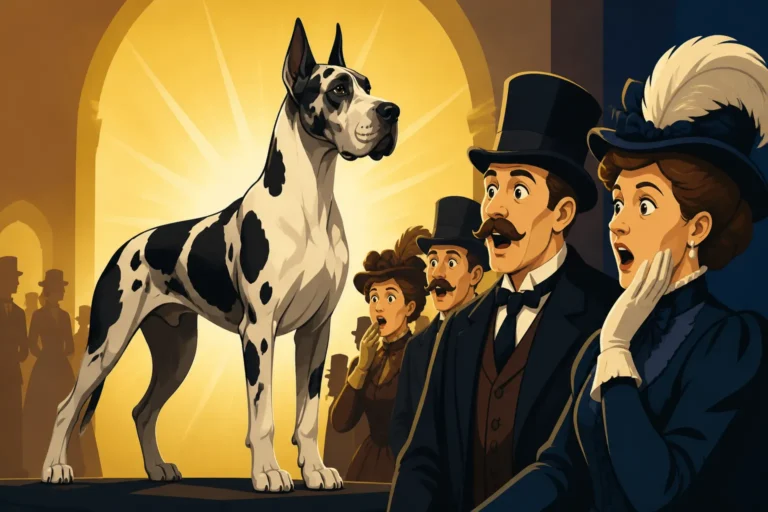
Let’s be completely honest: the sheer, undeniable size of a Great Dane is, by itself, an incredibly effective deterrent. Standing tall at a doorway or looming in a window, a dog that easily reaches human chest height and can weigh upwards of 150-200 pounds presents an imposing figure. This visual impact alone is often more than enough to make a casual intruder think twice and look for an easier target elsewhere. The misconception of them being guard dogs often stems directly from this impressive physical presence – people naturally assume that such a large animal must be protective.
However, it's crucial to distinguish between perceived threat and actual intent. While their size might cause someone to hesitate, it doesn't automatically mean the dog will act aggressively. Many a startled delivery person has discovered that the enormous "guard dog" barking behind the screen door is actually just a big, friendly goofball wiggling with excitement for a head scratch or a friendly greeting. Their deep, resonant bark, too, contributes significantly to this illusion of menace, often sounding far more intimidating than the dog's actual disposition.
It’s vital for owners to recognize this distinction. Relying solely on a Great Dane’s size for protection, without a deeper understanding of their individual temperament or appropriate socialization and training, can create a false sense of security. While their size is undoubtedly a deterrent, it’s more about the powerful impression they make than an inherent aggressive drive. Their role here is often more akin to a very large, mobile "Beware of Dog" sign rather than an active security system.
Are Great Danes Naturally Protective?
While Great Danes are not typically classified as traditional guard dog breeds, they certainly possess a degree of natural protectiveness rooted in their deep bond with their families. This isn't the same as the programmed guarding instincts seen in breeds like German Shepherds or Rottweilers, but rather a more nuanced, situationally aware response. They are keenly observant dogs, and their devotion to their human companions means they will often act to protect them if they perceive a genuine threat. This protective instinct is often expressed through their formidable presence and a powerful bark, acting as a deterrent and an alert system.
Situational Alertness vs. Aggressive Guarding
Great Danes excel as alert dogs. They are keenly aware of their surroundings and will almost certainly let you know if something seems out of place. A strange car pulling up the driveway, an unfamiliar person approaching the house, or even an unusual noise from outside will often trigger a deep, resounding bark. This vocal alert isn't necessarily an act of aggressive guarding, but rather a way of communicating to you that something unusual is happening in their environment. It’s their way of saying, "Hey, human, pay attention!" This alertness is an invaluable trait, providing an early warning system that allows you to assess the situation.
When it comes to actual physical intervention, a Great Dane’s response is typically reactive and driven by their deep loyalty rather than a pre-programmed guarding instinct. If they perceive a direct and undeniable threat to their family, they might place themselves between their loved ones and the perceived danger. This could manifest as intense barking, growling, or even a physical block. However, true aggression, such as biting or attacking, is not their default response and is far less common than with dedicated protection breeds. Their "protection" often comes in the form of their imposing presence and an alarming voice, which, for most situations, is more than sufficient.
It’s important to understand this distinction. A true guard dog is often bred and trained to actively engage, apprehend, or even attack on command or in specific threat scenarios. A Great Dane, on the other hand, is usually acting out of an instinctive desire to shield their loved ones, which primarily manifests as a powerful deterrent or an alarm signal. They are incredibly sensitive to their family’s emotional state; if you show fear, they might react with heightened alertness or protective gestures, but this still differs from an inherent aggressive drive. Whether a Great Dane Would Guard the House explores these nuances further.
The "Lean" and Other Affectionate Behaviors
If you’ve ever had the pleasure of spending time with a Great Dane, you are undoubtedly familiar with their signature move: "the lean." This affectionate gesture involves them pressing their entire, enormous body weight against yours, often with enough force to nearly unbalance you. It’s a profound display of their desire for closeness, comfort, and connection. This constant physical contact speaks volumes about their fundamentally social and loving nature, a trait that sets them apart from more independent or aloof breeds often chosen for guarding roles.
Beyond the lean, Great Danes are renowned for their attempts to be lap dogs, regardless of their impressive size. They relish cuddling, demand belly rubs, and thrive on being physically close to their favorite humans. These behaviors are quite distinct from the stoic, watchful, or territorial traits often cultivated in traditional guard dog breeds. Their social needs are high, and they find immense comfort in being an integrated part of the family’s daily life, not a detached sentinel. Living With a Great Dane That Leans on You describes this endearing behavior and its implications for their temperament.
This affectionate disposition extends to most strangers they encounter, provided they are introduced calmly and politely. While a Dane might initially be reserved, many quickly warm up to new people, especially if there’s the promise of a friendly pat or, better yet, a treat. Expecting a dog with such a deeply ingrained desire for physical closeness and friendly interaction to suddenly transform into a fierce, aggressive protector on cue is often an unrealistic expectation. Such a drastic shift would go against their core personality and could lead to behavioral confusion or anxiety for the dog.
Training and Socialization: Shaping a Great Dane's Responses
For a Great Dane, proper training and comprehensive socialization are not merely optional; they are absolutely critical. Given their immense size and strength, an unsocialized, fearful, or poorly mannered Great Dane can become incredibly challenging to manage, even if they never display intentional aggression. Introducing your Great Dane puppy to a wide array of positive experiences – diverse sights, sounds, people, and well-behaved animals – from a very young age is essential for them to develop into a confident, stable, and well-adjusted adult. This process should always be about positive exposure and never about forced or overwhelming interactions.
Early Socialization Is Key
Think of early socialization as building the foundational framework for your Great Dane’s personality and behavior. A well-run puppy class is an invaluable first step, offering controlled opportunities for your pup to interact safely with other dogs and people. Beyond classes, take your fully vaccinated puppy to dog-friendly stores, quiet parks, and on walks in various public environments. The goal is to expose them positively to the many facets of the world, helping them understand that new experiences are generally safe and interesting, thereby reducing the likelihood of fear-based reactivity as they grow. Socializing a Great Dane Puppy Early offers detailed guidance on how to approach this vital stage.
A properly socialized Great Dane is far more likely to assess new situations calmly and react appropriately, rather than out of fear or uncertainty. This doesn't inherently make them a guard dog, but it ensures they become a stable, trustworthy companion whose impressive size is reassuring to welcome visitors rather than intimidating. Conversely, neglecting socialization can result in a shy, anxious, or fearful dog. When combined with their immense size, fear-based behaviors can unfortunately make them a liability rather than a cherished family member.
This consistent exposure should continue throughout their adolescence and into adulthood. The world is constantly changing, and reinforcing positive associations with new experiences helps maintain their balanced temperament. A confident Great Dane is one who understands their place in the world and can navigate it calmly, which is the best outcome for everyone involved.
Focusing on Manners, Not Guarding
Instead of attempting to train your Great Dane to be a guard dog – a role that often goes against their natural inclination and can inadvertently foster dangerous behavioral issues – the focus should be relentlessly on basic obedience and impeccable manners. Commands such as "sit," "stay," "come," "leave it," and a rock-solid "down" are infinitely more important for managing such a powerful animal safely and effectively. Imagine trying to control a hundred-and-fifty-pound dog that hasn't learned not to jump on elderly guests or pull you off your feet on a walk; these are the practical, everyday challenges that require diligent training.
Consistency in training from the moment you bring your Great Dane puppy home is absolutely paramount. What might be considered a cute quirk in a twenty-pound puppy can become a significant and dangerous problem in a two-hundred-pound adult. The Manners a Great Dane Needs Before It Grows is an essential resource for navigating this crucial period. Investing time in teaching them not to jump, to walk politely on a leash, and to behave appropriately indoors will transform them into a joyful and manageable companion, rather than a colossal source of stress. This commitment to training is a lifelong endeavor, but the rewards are immeasurable.
If your primary concern is an alert system for your home, a more appropriate and safer approach is to teach your Great Dane a "speak" command, followed immediately by a "quiet" cue. This enables them to alert you to anything unusual, but also allows you to control the barking when necessary. This strategy is far more functional and responsible than trying to cultivate aggressive tendencies, which can easily spiral out of control and lead to serious problems. You are aiming for a well-behaved, confident companion who can alert you, not an unpredictable aggressor. Resources like Chewy offer an extensive range of training tools, from clickers and treat pouches to durable long lines and head halters, all designed to support positive, effective training without resorting to force.
Realistic Expectations for a Great Dane as a Home Protector
When considering a Great Dane for home protection, it’s vital to temper expectations with realism. While they may not fit the traditional mold of a trained guard dog, their contributions to home security are significant and should not be underestimated. Their primary roles lie in their formidable physical presence, their highly effective alarm system, and their deep-seated loyalty to their family. Understanding these aspects allows you to appreciate their unique protective qualities without forcing them into a role that goes against their gentle nature.
Deterrent Factor
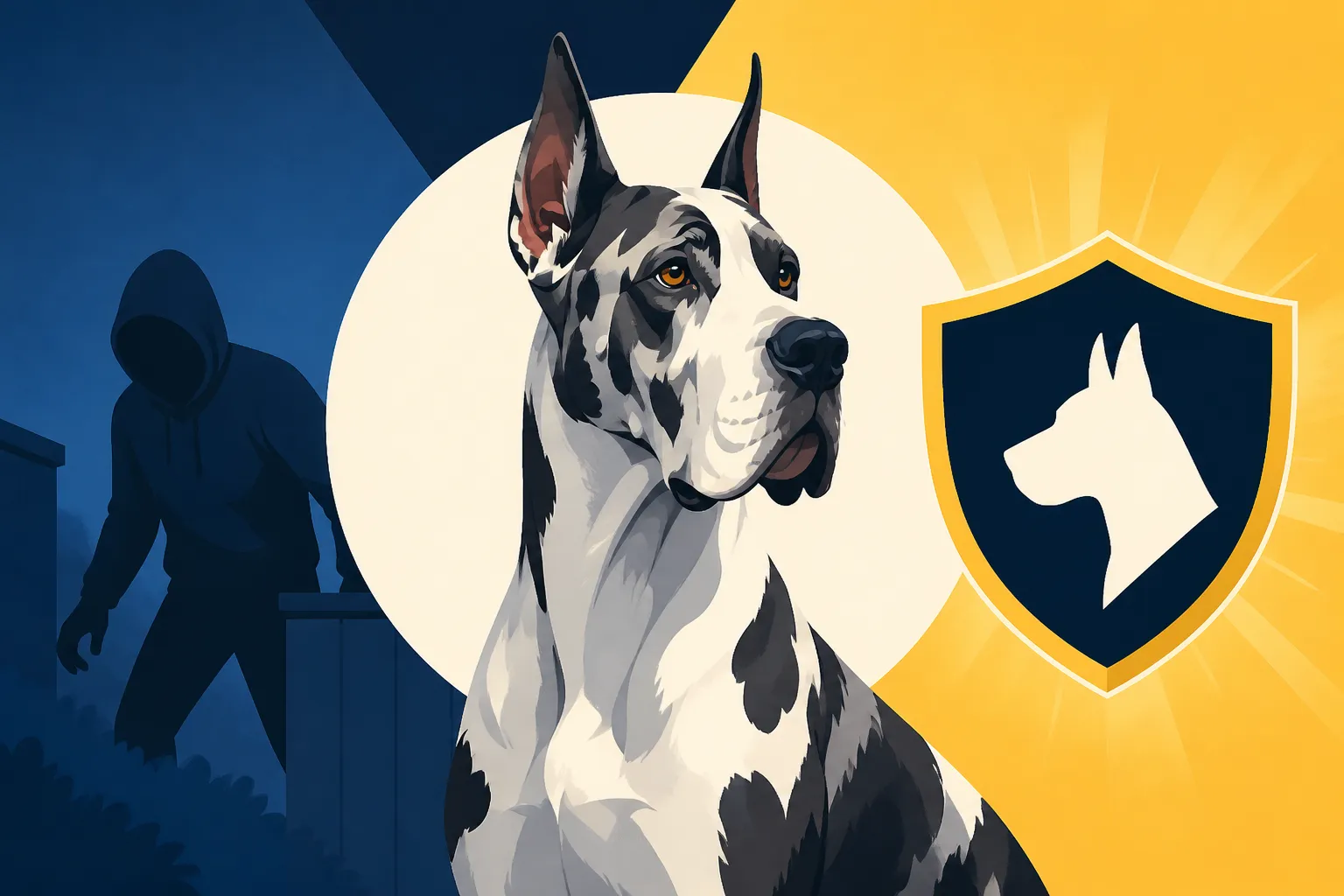
Let’s reiterate what we’ve discussed: the sheer, undeniable size of a Great Dane is, in itself, an exceptionally potent deterrent. The sight of a dog that can easily outweigh and outmatch a human by a significant margin is often enough to make most opportunistic intruders reconsider their plans and seek an easier target. You don't need a dog to be actively aggressive to deter; the mere implication of potential confrontation is frequently all that’s required to scare someone off.
Consider the psychological impact: a visible Great Dane in a window, or a deep, guttural bark echoing from within your home, immediately creates an impression of a formidable obstacle. This passive deterrence is arguably one of the most effective forms of "guarding" a Great Dane offers. It works by making your property appear less appealing and more risky than the next, all without requiring your gentle giant to act out of character or put themselves, or anyone else, in harm's way.
So, while they may not be a guard dog in the classical sense of being trained to attack, their imposing physical presence serves a powerful protective function. This is particularly effective against casual theft or vandalism. Your Great Dane, by simply existing and being seen, is an excellent first line of defense, effectively communicating that your home is not an easy target.
The Alarming Bark
Oh, that Great Dane bark! It is deep, resonant, and carries with an authoritative weight that commands attention. Unlike the yappy bark of a smaller dog, a Great Dane’s vocalizations sound serious, like a truly large and powerful animal is making its presence known. This is another incredibly valuable asset when considering them as home protectors. An intruder hearing that distinctive bark is likely to assume something far more menacing than a big, friendly, drooling goofball is waiting inside.
This alarming bark serves as an exceptional early warning system, not just for you, but for your neighbors as well. If your Dane lets out a series of deep, sustained barks, it’s a clear signal that something out of the ordinary is occurring. It shatters the silence, draws immediate attention to your property, and can be enough to frighten away anyone attempting to be discreet or unnoticed. A Great Dane That Barks at the Door offers insights into managing this powerful vocal tendency.
While you certainly don't want an incessantly barking dog, a Great Dane that uses its voice judiciously to alert to genuine concerns is an incredibly helpful companion. For many Danes, this vocal alert is the primary extent of their "guarding" efforts, and it’s a perfectly valid and often highly effective form of home security. It’s about drawing attention to an unusual situation and letting anyone outside know, in no uncertain terms, that the house is occupied and alert.
When a Dane Might Intervene
While Great Danes are not typically true guard dogs in the trained sense, their profound loyalty to their families means they possess a deep-seated protective instinct. If they perceive a direct, unmistakable threat to their loved ones, they may intervene. This intervention is usually a last resort, driven by their innate desire to protect rather than specific, aggressive training. It could manifest as placing themselves physically between you and the perceived threat, growling intensely, or even using their immense body to push or block to keep you safe.
It's crucial, however, to understand that this potential for intervention is highly individual and cannot be reliably predicted or trained for in the same manner as a purpose-bred protection dog. Some Danes might be more inclined to act than others, depending on their individual courage, confidence, and the strength of their bond with their family. It’s not a primary defense mechanism you should rely on but rather a potential, instinct-driven response in extreme and rare circumstances. Trying to force or "train" a Great Dane into aggressive guarding can backfire severely, leading to an unpredictable and dangerous dog.
Ultimately, if genuine protection is your primary concern, a Great Dane's most reliable contributions are their deterrent presence and their excellent alert system. Their enormous size, impressive bark, and unwavering loyalty make them superb home guardians in a more passive, yet highly effective, sense. They are there to alert you, to make potential threats think twice, and to stand steadfastly by your side. For comprehensive peace of mind, pair your Great Dane's natural presence with other robust home security measures, and cherish them for the loving, gentle giants they truly are.
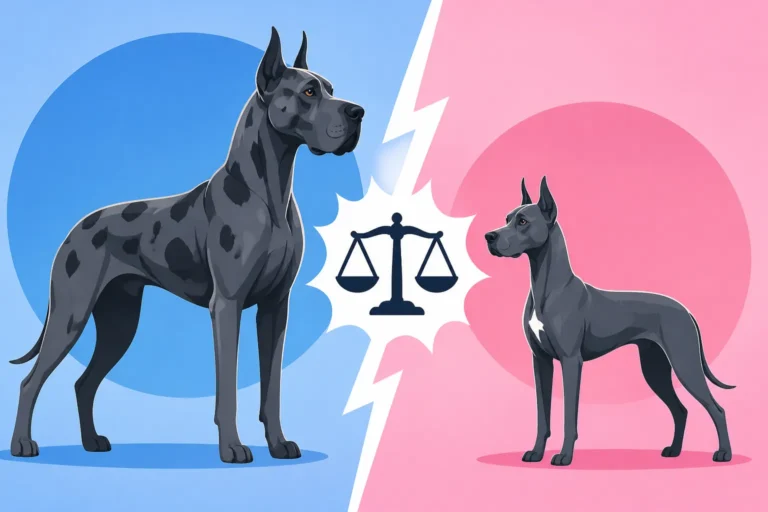
| Feature | Great Dane (Typical) | Traditional Guard Dog (e.g., German Shepherd, Doberman) |
|---|---|---|
| Primary Temperament | Affectionate, gentle, social, sensitive | Alert, protective, courageous, confident |
| Natural Instinct | Companion, family member, alert via barking | Guard, protect, territorial, confrontational |
| Response to Stranger | Curious, friendly (if socialized), or reserved | Reserved, wary, observant, may challenge |
| Size as Deterrent | High (due to sheer size and imposing appearance) | High (due to reputation and presence) |
| Bark | Deep, loud, alarming | Authoritative, often intense |
| Physical Intervention | Unlikely unless direct threat to family, reactive | Trained to engage, confront, or apprehend |
| Training Focus | Manners, obedience, confidence, socialization | Protection, obedience, bite work, territorial defense |
| Best Role | Family companion, deterrent, alert system | Dedicated protector, working dog |
Disclaimer
This article is for general informational purposes only and does not constitute professional advice. Laws, prices and regulations vary by location and change over time. Consult a qualified professional for guidance on your specific situation.