Whether a Great Dane Can Bloat Twice
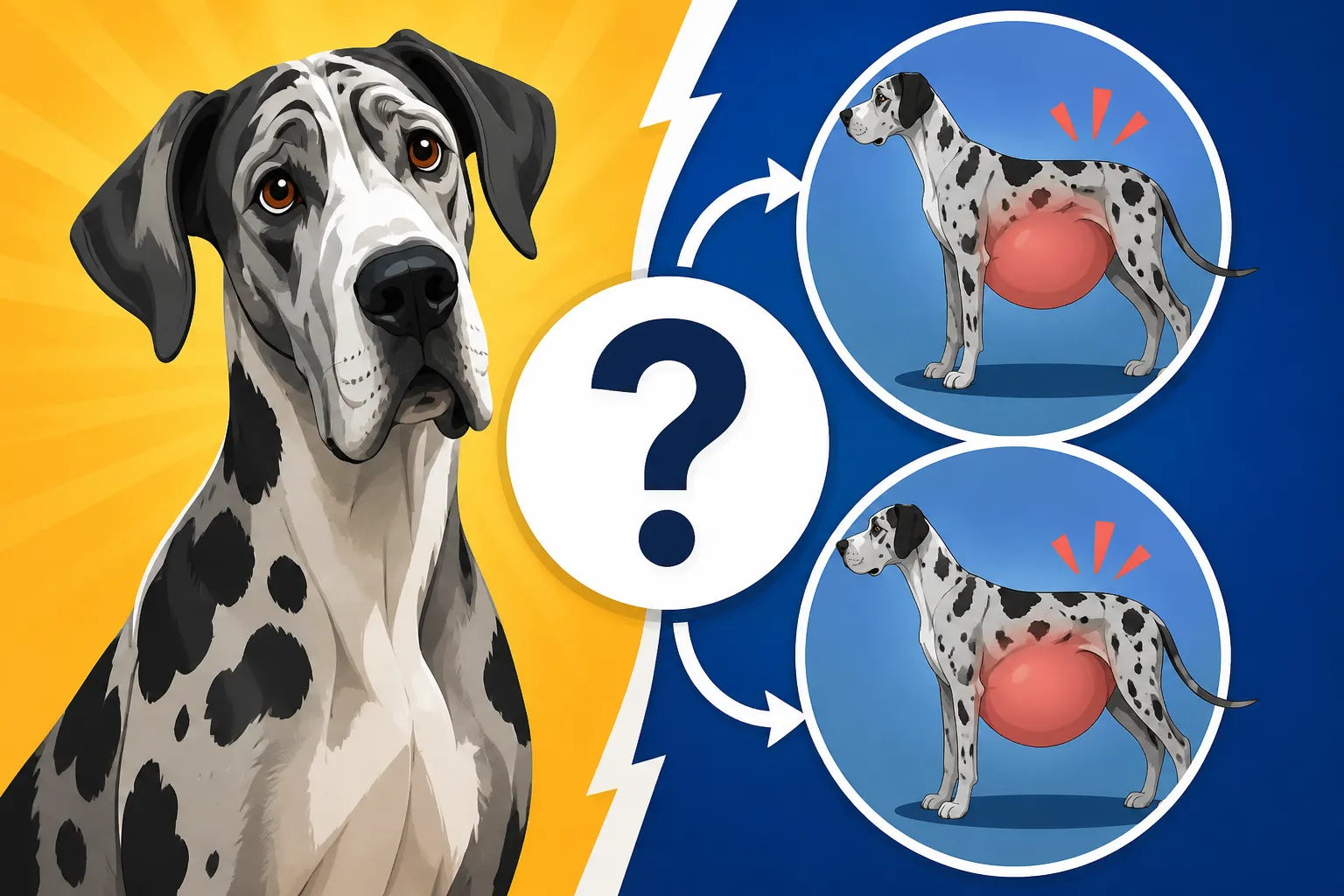
The sheer terror of discovering your beloved Great Dane pacing, retching, and visibly swelling is a feeling no owner ever wants to experience. Once you've been through the frantic rush to the emergency vet and the nail-biting wait during surgery for gastric dilatation-volvulus (GDV), commonly known as bloat, a chilling question often lingers: "Can this nightmare happen again?" The answer, unfortunately, is a resounding yes, it absolutely can. This guide will walk you through the very real possibility of a Great Dane experiencing bloat multiple times, why it happens, and what you can do to arm yourself and your giant companion against this devastating condition.
Understanding the Terrifying Reality of Great Dane Bloat Recurrence
Living with a Great Dane means living with the constant, underlying worry of bloat. It's a breed predisposition that hangs over us like a dark cloud. When your dog survives a bloat episode, there's a huge wave of relief, but often, that relief is quickly followed by the gnawing fear that it could strike again. It’s not just a hypothetical concern; for many Danes, it's a very real and persistent threat.
Why a Great Dane Can Bloat a Second Time
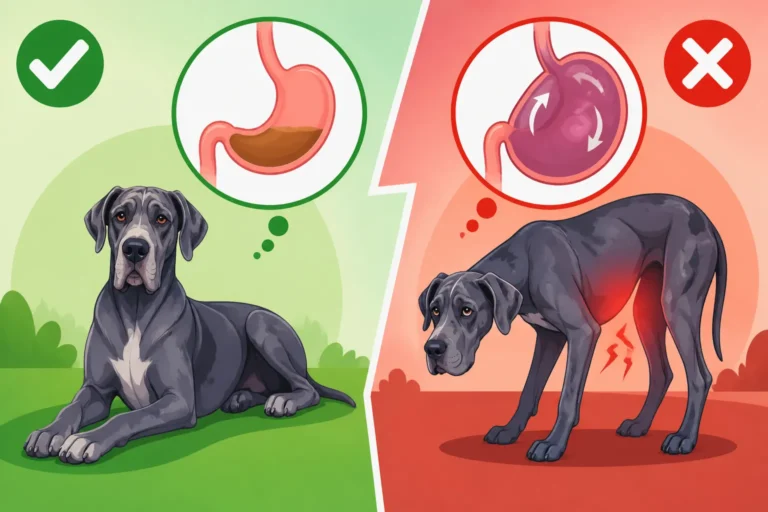
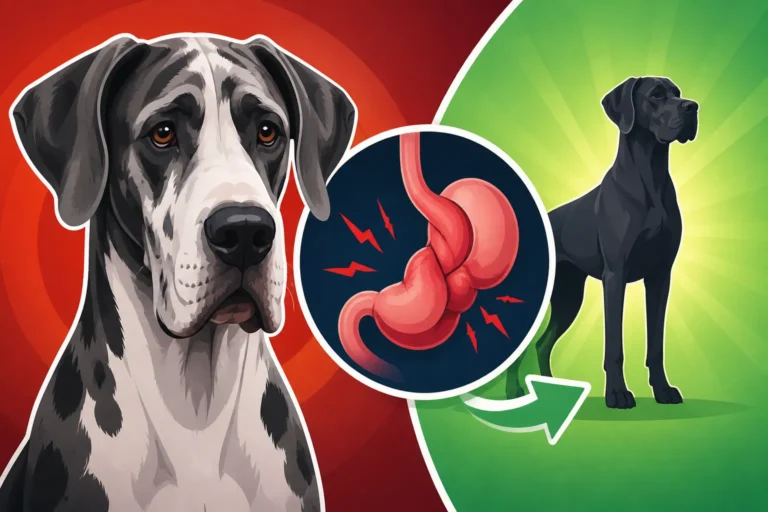
To understand why a Great Dane can bloat again, we need to revisit what bloat actually is. Gastric Dilatation-Volvulus (GDV) isn't just a stomach full of gas (dilatation); it's when that gas-filled stomach then twists on its axis (volvulus), cutting off blood supply and making it impossible for gas or fluid to escape. It's a lightning-fast killer, and sadly, Great Danes are statistically at a higher risk than almost any other breed, with "Bloat in a Great Dane and the One in Three Odds" being a stark reminder of its prevalence.
The key to understanding recurrence is that the underlying anatomical predisposition – that deep, narrow chest and the relatively loose ligaments supporting the stomach – doesn't magically disappear after the first episode. If your Great Dane experiences bloat and only has the gas relieved and the stomach untwisted, without any surgical intervention to prevent future twists, then the stomach remains just as free to twist again as it was before. Imagine a scenario where you rush your Dane to the emergency clinic at 2 AM, the incredible team performs a life-saving surgery to de-rotate their stomach, and they recover beautifully. Six months later, you observe them pacing frantically, trying to vomit, and seeing that tell-tale distension in their belly. The horrifying truth is, without a preventive measure, their stomach is still vulnerable to twisting again, putting them right back in the same critical, life-threatening situation. The first bloat episode, while terrifying, doesn't "cure" them of the risk; it often just highlights their inherent susceptibility.
The Critical Role of Gastropexy in Preventing Recurrence
This is where gastropexy becomes not just beneficial, but often absolutely essential, especially for Great Danes who have already experienced bloat. A gastropexy is a surgical procedure where the stomach is permanently tacked, or sewn, to the inside of the abdominal wall. Think of it as anchoring the stomach in place. This procedure fundamentally changes the game when it comes to bloat recurrence. You can learn more about "Stomach Tacking Surgery for a Great Dane" and "How a Great Dane Gastropexy Is Done" to understand the specifics.
The crucial point about gastropexy is this: it prevents the twist (volvulus) of the stomach. It does not prevent the stomach from filling with gas (dilatation). This distinction is vital for owners to understand. A Great Dane with a gastropexy can still experience discomfort and distress from a gassy, distended stomach, which would still require veterinary attention to decompress. However, the immediate, life-threatening emergency caused by the twisting – where blood supply is cut off and tissue begins to die – is overwhelmingly prevented. Studies show that gastropexy can reduce the risk of GDV (bloat with twist) recurrence by 90-95%. This is a huge, life-saving difference. Without this procedure, the chances of a Great Dane bloating again are significantly higher, making it a common recommendation for any Dane that has survived a bloat event. This is also why many owners choose to have a gastropexy performed electively, often when their dog is spayed or neutered, to prevent the first episode from ever becoming a twisting emergency.
Identifying the Lingering Risks After a First Bloat Episode
Even with the life-saving intervention of a gastropexy, the journey isn't over. There are still factors that contribute to bloat risk and require owners to remain incredibly vigilant. Surviving one episode, with or without a gastropexy, means you've now joined a unique club of Great Dane owners who understand the threat intimately.
Factors That Still Contribute to Bloat Risk
While gastropexy dramatically reduces the risk of the stomach twisting, it doesn't eliminate all forms of gastric distress. A Great Dane's genetic predisposition to bloating – the sheer anatomical build that allows for gas accumulation – can still be present. This means even a tacked stomach can fill with gas, causing severe discomfort and requiring urgent veterinary care to relieve the pressure, even if it won't twist. Imagine your Dane, who had a gastropexy months ago, suddenly becoming restless and trying to vomit. Your heart leaps into your throat because you know those "The Signs of a Great Dane Stomach Twisting." While the immediate panic of a full twist might be mitigated, the situation is still an emergency.
Beyond anatomy, certain lifestyle and dietary habits continue to play a role. Fast eating, large meals consumed quickly, and gulping air while eating or drinking can all lead to excessive gas accumulation. Strenuous exercise too close to meal times, either an hour before or after, can also be a significant trigger. Furthermore, some research suggests that stress and anxiety can contribute to bloat episodes. A highly anxious Dane, even one with a gastropexy, might be more prone to the kind of gastrointestinal upset that leads to gas buildup. It's crucial to remember that "Whether Tacking Ends Great Dane Bloat Risk" is about the twist, not the dilatation itself.
The Importance of Vigilance and Early Detection
After witnessing the horror of bloat once, vigilance becomes second nature for most Great Dane owners. But it’s a vigilance that can be mentally exhausting. The good news is that if your Dane has had a gastropexy, the urgency of what you need to do might shift slightly, but the urgency of when you need to act does not. "What to Do the Minute a Great Dane Bloats" remains the same: immediate veterinary attention.
You must remain hyper-aware of any signs of discomfort or changes in your dog's behavior, particularly around meal times. Restlessness, pacing, excessive drooling, unproductive retching (trying to vomit but nothing comes up), and any visible distension or hardness in the abdomen should send alarm bells ringing. Even if your Great Dane has a gastropexy, these are still signs of a potentially severe gastric dilatation. The difference is that your vet can likely decompress the stomach with a tube or needle without requiring another emergency surgery for a twisted stomach. However, delaying treatment can still lead to serious complications from pressure on internal organs and circulatory issues. Your prompt action truly saved them the first time, and maintaining that same level of alertness is paramount for their continued health.
Strategies for Minimizing the Chances of a Second Bloat Event
While we can never entirely eliminate the risk of bloat in a Great Dane, especially the initial gas accumulation, there are concrete steps we can take to drastically reduce the likelihood of a second, potentially fatal, twisting episode. These strategies encompass dietary management, lifestyle adjustments, and, critically, proactive medical interventions.
Dietary and Feeding Adjustments
How you feed your Great Dane can have a huge impact on reducing bloat risk. If your Dane has experienced bloat, these considerations become even more important for ongoing management and preventing recurrence.
- Smaller, More Frequent Meals: Instead of one or two large meals a day, break your Dane's daily food allowance into three or even four smaller meals. This reduces the amount of food and gas entering the stomach at any one time, lowering the overall distension risk. "Meal Habits That Cut a Great Dane's Twist Risk" is a concept every owner should embrace.
- Slow Feeder Bowls: Many Great Danes are enthusiastic eaters, inhaling their food in minutes. This rapid ingestion leads to gulping a lot of air along with their kibble, which contributes significantly to gas buildup. Investing in a large, sturdy slow-feeder bowl or even scattering their food on a cookie sheet can dramatically slow them down.
- Managing Post-Meal Activity: It's absolutely crucial to restrict strenuous exercise for at least an hour before and, more importantly, an hour after meals. This means no vigorous play, running, or roughhousing. A short, calm potty break is fine, but anything that encourages jumping, rolling, or rapid movement should be avoided. This is directly related to "Whether Exercise After Meals Bloats a Great Dane."
- Water Access: Ensure your Dane always has access to fresh water, but try to prevent them from gulping down huge quantities immediately after eating, which can also introduce air.
- Kibble Choice: While the "raised bowl argument" has been debated, and some studies suggest raised bowls might increase risk, the general consensus on kibble size is that larger kibble might slow down eating and reduce air intake. Focus on high-quality ingredients, and if you have concerns about specific diets, especially those that might affect heart health, consider "Whether Grain-Free Food Reaches a Great Dane's Heart" and discuss with your vet or a veterinary nutritionist.
Lifestyle and Management Practices
Beyond the bowl, your Dane's daily routine and environment can also play a role in their gastric health.
- Stress Reduction: Great Danes are often sensitive souls, and anxiety can manifest in physical ways, including digestive upset. Try to maintain a calm, consistent environment. Minimize sudden changes, and if your Dane is prone to anxiety, discuss strategies with your vet or a certified professional dog trainer. Understanding "Whether Stress Sets Off a Great Dane Bloat" can help you be proactive.
- Moderate Exercise: While giant breeds need exercise, particularly "Exercise Limits While a Great Dane Is Still Growing," it should be appropriate for their age and physical condition. Avoid extreme, high-impact activities that can jostle internal organs. Regular, moderate walks and gentle play are usually best.
- Regular Veterinary Check-ups: Consistent vet visits allow your veterinarian to monitor your Great Dane's overall health and catch any subtle changes that might indicate an increased risk for bloat or other health issues.
- Pet Insurance: Given the incredibly high cost of emergency bloat surgery and potential follow-up care, having pet insurance is almost a necessity for Great Dane owners. Companies like Healthy Paws can provide immense relief in a crisis, covering a significant portion of unexpected vet bills. This makes considering "Whether Pet Insurance Is Essential for a Great Dane" a clear 'yes' for this breed. "Recovery After Great Dane Bloat Surgery" can also be extensive and costly, and insurance helps immensely.
Proactive Medical Interventions
For any Great Dane that has experienced bloat, especially if a gastropexy wasn't performed during the initial emergency surgery, discussing this proactive medical intervention with your veterinarian is paramount.
- Elective Gastropexy: If your Great Dane survived bloat without a gastropexy, schedule an elective procedure as soon as they are fully recovered. This is the single most effective way to prevent the life-threatening twist from occurring again. While it doesn't prevent gas accumulation, it dramatically reduces the risk of the fatal GDV. You can learn more about this by researching "Stomach Tacking Surgery for a Great Dane."
- Understanding Limitations: Even with a gastropexy, remember that bloat (gas accumulation) can still happen. The signs of discomfort, restlessness, and unproductive retching still demand immediate veterinary attention. The gastropexy provides precious time by preventing the twist, but it doesn't mean you can ignore the symptoms of a distended stomach.
Understanding these distinctions and maintaining constant vigilance are key to ensuring your Great Dane lives a long, happy, and bloat-free life after an initial scare.
| Feature | Great Dane Without Gastropexy (Pre-surgery or if not performed) | Great Dane With Gastropexy (Post-surgery) |
|---|---|---|
| Recurrence of Twist Risk | High (especially if predisposing factors persist) | Extremely Low (approx. 90-95% effective against volvulus) |
| Bloat (Gas Accumulation) | Possible and can lead to twist | Still possible, but the stomach cannot twist |
| Severity of Second Event | Often fatal if not treated immediately | Potentially still life-threatening due to gastric distension, but twist avoided |
| Symptoms | Restlessness, pacing, unproductive retching, distended abdomen | Similar signs of discomfort, restlessness, possible unproductive retching |
| Emergency Treatment | Urgent surgical intervention needed for de-rotation and tacking | Decompression (often via tube or needle) to relieve gas; surgery usually not needed for twist |
| Long-term Management | Strict dietary/lifestyle changes, constant vigilance | Continued vigilance, dietary management, but greatly reduced fatal twist risk |
In summary, the answer to "Can a Great Dane bloat twice?" is undeniably yes, but with a critical caveat. While the initial gas accumulation that causes bloat can indeed occur more than once, the truly life-threatening twist (volvulus) can be overwhelmingly prevented by a gastropexy. This surgical procedure transforms a terrifying potential repeat catastrophe into a manageable emergency, offering immense peace of mind. Living with a Great Dane means accepting the responsibility of understanding bloat and taking proactive steps. By implementing smart feeding practices, managing their lifestyle, and embracing preventive medical interventions like gastropexy, you can drastically reduce the chances of enduring that terrifying bloat experience ever again, allowing you and your gentle giant to enjoy many more happy, healthy years together.
Disclaimer
This article is for general informational purposes only and does not constitute professional advice. Laws, prices and regulations vary by location and change over time. Consult a qualified professional for guidance on your specific situation.