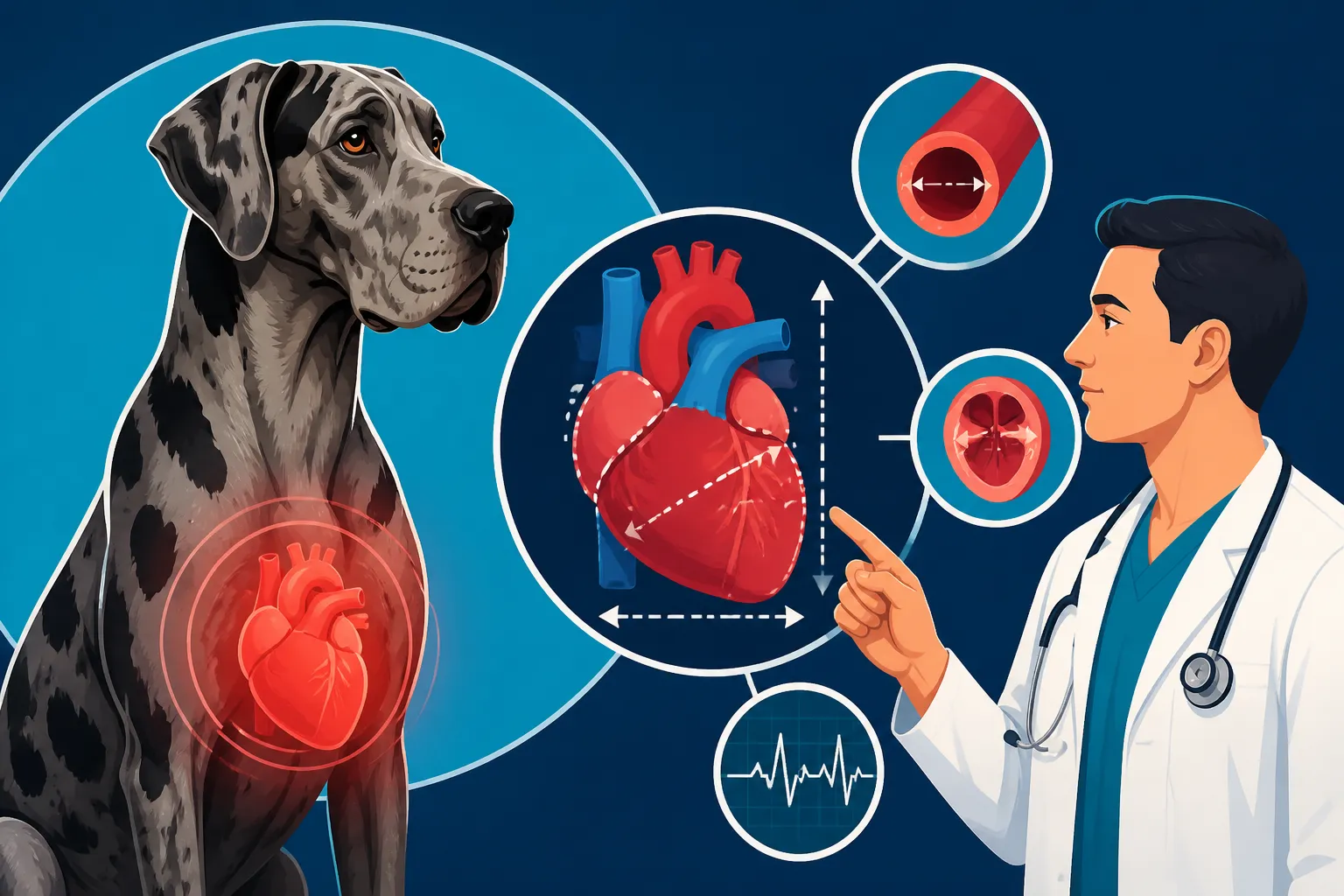
What a Cardiologist Measures in a Great Dane Heart
When you have a Great Dane, the idea of a heart problem isn't just a faint worry in the back of your mind; it's often a looming shadow. These magnificent giants, despite their serene demeanor, are unfortunately predisposed to certain serious cardiac conditions, with dilated cardiomyopathy (DCM) being particularly prevalent. Facing the possibility of heart disease in your beloved Dane can feel overwhelming, especially when your vet suggests a referral to a veterinary cardiologist. This guide aims to demystify what happens during these crucial appointments, breaking down exactly what a cardiologist looks for and measures to safeguard your Great Dane's heart health.
The Crucial First Visit: Laying the Foundation for Diagnosis
Bringing your giant friend to a specialist can be daunting, but remember, this is a positive step towards understanding and managing their health. The cardiologist’s first task is to gather as much information as possible, piecing together your Dane's unique story.
Gathering Your Dane's Detailed History
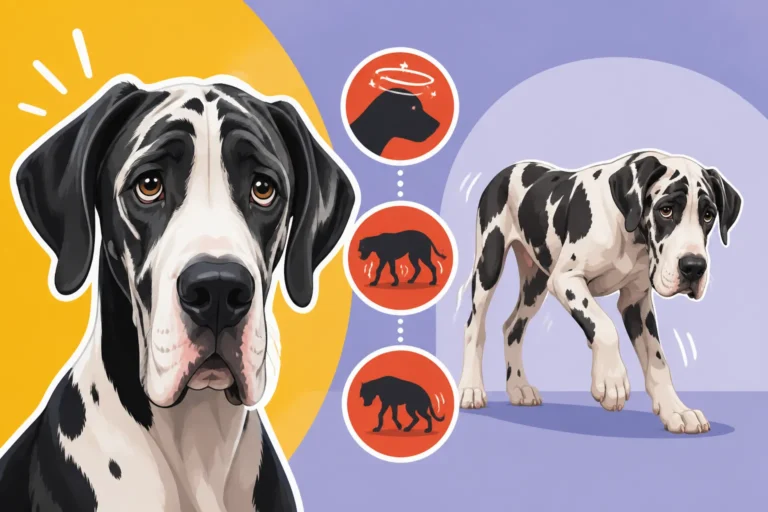
Your observations as a Great Dane owner are incredibly valuable, often providing the first clues to potential heart issues. The cardiologist will spend a significant amount of time asking you about your dog's daily life, routine, and any changes you've noticed. They want to hear about everything, from their energy levels during walks to their behavior at home. Have you noticed your Great Dane That Cannot Finish a Walk like they used to, perhaps slowing down or needing more breaks? Are they experiencing a persistent cough, especially A Great Dane That Coughs at Night, which can sometimes be mistaken for kennel cough but might indicate fluid in the lungs due to heart failure? Has there been any unexplained weight loss, changes in appetite, or even subtle lethargy that just doesn't seem right for your usually playful giant? Even Fainting in a Great Dane, a terrifying experience for any owner, is a critical piece of information. Every detail, no matter how small it seems to you, helps the cardiologist build a comprehensive picture. They'll also ask about your Dane's diet, any supplements they're on, and their exercise routine. It’s also important to discuss their breeding history, if known, as some lines have a higher predisposition to certain conditions.
The Thorough Physical Examination
After the detailed history, the cardiologist will perform a very thorough physical examination. This isn’t just a quick once-over; they are looking for specific indicators related to cardiac health. They'll pay close attention to your Dane's gums, checking their color and capillary refill time, which can indicate circulation issues. They'll feel pulses in multiple locations, noting their strength and regularity. Listening to your Great Dane’s heart and lungs, or auscultation, is a critical part of this exam. They're not just listening for a heartbeat; they're listening for specific sounds like heart murmurs, which are extra or unusual sounds caused by turbulent blood flow. They’ll also be attentive to any arrhythmias, which are irregular heartbeats. The presence of a murmur doesn't automatically mean severe disease, but it certainly flags the need for further investigation. Similarly, lung sounds can reveal fluid buildup, a common complication of heart failure. They will also gently palpate your Dane’s abdomen, checking for fluid accumulation (ascites) which can occur when the heart isn't pumping efficiently.
Advanced Diagnostics: Getting an Inside Look at the Heart
Once the initial consultation is complete, a veterinary cardiologist will typically recommend a series of specialized tests to gain a deeper understanding of your Great Dane's heart function and structure. These tests are vital for pinpointing the exact nature of any cardiac issue.
The Echocardiogram: The Gold Standard for Heart Imaging
The echocardiogram, often simply called an "echo," is arguably the most important diagnostic tool for evaluating a Great Dane's heart. It's essentially an ultrasound of the heart, providing real-time images of its structure and how it's functioning. Unlike X-rays, which show bone and general organ outlines, an echo lets the cardiologist see the moving parts of the heart: the chambers, valves, and major blood vessels.
During the echo, your Great Dane will typically lie comfortably on a special table, often on their side, with a small patch of fur shaved on their chest to allow for good probe contact. The cardiologist will apply a gel and use a transducer to send sound waves into the chest. These sound waves bounce off the heart structures and return to the transducer, creating images on a monitor. What a Cardiologist Measures in a Great Dane Heart during an echo includes several crucial parameters:
- Chamber Size: They will measure the size of all four heart chambers (atria and ventricles). In Great Danes, one of the primary concerns is Dilated Cardiomyopathy (DCM), a condition where the heart chambers, particularly the left ventricle, become enlarged and lose their ability to pump blood effectively. An enlarged left ventricle is a classic sign of DCM.
- Wall Thickness: The thickness of the heart muscle walls is also measured. In some heart diseases, the walls can thicken (hypertrophy), while in DCM, they often thin as the chambers stretch.
- Valve Function: The cardiologist meticulously examines the heart valves – mitral, aortic, tricuspid, and pulmonic – to see if they are opening and closing correctly. Leaky valves (regurgitation) or stiff, narrowed valves (stenosis) can significantly impact blood flow and put extra strain on the heart.
- Blood Flow Velocity and Direction: Using Doppler technology, the echo can visualize and measure the speed and direction of blood flow through the heart and vessels. This helps detect abnormal flow patterns caused by murmurs or valve issues, and assess pressures within the heart.
- Systolic Function (Pumping Strength): This is a critical measurement. The cardiologist will assess how effectively the left ventricle, the main pumping chamber, is contracting. They'll look at metrics like the "ejection fraction" or "fractional shortening," which indicate the percentage of blood pumped out of the ventricle with each beat. A low ejection fraction is a hallmark of a weakened heart muscle, as seen in DCM.
These precise measurements allow the cardiologist to assess How a Great Dane Heart Enlarges, determine the severity of any disease, and monitor its progression over time.
Electrocardiogram (ECG/EKG) and Holter Monitoring
While an echo gives a picture of the heart's structure and pump function, an electrocardiogram (ECG or EKG) provides crucial information about its electrical activity. The heart beats through electrical impulses, and an ECG records these impulses, revealing any abnormalities in rhythm or conduction.
For a standard in-clinic ECG, electrodes are gently placed on your Great Dane's skin (usually on their legs and chest) while they stand or lie calmly for a few minutes. This quick snapshot can detect obvious arrhythmias or irregular heartbeats. However, many Great Danes with heart disease, particularly DCM, might only experience arrhythmias intermittently. This is where a Holter monitor comes in.
Holter monitoring for a Great Dane heart involves fitting your dog with a small, lightweight device that continuously records their ECG for 24 to 48 hours while they go about their normal activities at home. This provides a much more comprehensive look at the heart's electrical activity over an extended period, significantly increasing the chances of capturing those elusive, intermittent arrhythmias that might be missed in a short in-clinic ECG. The cardiologist can then analyze thousands of heartbeats to identify the type, frequency, and severity of any electrical disturbances. This information is critical for diagnosis and for guiding treatment, especially regarding anti-arrhythmic medications.
| Diagnostic Test | What It Does | What It Measures/Detects | Primary Use in Great Danes |
|---|---|---|---|
| Physical Exam | Hands-on assessment, listening with stethoscope | Heart rate, rhythm, presence of murmurs, lung sounds, pulse quality, gum color | Initial screening, detects obvious signs like murmurs or fluid in lungs |
| Echocardiogram (Echo) | Ultrasound of the heart | Heart chamber size, wall thickness, valve function, blood flow, pumping strength (ejection fraction) | Diagnosing DCM, assessing severity, monitoring progression, identifying structural issues |
| Electrocardiogram (ECG/EKG) | Records electrical activity of the heart | Heart rhythm, rate, presence of arrhythmias (irregular beats) | Detecting electrical abnormalities, especially for severe or constant arrhythmias |
| Holter Monitor | Continuous 24-48 hour ECG recording | Intermittent or exercise-induced arrhythmias, overall arrhythmia burden | Capturing elusive arrhythmias missed by short ECGs, vital for DCM detection |
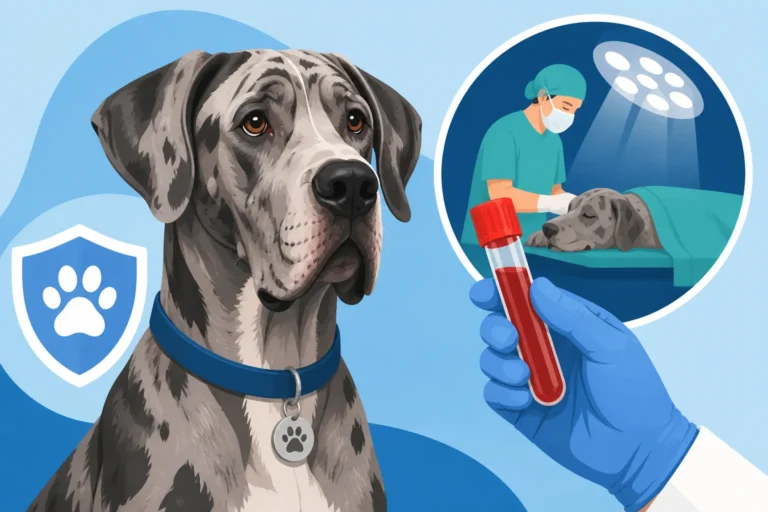
| Blood Tests (e.g., Cardiac Biomarkers) | Analyzes blood samples | Levels of certain proteins released when heart muscle is stressed or damaged (e.g., ProBNP) | Screening for heart disease, assessing severity, monitoring response to treatment |
Understanding the Numbers: What Each Measurement Reveals
The results from these advanced diagnostics provide the cardiologist with a wealth of data. Interpreting these numbers is key to understanding your Great Dane's specific condition and crafting an effective treatment plan.
Assessing Chamber Size and Function
When a cardiologist looks at the measurements from an echocardiogram, one of the first things they're assessing is the size of the heart chambers, particularly the left ventricle. As we know, The Heart Muscle Disease Great Danes Are Prone To is often DCM. In DCM, the heart muscle becomes thin and stretched, leading to significantly enlarged chambers. They will take specific measurements, such as the left ventricular internal diameter (LVID), both when the heart is relaxed (diastole) and when it contracts (systole). These numbers are compared against established reference ranges for Great Danes, taking into account their size and sex.
A significantly increased LVID in a Great Dane suggests the heart is struggling to pump blood efficiently. Beyond just size, the cardiologist evaluates the heart's function – how well it's actually squeezing. This is often expressed as fractional shortening (FS) or ejection fraction (EF). Fractional shortening measures the percentage change in the left ventricle's diameter from diastole to systole, while ejection fraction is the percentage of blood pumped out of the ventricle with each beat. A healthy heart has a strong fractional shortening and ejection fraction, indicating robust pumping action. In a Great Dane with DCM, these numbers will be reduced, signaling a weakened heart muscle that isn't able to eject enough blood with each beat. This can be a very sobering moment for owners, but understanding these measurements is the first step toward intervention.
Valve Integrity and Blood Flow
Beyond the main pumping chambers, the four valves of the heart are crucial for directing blood flow in the correct direction. The cardiologist meticulously examines each valve's structure and motion during the echo. They're looking for signs of thickening, degeneration, or prolapse (where a valve leaflet bulges backward). If a valve isn't closing tightly, blood can leak backward, a condition called regurgitation. If a valve is too narrow, it obstructs forward blood flow, known as stenosis.
Doppler echocardiography allows the cardiologist to visualize and quantify this blood flow. They can see turbulent flow patterns, which are often associated with murmurs heard during the physical exam. They'll measure the velocity of blood flow across the valves and through major vessels. For instance, if there's significant mitral regurgitation (a leaky mitral valve), it means blood is flowing backward into the left atrium when it should be going forward into the aorta. This extra work strains the heart, causing it to compensate and often leading to enlargement. These measurements help the cardiologist determine the severity of any valve disease and its impact on the heart's overall function and efficiency.
The Importance of Baseline and Trends
A single set of measurements provides a snapshot, but what truly matters is understanding the full picture and how it changes over time. This is why Screening a Great Dane's Heart Each Year, even if they seem healthy, is so crucial for a breed predisposed to cardiac issues. Establishing a baseline when your Great Dane is young and seemingly healthy allows the cardiologist to detect subtle changes earlier. For example, a small increase in left ventricular size or a slight decrease in fractional shortening from one year to the next could be an early indicator of developing DCM, even before clinical signs are apparent.
The cardiologist will compare current measurements to previous ones, looking for trends. Is the heart becoming progressively more enlarged? Is the pumping function declining? Are arrhythmias becoming more frequent or severe, as might be revealed by a follow-up Holter monitor? This longitudinal data is invaluable for making informed decisions about when to start medication, adjust dosages, or explore other interventions. It's a proactive approach to managing a Great Dane's heart health, giving you and your vet the best chance to intervene before the disease progresses too far. Maintaining a comprehensive record of these tests, perhaps with the help of a pet insurance provider like Healthy Paws, can make a huge difference in tracking your Dane's health journey and managing the associated costs.
Translating Findings into Action: Your Dane's Treatment Plan
Once the cardiologist has all the necessary information, they will formulate a diagnosis and, most importantly, a tailored treatment plan designed to give your Great Dane the best possible quality of life.
Medical Management and Lifestyle Adjustments
For many Great Danes diagnosed with heart conditions like DCM, medical management is the cornerstone of treatment. There's a range of medications available, each targeting different aspects of heart disease. For example, Pimobendan for a Great Dane is a commonly prescribed drug that helps the heart muscle contract more strongly and dilates blood vessels, making it easier for the heart to pump blood. Diuretics might be prescribed to help reduce fluid buildup in the lungs or abdomen, alleviating symptoms like coughing or labored breathing. Other medications, such as ACE inhibitors, can help relax blood vessels and reduce the workload on the heart, while anti-arrhythmic drugs are used to control irregular heartbeats.
Beyond medication, lifestyle adjustments play a significant role. Your cardiologist might recommend changes to your Great Dane's diet, perhaps a low-sodium prescription food to help manage fluid retention. Exercise restrictions are often necessary, especially for dogs with advanced heart disease, to prevent overexertion. While a walk around the block might be fine, intense play sessions or long jogs could put undue strain on a compromised heart. It's a delicate balance of keeping them active enough for mental stimulation but safe enough to protect their heart. These ongoing costs for specialized food, regular vet visits, and daily medications can add up quickly, which is why many Great Dane owners find pet insurance plans, such as those offered by Healthy Paws, to be a lifesaver in managing these significant expenses.
Prognosis and Ongoing Monitoring
Receiving a diagnosis of heart disease in your Great Dane can be heartbreaking, and naturally, you'll want to know about their prognosis. The cardiologist will discuss this openly and honestly, based on the specific diagnosis, the severity of the disease, and your dog's response to treatment. While some heart conditions can be managed for many years, others might have a more guarded prognosis. The goal is always to maximize comfort and quality of life for as long as possible.
Ongoing monitoring is absolutely essential. Your Great Dane will require regular follow-up visits with the cardiologist, often every few months. These visits will typically involve physical exams, repeat echocardiograms to assess how the heart is responding to medication, and possibly more Holter monitoring to check for changes in arrhythmias. Blood tests might also be done to monitor kidney function, especially if diuretics are prescribed, and to check levels of cardiac biomarkers which can indicate heart stress. The treatment plan is often dynamic, meaning it will be adjusted over time as the disease progresses or as your dog's needs change. It's a journey, and having a dedicated veterinary cardiology team by your side, coupled with the peace of mind that comes from a good insurance policy, can make all the difference for you and your cherished Great Dane.
Disclaimer
The information provided in this article is for general informational purposes only and is not a substitute for professional veterinary advice. Always consult with a qualified veterinary professional for diagnosis and treatment of any medical condition your Great Dane may experience.