Why Recurrence Drops After a Dane Gastropexy
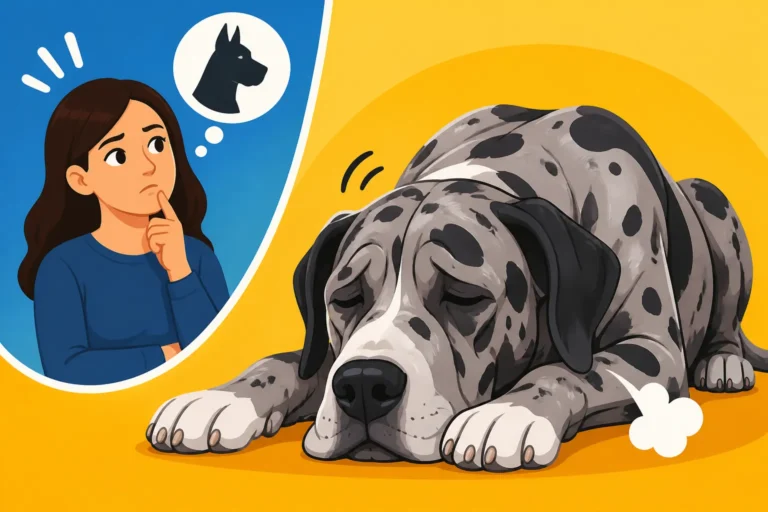
The looming threat of Gastric Dilatation-Volvulus (GDV), commonly known as bloat, is a heavy burden for many Great Dane parents. The terror of rushing your dog to the emergency vet, knowing their stomach could twist and become fatal in hours, is an experience no one wants to repeat. The good news is that a preventive surgical procedure called a gastropexy can drastically reduce the chances of this life-threatening recurrence, offering invaluable peace of mind.
Understanding Gastric Dilatation-Volvulus GDV in Great Danes
Few canine conditions strike fear into the hearts of owners quite like bloat. For Great Dane families, it's not just a possibility; it's a stark reality many will face. Understanding this condition is the first step toward appreciating the profound impact of a gastropexy.
The Terrifying Mechanics of Bloat and Torsion
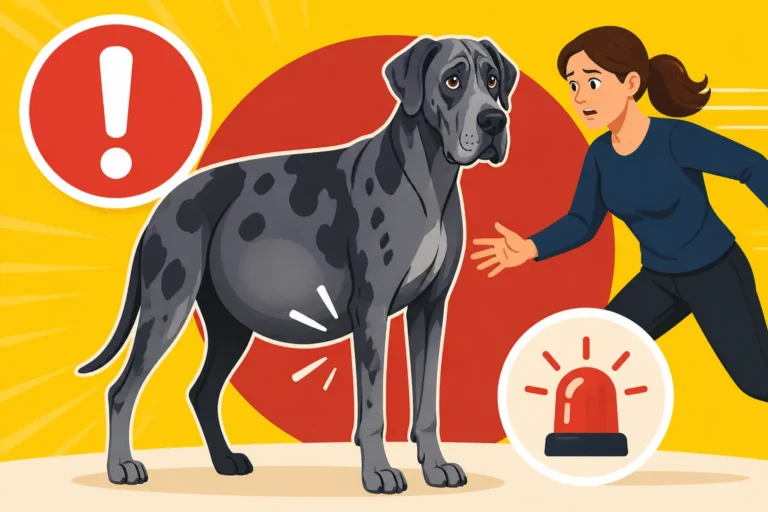
When we talk about "bloat" in Great Danes, we're usually referring to Gastric Dilatation-Volvulus (GDV). This isn't just an upset stomach; it's a critical emergency. The initial stage, gastric dilatation, occurs when the stomach rapidly fills with gas, fluid, or food. This causes it to expand, putting immense pressure on other organs and restricting blood flow. While this alone is painful and dangerous, the real terror begins if the stomach then twists upon itself, a phenomenon known as volvulus.
Imagine a large balloon inflating and then trying to spin around inside a confined space – that's essentially what happens to your Great Dane's stomach. When it twists, it cuts off both the entrance and exit, trapping all that gas and fluid. Even worse, it severely compromises the blood supply to the stomach wall and often impacts the spleen, which sits near the stomach. This leads to tissue death, severe pain, shock, and, without immediate intervention, rapid death. The signs of a Great Dane stomach twisting are unmistakable: pacing, extreme restlessness, attempts to vomit without producing anything (unproductive retching), a visibly distended and hard abdomen, and eventually collapse. Every minute counts in this situation; knowing what to do the minute a Great Dane bloats can be the difference between life and death.
Why Great Danes Are Uniquely Susceptible
Great Danes are, unfortunately, poster children for bloat. Their deep-chested anatomy, a hallmark of the breed, is a primary culprit. This deep chest provides ample space for the stomach to distend and, crucially, to twist. Unlike breeds with more compact ribcages, the Great Dane's stomach has more "room to maneuver," making torsion a higher risk.
Beyond anatomy, several other factors contribute to their susceptibility. Rapid eating, gulping air along with their food, is a common concern. Vigorous exercise immediately before or after meals can also increase risk. Stress, for some Danes, can be a trigger. And undeniably, genetics play a significant role. If a Great Dane's close relatives have suffered from GDV, their risk increases. The statistics are truly sobering: Great Danes have an estimated lifetime bloat risk of up to 37%, meaning that over a third of Great Danes may experience this emergency at some point. This grim reality is why many Great Dane owners proactively seek solutions like a gastropexy, which specifically addresses the twisting component of GDV.
What a Gastropexy Is and How It Physically Prevents Twisting
Given the grave risks associated with GDV, preventing the stomach from twisting is a paramount concern for Great Dane owners. This is where the gastropexy procedure comes into play, offering a critical layer of protection.
The Surgical Procedure Explained
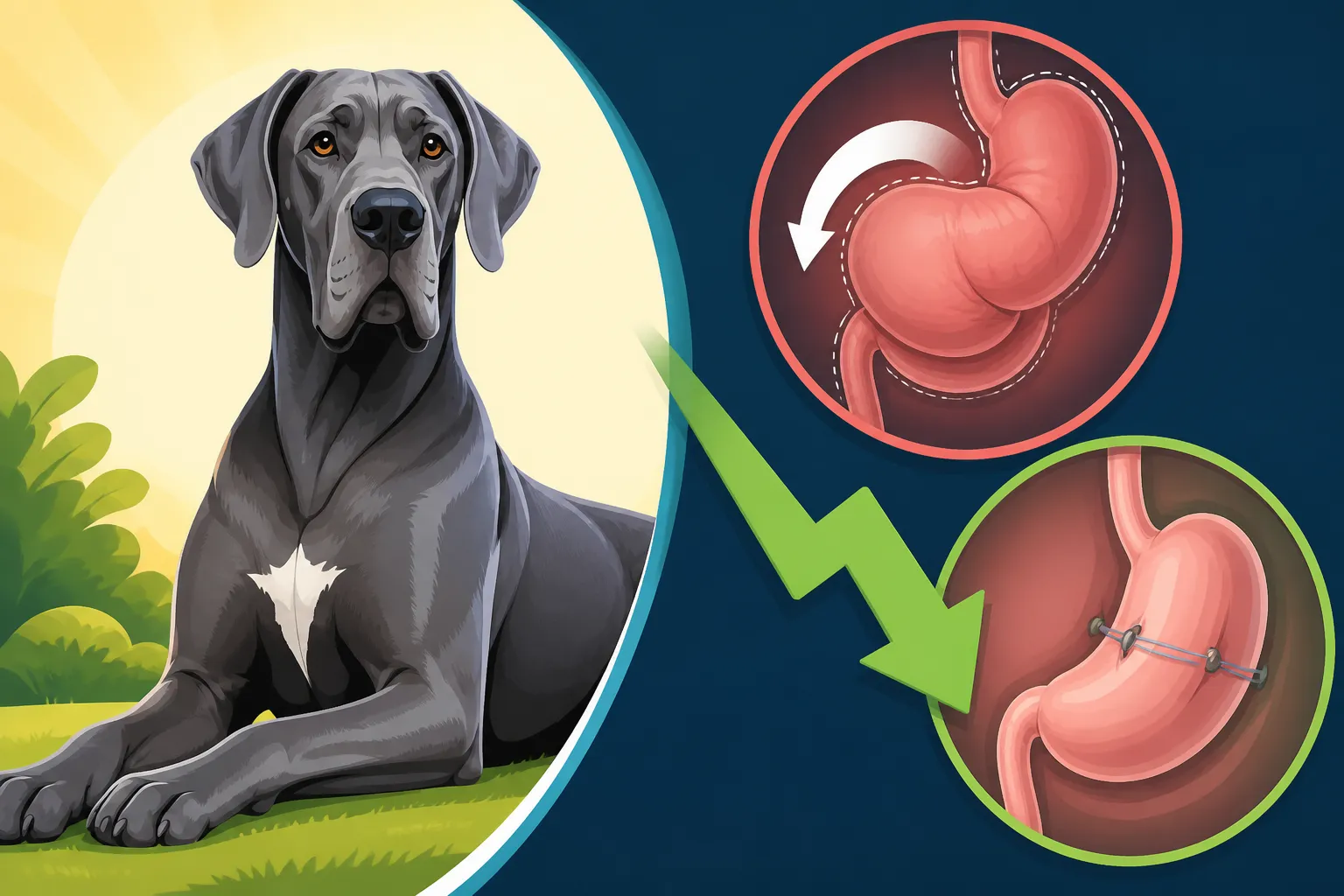
A gastropexy is a surgical procedure that permanently attaches a portion of the stomach to the inside of the abdominal wall. The goal is straightforward: to create an adhesion that prevents the stomach from rotating or twisting, thereby stopping the most life-threatening aspect of GDV. This isn't a complex, experimental surgery; it's a well-established and highly effective procedure.
There are a few ways a gastropexy can be performed. The most common traditional method involves an incision where a segment of the stomach's outer muscular layer is sutured to the abdominal muscle. Another increasingly popular option is a laparoscopic gastropexy on a Great Dane. This minimally invasive technique uses a small camera and specialized instruments inserted through tiny incisions, leading to less pain and a faster recovery for your dog. Often, owners choose to have the gastropexy performed electively when their Great Dane is young, frequently bundling it with spaying or neutering. This ensures that the dog is protected before they ever experience a bloat event, offering immense peace of mind. The expertise of the veterinary surgeon is crucial, as is understanding the recovery after Great Dane bloat surgery, whether it's an emergency or elective procedure.
How the Stomach is Physically Secured
The magic of a gastropexy lies in its simplicity and effectiveness. During the procedure, the vet identifies the pylorus, which is the outlet part of the stomach. This section is then attached directly to the right side of the abdominal wall. Over time, or immediately through sutures, the stomach tissue and the abdominal wall tissue grow together, forming a strong, permanent adhesion.
Think of it like securing a hammock to a tree. Even if the hammock sags or fills with items (like the stomach filling with gas), it can't flip over or twist because it's anchored. This adhesion acts as a fixed point, preventing the stomach from rotating more than a few degrees. Critically, this means that even if gas and food accumulate in the stomach (gastric dilatation), the fatal volvulus or twisting cannot occur. While your Great Dane might still experience discomfort from gas buildup, the immediate, life-threatening crisis of a twisted stomach is averted because that stomach is literally tacked into place.
Drastically Reducing the Risk of Stomach Torsion Recurrence
The primary benefit of a gastropexy is the profound reduction in the risk of the stomach twisting again. This isn't a minor improvement; it's a game-changer for Great Dane health and owner peace of mind.
Preventing the Stomach from Twisting Again
For Great Danes that have suffered from a GDV episode and survived emergency surgery, the thought of recurrence is terrifying. Research shows that without a gastropexy, up to 75-80% of dogs who survive an initial GDV episode will experience another one. This is a truly chilling statistic. However, with a gastropexy performed (either during emergency surgery or preventatively), the risk of future volvulus — that deadly twisting — plummets to less than 5%. This dramatic drop in numbers highlights precisely why recurrence drops after a Dane gastropexy. The physical attachment of the stomach to the abdominal wall acts as an unbreakable anchor, making it virtually impossible for the stomach to rotate into a life-threatening twisted position again.
This means that while a Great Dane might still get gas in their stomach, the ultimate, fatal consequence of that gas — the twist — is almost entirely eliminated. It shifts the scenario from a dire emergency requiring immediate, often costly, surgery to a potentially uncomfortable but usually manageable situation. For owners grappling with the lifetime bloat risk in a Great Dane, a gastropexy provides a powerful shield against the worst outcome.
The Peace of Mind a Gastropexy Provides for Owners
The reduction in risk isn't just a clinical statistic; it translates directly into immense peace of mind for Great Dane owners. Living with a breed so susceptible to bloat can be incredibly stressful. Every burp, every stretch, every moment of restlessness can trigger anxiety, making you wonder if this is the time. This constant worry is exhausting and can overshadow the joy of owning such a magnificent companion.
A gastropexy removes a huge chunk of this emotional burden. Knowing that your dog's stomach cannot twist into that deadly position allows you to breathe a little easier. You can worry less about whether exercise after meals bloats a Great Dane, or stress at mealtime matters for a Great Dane, though smart management is always advisable. This freedom from constant anxiety is invaluable. While the initial cost of the procedure might seem significant, especially when considering when to book a Great Dane gastropexy, it’s a proactive investment in your dog’s health and your own mental well-being. Think about the potential cost of an emergency GDV surgery, which can run into thousands of dollars. Many pet insurance providers, like Healthy Paws, recognize the value of preventive care and can help mitigate the financial impact of both routine and emergency veterinary care, including such procedures.
What a Gastropexy Doesn't Prevent and Ongoing Vigilance
While a gastropexy is an incredibly effective tool in preventing the life-threatening twist of GDV, it's not a complete shield against all gastric issues. Understanding its limitations is just as important as knowing its benefits.
The Continued Possibility of Gastric Dilatation Without Volvulus
It’s crucial to understand that a gastropexy prevents the volvulus (twisting) part of GDV, but it does not prevent the dilatation (gas accumulation) part. Your Great Dane can still experience a build-up of gas in their stomach, leading to discomfort, pain, and a distended belly. This condition, often referred to simply as "bloat" or gastric dilatation without volvulus, still requires veterinary attention, but it is generally less immediately life-threatening than GDV with torsion.
Symptoms of gastric dilatation without volvulus might include a distended abdomen, discomfort, restlessness, and perhaps some unproductive retching, though often less severe than with a twist. The key difference is that because the stomach cannot twist, the blood supply isn't cut off, and the gas can eventually pass, or be relieved by a veterinarian more easily. However, this doesn't mean you can ignore these signs. Even without a twist, severe gas buildup can cause significant pain and could lead to other complications if left untreated. It's a reminder that while the gastropexy protects against the direst outcome, ongoing vigilance regarding your Great Dane's health and any unusual symptoms remains paramount. The procedure helps by giving you more time to react, should any bloat event occur.
Post-Surgery Care and Proactive Lifestyle Choices
Even after a successful gastropexy, whether it's an elective procedure or performed during an emergency bloat surgery, thoughtful post-operative care and ongoing preventive measures are vital. The initial recovery period involves pain management, restricted activity, and close monitoring for any complications. Following your veterinarian's instructions to the letter during this time is essential for optimal healing and the long-term success of the adhesion.
Beyond recovery, maintaining proactive lifestyle choices can further support your Great Dane's health and reduce the likelihood of gastric dilatation episodes. This includes feeding multiple small meals a day rather than one large one. Meal habits that cut a Great Dane's twist risk are still good practices, even if the twist itself is prevented. Using a slow feeder bowl can prevent rapid eating and excessive air intake. Avoiding strenuous exercise an hour before and after meals is also a wise precaution. While the raised bowl argument for Great Danes has been debated, some owners find it helpful for their dog's comfort. Minimizing stress around meal times and providing a calm environment can also contribute to digestive health.
In summary, a gastropexy provides an incredible safety net, drastically reducing the most dangerous aspect of bloat. However, it doesn't eliminate the need for owners to be observant and proactive. Regular veterinary check-ups are always a good idea, and having a comprehensive pet insurance plan, such as those offered by Healthy Paws, can provide crucial financial support for both routine care and any unexpected health issues that may arise, twisted stomach or not.
| Feature | Before Gastropexy | After Gastropexy (Tacked Stomach) |
|---|---|---|
| Volvulus (Twisting) Risk | High (Up to 37% lifetime risk) | Extremely Low (Less than 5% recurrence) |
| Gastric Dilatation (Gas) Risk | Still possible | Still possible |
| Severity of Bloat Episode | Life-threatening emergency, rapid progression to shock | Serious discomfort, but generally not immediately fatal |
| Emergency Surgery Need | Almost always required for GDV with torsion | May require vet intervention for severe dilatation, but usually no surgery for torsion |
| Prognosis for Torsion | Guarded; depends on speed of intervention | Excellent; torsion is almost entirely prevented |
| Owner Anxiety | High, constant vigilance | Significantly reduced, greater peace of mind |
General Disclaimer
This article is intended for informational purposes only and does not constitute veterinary advice. Always consult with a qualified veterinarian for any health concerns or before making any decisions about your Great Dane's care.