Whether Tacking a Great Dane Stomach Pays Off
The fear of Gastric Dilatation-Volvulus, or bloat, is a heavy burden on every Great Dane owner's shoulders. It’s a gut-wrenching prospect, knowing that your beloved giant could be fine one moment and in a life-threatening emergency the next. This guide delves deep into whether a prophylactic gastropexy – stomach tacking surgery – truly pays off for Great Dane owners, weighing the peace of mind against the practicalities.
Understanding Gastric Dilatation-Volvulus (GDV) in Great Danes
The mere mention of "bloat" can send shivers down a Great Dane owner's spine. It's not just an upset stomach; it's a terrifying, rapidly progressing condition that demands immediate veterinary intervention. For those of us who share our lives with these magnificent giants, understanding GDV is not just important – it's a matter of life and death.
The Terrifying Reality of Bloat (GDV)
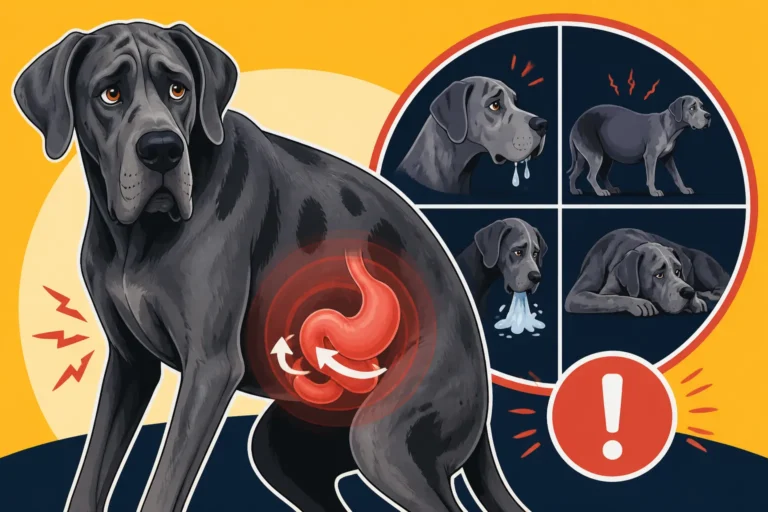
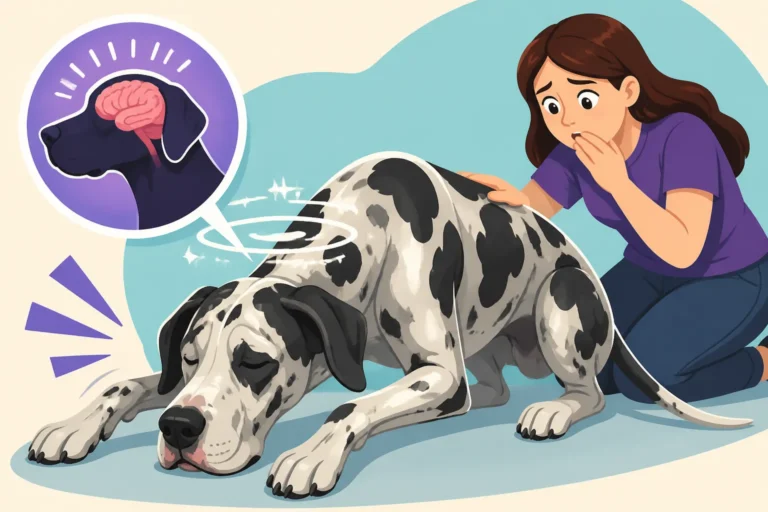
Imagine this scenario: your Great Dane, usually a picture of calm and contentment, suddenly becomes restless. They might pace anxiously, try to vomit repeatedly but bring nothing up, or even start drooling excessively. Their belly might seem swollen and hard to the touch. These are the classic, horrifying signs of Gastric Dilatation-Volvulus (GDV), a condition where the stomach fills with gas and then twists on itself, cutting off blood supply and trapping gas. It’s an agonizing experience for the dog, and a frantic nightmare for the owner. You might want to learn more about A Great Dane Trying to Vomit and Failing to recognize these crucial signs.
The speed at which GDV escalates is what makes it so terrifying. What starts as mild discomfort can very quickly turn into shock, organ damage, and even death within a matter of hours. This isn't just a concern for a few unlucky dogs; it’s a significant breed-specific risk. Statistics show that up to Bloat in a Great Dane and the One in Three Odds will experience bloat in their lifetime. That’s a staggering probability that no owner can afford to ignore.
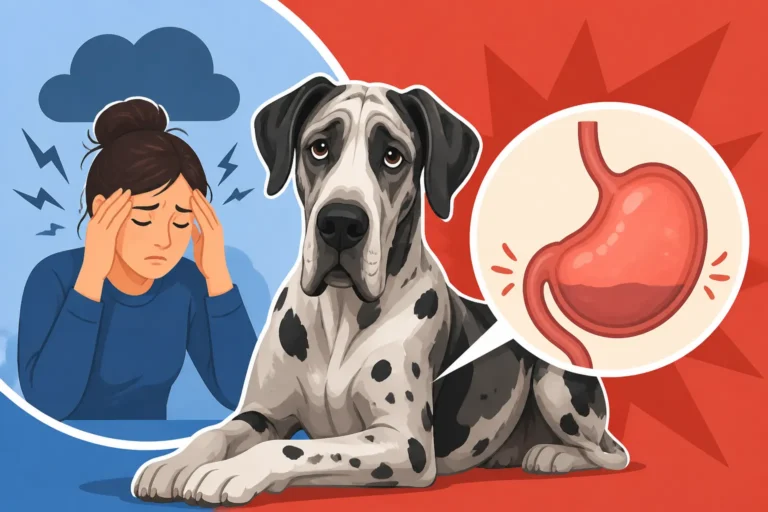
The sheer panic and helplessness you feel when you suspect bloat are unlike anything else. It's a race against time to get your dog to an emergency veterinary clinic, knowing that every minute counts. The pain your dog is experiencing is immense, and the stakes couldn't be higher. It's this profound stress and the high mortality rate that drive many Great Dane owners to seek preventative measures.
Why Great Danes Are So Susceptible to Stomach Twisting
So, why are Great Danes, of all breeds, so uniquely vulnerable to this dreadful condition? A major factor lies in their distinctive anatomy: their deep, narrow chest conformation. This body shape creates more space for the stomach to literally swing and twist within the abdominal cavity when it becomes distended with gas. It’s like a pendulous bell, primed to rotate under the right (or rather, wrong) circumstances.
Beyond anatomy, several other factors contribute to their susceptibility. Genetics play a significant role, with a higher incidence observed in certain family lines. Eating habits also contribute; studies suggest that factors like eating one large meal a day, eating rapidly, consuming dry kibble (especially with citric acid), and vigorous exercise immediately before or after meals can increase risk. However, it's crucial to remember that bloat can strike even if you do everything "right." Sometimes, it just happens.
The physiological process itself is brutal. Gas and fluid accumulate in the stomach, causing it to dilate. If this distension is severe enough, the stomach can then rotate, pinching off both the entry (esophagus) and exit (duodenum). This twist cuts off blood flow to the stomach, causing tissue death, and prevents gas from escaping, leading to further enlargement. The pressure on surrounding organs, particularly the diaphragm, makes breathing difficult, and the body rapidly goes into shock. This understanding of the mechanics underscores the urgency and severity of the condition.
The Immediate Danger and Prognosis Without Intervention
When a Great Dane's stomach twists, the consequences are catastrophic and rapid. The loss of blood supply to the stomach wall quickly leads to necrosis, or tissue death. Toxins are released into the bloodstream, severely impacting other vital organs. The twisted stomach also compresses major blood vessels, causing a dangerous drop in blood pressure and restricting blood flow back to the heart. This cascade of events plunges the dog into a state of severe shock.
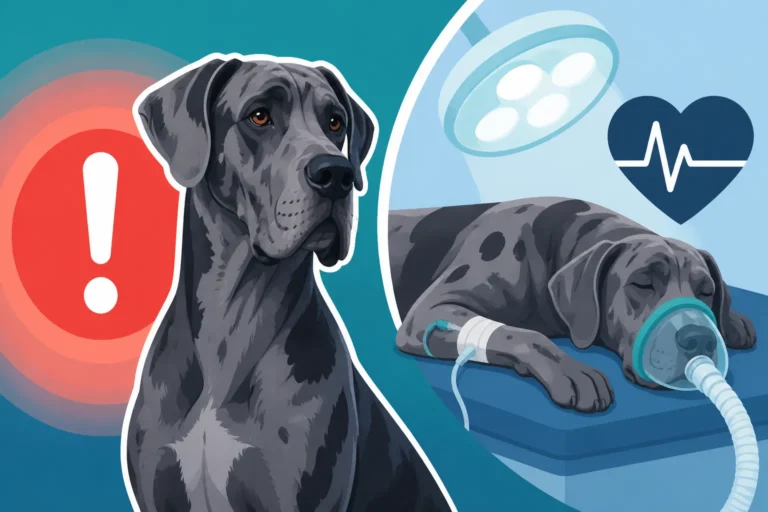
Without immediate and aggressive veterinary intervention, the prognosis is grim. The mortality rate for GDV can be as high as 30-40% even with surgery, and without it, it's almost 100%. Every moment counts when a Great Dane is bloating. The goal of emergency surgery is to untwist the stomach, decompress it, and then evaluate the damage to the stomach tissue. If parts of the stomach are necrotic, they must be removed, which further complicates the procedure and recovery.
Even if the dog survives the initial surgery, the recovery is often challenging, with potential complications like heart arrhythmias, kidney failure, or peritonitis (infection of the abdominal lining). The emotional and financial toll of such an emergency is immense. This stark reality is why many owners seriously consider proactive measures like gastropexy, seeking to prevent the twist before it ever has a chance to happen.
What a Great Dane Gastropexy Entails
Given the terrifying nature of bloat, it's natural for Great Dane owners to seek ways to mitigate the risk. This is where gastropexy, often referred to as stomach tacking, comes into play. It's a preventative surgical procedure designed to anchor the stomach, significantly reducing the chance of it twisting.
Different Surgical Approaches to Stomach Tacking
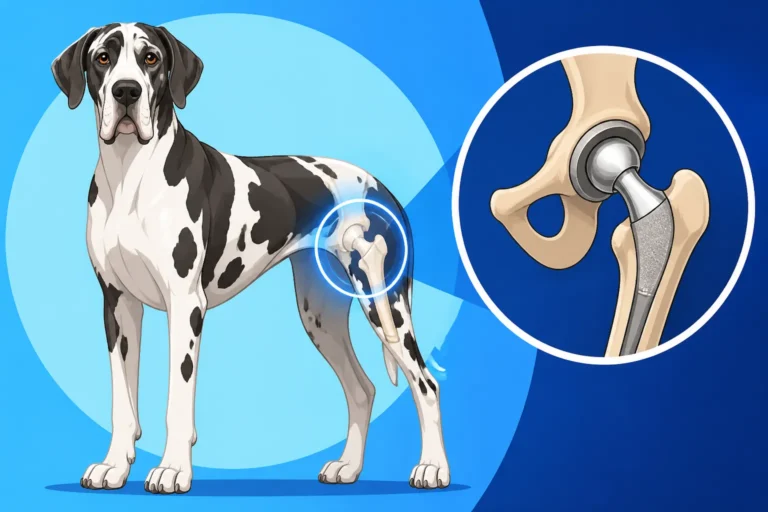
Gastropexy involves surgically attaching a portion of the stomach wall to the abdominal wall, creating a permanent adhesion. This "tack" prevents the stomach from rotating or twisting, which is the most dangerous aspect of GDV. There are a few different surgical techniques veterinarians employ for this procedure, each with its own advantages and considerations.
Traditionally, an open abdominal surgery, known as an incisional gastropexy, is performed. This involves a larger incision in the abdomen to access the stomach directly. A flap of the stomach lining is created and sutured to the abdominal wall muscles. While effective, this method is more invasive and typically involves a longer recovery time compared to less invasive options. Many veterinarians have extensive experience with this traditional approach, and it remains a reliable choice.
However, advancements in veterinary medicine have introduced less invasive options, particularly Laparoscopic Gastropexy on a Great Dane. This technique uses a laparoscope – a thin tube with a camera – inserted through small incisions. The surgeon performs the tacking procedure with specialized instruments, guided by the camera. Laparoscopic surgery generally results in less pain, smaller incisions, and a quicker recovery for the dog. Some specialized veterinary centers also offer a hybrid technique, a laparoscopically-assisted gastropexy, which combines aspects of both methods to minimize invasiveness while ensuring a strong tack.
The Preventative Power of a Tacked Stomach
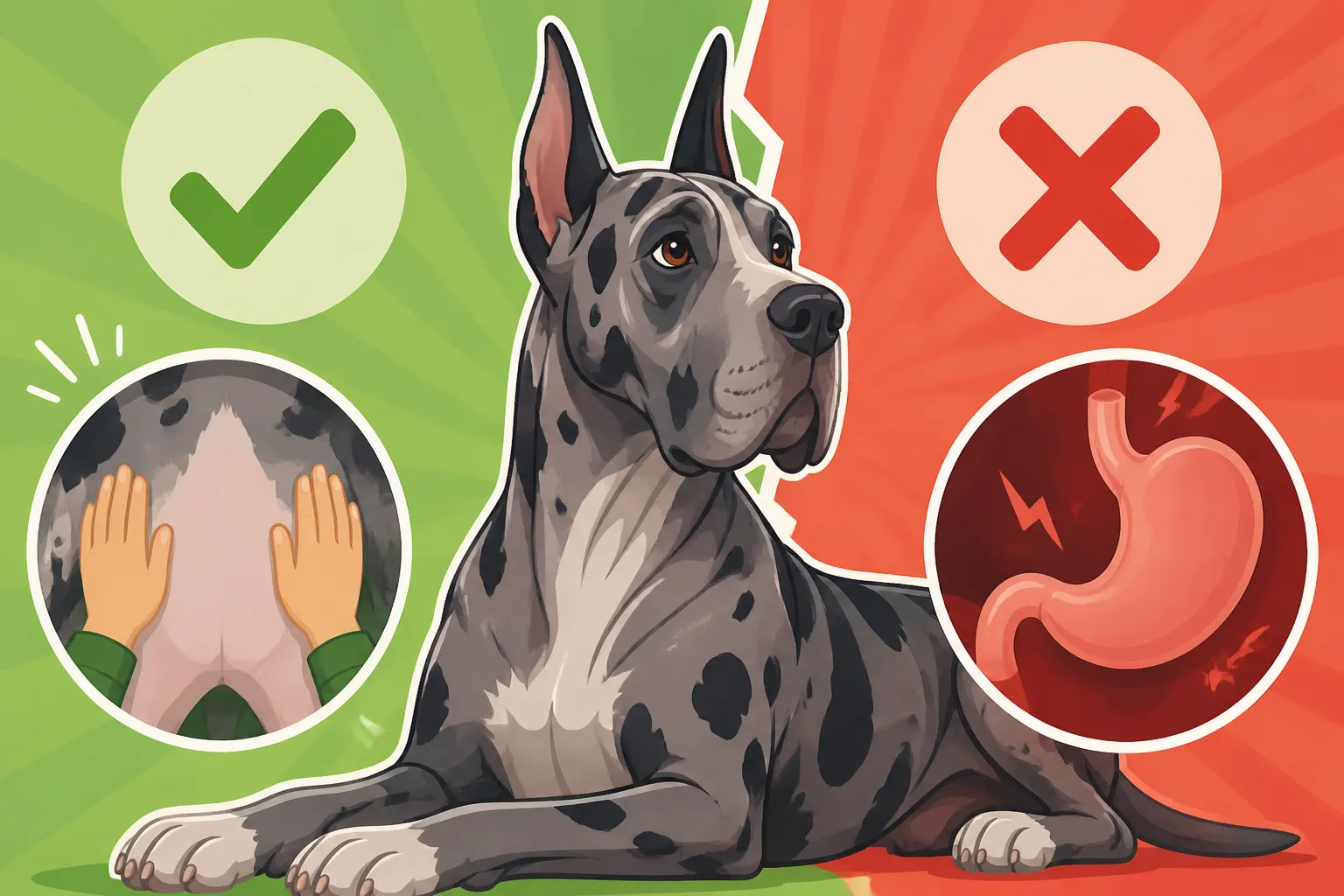
It’s crucial to understand what a gastropexy does and doesn't do. The procedure itself does not prevent the stomach from filling with gas (dilatation) – a dog can still "bloat" in the sense of their stomach distending. However, the true preventative power lies in its ability to virtually eliminate the life-threatening volvulus, or twisting, aspect of GDV. Because the stomach is securely anchored to the abdominal wall, it cannot rotate around its axis.
This permanent attachment dramatically reduces the risk of full-blown GDV. While a tacked dog could still experience stomach distension, it would be a much less critical situation, often manageable with medication and without the immediate threat of tissue death or systemic shock. This distinction is vital: the tacking surgery takes away the most lethal component of bloat. You might wonder Whether Tacking Ends Great Dane Bloat Risk entirely, and while it doesn't prevent all stomach issues, it does prevent the deadly twist.
The result is a profound reduction in the likelihood of a GDV emergency. For owners, this translates into a significant decrease in anxiety surrounding every meal, every bout of restlessness, or every sudden gulp of air. The surgery provides a robust safeguard, allowing you and your Great Dane to live with a much lower risk profile for this devastating condition. It’s an investment in prevention that pays dividends in peace of mind and potentially, in years of your dog's life.
Recovery and Post-Operative Care Expectations
Regardless of the specific technique used, post-operative care is critical to ensure a smooth recovery and a strong, lasting tack. Immediately after the procedure, your Great Dane will need careful monitoring, often involving an overnight stay at the veterinary hospital for pain management and observation for any immediate complications. Large breed dogs can react differently to anesthesia, so this initial monitoring is especially important.
Once home, the focus shifts to rest and restricted activity. This usually means no running, jumping, or strenuous play for several weeks. Leash walks for bathroom breaks will be the norm. Your veterinarian will provide specific instructions regarding incision care, which typically involves keeping it clean and dry, and preventing your dog from licking or chewing the sutures (an Elizabethan collar, or "cone of shame," is almost always a necessity). You’ll be given pain medication and possibly antibiotics to ensure comfort and prevent infection.
The recovery period allows the stomach to fully adhere to the abdominal wall, forming that crucial, permanent bond. It’s important to follow all veterinary advice meticulously during this time to prevent disruption of the healing site. A quiet, comfortable environment, away from excitement, will aid in their recovery. Though it requires dedication, this period is a small price to pay for the long-term protection the gastropexy offers.
The Tangible Returns on a Prophylactic Gastropexy Investment
When considering a major surgery for your Great Dane, it’s only natural to wonder if the benefits truly outweigh the costs and risks. For a prophylactic gastropexy, the "payoff" isn't always immediately obvious in monetary terms, but it resonates deeply in preventing tragedy and providing priceless peace of mind.
Mitigating the Lifetime Bloat Risk
Let's face it: living with a Great Dane means living with the omnipresent fear of bloat. Every burp, every stretch, every moment of restlessness can trigger that surge of anxiety. A prophylactic gastropexy fundamentally changes that dynamic by dramatically lowering The Lifetime Bloat Risk in a Great Dane. While it doesn't completely eliminate the possibility of stomach distension, it makes the life-threatening twist exceptionally rare.
This reduction in risk isn't just a statistical number; it's a profound shift in daily life. Imagine enjoying your dog without constantly scrutinizing their every movement for signs of distress. It means fewer sleepless nights worrying, less frantic rushing to the emergency vet, and ultimately, more quality time simply enjoying your companion. This peace of mind is invaluable, especially when you consider the acute panic and despair that accompany an actual GDV emergency.
For many Great Dane owners, the prophylactic gastropexy is seen as an essential preventative measure, akin to vaccinations or regular parasite control, given the breed’s specific vulnerabilities. It's taking a proactive step to protect your dog from a known and often fatal threat, transforming a terrifying "what if" into a manageable "very unlikely."
Financial Protection and Emergency Avoidance
Beyond the emotional benefits, there's a very real financial argument for prophylactic gastropexy. The cost of a preventative procedure pales in comparison to the astronomical bill that can accompany an emergency GDV surgery.
Consider this: The Price of a Preventive Great Dane Gastropexy, especially when performed electively (often during spay/neuter), can range from $500 to $2,000, depending on your location, the veterinarian, and whether a laparoscopic technique is used. Now, compare that to The Bill After an Overnight Great Dane Bloat. An emergency GDV surgery can easily cost anywhere from $3,000 to $10,000 or more, especially if complications arise, if it's done after-hours at an emergency clinic, or if intensive post-operative care is needed.
Here’s a simplified comparison:
| Procedure Type | Estimated Cost Range |
|---|---|
| Prophylactic Gastropexy | $500 – $2,000 (elective) |
| Emergency GDV Surgery | $3,000 – $10,000+ (emergency) |
This table clearly illustrates the significant financial advantage of prevention. Many owners find peace of mind by enrolling their Great Danes in pet insurance plans, like those offered by Healthy Paws, which can help cover the costs of preventative procedures or, crucially, emergency care if GDV still occurs (though preventative procedures are often covered by wellness plans, not standard accident/illness policies). When weighing these financial benefits, remember to research different providers and their coverage for major breed-specific health issues. For more details, explore Insuring a Great Dane Against Bloat and Heart Bills.
Choosing a prophylactic gastropexy is an investment that can save you thousands of dollars in emergency veterinary bills down the line, essentially paying for itself many times over if it prevents even one instance of GDV.
The Value of Time and Emotional Well-being
The "payoff" of gastropexy extends far beyond just finances. It's about protecting your emotional well-being and, more importantly, saving precious time with your beloved Great Dane. The frantic, heart-stopping rush to the emergency vet when bloat strikes is an experience no owner wishes to endure. The fear, the tears, the uncertainty – it’s a trauma that leaves lasting emotional scars.
By proactively tacking your Great Dane's stomach, you largely remove this looming threat. This allows you to focus on the joy of companionship, on long walks, cuddles on the couch, and all the wonderful moments you share, rather than constantly worrying about a potential, sudden emergency. It empowers you to enjoy your dog with a significantly reduced burden of anxiety.
Furthermore, GDV emergencies often occur at the most inconvenient times – late at night, on weekends, or holidays – when veterinary staff might be stretched thin and emergency clinics are bustling. Avoiding such an emergency not only saves you money but also spares you the logistical nightmare of finding immediate, specialized care during peak times. The emotional and mental peace that comes from knowing you’ve taken such a powerful step to protect your giant companion is truly invaluable and, for many, the ultimate payoff.
Making the Informed Decision for Your Great Dane
Deciding whether to pursue a prophylactic gastropexy for your Great Dane is a significant choice. It requires careful consideration, open discussion with your veterinarian, and an understanding of how it fits into your dog's overall health plan.
Optimal Timing and Veterinary Consultation
One of the most common questions owners have is about the optimal age to perform a gastropexy. For many, the ideal time is concurrent with other routine surgeries, such as spaying or neutering. This means your dog undergoes anesthesia only once, minimizing the overall risk and recovery period. For male Great Danes, this often occurs between 6 to 18 months of age, and for females, typically around 6 months before their first heat cycle. However, gastropexy can be performed on older Great Danes as well, though the risks associated with anesthesia and surgery generally increase with age.
It is absolutely crucial to have a thorough discussion with your primary care veterinarian. They can assess your individual dog’s health, discuss any underlying conditions, and provide tailored advice based on their medical history and your lifestyle. Factors such as your dog's temperament, current health status, and even their projected size can influence the best timing and approach. Don't hesitate to ask about the different surgical options available, their expertise, and their recommended course of action. They can help you understand all the nuances, guiding you on When to Book a Great Dane Gastropexy to maximize both safety and effectiveness.
This consultation is also the perfect opportunity to address any anxieties you might have about the procedure, the recovery, or the long-term implications. A good veterinarian will patiently walk you through every step, ensuring you feel confident and fully informed in your decision.
Complementary Preventative Measures
While a gastropexy offers a powerful layer of protection against the deadly twist, it’s important to remember that it doesn't make your Great Dane immune to all stomach issues. Bloat, in the sense of stomach distension, can still occur, even if the stomach can't twist. Therefore, combining gastropexy with other preventative care and responsible management practices is the wisest approach.
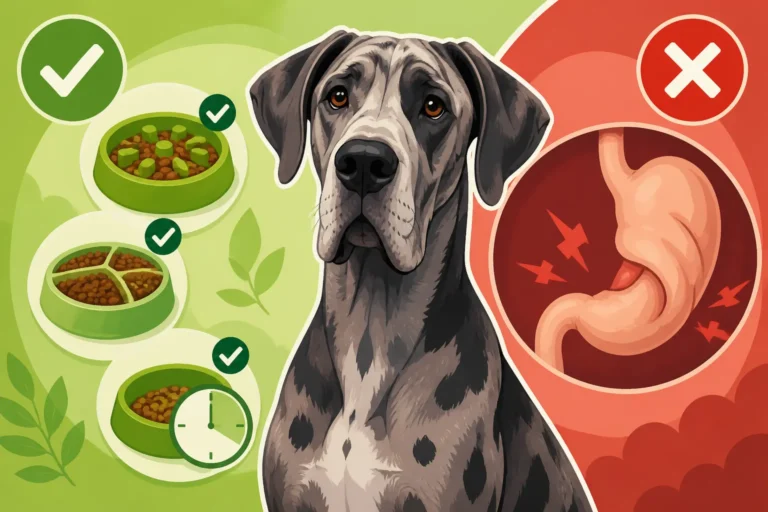
One of the most important complementary measures revolves around feeding habits. Many vets recommend feeding smaller, more frequent meals throughout the day rather than one large meal. Using slow feeder bowls can also help prevent your Great Dane from gulping down air along with their food, which contributes to gas buildup. You can find more advice on Meal Habits That Cut a Great Dane's Twist Risk. Additionally, it's widely advised to avoid vigorous exercise, excitement, or stress for at least an hour before and after meals. This allows the stomach to digest food without excessive movement.
Monitoring your dog's overall health, ensuring a high-quality diet, and maintaining a healthy weight are also crucial. While the gastropexy addresses the mechanical twisting, these lifestyle choices support overall gastrointestinal health and well-being, providing a holistic approach to managing your Great Dane's risk.
Life Beyond the "What If" with a Tacked Stomach
Ultimately, the decision to have a prophylactic gastropexy for your Great Dane is a personal one, but for many owners, it provides an unparalleled sense of relief. It’s about moving beyond the constant "what if" scenarios that haunt Great Dane ownership and stepping into a more relaxed, confident way of life with your companion.
Knowing that you’ve taken such a significant, proactive step to protect your dog from a truly devastating condition allows you to enjoy their presence more fully. It frees up mental space previously occupied by worry, allowing you to focus on training, playtime, and simple companionship. While no surgery is without risk, and no preventative measure is 100% foolproof, the dramatic reduction in GDV mortality risk offered by gastropexy is, for many, an investment that unequivocally pays off. It allows you to concentrate on celebrating the unique bond you share with your gentle giant, rather than living in fear of the unthinkable.
Disclaimer
Please remember that this article is intended for informational purposes only and should not be taken as medical advice. Always consult with a qualified veterinary professional for any health concerns or before making any decisions regarding your Great Dane's care, including surgical procedures. Individual outcomes may vary.