Knowing When a Great Dane Is Done
It's one of the hardest parts of loving a Great Dane, isn't it? That heartbreaking question of knowing when it's time to say goodbye, when their spirit, once so vibrant and full of life, starts to dim. As Great Dane owners, we share an incredible bond with these majestic, gentle giants, and watching them age and decline can be an agonizing experience. This guide is here to walk you through the subtle and not-so-subtle signs that your beloved Great Dane might be nearing the end of their journey, offering insights into how to assess their quality of life, recognize their pain, and ultimately make the most loving, compassionate decisions for them.
Recognizing the Subtle Shifts in Your Great Dane's Demeanor
Our Great Danes are masters of stoicism, often hiding discomfort until it becomes undeniable. That's why being acutely aware of their normal behavior is so crucial, allowing us to spot the slight deviations that indicate something is changing. These aren't always dramatic, sudden turns, but rather a slow, creeping erosion of their usual habits and joyous expressions. It's about paying close attention to the little things that, over time, add up to a significant shift.
Changes in Appetite and Hydration
One of the first things many owners notice is a change in their Great Dane's once-enthusiastic appetite. Remember the days they'd devour their food in seconds, eager for every kibble? As they decline, that gusto often wanes. Your Dane might start picking at their food, leaving a significant portion untouched, or show less interest in treats they once adored. It's not just about eating less, but the joy of eating less. Perhaps they used to jump and dance for dinner, and now they just slowly amble over, take a sniff, and walk away.
Sometimes, they might only eat if you hand-feed them, or if you coax them with very specific, high-value foods. While it's tempting to think they're just being finicky, a sustained reduction in appetite or a complete lack of interest can be a red flag. Similarly, changes in water intake can be telling. Are they drinking significantly less, or perhaps paradoxically, much more? Both extremes can indicate underlying health issues. Dehydration is a serious concern, making them feel lethargic and generally unwell. If your Great Dane, who once drained their giant water bowl multiple times a day, is now barely touching it, it’s definitely something to bring up with your vet.
Decreased Mobility and Stamina
Great Danes, even in their prime, are not known for their boundless energy in the same way a Jack Russell might be. They're often content to be giant couch potatoes. However, as they age and decline, their already relaxed pace can slow even further, becoming a genuine struggle. You might notice they're taking longer to get up from a lying position, perhaps with more grunts and groans than usual. They might be stiff after a nap, or struggle to navigate stairs they once bounded up without a second thought.
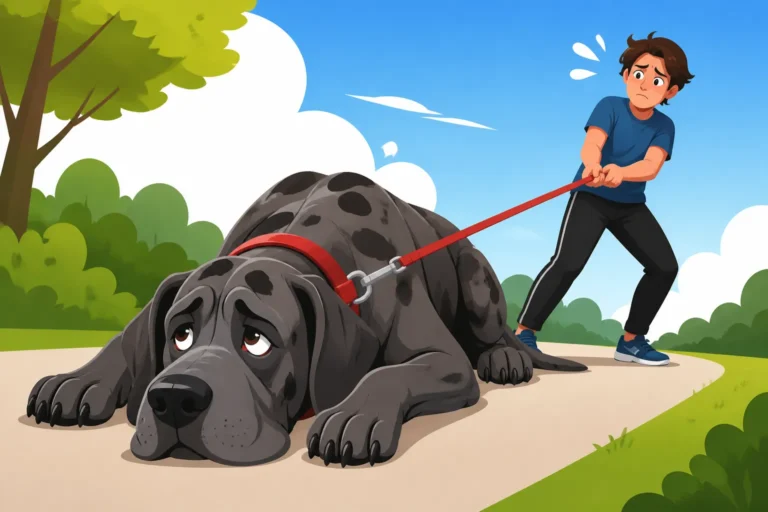
The walks they used to enjoy might become shorter, with your Dane showing signs of fatigue much sooner. They might lag behind, or even stop and sit down, signaling they've had enough. That once joyful trot might be replaced by a slow, plodding gait, or they might even start to stumble on their back legs. These subtle changes in their movement and endurance are crucial indicators. It's not just about them being "old" or "lazy"; it often points to joint pain, muscle weakness, or other physical ailments that are making their everyday movements an effort. Observing how they handle daily activities, like getting on and off furniture (if allowed!) or navigating different floor surfaces, can provide a lot of insight into their comfort level. For more information on age-related changes, consider reading about Caring for a Great Dane Past Six.
Understanding Pain and Discomfort in Your Great Dane
Pain is a silent enemy in animals, and Great Danes, with their stoic nature, can be particularly good at concealing it. As owners, it's our responsibility to become detectives, looking for the nuanced signs that communicate their suffering, rather than waiting for obvious yelps or limps. Recognizing when they're truly hurting is paramount to ensuring their comfort in their twilight years.
Reading the Silent Signals of Pain
Unlike a human who can tell you, "My hip aches," a Great Dane expresses pain through behavioral changes that are easy to miss if you're not looking. One of the most common signs is reluctance to move. They might hesitate before jumping into the car, avoid playing their favorite games, or simply choose to remain lying down rather than joining the family in another room. You might notice changes in their posture – perhaps hunching their back, tucking their tail more frequently, or shifting their weight awkwardly when standing.
Subtle self-grooming changes can also be indicative. Excessive licking of a particular joint or area, like an elbow or a paw, could mean it's causing them discomfort. They might also start panting more frequently, even when not hot or exercising, as panting can be a pain response. Behavioral changes like restlessness, an inability to get comfortable, or even mild aggression when touched in a certain spot are huge indicators. A Great Dane who normally loves belly rubs might flinch or snap if their abdomen is sore. Pay attention to their eyes – sometimes, a pained dog will have dilated pupils or a dull, faraway look. If you notice your Great Dane limping without an injury, it's a clear sign they're trying to tell you something is wrong.
When Medications Stop Working
Many senior Great Danes are on medication for various ailments, from arthritis to heart conditions. These medications are wonderful tools that help manage pain and improve quality of life. However, a significant sign that your Dane's condition is progressing or that their time might be drawing near is when these previously effective medications start to lose their potency. You might find yourself needing to increase dosages more frequently, or adding new medications, just to achieve the same level of comfort.
Perhaps your Dane was doing well on a non-steroidal anti-inflammatory drug (NSAID) for their joint pain, but now, even with the maximum dose, they're still stiff, struggling to walk, and showing signs of discomfort. Or, if they're on Medication for a Great Dane With DCM and their symptoms of coughing or lethargy return despite the medicine, it signals that the disease is advancing. When the "breakthrough pain" becomes more frequent or severe, despite your best efforts with their prescribed regimen, it’s a difficult but necessary acknowledgment that their condition is worsening. This is when a conversation with your veterinarian about palliative care options and realistic expectations becomes incredibly important. They might suggest different combinations of drugs or alternative therapies, but sometimes, it's an unfortunate indication that their body is simply no longer responding as it once did. Exploring options for Pain Relief for a Great Dane With Bone Cancer is another crucial area for many owners facing end-of-life decisions.
The Fading Spark: Loss of Joy and Engagement
Great Danes are renowned for their loving, gentle, and often goofy personalities. They bring so much joy into our homes. When you notice that spark dimming, when the things that once brought them immense happiness no longer hold appeal, it’s a profound sign that their quality of life might be significantly compromised. This isn't just about physical pain; it's about their emotional and mental well-being.
Fading Interest in Favorite Activities
Think about what your Great Dane used to absolutely adore. Was it greeting you at the door with a full-body wiggle? Did they go wild for their favorite squeaky toy? Did they always demand a specific spot on the couch for evening cuddles? When these once-cherished activities start to lose their luster, it’s a strong indicator that something is amiss. A Dane who barely lifts their head when you come home, or who ignores the ball they used to chase with gusto, is telling you they no longer have the energy or the desire for these interactions.
It might be a gradual shift. Perhaps they still wag their tail faintly, but don't get up. Or they might stare at the toy, but make no move to retrieve it. This loss of engagement can be heartbreaking to witness because it signifies a decline in their spirit. It’s not just physical limitations preventing them; it’s a profound lack of joy. They might stop initiating play, or even refuse a gentle head scratch from a loved one. When the simple pleasures of life no longer bring them happiness, it weighs heavily on their overall quality of life. Understanding The Great Dane Years That Count as Senior can help contextualize these changes.
Withdrawal and Social Changes
Great Danes are often velcro dogs, wanting to be wherever their people are. They lean, they nudge, they follow you from room to room. A significant red flag that your Great Dane is "done" or struggling immensely is when they start to withdraw from social interaction. They might seek solitude more often, preferring to lie in a separate room rather than being in the midst of family activity. This isn't just them being tired; it's a deliberate choice to remove themselves from situations they once cherished.
Perhaps they used to greet every visitor with curiosity and a wagging tail, and now they just remain in their bed, perhaps giving a weak glance but no true engagement. They might even become irritable or anxious around other pets or children in the household, preferring not to be bothered. While some older dogs do naturally become a bit grumpier, a complete withdrawal from social interaction, a refusal to engage with the family pack, or an uncharacteristic lack of response to affection are clear signs that their emotional well-being is suffering. They might even become disoriented or confused, adding another layer of distress to their social interactions.
Navigating Daily Struggles and Basic Functions
Beyond the emotional and psychological signs, there are often very practical, undeniable struggles that indicate a Great Dane's declining health. These are the challenges that directly impact their ability to live comfortably and maintain basic hygiene, making their day-to-day existence a series of difficult hurdles.
Incontinence and Hygiene Challenges
As Great Danes age and their bodies begin to fail, managing basic bodily functions can become incredibly difficult. Incontinence is one of the most common and distressing issues for both the dog and the owner. This isn't just an occasional accident; it can manifest as frequent urination or defecation inside the house, often when the dog is asleep or unaware. They might not be able to hold it long enough to get outside, or simply lose control. This can be due to weakened bladder or bowel control, cognitive decline, or pain that makes getting up and moving quickly to relieve themselves too difficult.
Beyond incontinence, general hygiene can become a challenge. A Great Dane might struggle to groom themselves, leading to a matted coat, skin irritation, or a persistent odor. If they’re having accidents, they might lie in their own waste, exacerbating skin issues and creating a constant battle for cleanliness. This impacts their dignity and comfort significantly. As their mobility decreases, they might be unable to properly clean themselves after going to the bathroom, requiring constant assistance from you. While supportive bedding and frequent cleaning can help, the sheer volume of a Great Dane makes these challenges immense.
Difficulty with Basic Functions Like Standing, Eating, or Drinking
The fundamental actions of daily life – standing up, walking, eating, and drinking – can become monumental tasks for a Great Dane whose health is declining. You might notice your Dane struggling to get their large frame off the ground, pushing with their front legs, slipping, and eventually requiring help or multiple attempts to stand. Once standing, their gait might be unsteady, wobbly, or they might collapse after a few steps.
Eating and drinking, which seem so simple, can also become difficult. If they have joint pain in their neck or spine, bending down to a bowl can be excruciating. This is where raised bowls big enough for a Great Dane might become essential, but even then, the act of chewing or swallowing could be problematic if they have oral pain or neurological issues. They might choke on food or water, or simply lack the strength to maintain a comfortable eating posture. When these essential, life-sustaining functions become a daily battle, it severely diminishes their quality of life. Providing Mobility Aids for a Failing Great Dane can certainly help, but there comes a point when even these supports aren't enough to sustain comfortable living.
Objectively Assessing Quality of Life
While our love for our Great Danes is deeply emotional, making end-of-life decisions often requires a more objective look at their reality. This isn't to diminish our feelings, but to ensure we're making choices that truly serve their best interest, free from our own desires to keep them with us. Tools and honest self-reflection can guide us.
Utilizing a Quality of Life Scale
Many veterinarians and ethical pet owners recommend using a "Quality of Life Scale" or "H.H.H.H.H.M.M. Scale" (Hurt, Hunger, Hydration, Hygiene, Happiness, Mobility, More Good Days Than Bad). This isn't a perfect science, but it provides a structured way to evaluate various aspects of your Great Dane's daily existence. You rate each category on a scale, often 1 to 10, with 10 being excellent.
Here's a simplified version of what such a scale might look like:
| Category | 0 (Poor/Absent) | 5 (Fair/Moderate) | 10 (Excellent/Normal) | Your Dane's Score |
|---|---|---|---|---|
| Hurt (Pain) | Constant, unmanageable pain, cries, severe limping | Moderate pain, managed with medication, occasional discomfort | No apparent pain, comfortable, moves freely | |
| Hunger | Refuses all food, severe weight loss | Eats reluctantly, needs coaxing, some weight loss | Eats eagerly, maintains healthy weight | |
| Hydration | Refuses water, severely dehydrated | Drinks some, mild dehydration, needs encouragement | Drinks normally, well-hydrated | |
| Hygiene | Constant incontinence, soiled, painful to clean | Occasional accidents, some cleaning needed, tolerates help | Controls elimination, clean, no skin issues | |
| Happiness | Depressed, withdrawn, no interest in anything | Shows mild interest, brief moments of joy, mostly quiet | Engaged, curious, enjoys interaction, plays | |
| Mobility | Cannot stand, move, or walk without assistance | Struggles to walk, needs help to stand, stiff, slow | Walks, runs, jumps (if appropriate for age) without issues | |
| Total Score |
Guideline: A total score consistently below a certain threshold (e.g., 30-40) often indicates a severely diminished quality of life.
This scale forces you to look at each component individually and record your observations, helping to move past the emotional hurdle. It also creates a record over time, allowing you to see if their condition is steadily worsening. It's a tool for discussion with your vet, providing objective points to consider.
Trusting Your Gut Instincts
While objective scales are invaluable, your intuition as a Great Dane owner is perhaps the most powerful tool you possess. You know your dog better than anyone else. You've seen them at their best, full of youthful exuberance, and you've shared countless quiet moments with them. That deep, unspoken understanding, that gut feeling, is legitimate and should never be dismissed. You live with them every single day; you see their subtle expressions, their sighs, their weary glances that no one else can truly interpret.
You might find yourself saying, "He's just not himself anymore." This isn't a vague statement; it's a profound observation based on years of shared life. You know when their eyes have lost their sparkle, when their usual happy wag feels forced, or when their presence, once a source of comfort, now feels heavy with unspoken suffering. This instinct, born from unconditional love and constant companionship, is a crucial part of the decision-making process. It complements the scientific data from your vet and the quality of life scales. Don't second-guess yourself too much when your heart tells you your Great Dane is struggling more than they let on.
Making the Toughest Choice: The Final Steps
When the signs accumulate and you've objectively assessed their quality of life, the inevitable, agonizing decision often looms. This is arguably the most difficult part of pet ownership, but it's also the ultimate act of love and compassion.
Consulting with Your Veterinarian
Your veterinarian is your most important ally in this incredibly difficult time. They can provide a professional, unbiased assessment of your Great Dane's medical condition, prognosis, and potential for improvement. They can conduct diagnostic tests, review bloodwork, and palpate for pain that you might not be able to identify. More importantly, they can offer honest insights into what your Dane is truly experiencing and what the future realistically holds.
Don't hesitate to ask frank questions: "Is he in pain that we can't fully control?" "What does a good day look like for him now?" "Are we prolonging his life for our sake, or his?" Your vet can explain the progression of any diseases, discuss options for palliative care—which focuses on comfort rather than cure—and help you understand the ethical considerations. They can also advise on the logistics and emotional support available for in-home euthanasia, which many owners prefer for their giant breeds to ensure a peaceful passing in familiar surroundings. This is a critical conversation that helps clarify the medical reality of your Great Dane's situation. Remember, the yearly checkup a Great Dane needs is vital throughout their life, but especially in these senior years.
Considering Hospice Care and Palliative Measures
For some Great Danes, especially those with chronic conditions that aren't immediately life-threatening but are debilitating, hospice care might be an option. This involves a dedicated approach to managing pain and symptoms, maximizing comfort, and supporting the human-animal bond during a terminal illness. It's about providing the best possible quality of life for the remaining time, however long or short that may be.
Palliative measures can include a combination of pain medications, anti-inflammatory drugs, anti-nausea medications, appetite stimulants, and mobility aids like slings or carts. It also involves modifying their environment to make it easier for them to navigate—soft, orthopedic bedding to prevent pressure sores, ramps for cars or stairs, and easily accessible food and water. For Great Danes suffering from issues like Bone Cancer in a Great Dane or severe arthritis, managing their comfort becomes the primary goal. Your vet can guide you through these options, helping you understand what's feasible and what realistically improves their comfort without adding undue stress. While these options often come with considerable costs—something a pet insurance like Healthy Paws might help mitigate if enrolled early enough—the focus is entirely on your Dane's well-being. Ultimately, deciding when to stop fighting the illness and start focusing solely on comfort is a deeply personal and difficult journey.
The Financial and Emotional Toll of End-of-Life Care
It's impossible to discuss the end of a Great Dane's life without acknowledging the profound impact it has, not just emotionally, but also financially. The costs can be significant, and navigating this alongside your grief is incredibly challenging.
Managing Mounting Medical Bills
As Great Danes enter their senior years, their medical needs often increase dramatically. What started as routine check-ups and preventative care can quickly escalate into managing multiple chronic conditions. From specialized diets to daily medications for arthritis, heart disease, or kidney issues, the cost of keeping a giant breed comfortable can be staggering. Diagnostic tests, like X-rays or ultrasounds, become more frequent, and emergency visits for sudden declines can add thousands to the bill. As discussed in How Great Dane Costs Climb After Five, these expenses are a harsh reality for many owners.
Even when shifting to palliative care, there are ongoing expenses for comfort medications, mobility aids, and specialized diets. While it’s hard to put a price on love, the reality of finite resources can add an immense layer of stress to an already emotional time. This is where having pet insurance, such as Healthy Paws, can make a monumental difference. Policies, especially those enrolled when your Dane is younger and healthy, can significantly alleviate the financial burden of unexpected illnesses or long-term chronic care, allowing you to focus on your dog's comfort rather than worrying about the next bill. Investing in a robust pet insurance plan like Healthy Paws early on can truly be a lifesaver, covering a substantial portion of these escalating costs as your gentle giant ages.
The Unbearable Weight of Grief and Anticipatory Loss
The emotional burden of knowing your Great Dane's time is limited, known as anticipatory grief, is a heavy one. It's a unique kind of sorrow that begins even before the final farewell. Every slowed step, every missed meal, every moment of confusion can feel like a fresh stab of pain, a tangible reminder of what's coming. This period can be incredibly isolating, as not everyone understands the depth of the bond we share with our giant companions.
The decision-making process itself is fraught with doubt and guilt. Did I do enough? Is it too soon? Am I waiting too long? These questions torment us, even when we know we're acting out of love. The actual moment of saying goodbye, whether it's at home with your vet or at a clinic, is often profoundly traumatic. Allow yourself to feel that grief. Seek support from friends, family, or pet loss support groups. Remember that your Great Dane knew they were loved, and choosing a peaceful, dignified end is the final, most selfless act of love you can offer. Reading about Nursing a Great Dane Through Its Last Weeks can provide comfort and practical advice during this time.
Creating Peace in Their Final Days
When you know the end is near, shifting focus to creating as much peace and comfort as possible for your Great Dane is paramount. This is about cherishing every remaining moment and ensuring their final memories are filled with love and warmth.
Maximizing Comfort and Familiarity
In their final days, familiarity and comfort become incredibly important. Keep their environment consistent and quiet. Ensure they have access to their favorite soft beds—perhaps even adding extra cushioning. If they have trouble moving, bring their food and water bowls closer, or consider investing in raised bowls to ease neck strain. Minimize stress by avoiding new situations, loud noises, or unfamiliar visitors. Their world should shrink to one of quiet security and unwavering love.
If mobility is an issue, consider soft ramps to help them get into their favorite spot on the couch, or simply spend more time on the floor with them. Offer their favorite high-value treats, even if they're not eating full meals. Gentle massages can soothe aching joints and provide comforting touch. Every interaction should be calm, reassuring, and filled with affection. The goal is to make every moment as pleasant and pain-free as possible.
Cherishing Every Moment and Saying Goodbye
The final days and moments with your Great Dane are precious and fleeting. While it’s natural to feel overwhelmed by sadness, try to focus on creating beautiful, loving memories. Take photos, record videos of their sweet quirks, or simply sit quietly with them, soaking in their presence. Speak softly to them, reminding them of your love and all the wonderful times you’ve shared.
When the time comes to make the final decision, remember that you are giving them the ultimate gift: freedom from suffering. Be present with them. Hold them, stroke their fur, and speak comforting words. Many vets offer the option of in-home euthanasia, allowing your Great Dane to pass peacefully in their most cherished environment, surrounded by the people who love them most. This final act of compassion, though agonizing, is a profound testament to the depth of your bond. It is never easy, but it is the greatest kindness we can offer to our loyal companions.
Disclaimer
The information provided in this article is for general educational purposes only and is not a substitute for professional veterinary advice. Always consult with a qualified veterinarian for any health concerns or before making any decisions related to your Great Dane's care and treatment, especially regarding end-of-life decisions.