Why Anesthesia Costs More for a Great Dane
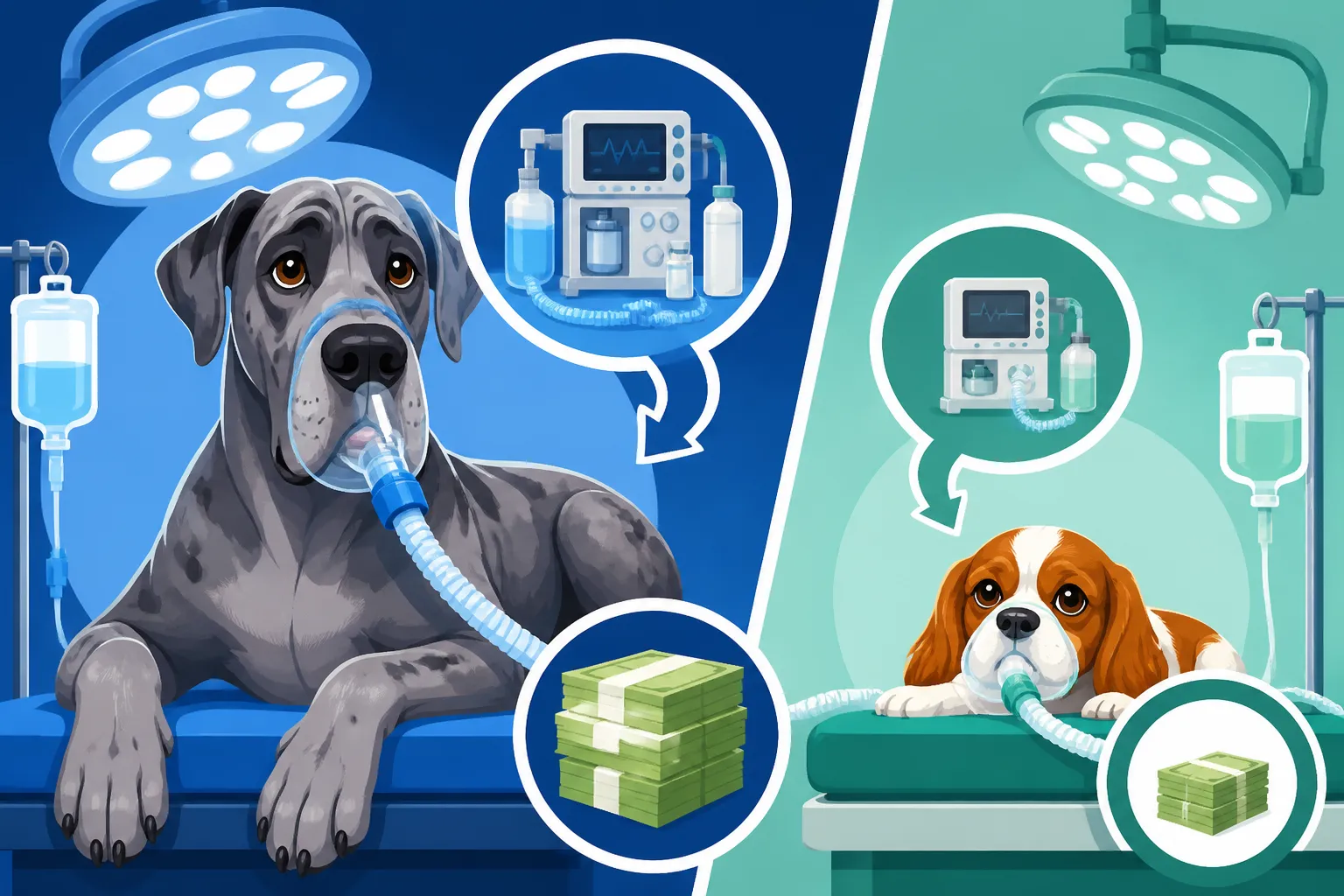
It’s a shock that many Great Dane owners face at some point: you get the estimate for a routine procedure like a dental cleaning, or a more serious surgery, and the cost for anesthesia alone seems astronomically higher than what your friend paid for their smaller dog. This guide is here to unravel why that often happens, explaining the critical factors that contribute to the elevated cost of anesthesia for our beloved gentle giants.
The Sheer Scale of a Great Dane's Body
When we talk about Great Danes, we're talking about an immense amount of dog. This isn't just about their impressive height or playful lean; it's about their sheer body mass, which directly impacts nearly every aspect of veterinary care, especially when anesthesia is involved.
Dosage by Weight for Medications
Veterinary medicine, much like human medicine, relies heavily on body weight for calculating drug dosages. From pre-sedatives to the actual anesthetic agents and even post-operative pain relief, virtually every medication administered to your Great Dane is carefully measured based on how much they weigh. A 150-pound Great Dane requires a significantly larger dose of these medications than, say, a 20-pound terrier. This isn't about giving them "more" for the sake of it; it's about ensuring the drug reaches therapeutic levels throughout their massive system to achieve the desired effect – whether that's sedation, pain control, or unconsciousness. The veterinarian's goal is always to use the minimum effective dose, but that minimum is still substantially higher for a giant breed.
Larger Drug Volume and Associated Costs
Because the dosages are so much higher, the actual volume of anesthetic drugs needed for a Great Dane is also far greater. Think about it: a small vial of a sedative that might last for several doses in a smaller dog could be a single dose for your Dane. These specialized veterinary pharmaceuticals are not cheap. They are often precisely formulated and can be costly to produce. Consequently, the raw cost of the medications themselves, which are a direct pass-through expense from the clinic to you, naturally scales up with the quantity required for your giant companion. This isn't a markup; it's simply the reality of supplying enough medication to safely sedate and anesthetize such a large animal.
Unique Physiological Considerations
Beyond their size, Great Danes possess certain physiological traits and predispositions that necessitate a more cautious and intensive approach to anesthesia, further contributing to higher costs.
Cardiovascular System Challenges
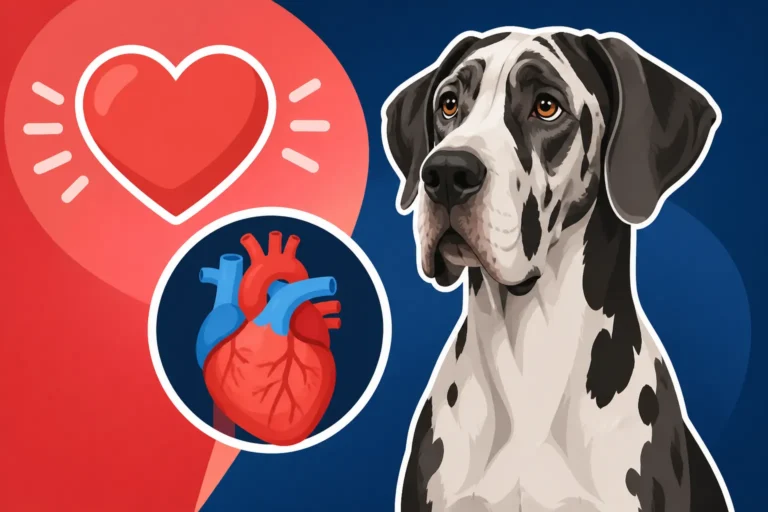
Great Danes are unfortunately prone to certain heart conditions, most notably Dilated Cardiomyopathy (DCM). This is a serious concern that can complicate any anesthetic event. A dog with an enlarged heart or compromised function requires a veterinarian to select anesthetic drugs that put minimal stress on the cardiovascular system and to monitor their heart rate, rhythm, and blood pressure with extreme vigilance. This often means using more specialized monitoring equipment and having a dedicated team member focused solely on cardiac parameters. Even in seemingly healthy Danes, the sheer size of their circulatory system means managing blood pressure and oxygen delivery is a more complex task. This extra layer of caution and specialized monitoring is absolutely vital for their safety but does add to the overall expense. You can learn more about how a Great Dane heart enlarges and what that means for their health.
Respiratory System Demands
The respiratory system of a Great Dane also presents unique challenges. Their large lung capacity and deep chests mean that monitoring their breathing, ensuring proper oxygenation, and managing ventilation during anesthesia requires careful attention. Intubation, the process of inserting a tube into the trachea to maintain an open airway and deliver anesthetic gas and oxygen, is a more involved procedure for a giant breed. The endotracheal tubes themselves are larger and more expensive, and positioning the dog for optimal ventilation can be physically demanding. During recovery, ensuring they breathe effectively and clear their airways can also take longer, often requiring extended oxygen support or close observation until they are fully awake and alert. The staff overseeing their recovery need to be highly attentive to ensure there are no issues, especially considering the potential for issues like bloat in a Great Dane even post-surgery.
Thermoregulation Difficulties
Maintaining a stable body temperature is crucial during and after anesthesia, and this can be surprisingly difficult for Great Danes. Their large surface area means they can lose heat rapidly, especially on a cool operating table, but conversely, they can also overheat due if their body isn't able to regulate effectively. Hypothermia or hyperthermia can lead to complications, delaying recovery and increasing risks. To counteract this, veterinary teams often employ sophisticated warming blankets, forced-air warming systems, and careful temperature monitoring throughout the procedure and into recovery. These specialized tools and the extra vigilance required to manage a Great Dane's temperature add another layer of complexity and cost to the anesthetic process.
Increased Resource Allocation and Monitoring
Anesthetizing a Great Dane isn't just about using more drugs; it demands more time, more specialized equipment, and a larger, more skilled veterinary team compared to anesthetizing a smaller dog. This increased allocation of resources is a major contributor to the higher final bill.
Extended Anesthesia Time
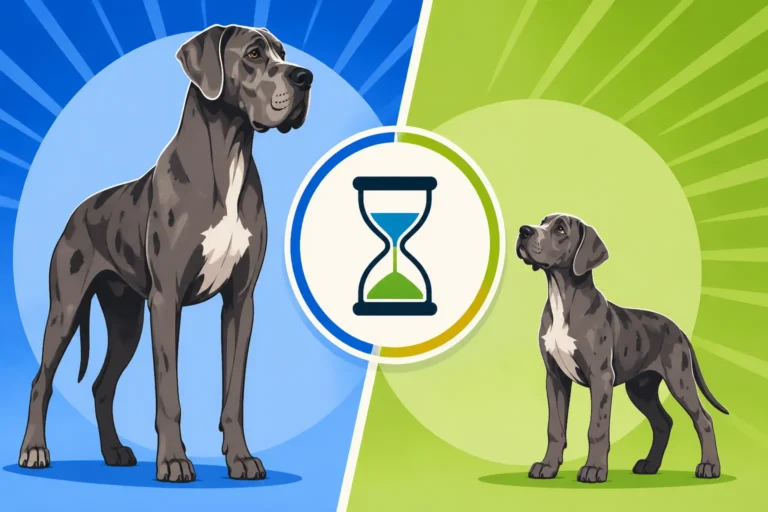
From the moment your Great Dane receives their pre-anesthetic sedative to the time they are fully awake and stable, the entire process takes significantly longer. Simply getting a large, sometimes nervous, Great Dane comfortably positioned for an IV catheter or for intubation requires more effort and time from the veterinary staff. The surgical procedure itself might take longer due to the increased tissue mass, larger organs, and greater blood volume. Post-operatively, a Great Dane typically requires a longer, more closely monitored recovery period. Their sheer size means it takes longer for the anesthetic drugs to fully metabolize and exit their system, and monitoring their vital signs back to normal takes extra dedicated time. If your Great Dane needs a procedure like a gastropexy to mitigate the lifetime bloat risk in a Great Dane, the surgical time itself is extended, compounding the anesthesia costs.
Specialized Equipment and Staff
Imagine the size of an operating table, a recovery cage, or even a blood pressure cuff designed for a tiny Chihuahua versus a massive Great Dane. Everything needs to be larger, more robust, and often more expensive. Larger intubation tubes, larger IV fluid bags, bigger monitoring pads, and even specialized hoists or multiple staff members just to lift and position a Great Dane on the operating table are often required. More importantly, a dedicated veterinary technician, sometimes even two, will be monitoring your Great Dane's vital signs – heart rate, respiratory rate, blood pressure, oxygen saturation, and temperature – continuously throughout the procedure. This one-on-one, highly skilled attention from trained professionals ensures the safest possible anesthetic experience, but their expertise and time are naturally factored into the cost. This intensive care is a critical part of why anesthesia costs more for a Great Dane.
Intensive Post-Operative Care
The care doesn't stop when the surgery is over. A Great Dane requires an extended and often more intensive post-operative recovery than smaller breeds. They need more space in recovery kennels, more blankets to stay warm, and consistent monitoring as they slowly come around. The potential for complications, given their size and breed-specific health concerns, means veterinary staff must remain extra vigilant. They'll be checking for signs of pain, ensuring proper breathing, and watching for any adverse reactions or secondary issues. For example, if your Great Dane has surgery for something like bone cancer in a Great Dane, their post-op pain management and mobility support will be extensive. This prolonged, hands-on care from a team of professionals is an essential part of ensuring a smooth and safe recovery, and it is a significant component of the overall anesthesia bill.
Managing the Costs of Great Dane Anesthesia
Understanding why Great Dane anesthesia costs more is the first step, but what can you do about it? Proactive planning and communication with your veterinarian are key.
Pre-Anesthetic Screening is Crucial
One of the best ways to prepare for and potentially mitigate risks during anesthesia is thorough pre-anesthetic screening. Your vet will almost certainly recommend blood work to assess organ function, especially the liver and kidneys, which process anesthetic drugs. They may also suggest specific cardiac screenings, like an echocardiogram, especially for a Great Dane, to check for underlying heart conditions that could complicate anesthesia. While these screenings add to the upfront cost, they are invaluable. They allow the veterinary team to tailor the anesthetic protocol specifically for your dog, choosing the safest drugs and monitoring strategies. Skipping these vital steps to save a few dollars initially can lead to much more expensive and dangerous complications down the line. Asking about pre-surgery bloodwork on a Great Dane and other screenings is always a good idea.
Pet Insurance as a Financial Lifeline
This is where pet insurance truly shines for Great Dane owners. Given the breed's predispositions to costly health issues like bloat, Dilated Cardiomyopathy, and various orthopedic problems that may require surgery under anesthesia, comprehensive pet insurance can be an absolute game-changer. Companies like Healthy Paws offer plans that can cover a significant portion of unexpected veterinary bills, including emergency surgeries and the associated anesthesia costs. Enrolling your Great Dane when they are young and healthy is ideal, as pre-existing conditions are typically not covered. However, even for older Danes, having a policy in place can provide immense peace of mind. While you'll still pay premiums, knowing that a large percentage of a potentially five-figure bloat surgery, or a complex orthopedic procedure with extended anesthesia time, could be reimbursed, makes the investment well worth it. Exploring options for insuring a Great Dane against bloat and heart bills is something every prospective owner should consider.
Discussing Options with Your Vet
Never hesitate to have an open and honest conversation with your veterinarian about costs. Before any procedure, ask for a detailed estimate that breaks down the different components, including the estimated cost for drugs, monitoring, surgical time, and recovery care. If the cost is a concern, ask if there are any options. Sometimes, simpler procedures or different anesthetic agents might be considered, though safety should always be the priority. In some cases, your vet might be able to offer a payment plan, or they might recommend third-party financing options like CareCredit. Understanding the "why" behind the numbers allows you to make informed decisions and budget effectively for your Great Dane's care. Remember, the vet team is there to help your dog, and they want to work with you to make necessary care accessible.
Here’s a simplified comparison to illustrate why those Great Dane anesthesia bills can be so much higher:
| Factor | Small Dog (e.g., Terrier, 20 lbs) | Great Dane (e.g., 150 lbs) | Cost Impact for Great Dane |
|---|---|---|---|
| Anesthetic Drug Dosage | Small volume, lower cost | Large volume, significantly higher cost | High |
| Monitoring Equipment | Standard cuffs, smaller probes | Larger cuffs, specialized probes, higher-capacity machines | Moderate |
| Dedicated Personnel | Often one vet tech for multiple pets (depending on clinic) | Often a dedicated vet tech solely focused on the Dane | High |
| Preparation & Recovery Time | Shorter prep, quicker recovery | Longer prep, extended recovery, careful handling | Moderate |
| Risk Assessment | Generally lower baseline risks | Higher baseline risks (DCM, bloat), complex drug choices | Moderate |
| Heating/Cooling Needs | Standard measures | Specialized warming blankets, close temp regulation | Moderate |
| Emergency Preparedness | Standard protocols | Enhanced protocols, larger emergency drug doses, more staff | Moderate |
When you see the breakdown, it becomes clear that it's not just one factor, but a combination of all these elements scaling up dramatically that contributes to the increased cost of anesthesia for your precious Great Dane. It's a testament to the comprehensive care and attention they require to keep them safe.
Disclaimer
This article is for general informational purposes only and does not constitute professional advice. Laws, prices and regulations vary by location and change over time. Consult a qualified professional for guidance on your specific situation.