Pre-Surgery Bloodwork on a Great Dane
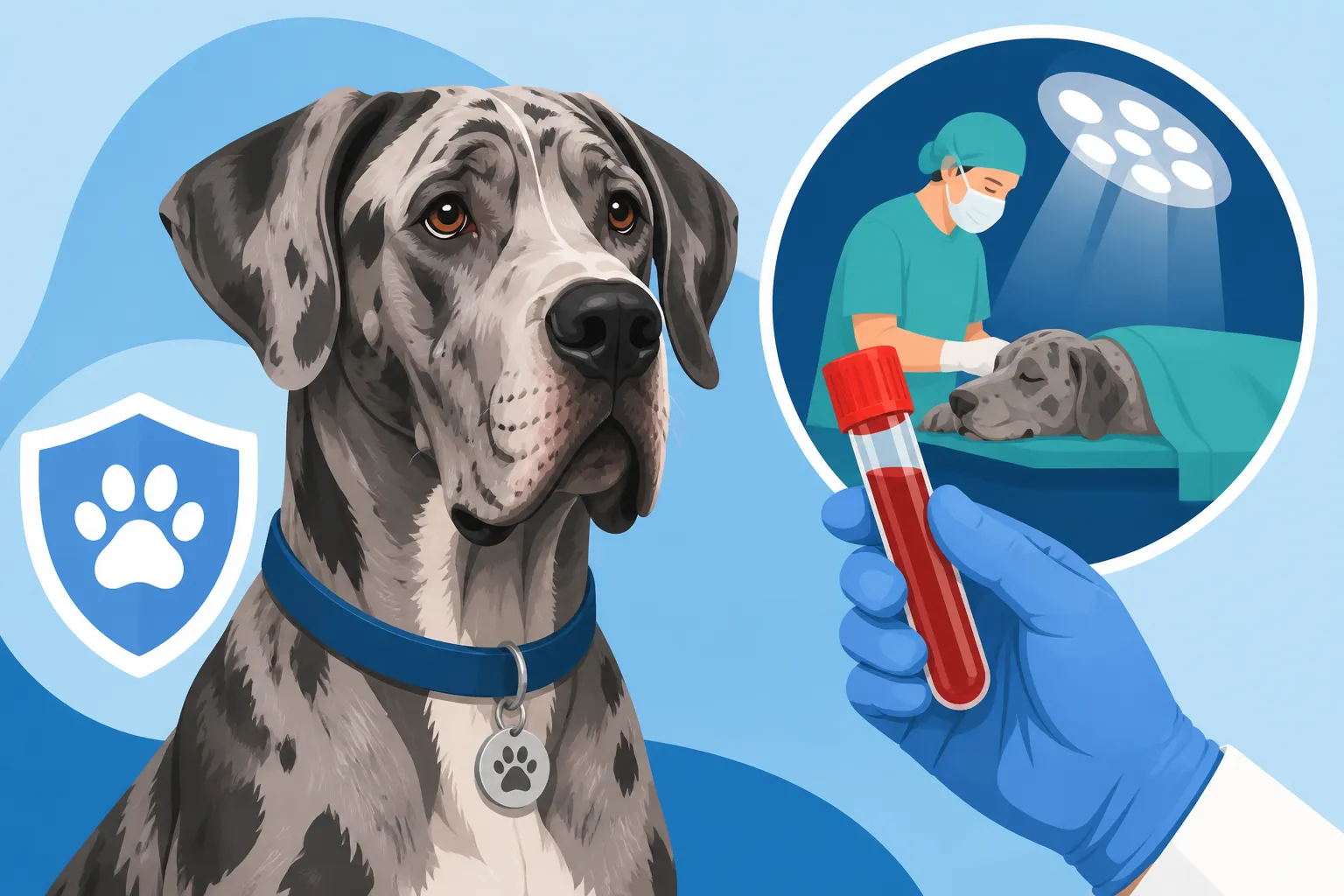
When your majestic Great Dane needs surgery, whether it’s a routine spay/neuter or something more complex, the thought of anesthesia can be incredibly daunting. It's natural to worry about how your gentle giant will handle it, especially with all the stories about risks. This guide will walk you through why pre-surgery bloodwork is absolutely critical for your Great Dane and what these vital tests aim to uncover before they ever go under.
Why Pre-Surgery Bloodwork Isn't Optional for Great Danes
It's easy to think of bloodwork as just another vet bill, an extra hoop to jump through before a procedure. But for a Great Dane, it’s a non-negotiable step that can literally be life-saving. These magnificent dogs have unique physiological considerations due to their size and breed-specific health predispositions, making thorough pre-surgical screening even more essential than for smaller breeds.
The Unique Anesthesia Risks for Giant Breeds
Great Danes, like other giant breeds, process medications and recover from anesthesia differently than their smaller counterparts. Their sheer body mass means dosages must be meticulously calculated, and their slower metabolism can affect how quickly anesthetic drugs are cleared from their system. This isn't a small dog in a big package; their internal systems are scaled up, and that brings a different set of challenges. Anesthesia can put stress on organs like the liver and kidneys, which are responsible for metabolizing and excreting these drugs. Without a clear picture of how these organs are functioning beforehand, you're essentially flying blind, increasing the risk of complications during and after surgery. Understanding these specific challenges is key to mitigating potential issues during surgery for your beloved companion, an important aspect of managing any Anesthesia Risk in a Great Dane.
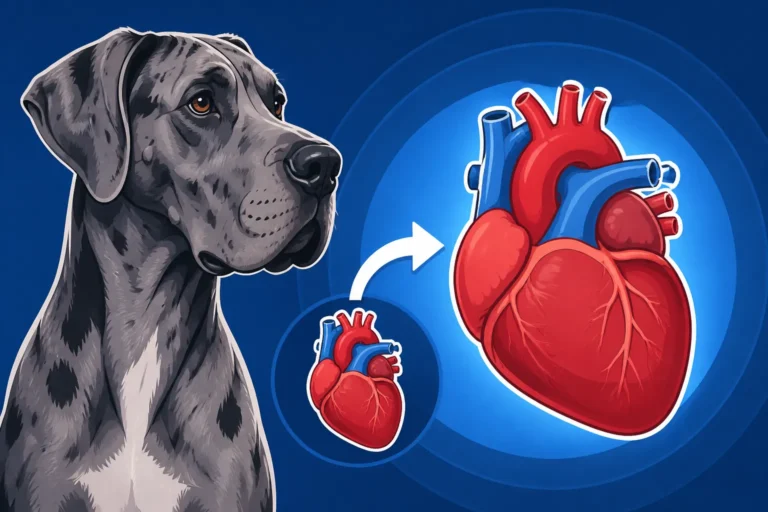
Beyond drug metabolism, Great Danes are more prone to certain cardiac conditions, most notably Dilated Cardiomyopathy (DCM). Anesthesia can put significant strain on an already compromised heart. Imagine trying to run a marathon with a weak heart – that's a bit like what anesthesia can be for a dog with an undiagnosed cardiac issue. Pre-surgical bloodwork, especially when combined with a pre-anesthetic physical exam that focuses on heart sounds, helps veterinarians assess this risk. If there are red flags, further diagnostics, like an echocardiogram, might be recommended to get a complete picture of how a Great Dane Heart Enlarges.
Uncovering Hidden Health Issues Before They Become Emergencies
One of the biggest anxieties for any pet owner is the fear of the unknown. Your Great Dane might seem perfectly healthy on the outside, bounding around and eating well, but internal issues can often be silent. Pre-surgical bloodwork acts as an early warning system, revealing underlying conditions that might not be apparent during a routine physical examination. For instance, kidney disease can be quite advanced before a dog shows obvious symptoms. If your Great Dane goes into surgery with compromised kidney function, the stress of anesthesia could push them into acute kidney failure, a devastating and often preventable outcome.
Similarly, issues with the liver, pancreas, or even a low-grade infection could be lurking. Catching these problems before surgery allows your vet to adjust the anesthetic protocol, prescribe supportive medications, or even postpone the surgery until the underlying condition can be addressed. It's about proactive care, ensuring your Great Dane is in the best possible health to undergo and recover from any procedure. This proactive approach is especially important as your Great Dane ages, as discussed in Caring for a Great Dane Past Six.
What a Comprehensive Pre-Surgical Panel Includes
A typical pre-surgical blood panel for a Great Dane is extensive, far more than just a quick check. It's designed to give your veterinary team a holistic view of your dog's internal health, ensuring every system is ready for the upcoming procedure. Think of it as a crucial diagnostic puzzle, with each piece revealing a vital part of the overall picture.
Complete Blood Count (CBC)
The Complete Blood Count, or CBC, provides a detailed look at the cellular components of your Great Dane's blood. It's an incredibly valuable tool that screens for a variety of conditions.
- Red Blood Cells (RBCs), Hemoglobin, and Hematocrit: These measurements indicate your dog's ability to carry oxygen. Low levels can suggest anemia, which can impact a dog's ability to cope with blood loss during surgery and recover afterward. High levels, on the other hand, might point to dehydration, which would need to be corrected before anesthesia.
- White Blood Cells (WBCs): The different types of white blood cells (neutrophils, lymphocytes, monocytes, eosinophils, basophils) provide clues about the body's immune response. Elevated levels often indicate an infection or inflammation somewhere in the body. If your Great Dane has an undetected infection, proceeding with surgery could lead to complications. Conversely, very low levels might suggest a weakened immune system, which could affect wound healing post-operatively.
- Platelets: These tiny cells are essential for blood clotting. A low platelet count could mean your Great Dane is at a higher risk of excessive bleeding during surgery, or prolonged bleeding afterward. Knowing this beforehand allows the surgical team to take extra precautions or even administer treatments to improve clotting ability.
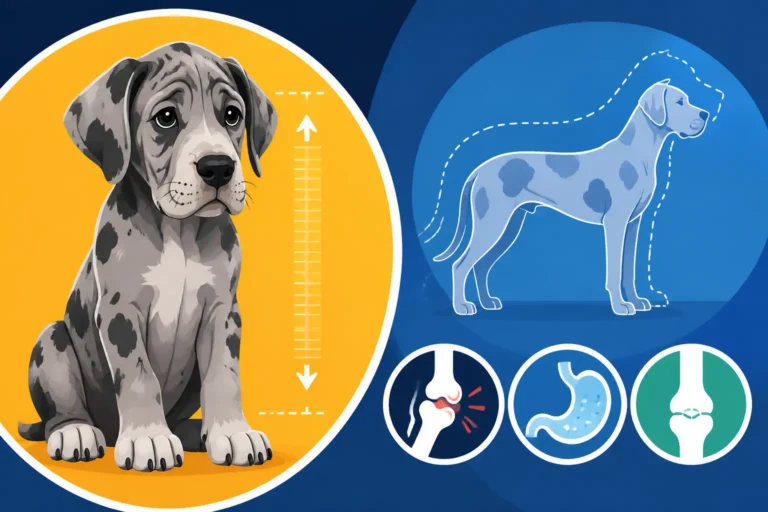
The CBC gives your vet a baseline of your Great Dane's blood health, allowing them to identify potential issues that could complicate anesthesia or recovery. For instance, if a Great Dane puppy is undergoing a procedure, detecting early signs of conditions that affect bone development could be crucial, issues sometimes seen in Growth Disorders in a Great Dane Puppy.
Organ Function and Chemistry Panel
This part of the bloodwork delves into the nitty-gritty of how your Great Dane's internal organs are performing. It's an assessment of key enzymes and metabolites that reflect the health of the liver, kidneys, pancreas, and other vital systems.
- Kidney Values (BUN and Creatinine): These levels indicate how effectively your Great Dane's kidneys are filtering waste products from the blood. Elevated levels suggest kidney impairment, which is a major concern with anesthesia. Anesthetic drugs are often processed by the kidneys, and if they're not functioning optimally, the drugs can stay in the system longer, leading to a prolonged and risky recovery.
- Liver Enzymes (ALT, ALP, GGT): The liver is a powerhouse organ responsible for metabolizing drugs, producing proteins, and many other crucial functions. Elevated liver enzymes can point to liver disease or damage, which would significantly impact how your Great Dane handles anesthesia. A compromised liver can't process drugs efficiently, making anesthesia much riskier.
- Blood Glucose (Sugar): This measures blood sugar levels. Abnormally high or low glucose can indicate conditions like diabetes or other metabolic disturbances. Stable blood sugar is vital for maintaining energy and preventing complications during surgery.
- Electrolytes (Sodium, Potassium, Chloride): These minerals are essential for nerve function, muscle contraction, and maintaining fluid balance. Imbalances can be serious and need to be corrected before any anesthetic procedure.
Detecting abnormalities in these values allows the vet to make informed decisions – perhaps adjusting medication choices, providing IV fluids, or even delaying the surgery to stabilize these critical organ functions.
Thyroid and Coagulation Testing Considerations
While not always part of a standard basic pre-surgical panel, for a Great Dane, specific additional tests can be highly recommended, especially given breed predispositions and age.
- Thyroid Testing: Great Danes are known to have a higher incidence of hypothyroidism, a condition where the thyroid gland doesn't produce enough hormones. Hypothyroidism can slow metabolism, affect heart function, and generally make a dog less tolerant of anesthesia. A The Thyroid Test a Slow Great Dane Needs can uncover this silent issue, allowing your vet to start thyroid hormone supplementation before surgery, making the procedure much safer. If your Great Dane is showing signs of lethargy, weight gain, or poor coat quality, a thyroid panel is definitely something to consider.
- Coagulation Profile (Clotting Times): For certain surgeries, or if there's any suspicion of a bleeding disorder, a coagulation profile is invaluable. This test measures how quickly your Great Dane's blood clots. Conditions like Von Willebrand's disease, although less common than some other issues, can exist in Great Danes and would make surgery incredibly dangerous due to the risk of uncontrolled bleeding. Knowing your dog's clotting ability ensures the surgical team is prepared for any eventuality. This can be especially important if considering a procedure like a Stomach Tacking Surgery for a Great Dane, where internal bleeding is a serious concern.
These additional tests, while adding to the overall cost, provide an extra layer of safety and insight, which for a breed as special and predisposed to certain conditions as the Great Dane, is truly worth it.
Interpreting the Results with Your Veterinarian
Receiving bloodwork results can feel like reading a foreign language, filled with acronyms and numbers. It's vital to sit down with your veterinarian to go over every detail. They are the experts who can translate those numbers into actionable insights about your Great Dane's health and the best path forward for surgery.
Understanding Abnormal Values and Their Implications
When your vet reviews the results, they’re looking for any values that fall outside the normal reference range. Don't panic if you see a few flags on the report! A single slightly high or low value isn't always a cause for alarm, but it warrants discussion. Your vet will consider the entire picture: your Great Dane's age, physical exam findings, and medical history.
For example, a slightly elevated liver enzyme might be due to recent stress or medication, whereas a significantly elevated enzyme combined with other clinical signs could indicate liver disease. Similarly, minor fluctuations in kidney values could be due to dehydration on the day of the blood draw, but consistently high levels would necessitate further investigation and potentially changes to the anesthetic plan. This is where your vet's expertise truly shines, distinguishing between a transient anomaly and a significant health concern. They can also advise on further diagnostics if needed, such as a more in-depth cardiac workup if the initial bloodwork combined with a physical exam suggests potential issues that a What a Cardiologist Measures in a Great Dane Heart would specifically target.
Making Informed Decisions About Surgical Risks
The ultimate goal of pre-surgical bloodwork is to empower you and your vet to make the most informed decisions possible regarding your Great Dane's surgery. If all the bloodwork comes back within normal limits, it provides immense peace of mind, confirming your dog is a good candidate for the procedure.
However, if abnormalities are found, it opens up a conversation about options. This might include:
- Adjusting the Anesthetic Protocol: The vet might choose different anesthetic drugs that are safer for a dog with mild kidney or liver issues, or use different monitoring equipment.
- Pre-treatment: If an infection is detected, a course of antibiotics might be prescribed before surgery. If hypothyroidism is found, thyroid medication would be started.
- Further Diagnostics: Sometimes, bloodwork points to a potential issue that needs more investigation, like specialized cardiac tests or abdominal imaging, before surgery can proceed safely.
- Postponing or Cancelling Surgery: In rare cases, if a severe underlying condition is discovered that poses too great a risk, the vet might advise against elective surgery altogether, or recommend treatment for the underlying condition first.
Having this information upfront allows you to weigh the benefits and risks of the surgery with your vet, ensuring you're making the best decision for your Great Dane's health and well-being.
Here’s a summary of common pre-surgical bloodwork components and what they help screen for:
| Bloodwork Component | What It Screens For | Why It's Important for Great Danes |
|---|---|---|
| Complete Blood Count (CBC) | Anemia, infection, inflammation, clotting ability (platelets) | Ensures adequate oxygen carrying capacity and ability to clot, detects hidden infections. |
| Chemistry Panel | Kidney function, liver function, blood sugar, electrolytes | Vital for proper drug metabolism, organ stress during anesthesia, and overall stability. |
| Thyroid Panel (often extra) | Hypothyroidism | Great Danes are prone to low thyroid; affects metabolism and heart function during anesthesia. |
| Coagulation Profile (often extra) | Bleeding disorders | Screens for conditions like Von Willebrand's that increase bleeding risk during surgery. |
Planning for Unexpected Findings and Costs
Even with the best intentions and the most comprehensive pre-surgical bloodwork, unexpected findings can crop up. This is where being prepared, both emotionally and financially, can make a world of difference. The truth is, owning a giant breed like a Great Dane means facing larger-than-average expenses, and surgery is no exception. This aligns with the reality that Why Every Great Dane Bill Is Bigger for nearly every aspect of their care.
The Financial Reality of Great Dane Healthcare
Let’s be honest: Great Danes are expensive, and their healthcare costs often reflect their size. Everything from medication dosages to anesthesia time to specialized diagnostic equipment is scaled up, leading to higher bills. Pre-surgical bloodwork itself is an investment, but it’s a wise one that can prevent far more costly emergencies down the road. If the bloodwork reveals an underlying issue, additional diagnostics (like X-rays, ultrasounds, or specialist consultations) and treatments will likely be necessary before surgery can proceed.
These unexpected twists can add hundreds, sometimes thousands, of dollars to your vet bill. It’s not just the cost of the initial tests, but the potential follow-up care that can make owners feel overwhelmed. Having an emergency fund specifically for your Great Dane's health is incredibly helpful. Start small and build it up, because you never know when those unforeseen circumstances will arise. When it comes to managing the long-term health of your Great Dane's joints, for example, understanding the expenses related to Great Dane Hips, Elbows and Growing Joints can help you budget effectively for future needs.
The Role of Pet Insurance in Managing Surgical Bills
This is where pet insurance truly shines, especially for a breed with so many potential health considerations like the Great Dane. Programs like those offered by Healthy Paws can be a lifesaver when unexpected health issues arise, particularly those discovered through pre-surgical bloodwork. Imagine finding out your Great Dane has a significant cardiac issue that requires extensive diagnostics and medication before their planned surgery – the costs can quickly spiral.
Many pet insurance policies, including those from Healthy Paws, cover a wide range of diagnostic tests, treatments, and even emergency care that might stem from unexpected bloodwork results. While routine pre-surgical bloodwork itself might be considered a wellness item (and thus sometimes covered by wellness plans or not at all by accident/illness plans), any subsequent diagnostics or treatments triggered by abnormal findings are typically covered. This can significantly alleviate the financial burden, allowing you to focus on your Great Dane's health without the added stress of overwhelming bills. It's a pragmatic decision that can give you peace of mind, knowing you have a safety net for those "what if" scenarios. Thinking about Whether Pet Insurance Is Essential for a Great Dane is a discussion every Great Dane owner should have with themselves and their family.
Pre-surgical bloodwork is more than just a routine step; it’s a commitment to your Great Dane's safety and well-being. It provides invaluable insights into their internal health, allowing your veterinary team to tailor the safest possible anesthetic and surgical plan. While it might feel like an added expense, the peace of mind and the potential to prevent serious complications make it an absolutely essential part of responsible Great Dane ownership.
Disclaimer
This article is for general informational purposes only and does not constitute professional advice. Laws, prices and regulations vary by location and change over time. Consult a qualified professional for guidance on your specific situation.