Arthritis in a Six-Year-Old Great Dane
It's heartbreaking to watch your once-bounding Great Dane start to slow down, to see that stiffness after they’ve been resting, or the slight hesitation before they jump into the car. For many Great Dane owners, these subtle changes begin to emerge right around the six-year mark, signaling the unwelcome arrival of arthritis. This guide will walk you through what to expect when your six-year-old Dane starts showing signs of joint pain, how to get a diagnosis, and most importantly, how to effectively manage their comfort and maintain their quality of life.
Understanding Arthritis in Great Danes Around Six Years Old
Discovering your beloved giant is grappling with arthritis can feel like a punch to the gut. You’ve likely heard about the shorter lifespan of Great Danes, and seeing them struggle with mobility at what feels like a relatively young age only compounds those concerns. But understanding why six years is such a pivotal age for their joints can help you approach their care with more empathy and foresight.
Why Six is a Critical Age for Great Dane Joints
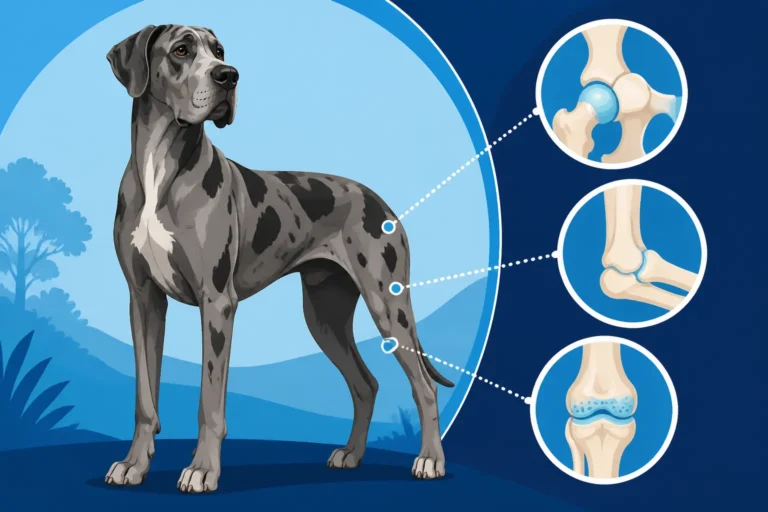
Great Danes are magnificent creatures, growing at an astonishing rate to reach their colossal adult size. While this rapid growth is awe-inspiring, it also places immense stress on their developing joints from puppyhood onward. Think about the sheer physics: a dog that can weigh upwards of 150-200 pounds and stand nearly three feet tall at the shoulder puts incredible pressure on its hips, elbows, shoulders, and spine with every step, every jump, and every awkward sprawl on the living room floor.
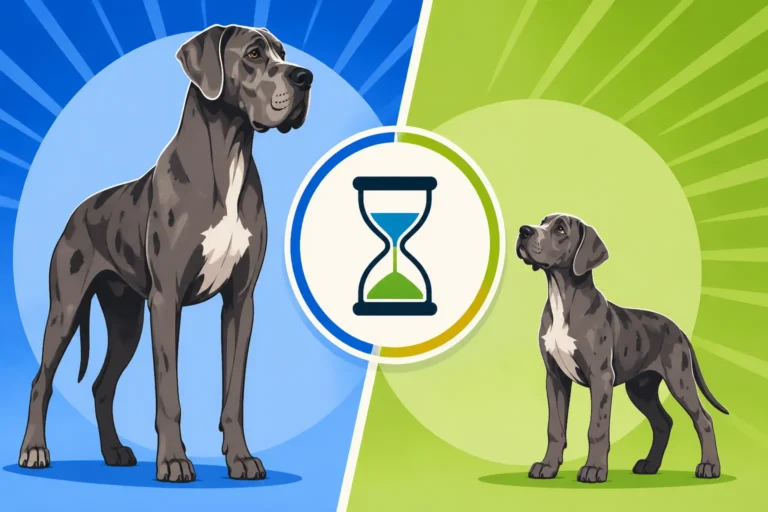
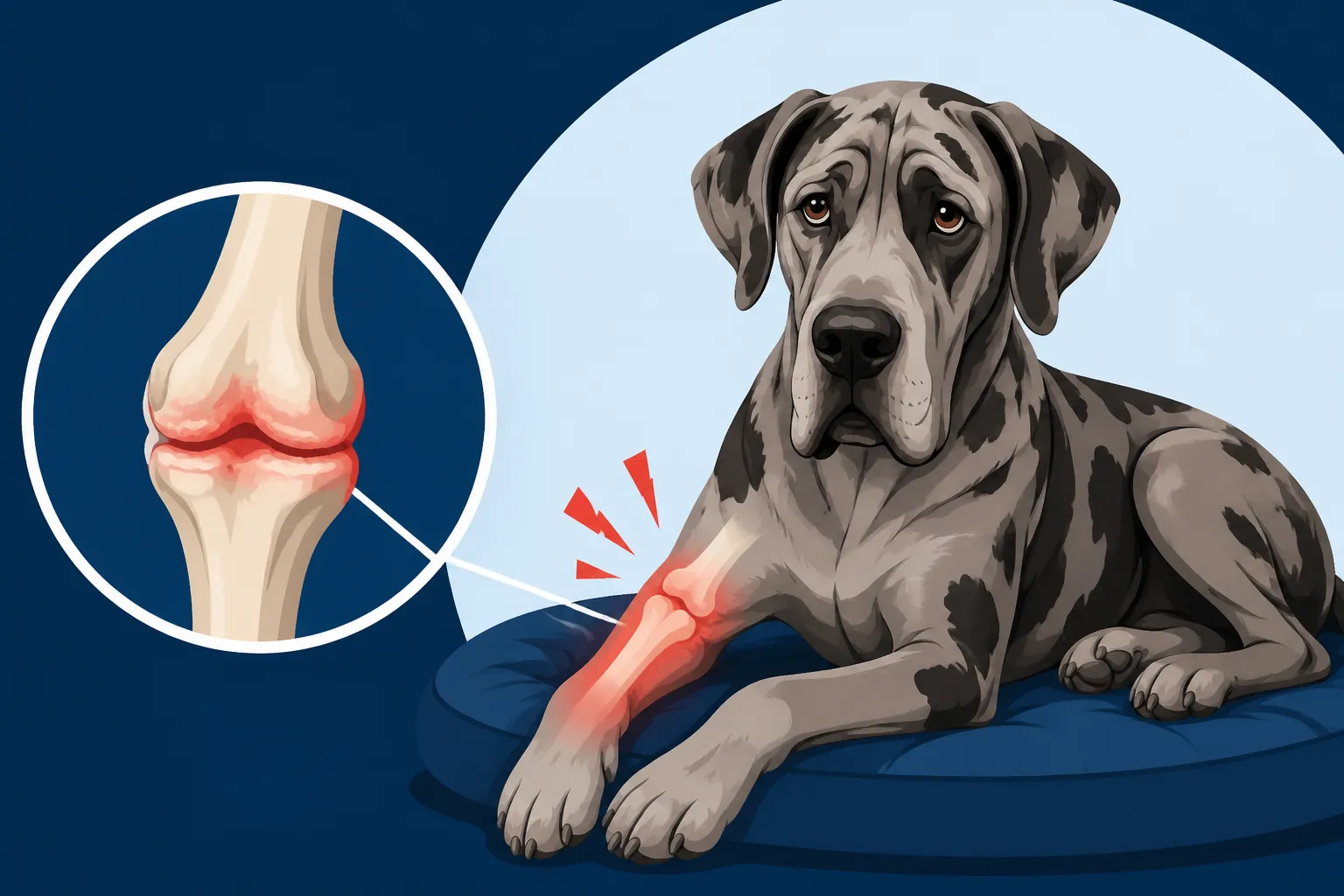
By the time a Great Dane reaches six years old, they are firmly in their senior years, even if their spirit still feels young. This is a crucial point to grasp because it means their bodies have endured a lifetime of significant wear and tear in a condensed timeframe. For perspective, a six-year-old Great Dane is roughly equivalent to a human in their mid-to-late 50s or even early 60s, experiencing the natural degeneration that comes with age. This accelerated aging process is a stark reality for giant breeds, which is why understanding Why a Great Dane Ages Faster Than Smaller Dogs is so important for owners. The cartilage cushioning their joints begins to thin, the synovial fluid that lubricates them becomes less effective, and the bones themselves can start to show changes like spurs, all leading to the inflammation and pain we call arthritis.
Common Signs of Arthritis You Might See
Spotting arthritis in a Great Dane can sometimes be tricky because they are often stoic and will try to mask their pain. However, once you know what to look for, you'll start to notice the subtle cues. Often, the first signs manifest as a general reluctance to engage in activities they once loved. Maybe they’re not as eager to greet you at the door, or they hesitate before taking those familiar stairs.
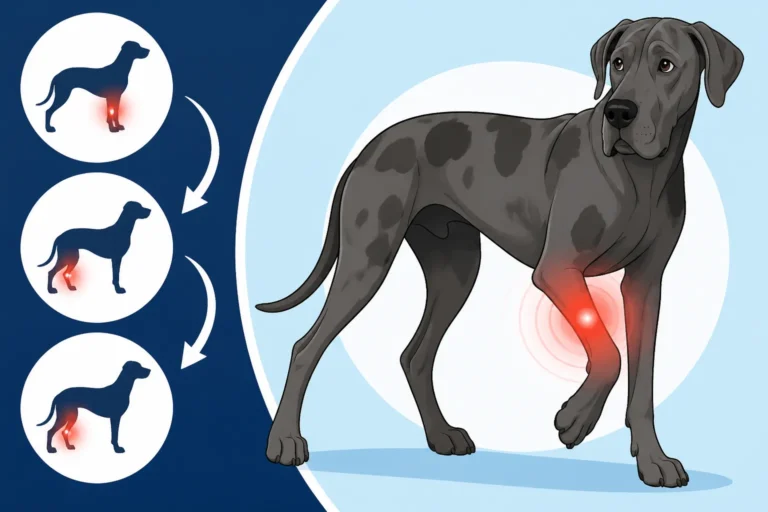
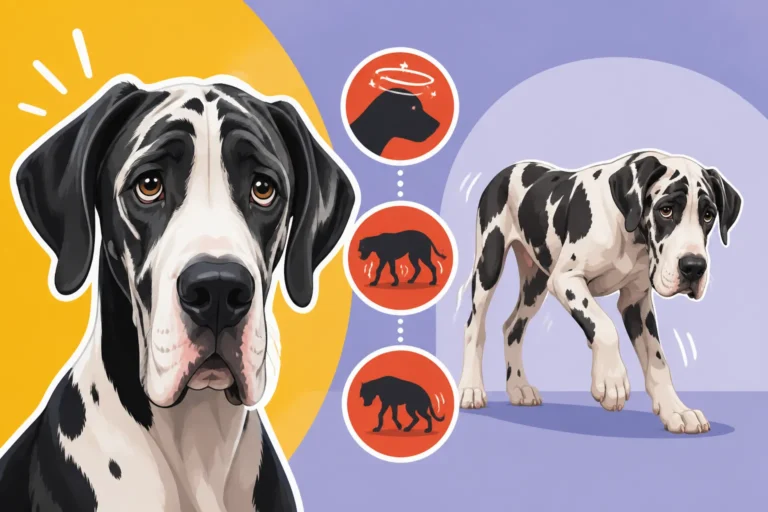
One of the most classic indicators is stiffness, especially after periods of rest. Has your Dane been sleeping soundly, only to get up slowly, appearing stiff-legged, or taking a few minutes to "warm up" before moving more fluidly? That morning stiffness or stiffness after an afternoon nap is a huge red flag. You might also notice a subtle limp that comes and goes, or a shifting lameness where they favor one leg then another. Their gait might change – perhaps they take shorter strides, or they seem to bunny-hop with their back legs. Activities like jumping into the car or onto the sofa become a struggle, sometimes requiring a boost from you, or they might outright refuse.
You might also observe behavioral changes. An arthritic Dane might become a bit grumpy or withdrawn, avoiding play or interaction because it hurts. They might pant more, especially at night, or have trouble finding a comfortable position to lie down. Pay close attention to their daily habits. Are they grooming less? Are their nails getting longer because they're not wearing them down as much during walks? Sometimes, these changes can be mistaken for other issues, like A Great Dane That Limps Without an Injury, so a thorough veterinary examination is always the best next step to pinpoint the exact cause of their discomfort.
Diagnosing and Confirming Arthritis
When you start noticing these changes in your Great Dane, the immediate instinct is often worry. The best thing you can do for your dog, and for your peace of mind, is to schedule a visit with your veterinarian. They are your most valuable resource in accurately diagnosing arthritis and setting up an effective management plan.
The Vet Visit: What to Expect
During your appointment, your veterinarian will start by gathering a comprehensive history of your Great Dane's symptoms. This is where your detailed observations come into play. Be prepared to discuss:
- When you first noticed symptoms: Was it sudden or gradual?
- Specific activities that seem to cause pain: Does it hurt more after running, or after rest?
- Changes in behavior: Are they less playful, more irritable, or showing signs of anxiety?
- Any attempts you've made to alleviate symptoms: Have you tried rest, warm compresses, or over-the-counter supplements (though it's critical never to give human pain medication without vet guidance)?
- Their eating habits, thirst, and bathroom routines: These can provide clues to overall health.
After the conversation, your vet will perform a thorough physical examination. This typically involves observing your Great Dane's gait as they walk, trot, and turn. They'll palpate (gently feel) all the major joints – hips, knees, elbows, shoulders, and spine – checking for swelling, warmth, pain response, and range of motion. They might gently manipulate your Dane's limbs to assess flexibility and listen for crepitus, a grinding or cracking sound that indicates bone-on-bone friction. Your vet will also check their muscle mass, as muscle atrophy can occur around painful joints.
Imaging and Diagnostic Tools
While the physical exam and your observations provide a strong indication, confirming arthritis often requires imaging. The gold standard for diagnosing joint changes associated with arthritis is radiographs, commonly known as X-rays.
Your vet will likely recommend X-rays of the affected joints. These images can reveal several key indicators of osteoarthritis, such as:
- Narrowing of joint spaces: This signifies a loss of cartilage.
- Bone spurs (osteophytes): These are abnormal bone growths that develop around the edges of joints in response to instability and inflammation.
- Changes in bone density: Sometimes subchondral bone sclerosis, a hardening of the bone directly under the cartilage, can be seen.
- Joint effusions: An increase in joint fluid, indicating inflammation.
For Great Danes, specific X-ray views might be taken to evaluate common problem areas like the hips and elbows, which are prone to conditions like hip and elbow dysplasia that can lead to early-onset arthritis. While X-rays are usually sufficient for diagnosis, in more complex or ambiguous cases, your vet might suggest advanced imaging techniques like MRI (Magnetic Resonance Imaging) or CT (Computed Tomography) scans. These provide much more detailed views of soft tissues, nerves, and subtle bone changes, but they are more costly and often require referral to a specialist.
It’s also important for your vet to rule out other potential causes of lameness or pain, such as ligament tears (like a cruciate injury), fractures, infections, or even certain types of bone cancer. Once arthritis is confirmed, your vet can then discuss the best course of action for managing the condition.
Managing Arthritis Pain and Improving Quality of Life
Receiving an arthritis diagnosis for your six-year-old Great Dane isn't a death sentence; it's a call to action. While arthritis is a progressive condition with no cure, there are many effective strategies to manage pain, slow its progression, and significantly improve your dog's comfort and quality of life. The approach is often multi-modal, combining medical treatments, lifestyle adjustments, and sometimes alternative therapies.
Medical Management: Medications and Supplements
The cornerstone of arthritis management typically involves medication to reduce pain and inflammation. Your veterinarian will tailor a plan specific to your Great Dane's needs and the severity of their condition.
- Non-Steroidal Anti-Inflammatory Drugs (NSAIDs): These are usually the first line of defense. Medications like carprofen (Rimadyl), firocoxib (Previcox), deracoxib (Deramaxx), or meloxicam (Metacam) work by reducing inflammation and pain in the joints. They are incredibly effective but must be prescribed and monitored by a vet. Regular blood tests are crucial to ensure your Dane's liver and kidney function remain healthy, especially with long-term use. Never use human NSAIDs like ibuprofen or naproxen, as they are toxic to dogs.
- Joint Supplements: These are often used in conjunction with NSAIDs or as a standalone preventive measure in milder cases. Key ingredients to look for include:
- Glucosamine and Chondroitin: These are building blocks for cartilage and can help slow its breakdown while promoting repair.
- MSM (Methylsulfonylmethane): An organic sulfur compound with anti-inflammatory properties.
- Omega-3 Fatty Acids (EPA and DHA): Found in fish oil, these are powerful natural anti-inflammatories that can significantly reduce joint pain.
- Green-lipped mussel: Another natural source of anti-inflammatory compounds and joint-supporting nutrients.
- It's important to use high-quality, veterinary-grade supplements, as not all products contain effective dosages or absorbable forms. Discussing Whether Joint Supplements Reach a Great Dane's Dose with your vet is vital, as their large size means they need much higher concentrations than smaller dogs.
- Other Pain Relief Options: For more severe or chronic pain, your vet might add other medications. Gabapentin, for instance, can help manage neuropathic (nerve) pain often associated with spinal arthritis. Amantadine may be prescribed to address chronic pain by modulating pain receptors. These are typically used in combination with NSAIDs.
- Injectable Joint Medications: Adequan Canine (polysulfated glycosaminoglycan) is an injectable medication that helps improve joint fluid quality and can slow cartilage degradation. It's often given in a series of injections.
Lifestyle Adjustments for an Arthritic Dane
Medication is only one part of the puzzle. Thoughtful adjustments to your Great Dane's daily life can make a monumental difference in their comfort and mobility.
- Weight Management: This is perhaps one of the most critical factors. Every extra pound your Great Dane carries puts additional strain on already compromised joints. Working with your vet to achieve and maintain a lean body condition is paramount. This might involve reducing calorie intake, switching to a lower-calorie food, or adjusting their exercise routine. You should be able to easily feel, but not necessarily see, their ribs. For more on this, check out Keeping a Great Dane Lean for Its Joints.
- Controlled Exercise: While strenuous activity is out, keeping your Dane moving is essential to maintain muscle mass and joint flexibility. Opt for short, frequent, low-impact walks on soft surfaces like grass, rather than long, high-impact excursions on pavement. Avoid activities involving jumping, sudden stops, or quick turns. Swimming is an excellent non-weight-bearing exercise that builds muscle without stressing joints.
- Comfortable Bedding: Hard floors are the enemy of arthritic joints. Invest in high-quality orthopedic dog beds with thick, supportive memory foam. These beds distribute weight evenly, reduce pressure points, and provide insulation. Think about having multiple beds around the house where your Dane likes to rest. We've talked before about Bedding That Prevents Great Dane Hygromas, but this applies equally to overall joint comfort. Your giant deserves the best, so finding Beds That Cushion a Great Dane's Joints is a non-negotiable.
- Assistance Devices: As arthritis progresses, your Dane might need a little help. Ramps can be invaluable for getting into and out of cars, or navigating stairs. Slings or harnesses designed to support their rear end can assist them in getting up from a lying position or provide support during short walks. These Mobility Aids for a Failing Great Dane can extend their independence and comfort significantly.
- Home Modifications: Small changes around the house can make a big difference. Place non-slip rugs or runners on hard floors to prevent slips and falls, which can be disastrous for arthritic dogs. Limit access to stairs or steep inclines, or supervise closely.
Alternative Therapies and Physical Rehabilitation
Beyond traditional medical and lifestyle management, a range of complementary therapies can provide additional relief and improve mobility for your arthritic Great Dane.
- Acupuncture: This ancient Chinese practice involves inserting thin needles into specific points on the body to stimulate nerves, increase blood flow, and release natural pain-relieving substances. Many dogs respond very well to acupuncture for chronic pain conditions like arthritis, finding it relaxing and beneficial.
- Hydrotherapy: This involves controlled exercise in water, often on an underwater treadmill or in a therapeutic pool. The buoyancy of the water reduces weight-bearing stress on joints, allowing your Great Dane to move more freely, build muscle, and improve range of motion without pain. It's fantastic for rehabilitation and general conditioning.
- Physical Therapy/Rehabilitation: A certified canine rehabilitation therapist can develop a tailored exercise program for your Dane. This might include specific stretches, therapeutic exercises to strengthen supporting muscles, massage techniques to improve circulation and flexibility, and balance exercises. These sessions can be transformative.
- Therapeutic Laser Therapy (Cold Laser Therapy): This non-invasive treatment uses specific wavelengths of light to reduce pain and inflammation and accelerate tissue healing at a cellular level. It's generally well-tolerated and can provide significant relief for arthritic joints.
Proactive Steps and Future Considerations
Living with an arthritic Great Dane means committing to ongoing care and making informed decisions for their well-being. It's a journey that requires vigilance, adaptability, and often, a financial commitment.
Regular Veterinary Check-ups and Monitoring
Arthritis is a dynamic condition, meaning it can change and progress over time. Therefore, consistent communication and regular check-ups with your veterinarian are absolutely essential. Your vet will want to:
- Assess pain levels: They’ll evaluate your Dane's comfort, mobility, and overall quality of life.
- Adjust medication: The type and dosage of pain medication and supplements may need to be altered as the disease progresses or if your Dane's response changes.
- Monitor for side effects: Especially with NSAIDs, regular blood work is crucial to ensure their liver and kidneys are handling the medication well.
- Discuss new therapies: As veterinary medicine advances, new treatments and therapies emerge. Your vet can advise you on the latest options that might benefit your Great Dane.
These regular appointments are your opportunity to voice concerns, report any new symptoms, and ensure your Great Dane is getting the most effective and safest care possible. This proactive approach is a key component of Caring for a Great Dane Past Six.
Considering Pet Insurance for Long-Term Care
Let's be realistic: managing a chronic condition like arthritis in a giant breed like a Great Dane can become very expensive over time. The cost of daily medications, ongoing supplements, specialized diets, physical therapy, and emergency vet visits can quickly add up. This is where comprehensive pet insurance can truly be a lifesaver.
Many owners regret not getting pet insurance when their dog was younger and completely healthy. Once a condition like arthritis is diagnosed, it's considered "pre-existing," and subsequent treatment for that specific condition typically won't be covered by a new policy. This highlights the importance of enrolling your Great Dane in a good pet insurance plan, like those offered by Healthy Paws, early in their life.
Imagine being able to say "yes" to hydrotherapy sessions, regular acupuncture, or advanced pain medications without having to make agonizing financial decisions. Healthy Paws, for example, typically covers accidents, illnesses, surgeries, hospitalization, prescription medications, and even alternative therapies if the policy is in place before the condition develops. It provides peace of mind, knowing you can provide the best possible care for your Dane, no matter the cost. When considering the long-term financial implications, especially for a breed prone to so many health issues, examining Insuring a Great Dane Against Bloat and Heart Bills should certainly be part of your financial planning. While it won't retroactively cover existing arthritis, it can protect against future unrelated conditions and reduce the overall burden of a Great Dane's inevitably high veterinary bills throughout The Short Expensive Life of a Great Dane. The investment in pet insurance early on can prevent an even larger financial strain later in life, ensuring your Great Dane gets the continuous care they need to stay as comfortable and happy as possible for as long as possible.
| Treatment Category | Examples of Therapies/Medications | Benefits | Considerations |
|---|---|---|---|
| Medical Management | NSAIDs (Carprofen, Meloxicam), Gabapentin, Amantadine, Adequan Canine | Reduces pain & inflammation, improves mobility, slows progression | Vet prescription needed, regular monitoring (blood tests), potential side effects |
| Joint Supplements | Glucosamine, Chondroitin, MSM, Omega-3 Fatty Acids (Fish Oil) | Supports cartilage health, reduces inflammation, acts as a preventative | Quality varies, high doses needed for Danes, not a standalone pain reliever for severe cases |
| Lifestyle Adjustments | Weight management, controlled low-impact exercise, orthopedic beds, ramps | Reduces joint stress, preserves muscle, enhances comfort, prevents injury | Requires consistent owner commitment, can be challenging with a large breed |
| Alternative Therapies | Acupuncture, Hydrotherapy, Physical Therapy, Laser Therapy | Pain relief, muscle strengthening, increased flexibility, holistic well-being | Can be costly, requires specialized practitioners, may not be available everywhere |
Disclaimer
This article is intended for informational purposes only and does not constitute veterinary advice. Always consult with a qualified veterinarian for any health concerns or before making any decisions about your Great Dane's medical care or treatment plan.