Claims Refused When a Great Dane Was Not Tacked
The thought of your majestic Great Dane suffering from bloat, a condition often called Gastric Dilatation-Volvulus (GDV), is enough to send shivers down any owner's spine. It's a terrifying, life-threatening emergency that can strike without much warning, and the financial burden of emergency surgery is immense. Many of us turn to pet insurance, hoping for a safety net, only to be met with confusion or even denial when claims are submitted, especially if a preventative procedure like a gastropexy wasn't performed. This guide is going to walk you through the nuances of pet insurance policies and why a claim related to bloat might hit a snag if your Great Dane wasn't "tacked."
The Shadow of Bloat: Why Proactive Care is Key for Great Danes
Let's start with the hard truth: Great Danes are incredibly susceptible to bloat. It's not just a risk; it's a known, inherent part of owning one of these magnificent giants. This isn't meant to scare you, but to empower you with knowledge. Understanding the condition and the preventative measures available is crucial, not just for your dog's health, but for navigating the complexities of pet insurance.
Understanding Great Dane Bloat and GDV
Bloat, or Gastric Dilatation-Volvulus (GDV), is one of the most feared conditions in large, deep-chested breeds like the Great Dane. It occurs when the stomach fills with gas and fluid (dilatation) and, in many cases, then twists on its axis (volvulus), cutting off blood supply. This torsion traps the gas, leading to rapid expansion, immense pain, and organ damage. It's excruciating for your dog and a frantic race against time for you. You'll often see your dog pacing, attempting to vomit without success, and their abdomen might appear swollen and hard. The article The Lifetime Bloat Risk in a Great Dane goes into much greater detail about the frequency of this condition.
Imagine coming home to find your beloved Dane restless, drooling, and trying to throw up, but nothing comes out. Their belly might look distended, almost drum-like. This isn't just an upset tummy; it's an emergency requiring immediate veterinary attention. Every minute counts when it comes to GDV. The longer it goes untreated, the higher the risk of severe complications, including organ failure and death. This isn't a condition you can "wait and see" with; it demands an immediate trip to an emergency vet.
What is a Prophylactic Gastropexy?
A prophylactic gastropexy is a surgical procedure where a Great Dane's stomach is permanently attached, or "tacked," to the abdominal wall. The goal of this surgery isn't to prevent bloat itself, as the stomach can still fill with gas and fluid, but to prevent the far more dangerous twisting (volvulus) aspect of GDV. By securing the stomach, it cannot rotate, significantly reducing the life-threatening risk of a full GDV episode.
Many Great Dane owners choose to have this surgery performed when their dog is young, often at the same time as a spay or neuter procedure. This timing makes sense because the dog is already under anesthesia. It’s a proactive step that can offer incredible peace of mind, knowing you've eliminated the most dangerous part of bloat. While your dog could still experience the initial dilatation, it’s much less severe and typically manageable without emergency surgery. The difference between a simple bloat and GDV is literally life and death, and a gastropexy removes the latter from the equation. Understanding Stomach Tacking Surgery for a Great Dane can provide more context on the procedure itself.
Pet Insurance and Preventive Procedures: Decoding the Policy Language
This is where things can get tricky, and many Great Dane owners find themselves surprised or frustrated. Pet insurance is designed to cover unexpected illnesses and accidents. However, preventative procedures, especially elective ones, often fall into a different category.
Pre-Existing Conditions and Breed-Specific Risks
Pet insurance companies typically do not cover pre-existing conditions. A pre-existing condition is generally defined as any illness or injury that your pet showed signs of before your coverage started or during your policy's waiting period. For Great Danes, while bloat isn't necessarily a pre-existing condition if they've never had it, their breed-specific predisposition to it is a known risk. Insurers are very aware of this.
This is why some policies might have specific clauses or even higher premiums for breeds known for certain conditions. For instance, a responsible Great Dane breeder will have performed health testing on the parents to minimize the risk of inherited conditions, which could influence the type of coverage you seek. When you're looking into policies, especially for a giant breed, it's vital to inquire about how they handle breed-specific conditions like bloat. Some pet insurance providers, like Healthy Paws, are well-regarded for covering a wide range of conditions, but even they have policies around pre-existing conditions and preventative care. It's crucial to get your Great Dane enrolled early, ideally as a puppy, before any conditions manifest. Our article, Enrolling a Great Dane Before Anything Happens, offers valuable insights into early enrollment.
The potential for a claim refusal related to gastropexy usually doesn't stem from the first bloat episode if the dog wasn't tacked. Most policies will cover the emergency treatment for GDV. The complications arise when a veterinarian has explicitly recommended a gastropexy to prevent future episodes (or the more dangerous volvulus), and the owner has declined, only for the dog to experience a subsequent or more severe issue that might have been mitigated by the surgery. This is where the concept of "reasonable care" often comes into play.
The Cost of Proactive Care vs. Emergency Treatment
Let's talk dollars and cents, because that's often where the rubber meets the road. The decision to perform a prophylactic gastropexy is often a financial one, balancing an upfront cost against a potential future catastrophe.
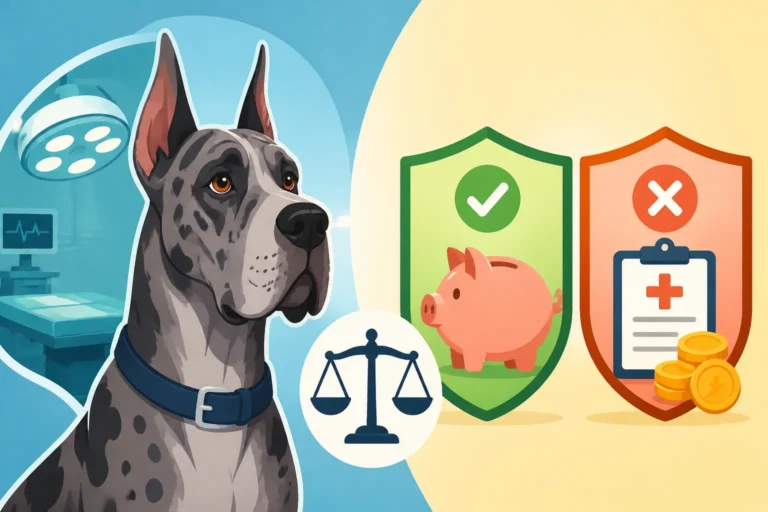
A planned gastropexy, especially if bundled with a spay or neuter, is significantly less expensive than emergency GDV surgery. While I can't give specific figures, a prophylactic gastropexy typically costs a fraction of what an emergency bloat surgery would. Emergency surgery, often performed in the middle of the night, involves extensive diagnostics, complex surgery, intensive post-operative care, and potentially days of hospitalization. We're talking about a bill that can easily soar into the thousands, reflecting the urgency, complexity, and specialized care required.
Consider this table comparing the general financial outlay:
| Factor | Prophylactic Gastropexy (Planned) | Emergency GDV Surgery (Unplanned) |
|---|---|---|
| Timing | Elective, often with spay/neuter | Immediate, often after hours |
| Cost | Lower (planned procedure, less intensive care) | Much Higher (emergency, diagnostics, surgery, intensive care) |
| Anesthesia Risk | Generally lower (stable patient) | Higher (compromised, critical patient) |
| Recovery | Smoother, predictable | Complex, potential for complications, longer hospital stay |
| Stress on Owner | Less (planned decision) | Immense (sudden emergency, life-or-death situation) |
| Insurance Coverage | Often not covered or requires specific rider (preventative) | Typically covered (emergency, illness), but exceptions apply |
This table clearly illustrates the financial incentive to be proactive. Even if your insurance doesn't cover the preventative gastropexy, paying for it out-of-pocket might save you a much larger, emergency bill down the line, and potentially save your Great Dane's life. This is why it’s critical to look into The Price of a Preventive Great Dane Gastropexy versus The Overnight Bill When a Great Dane Bloats for a complete picture.
Navigating Policy Clauses and "Reasonable Care"
This is the crux of why claims might be refused or complicated. Insurance policies aren't just about covering every single veterinary bill; they often come with stipulations about responsible pet ownership and following veterinary advice.
What to Look for in a Great Dane Pet Insurance Policy
When you're choosing a pet insurance policy for a Great Dane, you need to be a detective. Don't just look at the monthly premium. Dive deep into the policy wording, specifically concerning breed-specific conditions and preventative care.
Here are key questions to ask potential providers:
- Does your policy cover prophylactic gastropexy? Many standard accident and illness policies do not cover elective preventative surgeries. Some might offer a wellness add-on that could contribute, but it's rare to find full coverage for an elective gastropexy.
- How does your policy treat GDV (bloat) if a gastropexy was not performed? This is the critical question. Most reputable insurers will cover the emergency treatment of bloat, even if a gastropexy wasn't done. However, you need to understand if there are any clauses that could complicate future claims.
- Are there any exclusions related to "reasonable care" or "veterinary recommendations"? This is where policies can get tricky. If your vet explicitly recommended a gastropexy due to your Dane's high risk, and you chose not to do it, some policies might argue that you didn't take "reasonable care" to prevent a recurrence, potentially impacting claims for subsequent bloat episodes or related complications. This is less common for a first episode, but definitely a point of concern for ongoing care.
- What are the waiting periods for gastrointestinal conditions? Ensure you understand these, as any signs of bloat during this period could render future claims a pre-existing condition.
Brands like Healthy Paws are often praised for their comprehensive coverage, but no insurer is a magic bullet. Always read the fine print. When considering options from platforms like Chewy, which often partners with various insurers, be sure to scrutinize the specific policy details rather than just relying on general statements. Some food providers, like Ollie, focus on nutrition to support overall health, but even the best diet doesn't eliminate the risk of bloat or bypass insurance clauses.
Documenting Veterinary Recommendations
This cannot be stressed enough: keep meticulous records of all veterinary advice and discussions. If your veterinarian recommends a prophylactic gastropexy, ensure that recommendation is clearly documented in your pet's medical file. If you choose to decline, or if you decide to proceed, make sure those decisions are also noted.
Why is this so important? In the event of a denied claim, one of the first things an insurance company will do is request your pet's full veterinary history. If there's a clear recommendation for a gastropexy that was not followed, it could be used as an argument under a "reasonable care" clause. Conversely, if your vet never recommended it, that's also important to document.
A good practice is to always ask for a summary of your vet visit in writing, either through an email or a printed report. This documentation serves as undeniable proof of the discussions and recommendations made, which can be invaluable when dealing with insurance claims. It's about protecting yourself and ensuring your Great Dane gets the best possible care without unnecessary financial surprises.
Mitigating Risk and Ensuring Coverage
Taking proactive steps for your Great Dane's health goes beyond just insurance. It involves understanding their unique needs and implementing daily routines that support their well-being.
Proactive Steps Beyond Insurance
While insurance is a crucial safety net, there are many things you can do as a Great Dane owner to reduce the risk of bloat, regardless of your insurance policy or gastropexy status. These measures contribute to your dog's overall health and can sometimes be factored into "reasonable care" discussions.
- Meal Habits: Avoid feeding one large meal a day. Instead, split your Great Dane's daily food ration into two or even three smaller meals. This reduces the amount of gas and food in the stomach at any one time.
- Slow Feeding: Great Danes are notorious for eating fast. Fast eating can lead to gulping air, which contributes to bloat. Consider using slow feeder bowls or puzzle feeders. You can also place a large, heavy object (like a Kong or a rock) in their bowl to make them eat around it. The article Meal Habits That Cut a Great Dane's Twist Risk provides excellent strategies.
- Timing of Exercise: Avoid vigorous exercise for at least one hour before and two hours after meals. A full, active stomach is much more likely to twist. This includes rough play, running, or anything that causes them to bounce around.
- Water Intake: Ensure constant access to fresh water, but monitor excessive gulping right after meals or exercise.
- Stress Reduction: Some theories suggest stress can be a contributing factor to bloat. Maintaining a calm and consistent routine for your Great Dane can be beneficial.
- Diet Quality: While diet doesn't directly cause or prevent bloat, a high-quality, easily digestible food can contribute to overall gastrointestinal health. Discuss appropriate food choices with your vet, especially regarding appropriate protein and fat levels for a giant breed. Chewy offers a wide selection of large breed formulas that cater to these specific nutritional needs. Our guide on Feeding an Adult Great Dane Six to Ten Cups details the nutritional requirements.
Implementing these practices shows you're taking comprehensive steps to protect your Great Dane, which can be beneficial in conversations with both your vet and your insurance provider.
When to Discuss Gastropexy with Your Vet
The best time to discuss a prophylactic gastropexy is when your Great Dane is still young, typically between six months and two years of age. This period often coincides with their spay or neuter appointment, making it a convenient and often cost-effective time to perform both procedures together.
Here’s why early discussion is important:
- Optimal Health: A young, healthy Great Dane is generally a better candidate for surgery than an older dog, or one already in distress from bloat.
- Planned Procedure: An elective gastropexy can be carefully planned with your veterinarian, allowing for thorough pre-surgical bloodwork and a controlled environment.
- Reduced Risk: By performing the gastropexy before a GDV episode occurs, you significantly reduce the lifetime risk of your Great Dane suffering from this deadly condition. This is especially important considering Bloat in a Great Dane and the One in Three Odds, which highlights the high likelihood of this condition.
Your vet is your best resource for personalized advice. They can assess your Great Dane's individual health, discuss the pros and cons of the procedure, and help you make an informed decision. Don't hesitate to ask every question that comes to mind. This collaborative approach with your veterinary team is essential for ensuring your Great Dane lives a long, healthy, and happy life, free from the terrifying threat of GDV.
Disclaimer
This article is for general informational purposes only and does not constitute professional advice. Laws, prices and regulations vary by location and change over time. Consult a qualified professional for guidance on your specific situation.