Bloat in a Great Dane and the One in Three Odds
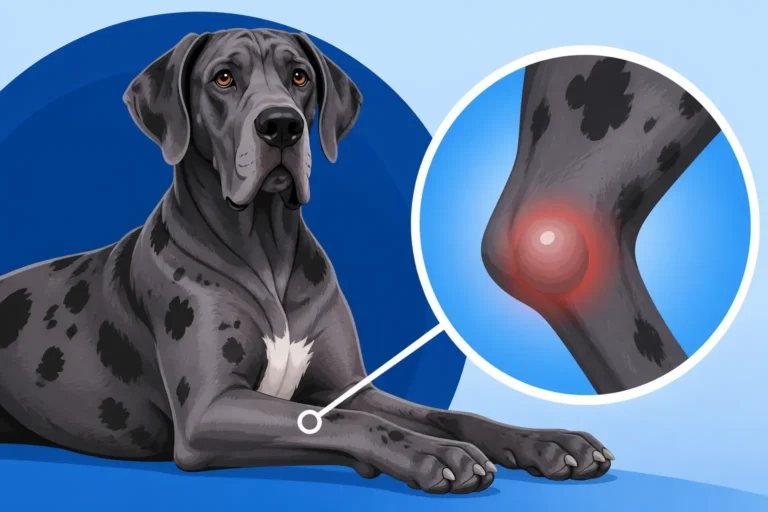
If you’re a Great Dane owner, or even just thinking about bringing one of these magnificent dogs into your life, there’s one word that probably sends a shiver down your spine: bloat. It’s a terrifying, lightning-fast condition that can turn a perfectly happy day into an emergency nightmare in mere minutes, and the stark reality is that one in three Great Danes will face this life-threatening event. This guide isn’t here to scare you, but to arm you with deep, comprehensive knowledge about gastric dilatation-volvulus (GDV), commonly known as bloat, so you can recognize it, act fast, and hopefully save your beloved Dane.
Understanding Gastric Dilatation-Volvulus (GDV) in Great Danes
The very thought of bloat is enough to make any Great Dane owner feel a knot in their stomach. It’s not just an upset tummy; it’s a full-blown medical catastrophe that is agonizingly common in our big, beautiful dogs. Knowing what it is, and why it happens, is the first critical step in being prepared.
What Exactly Is Bloat and Why Is It So Dangerous
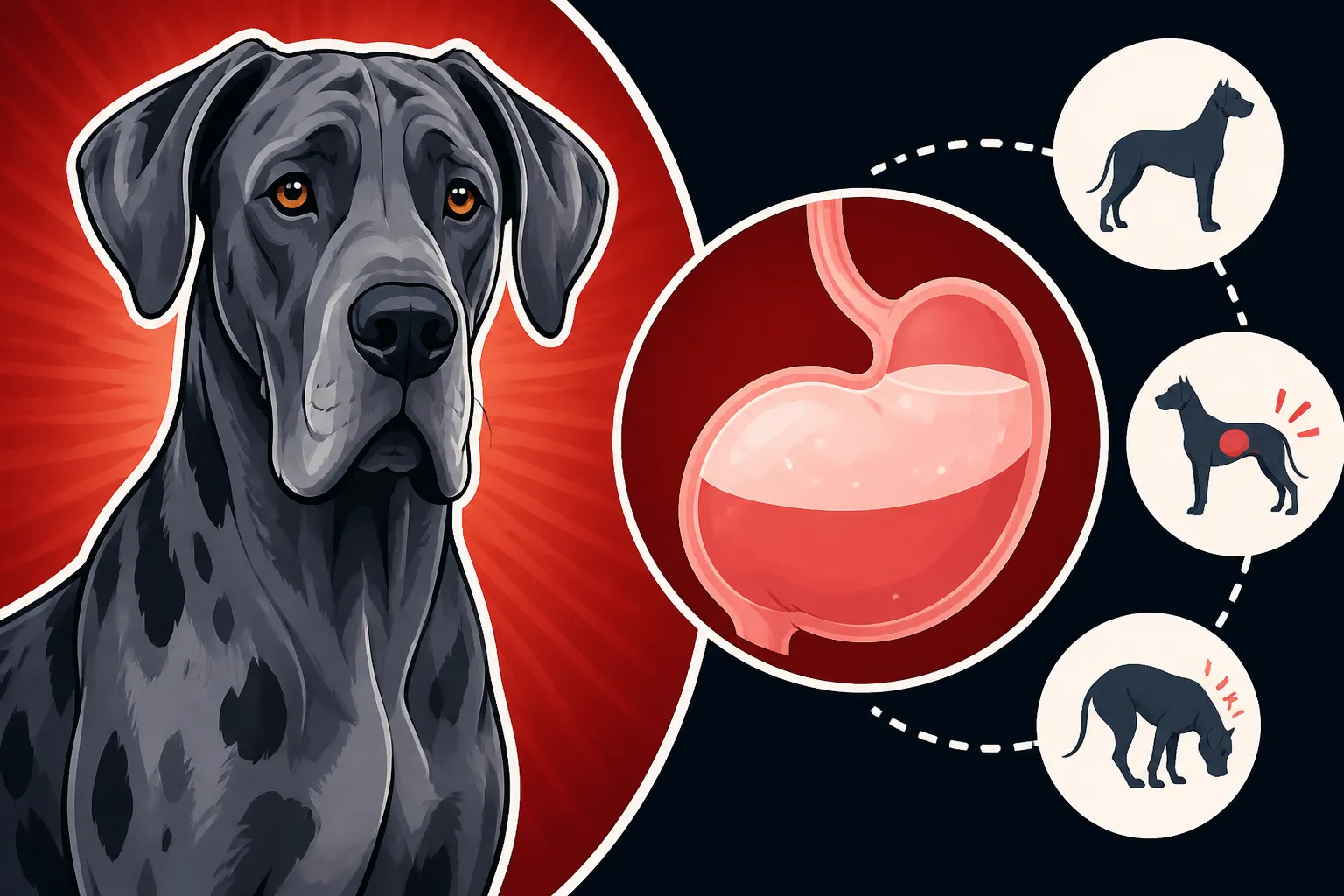
Gastric Dilatation-Volvulus, or GDV, is actually a two-part problem, and both parts are equally terrifying. First, the "dilatation" happens: your Great Dane's stomach fills rapidly with gas, food, or fluid, causing it to expand like a balloon. This alone is incredibly painful and puts immense pressure on surrounding organs, the diaphragm, and large blood vessels, making it hard for your dog to breathe and for blood to return to the heart. It’s distressing to watch, and even more distressing for your dog to experience.
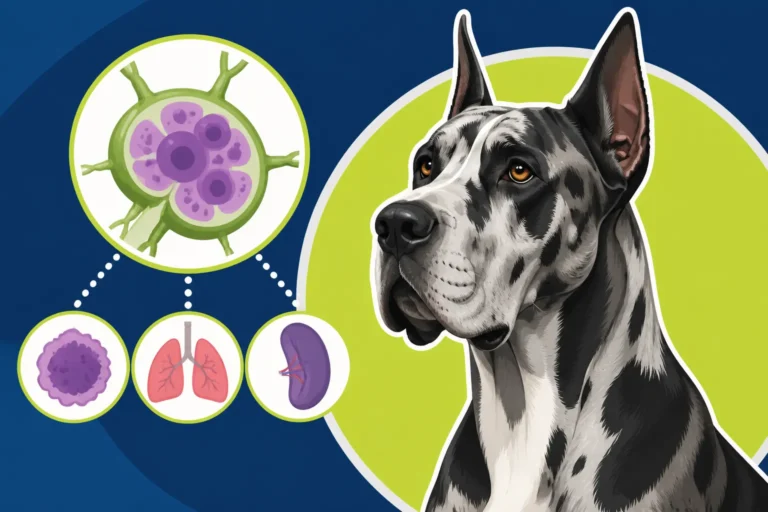
But then comes the "volvulus," and this is where it becomes truly deadly. In many cases, after the stomach dilates, it twists on its axis, cutting off both the entrance and exit. This twist traps the gas, food, and fluid, preventing it from escaping. It also cuts off blood flow to the stomach itself and other vital organs like the spleen. Without blood flow, the stomach tissue quickly begins to die, releasing toxins into the bloodstream. This is why GDV is an absolute medical emergency – every single minute counts, because cell death and systemic shock set in rapidly. The deep, narrow chest conformation of Great Danes is a significant anatomical factor that contributes to their heightened risk of the stomach twisting once it dilates. It’s a cruel irony that their majestic build predisposes them to such a devastating condition.
The Alarming "One in Three Odds" of Bloat
When you bring home a Great Dane puppy, you fall in love with their goofy charm, their gentle nature, and their imposing presence. What you might not fully grasp then, but quickly learn, is the looming shadow of bloat. The statistic that one in three Great Danes will experience bloat in their lifetime isn't just a number; it's a stark, heartbreaking reality for countless owners. This isn't just about bad luck; it's deeply rooted in the breed's genetics and physical structure.
Veterinarians and researchers have consistently identified Great Danes as the breed most susceptible to GDV, with some studies showing lifetime prevalence rates reaching as high as 40%. This predisposition isn't fully understood, but factors like genetics, deep chest conformation, and certain temperaments (anxious dogs seem to have a higher risk) are all believed to play a role. It means that even if you do everything "right"—feeding carefully, exercising appropriately, and managing stress—your Dane still faces a significant risk. This knowledge can weigh heavily on an owner, creating a constant undercurrent of worry, especially as your dog ages and the risk potentially increases. It’s why awareness and swift action are so profoundly important; it's the battle we prepare for, even when we hope it never comes. For a deeper dive into this persistent threat, you can read more about The Lifetime Bloat Risk in a Great Dane.
Recognizing the Early, Subtle Signs of Bloat
The biggest challenge with bloat is its speed and the fact that its initial signs can be incredibly subtle, easily mistaken for general discomfort or a mild upset stomach. Yet, those first few moments are absolutely critical to a positive outcome. As a Great Dane owner, you become a detective, constantly observing your dog for even the slightest deviation from their normal behavior.
The Silent Signals You Might Miss at First
It starts so innocently sometimes. Your usually calm Great Dane might suddenly seem restless, pacing around the house, unable to settle in their favorite spot on the couch or bed. They might shift positions frequently, trying to get comfortable but failing. This restlessness is often accompanied by an anxious expression, a look in their eyes that tells you something isn't quite right. They might stand with their head lowered or appear hunched. You might notice them repeatedly looking at their flank, as if trying to figure out what's bothering them.
Other common, yet often overlooked, early signs include excessive drooling or lip-licking. Your Dane might try to vomit, making retching sounds, but nothing actually comes up. This "non-productive retching" is one of the most classic and urgent signs of bloat, indicating that their stomach is likely twisted, preventing anything from passing. Don't dismiss these behaviors as just a bit of indigestion; in a Great Dane, they are red flags demanding immediate attention. If you see these signs, especially in combination, it’s time to move. These initial clues are often covered in discussions about The Signs of a Great Dane Stomach Twisting.
When to Panic: Obvious Symptoms and What They Mean
While those early signs are crucial, bloat can progress with terrifying speed, rapidly escalating to unmistakable and severe symptoms. When these appear, there's no mistaking the urgency of the situation. The most obvious, and chilling, symptom is a visibly distended abdomen. Your dog's belly will appear swollen, tight, and often hard to the touch, particularly on the left side behind the ribs. This swelling can grow rapidly, becoming shockingly pronounced in a short amount of time.
Alongside the distension, the non-productive retching often intensifies. Your Great Dane will make desperate, heaving attempts to vomit, but their stomach will remain empty. They might lick at the air, try to swallow repeatedly, or seem to gag. As the condition worsens, your dog will show signs of extreme pain: whining, groaning, panting heavily, and possibly refusing to lie down. Their gums might become pale, indicating poor circulation, and their heart rate can become rapid and weak. In advanced stages, they may collapse, become weak, stumble, and show signs of shock, such as cold extremities and shallow, rapid breathing. At this point, you're not just looking at a medical emergency; you're looking at a race against the clock to save their life.
| Symptom Category | Early/Subtle Signs (Urgent) | Obvious/Severe Signs (Critical Emergency) |
|---|---|---|
| Behavior | Restlessness, pacing, anxiety, inability to settle | Collapse, extreme weakness, unresponsive |
| Oral | Excessive drooling, lip-licking, gulping air | Non-productive retching (trying to vomit but nothing comes up), foaming at the mouth |
| Abdomen | Looking at flank, mild discomfort | Swollen, hard, distended abdomen (often on left side), pain when touched |
| Breathing | Mild panting | Rapid, shallow breathing, labored breathing |
| Circulation | Normal gum color, normal heart rate | Pale gums, rapid and weak pulse, cold extremities |
| General | Hunching posture, appearing uncomfortable | Shock, extreme pain, whimpering, refusal to move |
The Critical Race Against Time
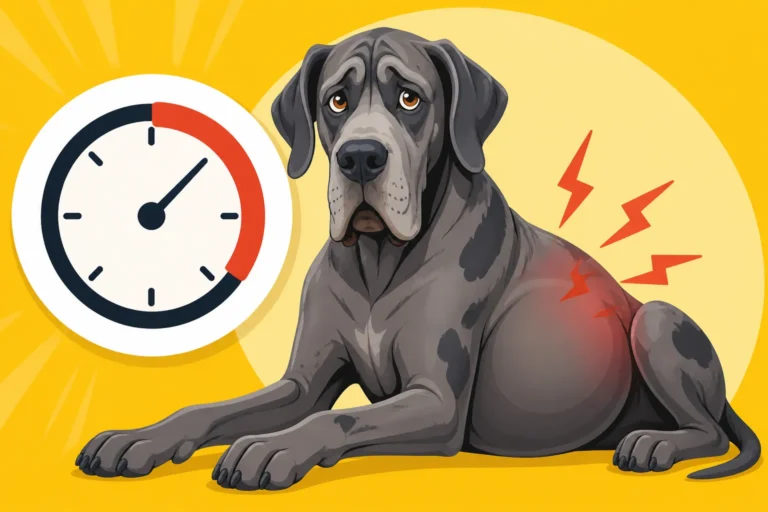
This isn't an exaggeration: when bloat strikes, time is literally measured in minutes, not hours. The difference between life and death can be as short as the drive to the emergency clinic. Understanding this urgency isn't about fostering panic, but about instilling a proactive mindset that could save your dog's life.
How Many Minutes a Bloating Great Dane Has
It’s difficult to give an exact number, because every case is different, but generally, a Great Dane with GDV has an incredibly narrow window of opportunity for successful intervention—often between 30 minutes to an hour from the onset of severe symptoms. This is not a condition where you can "wait and see" if your dog improves. As the stomach twists and blood flow is cut off, the stomach tissue begins to die. This necrotic tissue releases toxins into the bloodstream, leading to systemic shock, organ damage, and a cascading failure of bodily systems. The longer the delay, the more severe the damage, and the lower the chances of survival, even with emergency surgery.
Moreover, the pressure on the diaphragm makes breathing increasingly difficult, and the compromised blood flow to the heart can lead to dangerous cardiac arrhythmias. It's a rapid, brutal assault on their body. Many owners regret waiting, even for a short time, hoping their dog would simply pass gas or vomit and feel better. With a Great Dane, assume the worst and act immediately. There's no harm in a vet visit that turns out to be "nothing serious," but there's irreversible harm in delaying when it truly is bloat. This acute urgency is precisely why knowing What to Do the Minute a Great Dane Bloats is paramount.
Driving a Bloating Great Dane to the Emergency Vet
This is where preparation truly pays off. You should already know the location and phone number of the nearest 24/7 emergency veterinary hospital that can handle large breed emergencies. Don't waste precious minutes searching for it on your phone while your dog is suffering. Call them while you are driving, explaining the situation and telling them you are on your way with a suspected GDV. This allows them to prepare their team and equipment for your arrival, potentially shaving off critical minutes from diagnosis and treatment.
Getting a large, distressed Great Dane into a car can be a challenge in itself. If possible, have someone help you. If your dog is struggling, try to keep them as calm as possible, but don't delay. Keep a blanket or large towel in your car that you can use to help lift them if needed. The drive itself will be incredibly stressful, filled with fear and desperation. Try to remain calm, drive safely but quickly, and keep focused on getting there. Every mile covered is a step closer to potential salvation for your beloved companion. Remember, this isn't just a trip; it's a frantic dash against a formidable opponent.
Emergency Treatment and Surgical Intervention
Once you arrive at the emergency vet, a whirlwind of activity will begin. The veterinary team understands the critical nature of GDV and will move with incredible speed and precision to save your Great Dane's life. This is where their expertise becomes your dog's greatest hope.
Initial Stabilization and Decompression
The first priority upon arrival is to stabilize your Great Dane. The veterinary team will immediately assess their vital signs, checking for shock, dehydration, and cardiac issues. An intravenous (IV) catheter will be placed to administer fluids rapidly, combatting shock and supporting circulation. Pain medication is also given quickly, not just for comfort, but because severe pain can worsen shock. Simultaneously, they will attempt to decompress the stomach.
This usually involves passing a tube down the esophagus into the stomach to release trapped gas and fluid. If the stomach is severely twisted, passing the tube may not be possible. In such cases, a large bore needle or trocar may be carefully inserted through the body wall directly into the stomach to relieve some of the immediate pressure. This procedure is called trocharization. While only a temporary measure, relieving even some of the pressure can significantly improve your dog's ability to breathe and reduce the risk of further complications before surgery can begin. This initial phase is about buying time and preparing your dog for the intensive surgery ahead.
What Surgeons Do to a Twisted Great Dane Stomach
After initial stabilization, surgery is almost always required to correct the twisted stomach. There’s no other way to manually untwist it and prevent immediate recurrence. The veterinary surgeon will open your dog's abdomen and carefully assess the stomach, evaluating the extent of the twist and checking for any signs of tissue damage or necrosis (dead tissue). The stomach is then meticulously untwisted, bringing it back to its normal anatomical position. Any dead or severely damaged parts of the stomach or spleen might need to be removed, which can add to the complexity and recovery time. This is a delicate and often harrowing procedure.
Once the stomach is back in place, the most critical part of preventing future episodes of bloat is performed: a gastropexy. During a gastropexy, the surgeon permanently attaches a portion of the stomach wall to the abdominal wall. This "tacks" the stomach in place, preventing it from twisting again in the future. While a gastropexy does not prevent the initial gas dilatation, it dramatically reduces the risk of the much more dangerous volvulus (twisting). This procedure is absolutely vital for any Great Dane that has survived bloat, and many owners opt for it preventatively. For a detailed explanation of this life-saving procedure, refer to What Surgeons Do to a Twisted Great Dane Stomach.
The Road to Recovery and Post-Operative Care
Surviving emergency bloat surgery is a huge hurdle, but the journey isn't over yet. The recovery period, both in the hospital and at home, is just as critical and requires meticulous care and observation to ensure a full and lasting recovery. It's a demanding time, both for your Great Dane and for you, their dedicated owner.
Immediate Post-Surgery Challenges and Monitoring
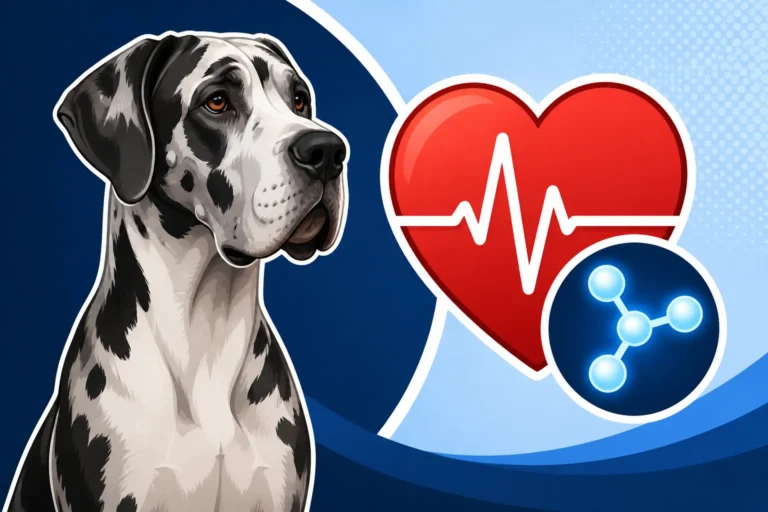
The first 24 to 48 hours after GDV surgery are often the most critical. Your Great Dane will remain in the intensive care unit, hooked up to monitors and IV fluids. The veterinary team will be vigilantly watching for potential complications, which can be significant. One of the most common and dangerous post-surgical issues is cardiac arrhythmias, irregular heartbeats that can be life-threatening. These can be caused by the toxins released from damaged stomach tissue during the bloat episode. Continuous ECG monitoring is often necessary to catch and treat these promptly.
Beyond heart issues, there's a risk of infection at the surgical site or within the abdominal cavity, as well as the potential for aspiration pneumonia if your dog vomited or regurgitated before or during the event. Pain management is also crucial; Great Danes are stoic, but this surgery is extensive, and keeping them comfortable is essential for their recovery. The veterinary staff will ensure they are receiving appropriate pain relief and will carefully monitor their incision, temperature, and overall demeanor. It's a tense waiting game for owners, but the continuous, expert care during this period is what truly sets the stage for recovery.
Recovery After Great Dane Bloat Surgery at Home
Once your Great Dane is stable enough to come home, the real work for you begins. You'll receive detailed instructions from your vet regarding medication, activity restriction, and diet. Typically, your Dane will need antibiotics, pain relievers, and sometimes anti-nausea medication for several days to a week. Keeping the surgical incision clean and dry is paramount, and you'll need to monitor it daily for any signs of redness, swelling, or discharge. An Elizabethan collar (cone of shame) will likely be mandatory to prevent licking or chewing at the stitches.
Activity will be severely restricted for several weeks. No jumping, no running, no rough play, and short, leashed walks only. This can be challenging with a high-energy Great Dane, but adhering to these limits is vital to allow the internal and external incisions to heal properly, especially the gastropexy site. Diet will also be gradually introduced, often starting with small, frequent meals of a bland, easily digestible food. Over the next few weeks, you’ll slowly transition back to their regular food, maintaining a schedule of multiple smaller meals. The emotional toll can be heavy too; your dog will be weak and perhaps confused, and you'll be exhausted from worry and care. Be patient, be vigilant, and remember that every step is part of their healing journey. For more specific guidance on this phase, you can refer to Recovery After Great Dane Bloat Surgery.
Proactive Strategies to Mitigate Bloat Risk
While we can't eliminate the risk of bloat entirely in Great Danes, there are significant steps we can take to drastically reduce their chances of experiencing this horrific condition. Being proactive and making informed choices about diet, exercise, and even preventive surgery can make all the difference.
Dietary Management and Mealtime Habits That Cut a Great Dane's Twist Risk
One of the most impactful changes you can make involves how and what your Great Dane eats. Instead of feeding one large meal a day, which can cause the stomach to distend excessively, break their daily ration into two or three smaller meals. This reduces the volume of food in the stomach at any one time, lessening the risk of over-stretching. You'll want to ensure you're feeding a high-quality, easily digestible food. Some research suggests that foods with ingredients like citric acid listed among the first four ingredients might increase risk, so always check your labels carefully.
The debate around raised feeding bowls has gone back and forth. For years, it was thought that elevated bowls reduced bloat risk, but more recent studies, including a large study by Purdue University, found that raised food bowls actually increased the risk of GDV in large and giant breed dogs. The theory is that when dogs eat from raised bowls, they may gulp more air. Therefore, it's generally recommended that Great Danes eat from bowls placed on the floor. Slow feeder bowls can also be very helpful, as they prevent your Dane from gulping down their food too quickly, which can lead to ingesting excess air. Think about making mealtime a calm, unhurried event. For more in-depth advice on this, check out Meal Habits That Cut a Great Dane's Twist Risk and the discussion on The Raised Bowl Argument for Great Danes.
Exercise and Stress Management Around Meals
The timing of physical activity around meal times is another crucial factor. Never allow your Great Dane to engage in strenuous exercise, vigorous play, or even excessive excitement for at least an hour before and, more critically, for at least two hours after eating. Heavy activity can cause the stomach to jostle and move, increasing the likelihood of a twist, especially if it's full of food and gas. Plan your walks and play sessions around their feeding schedule, ensuring a period of quiet rest after they've eaten. A gentle stroll to relieve themselves is fine, but anything more should be avoided.
Stress and anxiety are also increasingly recognized as potential triggers for bloat. Great Danes can be sensitive dogs, and significant changes to their routine, loud noises, travel, or separation anxiety can elevate their stress levels. While it's harder to measure, chronic stress or acute anxiety could contribute to changes in gut motility or increased air swallowing. Creating a calm, predictable environment and addressing any anxiety issues with appropriate training or veterinary consultation is beneficial not just for bloat prevention, but for their overall well-being. It's not just about what they eat, but their whole state of being around mealtime. You can learn more about this connection by reading Whether Exercise After Meals Bloats a Great Dane.
The Preventive Gastropexy: When to Book a Great Dane Gastropexy
For many Great Dane owners, the ultimate proactive step against bloat is a preventive gastropexy, sometimes called a "tacking" of the stomach. As discussed earlier, this surgical procedure permanently affixes the stomach to the abdominal wall, preventing it from twisting. It significantly reduces the lifetime risk of GDV (volvulus) from the alarming 1 in 3 odds to less than 5%. While it doesn't prevent the initial gas dilatation, it removes the deadliest component of the condition.
Many veterinarians recommend performing a prophylactic gastropexy when Great Danes are young, often at the same time as their spay or neuter surgery, typically between 6 months and 2 years of age. Doing it this way minimizes the need for an additional anesthetic event and recovery period. It's a less invasive procedure when performed preventatively, especially if done laparoscopically, compared to the emergency surgery required during an actual bloat episode, which is always more complicated and risky. Discussing this option with your vet, considering the cost versus the potential emergency expenses, and understanding the reduced risk it offers, is a conversation every Great Dane owner should have. For guidance on timing, see When to Book a Great Dane Gastropexy. This procedure does dramatically reduce the risk, though it's important to remember Whether Tacking Ends Great Dane Bloat Risk entirely.
Living with the Lingering Fear and Moving Forward
Even with all the knowledge and preventive measures in place, the fear of bloat can be a constant companion for Great Dane owners. It's a heavy burden, but understanding how to manage that anxiety and being prepared can transform fear into empowerment.
Accepting the Risk and Empowering Yourself
It's okay to feel anxious about bloat; it’s a natural response to a genuine threat. But dwelling on that fear without action can be paralyzing. The best way to combat this anxiety is through knowledge and preparedness. You’ve taken a huge step just by reading this comprehensive guide. Knowing the signs, understanding the urgency, and having a plan in place – including knowing where your emergency vet is and having their number on speed dial – empowers you. It shifts you from a passive worrier to an active protector.
This proactive approach extends to financial planning as well. The cost of emergency GDV surgery can be astronomical, easily running into many thousands of dollars. Having pet insurance, like a policy from Healthy Paws, can be an absolute lifesaver, allowing you to focus on your dog's health rather than agonizing over the bill during a crisis. It’s not just about if bloat happens, but when a medical emergency might strike a giant breed like a Great Dane. Being financially prepared helps ease the burden, giving you one less thing to worry about during an already traumatic event. Knowing you have resources available, whether it's through careful savings or a reliable insurance provider, makes a huge difference in peace of mind.
Community Support and Ongoing Vigilance
You are not alone in this journey. Connecting with other Great Dane owners, whether through local breed clubs, online forums, or social media groups, can provide invaluable support. Sharing experiences, asking questions, and hearing how others manage the daily realities of owning such a special breed can be incredibly reassuring. There’s a camaraderie among Great Dane owners, born from a shared love for these magnificent dogs and a shared understanding of their unique health challenges.
Ultimately, vigilance becomes a way of life for Great Dane owners. You learn to read every subtle cue, every shift in posture, every change in appetite. It's not about being obsessive, but about being attuned to your dog's normal behavior so you can quickly identify when something is amiss. This constant, gentle observation is a testament to the deep bond you share. By being informed, prepared, and connected, you can navigate the inherent risks of bloat with greater confidence, ensuring you give your Great Dane the best chance at a long, healthy, and happy life.
Disclaimer
Please remember that this article provides general information and should not be considered a substitute for professional veterinary advice. Always consult with a qualified veterinarian for any health concerns or before making any decisions about your Great Dane's care.