Meal Habits That Cut a Great Dane’s Twist Risk
Dealing with a Great Dane means living with the constant, terrifying shadow of bloat, a condition that can turn a normal meal into a life-threatening emergency in mere minutes. This guide is here to walk you through the practical, everyday meal habits that can genuinely reduce your gentle giant's risk of experiencing this devastating gastric torsion.
Understanding the Great Dane's Unique Susceptibility to Bloat
It’s a heartbreaking reality that Great Danes are notoriously prone to bloat, or Gastric Dilatation-Volvulus (GDV), a condition where their stomach fills with gas, twists, and cuts off blood supply. As Great Dane owners, we carry this worry with every mealtime, every gulp of water, and every energetic burst of play. It’s not just an unlucky roll of the dice; there are physiological reasons why our beloved Danes are so susceptible, and understanding them is the first step in prevention. You might already know about the serious risks, including the fact that Bloat in a Great Dane and the One in Three Odds are frighteningly high.
The Anatomical Predisposition
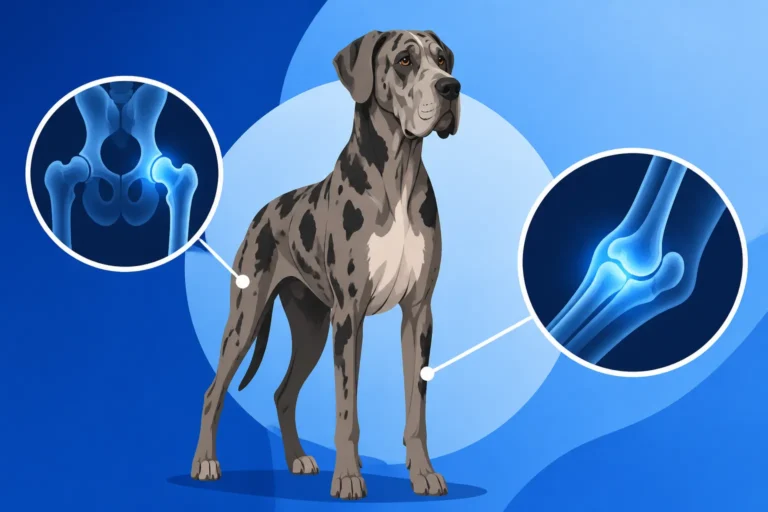
Let's talk about that magnificent, deep chest our Danes boast. While it’s part of their regal appearance, it's also a significant risk factor for bloat. Imagine a balloon tied at both ends, hanging loosely in a large, empty cupboard. That's essentially what a Great Dane's stomach is like in their deep, narrow rib cage. Unlike other breeds with broader, shallower chests, a Dane's stomach has more room to swing and, tragically, to twist. This anatomical feature means that even slight movements or gas buildup can cause the stomach to rotate on its axis, trapping gas and food, leading to a rapid and painful expansion. It’s a design flaw, if you will, that no amount of care can completely negate, but we can certainly manage the contributing factors.
The Role of Rapid Ingestion
Have you ever seen a Great Dane inhale their food? It’s a common sight, and it’s a big problem. When dogs eat too quickly, they swallow a lot of air along with their food. This air gets trapped in the stomach, contributing to the initial 'dilatation' or swelling that precedes the dangerous 'volvulus' or twisting. It’s not just about the volume of air; the sheer speed of eating can also create a frantic, gulping action that further churns the stomach contents, making it more likely to shift. It's frustrating to watch your hungry Dane vacuum down their meal in seconds, knowing each gulp could be increasing their risk. This is a battle many of us fight daily, trying to slow them down without making mealtime a stressful event.
Strategic Feeding Practices to Mitigate Risk
Since we can't change their anatomy, our focus shifts to what we can control: their mealtime routine. These practices aren't guaranteed to prevent bloat entirely – nothing is, short of a preventative gastropexy – but they significantly stack the odds in our favor. Each small change adds up, building a safer environment for our dogs.
Smaller, More Frequent Meals
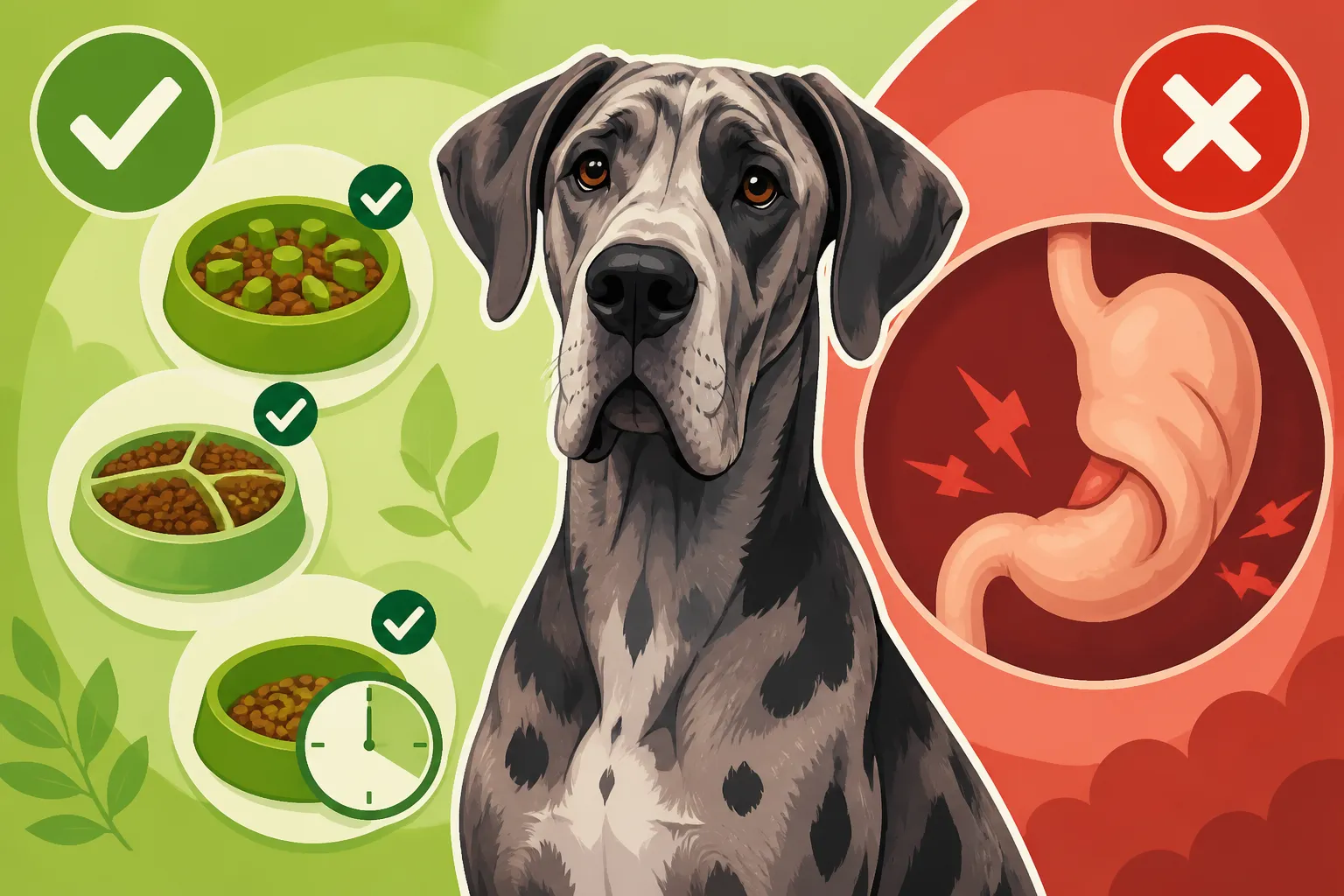
Instead of giving your Great Dane one or two large meals a day, consider breaking their daily food allowance into three or even four smaller portions. This is probably the most impactful change you can make. The theory here is straightforward: a stomach that isn't excessively full has less material to ferment and produce gas, and less volume to shift if it begins to twist. If your Dane eats Ten Cups a Day, imagine splitting that into three cups three times a day, plus a smaller snack, rather than five cups twice a day.
When you offer smaller portions, the digestive system isn't overloaded. The food moves through more efficiently, reducing the chance of fermentation and gas buildup. Think about it from a human perspective – you're less likely to feel bloated and uncomfortable after several small meals than after one massive feast. For our Great Danes, this translates to a significantly reduced risk of their stomach becoming overly distended, which is the precursor to a torsion. This also means you'll be interacting with their food more often, giving you more opportunities to observe their appetite and overall well-being throughout the day.
The Importance of a Calm Meal Environment
Picture this: you've just come home, your Dane is doing their happy dance, and you're rushing to get their food ready amidst the chaos of family life. This high-stress, high-excitement scenario before and during meals is a quiet, often overlooked contributor to bloat risk. Dogs, especially anxious or overly excited ones, tend to eat even faster and gulp more air when stressed.
Creating a calm, consistent mealtime routine is crucial. This means feeding them in a quiet, undisturbed area where they won't feel rushed or compete with other pets. If you have multiple dogs, consider feeding them in separate rooms or at different times. Encourage them to relax before they start eating. Some owners find success with a short "sit" or "down" command before placing the bowl down, creating a moment of calm. This psychological aspect is just as important as the physical one. If you're concerned about Whether Stress Sets Off a Great Dane Bloat, remember that a relaxed environment can make a tangible difference. A consistent schedule also helps, as dogs thrive on routine and predictability.
Post-Meal Rest Protocol
This is non-negotiable for Great Danes: absolutely no strenuous exercise, roughhousing, or even long walks immediately before or after eating. The consensus among veterinarians is that vigorous activity on a full stomach is a major risk factor for bloat. Imagine a full washing machine tumbling around – that’s essentially what’s happening with your Dane’s stomach during post-meal play, and it significantly increases the chances of it twisting.
We're talking about a solid hour before and at least two hours after a meal where activity should be limited to a leisurely potty break on a leash, if necessary. For many of us, this means adjusting our own schedules. If you typically walk your dog in the morning, make sure their breakfast is given well in advance, or wait until a couple of hours after. The same goes for evening play or training sessions. It can be tough, especially with a high-energy puppy or an adult Dane who lives for playtime, but it's a critical safety measure. This period of calm allows the food to settle and begin its journey through the digestive tract without excessive jostling. It’s a small sacrifice for their safety. This ties into the discussion of Whether Exercise After Meals Bloats a Great Dane.
Dietary Considerations and Bowl Choices
Beyond when and how often you feed, what you feed and what kind of bowl you use also play a role in managing bloat risk. There's a lot of old wives' tales and conflicting advice out there, so let's stick to what modern veterinary science generally recommends.
The Debunked Raised Bowl Theory and Current Recommendations
For years, it was a common belief that elevated food bowls could prevent bloat by supposedly allowing gravity to help food pass more easily. Many of us bought those fancy raised feeders, thinking we were doing the best thing for our Danes. The truth, however, is quite the opposite. Research, including a significant study by Purdue University, actually found that raised bowls might increase the risk of bloat in large and giant breeds like Great Danes. This was a surprising and frustrating discovery for many owners who had been following what they thought was expert advice.
The current recommendation is to feed your Great Dane from a bowl placed on the floor. While the exact mechanism isn't fully understood, it's theorized that feeding from a raised bowl might encourage faster eating and more gulping of air, or perhaps alter the dog's posture in a way that predisposes them to stomach rotation. So, if you're still using a raised feeder, it might be time to switch to a floor-level bowl. It's a simple, cost-free change that could make a world of difference, debunking the old The Raised Bowl Argument for Great Danes.
Slow Feeder Bowls and Their Efficacy
Given how quickly Great Danes tend to eat, slow feeder bowls are an excellent tool to combat rapid ingestion and excessive air swallowing. These bowls have obstacles or labyrinth-like designs that force your dog to eat around them, significantly slowing down their mealtime. Instead of inhaling a bowl of kibble in 30 seconds, a slow feeder can stretch that meal out to several minutes.
There are many different types available, from simple plastic designs with raised bumps to more intricate mazes. Experiment to find one that works for your Dane without causing undue frustration. The goal isn't to make eating impossible, but to encourage a more measured pace. Some owners even use puzzle feeders or spread kibble out on a baking sheet to achieve a similar effect. Whatever method you choose, the principle is the same: the slower they eat, the less air they ingest, and the lower their bloat risk. This is a practical, everyday solution that directly addresses the problem of rapid eating.
Hydration and Food Type
The type of food and how it's presented can also play a role. While the link between specific food ingredients and bloat is still debated, some general practices can be helpful.
Firstly, consider moistening dry kibble with a bit of water (not so much that it becomes soup, just enough to make it less dusty and easier to chew). This can prevent your Dane from gulping down dry, expanding kibble and also helps to slow down eating. Just be sure not to pre-soak large amounts of kibble too far in advance, as it can spoil.
Secondly, always ensure fresh water is available, but try to avoid huge gulps of water immediately after a meal or strenuous activity. While vital for hydration, excessive water intake at these times can distend the stomach. If your Dane is prone to guzzling water, try offering smaller amounts more frequently, or consider using a water dispenser that encourages slower drinking. Some owners even place a large, clean rock in the water bowl to create an obstacle that slows down drinking. The aim is steady hydration, not a sudden influx that could put pressure on the stomach.
Recognizing Red Flags and Being Prepared
Even with the best preventative measures, bloat can still happen. It’s a terrifying thought, but being prepared and knowing what to look for is paramount. The difference between life and death for a Great Dane with bloat is often measured in minutes.
Knowing the Signs of a Great Dane Stomach Twisting
This is perhaps the most critical knowledge any Great Dane owner can possess. Bloat progresses rapidly, and recognizing the early signs can be the difference between a successful emergency surgery and a tragic outcome. Owners often describe the feeling of dread when they notice these symptoms. They include:
- Restlessness and pacing: Your normally calm Dane might be unable to settle, pacing frantically, or constantly shifting positions.
- Attempted vomiting without success: This is a classic sign. They will retch and heave, but nothing comes up, or perhaps only foamy saliva.
- Distended abdomen: Their belly will become visibly swollen and taut, especially on the left side, often feeling hard like a drum.
- Excessive drooling: Due to nausea and discomfort.
- Pain and tenderness: They might whine, cry, or even snap if their abdomen is touched.
- Weakness and collapse: As the condition worsens, they will become weak, struggle to stand, and their gums might turn pale.
If you observe any combination of these signs, especially the unproductive retching and a swollen belly, do not wait. This is a true emergency. Every minute counts when it comes to How Many Minutes a Bloating Great Dane Has. Your immediate action can save their life.
The Value of Preventive Measures and Emergency Planning
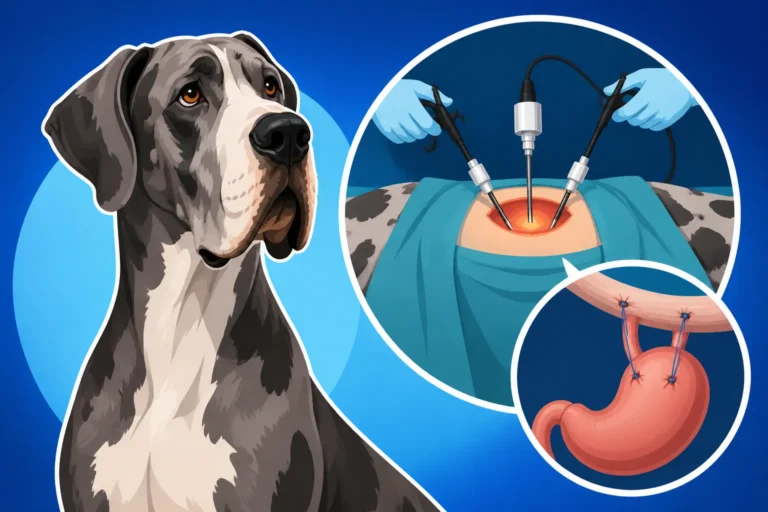
Proactive steps, like implementing the feeding habits we've discussed, are vital. However, for many Great Dane owners, the ultimate preventative measure is a prophylactic gastropexy. This surgical procedure permanently attaches the stomach to the abdominal wall, preventing it from twisting. While it doesn't prevent the stomach from dilating (filling with gas), it drastically reduces the risk of the much deadlier volvulus. Many owners choose to have this done when their Dane is spayed or neutered, combining the procedures. Discuss with your vet about When to Book a Great Dane Gastropexy and understand Whether Tacking Ends Great Dane Bloat Risk.
Beyond surgery, having an emergency plan is crucial. Know the location and phone number of the nearest 24-hour emergency veterinary clinic. Have it saved in your phone and perhaps even taped to your fridge. Familiarize yourself with the quickest route. In an emergency, panic can set in, and these small preparations can make all the difference. Knowing What to Do the Minute a Great Dane Bloats is critical.
Financial Preparedness for Emergencies
The cost of emergency bloat surgery can be astronomical, easily running into thousands of dollars. This financial burden, on top of the emotional stress of a critically ill dog, is something no owner wants to face unprepared. It's a sad reality that some owners are forced to make devastating decisions because they simply cannot afford the immediate, life-saving care their dog needs.
This is where pet insurance becomes not just a luxury, but a vital part of responsible Great Dane ownership. Policies from providers like Healthy Paws can provide immense relief by covering a significant portion of emergency veterinary bills, including those for bloat surgery. When you’re making critical decisions under pressure, knowing that you don’t have to choose between your dog’s life and your savings account is invaluable. It’s highly advisable to look into Insuring a Great Dane Against Bloat and Heart Bills as early as possible, ideally when they are puppies, before any pre-existing conditions can be declared. Even with a preventative gastropexy, the stomach can still dilate and require veterinary attention, so having a good insurance policy like one from Healthy Paws in place offers comprehensive peace of mind for the unexpected.
Here's a quick summary of essential meal habits:
| Habit Category | Do's | Don'ts |
|---|---|---|
| Meal Frequency | Feed 2-4 small meals per day. | One large meal per day. |
| Eating Speed | Use slow feeder bowls or puzzle toys. | Allow rapid "inhaling" of food. |
| Meal Environment | Feed in a quiet, stress-free area. | Feed amidst chaos, competition, or excitement. |
| Post-Meal Activity | Enforce 1-2 hours of strict rest after meals. | Strenuous exercise, play, or running. |
| Bowl Placement | Use a floor-level food bowl. | Elevated food bowls (based on current research). |
| Hydration | Offer fresh water freely, but discourage gulps right after eating. | Unlimited, rapid water intake immediately after meals. |
| Food Preparation | Lightly moisten kibble if your Dane eats very dry food. | Leave dry kibble prone to expansion without moisture. |
Remember, consistency is key. These habits become part of your Dane's daily rhythm, making them feel secure and reducing their overall risk. It's a small price to pay for the health and longevity of our cherished companions.
Final Thoughts on Great Dane Mealtime Safety
Being a Great Dane owner means taking on unique responsibilities, and safeguarding them against bloat is high on that list. While the threat of bloat is real and frightening, implementing these mealtime habits offers us a tangible way to feel more in control and proactive about our dog's health. It’s about building a routine that respects their physiology and minimizes risk wherever possible.
No single action can guarantee your Great Dane will never bloat, especially considering The Lifetime Bloat Risk in a Great Dane, but a combination of thoughtful feeding practices, a calm environment, and careful post-meal management significantly tips the scales in your favor. And always, always be vigilant for The Signs of a Great Dane Stomach Twisting and have an emergency plan, including considering pet insurance from a reputable provider like Healthy Paws, ready to go. Our Danes depend on us to be their guardians, and understanding their vulnerabilities is the first step in protecting them.
Disclaimer
Please note that the information provided in this article is for educational and informational purposes only and does not constitute veterinary advice. Always consult with a qualified veterinarian for any health concerns or before making any decisions about your Great Dane's care or treatment.