The Overnight Bill When a Great Dane Bloats
That sinking feeling in the pit of your stomach, the one that tells you something is terribly wrong with your beloved Great Dane, is a fear every owner of these gentle giants lives with. When a Great Dane bloats, it's not just a minor upset; it's a frantic race against time, a true life-or-death emergency that often hits in the dead of night. This guide is here to walk you through the harrowing experience of a bloat emergency, focusing on the immediate veterinary costs you're likely to face and how to prepare for the inevitable financial burden.
The Urgent Reality of Great Dane Bloat
Few emergencies strike with such sudden, brutal force as Gastric Dilatation-Volvulus, or GDV, commonly known as bloat. For Great Dane owners, it’s not a matter of if but often when this potentially fatal condition might occur. Understanding what it is and why our Danes are so susceptible is the first step in being prepared, both emotionally and financially.
Understanding Gastric Dilatation-Volvulus (GDV)
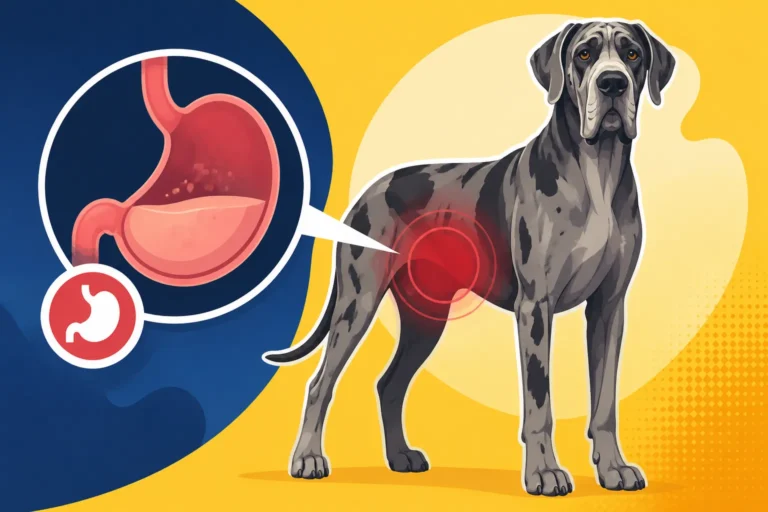
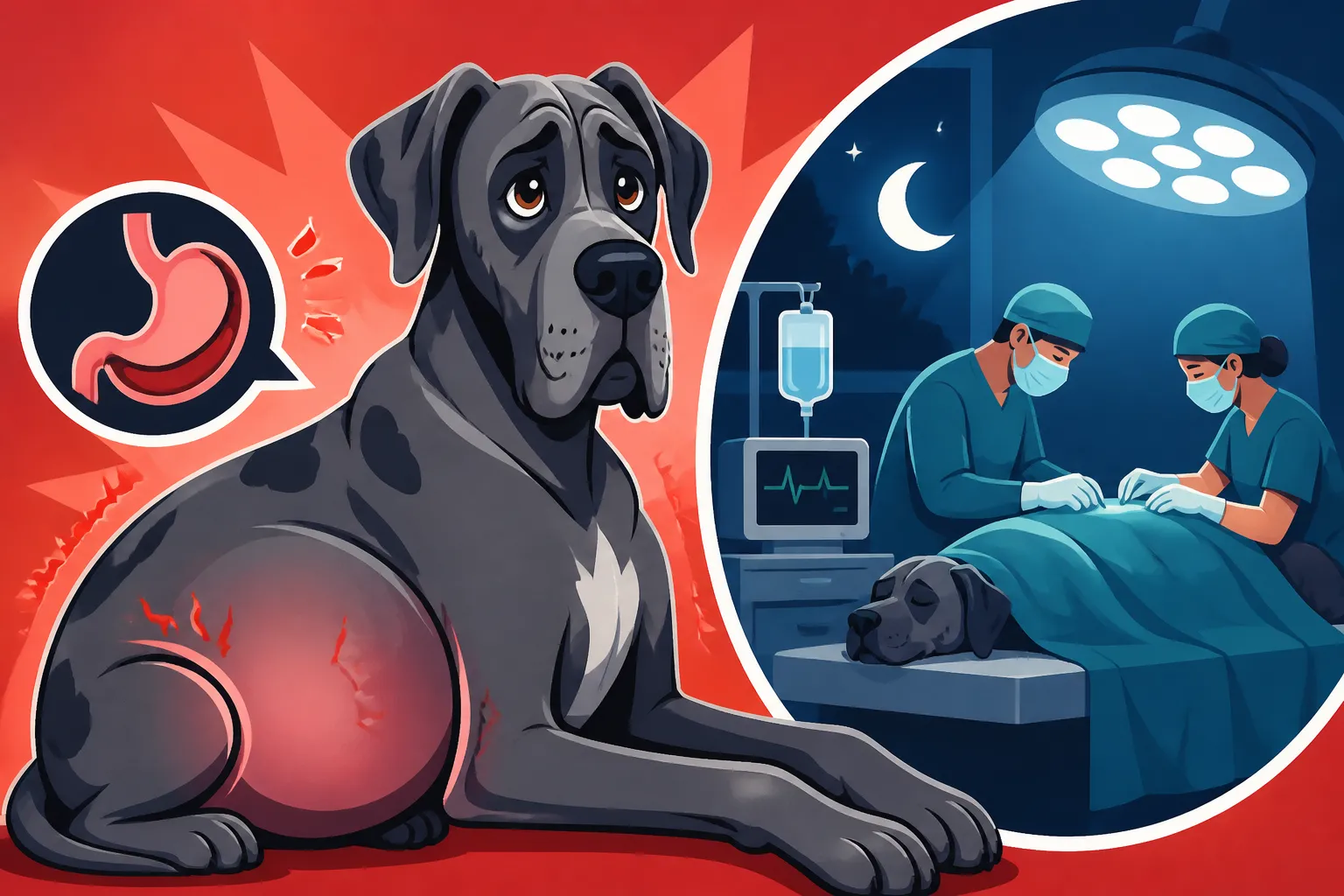
Gastric Dilatation-Volvulus happens in two stages. First, the stomach fills rapidly with gas, fluid, or food, causing it to dilate or bloat significantly. This alone is incredibly painful and dangerous. Imagine your stomach swelling to several times its normal size, pressing on all your other organs and making it almost impossible to breathe. But it gets worse. In the second, more critical stage, this distended stomach then twists on its axis, cutting off blood supply to the stomach and often the spleen. This twisting, or volvulus, traps the gas and fluid inside, leading to shock, organ damage, and if not treated immediately, death. This isn't just an upset tummy; it's a catastrophic internal event.
The speed at which GDV can progress is terrifying. A seemingly healthy, happy Great Dane can go from normal to critical in a matter of minutes to a few hours. This makes recognizing the symptoms and acting swiftly absolutely paramount. Every second counts when your Dane is in this kind of distress, and delaying even for a moment can drastically reduce their chances of survival. You can learn more about the specific odds your dog faces in our detailed article, Bloat in a Great Dane and the One in Three Odds.
Why Great Danes Are So Susceptible
It's a cruel irony that our magnificent Great Danes, with their deep chests and regal stature, are predisposed to this devastating condition. The exact cause isn't fully understood, but veterinarians and researchers point to several contributing factors, with genetics and anatomy playing a huge role. Their deep, narrow chests are thought to allow their stomach more room to swing and twist when it's distended.
Beyond their build, factors like eating habits, activity levels around meal times, and even stress can play a part. Eating one large meal a day, gulping food too quickly, drinking large amounts of water after eating, and exercising vigorously before or after meals are all thought to increase risk. While no single factor is a definitive cause, the combination of a Great Dane's physical structure and certain behaviors creates a perfect storm for bloat. Many owners consider implementing Meal Habits That Cut a Great Dane's Twist Risk to try and minimize this danger.
Recognizing the Critical Signs
Knowing what to look for is your greatest weapon against bloat. Time is of the essence, and early recognition can literally mean the difference between life and death. The signs can sometimes be subtle at first, but they escalate quickly.
Look out for:
- Restlessness and pacing: Your Dane might seem uncomfortable, unable to settle, pacing anxiously.
- Attempts to vomit or retch without bringing anything up: This is a classic, critical sign. They'll try and try, but nothing comes out. This is one of the key The Signs of a Great Dane Stomach Twisting.
- Distended or swollen abdomen: Your dog's belly might look noticeably bigger, especially on one side, and feel hard to the touch.
- Excessive drooling: A sign of nausea and discomfort.
- Pain when touched: They might yelp or flinch if you touch their stomach area.
- Weakness, collapse, or shallow breathing: As the condition progresses, they can go into shock.
- Rapid heart rate and pale gums: Further indicators of shock.
If you see even one or two of these signs, do not wait. Every minute counts. You need to know What to Do the Minute a Great Dane Bloats and get them to an emergency vet immediately.
The Initial Emergency Vet Visit: What to Expect
When you arrive at the emergency veterinary clinic with a suspected bloat case, the team moves with incredible speed. There’s no time for pleasantries; it’s all about stabilizing your dog and determining the best course of action. This initial assessment and stabilization phase will be the first major chunk of your overnight bill.
Diagnostic Procedures and Stabilization
The first thing the veterinary team will do is quickly assess your Great Dane's vital signs and overall condition. This usually involves checking their heart rate, respiratory rate, temperature, and gum color. If bloat is strongly suspected, they’ll often recommend immediate X-rays of the abdomen to confirm GDV. The characteristic "double bubble" appearance on an X-ray confirms the stomach has twisted, distinguishing it from simple bloat.
Simultaneously, the vet will work to stabilize your dog. This means inserting an intravenous (IV) catheter to administer fluids and medications for shock, pain, and sometimes antibiotics. They might also attempt to decompress the stomach by passing a tube down the esophagus into the stomach to release trapped gas and fluid. If a tube cannot be passed due to the twist, a large needle may be inserted directly into the stomach through the side of the body (trocarization) to relieve pressure. These initial, life-saving steps are intensive and require specialized equipment and trained personnel, all of which contribute to the bill. You'll likely be asked to approve these diagnostics and procedures quickly, as delay can be fatal.
Immediate Treatment and Pain Management
Once GDV is confirmed and initial stabilization measures are underway, the focus shifts to preparing for surgery. Pain management is a huge part of this. Imagine the agony of a twisted, gas-filled stomach; vets will administer strong pain medications to make your dog as comfortable as possible. This also helps reduce stress, which can worsen shock.
The veterinary team will monitor your Dane's heart rhythm carefully, as GDV can cause dangerous arrhythmias. Medications might be given to correct these. They'll continue with IV fluids to combat shock and maintain blood pressure. The goal is to get your dog stable enough to withstand the surgical procedure. All these medications, the expertise of the staff monitoring your dog, and the urgency of the situation add up rapidly. The cost of these immediate treatments reflects the critical nature of the emergency and the high level of care required to keep your Great Dane alive until surgery can begin.
Emergency Consultation and Decision-Making
While the medical team works frantically on your dog, you'll be brought into a consultation room. The vet will explain the diagnosis, the severity of the situation, and the recommended course of action, which almost always involves immediate surgery. They will outline the risks of surgery, the prognosis, and crucially, the estimated costs. This conversation can be incredibly overwhelming, as you’re faced with a sudden, massive financial decision during a moment of intense emotional distress.
They'll present you with an estimate, which can range widely depending on your location and the specific clinic, but it's rarely a small number. We're talking thousands, often many thousands, of dollars for a GDV surgery. You'll need to make a quick decision about proceeding, understanding that opting out of surgery almost certainly means losing your beloved companion. This is where having an emergency fund or pet insurance, like a plan from Healthy Paws, can make a world of difference, allowing you to focus on your dog's well-being rather than agonizing over finances.
The Price Tag of Life-Saving Surgery
The surgical correction of GDV is a complex and highly specialized procedure. It requires a skilled veterinary surgeon, a dedicated support team, and several hours of intensive work. This is where a significant portion of your overnight bill will come from, reflecting the expertise and resources involved in saving your Great Dane's life.
The Gastric Detorsion and Gastropexy Procedure
The primary goal of the surgery is twofold: first, to detorse (untwist) the stomach, returning it to its normal anatomical position, and second, to perform a gastropexy. A gastropexy is a procedure where the stomach is surgically attached to the abdominal wall. This permanent attachment is designed to prevent future episodes of volvulus (twisting), although it does not prevent the initial bloating. It's a critical step to reduce the recurrence rate, which can be alarmingly high without it. Knowing What Surgeons Do to a Twisted Great Dane Stomach can give you a clearer picture of the complexity involved.
During the surgery, the surgeon will also carefully examine the stomach tissue for any irreversible damage due to loss of blood supply. In some severe cases, parts of the stomach or even the spleen, which can also become twisted and damaged, may need to be removed. The more extensive the damage, the longer and more complicated the surgery, and the higher the associated costs. This procedure is a race against time, as every minute the stomach remains twisted, the risk of tissue death increases.
Anesthesia and Monitoring Costs for Giant Breeds
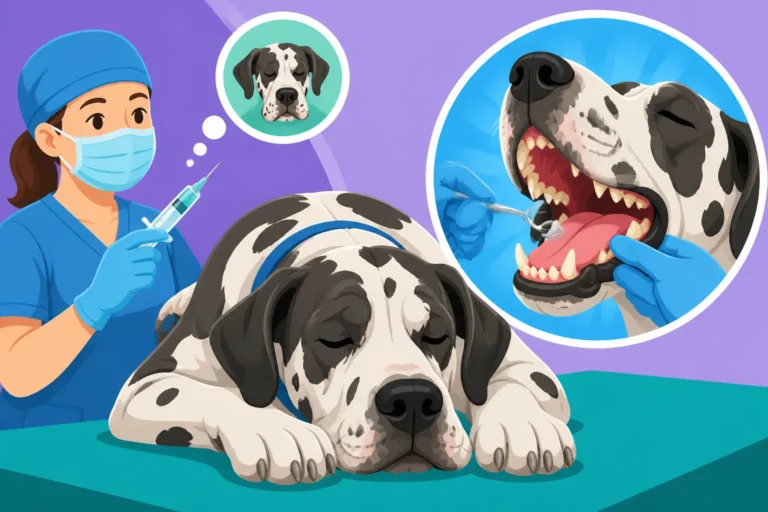
Anesthesia for a Great Dane is a significant undertaking in itself, even for a routine procedure, let alone an emergency surgery. Giant breeds require larger doses of anesthetic agents, which are more costly. More importantly, they require intensive monitoring during the entire anesthetic period. This means a dedicated veterinary technician continuously monitoring heart rate, blood pressure, oxygen saturation, carbon dioxide levels, and temperature.
The anesthetic protocol for a GDV patient is particularly challenging because the dog is often in shock, making them a higher anesthetic risk. Specialized equipment and highly trained personnel are essential to ensure the safety and stability of your Great Dane throughout the procedure. This continuous, vigilant monitoring, the expensive anesthetic drugs, and the added risks associated with giant breeds in critical condition all contribute substantially to the surgical portion of the bill. It’s not just about knocking them out; it’s about keeping them safe and alive under anesthesia for hours.
Surgical Complications and Extended Procedures
Unfortunately, GDV surgery isn't always straightforward. Complications can arise during or after the procedure, significantly extending the surgery time and, consequently, the cost. As mentioned, parts of the stomach or spleen might be compromised and require removal. There's also the risk of bleeding, infection, or issues related to the dog's already compromised state.
If the surgeon finds significant tissue necrosis (tissue death) in the stomach, the prognosis worsens, and the surgical time increases as they try to resect the damaged tissue. Sometimes, the abdomen might need to be flushed out if there's leakage or contamination. Each additional step, each unforeseen complication, adds to the labor, materials, and specialized care required, pushing the total bill even higher. It’s a sobering reality, but being aware of these possibilities helps you understand why the initial estimates are often wide-ranging and why the final bill can sometimes exceed them.
Post-Operative Care and Extended Hospitalization
Surviving the surgery is a monumental first step, but the journey doesn't end there. The critical post-operative period is just as vital, requiring intensive care and constant monitoring, which represents another significant component of the overnight bill. Your Great Dane will need to stay at the clinic for several days, often in an intensive care unit.
Intensive Care Unit ICU Stays and Monitoring
After such a major, life-threatening surgery, your Great Dane will typically be transferred to the Intensive Care Unit (ICU) for round-the-clock monitoring. This isn't just a quiet kennel; it's a dedicated area with continuous supervision by veterinary nurses and doctors. They'll be watching for signs of complications, monitoring pain levels, checking vital signs every few minutes, and administering medications on a strict schedule.
The intensive monitoring includes continued IV fluid therapy, electrocardiogram (ECG) monitoring for heart arrhythmias (which are common after GDV surgery), blood pressure checks, and regular blood tests to assess organ function and electrolyte balance. This level of care is labor-intensive and requires a high staff-to-patient ratio, specialized equipment, and constant vigilance. The cost of an ICU stay is significant, often billed per day or even per hour, reflecting the unparalleled attention and medical resources dedicated to your dog's recovery. This is where a pet insurance policy, especially one with a good annual limit, becomes truly invaluable. You might be surprised by The Annual Limit One Great Dane Emergency Uses.
Medication Regimens and Follow-Up Visits
During their hospital stay and upon discharge, your Great Dane will be on a regimen of various medications. This typically includes strong pain relievers to manage post-surgical discomfort, antibiotics to prevent infection, and potentially anti-nausea drugs. For a giant breed like a Great Dane, these medications come in larger doses and therefore higher costs.
Once your dog is stable enough to go home, usually after 2-4 days, you’ll receive detailed instructions for their at-home care, including wound management and administering medications. You’ll also need to schedule follow-up visits with your regular veterinarian or the surgical team to monitor healing, remove sutures, and ensure a smooth recovery. These follow-up appointments and the cost of the take-home medications contribute to the overall financial outlay of a bloat emergency. Learning about Recovery After Great Dane Bloat Surgery can help you prepare for the post-hospital phase.
Potential Complications During Recovery
Even with the best surgical outcome and intensive post-operative care, complications can still arise during recovery. These can include:
- Cardiac Arrhythmias: Heart rhythm disturbances are very common in the days following GDV surgery and can be life-threatening.
- Peritonitis: Inflammation or infection of the abdominal lining, potentially from leakage or contamination during surgery.
- Recurrence of Bloat: While gastropexy significantly reduces the risk of the stomach twisting again, it doesn't prevent bloating itself.
- Kidney failure or other organ damage: Due to prolonged shock during the initial bloat event.
- Surgical site infection or wound breakdown.
Each of these complications can necessitate additional diagnostic tests, medications, extended hospitalization, or even further surgery, all of which drive up the final bill exponentially. It's a harsh truth that even after thousands of dollars, the outcome is never 100% guaranteed. Understanding Whether a Great Dane Survives a Twisted Stomach helps underscore the critical nature of this recovery period.
Factors That Significantly Impact the Final Bill
When your Great Dane bloats, the costs can vary wildly. It's not a flat fee; several variables play a crucial role in how high that overnight bill climbs. Understanding these factors can help explain the often-staggering estimates you receive.
Location and Type of Veterinary Facility
Just like human hospitals, veterinary costs are heavily influenced by where you live and the type of facility providing care. Emergency veterinary hospitals in large metropolitan areas, for example, tend to have significantly higher overheads—rent, staff salaries, specialized equipment—which are reflected in their service fees. A rural emergency clinic might be less expensive, but they may also have fewer specialists or less advanced diagnostic tools immediately available.
Furthermore, university veterinary hospitals, often associated with veterinary schools, can have some of the most advanced technology and board-certified specialists (e.g., surgical specialists, internal medicine specialists, critical care specialists) available 24/7. While this level of expertise is invaluable, it often comes with a higher price tag. The difference in a bill between a smaller, general emergency clinic and a state-of-the-art veterinary specialty center can be thousands of dollars for the exact same procedure.
Time of Day and Emergency Surcharges
Bloat, true to its insidious nature, often strikes in the middle of the night or on weekends and holidays. Unfortunately, these are precisely the times when veterinary services incur emergency surcharges. Veterinary staff working outside of regular business hours often command higher wages, and clinics pass these increased operational costs onto clients.
So, if your Great Dane bloats at 2 AM on a Saturday, you can expect the initial consultation, diagnostics, and potentially the entire surgery to be more expensive than if it happened at 10 AM on a Tuesday. These after-hours fees can add hundreds, sometimes over a thousand, dollars to an already substantial bill. It’s a frustrating reality for pet owners, but it’s the cost of having dedicated emergency care available when your regular vet's office is closed.
Severity of the Bloat and Co-Existing Conditions
The complexity and duration of the GDV case itself is arguably the biggest driver of cost. A straightforward bloat that's caught early, where the stomach is only dilated and not yet twisted (or only mildly twisted), and no tissue damage has occurred, will generally be less expensive to treat. The surgery will be quicker, and the post-operative recovery potentially smoother.
However, if the stomach has been twisted for a prolonged period, leading to significant tissue necrosis, a ruptured spleen, or other organ damage, the surgery becomes far more extensive and risky. Resecting dead stomach tissue (partial gastrectomy) or removing the spleen (splenectomy) adds considerable time, specialized surgical skills, and materials to the procedure. If your Great Dane has pre-existing conditions—like heart issues or kidney disease—these can complicate anesthesia and recovery, requiring additional monitoring and medications, further increasing the bill. Each layer of complexity means more time, more resources, and more expense.
Navigating the Financial Burden: Insurance and Prevention
The thought of a multi-thousand-dollar emergency vet bill can be terrifying, and for many, it's an impossible sum to come up with on short notice. Preparing for this financial reality is just as important as knowing the symptoms of bloat.
The Role of Pet Insurance in a Bloat Emergency
This is where pet insurance becomes a true lifesaver for Great Dane owners. Given the breed's predisposition to bloat and other expensive conditions like The Heart Muscle Disease Great Danes Are Prone To or Bone Cancer in a Great Dane, pet insurance isn't a luxury; it's practically a necessity. A comprehensive accident and illness policy can cover a significant portion of the diagnostic tests, surgery, hospitalization, and follow-up care for a bloat emergency.
When choosing a policy, pay close attention to the deductible (the amount you pay before insurance kicks in), the reimbursement percentage (how much the insurance covers after the deductible), and the annual limits. For a Great Dane, you want high annual limits or even unlimited coverage, because a single GDV event can easily hit the maximum of a lower-tier policy. Companies like Healthy Paws are known for their comprehensive coverage, which can provide immense peace of mind. It’s important to enroll your Great Dane when they are young, before any pre-existing conditions develop, as bloat would then be excluded. Many owners consider Whether Pet Insurance Is Essential for a Great Dane from day one. When selecting a policy, consider Picking a Deductible Against Great Dane Surgery to balance monthly premiums with potential out-of-pocket costs during an emergency.
Here's a quick comparison of what you might pay with and without pet insurance for a hypothetical $7,000 bloat bill:
| Scenario | Total Vet Bill | Deductible (e.g., $500) | Reimbursement (e.g., 80%) | Out-of-Pocket Cost |
|---|---|---|---|---|
| No Insurance | $7,000 | N/A | N/A | $7,000 |
| With Insurance | $7,000 | $500 | $5,200 ($6,500 * 0.80) | $1,800 ($500 + $1,300) |
| (Calculated as: Total – Deductible = Covered Amount. Covered Amount * Reimbursement % = Insurance Payout. Total – Insurance Payout = Out-of-Pocket) |
As you can see, even with a deductible, pet insurance can drastically reduce your financial burden, turning a $7,000 bill into a much more manageable $1,800.
Exploring Payment Plans and Financial Aid Options
If you don't have pet insurance or if your policy doesn't cover the full cost, don't despair. Most veterinary emergency clinics understand the financial strain of these situations and offer various payment options. Many work with third-party financing companies like CareCredit, which offers deferred interest payment plans if paid in full within a certain timeframe. It's essentially a credit card specifically for healthcare expenses.
Some clinics also offer in-house payment plans, though these are less common for very large bills. Additionally, there are several non-profit organizations and breed-specific rescues that sometimes offer financial assistance for emergency veterinary care. While these typically have eligibility requirements and limited funds, they are worth exploring. Websites for organizations like The Pet Fund, RedRover, or even specific Great Dane rescues might be able to offer grants or help you find resources to assist with Financing a Great Dane Emergency. Don't be afraid to ask the veterinary staff about all available financial options.
Proactive Measures to Reduce Bloat Risk
While there's no way to eliminate bloat risk entirely, especially in a Great Dane, proactive measures can significantly reduce the chances of it occurring. One of the most impactful preventive steps is a prophylactic gastropexy, where the stomach is surgically tacked to the abdominal wall before bloat ever happens. This is often performed when a Great Dane is spayed or neutered. This procedure, while an upfront cost, dramatically reduces the risk of the stomach twisting (volvulus) in the future. You can learn more about The Price of a Preventive Great Dane Gastropexy.
Other preventive strategies include:
- Feeding multiple small meals: Instead of one large meal, splitting your Dane's daily ration into 2-3 smaller meals.
- Slow feeder bowls: These bowls, available from retailers like Chewy, are designed to make your dog eat more slowly, preventing them from gulping air along with their food.
- Limiting exercise: Avoid vigorous activity for at least an hour before and after meals.
- Minimizing stress: Create a calm feeding environment.
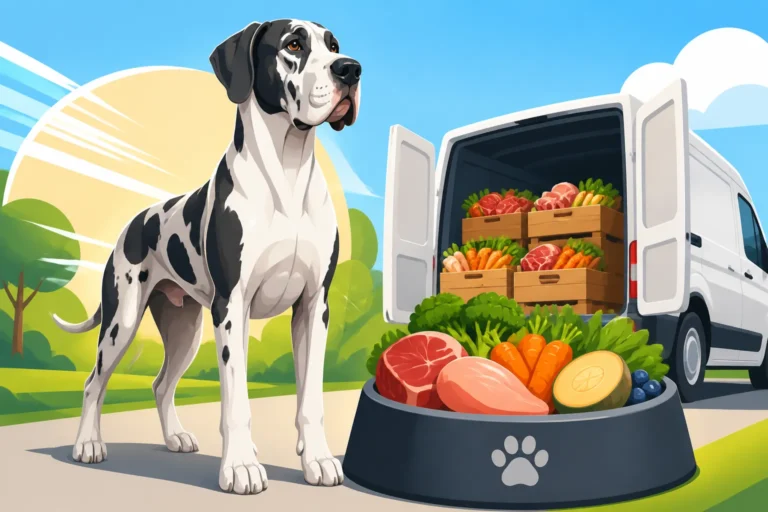
- Consider diet: While controversial, some owners choose fresh food options, like those from Ollie, or specific large breed formulas, believing they may be easier on digestion, though scientific evidence directly linking diet to bloat prevention is still evolving.
- No raised bowls: While once thought to prevent bloat, recent studies suggest raised bowls might actually increase the risk in Great Danes. Consult your vet for the latest recommendations.
Even with all these precautions, bloat can still strike. That's why being mentally and financially prepared for the emergency is critical for any Great Dane owner.
Disclaimer
The information provided in this article is for educational purposes only and is not a substitute for professional veterinary advice. If you suspect your Great Dane is experiencing bloat or any other medical emergency, please contact your veterinarian or an emergency veterinary clinic immediately. Do not attempt to diagnose or treat your pet at home.