Whether a Great Dane Fits in a Small Home
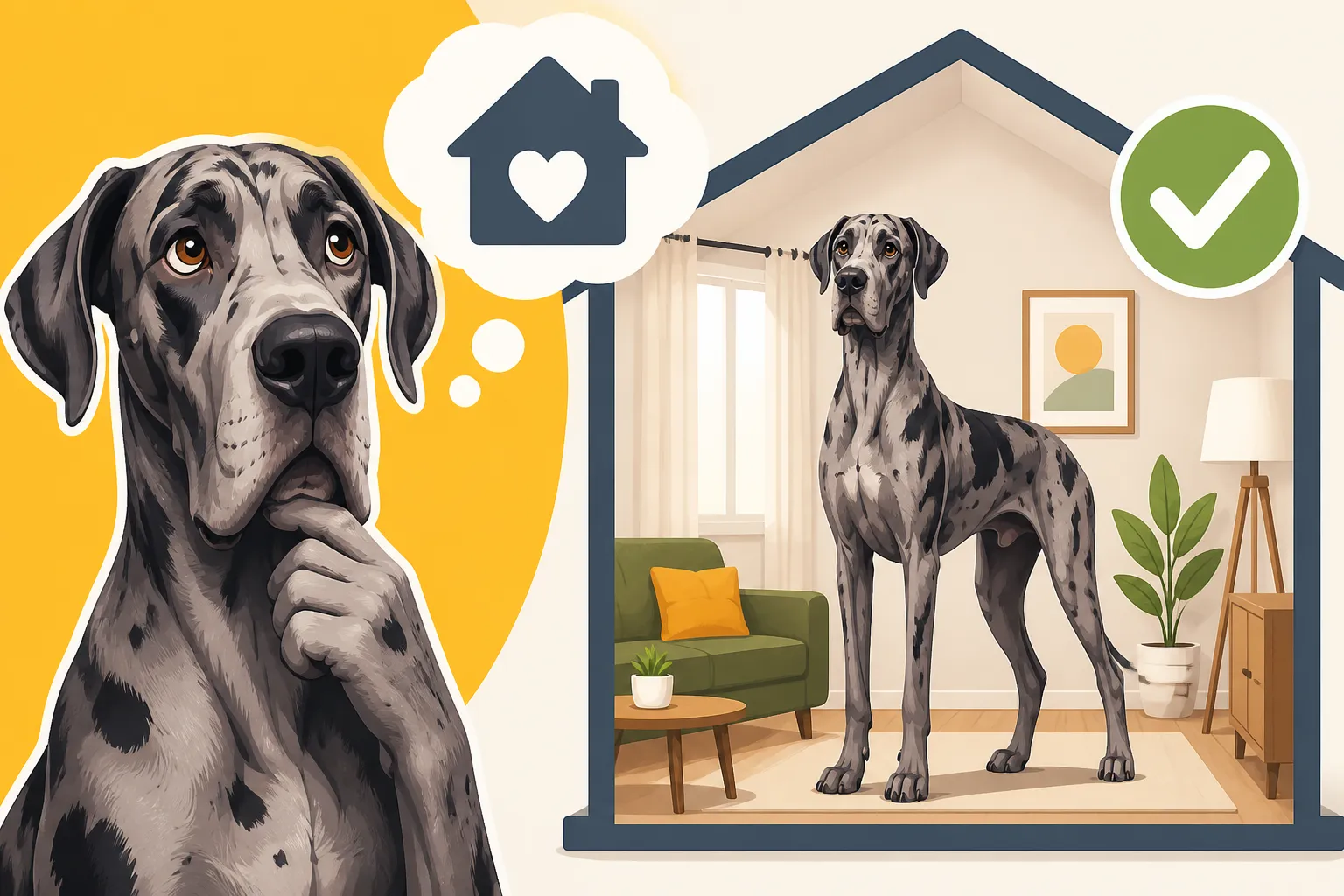
Many people dream of welcoming a majestic Great Dane into their lives, but then they look around their cozy apartment or modest house and wonder, "How on earth could a dog that big ever be truly happy here?" It's a completely understandable concern, and one that often leads potential owners to believe their living space is too small. But the truth is, pure square footage often isn't the most critical factor when it comes to a Great Dane's happiness. This guide will explore the unique temperament and needs of these gentle giants and reveal how, with the right approach and dedication, a Great Dane can absolutely thrive in a smaller home.
Understanding the Great Dane's "Indoor Nature"
It's easy to assume that a dog the size of a small pony needs acres to roam. We see them in pictures, running through fields, and it paints a specific image. However, when you actually live with a Great Dane, you quickly learn that their needs are often quite different from what their imposing stature suggests. Their nature is far more geared towards indoor companionship than endless outdoor adventures.
The Myth of the Backyard Giant
Let's clear up a common misconception right away: Great Danes are not typically "backyard dogs." In fact, they notoriously dislike being left outside alone. They were bred for companionship as much as for their original hunting purposes, and their deeply affectionate nature means they thrive on being close to their human families. Picture this: you've spent all day out, and you come home expecting your giant dog to burst with pent-up energy from being cooped up. More often than not, a Great Dane will greet you with a happy thud of its tail, lean against you, and then immediately look for the comfiest spot on the sofa to continue its nap. They truly want to be wherever you are, which makes a smaller indoor space less of a hindrance and more of a preferred habitat. They'd rather be curled up at your feet in a studio apartment than isolated in a huge yard.
They don't have thick undercoats that protect them from extreme weather like some working breeds, and their large bodies are susceptible to both overheating in summer and getting chilled in winter. Furthermore, leaving such an intelligent and social creature isolated outdoors can lead to behavioral issues stemming from loneliness and boredom, which is the last thing you want with a dog of this size. Their mental and emotional well-being is intrinsically tied to their integration into the family home, regardless of its size.
Couch Potatoes in Giant Form
Despite their incredible size, Great Danes are famously known as "leaners" and "couch potatoes." Once they're past their rambunctious puppy and adolescent phases – which, make no mistake, can be a whirlwind of giant clumsiness – their energy levels typically mellow considerably indoors. They love to lounge, sleep, and just generally be present in the same room as you. You'll often find them attempting to curl into a impossibly small ball on the sofa, or stretched out across the rug, demanding belly rubs.
This isn't to say they don't need exercise; they absolutely do, and we'll get to that. But within the home, their preferred mode is often a relaxed one. They aren't usually dogs that zoom around the living room knocking everything over (though adolescent Danes certainly have their moments!). This calm indoor demeanor is a huge advantage for owners in smaller homes, as it means they don't constantly need vast open spaces to expend energy inside. Their presence is more about occupying a physical space with their calm body than tearing through it with boundless energy. The Gentle Great Dane Temperament and Its Limits explores this nature beautifully.
The Importance of Mental Stimulation
While they might be calm indoors, it's a mistake to think a Great Dane doesn't need engagement. Just like any intelligent breed, they need mental stimulation to prevent boredom and destructive behaviors. This is especially true in a smaller home where sprawling physical play might be limited. Puzzle toys, training sessions, and interactive games can be your best friends here. Think about hiding treats around the house for them to 'hunt' (a nose work game) or teaching them new tricks.
Short, focused training sessions a couple of times a day can tire a Great Dane's mind far more effectively than aimless wandering in a big yard. Investing in durable, giant-sized puzzle toys or treat-dispensing toys from places like Chewy can keep them occupied and mentally engaged for extended periods. This mental workout prevents them from getting bored and deciding to redecorate your small space with their teeth or claws. Regular mental challenges are key to a well-behaved Dane, regardless of whether they live in a mansion or a studio apartment.
Practical Considerations for a Smaller Living Space
Even with a calm disposition, the sheer physical presence of a Great Dane presents unique challenges in a smaller home. It's not about whether they fit – they always find a way – but about how comfortably and safely they can navigate and coexist within your home's layout.
Navigating Tight Quarters
A Great Dane is a large animal. Their tails are powerful, their heads reach counter height, and their bodies take up considerable floor space. This means that narrow hallways, cluttered rooms, and delicate decor can become obstacles or hazards. Imagine trying to maneuver past a coffee table in a small living room with a Great Dane trying to get by, or navigating a tight hallway where a turning Great Dane's tail can easily clear a shelf of decorations. The Kit a Great Dane Puppy Needs First reminds us that even from puppyhood, their size impacts what they need.
The key here is foresight and training. Early leash manners, even indoors, are crucial. Teaching them a strong "wait" or "stay" command before you open a door or move through a confined space can prevent them from body-slamming you or knocking things over. You might also need to adapt your furniture arrangement, favoring pieces that allow for clear pathways. Consider moving fragile items out of tail-wagging range or securing shelves to walls. This isn't about making your home canine-proof in a restrictive way, but about creating an environment where both you and your Great Dane can move freely and safely without constant accidents.
Furniture and Layout Adaptations
Living with a Great Dane in a smaller home often requires a mindful approach to furniture and overall layout. You won't have endless floor space for multiple dog beds or sprawling play zones. Instead, you'll need to be strategic. One high-quality, orthopedic bed placed in a quiet, out-of-the-way corner can become your Dane's sanctuary. These beds are essential for protecting their large joints, especially on hard floors, and several excellent options are available for giant breeds. Orthopedic Beds a Great Dane Needs discusses the importance of this investment.
Consider vertical storage solutions to free up floor space. Wall-mounted shelves can hold books and decor, leaving more room on the floor for your Great Dane to stretch out. In dining areas, a smaller table with chairs that can be tucked in fully might be more practical than a large, sprawling set. It's about optimizing the space you have, creating clear lines of movement, and ensuring that essential dog items, like food and water bowls, are placed in a dedicated, easily accessible spot that doesn't impede human traffic. Sometimes, simple changes, like swapping a bulky armchair for a sleeker option, can make all the difference.
Noise and Neighbors in Close Proximity
Living in an apartment or a smaller home often means having closer neighbors, which brings the consideration of noise. Great Danes generally aren't known as incessant barkers, but they do have a deep, resonant bark that can carry. They might bark at the doorbell, at passersby seen through a window, or at perceived threats. Their tail, a formidable weapon, can also thwack against walls or furniture with surprising force, creating noise.
Early training is paramount to manage these potential noise issues. Teaching a "quiet" command or redirecting their attention when they start barking can be very effective. Investing in good quality sound-dampening curtains or rugs can also help absorb some of the noise. If you're in an apartment, introducing your Great Dane to your neighbors early on can help build understanding and tolerance. Most people are more understanding of a "known" dog than an anonymous noise source. Remember, a calm, well-adjusted Dane is less likely to be a noisy one, so focus on meeting their exercise and mental stimulation needs to keep them settled.
Essential Resources and Routines in a Small Home
While a Great Dane's indoor demeanor is generally calm, their needs for outdoor exercise, a comfortable resting spot, and a proper feeding routine remain crucial, irrespective of your home's size. You simply need to be more intentional about how you provide these resources and integrate them into your daily life.
Dedicated "Dane Zone"
Even in a small home, your Great Dane absolutely needs a dedicated space that is solely theirs. This isn't just about physical comfort; it's about psychological security. This "Dane Zone" should be a place where they can retreat, rest undisturbed, and feel safe. For many Great Dane owners in smaller homes, this often means a large, high-quality orthopedic dog bed in a quiet corner of the living room or bedroom. It should be big enough for them to stretch out fully without hanging over the edges, protecting their joints and promoting good rest.
This zone can also include their food and water bowls. Using an elevated feeding station can be more comfortable for their tall necks and may help reduce bloat risk, though research on this is varied. The Raised Bowl Argument for Great Danes discusses this in more detail. Regardless of your chosen setup, the important thing is consistency. Your Dane should learn that this is their special place, a refuge from household activity, which is especially vital in a busy, smaller home where personal space might otherwise be limited. If you choose crate training, a crate sized for a full-grown Dane can serve this purpose perfectly, providing a secure den. Crates and Gates Sized for a Great Dane can help guide your choice.
Daily Exercise and Enrichment Outside the Home
This is the non-negotiable part. While Great Danes are couch potatoes indoors, they are still large, athletic dogs who need regular, structured exercise outside the home to maintain their physical and mental health. Living in a small home means you simply cannot rely on a large yard to do the work for you. You become the primary source of their physical activity.
This means daily walks, at least one long one, perhaps two shorter ones, depending on your dog's age and health. Engaging in sniffing games, visits to dog parks (if your Dane is well-socialized and enjoys them), or even structured playtime in a quiet field are all excellent options. Remember, forced exercise like long runs or intense agility isn't recommended for growing Great Danes due to joint development, but once fully grown, they can be surprisingly agile. Exercise Limits While a Great Dane Is Still Growing offers important guidance. The key is consistent, moderate activity that burns off energy, strengthens their bodies, and provides mental stimulation through new sights, sounds, and smells. This regular outdoor routine ensures they return home tired, happy, and ready to relax in their smaller indoor space.
Managing Supplies and Storage
Owning a Great Dane comes with giant-sized supplies. We're talking about large bags of kibble, oversized toys, big beds, and substantial quantities of treats. In a small home, finding space for all this can be a genuine challenge. You'll quickly learn that buying in bulk from places like Chewy can be your best friend when feeding a Great Dane who requires significant daily nutrition, but then you need to store that bulk.
Consider dedicated storage solutions like large, airtight containers for food that can tuck away into a pantry or utility closet. Opt for durable, space-efficient toys that won't get destroyed immediately. Some owners even use specialized fresh food delivery services like Ollie for convenience, though the volume for a Great Dane can still be substantial. Investing in functional furniture, such as ottomans with storage or benches with hidden compartments, can help you keep clutter at bay while providing discreet places for leashes, brushes, and other dog essentials. Remember that Great Danes shed, so you'll also need space for grooming tools. Thoughtful organization is key to preventing your smaller home from being overrun by giant dog gear.
The Human Element: Lifestyle and Commitment
Ultimately, whether a Great Dane thrives in a small home comes down less to square footage and more to the humans living in it. Your lifestyle, dedication, and willingness to adapt are the most crucial factors in ensuring your gentle giant has a happy and fulfilling life, regardless of your address.
Your Lifestyle Matters More Than Square Footage
The most significant factor in a Great Dane's well-being in a smaller home is you. Are you an active person who enjoys daily walks, even in less-than-ideal weather? Do you work from home, or can you arrange for a dog walker or midday check-ins if you're out for long hours? Are you prepared to spend quality time with your dog, engaging in training, play, and cuddling? If your answer to these questions is a resounding "yes," then your lifestyle is already well-suited to a Great Dane, even if your home isn't sprawling.
A Great Dane thrives on companionship. If you're someone who is rarely home, or whose primary activity is sedentary, a Great Dane might struggle, regardless of how large your house is. Conversely, a dedicated owner who prioritizes their dog's needs for exercise, mental stimulation, and affection can make a small apartment feel like a palace to a Great Dane. Their needs are more about consistent routine and human interaction than having an empty mansion to wander through.
The Importance of Training and Manners
For a dog of this size, good manners aren't just a nicety; they're an absolute necessity, especially in a smaller home where every movement has a greater impact. A poorly trained Great Dane can inadvertently cause chaos, injury, or damage in any home, but these issues are amplified in a confined space. Early, consistent, and positive reinforcement training is absolutely vital. The Manners a Great Dane Needs Before It Grows cannot be stressed enough.
Teaching commands like "sit," "stay," "off," "leave it," and a solid recall will make life infinitely easier. Imagine a Great Dane who knows how to calmly greet visitors instead of jumping up, or who understands not to counter-surf. Why a Great Dane Steals Food Off Counters highlights the challenges you might face if not properly trained. This proactive approach to training ensures your Dane understands boundaries and behaves appropriately, making coexistence comfortable for everyone. They learn what's expected of them, and you gain confidence in managing them in any situation, from a crowded park to a compact living room.
Financial Implications of a Giant in a Small Space
While the physical space might be manageable, the financial aspect of owning a Great Dane can be substantial, and it doesn't diminish just because your home is small. In fact, some costs might even be slightly higher due to specific needs. Everything for a Great Dane is "extra-large" or "giant," from food portions to medication doses. You'll be feeding an adult Great Dane six to ten cups of food a day, which adds up quickly.
Vet bills for a large breed can be staggering, especially considering their predisposition to certain health conditions like bloat and heart issues. Investing in pet insurance, like a plan from Healthy Paws, early on can save you immense stress down the line. Insuring a Great Dane Against Bloat and Heart Bills is a critical read for any potential owner. Even things like finding a suitable dog walker or boarder can sometimes incur higher fees because not all providers are equipped to handle such a large dog. Factor in the cost of durable toys (they'll destroy flimsy ones quickly), sturdy collars, and leashes. Your small home might be affordable, but the dog living in it will still demand a significant financial commitment. What a Great Dane Costs Across Eight Years offers a broader look at the expenses.
| Small Home Challenge | Great Dane Behavior/Need | Solution/Adaptation |
|---|---|---|
| Limited Floor Space | Prefers to lounge, sprawl out | Designate a "Dane Zone" with a large orthopedic bed in a low-traffic corner. |
| Narrow Hallways/Tight Turns | Can be clumsy, powerful tail | Early leash training indoors, teaching "wait" or "place" commands to manage movement. |
| Potential for Noise (Neighbors) | Deep bark, strong tail thwacks | Consistent "quiet" training, sound-dampening elements, early neighbor introductions. |
| Restricted Outdoor Access (No yard) | Needs significant daily exercise | Strict routine of daily walks, park visits, and structured outdoor play. |
| Limited Storage Space | Giant food bags, oversized toys | Bulk ordering from Chewy/Ollie with airtight storage, functional storage furniture. |
| Risk of Accidental Damage | Counter-surfing, bumping into things | Vigilant training (e.g., "leave it"), securing fragile items, adjusting furniture layout. |
Disclaimer
This article is for general informational purposes only and does not constitute professional advice. Laws, prices and regulations vary by location and change over time. Consult a qualified professional for guidance on your specific situation.