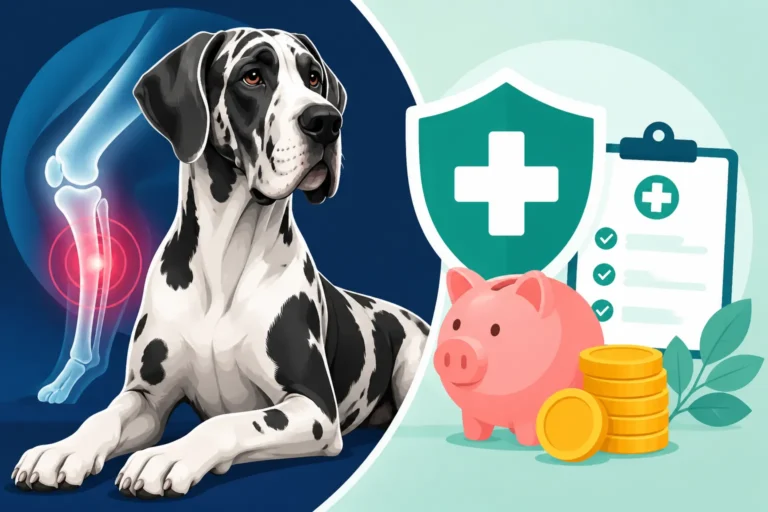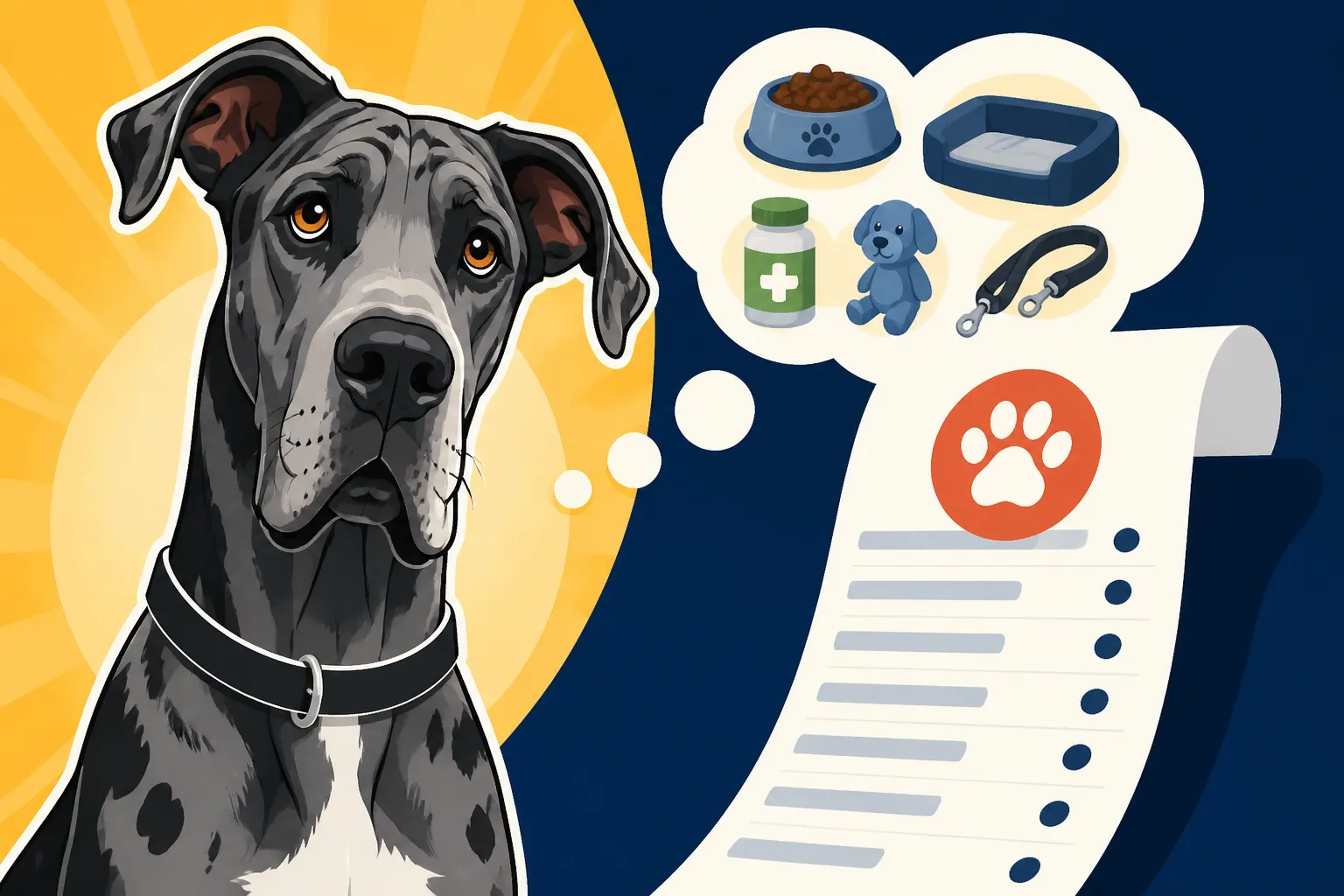
Why Every Great Dane Bill Is Bigger
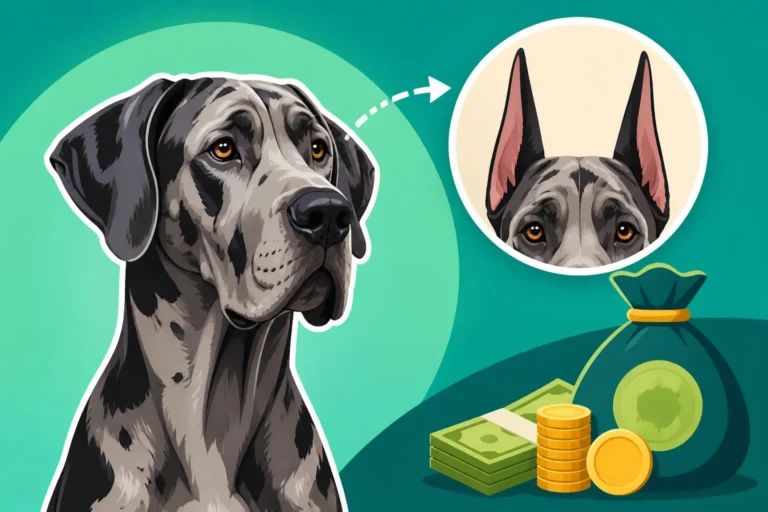
Bringing a magnificent Great Dane into your life is an unparalleled joy, but many new owners quickly realize that the expenses associated with these gentle giants are far from "average." From their insatiable appetites to their specific health needs and even the sheer size of their everyday items, every bill seems to come with an extra zero. This comprehensive guide will meticulously break down exactly why Great Dane ownership invariably costs more, helping you prepare for the financial realities of welcoming such an extraordinary dog into your home.
The Initial Investment: More Than Just the Puppy Price
When you decide to welcome a Great Dane into your family, the sticker price of the puppy itself is often just the tip of a much larger financial iceberg. Many prospective owners are surprised by the additional upfront costs that are magnified by the breed's size and specific needs. It's not just about the cost to acquire the dog; it's about setting them up for a healthy start, which inherently costs more for a giant breed.
Understanding Acquisition Costs and What They Should Include
The price you pay for a Great Dane puppy can vary widely, but generally, you're looking at a significant investment. An ethical, reputable breeder will charge more, and for good reason. They are investing heavily in health testing their breeding stock for common Great Dane ailments like Dilated Cardiomyopathy (DCM) and hip and elbow dysplasia, as well as providing excellent prenatal and postnatal care for the mother and puppies. This meticulous approach means a higher initial cost, but it's a crucial investment in reducing potential future veterinary bills. For example, if you're looking for a puppy, understanding What a Great Dane Breeder Who Screens Hearts Charges can give you a realistic expectation of costs and why those costs are justified. A breeder who cuts corners on these screenings might offer a cheaper puppy, but you're often just deferring those costs to emergency vet visits down the line.
Beyond breeders, adoption from a Great Dane rescue organization is another fantastic option. While rescue fees are typically lower than breeder prices, they still contribute to the dog's initial care, vaccinations, spay/neuter, and any immediate medical needs they may have had. Rescues often incur substantial veterinary expenses to get their Danes healthy before adoption, and these costs are passed on in the adoption fee, albeit usually at a subsidized rate. This means that whether you buy from a breeder or adopt, you're paying for the foundational health and care that a Great Dane truly needs from day one.
Essential Gear Sized for a Giant Puppy
Bringing home a tiny Great Dane puppy, which will eventually grow into a majestic, albeit clumsy, giant, means you need appropriately sized equipment from the get-go. And "appropriately sized" for a Great Dane puppy often means "large" for other breeds. Think about a crate, for instance. A puppy might start in a 42-inch crate, but they will quickly outgrow it, often needing an extra-large 54-inch crate or even a custom-built enclosure within their first year. These larger crates are significantly more expensive than those for smaller breeds.
The same goes for feeding bowls. You can't give a Great Dane puppy a small kibble bowl; they need large, sturdy stainless steel bowls to accommodate their rapid growth and sheer volume of food. Leashes and collars also need to be durable and wide enough not to strain their developing necks. Even puppy pads, if you use them for house training, need to be extra-large to handle a Great Dane's output. Toys are another consideration. Most "puppy" toys are too small and easily swallowed or destroyed by a growing Great Dane, necessitating investments in larger, more robust, and therefore more expensive, chew toys to keep them safely entertained. The simple truth is, everything they interact with must be scaled up, and that scale translates directly into a higher price tag.
The Astonishing Appetite: Great Dane Food Bills
One of the most immediate and impactful financial realizations for new Great Dane owners is just how much these dogs eat. Their size dictates a caloric intake that can dwarf that of several smaller dogs combined, leading to food bills that quickly become the largest recurring expense.
Volume and Quality: A Daily Feat
A healthy, active adult Great Dane can consume anywhere from six to ten cups of high-quality kibble per day, sometimes even more, depending on their metabolism, age, and activity level. To put that into perspective, many medium-sized dogs might eat two to three cups a day. This massive volume means that a large bag of premium kibble that might last a smaller dog a month or two could be gone in a week or ten days for a Great Dane. When you consider the Monthly Food Spending on a Great Dane, it becomes clear that these bills can easily run into the hundreds of dollars each month.
And it's not just about volume; quality is paramount for Great Danes, especially during their crucial growth phases. They require large-breed puppy formulas with carefully controlled calcium and phosphorus ratios to prevent rapid growth that can lead to orthopedic issues. Transitioning to adult food also means maintaining a balanced diet, often with specific protein and fat levels to support their large frames without causing excessive weight gain. Brands like Purina Pro Plan, Royal Canin, or even fresh food options like Ollie, offer excellent nutrition but come at a premium price. When a Great Dane eats ten cups a day, the cost difference between an average kibble and a premium one is dramatically amplified. It’s a constant balancing act between providing sufficient nutrition and managing a budget when your dog is basically eating a small horse's ration daily.
Specialized Diets, Supplements, and Treats
Beyond basic kibble, many Great Danes require specialized diets or supplements, further pushing up the food bill. Some Danes might have sensitive stomachs, requiring limited-ingredient diets or prescription foods. Others might benefit from joint supplements containing glucosamine and chondroitin, which are often recommended to support their large, rapidly growing joints and mitigate the risk of conditions like arthritis later in life. These supplements, dosed for a giant breed, can be quite expensive.
If you opt for fresh-cooked or raw food diets, which some owners prefer for various health reasons, the cost escalates dramatically. Imagine preparing enough human-grade food to feed a small family, and then multiplying that by ten cups a day. It’s a huge undertaking financially and logistically. Even treats, which are essential for training and enrichment, need to be large, durable, and healthy. Small treats disappear in a single gulp, so you end up buying large bags of large treats, and your Great Dane will go through them just as quickly. So, not only are you dealing with the What Ten Cups a Day Costs a Great Dane Owner, but also the added layers of specialized nutritional support that often come with these magnificent dogs.
Veterinary Care: A Great Dane's Unique Health Challenges
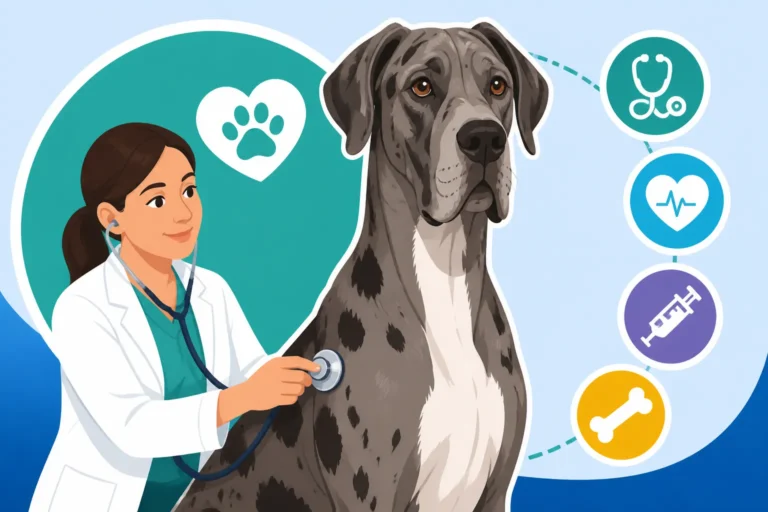
This is perhaps the most significant area where Great Dane ownership really starts to stretch the budget. While all dogs require vet care, Great Danes are predisposed to certain serious, often life-threatening conditions that necessitate frequent, specialized, and incredibly expensive veterinary interventions.
Emergency Bloat Surgery: The Ultimate Expense
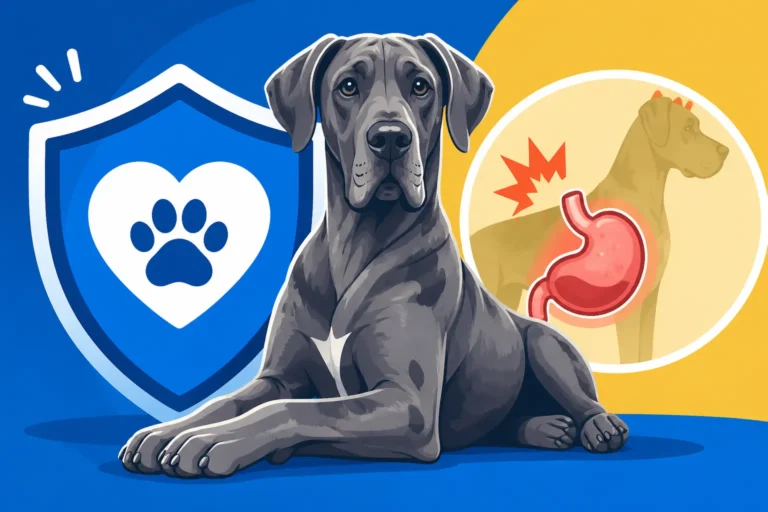
Gastric Dilatation-Volvulus (GDV), commonly known as bloat, is a terrifying reality for Great Dane owners. This condition, where the stomach fills with gas and then twists, is a medical emergency that can kill a dog within hours. Great Danes have a lifetime risk of one in three of experiencing bloat. The minute a Great Dane bloats, it's a race against time, and immediate emergency surgery is the only treatment. This surgery is complex, requires specialized equipment, and an overnight stay in an emergency veterinary hospital. The cost for emergency bloat surgery, including diagnostics, surgery, medication, and post-operative care, can easily run into the thousands of dollars, often between $4,000 to $8,000, and sometimes even higher depending on complications and location. Understanding The Overnight Bill When a Great Dane Bloats is critical for any prospective owner.
Many owners opt for a preventative surgery called a gastropexy, where the stomach is tacked to the abdominal wall to prevent it from twisting. While this doesn't prevent the stomach from dilating with gas, it dramatically reduces the risk of the fatal volvulus. This procedure can be done electively, often when the dog is spayed or neutered, and costs significantly less than emergency surgery. However, it's still an additional surgical expense unique to deep-chested breeds like the Great Dane. The ever-present risk and the high cost of treatment make bloat a primary driver of higher Great Dane vet bills.
Cardiac Health: Dilated Cardiomyopathy (DCM)
Great Danes are genetically predisposed to Dilated Cardiomyopathy (DCM), a serious heart condition where the heart muscle becomes thin and weakened, leading to an enlarged heart and reduced pumping ability. This is another major factor in their typically short lifespan and high veterinary costs. Diagnosing DCM often requires specialized cardiac workups, including echocardiograms (ultrasounds of the heart) and Holter monitoring (a 24-hour ECG). These diagnostic tests are expensive and often need to be repeated annually for at-risk Danes or those already diagnosed. Learning about The Heart Muscle Disease Great Danes Are Prone To is crucial for any potential owner.
Once diagnosed, DCM requires lifelong medication to manage the condition and improve quality of life. Drugs like pimobendan, diuretics, and ACE inhibitors, dosed for a dog that can weigh over 150 pounds, come with substantial monthly costs. As the disease progresses, the need for increased medication and more frequent vet visits rises. A Great Dane living with DCM often means ongoing monthly pharmacy bills that can be several hundred dollars, in addition to regular check-ups with a veterinary cardiologist. This chronic, progressive disease is a heavy financial burden that many Great Dane families face.
Orthopedic Issues and Growth Problems
Great Danes grow at an astonishing rate, sometimes gaining several pounds a week as puppies. This rapid growth can unfortunately lead to a variety of orthopedic problems, making conditions like hypertrophic osteodystrophy (HOD), panosteitis (growing pains), and even more serious issues like hip and elbow dysplasia a common concern. While responsible breeders screen their dogs for hip and elbow issues, the sheer size and growth rate of a Great Dane make them susceptible to these problems regardless. For more details, explore Great Dane Hips, Elbows and Growing Joints.
Treating these conditions can range from conservative management with pain medication and strict rest to complex and costly surgeries. A Great Dane puppy suffering from HOD might require weeks of anti-inflammatory medication and careful dietary management. A Dane with severe hip dysplasia might eventually need costly hip replacement surgery or FHO (femoral head ostectomy), followed by extensive physical rehabilitation. Even something as common as a torn cranial cruciate ligament (CCL, similar to an ACL tear in humans) requires specialized surgery like TPLO (tibial plateau leveling osteotomy) or TTA (tibial tuberosity advancement) for giant breeds, which can easily cost $4,000-$6,000 per knee. The physical therapy and hydrotherapy that often follow these orthopedic surgeries also add to the ongoing veterinary bills.
Anesthesia and Medication Dosing: Weight-Dependent Costs
It’s simple math: nearly every medication, anesthetic agent, and even some diagnostic tests are dosed or priced according to a dog’s weight. For a Great Dane, weighing in at 120-180 pounds or more, this means significantly higher costs. A standard course of antibiotics for an infection, pain medication after an injury, or allergy medication will require much larger quantities, leading to a heftier pharmacy bill. Even routine procedures like dental cleanings, which require general anesthesia, become more expensive. Anesthesia protocols for giant breeds are also often more complex, requiring more skilled personnel and advanced monitoring due to increased risks. Understanding Why Great Dane Anesthesia Is Billed Higher highlights this often-overlooked cost. From dewormers to emergency intravenous fluids, the cost of veterinary care for a Great Dane is exponentially higher simply because there's more dog to treat.
Pet Insurance: A Necessity, Not a Luxury
Given the multitude of serious health issues Great Danes are prone to, pet insurance isn't just a nice-to-have; it's practically a must-have for many owners. However, insuring a Great Dane also comes with its own elevated price tag.
Higher Premiums Due to Breed-Specific Risks
Pet insurance providers are keenly aware of breed-specific health predispositions. Because Great Danes are known to be at high risk for conditions like bloat, DCM, and orthopedic issues, their insurance premiums are significantly higher than those for smaller, generally healthier breeds. Insurers like Healthy Paws, while excellent at covering major incidents, will factor in these elevated risks when quoting monthly or annual premiums. It's not uncommon for a Great Dane owner to pay double or even triple the amount a smaller dog owner pays for comparable coverage. Deciding whether to opt for comprehensive coverage that includes accident and illness, or just accident-only, involves weighing your personal risk tolerance against the potential for devastating vet bills. Looking into Insuring a Great Dane Against Bloat and Heart Bills before getting a puppy is a smart move.
The age at which you enroll your Great Dane also impacts premiums. Enrolling a young puppy before any pre-existing conditions develop is crucial. If you wait until your Dane is older and has already been diagnosed with, say, early signs of DCM or arthritis, those conditions will likely be excluded from coverage, leaving you to pay out-of-pocket for expensive lifelong treatments. Many owners choose to enroll their Great Dane as early as possible to ensure maximum coverage throughout their relatively short lifespan.
Understanding Deductibles, Reimbursement, and Annual Limits
Even with pet insurance, it's important to understand how deductibles, reimbursement percentages, and annual limits work, as these also play a role in your out-of-pocket expenses. Most policies come with an annual deductible that you must meet before reimbursement kicks in. For a Great Dane, one emergency bloat surgery could easily meet or exceed this deductible, but for ongoing conditions like DCM, you might hit it multiple times a year if you have a per-condition deductible.
Reimbursement rates typically range from 70% to 90%. While this is fantastic for reducing a $5,000 vet bill to $500-$1,500 out-of-pocket, that's still a significant amount. Also, be aware of annual limits. Some policies cap the amount they will pay out in a year. For a Great Dane with multiple complex health issues or a severe emergency, it's not impossible to hit that annual limit, particularly if it's set lower, leaving you responsible for any costs beyond the cap. Carefully reviewing policy details and understanding the financial commitment, even with insurance, is vital for Great Dane owners.
The "Everything Else" that Adds Up: Supplies and Services
Beyond food and vet care, the sheer size of a Great Dane impacts almost every other area of ownership, from where they sleep to how they're trained, all of which translates to higher costs.
Durable, Large-Sized Equipment
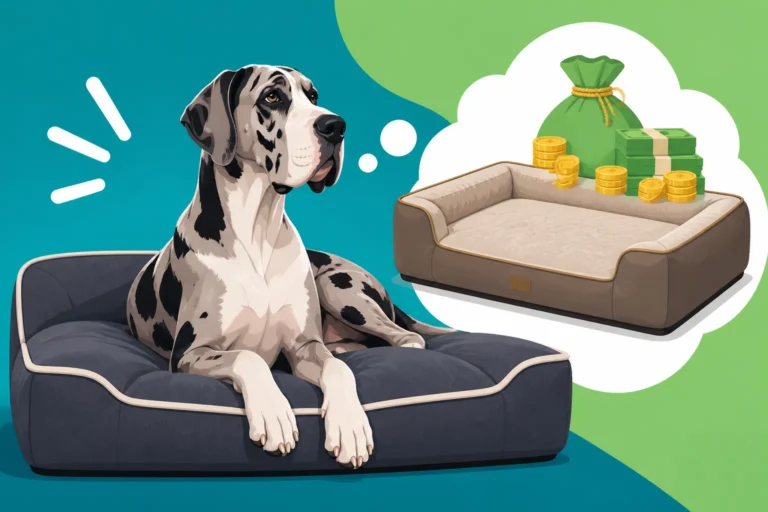
Let's talk about dog beds. A typical dog bed from a big box store might cost $50, but it would be a tiny postage stamp for a Great Dane. These dogs need truly massive, often orthopedic beds to support their heavy joints and prevent pressure sores, especially on their elbows. Beds robust enough for a Great Dane can easily run from $150 to $400 or more, and given their weight and propensity to flop, they wear through them faster. Brands widely available on Chewy offer excellent orthopedic options. You'll likely need multiple beds around the house, and they'll need replacing more frequently. Read more about Orthopedic Beds a Great Dane Needs to understand the investment.
The same applies to other essential equipment. Leashes and collars need to be extra-strong, wide, and durable to handle a pulling Great Dane, meaning heavy-duty materials and construction that costs more. Toys, as mentioned earlier, need to be practically indestructible. A Great Dane can make short work of a typical squeaky toy in minutes, so investing in durable, large-sized toys from brands like Kong or GoughNuts is a must. These are more expensive upfront, but cheaper than replacing flimsy toys every day, or worse, dealing with an ingestion emergency. Even chew bones need to be large enough to prevent choking. Everything is bigger, stronger, and therefore more expensive.
Training and Boarding: Specialized Needs
Training a Great Dane is not optional; it's an absolute necessity. An untrained 150-pound dog can accidentally injure people or destroy property without even meaning to. While basic obedience classes are available for all dogs, finding a trainer experienced and comfortable with giant breeds is crucial. These specialized trainers often charge higher rates due to their expertise and the unique challenges a Great Dane presents. Whether it's puppy classes, private in-home sessions, or addressing specific behavioral issues, the cost for effective training for a Great Dane can be substantial. For insight, check out Finding a Trainer Comfortable With a Great Dane.
Boarding a Great Dane when you travel also comes with increased costs. Many standard kennels aren't equipped to handle dogs of this size, either in terms of run space or staff comfort levels. You'll likely need to seek out facilities with extra-large runs or specialized giant breed accommodations, which invariably cost more. Similarly, finding a pet sitter who is comfortable and capable of managing a Great Dane's size and needs might also mean paying a higher rate. Even dog daycare facilities might charge more for a Great Dane, or require a special temperament test due to their size and potential impact on other dogs.
Daily Life and Hidden Costs
Beyond the obvious expenses, living with a Great Dane introduces a host of hidden or easily underestimated costs that stem directly from their massive presence in your home.
Damage and Wear-and-Tear: The Giant Effect
Great Danes are renowned for their "counter-surfing" abilities – their standing height means your kitchen counters are fair game for any unattended snacks. This often leads to food theft, but also accidental knocks and spills, potentially damaging appliances or fragile items. Their happy tail wags, powerful enough to clear a coffee table in a single sweep, mean you'll be replacing broken lamps, picture frames, and drinks more often than with a smaller dog. Even the simple act of leaning against a wall can leave drool marks or scuffs. For owners, this often means budgeting for more frequent repairs or replacements around the house. Consider Replacing What a Great Dane Knocks Over as a regular part of ownership.
Their sheer mass also means faster wear and tear on household items. Carpets, furniture, and even hardwood floors can show signs of a Great Dane's presence more quickly than with a smaller dog. Beds get compressed faster, blankets wear out quicker, and household cleaning supplies need to be restocked more frequently to manage the increased shedding and slobber that comes with a giant breed. Everything from robust vacuum cleaners to industrial-strength cleaning solutions might become a regular purchase.
Travel, Accommodation, and Logistics
Traveling with a Great Dane presents significant logistical and financial challenges. Forget about fitting them comfortably in a small sedan; you'll likely need an SUV, a large truck, or a van to transport them safely, especially if you have other passengers or luggage. This might influence your choice of vehicle, which is a substantial expense in itself.
Finding dog-friendly accommodation can also be harder and more expensive. Many hotels or rental properties have weight restrictions that exclude Great Danes, or they charge significantly higher pet fees for larger breeds. Airline travel is often out of the question for adult Great Danes due to their size, meaning costly pet-friendly transport services or driving long distances are often the only options. Even car seats or harnesses designed for safety in vehicles need to be heavy-duty and specific to a giant breed, further adding to the cost of travel and daily errands.
Caring for a Senior Great Dane: The Later Years' Expenses
While Great Danes are only with us for a relatively short time, typically 7-10 years, their senior years can bring a surge in expenses as age-related health issues begin to accumulate. This period often becomes the most financially demanding stage of Great Dane ownership.
Age-Related Health Issues and Increased Care
As Great Danes enter their senior years, usually around age six, they become more susceptible to conditions like arthritis, cognitive dysfunction, and the progression of existing ailments like DCM. Arthritis, particularly in their hips, elbows, and spine, becomes more prevalent and requires ongoing management with pain medications, anti-inflammatories, and joint supplements. These drugs, again, are dosed by weight, meaning higher costs. Regular vet visits might become quarterly or even monthly to monitor their comfort and adjust medication. Many owners find themselves looking into Caring for a Great Dane Past Six as a guide for navigating these challenges.
Mobility aids, such as orthopedic beds, ramps to help them get into cars or onto furniture, and even assistive harnesses or slings to help them stand or walk, become necessary purchases. Physical therapy or acupuncture might be recommended to maintain mobility and comfort, adding further costs. Great Danes can also develop other age-related issues like kidney disease, liver problems, or various cancers, all requiring diagnostic tests, treatments, and medications that are expensive for a dog of their size.
End-of-Life Care: A Final Financial Consideration
While it's a difficult topic to consider, the end-of-life care for a Great Dane also carries a larger financial implication. When the time comes for euthanasia, whether at home or at a veterinary clinic, the procedure itself may be slightly higher due to the amount of sedative and euthanasia solution required for a large animal.
Furthermore, cremation or burial services are typically priced by weight. For a Great Dane, these costs will be significantly higher than for a small or medium-sized dog. Choosing a private cremation with the return of ashes, or a large plot for burial, can add hundreds, sometimes over a thousand, dollars to the final expenses. These are the bills nobody wants to think about, but they are an inevitable part of the Great Dane ownership journey, and their size dictates a higher cost even in their final moments.
Great Dane vs. Medium-Sized Dog: A Cost Comparison
To truly underscore why Great Dane bills are consistently bigger, let's look at a hypothetical comparison of some common annual expenses between a Great Dane and a medium-sized dog (e.g., a 40-pound Border Collie). These figures are estimates and can vary significantly by region and specific circumstances, but they illustrate the general scale of difference.
| Expense Category | Medium-Sized Dog (40 lbs) Annual Estimate | Great Dane (140 lbs) Annual Estimate | Notes |
|---|---|---|---|
| Food & Treats | $400 – $800 | $1,200 – $2,400+ | Great Danes consume 2-3x the volume of food, plus larger, more durable treats. Quality matters. |
| Routine Vet Care | $200 – $400 | $300 – $600 | Annual exams, vaccinations. Even basic meds are dosed by weight. |
| Flea/Tick & Heartworm Meds | $150 – $300 | $300 – $600 | Again, dosed by weight. Higher weight bands mean higher costs. |
| Pet Insurance Premiums | $400 – $700 | $800 – $1,500+ | Higher risk for bloat, DCM, orthopedic issues leads to significantly higher premiums. |
| Beds & Toys (Replacement) | $100 – $200 | $300 – $600 | Great Danes need large, orthopedic beds that wear out faster; toys must be durable and large, hence more expensive. |
| Training/Boarding | $150 – $300 | $300 – $700 | Specialized trainers for giant breeds can be more expensive; boarding facilities often charge more or require specialized accommodations. |
| Emergency Fund (Recommended) | $1,000 – $2,000 | $4,000 – $8,000+ | This is what you should have ready for unexpected, major health issues like bloat or a broken bone. Your bills for a Great Dane will be proportionally larger if something happens. |
| Total Annual Estimate | $2,300 – $4,700 | $3,600 – $7,000+ (excluding emergencies) | This table does not include major emergencies or chronic disease management. A single bloat surgery could add $4,000-$8,000+. Lifelong DCM medication could add hundreds monthly. The difference becomes even more stark with health crises. |
As you can see, even without factoring in major health emergencies or chronic conditions, the annual baseline expenses for a Great Dane are considerably higher across the board. When you add the statistically high likelihood of needing specialized care for conditions like bloat or DCM, the financial commitment becomes truly significant.
Disclaimer
The information provided in this article is for general informational purposes only and does not constitute veterinary advice. Always consult with a qualified veterinarian for any health concerns or before making any decisions about your pet's medical care or diet. Financial estimates are approximations and can vary widely based on location, specific products/services, and individual circumstances.