What a Great Dane Costs Across Eight Years
Bringing a Great Dane into your life is an incredible joy, but it also comes with a unique set of financial realities that can catch even seasoned dog owners off guard. From their sheer size demanding more of everything to their unfortunate predisposition to specific, expensive health issues, the costs add up significantly over their lifespan. This guide is designed to give you a realistic, in-depth look at what a Great Dane truly costs over an average eight-year period, helping you prepare for the financial commitment ahead.
The Initial Investment: Bringing Your Giant Home
The first hurdle many prospective Great Dane owners face is the upfront cost of acquiring their new family member and setting up a comfortable, safe home environment. This isn't just about the puppy price; it's about all the essentials a giant breed needs from day one.
Puppy Price Versus Adoption Fees
When you first start looking for a Great Dane, you'll quickly notice a wide range in prices. A well-bred Great Dane puppy from a reputable breeder, one who performs all the necessary health screenings and invests in the health and temperament of their lines, will likely fall within the range of The Fifteen Hundred to Three Thousand Great Dane or even higher. This price reflects the breeder's extensive health testing for conditions like hip and elbow dysplasia, cardiac issues, and thyroid problems, as well as proper nutrition, early socialization, and initial vet care for the litter. You might see a price of "Great Dane Puppy Prices in 2026" being advertised. On the other hand, opting for a Great Dane from a rescue organization often involves a much lower adoption fee, typically ranging from a few hundred dollars. These fees usually cover spaying/neutering, vaccinations, and microchipping, offering a fantastic value and giving a deserving Dane a second chance. While the upfront cost is lower, many rescue Danes may come with unknown histories or predispositions that could lead to higher veterinary costs down the line, so it's a trade-off to consider.
Initial Supplies and Gear
Once you've secured your Great Dane, the shopping list for initial supplies is extensive and quickly adds up, simply due to their sheer size. Forget the small dog beds and tiny food bowls; everything needs to be "Great Dane sized." You'll need a crate large enough for them to stand and turn around comfortably – a 54-inch crate is often the minimum, and these aren't cheap. Think heavy-duty leashes and harnesses designed for a 150-pound dog, not just any old nylon strap. Large, raised food and water bowls are often preferred to aid digestion and comfort for these tall dogs. Then there are toys, and for a Great Dane, these need to be robust and durable, capable of withstanding powerful jaws. Many owners find themselves replacing toys frequently, as even "tough" toys can be no match for a bored or determined Great Dane. Don't forget grooming supplies like a sturdy brush and nail clippers capable of handling thick, strong nails. Building out your initial "What to Buy Before a Great Dane Arrives" list is essential for budgeting.
The Persistent Drain: Ongoing Monthly and Annual Expenses
Beyond the initial setup, the day-to-day and yearly costs of owning a Great Dane are where the budget really gets tested. Their size dictates higher expenses in almost every category.
The Monthly Food Bill
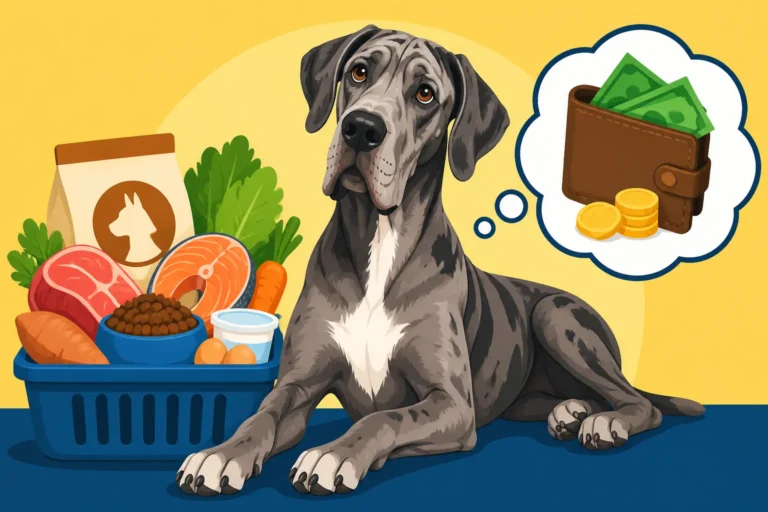
This is arguably the most significant ongoing expense for a Great Dane owner. These gentle giants eat a lot, often consuming 6 to 10 cups of high-quality kibble per day, sometimes more depending on their activity level and individual metabolism. If you're "Feeding a Great Dane That Eats Ten Cups a Day," you'll quickly realize that a standard 30-pound bag of dog food might only last a week or two. This means purchasing multiple large bags of premium large-breed dog food every month, or considering fresh food options like those from Ollie, which come at an even higher premium due to the sheer volume required. The quality of food matters, especially for a large breed with specific nutritional needs to support bone and joint health. A healthy diet can help mitigate future health issues, but it comes at a price. Many owners find their "Monthly Food Spending on a Great Dane" easily rivals their own grocery bill.
Routine Vet Care and Preventatives
Even a perfectly healthy Great Dane requires regular veterinary care. Annual check-ups, vaccinations, and preventative medications are crucial. Due to their large size, doses for things like heartworm prevention, flea and tick medication, and any antibiotics or pain relief are significantly higher than for smaller breeds. A year's supply of these preventatives alone can run into several hundred dollars. Don't forget the cost of annual fecal and heartworm tests during their "The Yearly Checkup a Great Dane Needs." Furthermore, Great Danes are also prone to dental issues, and professional dental cleanings under anesthesia can be quite costly, especially given the increased anesthesia risk and dosage requirements for a dog of their stature. These routine expenses are non-negotiable for keeping your Dane healthy and happy.
The Elephant in the Room: Healthcare Costs for Giant Breeds
This is where the financial commitment to a Great Dane often becomes truly staggering. Great Danes are unfortunately predisposed to several severe health conditions, and treating them can incur astronomical veterinary bills.
Emergency Bloat Surgery
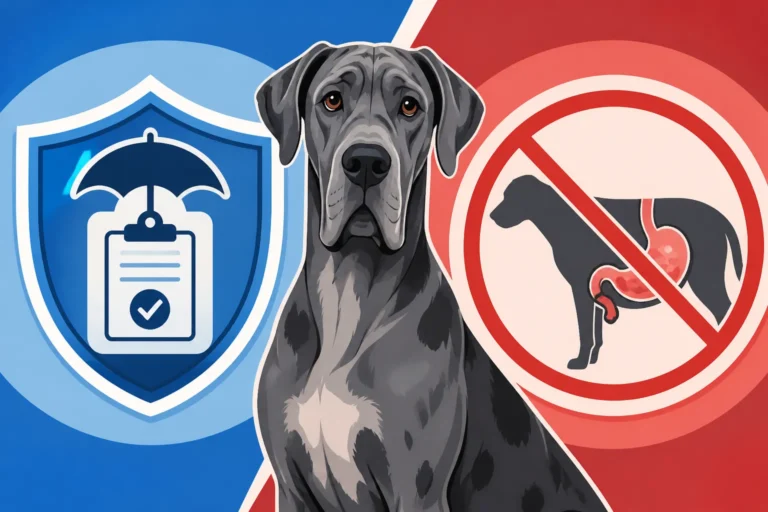
Gastric Dilatation-Volvulus (GDV), commonly known as bloat, is a life-threatening condition Great Danes are particularly susceptible to. It occurs when the stomach fills with gas and twists, cutting off blood supply and quickly becoming fatal without immediate intervention. The signs of a Great Dane stomach twisting are crucial to recognize. If your Great Dane bloats, you have literally minutes to get them to an emergency vet. The emergency surgery required to untwist the stomach and often perform a gastropexy (stomach tacking) is incredibly expensive. "The Night a Great Dane Bloats and What It Costs" can easily run into several thousands of dollars, often between $3,000 and $10,000 or more, depending on the severity, location, and post-operative care needed. Many owners opt for a prophylactic gastropexy, which is "The Price of a Preventive Great Dane Gastropexy" and can be performed when the dog is spayed or neutered. While this greatly reduces the risk of the stomach twisting, it's still a significant upfront surgical cost.
Managing Chronic Conditions and Illnesses
Beyond bloat, Great Danes are prone to other serious health issues that require ongoing management and specialized veterinary care. Dilated Cardiomyopathy (DCM), or "The Heart Muscle Disease Great Danes Are Prone To," is a prevalent and often devastating condition. Diagnosis involves expensive echocardiograms and Holter monitoring, followed by a lifetime of costly cardiac medications. Wobbler Syndrome, a neurological condition affecting the neck and spine, can lead to ataxia and paralysis, requiring costly diagnostics like MRIs and potentially complex, expensive surgery or long-term conservative management. Hypothyroidism is another common issue, requiring daily medication for life. These chronic conditions don't just incur one-time costs; they are a continuous financial drain for years.
The Specter of Cancer
Like many large breeds, Great Danes have a higher incidence of certain cancers, with "Bone Cancer in a Great Dane" (osteosarcoma) being a particularly aggressive and common form. Diagnosing cancer often involves X-rays, biopsies, and advanced imaging, which are all expensive. Treatment options, such as limb amputation followed by chemotherapy, can easily cost tens of thousands of dollars. Even palliative care, focusing on pain management and quality of life, involves significant costs for medications and frequent vet visits. The emotional toll of these diagnoses is immense, compounded by the financial strain of providing the best possible care for your beloved companion.
More Than Just Food and Vet Bills: Training, Grooming, and Enrichment
The costs don't stop at feeding and medical care. Ensuring your Great Dane is well-behaved, comfortable, and mentally stimulated also requires a financial commitment.
Professional Training and Classes
Given their impressive size and strength, early and consistent training for a Great Dane is not just recommended, it's absolutely essential. A large, untrained dog can unintentionally cause significant damage or injury. Puppy classes and basic obedience courses are a great start, but many Great Dane owners find themselves investing in more advanced training or even private sessions, especially if their dog develops specific behavioral challenges like leash pulling or jumping. A professional trainer comfortable with giant breeds can be invaluable. These classes and sessions can range from hundreds to thousands of dollars over the years, but they are a vital investment in ensuring your Great Dane is a well-mannered member of society and a joy to live with.
Grooming and Maintenance
While Great Danes have short coats, they are not maintenance-free. They shed, often quite a lot, and regular brushing is needed to manage this. Bathing a Great Dane at home can be a logistical challenge due to their size, and professional groomers often charge a premium for giant breeds. Then there's nail care; keeping those big nails trimmed is crucial for their paw health and preventing painful injuries. Many owners learn to do this at home, but others rely on vet techs or groomers, adding another recurring expense. Ear cleaning, especially for Danes with natural, floppy ears, is also important to prevent infections. These routine maintenance tasks, while seemingly minor, add up over eight years.
The Golden Years: Long-Term and Senior Care
As Great Danes approach their senior years – typically starting around age 5 or 6, given their short lifespan – their needs change, and costs often increase again. "Caring for a Great Dane Past Six" means preparing for a new phase of expenses.
Senior Dog Nutrition and Supplements
As they age, Great Danes may require specialized senior dog food formulations that are easier to digest or lower in calories if their activity level decreases. Many senior Danes also benefit immensely from joint supplements containing glucosamine, chondroitin, and MSM to support their aging joints. These supplements, dosed for a giant breed, can be quite expensive. Omega-3 fatty acids are also often recommended for joint health and cognitive function. A vet will often recommend changes in diet and supplements to help manage conditions like arthritis, which is very common in large breeds.
Mobility Support and Increased Veterinary Visits
Arthritis and other age-related mobility issues become more pronounced as a Great Dane ages. This often necessitates more frequent vet visits for pain management, which might include anti-inflammatory medications, cold laser therapy, or even acupuncture. Investing in "Orthopedic Beds a Great Dane Needs" becomes even more critical to support their large, aching joints and prevent pressure sores. Ramps for cars or stairs, lifting slings, or even doggy wheelchairs might be necessary to help them navigate their home and continue to enjoy walks. The costs associated with maintaining a good quality of life for a senior Great Dane can be substantial, often requiring a combination of medical treatments, specialized equipment, and adaptations to their living environment.
The Hidden Costs: Beyond the Obvious
Sometimes, the most significant financial hits come from the least expected places or from decisions made to manage other costs.
Pet Insurance: A Lifeline for Giant Breeds
Given the high incidence of expensive health conditions in Great Danes, pet insurance is often considered a non-negotiable investment by experienced owners. While monthly premiums for a Great Dane can be higher than for smaller breeds, "Insuring a Great Dane Against Bloat and Heart Bills" can literally be a lifesaver. A good policy from providers like Healthy Paws can significantly offset the cost of emergency surgeries, cancer treatments, or lifelong medication for chronic conditions. Without it, a sudden illness or accident could mean facing a devastating choice between your dog's life and your financial stability. It's crucial to enroll them when they're young and healthy to avoid pre-existing condition clauses. While a monthly premium is a recurring cost, it provides immense peace of mind.
Home and Lifestyle Adjustments
Living with a Great Dane often requires adjustments to your home and lifestyle, which can have hidden costs. For instance, their sheer size means they need sturdy furniture that can withstand their weight when they lean, jump, or simply sprawl out. "Crates That Hold a Full-Grown Great Dane" are substantial. If you travel, finding boarding kennels with runs large enough for a Great Dane or a pet sitter comfortable with a giant breed can be more expensive. Their powerful tails can clear coffee tables in a single wag, potentially leading to breakage costs. Even basic things like larger dog beds wear out faster under a Great Dane's weight and need more frequent replacement. These less obvious expenses contribute to the overall financial picture of Great Dane ownership.
Estimated Lifetime Costs: A Snapshot
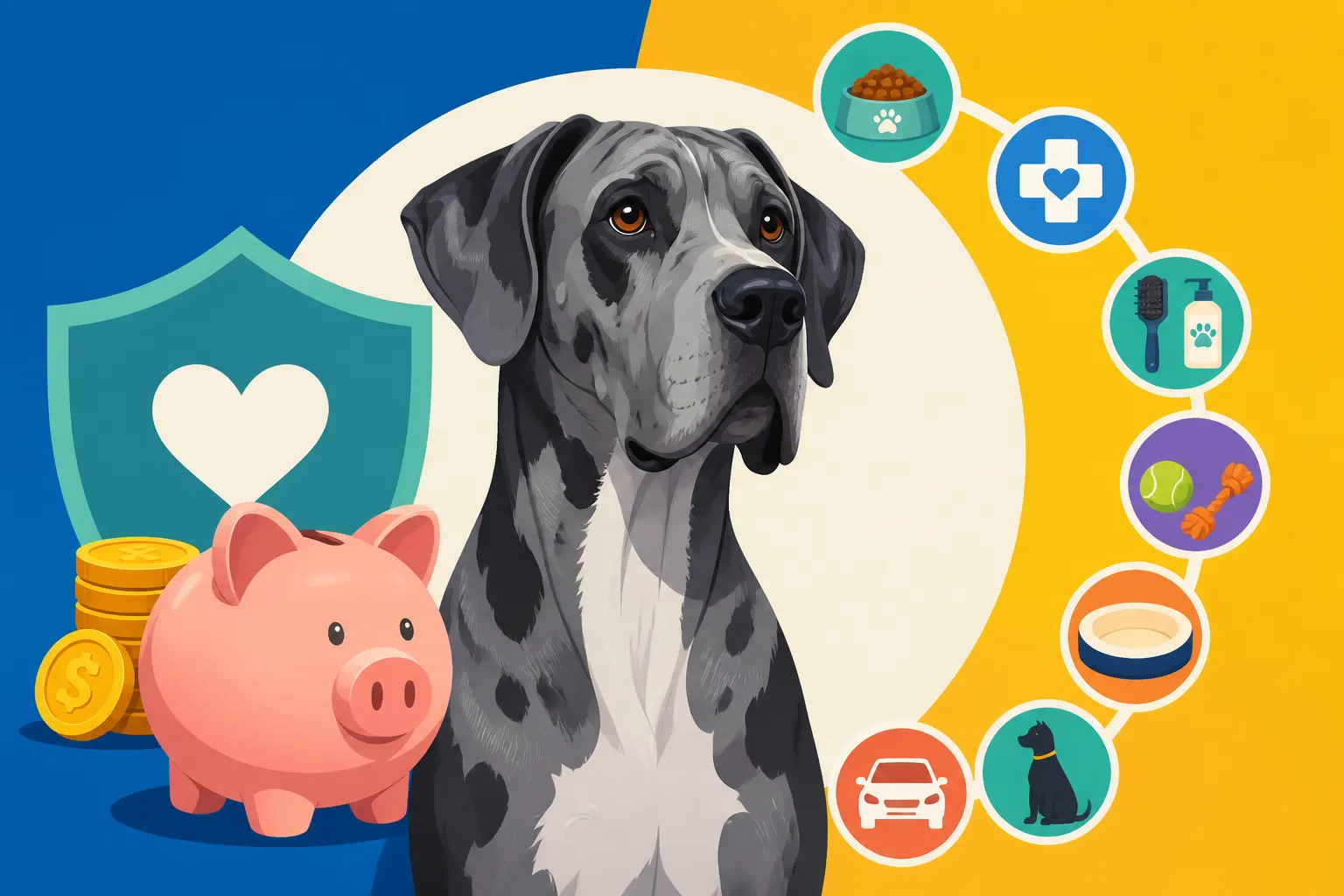
To give you a clearer picture, here's a table summarizing potential annual and lifetime costs for a Great Dane over an average eight-year lifespan. These are estimates and can vary widely based on individual circumstances, health, location, and lifestyle choices.
| Category | Average Annual Cost Range (USD) | 8-Year Estimated Total (USD) | Notes |
|---|---|---|---|
| Initial Acquisition | N/A (One-time) | $1,000 – $3,500 | Puppy price or adoption fee. Varies greatly by breeder/rescue. |
| Initial Supplies | N/A (One-time) | $500 – $1,500 | Crate, bed, bowls, leash, harness, toys, grooming tools. |
| Food & Treats | $1,200 – $2,500+ | $9,600 – $20,000+ | High-quality large breed food, treats. Varies by brand (e.g., Chewy's extensive options) and diet choice. |
| Routine Vet Care | $300 – $800 | $2,400 – $6,400 | Annual exams, vaccinations, heartworm/flea preventatives. Higher doses for large dogs. |
| Pet Insurance | $800 – $1,500+ | $6,400 – $12,000+ | Essential for giant breeds. Premiums vary by age, coverage, and provider (e.g., Healthy Paws). |
| Training | $100 – $500 | $800 – $4,000 | Puppy classes, obedience, potential private sessions. Can be higher for specific behavioral issues. |
| Grooming/Misc. | $200 – $500 | $1,600 – $4,000 | Brushes, shampoo, professional baths, nail trims, waste bags, new collars. |
| Emergency/Illness | $500 – $3,000+ (Highly Variable) | $4,000 – $24,000+ | This is the wild card. Bloat, DCM, cancer, accidents. Can be single events or ongoing. |
| Senior Care | $500 – $2,000+ (Later Years) | Included above/Additional | Increased vet visits, joint supplements, mobility aids. Becomes more significant in years 5-8. |
| TOTAL ESTIMATE (8 Years) | $26,300 – $75,400+ | A wide range, reflecting preventative measures vs. catastrophic health events. |
As you can see, the costs are substantial. The highest variability comes from emergency and illness costs, which is why pet insurance is so frequently recommended. Being proactive with health screenings, proper nutrition, and exercise can certainly help mitigate some risks, but some conditions are simply genetic predispositions that can only be managed, not prevented.
Disclaimer
The information provided in this guide is for general informational purposes only and does not constitute professional veterinary advice. Always consult with a qualified veterinarian or animal healthcare professional for any medical concerns or before making any decisions about your pet's health or care. Costs are estimates and can vary significantly based on location, service provider, and individual pet needs.