Socializing a Great Dane Puppy Early
Bringing home a Great Dane puppy is an absolute joy, but it also comes with the immense responsibility of shaping a tiny bundle of fluff into a well-mannered, confident giant. One of the biggest mistakes new Great Dane owners can make is underestimating the crucial need for early socialization, a process that lays the entire foundation for how your enormous dog will navigate a world full of smaller people, unpredictable noises, and countless new experiences. This comprehensive guide will walk you through exactly why and how to socialize your Great Dane puppy, transforming potential anxieties into joyful confidence.
Why Early Socialization Isn't Just for Small Dogs
It’s a common misconception, especially with giant breeds like Great Danes, that their naturally gentle demeanor means they don't need as much rigorous socialization as, say, a terrier. People often think, "Oh, they're so big and mellow, they'll be fine." But this couldn't be further from the truth, and honestly, it’s a setup for disaster. The sheer size and power of a Great Dane mean that any behavioral issues, however minor they might seem in a smaller dog, become significantly amplified and potentially dangerous.
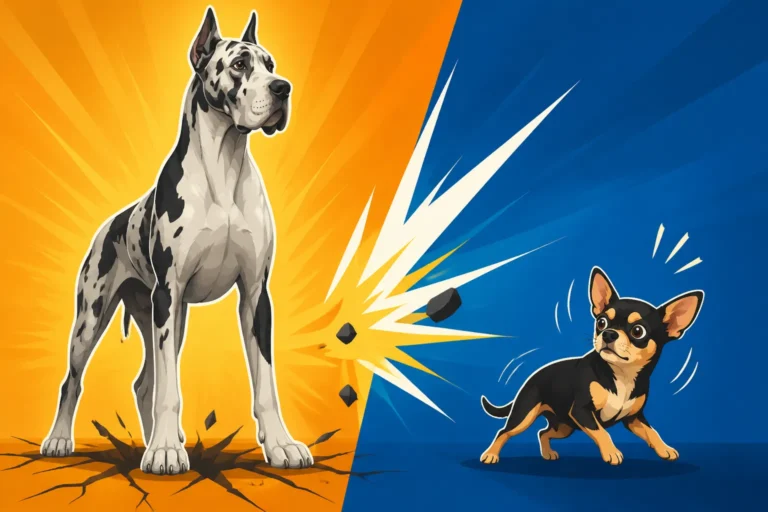
Imagine a Chihuahua who barks nervously at strangers. Annoying, perhaps, but rarely a threat. Now picture a 150-pound Great Dane doing the same thing, lunging and barking, or perhaps even just leaning heavily out of fear. The impact is entirely different. An unsocialized Great Dane can unintentionally knock over a child or an elderly person, not out of malice, but simply due to its immense size combined with fear or over-excitement. That gentle giant reputation? It’s earned through careful, consistent training and, most importantly, early and proper socialization.
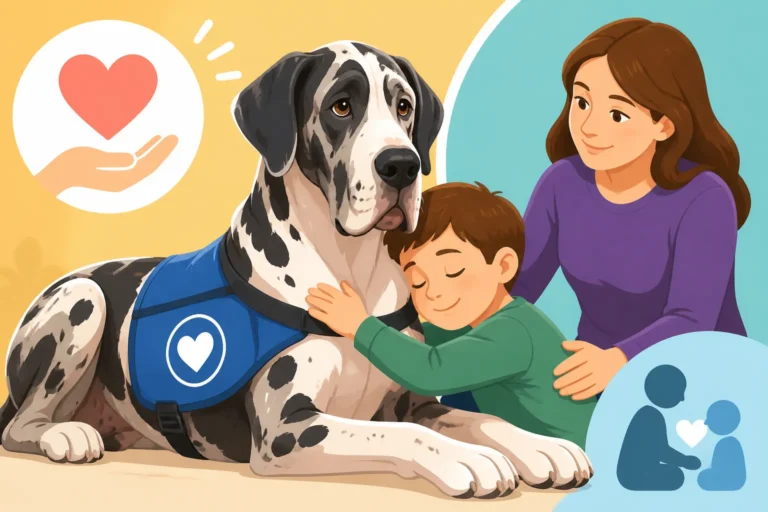
Without a solid foundation of positive exposure, even the sweetest Great Dane puppy can grow into an anxious, fearful, or reactive adult. This isn't just about protecting others; it's about giving your dog the best possible life. A well-socialized Dane is a happy Dane – one who can confidently join you on adventures, welcome guests with polite enthusiasm, and calmly navigate busy environments without being overwhelmed. It truly makes all the difference in their quality of life, and yours.
The Myth of Natural Calmness
While Great Danes are famously known as "gentle giants," this temperament isn't a given; it's fostered. Many people assume that because the breed standard emphasizes a calm and friendly nature, their puppy will automatically embody these traits. The reality is that genetic predisposition for calmness needs to be nurtured through consistent training and, yes, extensive socialization. A Great Dane puppy that isn't exposed to a variety of sights, sounds, and experiences in a positive way can become fearful or defensive, completely counteracting their breed's ideal temperament.
Think about it this way: if a child never leaves their home, they'll likely find new environments scary and overwhelming. The same applies to a puppy. They don't arrive knowing how to process the world; they learn through experience. A Great Dane's genetic potential for gentleness is merely a starting point, not a guaranteed outcome. It's our job as owners to provide the enriching experiences that allow that potential to blossom. Without it, you might find yourself with a giant dog whose fear responses are a considerable challenge to manage.
The Unique Challenges of a Giant Breed Puppy
Socializing any puppy is important, but with a Great Dane, the stakes are significantly higher. Their rapid growth means that behaviors that are cute and manageable in a 20-pound puppy become colossal problems in a 100-pound adolescent. A small puppy jumping on someone might elicit a chuckle; a Great Dane jumping up can easily send someone sprawling. This rapid physical development means you have a very narrow window to instill good habits before your puppy reaches an unmanageable size.
Consider the practicalities: teaching a 15-pound puppy to sit politely for greetings is one thing. Trying to teach the same to a 120-pound, enthusiastic teenager who hasn't learned impulse control is an entirely different battle. That's why every interaction during their puppyhood is a training opportunity, reinforcing polite manners alongside positive exposure. Why Great Dane Training Cannot Wait is not just a suggestion; it's a critical directive for the safety and well-being of both your dog and everyone around them. Their sheer scale means every behavior, good or bad, carries more weight.
The Critical Window for Great Dane Puppies
Every puppy goes through a critical socialization window, typically between 3 and 16 weeks of age. For a Great Dane, this period is absolutely non-negotiable. During these formative weeks, a puppy's brain is like a sponge, soaking up every experience and forming lasting impressions about the world. Positive exposure during this time builds resilience and confidence, while a lack of exposure or negative experiences can lead to lifelong fear and anxiety.
Missing this window means you'll spend significantly more time, effort, and potentially money later trying to undo ingrained fears or reactiveness. It’s like trying to build a house without a strong foundation – you can patch things up, but it will never be as sturdy as it could have been. Your Great Dane puppy needs to meet a wide variety of friendly people, experience different sounds, textures, and environments, all while associating these new things with positive feelings like treats and praise.
It’s a delicate balance because they're also vulnerable to illness during this time before their full vaccinations are complete. But this vulnerability doesn't mean isolation. It means smart socialization, choosing safe environments where the risk of disease is minimized while maximizing positive learning opportunities.
Understanding the 3-16 Week Window
This golden period is when your Great Dane puppy is most receptive to new experiences and least likely to develop lasting fear responses. From roughly 3 weeks, when their senses really start to come alive, until about 16 weeks, they are wired to learn what is safe and normal in their world. Every positive interaction with a new person, a new sound (like a doorbell or vacuum cleaner), or a different texture underfoot (grass, concrete, carpet) contributes to building a confident, well-adjusted adult dog.
By the time they hit 16 weeks, this window begins to close, and while socialization never truly stops, new experiences can start to be met with more caution or even fear. If your puppy hasn't had ample, positive exposure by this age, they might struggle significantly later on. This is why good breeders start the process even before puppies go home, exposing them to household noises, different surfaces, and gentle handling. When you bring your puppy home, the baton is passed to you to continue and expand upon this vital work.
Balancing Health Risks with Socialization Needs
One of the biggest anxieties for new puppy parents, especially with large breeds prone to certain health issues, is how to balance the need for socialization with the very real risk of parvovirus and other diseases before their puppy is fully vaccinated. It’s a completely valid concern, and veterinarians often advise caution. However, "caution" does not mean "isolation." The risks of an unsocialized Great Dane can far outweigh the carefully managed risks of controlled exposure.
Think about it: a puppy kept completely isolated until 16 weeks might be protected from disease, but it will likely emerge into the world as a fearful, reactive dog whose behavioral issues could lead to a far poorer quality of life, or even necessitate rehoming. Instead, prioritize environments where vaccination status is known, like well-run puppy classes, or visits with fully vaccinated, healthy adult dogs. Carrying your puppy in a sling or cart in public places (like a pet-friendly store or outdoor cafe) allows them to observe the world without touching potentially contaminated surfaces. The goal is to maximize mental enrichment while minimizing physical risk.
Exposing Your Great Dane Puppy to the World Safely
So, you understand the why, but now comes the how. Safely exposing your giant breed puppy to the world means being intentional and creating positive associations. It's not about throwing them into the deep end; it's about controlled, positive introductions that build confidence without overwhelming them. Always keep a close eye on your puppy's body language. Are they curious and engaged, or are they shrinking back, tail tucked, trying to hide? Respect their cues and make every interaction a happy one.
Remember, quality over quantity is key. A few short, positive interactions are far more valuable than one long, scary one. Always end on a good note, before your puppy gets too tired or overwhelmed. This ensures they associate new experiences with positive feelings, making them more receptive next time. Think of it as building a mental "happy file" for all things new.
When considering things like dog parks, especially before your Great Dane is fully grown and socialized, exercise extreme caution. An adult Great Dane, even a friendly one, can accidentally injure a small dog, and a rude or overly boisterous dog can easily overwhelm a sensitive Great Dane puppy, creating lasting fear. Focus on one-on-one, known-dog interactions first.
Introducing New People Gently
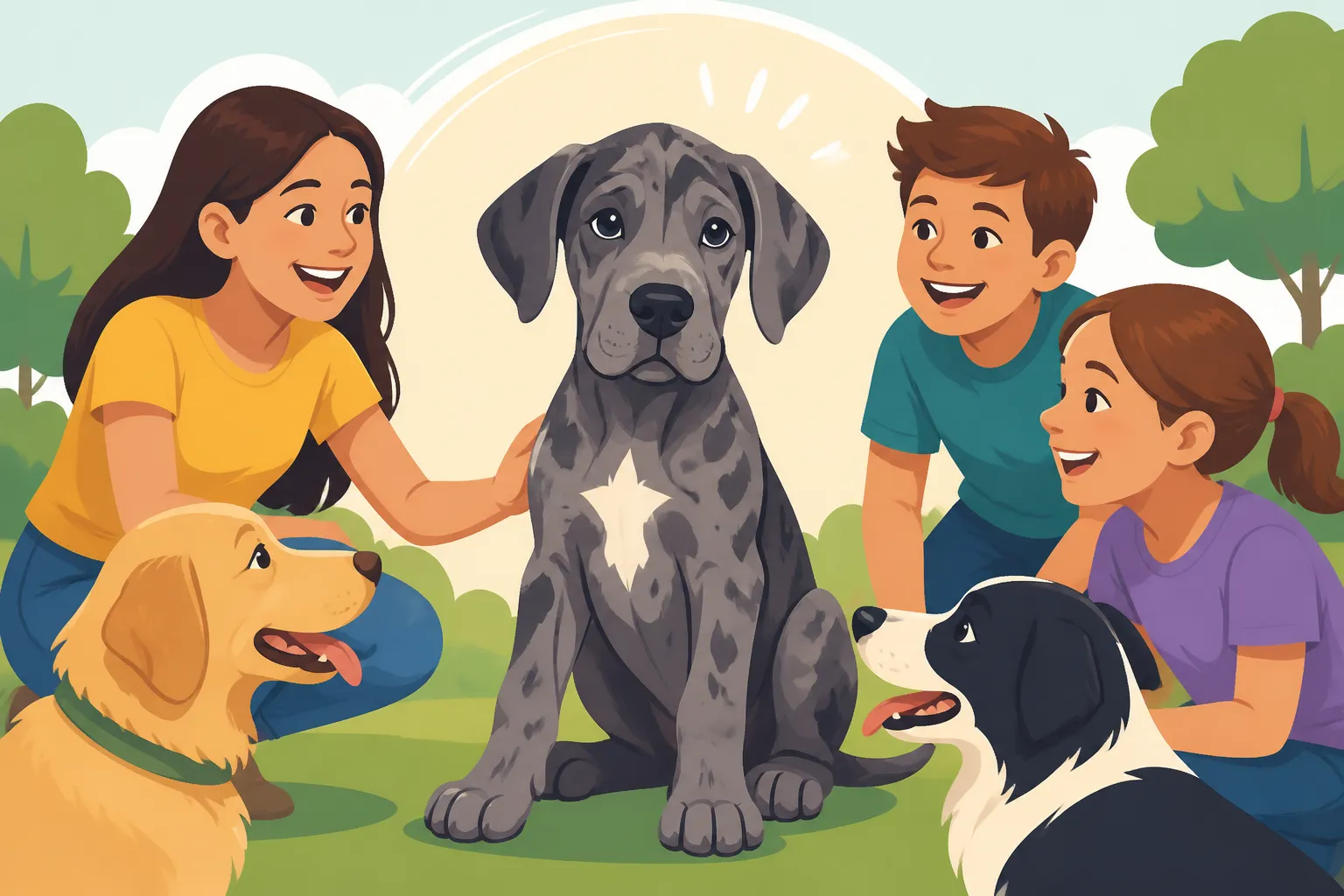
This is huge. Your Great Dane will grow to be a magnificent, imposing presence, and it's vital that they learn to greet all kinds of people politely and confidently. Start with family and friends, ensuring every encounter is calm and positive. Ask people to offer a treat, speaking in a soft, happy voice, and kneeling down to your puppy's level rather than towering over them. Teach them to sit for attention right from the start, so A Great Dane That Jumps on Visitors doesn't become a terrifying reality later on.
Once they're comfortable with familiar faces, gradually introduce them to a wider array of people: men with beards, women with hats, people wearing glasses, uniforms, children, elderly folks with canes. The more diverse the positive human interactions, the less likely they are to develop fear or suspicion towards specific groups later. Always supervise interactions with children closely, teaching both the child and the puppy how to interact respectfully. Remember, even the "gentlest" giants can accidentally knock over a small child with an exuberant tail wag.
Navigating New Environments
The world is full of sights, sounds, and smells, and your Great Dane puppy needs to experience as many different types of safe environments as possible. This doesn't mean hitting the busiest downtown street right away. Start with quieter places: a quiet park, a friend's backyard, a calm pet-friendly store (where you can carry them if they aren't fully vaccinated). Gradually expose them to slightly busier areas, like a quieter corner of a hardware store or a nature trail with other walkers.
Focus on sensory experiences: the rustle of leaves, the sound of a distant lawnmower, the different textures of pavement, grass, and gravel under their paws. Always bring high-value treats and reward your puppy for calm curiosity. If they seem hesitant, don't force them. Sit quietly, offer treats, and let them observe from a distance until they feel comfortable enough to explore on their own. Remember, the goal is positive exposure, not forced interaction. A durable treat pouch, available on Amazon, can be a lifesaver for keeping treats handy during these outings.
Safe Puppy Playdates and Canine Interactions
While meeting other dogs is crucial, it needs to be the right kind of interaction. Avoid dog parks entirely until your Great Dane is much older, fully vaccinated, and has rock-solid recall and social skills. Instead, arrange playdates with carefully selected, fully vaccinated, calm, and friendly adult dogs or other well-socialized puppies. Look for dogs that are tolerant, have good social manners, and won't overwhelm your Great Dane puppy.
Puppy classes are an excellent, structured way to facilitate positive canine interactions under the guidance of a professional trainer. These classes offer a safe, supervised environment where puppies can learn appropriate play behaviors. This is also a fantastic opportunity for you to get guidance on Getting a Great Dane Puppy Used to Handling and other vital basic manners. A good trainer will help you understand your puppy's body language and ensure play remains healthy and beneficial, preventing either over-stimulation or fear-inducing encounters.
Socialization Beyond Other Dogs
Socialization isn't just about people and other pups; it’s about preparing your Great Dane for every aspect of human life. From the whirring of the vacuum cleaner to the sight of a bicycle, every new stimulus is an opportunity for learning. The more varied and positive these experiences are, the more resilient and adaptable your Great Dane will become, leading to a much more relaxed and enjoyable life for everyone involved.
Consider the "background noise" of your life – the sounds, objects, and movements that are everyday for you but completely foreign to a young puppy. Intentionally introducing these things now, in a controlled and positive way, will prevent future fear and reactivity. Imagine trying to desensitize a 150-pound dog to something as simple as a broom because they were never exposed to one as a puppy – it's a monumental task. Start small, keep it positive, and make it a game!
Desensitizing to Everyday Sounds and Objects
Our homes are full of strange sounds and objects that can be alarming to a sensitive puppy. The vacuum cleaner, the doorbell, the washing machine, blenders, dropping pots – these are all things your Great Dane needs to learn are normal and non-threatening. Start with low-volume exposure, pairing the sound with high-value treats or a fun game. For example, when you turn on the vacuum, toss a treat. Gradually increase the volume or proximity as your puppy becomes comfortable.
Introduce common household items like brooms, mops, umbrellas, and crinkly plastic bags. Let your puppy investigate them on their own terms, rewarding curiosity. Don't force interaction. If your puppy is hesitant, simply place the item some distance away, toss treats near it, and let them approach when they're ready. The goal is neutrality or positive association, not fear. For a great online resource to help guide this, programs like BAXTER & Bella offer structured lesson plans that can help you introduce these concepts systematically.
Car Rides and Handling for Future Vet Visits
Car rides are an essential part of life for most dogs, especially for Great Danes who will eventually be too big to lift easily. Start with very short, positive car rides, even just sitting in the car with the engine off, giving treats. Gradually increase the duration and distance, always making it a fun experience. This early positive association is critical. Imagine trying to coax a fearful, 180-pound Great Dane into a car for an emergency vet visit – it would be incredibly stressful and difficult.
Equally important is handling. From the moment you bring your puppy home, get them used to having their paws touched, ears examined, mouth opened, and tail handled. Practice gently brushing them, wiping their face, and playing with their feet. This isn't just about grooming; it's about preparing them for vet visits, nail trims, and any future medical care. Reward calm acceptance with lots of praise and treats. A Great Dane that tolerates handling will be a much easier patient for the vet and a much less stressed dog during routine care.
Exposure to Different Surfaces and Climates
Your Great Dane will walk on countless surfaces throughout their life: pavement, grass, dirt, gravel, wood floors, carpet, tile. Exposing them to these different textures early helps build their confidence and proprioception (awareness of their body in space). Take them on walks in various safe areas, letting them experience different sensations under their paws.
Similarly, if you live in an area with varied climates, gentle exposure to different weather conditions can be beneficial. A light rain shower, a brisk wind, or even a bit of snow (supervised and brief for a puppy) can help them learn that these natural phenomena are not something to be feared. Always ensure their comfort and safety, of course – no prolonged exposure to extreme cold or heat, but rather short, positive introductions. This broadens their understanding of the world and makes them more adaptable.
The Dangers of Undersocialization in a Giant Breed
We’ve touched on it already, but it bears repeating: the consequences of an undersocialized Great Dane are far more severe than with a smaller breed. It’s not just about inconvenience; it’s about safety, the dog’s quality of life, and the potential for a heartbreaking situation where you might feel forced to rehome a dog you love. No one wants that.
A Great Dane’s size means that fear, anxiety, or reactivity isn’t just an emotional issue; it becomes a physical force. A dog that is fearful of strangers might nip, a dog that’s anxious in new environments might become destructive, and a dog that’s reactive to other dogs might become impossible to walk. These aren't minor issues; they're life-altering challenges that can make daily life incredibly stressful for both the dog and their family.
Fear-Based Aggression and Reactivity
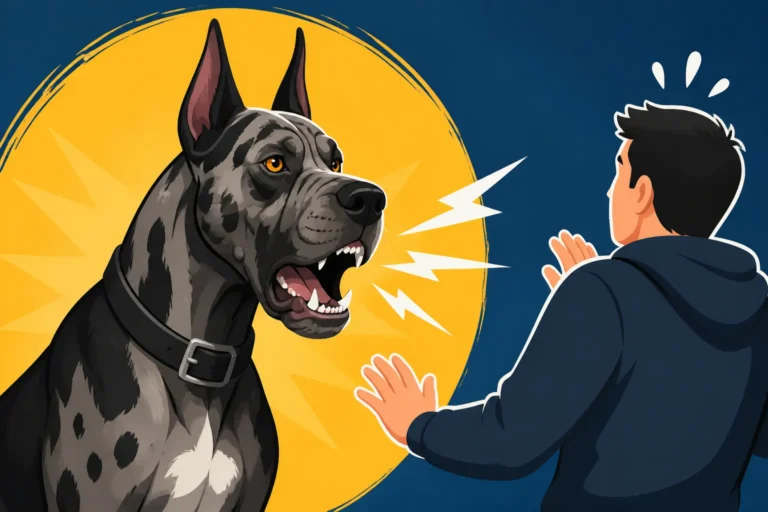
An undersocialized Great Dane often develops fear-based aggression or reactivity. This manifests as barking, lunging, growling, or even biting when confronted with unfamiliar people, dogs, or situations. They react this way because they haven't learned how to confidently process new stimuli, and their natural response is to try to make the "scary thing" go away. Because of their size, these displays can be incredibly intimidating and, even if the dog never intends to harm, their sheer power can cause accidental injury.
Imagine a walk in the park with your adolescent Dane who suddenly lunges at a passing jogger or another dog. This is not only terrifying for the jogger but also highly stressful for you, the owner. It can lead to you avoiding walks, restricting your dog's world, and ultimately diminishing their quality of life. Prevention through early, positive socialization is the absolute best defense against these kinds of behavioral challenges.
Anxiety and Destructive Behaviors
Undersocialized Great Danes often experience high levels of anxiety, especially when left alone or exposed to new environments they haven't learned to cope with. This anxiety can manifest in destructive behaviors: chewing furniture, scratching doors, house-soiling, or incessant barking and howling. They might not understand how to regulate their emotions when faced with novel situations, leading to overwhelming stress.
A Great Dane with separation anxiety, stemming from a lack of early confidence building around being alone or unfamiliar situations, can quickly demolish a house. Damage a Great Dane Reaches That Smaller Dogs Cannot is a very real concern. Their anxiety isn't just a nuisance; it's a cry for help. Addressing it requires patience, consistent training, and often the help of a professional trainer or behaviorist, which can be costly and time-consuming. It’s far easier to build confidence from day one.
Difficulty with Handling and Veterinary Care
As discussed, a Great Dane needs to be comfortable with being touched and manipulated, not just for cuddles but for crucial health care. An undersocialized Dane might be terrified of the vet, making routine examinations, blood draws, or even simple nail trims a wrestling match. This not only causes immense stress for your dog but also makes it incredibly difficult for veterinary staff to provide adequate care, potentially compromising their health.
Imagine having to sedate your giant dog every time they need a simple ear cleaning or blood test because they weren't properly socialized to handling as a puppy. This adds cost, risk, and significant stress to what should be routine events. Investing time in Teaching a Great Dane to Have Its Feet Handled and Getting a Great Dane Puppy Used to Handling when they are small will save you countless headaches and heartaches down the line.
Creating a Socialization Plan That Works
Okay, so the importance is crystal clear. Now, how do you actually implement a successful socialization plan for your growing Great Dane puppy? It's all about intentionality, consistency, and making it fun. Think of it as a checklist, but a flexible one that adapts to your puppy's personality and comfort level. Every day should offer at least one new, positive experience, even if it's just hearing a new sound from a YouTube video or feeling a new texture underfoot.
The goal isn't just exposure; it's positive exposure. Always pair new things with high-value rewards – delicious treats, enthusiastic praise, or a quick game of fetch with their favorite toy. Keep sessions short and sweet, ending before your puppy becomes overstimulated or fearful. This creates a strong foundation of confidence and curiosity, teaching your Great Dane that new things are opportunities for good things to happen.
The Socialization Checklist Approach
A great way to ensure broad exposure is to create a socialization checklist. This isn't about rigid adherence, but about being mindful of the variety of experiences your puppy needs. Think categories:
- People: Men, women, children, people with hats, glasses, uniforms, different skin tones, gaits, etc.
- Sounds: Doorbell, vacuum, blender, cars, sirens, thunder, children playing, other dogs barking (from a distance).
- Surfaces: Grass, pavement, gravel, sand, wood, tile, carpet, metal grates.
- Objects: Brooms, mops, strollers, bicycles, skateboards, umbrellas, balloons.
- Environments: Quiet parks, busy parks, pet stores (carrying puppy), friends' homes, veterinary clinics (for happy visits), car rides.
- Other Animals: Calm, vaccinated dogs (one-on-one), cats (if safe and supervised).
You can find numerous puppy socialization checklists online, or even create your own. The key is to actively seek out these experiences rather than waiting for them to happen. Don't forget, simple tools like a comfortable harness and a sturdy leash, easily found on Amazon, are essential for safe outings.
| Socialization Category | Examples of Exposure | Goal |
|---|---|---|
| People | Diverse ages, genders, appearances, movements (walkers, children running), uniforms. | Puppy remains calm, offers polite greetings (e.g., sits for attention), doesn't jump or show fear. |
| Sounds | Household appliances, traffic, music, children playing, distant sirens, thunder recordings. | Puppy shows mild curiosity, no fear or reactivity; continues to play or eat during sounds. |
| Surfaces | Grass, concrete, gravel, carpet, tile, wood, grates, dirt. | Puppy walks confidently on all surfaces, no hesitation or paw sensitivity. |
| Objects | Strollers, bikes, skateboards, umbrellas, vacuum cleaner, mailboxes, garbage cans. | Puppy shows curiosity, ignores, or interacts calmly, no fear or aggression. |
| Environments | Parks (quiet/busy), pet stores (carried), vet clinic (happy visits), friends' homes, car rides. | Puppy is relaxed, observant, and able to settle in new surroundings; no panic or excessive barking. |
| Handling | Paws, ears, mouth, tail, brushing, restraint. | Puppy tolerates or enjoys handling, remains calm for grooming and vet exams. |
| Other Dogs | Calm, vaccinated adult dogs; well-socialized puppies (one-on-one or in structured classes). | Puppy engages in appropriate play, understands canine body language, no fear or aggression. |
Positive Reinforcement and High-Value Treats
This is the cornerstone of effective Great Dane puppy socialization. Every new person, sound, object, or place should be associated with something incredibly positive. High-value treats (think small pieces of cooked chicken, cheese, or specialized training treats) are your best friend. When your puppy encounters something new and reacts calmly (even just by noticing it without fear), immediately reward them.
For example, if a loud truck drives by and your puppy just glances at it without barking, immediately say "Yes!" and give them a treat. If a stranger approaches and your puppy sits politely, shower them with praise and treats. The more consistently you pair new experiences with positive outcomes, the more your Great Dane will learn that the world is a wonderful, treat-filled place. This is where programs like BAXTER & Bella excel, guiding you on how to apply these positive reinforcement techniques effectively in various scenarios.
Puppy Classes and Professional Guidance
Enrolling in a good puppy socialization class is one of the best investments you can make for your Great Dane. These classes provide a safe, structured environment for controlled off-leash play with other puppies, allowing them to learn crucial bite inhibition and social cues. More importantly, they offer invaluable guidance from experienced trainers who can help you navigate common puppy challenges and offer personalized advice for your giant breed.
A professional trainer can spot subtle signs of fear or overstimulation that you might miss, helping you intervene before a negative experience solidifies. They can also provide strategies for Finding a Trainer Comfortable With a Great Dane, which is vital given their unique needs. Don't hesitate to seek out private training sessions if your puppy has specific anxieties or if you feel overwhelmed. An expert eye can make all the difference in building a confident, well-adjusted Great Dane.
Continuing Socialization Through Adolescence
Many owners breathe a sigh of relief once their Great Dane puppy passes the critical 16-week mark, assuming socialization is "done." Oh, if only it were that simple! Socialization isn't a one-and-done event; it's an ongoing process that extends well into adolescence and even early adulthood. Your Great Dane will continue to grow, physically and mentally, and their experiences during these formative adolescent months are just as crucial for solidifying good behaviors and maintaining confidence.
Adolescence in Great Danes can last until they're two or even three years old. During this time, they might experience "fear periods" where previously accepted things suddenly become scary, or they might test boundaries and try new, sometimes challenging, behaviors. Continuing positive exposure and consistent training will help them navigate these changes with confidence and reinforce the good habits you've already established.
The Teenage Great Dane Phase
Just like human teenagers, adolescent Great Danes (roughly 6 months to 2-3 years) can be a handful. They might suddenly seem to forget all their manners, test boundaries, or become more reactive to things they previously ignored. This is a normal developmental stage, but with a giant breed, these "teenage antics" can be particularly challenging. Consistent, patient training is key here, reinforcing all the basic manners you taught them as a young puppy. The Age a Great Dane Stops Listening is not an exact science, but you can definitely expect some selective hearing during this period!
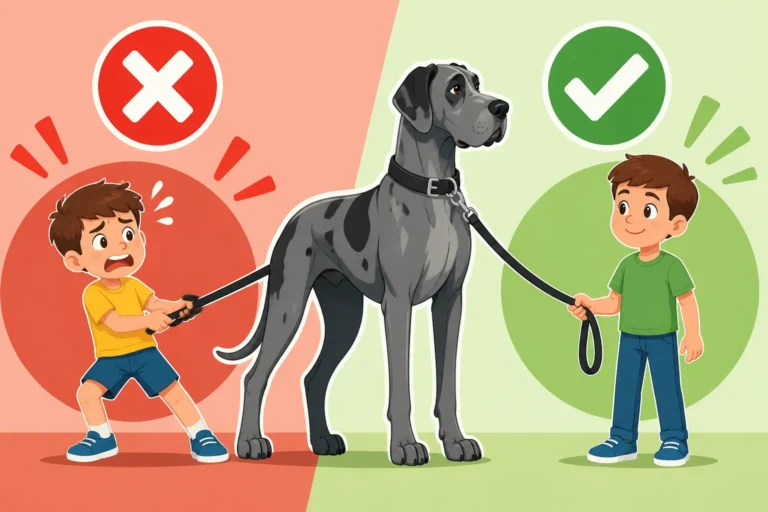
Continue to expose them to new, positive experiences, but now you can gradually introduce more complex scenarios. Perhaps a slightly busier park, or a longer car ride to a new hiking trail. Maintain the positive reinforcement, rewarding calm behavior and confidence. This is also a critical time to ensure Great Dane Leash Manners at a Hundred and Fifty Pounds are impeccable, as a pulling adolescent Dane can easily yank you off your feet.
Reinforcing Good Manners and Exposure
Even if your Great Dane is now a confident, well-behaved adolescent, don't stop exposing them to new things. Take them on different walking routes, visit new pet-friendly stores, or simply introduce them to new sounds through recordings. The goal is to keep their world expanding and to reinforce that novel experiences are generally positive. This prevents them from becoming complacent or developing anxieties about unfamiliar situations later in life.
Alongside continued exposure, relentlessly reinforce good manners. That means consistently asking for a "sit" before greeting people, practicing "leave it" around tempting items, and ensuring their recall is solid. Remember, behaviors are practiced and strengthened with every repetition. You want to make sure your Great Dane is always practicing the right behaviors, especially as they reach their full impressive size.
Advanced Training and Activities
For your fully vaccinated and socialized Great Dane, consider enrolling in advanced training classes or dog sports. This is a fantastic way to continue building their confidence, strengthening your bond, and providing mental and physical enrichment. Things like obedience classes, rally, or even scent work can be incredibly rewarding. Whether a Great Dane Can Do Agility is a common question, and while their size limits some extreme movements, many Danes love the mental challenge of working with their people.
These activities provide structured opportunities for continued socialization with other dogs and people in a controlled environment. They also give your Great Dane a job to do, which can be immensely satisfying for a intelligent breed. Keeping their minds engaged will help prevent boredom-related behavioral issues and continue to reinforce their confidence and adaptability throughout their life.
Disclaimer
This article is for general informational purposes only and does not constitute professional advice. Laws, prices and regulations vary by location and change over time. Consult a qualified professional for guidance on your specific situation.