The Age a Great Dane Stops Listening
One minute your Great Dane puppy is following your every command, looking up at you with those adoring eyes, and the next, it feels like they've developed selective hearing, staring blankly when you ask for a simple "sit." This sudden shift in responsiveness is a common, and often frustrating, experience for many Great Dane owners, leading to questions about when, or if, their gentle giant will ever truly listen again. This guide will walk you through the phenomenon of Great Dane adolescence, explaining why your once-attentive companion seems to have forgotten their manners, and equip you with practical strategies to navigate this challenging yet temporary phase.
The Adolescent Great Dane: A Phase, Not a Flaw
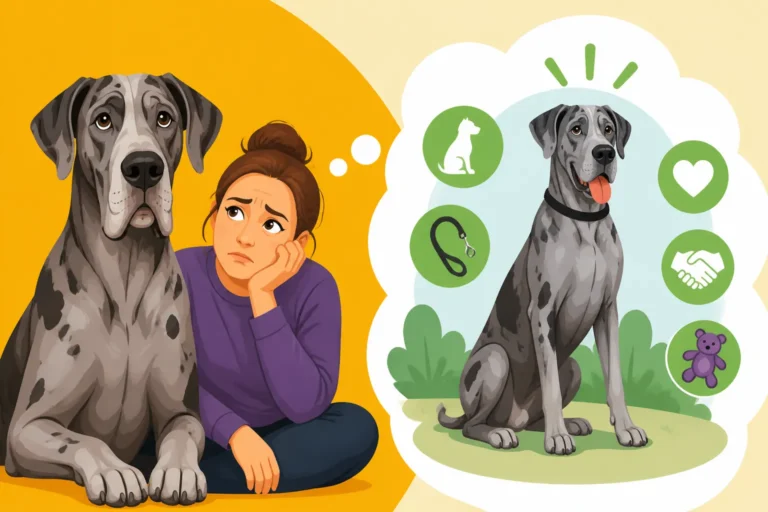
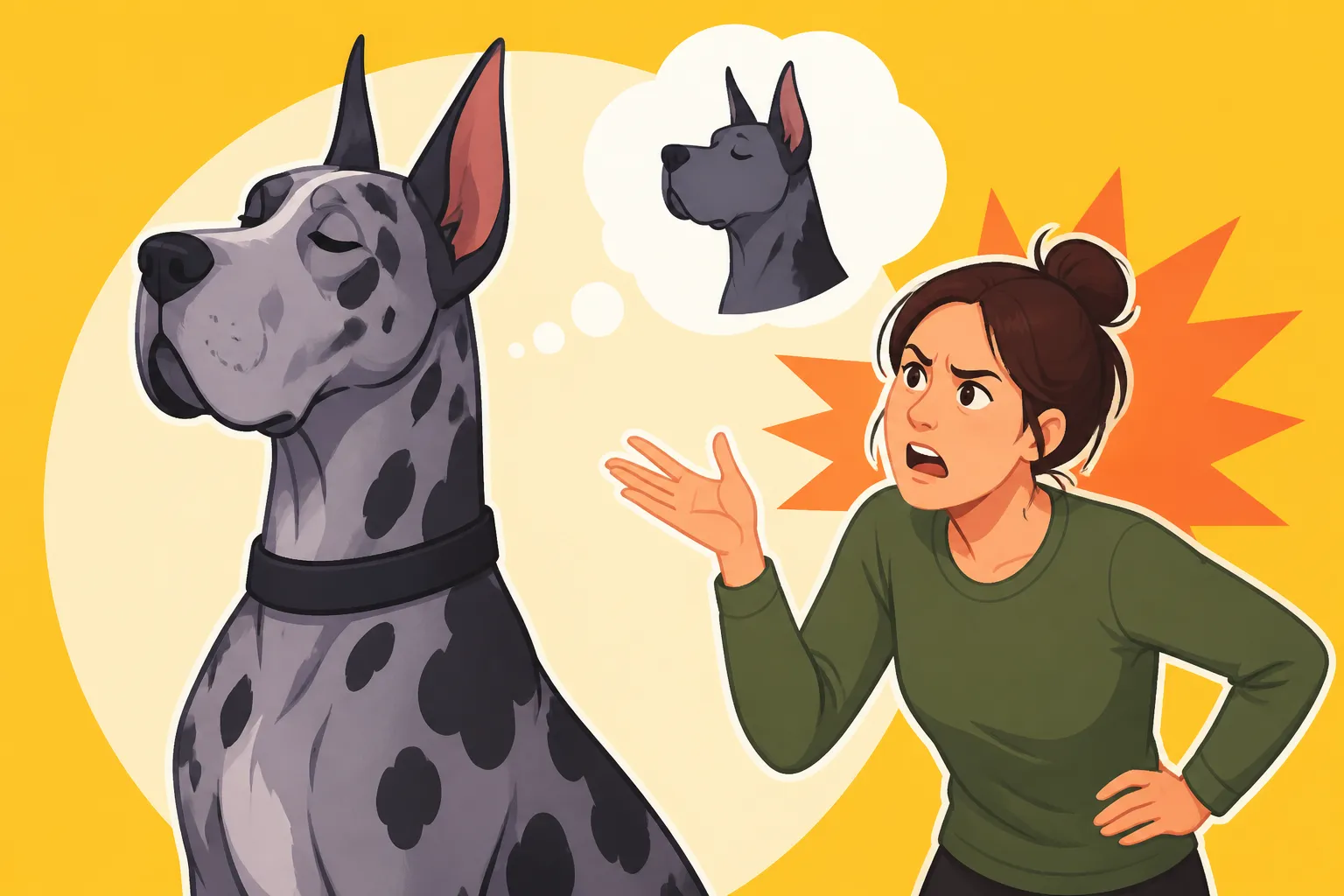
It’s easy to feel like your dog is deliberately ignoring you, but the truth is, what you're seeing isn't disobedience as much as it is a developmental stage. Just like human teenagers, adolescent Great Danes go through significant physical and mental changes that affect their behavior, focus, and impulse control. Understanding this stage is the first step toward patience and effective training.
What "Adolescence" Looks Like in a Giant Breed
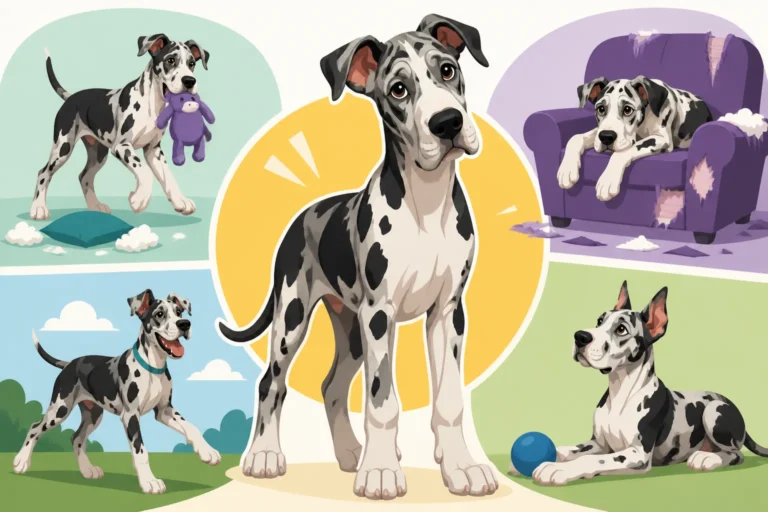
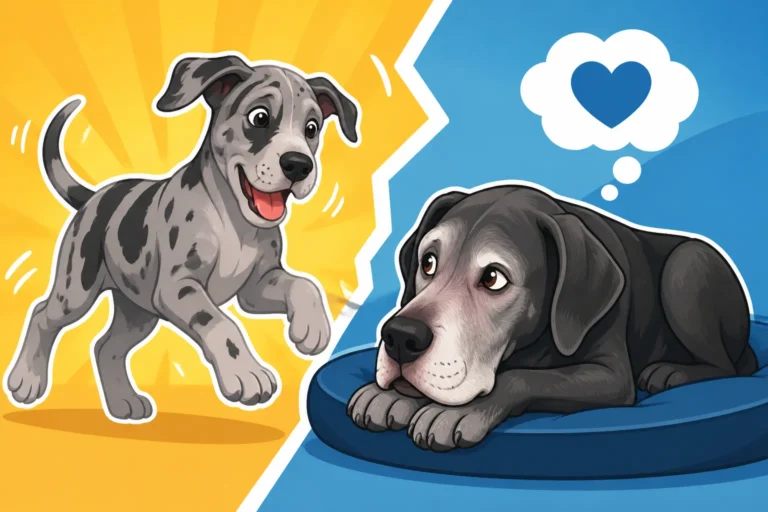
For giant breeds like Great Danes, adolescence can be a prolonged period, often beginning around six months of age and lasting until they are two, or even three, years old. During this time, your Great Dane is no longer a tiny puppy, but they haven't yet reached full adult maturity, either physically or mentally. They're growing into those massive paws, and their brain is still very much under construction. This awkward in-between stage means they're testing boundaries, exploring their independence, and often pushing the limits of what they think they can get away with. It’s a period marked by rapid physical development and a slow, often frustrating, cognitive catch-up.
The Hormonal Rollercoaster and Its Impact
The hormonal shifts happening within an adolescent Great Dane are profound, akin to puberty in humans. Unaltered males might start to lift their leg more, show increased interest in female dogs, and develop a stronger desire to roam or challenge other male dogs. Unspayed females might go through their first heat cycles, bringing with them their own set of behavioral changes, including increased distractibility, restlessness, or even a bit of moodiness. These hormonal surges can lead to heightened arousal, decreased focus, and a tendency to react more intensely to environmental stimuli. It's not personal; it's just biology taking its course, making calm, consistent responses from you all the more critical. This is also why many owners consider spaying or neutering around the appropriate age, though timing for giant breeds needs careful consideration with a vet.
Brain Development and Impulse Control
One of the biggest factors behind your Great Dane "stopping listening" is the ongoing development of their brain, particularly the prefrontal cortex, which is responsible for impulse control, decision-making, and understanding consequences. This part of the brain is one of the last to fully mature. So, while your Great Dane intellectually knows "sit" or "stay," the immediate gratification of chasing a squirrel or greeting another dog might simply override their ability to process and respond to your command in the moment. Their ability to regulate their emotions and inhibit their natural instincts is still developing. This means you’ll need to put in extra effort to manage their environment and proof their behaviors in increasingly distracting situations. It's a journey, not a sprint, and patience is definitely a virtue here. Many owners find that early and consistent training during puppyhood, as discussed in Why Waiting Until a Great Dane Is Grown Is Too Late, can provide a stronger foundation before this challenging phase hits.
Common Training Challenges During Adolescence
The challenges of adolescent Great Danes aren't just frustrating; they can also be physically demanding, given the sheer size and strength of these dogs. What might be a minor inconvenience with a smaller dog can become a major safety concern with a Great Dane. Recognizing these specific hurdles helps you prepare and react appropriately.
Selective Hearing on Walks and in Distracting Environments
Picture this: you're walking your magnificent Great Dane, who until recently, was quite good on a leash. Suddenly, a cat darts across the street, or another dog barks from a yard, and your Dane transforms into a freight train, pulling with all their might, seemingly deaf to your pleas. This "selective hearing" is incredibly common during adolescence. Their world has opened up, and everything is new, exciting, and far more interesting than your voice. The smells, sights, and sounds of the outdoors become irresistible distractions. A simple walk can become a battle of wills, and for a dog that can easily outweigh an adult human, losing that battle means being dragged. This is where tools like sturdy harnesses and long lines become invaluable, often found on platforms like Amazon, to ensure safety and maintain some control while you work on recall and leash manners. Getting a handle on A Great Dane That Pulls You Off Your Feet is paramount.
Regressing on Previously Mastered Cues
Perhaps your Great Dane puppy was a star student, mastering "sit," "stay," and "come" with ease. Now, as an adolescent, they might look at you with a puzzled expression when you give the same commands, or simply choose to ignore you. This regression is a hallmark of adolescence. It doesn't mean your dog has forgotten everything; rather, their brain is re-prioritizing information, and their newfound independence is telling them they don't have to comply. It's crucial not to get discouraged or angry during this time. Instead, view it as an opportunity to reinforce those foundational behaviors. You might need to go back to basics, rewarding heavily for correct responses, making the desired behavior far more appealing than any distraction. Thinking back to Teaching a Great Dane to Sit Before It Weighs Eighty Pounds reminds us how important that early consistency was.
The Sudden Emergence of "Big Dog" Problems
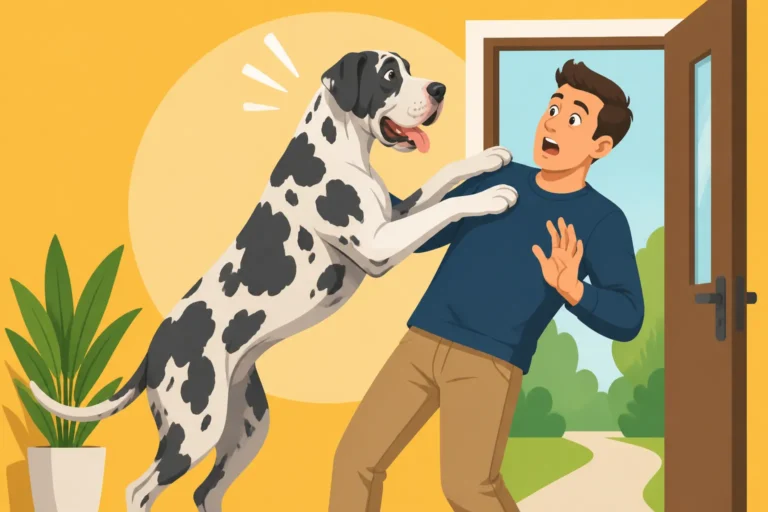
As Great Danes grow, their physical presence becomes undeniable, and with that comes a unique set of challenges. A playful jump from a 40-pound puppy is cute; a jump from a 120-pound adolescent is potentially dangerous. Counter surfing becomes less about snatching a dropped crumb and more about sweeping entire meals off the kitchen island. What was once an endearing lean or a playful nudge can now knock over a child or an elderly person. These behaviors, while often stemming from innocent intentions or lack of awareness of their size, must be addressed immediately and consistently. Their sheer scale means that bad habits that might be tolerable in a smaller dog become utterly unmanageable and unsafe with a Great Dane. Effectively Handling a Great Dane That Outweighs You requires not just strength, but smart training and management.
Strategies to Re-Engage Your Adolescent Dane
While the adolescent phase can feel overwhelming, there are plenty of strategies you can employ to navigate it successfully. The key is to be consistent, patient, and understanding, providing clear guidance without resorting to harsh methods that can damage your bond.
Going Back to Basics with Positive Reinforcement
When your Great Dane seems to have forgotten everything, the best approach is often to go back to square one. Revisit every cue they learned as a puppy, but this time, practice in low-distraction environments first, then gradually introduce more challenges. Use exceptionally high-value treats and praise to reward even the smallest successes. Think about what your Dane loves most – perhaps bits of cheese, cooked chicken, or a favorite squeaky toy – and reserve those for training sessions. Make training fun and engaging, short and frequent, rather than long and arduous. For example, if your Dane is struggling with recall, start in your quiet backyard, using a long line for safety. Practice calling them to you, making it a party when they arrive, then slowly introduce minor distractions. Remember, you're not just re-teaching cues, you're re-building their motivation to listen to you amidst a whirlwind of adolescent hormones. Programs like BAXTER & Bella offer structured online training that can guide you through these regressions and help reinforce positive habits.
Managing the Environment to Set Your Dane Up for Success
You can't control your Great Dane's hormones, but you can control their environment. This is where proactive management becomes your best friend. If your Dane counter-surfs, don't leave tempting items on the counter. If they pull on the leash because of squirrels, choose quieter walking routes or invest in a front-clip harness or head halter designed for giant breeds, easily available through retailers like Amazon. Use crates or pens to manage their space when you can't actively supervise them. Choosing a Crate a Great Dane Can Stand In is vital for their comfort and safety. The goal isn't to restrict them indefinitely, but to prevent them from practicing undesirable behaviors, making it easier for them to learn what is acceptable. Setting them up for success means reducing opportunities for failure, especially during this impressionable and impulsive stage.
Seeking Professional Guidance and Support
Sometimes, despite your best efforts, you might feel like you're hitting a wall. This is a perfectly normal feeling when dealing with a giant adolescent dog, and it's absolutely okay to seek professional help. A certified professional dog trainer or a veterinary behaviorist can provide invaluable insight and tailored strategies for your specific situation. They can observe your dog's behavior, identify underlying causes, and teach you advanced techniques to manage and modify challenging behaviors. Look for trainers experienced with giant breeds and positive reinforcement methods. An accredited online program, such as those provided by BAXTER & Bella, can also offer structured lessons and support from experienced trainers, which can be a fantastic resource if in-person classes are hard to find or attend. Consider discussing Finding a Trainer Comfortable With a Great Dane with other Dane owners in your community for recommendations.
Building a Lifelong Partnership Beyond Adolescence
Adolescence is a phase, and while it feels long, it does end. The efforts you put in now, during these challenging months, will lay the groundwork for a well-behaved, confident adult Great Dane. It's about more than just getting them to listen; it's about fostering a deep, trusting relationship.
The Importance of Consistency and Patience
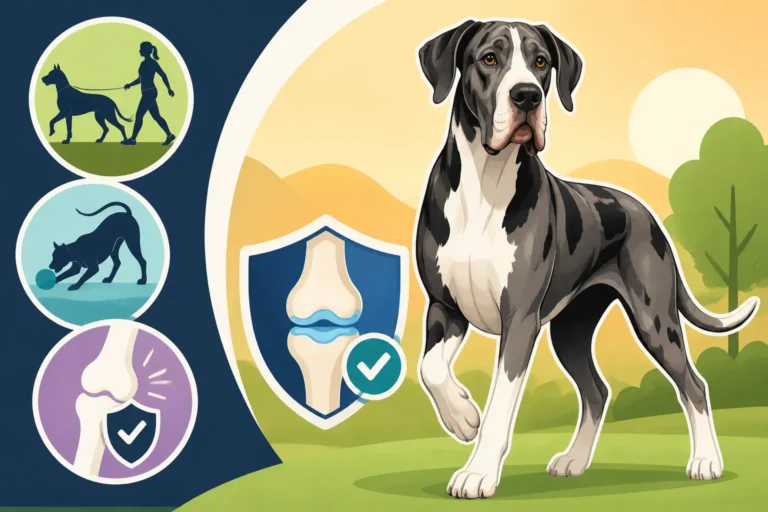
The most powerful tools in your training arsenal are consistency and patience. Every family member needs to be on the same page, using the same cues and enforcing the same rules. Inconsistency only confuses your Great Dane and makes it harder for them to learn. There will be days when you feel like you've made no progress, or even gone backward. On those days, take a deep breath, remind yourself that this is a temporary stage, and recommit to your training plan. Celebrate the small victories, and don't dwell on setbacks. Your Great Dane is trying to figure out their place in the world, and your steady, calm guidance is what they need most. This consistency also applies to their exercise routine, making sure you adhere to The Age a Great Dane Can Start Running guidelines to protect their growing joints.
Continuing Education and Mental Stimulation
Even after adolescence, a Great Dane benefits immensely from ongoing training and mental enrichment. These intelligent dogs thrive on having a "job" to do, even if that job is simply learning new tricks or solving puzzle toys. Continuing education keeps their minds sharp, reinforces your bond, and prevents boredom-induced destructive behaviors. Consider enrolling in advanced obedience classes, trying out dog sports like rally obedience (once they are physically mature), or simply introducing new games and brain teasers at home. Toys that dispense treats, available from Amazon, can be great for mental stimulation. A mentally stimulated Great Dane is often a happier, calmer, and more attentive companion. Don't forget that a dog's emotional state can also influence their listening skills, so understanding A Great Dane That Is Anxious Rather Than Gentle can provide valuable insights into their overall well-being.
Understanding Your Great Dane's Unique Personality
Every Great Dane is an individual, with their own quirks, sensitivities, and motivations. While adolescence brings common challenges, how each Dane navigates it will be slightly different. Some might be more defiant, others more anxious, and some might simply be exceptionally easily distracted. Take the time to truly observe and understand your dog's unique personality. What motivates them? What scares them? What are their preferred rewards? Tailoring your training approach to their specific needs and temperament will yield the best results. The goal isn't to suppress their spirit, but to channel their magnificent energy and intelligence into behaviors that allow them to be a well-adjusted, beloved member of your family. This personal understanding also helps you build The Cues a Great Dane Needs Before Six Months into their daily life, making them second nature by the time adolescence hits.
In conclusion, when your Great Dane seems to "stop listening" during adolescence, remember that it's a phase of growth and development, not a permanent change in their loyalty or intelligence. With understanding, consistent positive reinforcement, smart management, and perhaps a little professional help, you can guide your majestic companion through this period and emerge with an even stronger, more respectful bond that will last a lifetime. A Great Dane Adolescent That Ignores Everything is common, but it's also a phase you can work through together.
| Adolescent Great Dane Challenges | Recommended Training Strategies |
|---|---|
| Selective Hearing / Poor Recall | Return to basics, high-value rewards, long lines, distraction management. |
| Leash Pulling | Front-clip harnesses, head halters, consistent loose-leash training, short, frequent walks. |
| Regression on Learned Cues | Re-teach cues in low-distraction settings, heavy reinforcement, make it fun. |
| Impulsive Behaviors (Jumping, Counter Surfing) | Environmental management (crates, gates, empty counters), teach alternative behaviors (e.g., "place"), consistent "off" or "leave it" commands. |
| Increased Reactivity (Other dogs, people) | Desensitization and counter-conditioning, controlled exposure, professional guidance if severe. |
| Testing Boundaries / Independence | Consistent rules from all family members, clear expectations, reinforce positive choices. |
Disclaimer
This article is for general informational purposes only and does not constitute professional advice. Laws, prices and regulations vary by location and change over time. Consult a qualified professional for guidance on your specific situation.