Whether a Great Dane Can Do Agility
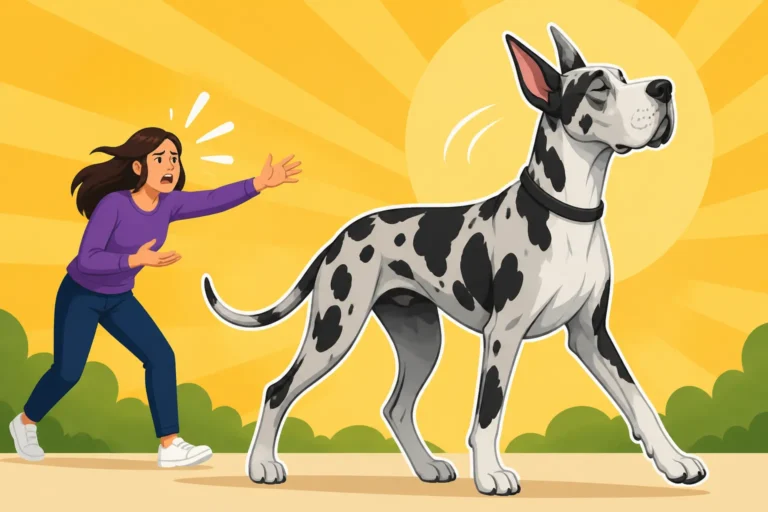
It's a common and understandable worry for Great Dane owners: our majestic, often clumsy, giants seem far too large and, let's be honest, sometimes a little bit lazy, to ever tackle something as dynamic as agility. You see those tiny Border Terriers and speedy Shelties flying over jumps and weaving through poles, and you think, "There's no way my 150-pound couch potato could ever do that." But I'm here to tell you that this perception often sells our magnificent Danes short! This guide will explore not only if a Great Dane can do agility, but how they can thrive in it, making it a wonderfully rewarding activity for both of you, with the right approach and a focus on their unique needs.
The Agility Myth: Can a Great Dane Really Do It?
The image of an agility dog is usually one of speed, tight turns, and boundless energy. It’s easy to look at a Great Dane’s imposing size and assume they’re simply not built for such an athletic pursuit. But let's peel back the layers of this common misconception. While they might not be breaking any land speed records over the course, Great Danes possess incredible grace and surprising athleticism when motivated and trained correctly.
Dispelling Misconceptions About Size and Agility
The biggest hurdle many people imagine for a Great Dane in agility is, quite literally, their size. They are often perceived as too big, too heavy, and too prone to joint issues to engage in anything that looks like high-impact sport. And yes, a young Great Dane puppy definitely shouldn't be asked to jump or weave intensely due to their developing bones and growth plates. We often talk about Exercise Limits While a Great Dane Is Still Growing and the importance of allowing their bodies to mature fully. However, once mature, their weight doesn't automatically disqualify them. Many giant breeds, including Great Danes, possess a surprising amount of coordinated movement. They might not be as quick as a Border Collie, but agility isn't solely about blazing speed. It’s about precision, communication between dog and handler, and problem-solving. A Great Dane's long stride and powerful physique can be an asset on certain obstacles, and their keen intelligence makes them excellent learners. What they lack in sheer velocity, they often make up for in thoughtful execution and a desire to please their handler.
The Importance of Proper Foundation and Training
The real secret to a Great Dane excelling in agility isn't about pushing them to be something they're not, but rather about building a solid foundation tailored to their unique physical attributes. It's not about forcing them through a course like a smaller dog, but teaching them body awareness, careful foot placement, and efficient movement. This means focusing heavily on flatwork, teaching them turns, stops, and starts in a controlled manner before introducing obstacles. Positive reinforcement training methods are crucial for a breed as sensitive and intelligent as the Great Dane; Why Physical Corrections Fail on a Great Dane is a concept that applies across all aspects of their training, especially in a sport that relies on willing cooperation. Engaging their minds with puzzles and challenges can make the physical aspects of agility feel like a game, rather than a chore. Online training programs, such as those offered by BAXTER & Bella, can provide excellent starting points for teaching foundational obedience and body awareness skills that translate beautifully into agility, even if you’re modifying the intensity. They often break down complex behaviors into manageable steps, which is perfect for working at a Dane's pace.
Modifying Agility for the Great Dane Physique
Successfully introducing a Great Dane to agility means understanding and respecting their physical limitations, particularly concerning their joints and long bodies. It’s not about doing less, but doing it smarter and with modifications. This approach ensures their safety, prevents injuries, and allows them to enjoy the sport for years.
Equipment Considerations for Giant Breeds
Standard agility equipment, designed primarily for medium-sized, fast-paced breeds, often needs significant adjustments or outright replacement for a Great Dane. Imagine your Dane trying to squeeze through a tiny tunnel or navigate a contact obstacle meant for a much lighter dog. It's just not practical, or safe!
Here’s where modifications come in:
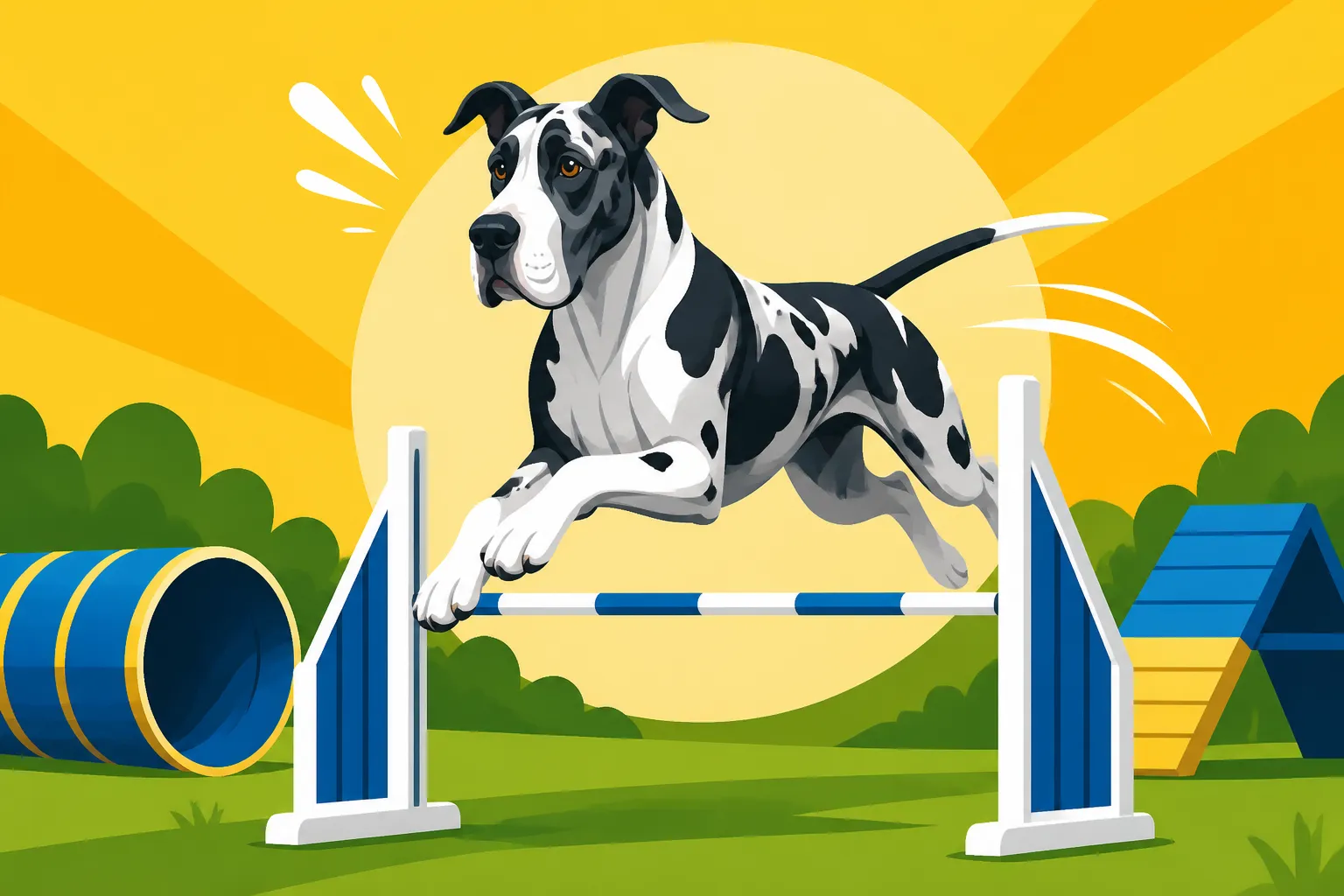
- Jumps: Jump heights must be significantly lowered, especially in the beginning, and even for competitive events, the maximum height for giant breeds is far less than for smaller dogs. You'll want sturdy, wide jump bars that are less likely to tip if nudged by a large paw.
- Tunnels: Opt for wider, longer tunnels to accommodate their broad chests and long bodies. Anything too restrictive could cause anxiety or injury.
- Contact Obstacles (A-frame, Dog Walk, Teeter-Totter): These are perhaps the most critical to modify. Look for wider walking surfaces, lower angles for the A-frame, and dog walks that are not excessively high off the ground. The teeter-totter needs to be incredibly stable and perfectly balanced to avoid startling or jarring a heavy dog. Some facilities invest in specialized "Dane-friendly" equipment, or you might find specific models on marketplaces like Amazon that are built with larger weight capacities and broader surfaces in mind. The goal is low impact and high stability.
- Weave Poles: Instead of the tight spacing used for smaller dogs, consider using wider spacing initially. This allows your Dane to learn the footwork without twisting their long body into awkward positions. Speed can come later, but precision and safety are paramount.
The table below highlights some key differences in equipment adaptation for Great Danes.
| Agility Element | Standard Adaptation for Great Danes | Why It Matters for Danes |
|---|---|---|
| Jump Height | Significantly lower, often half or less of standard small/medium dog heights. | Protects developing and mature joints from high-impact landings. |
| Tunnel Diameter | Wider (e.g., 26-30 inches vs. standard 24 inches). | Prevents claustrophobia and allows comfortable passage for large chests, reducing scraping or snagging. |
| Contact Angles | Shallower angles for A-frames and dog walks. | Reduces stress on shoulders, elbows, and hips during ascent and descent, minimizing impact. |
| Weave Pole Spacing | Wider spacing (e.g., 24-30 inches vs. standard 20-22 inches). | Accommodates their long bodies and stride, allowing them to learn the motion without excessive twisting or strain on their spine. |
| Teeter-Totter | Extra robust construction, smoother pivot action. | Ensures stability and minimizes jarring impact, preventing fear and potential injury from unstable equipment. |
Training Approaches: Prioritizing Safety and Joint Health
Beyond equipment, the actual training methodology must be fundamentally geared towards preserving your Great Dane's long-term health. Great Dane Hips, Elbows and Growing Joints are a serious consideration, and any activity, especially agility, needs to be approached with this in mind.
- Low-Impact Focus: Avoid excessive repetition of high-impact obstacles like jumps. Focus more on tunnels, broad jumps (which are lower to the ground), and weave poles once mastered safely. Many Great Dane owners find great success in "Gamblers" or "Standard" courses where clever handling and precise execution are rewarded over raw speed, allowing the dog to move at its own pace.
- Gradual Progression: You can't rush a Dane. Introduce new obstacles and concepts slowly, building confidence and muscle memory. Short training sessions are better than long, exhausting ones. Pay close attention to their body language. A Great Dane may try to please you even when they are tired or uncomfortable.
- Warm-up and Cool-down: Just like human athletes, Great Danes need proper warm-ups before training to prepare their muscles and cool-downs afterward to prevent stiffness and aid recovery. A brisk walk followed by some gentle stretching can make a big difference.
- Listen to Your Dog (and Your Vet): If your Dane shows any signs of discomfort, lameness, or reluctance, stop immediately. A veterinarian knowledgeable about giant breeds can offer invaluable advice on appropriate exercise levels and joint health supplements. Regular check-ups are essential, especially as they get older, to monitor for conditions like Arthritis in a Six-Year-Old Great Dane or other age-related changes that might affect their ability to participate. Always check with your vet before starting any new strenuous activity.
- Weight Management: Keeping your Great Dane at a healthy, lean weight is critical for joint health, regardless of whether they do agility or not. For an active agility dog, it's even more crucial. Every extra pound puts additional strain on their joints. Keeping a Great Dane Lean for Its Joints is an ongoing commitment that pays huge dividends in their comfort and mobility.
The Benefits Beyond the Ribbons
While competing and winning ribbons might be the public face of agility, for Great Dane owners, the true rewards run much deeper. Agility offers a unique blend of physical and mental stimulation that can profoundly enrich your Dane's life and strengthen your bond in ways you might not expect.
Mental Stimulation and Strengthening the Bond
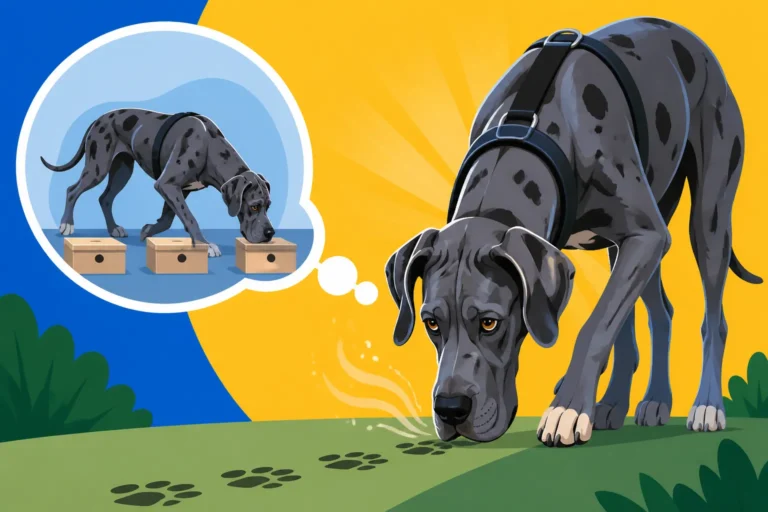
Great Danes are intelligent dogs, often far more so than their "gentle giant" demeanor might suggest. They crave purpose and mental engagement, and agility provides this in spades. Each new obstacle, each course sequence, presents a puzzle for them to solve alongside you. This constant mental workout is incredibly fulfilling for a Dane and can prevent boredom-related behaviors at home. Think about it: instead of getting into mischief because they're under-stimulated, they're channeling that brain power into learning. This shared problem-solving builds an incredible foundation of trust and communication. You become a team, learning to anticipate each other's movements and cues. That connection, that feeling of working in harmony, is perhaps the most valuable ribbon of all. It also fosters a strong sense of confidence in your Dane, knowing they can navigate challenges and succeed. This confidence can spill over into other areas of their life, making them more adaptable and less anxious in new situations. Building Confidence in a Nervous Great Dane is a significant benefit of structured activities like agility.
Physical Conditioning and Preventing Issues
When approached with careful consideration for their size and joint health, agility can be an excellent form of physical conditioning for a Great Dane. It promotes muscle development, enhances flexibility, and improves overall coordination. Unlike purely repetitive exercise, agility courses involve varied movements – running, stopping, turning, jumping (low), and balancing – which engage different muscle groups. This controlled, purposeful movement can contribute to better joint stability by strengthening the surrounding muscles, potentially helping to mitigate issues later in life. We've talked before about Wearing Out a Great Dane Without Wrecking Its Joints, and agility, when done thoughtfully, fits perfectly into this philosophy. It's not about pounding the pavement for miles, which can be hard on their growing bodies, but about targeted, engaging movement. Strong core muscles developed through agility can also provide better support for their long spines. For older Great Danes, modified, very low-impact agility can still offer gentle exercise and mental engagement, helping to keep their minds and bodies active. It's a way to maintain mobility and quality of life as they age, provided the activities are always tailored to their current physical condition.
Getting Started: Finding the Right Program and Gear
You're excited, you're ready to explore agility with your Great Dane – that's fantastic! But where do you actually begin? Navigating the world of dog sports can feel a bit overwhelming at first, especially when you have a giant breed whose needs might differ from the norm.
Researching Trainers and Facilities
Finding the right trainer and facility is absolutely paramount for a Great Dane in agility. You can't just walk into any class and expect it to be a good fit.
- Experience with Giant Breeds: Look for instructors who have experience teaching giant breeds or, at the very least, are open-minded and willing to adapt their teaching methods and equipment. A good instructor will understand the importance of going slow, emphasizing safety, and modifying obstacles. Don't be afraid to ask about their experience.
- Facility Assessment: Visit the facility. Is the space adequate for a Great Dane to run and maneuver safely? Are the floors non-slip? Do they have any adjustable or oversized equipment? A grass or rubberized surface is much kinder on joints than concrete or asphalt.
- Class Structure and Pace: Inquire about class sizes and the pace of the lessons. A smaller class might offer more individualized attention, which is beneficial. You want a program that prioritizes correct technique and safety over speed, especially in the initial stages.
- Online Resources and Workshops: If local options are limited, many excellent online platforms and virtual workshops can teach you the foundational skills at home. Programs like BAXTER & Bella offer comprehensive online courses for basic obedience and handling that are excellent prerequisites for agility. You can practice in your yard, teaching your Dane to go over low hurdles you create or through makeshift tunnels, before investing in full-sized equipment or classes. This allows you to work at your Dane's own pace and build their confidence without the pressure of a group setting.
Essential Gear for Your Great Dane Agility Journey
Before you hit the agility field (or even your backyard), you'll want to gather a few key pieces of gear to ensure comfort, safety, and effective training for your Great Dane.
- Harness: A well-fitting, comfortable harness is crucial. It provides better control than a collar, distributing pressure evenly across their chest rather than their neck, which is especially important for their long necks and potential for cervical issues. Look for a harness designed for large breeds that allows full range of shoulder motion and doesn't rub. Harnesses and Collars That Control a Great Dane are a worthy investment.
- Leash: A sturdy, comfortable leash is essential for guiding your Dane between obstacles and ensuring safety in busy environments. A longer training leash can also be useful for practicing distance work.
- High-Value Treats: Motivation is key! Great Danes respond wonderfully to positive reinforcement, and that means delicious, high-value treats that capture their attention. You'll need plenty, so consider bulk options.
- Portable Water Bowl and Water: Hydration is vital, especially during physical activity. Always have fresh water available.
- Appropriate Footwear for You: You'll be doing a lot of running, turning, and probably getting a little messy. Wear comfortable, supportive athletic shoes!
- Home Practice Equipment: For home practice, you don't need fancy, expensive equipment right away. You can make simple low jumps from PVC pipe or even pool noodles. Large cardboard boxes can serve as makeshift tunnels for introduction. Online retailers like Amazon offer a range of affordable, introductory agility equipment that can be great for building confidence in your yard before committing to a full class. Just make sure anything you buy is stable and appropriately sized for your Great Dane. Remember, the goal is to introduce the concepts safely and positively, not to create a full competition course in your living room.
Agility with a Great Dane might require a bit more thought, modification, and patience than with a smaller, more traditional agility breed, but the rewards are immense. It's a journey of discovery, teamwork, and joy that can bring out the best in both you and your gentle giant.
Disclaimer
This article is for general informational purposes only and does not constitute professional advice. Laws, prices and regulations vary by location and change over time. Consult a qualified professional for guidance on your specific situation.