Whether a Great Dane Would Protect a Child
It's a question many parents ponder when considering bringing a majestic Great Dane into their home: will this gentle giant, known for its affectionate nature, also step up and protect my child if the need arises? The image of a loyal family guardian is powerful, but it's crucial to understand the nuances of a Great Dane's protective instincts, how they manifest, and what parents can realistically expect. This guide will explore the protective side of Great Danes, shedding light on their natural temperament and how to cultivate a safe and harmonious environment for both your dog and your children.
Understanding the Great Dane Temperament
When people first encounter a Great Dane, their sheer size often triggers an immediate impression of power and potential intimidation. However, those who know the breed understand that the Great Dane is more commonly referred to as the "Apollo of Dogs" or a "gentle giant" for a reason. Their temperament is generally characterized by friendliness, patience, and a deep devotion to their human families. But what does "gentle" truly mean when it comes to protection?
The Gentle Giant Myth vs. Reality
While the moniker "gentle giant" holds a lot of truth, it's not an invitation to forget that a Great Dane is, at its core, a very large and powerful animal. They possess an incredible physical presence that can certainly deter many potential threats. Most Great Danes are indeed calm, affectionate, and surprisingly sensitive, often preferring to lean into you for a cuddle rather than stand guard. They thrive on companionship and being an integral part of the family unit, and it's this strong bond that often forms the foundation of any protective behavior they might display.
However, the "gentle" aspect doesn't mean they lack instincts or the capacity for assertive behavior. They can be incredibly playful, sometimes clumsily so due to their size, and their sheer weight means that even an accidental bump can be significant. It's essential to remember that even the gentlest dog can react if startled, fearful, or if they perceive a genuine threat. Understanding The Gentle Great Dane Temperament and Its Limits is key to appreciating their nature.
Bred for Companionship, Not Guarding
Unlike some breeds specifically developed for guarding livestock or property, the Great Dane's historical role evolved from being a formidable boar hunter to a loyal companion. Early Danes were prized for their courage and strength in the hunt, but over time, their role shifted to that of a noble companion dog. This background means they aren't inherently wired with the same intense territorial instincts or suspicion of strangers as breeds like German Shepherds or Rottweilers. Their protective actions are usually rooted in their strong bond with their family rather than a specific guarding drive.
They aren't typically "attack dogs." Instead, their protective behaviors are more often seen as a response to perceived threats against their loved ones, which can manifest as barking, growling, or physically placing themselves between the family member and the perceived danger. They are more likely to alarm you to an issue than to proactively engage in aggressive defense, unless truly pushed.
The Difference Between Protection and Aggression
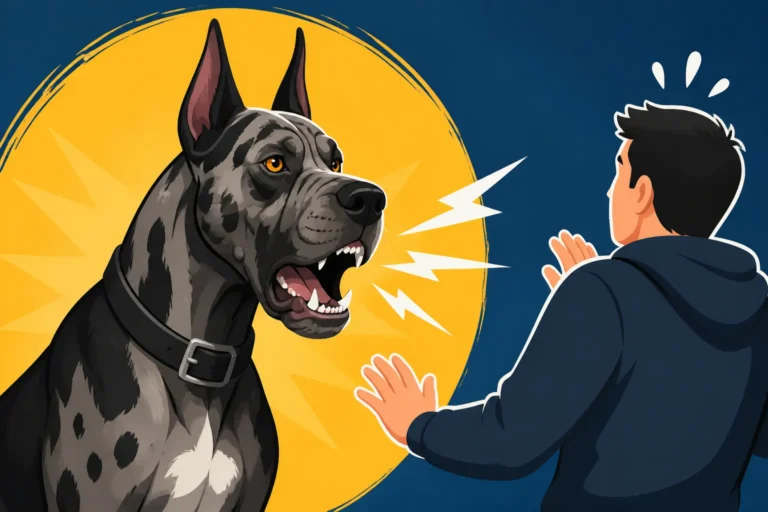
It's absolutely vital to distinguish between a natural, appropriate protective instinct and undesirable, unprovoked aggression. A protective Great Dane might bark at a stranger approaching your property, or stand close to your child if a new person enters their space. This is often a display of vigilance and concern, and it's usually clear and controlled.
True aggression, on the other hand, is a serious behavioral issue that can involve snapping, biting, or lunging without clear provocation. This is not a characteristic of a well-adjusted Great Dane and should never be encouraged or mistaken for protection. A Great Dane that displays unprovoked aggression is a danger, not a protector. Any signs of genuine aggression, especially towards children or other animals, demand immediate professional intervention from a certified dog trainer or veterinary behaviorist. Your goal is a dog that is confident and calm, not one that is anxious or prone to aggressive outbursts.
Instinctual Protective Behaviors in Great Danes
While Great Danes weren't bred as traditional guard dogs, their deep loyalty and imposing presence mean they often develop protective tendencies towards their families, especially children. These behaviors are generally instinctual and stem from their strong bond with their human "pack."
The Innate Sense of Family
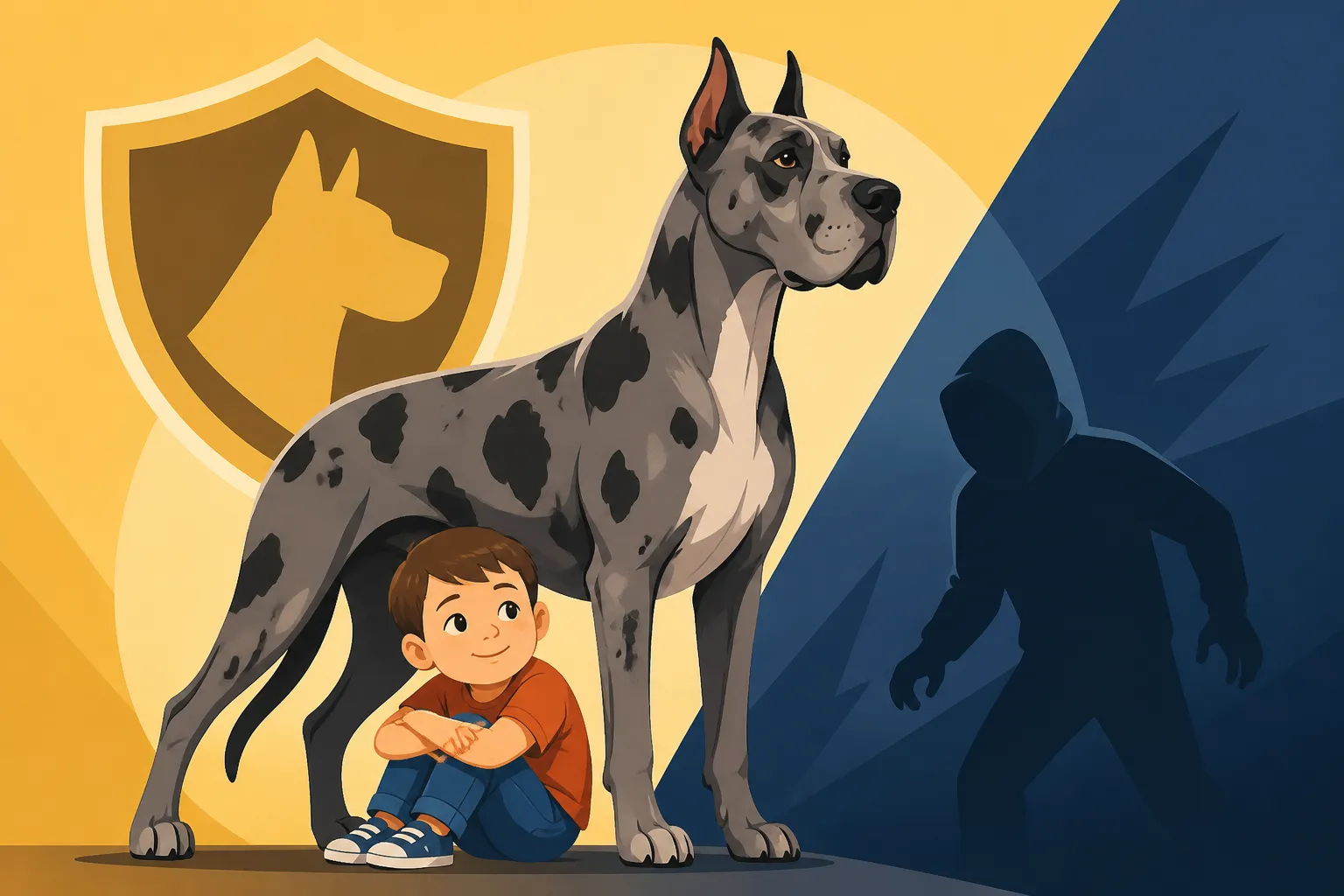
Great Danes form incredibly strong attachments to their families. They thrive on being involved in daily life and consider themselves full-fledged members of the household. This deep connection means that they often develop a natural inclination to watch over their loved ones. If they perceive a threat to any family member, particularly a child they view as part of their vulnerable pack, their protective instincts can kick in. This might look like a Great Dane planting itself between a stranger and a child, or simply moving closer to the child when an unknown person approaches.
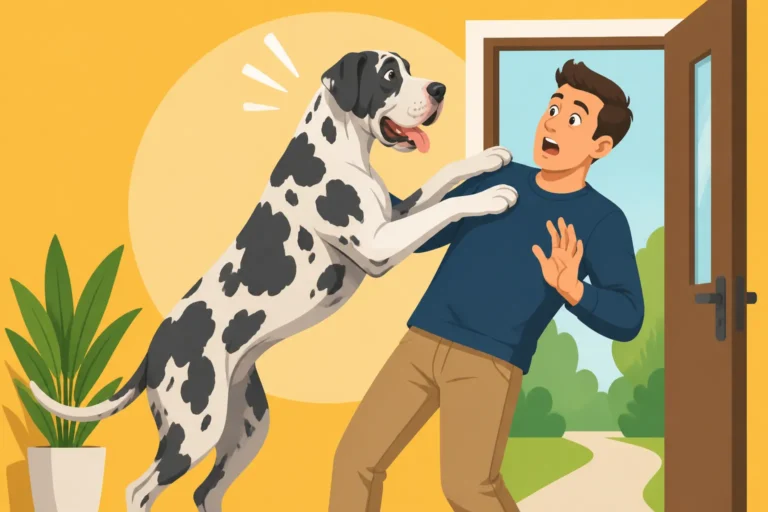
For example, imagine a scenario where a delivery person approaches your front door. A Great Dane, even one known for being quiet, might suddenly let out a deep, booming bark, placing itself between the door and your child playing in the living room. This isn't necessarily aggression towards the delivery person, but rather a warning: "Hey, someone's here, and I'm aware of it. I'm here to protect my family." This vocal alert is often their primary mode of "protection," signaling to both you and the potential threat that they are present and vigilant. Learning to recognize A Great Dane That Barks at the Door is part of understanding their communication.
Body Language of a Concerned Dane
A Great Dane's protective instincts aren't always expressed through barking. Their body language can convey a lot about their state of mind when they feel a need to protect. These can be subtle cues or more overt displays:
- Heightened Alertness: Their ears might perk up, their gaze becomes fixed, and their body might stiffen slightly, indicating they are keenly observing a situation.
- Positioning: They might subtly place themselves between a child and a perceived threat, almost as if creating a physical barrier. This could be standing, lying, or even leaning against the child.
- Low Growl or Rumbling: A low, guttural growl that doesn't escalate might signal their unease or a warning without an immediate intent to attack. This is a "stay away" signal.
- Standing Tall and Erect: They might purposefully stand at their full height, making themselves look even larger and more formidable, using their size to intimidate.
- Hair Raised: Piloerection, or the raising of the hair along their spine, is a clear sign of arousal, which could be fear, aggression, or a protective stance.
Understanding these signals is crucial for owners to interpret their dog's intentions and manage the situation appropriately. You want to acknowledge their vigilance without encouraging unnecessary reactivity.
Size as an Intimidation Factor
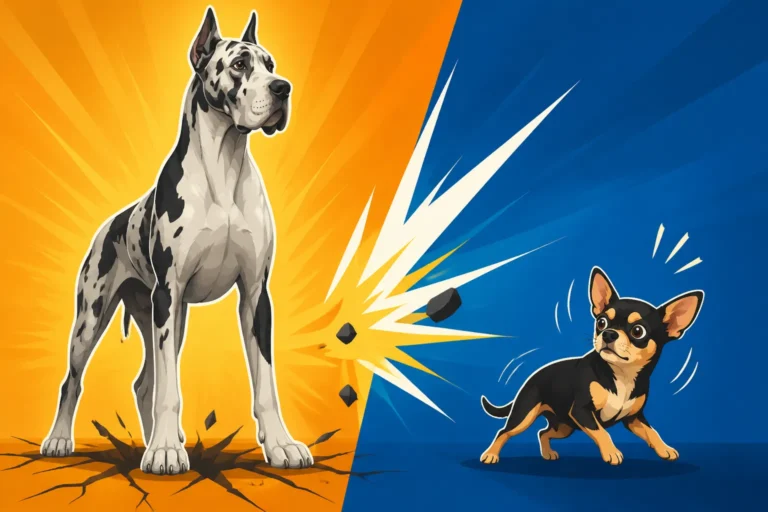
Perhaps the most significant "protective" quality of a Great Dane, especially concerning children, is their sheer size. A full-grown Great Dane can stand over 30 inches tall at the shoulder and weigh well over 100 pounds. This imposing stature alone is often enough to deter most people with ill intentions. Just the sight of such a massive dog, even if it's the friendliest creature on earth, can make someone think twice about approaching your home or family without an invitation.
This natural deterrent means that many Great Danes don't need to be aggressive to protect. Their presence alone serves as a strong deterrent. Children, too, often feel a sense of security simply by having such a large, loyal companion by their side. It's a silent form of protection that comes with owning one of these magnificent dogs.
Fostering a Protective Yet Safe Environment
The key to a well-adjusted Great Dane who is protective in an appropriate way, rather than anxious or aggressive, lies in responsible ownership. This includes comprehensive training, early socialization, and consistent boundaries for everyone in the home.
Early Socialization and Training are Paramount
A Great Dane's potential to be a protective family member that is also safe and reliable around children starts from puppyhood. Early and thorough socialization is absolutely critical. This means exposing your Great Dane puppy to a wide variety of people, sounds, environments, and other animals in a positive and controlled manner. The more positive experiences they have with new things, the less likely they are to be fearful or overly reactive as adults. Socializing a Great Dane Puppy Early sets the foundation for a confident, stable dog.
Coupled with socialization, consistent obedience training is non-negotiable for a Great Dane. A large dog that isn't well-trained can accidentally injure someone, regardless of intention. Commands like "sit," "stay," "come," and "leave it" are not just polite manners; they are safety commands. A solid "recall" (coming when called) is vital for controlling your Dane in novel situations. Consider online puppy training programs, like those offered by BAXTER & Bella, which can guide you through the crucial early stages of development and help you establish a strong foundation of communication and control. The Manners a Great Dane Needs Before It Grows cannot be overstated.
Setting Boundaries for Both Dog and Child
For a Great Dane to be a safe and appropriately protective presence around children, clear boundaries must be established for both the dog and the kids.
For the Dog:
- Designated Space: Provide your Great Dane with its own comfortable, quiet space where it can retreat when it needs a break, especially from boisterous children. A large crate or a dedicated dog bed in a low-traffic area works well. You can find robust crates and baby gates, designed to stand up to a large dog, on platforms like Amazon.
- No Free Access to Child's Space: Until you are absolutely confident in your dog's behavior and the child's understanding, never allow the dog unsupervised access to a child's bedroom or play area. Gates can be incredibly helpful for managing these boundaries.
- Respect for Resources: Train your Great Dane to calmly allow you to approach its food, toys, and bed. Resource guarding can escalate quickly and is dangerous around children.
For the Children:
- Gentle Interaction: Teach children how to interact respectfully with the dog. No pulling ears or tails, no riding the dog, and no disturbing them when they are eating or sleeping. Teaching Children to Move Around a Great Dane gracefully and safely is vital.
- "Dog's Choice" Principle: Teach children that if the dog walks away, they should let it go. The dog has the right to choose when it wants to interact.
- Supervision is Key: This is the golden rule: never leave a Great Dane, or any dog, unsupervised with young children. Accidents can happen in an instant, even with the most well-behaved dog.
Recognizing and Managing Triggers
Understanding what might trigger your Great Dane's protective instincts is crucial for effective management. Common triggers can include:
- Strangers at the Door: As mentioned, the arrival of new people can often elicit barking or a watchful stance.
- Loud Noises: Sudden loud noises, whether inside or outside, might make your Dane jumpy or protective, especially if it's near a child.
- Perceived Threats to Resources: If a child approaches the dog's food bowl while it's eating, the dog might perceive this as a threat to its resources, potentially leading to a snap, even if unintentional.
- Sudden Movements: Fast, unexpected movements from a child can startle a resting Dane.
By recognizing these potential triggers, you can either proactively manage the environment (e.g., put the dog in its crate when the doorbell rings, ensure the child doesn't approach the food bowl) or work with a trainer to desensitize your dog to these situations in a positive way. The goal is to build a confident dog that trusts you to handle perceived threats, rather than feeling the need to take matters into its own paws.
When Protection Becomes a Problem
While a certain degree of protective instinct is natural and even desirable in a family dog, there's a fine line between appropriate vigilance and problematic behavior. When protective instincts become excessive, fear-based, or lead to aggression, it's a serious concern that requires immediate attention.
Over-Protectiveness and Fear-Based Reactivity
Sometimes, a Great Dane's protective tendencies can cross into over-protectiveness. This might manifest as:
- Excessive Barking or Lunging: Barking or lunging at every person or dog encountered on a walk, even from a distance.
- Guarding Family Members: The dog might prevent others (including other family members or guests) from approaching a specific child or adult, growling or snapping if they get too close.
- Fear-Based Aggression: If a Great Dane is inherently anxious or insecure, its protective behaviors might stem from fear rather than confidence. A fearful dog is unpredictable and can resort to aggression if it feels cornered or threatened. A Great Dane That Is Anxious Rather Than Gentle will behave very differently from a confident one.
These behaviors are not healthy and indicate an underlying issue that needs to be addressed for the safety and well-being of everyone involved.
The Importance of Professional Guidance
If you observe any signs of over-protectiveness, fear-based reactivity, or outright aggression in your Great Dane, it is absolutely essential to seek professional help. Do not try to "fix" these issues yourself, especially with a dog of this size and power. Attempting to punish or intimidate a fearful or aggressive dog can make the problem significantly worse and increase the risk of injury.
A certified professional dog trainer or a veterinary behaviorist has the expertise to assess the root cause of the behavior, develop a safe and effective modification plan, and guide you through the process. They can teach you how to properly manage the environment, implement behavior modification techniques, and sometimes recommend medication in severe cases of anxiety. Finding a Trainer Comfortable With a Great Dane is a crucial step.
Safety First: Preventing Incidents
Ultimately, your Great Dane's capacity to "protect" a child is less about a trained defense mechanism and more about their inherent loyalty, combined with your responsible management and training. The most important protective measure you can take as an owner is to ensure a safe environment for both your dog and your children.
| Characteristic | Great Dane (Typical) | Traditional Guard Dog (e.g., German Shepherd) |
|---|---|---|
| Primary Protective Instinct | Loyalty to family, general vigilance | Strong territoriality, suspicion of strangers |
| Historical Role | Boar hunter, then companion | Livestock guardian, personal protection, police/military |
| Reaction to Strangers | Often wary, may bark, but typically not overtly aggressive | Highly suspicious, may be confrontational or aloof |
| Approach to Threat | More likely to bark, stand between, or deter by size | More likely to engage, confront, or physically intervene |
| Key to Reliability | Extensive socialization, positive reinforcement training | Strict discipline, clear hierarchy, specific protection training |
| Danger if Untrained | Accidental injury due to size, fear-based reactivity | Intentional aggression, territorial disputes |
Always supervise interactions between your Great Dane and children, especially young ones. Teach your children how to respect the dog's space and body, and provide your dog with appropriate training and a secure environment. A well-adjusted Great Dane provides a sense of security and companionship that is truly unmatched, and that, in itself, is a profound form of protection for your family.
Disclaimer
This article is for general informational purposes only and does not constitute professional advice. Laws, prices and regulations vary by location and change over time. Consult a qualified professional for guidance on your specific situation.