Quieting a Great Dane Bark That Carries
Oh, the magnificent, booming bark of a Great Dane! It's one of those things that, while impressive and certainly effective at alerting you to, well, anything, can also become a bit much. If you've ever had your Great Dane let loose a few "woofs" that shake the windows and make your neighbors wonder if a grizzly bear has moved in next door, you know the struggle. This guide is all about understanding why your gentle giant might be so vocal and, more importantly, what realistic steps you can take to bring some much-needed peace and quiet back into your home.
Understanding Why Your Great Dane Barks So Much
It's easy to get frustrated when your Great Dane's barks echo through the house, but before we can even begin to address the noise, we need to understand why they're doing it. Great Danes, despite their imposing size, are often quite sensitive souls, and their barking isn't usually random. It's a form of communication, and decoding it is the first step toward a quieter household.
The Deep-Chested Resonance of a Great Dane Bark
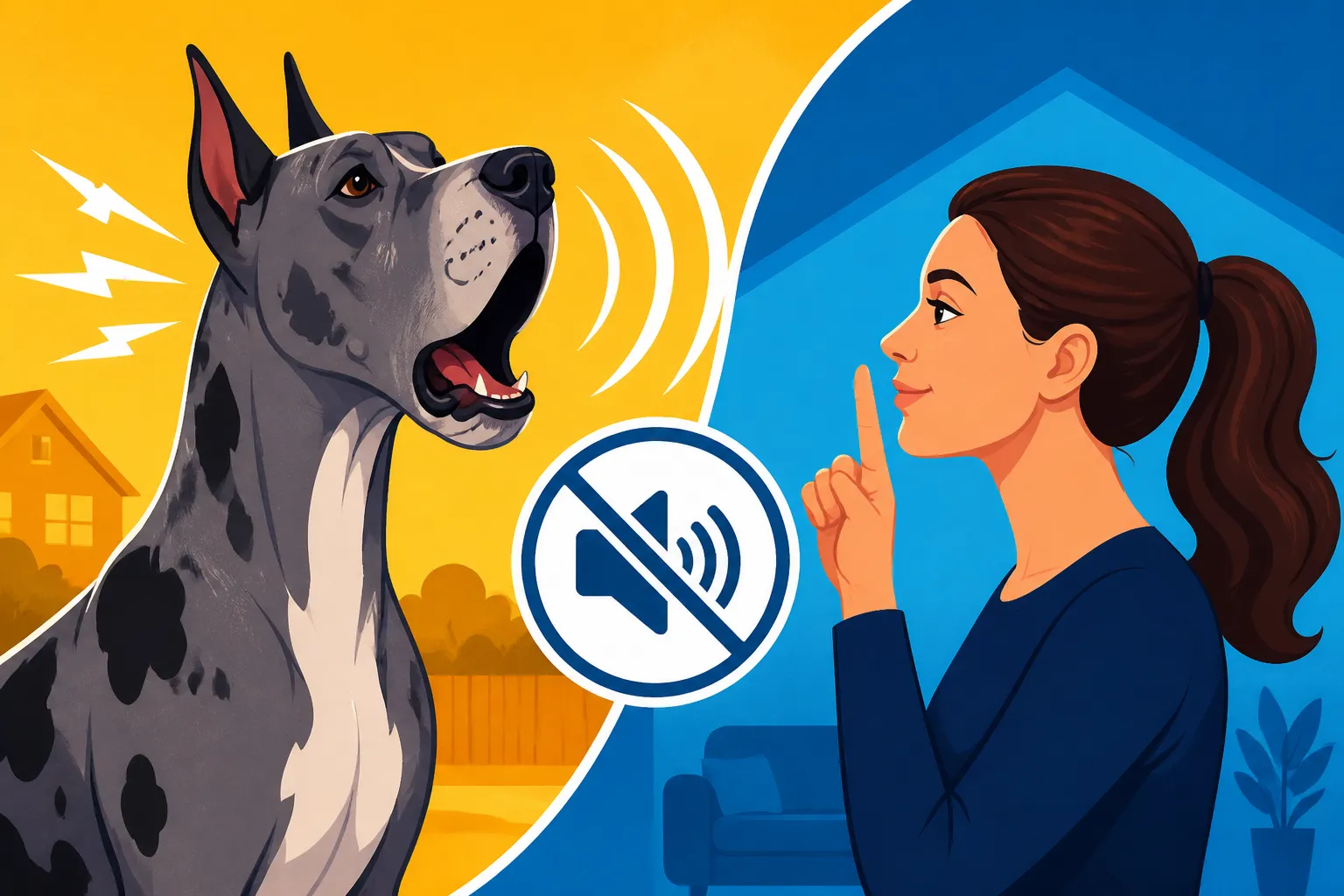
Let's be real: a Great Dane doesn't just "yap." Their barks come from deep within their massive chests, and they carry. Oh, do they carry! This isn't a Chihuahua's sharp, piercing squeak; this is a full-bodied, resonant sound that vibrates through walls and floors. This inherent volume means that even a "normal" amount of barking for a smaller dog can feel overwhelming with a Dane. It's not necessarily that they bark more than other dogs, but rather that each bark is simply more. This deep resonance also means that when they do bark, it can feel more urgent or alarming, whether they're announcing the mailman or simply heard a leaf fall. Understanding this physical reality helps manage expectations – we might not eliminate barking entirely, but we can certainly reduce its frequency.
Common Triggers for Excessive Barking
Great Danes, like all dogs, bark for a variety of reasons, and identifying the trigger is paramount. Is it the doorbell? The mail carrier? Squirrels in the yard? Other dogs walking by? Boredom? Loneliness? Each of these scenarios requires a different approach. For instance, a Dane barking at a squirrel out the window is often driven by prey drive and visual stimulation, whereas a Dane barking when left alone might be experiencing separation anxiety. You might notice they bark most furiously when a stranger approaches the door, acting as a natural, if loud, deterrent. Or perhaps they have learned that barking gets your attention, which means every little want or need is now communicated at full volume. Sometimes, it's just plain old excitement—a sudden burst of energy or joy when a family member returns home can trigger a flurry of enthusiastic, albeit ear-splitting, barks.
When Barking Becomes a Habit, Not a Signal
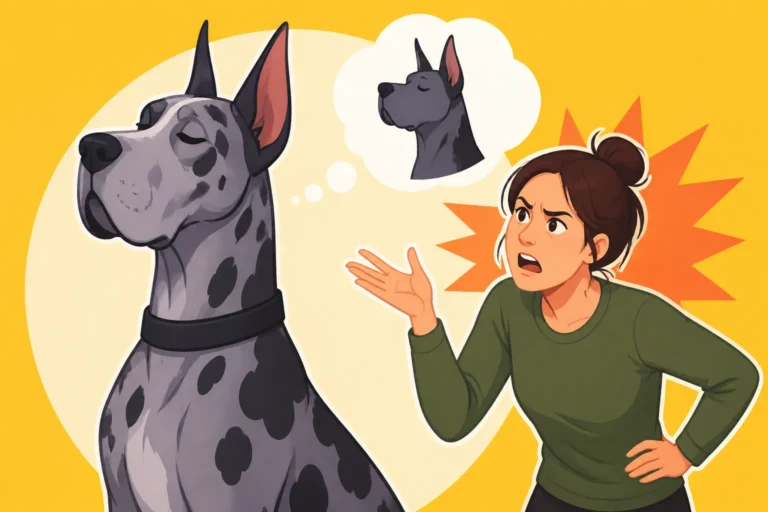
Here's where it gets tricky: sometimes, a bark isn't really communicating a specific need or alarm; it's just a habit. Perhaps they learned that barking at every little sound outside meant you'd come over and investigate, inadvertently rewarding the barking with your attention. Or maybe they're just bored and have discovered that barking is an excellent way to pass the time and maybe even get a reaction from you or someone else in the house. This kind of habitual barking can be the hardest to break because it's deeply ingrained. It's no longer about a specific trigger, but a default behavior. This is particularly common in Danes who don't get enough mental stimulation or consistent training. They might stand at the window and bark at anything and everything, not because they're genuinely alarmed, but because it's just "what they do."
Practical Strategies for Managing the Barking Volume
Once you've got a handle on why your Great Dane is barking, it's time to put some practical strategies into action. This isn't about silencing your dog completely – that's unrealistic and often undesirable – but about teaching them when and how much to bark.
Consistent Training and Reinforcement
The foundation of a quieter Great Dane lies in consistent training. This means everyone in the household needs to be on the same page. Start with teaching a "Quiet" command. When your Dane barks, let them get a bark or two out (especially if it's a legitimate alert), then approach them calmly, place a treat near their nose to get their attention, and say "Quiet." As soon as they stop barking to sniff the treat, reward them heavily. Over time, you'll pair the command with the cessation of barking. This teaches them that not barking is what earns the good stuff.
It's equally important to teach an "alert" bark versus excessive barking. You want your Dane to tell you if there's a stranger at the door, but not to carry on for five minutes afterward. Use the "Quiet" command after a couple of barks. Another key is consistency in ignoring attention-seeking barks. If your Dane barks at you for food, attention, or to go outside, do not respond until they are quiet. Turn your back, walk away, or simply ignore them completely. The instant they are quiet, even for a second, reward them. This teaches them that silence, not noise, gets results. Training resources like BAXTER & Bella offer online courses that can provide structured guidance for these types of behavioral challenges, which can be a lifesaver when you're feeling overwhelmed. Consistency is the magic word here; every family member must follow the same rules, or your smart Dane will quickly figure out who the "soft touch" is.
Environmental Management to Reduce Triggers
Sometimes, the simplest solution is to remove or reduce the barking trigger. If your Dane barks at everything outside the front window, consider putting up privacy film or curtains during certain times of the day. If they react to noises from the hallway in an apartment building, play some calming music or a white noise machine to muffle the sounds. For Danes who bark intensely at squirrels or rabbits in the yard, supervise them closely and redirect their attention with a toy or command when you see them focusing on a potential trigger.
Consider the layout of your home and your dog's access. Is there a particular window that causes endless barking? Block it off or prevent access to that room when you can't actively supervise. If the trigger is external sounds, creating a "safe zone" in a quiet part of the house can help. This might be a cozy crate in a less trafficked area or a room where outside noises are minimized. Sometimes, just changing their routine can help; for example, if the mail carrier always triggers a barking fit, try to schedule a short walk or a training session for that specific time, distracting your Dane before the trigger even arrives.
Specialized Tools and Aids
While training is primary, certain tools can be helpful as supplementary aids, especially for those stubborn barking habits. Puzzle toys or long-lasting chews (like those found on Amazon) can keep a bored Dane mentally engaged and quiet for extended periods. Calming diffusers or sprays might help anxious barkers, creating a more relaxed environment. For specific situations, such as when you absolutely need silence for a short period, devices like citronella collars, which emit a harmless spray when a dog barks, can be considered, but only under the guidance of a professional trainer. These should never be used as a primary solution but rather as a temporary interruptor to break a barking cycle, always paired with positive reinforcement for quiet behavior.
Remember, tools are just that—tools. They should support your training efforts, not replace them. A front-clip harness can also help with leash reactivity if your Great Dane barks at other dogs on walks by giving you better control and making redirection easier, as detailed in Harnesses and Collars That Control a Great Dane.
| Barking Trigger | Common Cause | Suggested Strategy |
|---|---|---|
| Doorbell/Knocks | Alarm, territoriality | "Quiet" command, desensitization, management (e.g., leash at door) |
| Mail Carrier/Delivery | Intruder alert, territoriality | Window coverings, "Quiet" command, distraction during delivery time |
| Other Dogs on Walks | Frustration, excitement, fear | Redirection, positive reinforcement, head halters/front-clip harnesses, distance |
| Animals in Yard (Squirrels) | Prey drive, excitement | Supervised outdoor time, strong "Leave It" command, indoor enrichment |
| Boredom/Attention-Seeking | Lack of stimulation, learned behavior | Increased exercise/mental enrichment, ignore attention barks, reward quiet |
| Separation Anxiety | Distress, fear | Build up alone time gradually, calming aids, professional help, A Great Dane That Panics When Left |
| Loud Noises (Thunder, Sirens) | Fear, anxiety, startle | Desensitization, safe space, calming aids, counter-conditioning |
Addressing Underlying Issues and Seeking Professional Help
Sometimes, excessive barking isn't just a bad habit; it's a symptom of something deeper. Ignoring these underlying issues can make training ineffective and even worsen your Dane's distress.
Ruling Out Medical Causes
First things first: consult your vet. Just like people, dogs can bark more due to physical discomfort or pain. An undiagnosed ear infection, dental pain, arthritis, or even a thyroid imbalance could make your Great Dane more irritable, anxious, or prone to vocalizing. It's rare, but sometimes neurological issues can also manifest as changes in behavior, including increased barking. A thorough veterinary check-up, including blood work if deemed necessary, can rule out any physiological reasons for the change in your Dane's barking patterns. If your Great Dane is suddenly barking more than usual, especially if accompanied by other changes like lethargy or loss of appetite, a vet visit is absolutely crucial. Understanding The Thyroid Test a Slow Great Dane Needs can be part of this process if other symptoms align.
When Anxiety Fuels the Barking
Great Danes, despite their imposing appearance, can be prone to anxiety. Separation anxiety, fear of specific noises (like thunderstorms or fireworks), or general nervousness can all manifest as excessive barking. A Dane with separation anxiety might bark incessantly when left alone, often accompanied by destructive chewing or house-soiling. Fearful Danes might bark at anything new or unexpected, trying to make the scary thing go away.
Addressing anxiety requires a multi-faceted approach. This often involves working to build your dog's confidence, creating a safe and predictable environment, and potentially using calming aids or even medication prescribed by your vet. Desensitization and counter-conditioning techniques are key here – gradually exposing your Dane to the trigger in a positive way. For instance, if they fear thunderstorms, you might play recordings of distant thunder at a very low volume while giving them high-value treats, slowly increasing the volume over many sessions. For Danes struggling with being left alone, building up their alone time slowly and positively is vital, as discussed in Building Up a Great Dane's Alone Time.
Consulting a Professional Trainer or Behaviorist
If you're feeling overwhelmed, or if your Great Dane's barking is severe, disruptive, or accompanied by other concerning behaviors, please don't hesitate to reach out to a certified professional dog trainer or a veterinary behaviorist. These experts can assess your specific situation, identify the root cause of the barking, and develop a tailored training plan. They can teach you techniques for behavior modification and help you implement them effectively. A Great Dane, due to its sheer size and strength, requires an experienced hand, and sometimes an outside perspective is exactly what's needed. Finding a trainer comfortable with handling a massive breed is crucial, as noted in Finding a Trainer Comfortable With a Great Dane. They can also guide you on the appropriate use of any training tools or aids, ensuring they are used humanely and effectively.
Living Peacefully with Your Vocally Expressive Dane
Bringing down the volume isn't just about stopping barking; it's also about fostering a harmonious relationship with your large, loving companion.
Teaching an "Quiet" Command
The "Quiet" command is your best friend. As mentioned earlier, this isn't about forbidding barking altogether but teaching control. Start by deliberately setting up a situation where you know your Great Dane will bark. This could be having someone ring the doorbell (a known trigger) or even just making a startling noise. Let them bark 1-2 times, then present a high-value treat right to their nose. As they sniff for the treat and pause their barking, say "Quiet" and immediately give the treat. Repeat this many, many times in various scenarios. The goal is for them to associate the word "Quiet" with the cessation of barking and a rewarding outcome. Don't shout "Quiet!" over their barking; that just adds to the noise. Instead, wait for a momentary lull, even a breath, to deliver the command and reward. This takes patience and repetition, but it truly pays off.
Enriching Their Environment to Prevent Boredom Barks
A bored Great Dane is a noisy Great Dane. These intelligent dogs need mental and physical stimulation to be content. Just having a big yard isn't enough; they need interaction, training, and challenges. Incorporate daily walks (mindful of Exercise Limits While a Great Dane Is Still Growing for puppies), interactive play sessions, and regular training. Provide plenty of appropriate chew toys and puzzle feeders, especially when you need them to be quiet or when you're leaving them alone for a short period. Toys like those that dispense kibble or treats can keep them engaged for a surprising amount of time. Consider rotating toys to keep things fresh and interesting. A tired Great Dane, both mentally and physically, is far less likely to resort to barking out of sheer boredom. Engaging their minds with scent work or basic obedience drills throughout the day can also make a huge difference.
Managing Guest and Stranger Interactions
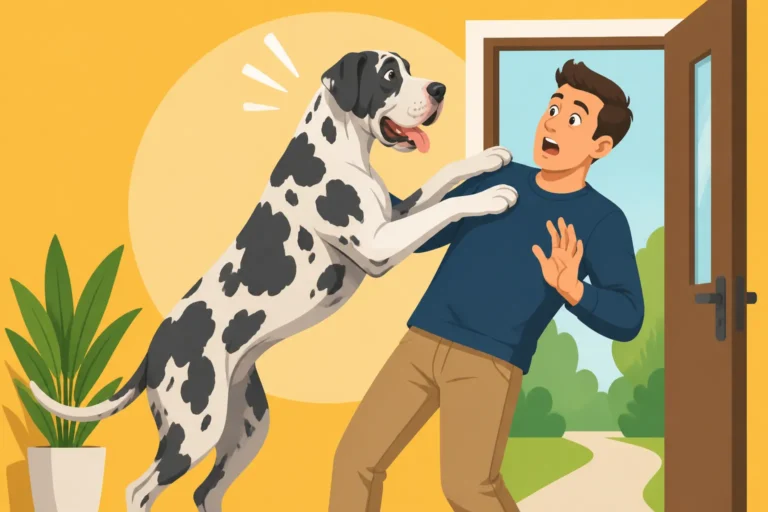
Great Danes are often protective, and strangers or guests can be a major barking trigger. To manage this, teach your Dane a "Place" command. This involves teaching them to go to a specific mat or bed and stay there when asked, even when distractions are present. When guests arrive, direct your Dane to their "Place" before they even get to the door. Reward them for staying calm and quiet. Once your guests are settled, you can allow your Dane to greet them calmly, or keep them on their "Place" if they tend to get overly excited or continue to bark. Having a leash handy to gently guide them to their "Place" can also be helpful in the initial stages of training. This creates structure and helps your Dane understand what's expected of them when visitors are present, rather than letting them take charge of the greeting. For more on this, check out Getting a Great Dane to Greet Without Standing Up.
The size of a Great Dane means even a friendly jump or enthusiastic lean can be overwhelming for guests, let alone a booming bark. Teaching them calm greetings and self-control in these situations is not just about quiet; it's about safety and comfort for everyone.
Disclaimer
This article is for general informational purposes only and does not constitute professional advice. Laws, prices and regulations vary by location and change over time. Consult a qualified professional for guidance on your specific situation.