Whether a Great Dane Can Hold a Ring Position
It’s a magnificent sight, isn't it? You see those stunning Great Danes in the show ring, standing perfectly still, every muscle poised, a picture of elegance and power. Then you look at your own goofy Dane sprawled across the sofa, and a tiny doubt creeps in: can my lovable giant ever achieve that level of regal composure? This guide dives deep into what it takes to train a Great Dane for a show ring position, the realities of such an endeavor, and whether it’s the right path for you and your cherished companion.
Understanding the Great Dane Show Ring Stance
The show ring isn't just about walking around the ring; a significant part of it involves presenting your Great Dane in a "stack" – a specific, often statuesque pose that highlights the breed's ideal conformation. It’s where judges assess their structure, balance, and overall presence.
What Exactly is a "Ring Position"?
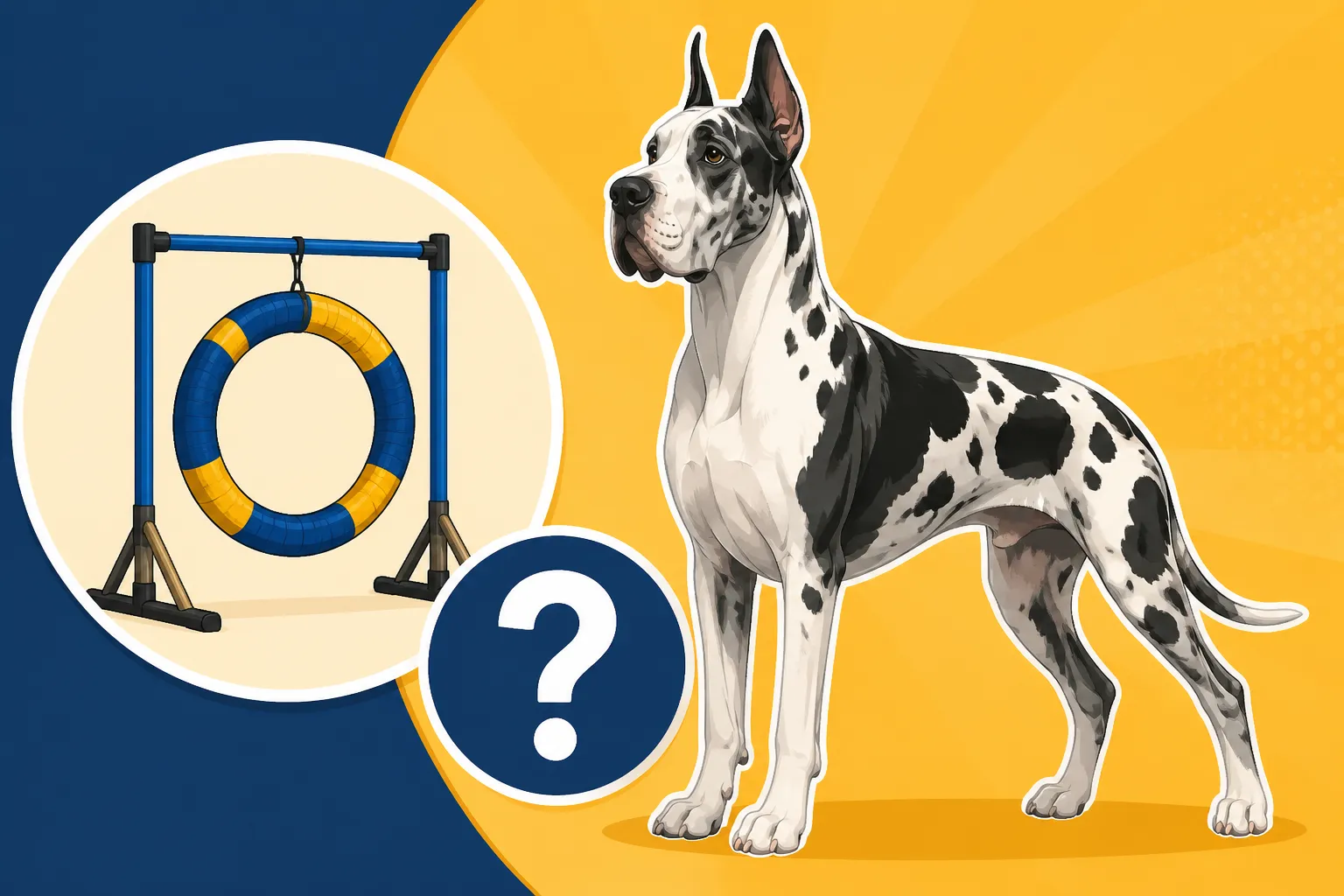
When we talk about a "ring position" or "stack," we're referring to the way a dog is posed, typically with all four feet placed precisely, the head held high, and the tail in a natural, balanced position. For a Great Dane, the goal is often to showcase their powerful yet elegant build, their deep chest, strong topline, and well-angulated legs. It’s not just standing; it’s a deliberate, controlled posture designed to emphasize their best features according to the breed standard. This can be achieved through what's called "free stacking," where the dog moves into position naturally, guided by bait or gentle verbal cues, or "hand stacking," where the handler physically places the dog's feet and adjusts their body. The aim is for the dog to hold this pose, often for extended periods, while the judge examines them from various angles.
Why it's Challenging for a Giant Breed
Let’s be honest: Great Danes are naturally laid-back, affectionate giants. Their default state is often lounging, leaning, or enthusiastically greeting you with a full-body wag. Asking them to stand perfectly still, in a specific, sometimes uncomfortable, pose, for minutes at a time, goes against their playful, often goofy nature. Their sheer size also presents a unique challenge. A smaller dog can be easily adjusted; moving a 150-pound Great Dane’s leg into a precise position requires strength, leverage, and immense cooperation from the dog. Furthermore, their bodies are designed for powerful strides, not rigid stillness. A Great Dane's structure is meant to allow for that Long Reaching Stride a Great Dane Shows, and holding a static pose can sometimes be quite a physical demand.
The Role of Natural Conformation
While training is crucial, it’s important to acknowledge that genetics play a significant role. Some Great Danes are naturally built with excellent conformation, meaning their skeletal structure, muscle development, and proportions align very closely with the breed standard. For these dogs, achieving and holding a show stack can feel more natural and comfortable. Their angles fall into place with less effort, and they can maintain balance with greater ease. Other Danes, while perfectly healthy and beloved companions, might have structural quirks that make the ideal show stack more difficult to achieve or less comfortable to hold. For instance, a dog with slightly less angulation in their rear might struggle to keep their back legs tucked under them in the classic show pose without strain. A responsible breeder will screen for these traits, and understanding What a Great Dane Breeder Should Be Screening For can give you an idea of your dog's inherent potential.
Training Your Great Dane for the Show Ring Stack
Embarking on show ring training with a Great Dane is a marathon, not a sprint. It requires immense patience, consistency, and a deep understanding of your dog’s individual personality.
Starting Early with Foundation Skills
The journey to a perfect stack begins long before you ever step foot in a show ring. It starts with basic obedience and socialization. A Great Dane puppy that learns to focus on its handler, understands basic commands like "sit," "stay," and "stand," and is comfortable with being handled by strangers will have a huge advantage. Puppy classes are invaluable for this, getting them used to novel environments, other dogs, and different people touching them. Consider an online program like BAXTER & Bella, which can help you establish these crucial foundation behaviors right from the comfort of your home, at your own pace. Early lessons on The Manners a Great Dane Needs Before It Grows are not just for everyday living; they're the building blocks for advanced tasks like stacking. Learning to hold a brief "stand" or "stay" on command, even for a few seconds, sets the stage for the longer holds required in the ring.
The Art of Baiting and Free Stacking
Free stacking is often preferred as it allows the dog to present itself naturally, which can appear more fluid and confident to a judge. This technique relies heavily on "baiting" – using high-value treats or toys to lure the dog into the desired position. You'll typically hold a treat in a way that encourages their head to lift, their back to straighten, and their feet to settle into the correct spots. It’s a dance between handler and dog, involving subtle movements and rewards. The key is to reward the moment they hit the correct pose, even if it's fleeting at first. Repetition in short, positive sessions is vital. Imagine your Dane's sheer delight as they learn that holding a specific pose means a delicious crumb of cheese or a squeaky toy appears! Finding treats that your giant breed will truly work for, and a treat pouch that can hold enough of them (you can find various sizes on Amazon), will be essential.
Hand Stacking and Posing
While free stacking promotes a more natural look, hand stacking provides a handler with more direct control, especially for dogs still learning or those with slight structural weaknesses that need a little help to shine. This involves physically moving your Dane’s feet, one by one, into the ideal show position. It sounds simple, but it requires finesse. You need to be gentle but firm, ensuring your dog remains comfortable and doesn't associate the process with discomfort. You're teaching them muscle memory, guiding their body into the position repeatedly. The goal is to gradually reduce your physical intervention as your Dane learns to anticipate and hold the pose themselves. This takes an incredible amount of patience, especially for an excitable Great Dane puppy. Remember, Why Physical Corrections Fail on a Great Dane: positive reinforcement and gentle guidance are far more effective than force, which can create aversion and resistance in such a sensitive breed.
Factors Influencing a Great Dane's Ability to Hold a Stack
Not all Great Danes are created equal when it comes to show ring potential. Several factors beyond pure training technique come into play.
Temperament and Focus
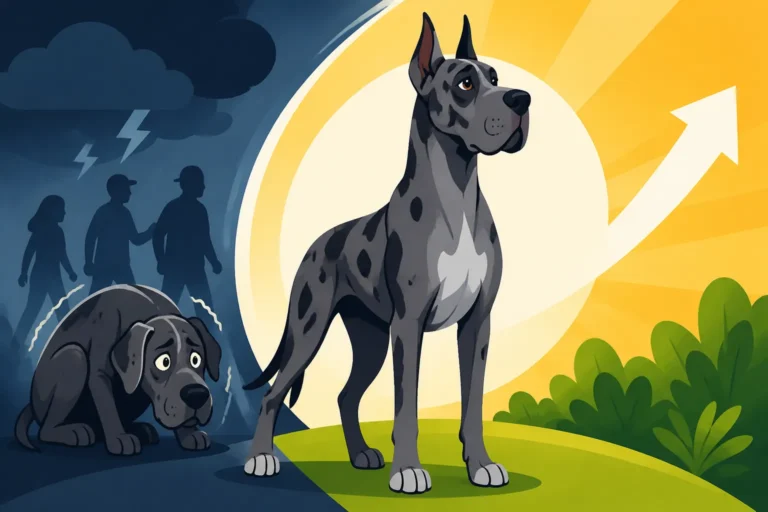
A Great Dane’s temperament is perhaps one of the most critical factors. A dog with a naturally calm, focused, and biddable personality will be much easier to train and pose than one who is easily distracted, overly boisterous, or prone to "zoomies." The ideal show Dane possesses a quiet confidence; they can enter a busy show ring filled with other dogs, people, and strange noises, yet remain attentive to their handler and hold their position. Some Danes are naturally more "goofy" and less inclined to stand still, preferring to lean into you for cuddles or offer a playful paw. If your Dane struggles with focus in everyday situations, building that concentration will be your first big challenge. Building Confidence in a Nervous Great Dane can also indirectly help with focus, as a confident dog is less likely to be distracted by external stimuli.
Physical Condition and Structure
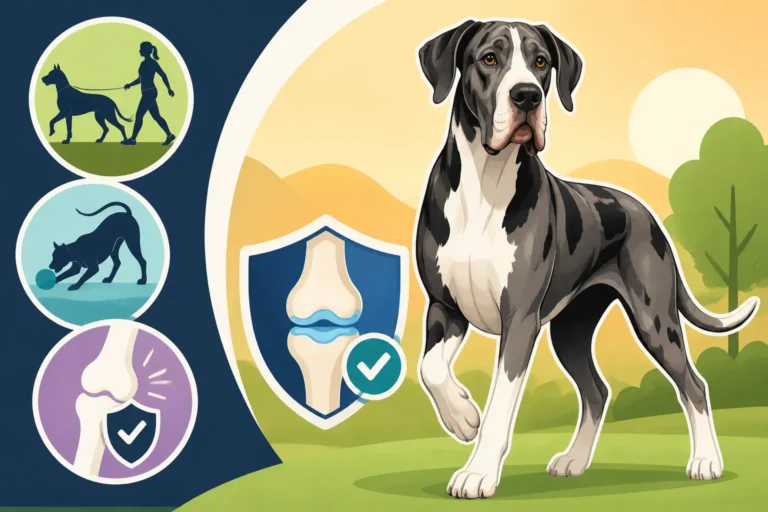
As mentioned earlier, natural conformation is a big deal. A Great Dane with well-balanced angulation, a strong topline, and good bone will find it physically easier and more comfortable to hold the show stack. Think of it like a dancer with excellent natural flexibility versus someone who has to work harder for every stretch. Beyond inherent structure, physical condition is vital. A Great Dane needs to be in lean, athletic shape, with good muscle tone. Obesity or poor conditioning can make holding a stack uncomfortable and can also obscure their true structure. Conversely, a dog that is too thin might lack the muscle mass to hold a powerful pose. Joint health is also paramount; any discomfort in the hips, elbows, or spine will make holding a rigid pose painful and impossible. This is another reason why knowing The Health Testing a Great Dane Breeder Owes You is so important.
The Handler's Skill and Patience
This isn't just about the dog; it's a partnership. The handler's skill level, consistency, and ability to read their dog are hugely influential. An experienced handler knows how to position their body, use subtle cues, and time their rewards perfectly to encourage the best performance from their dog. They understand when to push a little more and when to take a break. Patience is probably the most undervalued asset. Training a Great Dane for the show ring will have its frustrating moments. There will be days when your dog seems to forget everything they've learned, or simply decides they'd rather investigate a fascinating smell than hold a pose. A handler who can remain calm, positive, and persistent through these moments is more likely to succeed. Sometimes, seeking guidance from a professional trainer who is Finding a Trainer Comfortable With a Great Dane can make all the difference, providing you with tailored techniques and support.
Realistic Expectations and Alternatives to the Show Ring
It's absolutely wonderful to have aspirations for your Great Dane, but it's equally important to have realistic expectations about the show ring.
Not Every Great Dane is a Show Dog
Let me be clear: just because your Great Dane is beautiful and you adore them, doesn't mean they are cut out for the show ring, or that the show ring is the right environment for them. Showing dogs is a competitive, time-consuming, and often expensive hobby. It requires a specific temperament from the dog – a willingness to tolerate extensive handling, perform on command in distracting environments, and often stand still for what feels like an eternity. If your Great Dane prefers to lean on you for affection rather than stand perfectly square, or if they're more interested in sniffing every blade of grass than maintaining a fixed gaze on a treat, that's perfectly okay! Their primary job is to be your beloved companion. There are countless amazing Great Danes who bring immense joy to their families without ever stepping into a show ring, and their value as family members is immeasurable.
Other Ways to Showcase Your Dane's Elegance
If the competitive show ring isn't the right fit, fear not! There are many other avenues to celebrate your Great Dane's intelligence, trainability, and majestic presence. Obedience trials, for example, allow you to showcase their excellent manners and teamwork. Rally obedience is a fun, more relaxed alternative that involves navigating a course with your dog, performing various exercises at stations. Therapy dog work is a truly rewarding path, allowing your gentle giant to bring comfort and joy to people in hospitals, nursing homes, or schools. Even just achieving advanced titles in Canine Good Citizen or trick dog competitions can be incredibly fulfilling and highlight your Dane's capabilities. Your Great Dane's elegance doesn't need a judge's ribbon to be recognized; it's apparent in their gentle demeanor, their impressive stature, and the way they move through your home.
When to Seek Professional Help
If you are genuinely interested in pursuing show ring training, or any advanced dog sport, don't hesitate to seek professional help. A good professional handler or show trainer can provide invaluable guidance, teaching you the nuances of stacking, gaiting, and ring etiquette. They can assess your Great Dane's natural abilities and help you determine if they have genuine show potential. This isn't just about showing you how to hold a treat; it's about teaching you how to communicate effectively with your giant breed in a high-pressure environment. Moreover, if your Dane is struggling with anxiety in new situations or is overly distracted, a professional behaviorist can offer strategies to build their confidence and focus. Programs like BAXTER & Bella can provide online resources for foundational training, but for specialized show handling, hands-on mentorship from an experienced show handler is often irreplaceable.
Here's a quick comparison of the two main stacking methods:
| Feature | Free Stacking | Hand Stacking |
|---|---|---|
| Method | Luring with bait/toy, verbal cues | Physically placing feet and body |
| Primary Goal | Dog self-adjusts into natural, optimal pose | Handler positions dog precisely |
| Appearance | Often looks more fluid and confident | Can look more "set" and precise |
| Control Level | Less direct, relies on dog's cooperation/focus | More direct, useful for correcting structural flaws |
| Training Time | Can take longer for dog to master consistency | Quicker to achieve initial pose, but needs maintenance |
| Ideal For | Dogs with good natural conformation, strong focus | Dogs needing more guidance, subtle adjustments |
| Pros | Natural look, dog enjoys process, builds confidence | Precision, handler control, good for beginners |
| Cons | Less precise, dog might break pose easily | Can be seen as less natural, requires physical effort |
Disclaimer
This article is for general informational purposes only and does not constitute professional advice. Laws, prices and regulations vary by location and change over time. Consult a qualified professional for guidance on your specific situation.