The Health Testing a Great Dane Breeder Owes You
The journey to bringing a Great Dane into your home is filled with excitement, but it can quickly turn into a nightmare of heartache and crushing veterinary bills if you're not careful. Far too many prospective owners fall in love with a cute puppy picture, only to discover later that their gentle giant carries a hidden burden of genetic health issues. This guide is here to walk you through the essential health testing a Great Dane breeder absolutely owes you, ensuring you're empowered to make an informed decision for a healthy, happy future with your beloved companion.
Why Health Testing Isn't Optional for Great Danes
It’s easy to get swept up in the joy of picking a puppy, but for a breed as special and, let’s be honest, as genetically vulnerable as the Great Dane, overlooking health testing is a gamble you simply can’t afford. These magnificent dogs, despite their impressive stature, are predisposed to a range of serious health conditions that can dramatically shorten their lives and lead to immense suffering.
The Heartbreaking Reality of Great Dane Health Issues
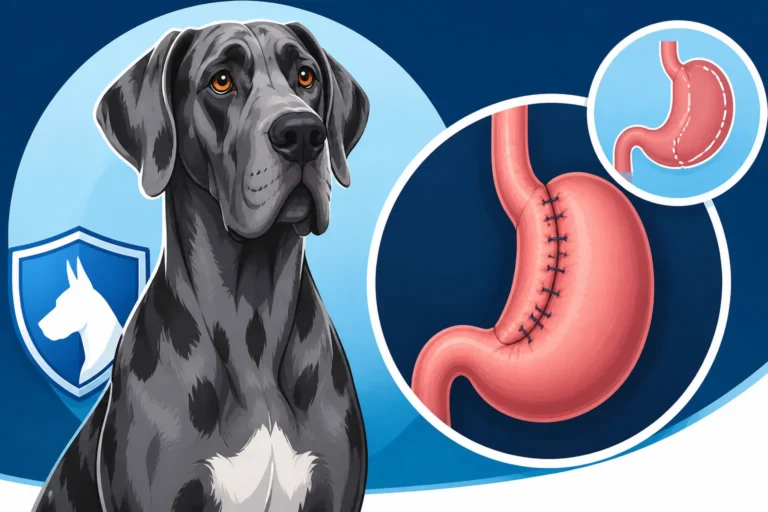
Imagine bringing home that playful, clumsy puppy, watching it grow into a majestic adult, only to face devastating diagnoses within a few short years. This isn't a rare scenario; it's a stark reality for many Great Dane owners whose dogs come from untested lines. We're talking about conditions like dilated cardiomyopathy (DCM), a devastating heart disease, or hip and elbow dysplasia, which can cripple a giant dog. Then there's bloat, also known as gastric dilatation-volvulus (GDV), a life-threatening condition where the stomach twists. While bloat isn't something directly tested for in parents, strong, healthy genetics contribute to overall vitality and resilience.
The emotional toll of watching your beloved dog struggle with chronic pain or a progressive illness is immense. Beyond the heartbreak, the financial implications can be catastrophic. Treating these conditions, from ongoing medications to specialist veterinary visits, surgeries, and emergency care, can easily run into the tens of thousands of dollars. It’s a weight no pet owner should have to bear unnecessarily, especially when proactive breeding practices can significantly reduce these risks. This isn't just about avoiding a sad outcome; it's about giving your Great Dane the best possible chance at a full, comfortable life.
Understanding the Role of Reputable Breeders
A responsible Great Dane breeder isn't just someone who produces puppies. They are guardians of the breed, dedicated to improving health, temperament, and longevity. Their role goes far beyond simply pairing two dogs; it involves a deep understanding of genetics, health clearances, and ethical breeding practices. They invest significant time, effort, and money into ensuring their breeding dogs are healthy and sound. This commitment is what separates a reputable breeder from a backyard breeder or a puppy mill, where the focus is often on profit rather than welfare.
A good breeder will be transparent about their dogs' health histories, eagerly share documentation of all health screenings, and be a resource for you throughout your dog's life. They will also educate you on the potential health challenges of the breed, not shy away from them. This level of dedication is crucial because without it, you're essentially playing Russian roulette with your future pet's health. When you commit to a Great Dane, you're committing to a decade or more of care, and that care starts with a solid, healthy foundation provided by a responsible breeder.
Deciphering Orthopedic Health Clearances
When you picture a Great Dane, you probably envision a powerful, graceful animal. That image relies heavily on sound joint health. Unfortunately, large and giant breeds like Great Danes are prone to debilitating orthopedic issues, making screening for these conditions absolutely non-negotiable for breeding stock.
Hip and Elbow Dysplasia: More Than Just "Bad Joints"
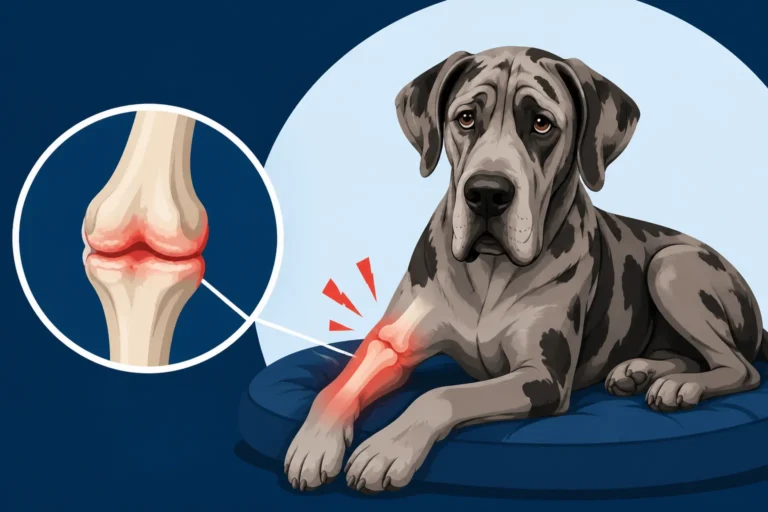
Hip and elbow dysplasia are genetic conditions where the joints don't develop correctly, leading to looseness, pain, and eventually crippling arthritis. For a dog that can weigh well over 100 pounds, even mild dysplasia can severely impact their mobility and quality of life. It’s not just a minor ache; it can be excruciating and require complex, expensive interventions like surgery, physical therapy, and lifelong pain management.
Hip dysplasia occurs when the ball and socket of the hip joint don't fit together perfectly. The rubbing and grinding over time cause deterioration, pain, and loss of function. Elbow dysplasia is a more complex condition, encompassing several developmental abnormalities of the elbow joint, including ununited anconeal process, fragmented coronoid process, and osteochondrosis dissecans (OCD). Any of these can lead to lameness and significant discomfort. You might notice your Great Dane limping, struggling to get up, or showing reluctance to play or exercise. It's a truly heartbreaking thing to witness in such a majestic animal. This is why understanding Great Dane Hips, Elbows and Growing Joints is so critical from the start.
The Importance of OFA and PennHIP Certifications
To combat these prevalent issues, reputable breeders rely on standardized screening methods, primarily through the Orthopedic Foundation for Animals (OFA) and PennHIP. These organizations provide objective evaluations of a dog's hip and elbow health.
OFA evaluations involve taking specific X-rays of a dog's hips and elbows after they reach two years of age. These X-rays are then graded by multiple board-certified radiologists who assess joint conformation and look for signs of dysplasia. The results are published in a public database, giving transparency to potential puppy buyers. An OFA "Excellent," "Good," or "Fair" rating for hips, and an "Normal" rating for elbows, are what you want to see.
PennHIP is another method, often performed earlier (as young as 16 weeks), that measures hip laxity (looseness) with greater precision. It provides a distraction index (DI) that indicates how prone a dog is to developing hip dysplasia. A lower DI suggests tighter hips and a lower risk. While PennHIP focuses solely on hips, it offers valuable insight into a dog’s genetic predisposition earlier than OFA. A breeder should be able to provide clear documentation of either OFA or PennHIP results for both parents, demonstrating that they are not breeding dogs with dysplastic joints. Knowing about Great Dane Hip and Elbow Screening will help you immensely as you evaluate breeders.
Unpacking Cardiac Health Screening for DCM
When you think about the power and presence of a Great Dane, it’s easy to overlook the delicate organ that powers it all: the heart. Sadly, Great Danes are tragically prone to a specific and often fatal heart condition, making thorough cardiac screening an absolute must for any responsible breeder.
Dilated Cardiomyopathy (DCM): A Silent Killer
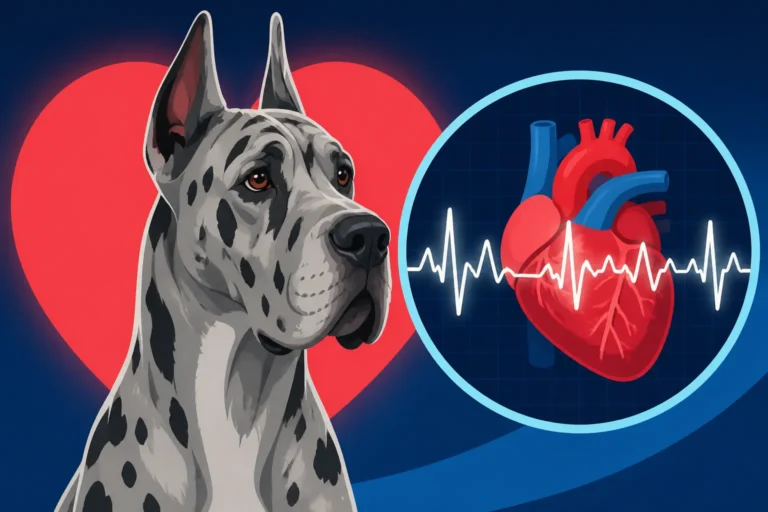
Dilated cardiomyopathy (DCM) is a progressive disease of the heart muscle. In Great Danes, it's particularly insidious because it often progresses without noticeable symptoms until the disease is quite advanced, sometimes even when the dog appears perfectly healthy on the outside. Essentially, the heart muscle becomes thin and weak, and the chambers enlarge, making it incredibly inefficient at pumping blood. This leads to fluid buildup, difficulty breathing, lethargy, and ultimately, heart failure. The onset can be sudden and devastating, turning a vibrant dog into a critically ill patient overnight.
The statistics are sobering: Great Danes are one of the breeds most affected by DCM. It's a heartbreaking diagnosis that carries a grim prognosis, often leading to a severely shortened lifespan despite medical intervention. Many owners only discover their dog has DCM when they collapse or show severe signs of congestive heart failure. Given the sheer size and physical demands on a Great Dane's heart, this condition is particularly brutal. It’s imperative that breeders take every step possible to reduce the incidence of this devastating disease in their lines. Learning more about The Heart Muscle Disease Great Danes Are Prone To is crucial for any potential Great Dane owner.
The Necessity of Regular Echocardiograms and Holter Monitoring
Because DCM can be so sneaky, physical exams alone aren't enough to screen breeding dogs. Reputable Great Dane breeders will go to great lengths to ensure the cardiac health of their breeding stock through specialized testing performed by a board-certified veterinary cardiologist.
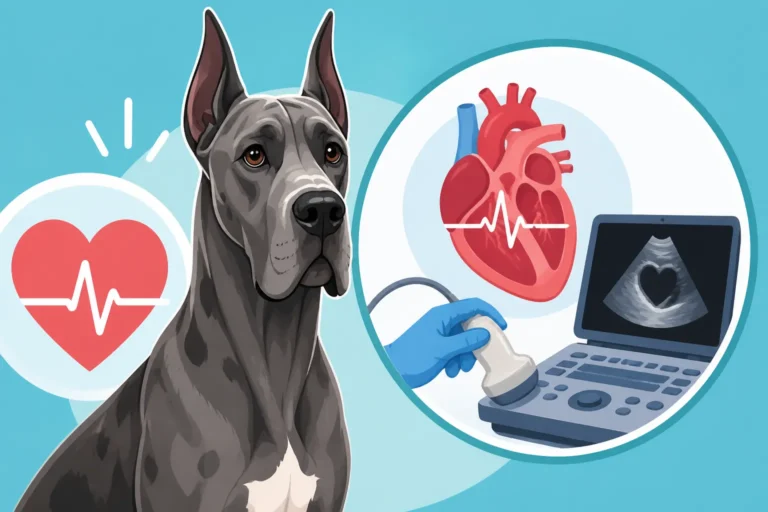
The gold standard for screening for DCM is an annual echocardiogram. This is a non-invasive ultrasound of the heart that allows the cardiologist to visualize the heart's structure and function, measuring chamber size, wall thickness, and blood flow. They can detect early signs of dilation or impaired function before clinical symptoms appear. A breeder should be able to provide proof of annual "normal" echocardiograms for their breeding dogs.
In addition to the echo, Holter monitoring is also crucial. A Holter monitor is a portable ECG device that the dog wears for 24-48 hours, continuously recording its heart rhythm. This test is vital for detecting arrhythmias (irregular heartbeats) that might not be present during a brief vet visit or even during an echocardiogram. Many DCM-affected Great Danes develop ventricular arrhythmias long before their heart chambers start to visibly dilate. Catching these early can be a lifesaver, both for the individual dog and for informing breeding decisions. A breeder who screens properly will show you annual, clear Holter reports alongside echocardiogram results. You'll want to review documentation for Screening a Great Dane's Heart Each Year and learn about Holter Monitoring for a Great Dane Heart as part of your research.
Thyroid and Ocular Health: Overlooked but Critical
While heart and joint health often take center stage in Great Dane discussions, ignoring thyroid and ocular screenings would be a significant oversight. These conditions, though perhaps less dramatic than DCM or severe dysplasia, can still profoundly impact a Great Dane's comfort, health, and overall quality of life.
Thyroid Dysfunction in Great Danes
Hypothyroidism, an underactive thyroid gland, is a surprisingly common condition in Great Danes. It means the thyroid gland isn't producing enough hormones, which regulate metabolism. The symptoms can be subtle and often mimic other conditions, leading to delayed diagnosis. You might notice your Great Dane becoming lethargic, gaining weight despite a normal diet, developing a dull or thinning coat, having dry skin, or even exhibiting behavioral changes like anxiety or aggression. It can also exacerbate other health issues.
Responsible breeders don't just rely on a basic thyroid blood panel; they seek out comprehensive testing. A full thyroid panel, often through specialized labs like Michigan State University's Animal Health Diagnostic Laboratory, measures various thyroid hormone levels (T3, T4, free T3, free T4, and TSH) and also checks for autoantibodies. This provides a much more complete picture than a simple T4 test. While hypothyroidism is treatable with daily medication, it's a lifelong commitment. Breeding dogs should have clear thyroid panels, indicating normal function without autoantibodies, to minimize the risk of passing this predisposition onto their offspring. Understanding The Thyroid Test a Slow Great Dane Needs is an important step in recognizing potential issues.
Eye Conditions to Screen For
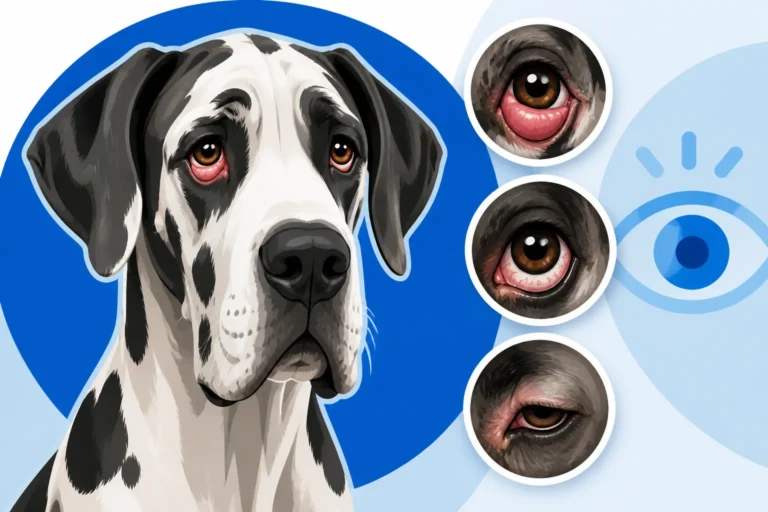
A Great Dane's expressive eyes are a window to their soul, but they can also be prone to several hereditary conditions. While not always life-threatening, these can cause chronic discomfort, impair vision, and require costly surgeries. Two common issues are entropion and ectropion. Entropion is when the eyelid rolls inward, causing the eyelashes to rub against the cornea, leading to irritation, pain, and potential corneal ulcers. Ectropion is the opposite, where the eyelid rolls outward, leaving the eye exposed and susceptible to dryness, irritation, and infections.
Another condition sometimes seen is "cherry eye," where the gland of the third eyelid protrudes, appearing as a red mass in the corner of the eye. While treatable, it’s still a genetic predisposition. Reputable breeders will have their breeding stock examined by a board-certified veterinary ophthalmologist. These specialists perform thorough eye exams to detect hereditary conditions and issue certifications through organizations like the Canine Eye Registry Foundation (CERF), now often administered through OFA Eye. These certifications indicate the dog is free of observable inherited eye diseases at the time of examination. It’s another layer of protection that contributes to your puppy's long-term health and well-being. Learn more about Great Dane Eyelid and Eye Problems to be fully prepared.
Genetic Testing: Looking Beyond Physical Exams
In today's age of advanced veterinary science, relying solely on physical exams and traditional clearances is no longer enough. Genetic testing, particularly DNA panels, offers an unprecedented look into the hereditary makeup of a Great Dane, identifying potential risks that might otherwise remain hidden.
Understanding the Genetics of Color and Health
The majestic array of Great Dane colors, from fawn to harlequin, is part of their appeal. However, certain color genetics carry significant health warnings. The most critical example involves the merle gene. While merle Great Danes are stunning, breeding two merle dogs together – a "double merle" breeding – dramatically increases the risk of producing puppies with severe health defects. These can include deafness, blindness, and even microphthalmia (abnormally small or missing eyes). This happens because the double dose of the merle gene disrupts the development of cells responsible for hearing and sight.
A responsible breeder understands these risks implicitly and will never breed two merle Danes together. They will also be transparent about the color genetics of their breeding stock and litters. If you're looking at a white Great Dane puppy, it's particularly important to understand its genetic background, as intense white patterning can be linked to deafness, especially in merle-derived white dogs. This is why knowing Why Two Merle Great Danes Should Not Be Bred is non-negotiable and why checking on How Common Deafness Is in a White Great Dane can help you avoid potential heartache. Ethical breeders use genetic testing to ensure they are not inadvertently producing puppies with these devastating conditions.
The Emerging Role of DNA Panels
Beyond color genetics, advancements in canine genetic testing allow breeders to screen for specific disease-causing mutations even if the parent dog shows no physical symptoms. A dog can be a "carrier" for a disease, meaning it has one copy of the gene mutation but doesn't develop the disease itself. However, if bred with another carrier, their offspring have a 25% chance of inheriting two copies of the mutation and developing the full-blown disease.
DNA panels, which involve a simple cheek swab, can test for numerous genetic conditions specific to the Great Dane breed. While a breed-specific panel isn't as comprehensive for Danes as it might be for some other breeds, screening for known mutations, even those with low incidence, helps ensure that responsible breeders are not unknowingly perpetuating genetic weaknesses. For example, some labs offer panels that might include tests for specific types of inherited cancers or neurological conditions. The information gleaned from these tests allows breeders to make informed pairing decisions, avoiding combinations that could produce affected puppies. This proactive approach is a hallmark of truly dedicated and ethical breeding, safeguarding the future health of the breed.
Verifying Health Clearances: Your Due Diligence
It's one thing for a breeder to say their dogs are health tested; it's another entirely to provide verifiable proof. As a prospective puppy owner, it's not only your right but your responsibility to perform due diligence and confirm every claim. This proactive step can save you from immense emotional and financial distress down the line.
Asking the Right Questions to Your Breeder
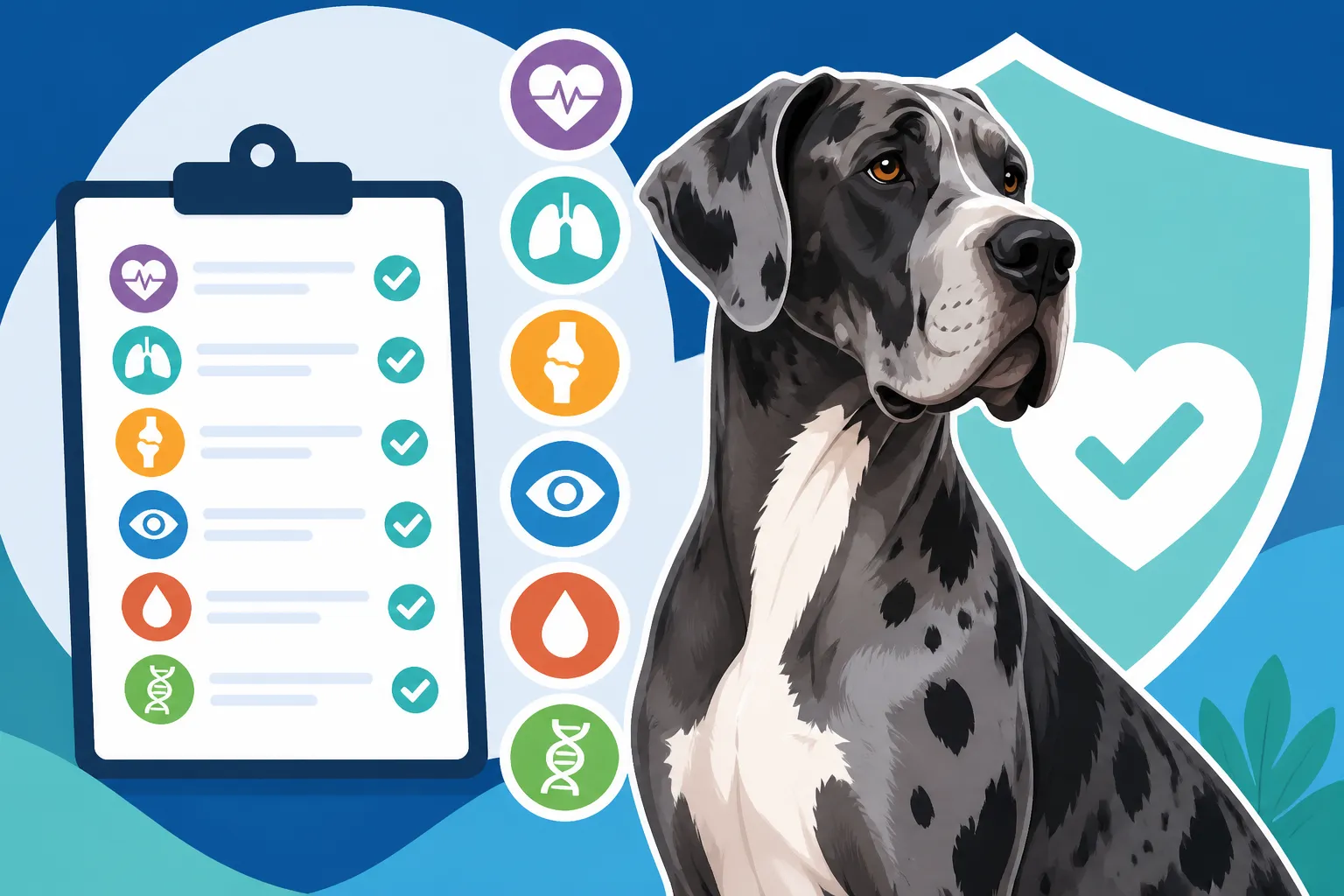
When you connect with a breeder, don’t be shy about asking direct and detailed questions. A reputable breeder will welcome your inquiries and appreciate your thoroughness. Here’s a checklist of questions you should ask, demanding concrete answers and documentation:
- "Can I see the OFA/PennHIP certifications for both parents' hips and elbows?" Look for the official certificates, not just a verbal assurance. They should be current and have passing grades.
- "Do you perform annual echocardiograms and Holter monitoring for DCM screening on your breeding dogs? Can I see the reports from a board-certified veterinary cardiologist?" Again, ask for the actual reports, complete with the cardiologist's signature and date.
- "What are the results of the full thyroid panel for both parents?" Request documentation from a specialized lab.
- "Do both parents have current OFA Eye/CERF certifications from a veterinary ophthalmologist?"
- "What genetic tests do you perform, and can I see the results?" This is especially important if dealing with merle color genetics.
- "At what age do you screen your dogs for these conditions?" Remember, OFA hips/elbows must be done after two years of age.
- "Can I contact your veterinarian for verification, with your permission?" A confident breeder won't shy away from this.
If a breeder is hesitant, defensive, or can only provide excuses ("the vet just told me they were fine," "I lost the paperwork," "it’s too expensive to test"), consider it a massive red flag. Your puppy's health relies on these screenings, and you deserve complete transparency. Understanding Reading a Great Dane Puppy's Health Papers will help you immensely when reviewing these documents.
Utilizing Public Databases and Resources
One of the greatest tools at your disposal is the Orthopedic Foundation for Animals (OFA) public database. Most reputable breeders will submit their health clearances to OFA, making them searchable by the dog's registered name or registration number. This allows you to independently verify the hip, elbow, cardiac, and thyroid certifications of the parent dogs. Simply visit the OFA website and use their search function. If a breeder gives you a registered name, you should be able to find their dog's public health clearances there. If you can't find them, ask the breeder why they haven't been submitted or if they have non-public clearances (though transparency is always preferred).
For PennHIP results, while individual results aren't typically public, breeders can provide you with the official PennHIP report, which you can often verify with the performing veterinarian if the breeder gives consent. For eye certifications, CERF numbers might also be verifiable through OFA.
Don't underestimate the power of these resources. They put the truth directly in your hands. A breeder's willingness to share this information and for you to independently verify it is a cornerstone of ethical breeding. Without this verification, you're buying a puppy blind, potentially inheriting a lifetime of heartbreaking and expensive health challenges.
The Cost of Care vs. Prevention: A Stark Contrast
Let's talk dollars and sense, because while emotions run high when choosing a puppy, the financial realities of Great Dane ownership are substantial. Many prospective owners are shocked by the initial price tag of a well-bred Great Dane puppy, but it’s crucial to understand that this upfront cost is an investment in prevention, saving you far more in the long run.
The Financial Burden of Untested Lines
The allure of a "bargain" Great Dane puppy can be incredibly strong, but it's often a false economy that leads to unimaginable costs down the road. When you buy from a breeder who doesn't perform comprehensive health testing, you're essentially inheriting all the genetic risks they've chosen to ignore. The initial savings on the puppy price quickly evaporate when you face the inevitable veterinary bills.
Consider a few scenarios:
- DCM Treatment: Diagnosing and managing DCM can involve repeated specialist visits, echocardiograms, Holter monitoring, and a cocktail of daily medications (Pimobendan, Furosemide, Enalapril, Spironolactone, etc.). This can easily cost several hundred dollars a month, or thousands a year, for the remainder of their shortened life. An emergency crisis or hospitalization for heart failure could be another several thousand.
- Hip or Elbow Dysplasia: If your dog develops severe dysplasia, they might need surgeries like Total Hip Replacement, which can run anywhere from $4,000 to $8,000 per hip. Add to that ongoing pain management, anti-inflammatories, joint supplements, and physical therapy, and you're looking at a significant, recurring expense.
- Bloat Emergency: While not directly genetic testing, a healthy, robust Great Dane may have a slightly lower risk due to overall vitality. Should the unthinkable happen, and your Great Dane experiences bloat, the emergency surgery and overnight critical care can cost $3,000 to $10,000, and sometimes even more, if there are complications.
These are not hypothetical numbers; these are real-world bills that Great Dane owners face every single day. While pet insurance companies like Healthy Paws can certainly help mitigate some of these staggering costs by covering a significant percentage of eligible vet bills, they typically don't cover pre-existing conditions. If your Great Dane develops a genetic condition that could have been screened for in the parents, it might be considered pre-existing if symptoms appeared before enrollment or during the waiting period. Understanding The Short Expensive Life of a Great Dane highlights just how critical proactive health management is.
Investing in a Healthy Future
A reputable breeder's Great Dane puppy may come with a higher upfront price tag, often ranging from $2,500 to $3,500, or even more for show-quality lines. This isn't just about the puppy itself; it reflects the substantial investment the breeder has made in health testing, quality nutrition, veterinary care for the parents, and careful selection of breeding pairs. It's an investment in the health, longevity, and predictable temperament of your future companion.
Think of it this way: paying more upfront for a puppy from health-tested parents is a form of proactive insurance. While it doesn't guarantee your dog will never have health issues – no living creature is immune – it significantly reduces the likelihood of severe, debilitating, and financially crippling genetic conditions. You're buying peace of mind, knowing that your breeder has done everything in their power to give your puppy the best possible start.
Beyond the financial aspect, there's the invaluable emotional return. Knowing you've chosen a puppy whose parents were screened for the most devastating breed-specific diseases allows you to focus on the joy of companionship, rather than being constantly worried about the next vet visit or potential diagnosis. It means more happy years, fewer sleepless nights, and the profound satisfaction of knowing you’ve provided your Great Dane with the best possible foundation for a long, healthy life. It also allows you to focus on truly enriching their life, rather than being constantly worried about their health. It’s an investment in a future where you can simply enjoy your magnificent dog, which is truly priceless. It’s also wise to consider Building a Fund Before a Great Dane Needs It to cover any unexpected costs, even with the most careful planning.
Summary of Recommended Health Tests for Great Dane Breeding Stock
To help you keep track, here’s a table summarizing the core health tests a Great Dane breeder should perform, along with the performing professional and the ideal age/frequency:
| Health Condition | Test Method | Administered By | Minimum Age/Frequency | Public Database (e.g., OFA) |
|---|---|---|---|---|
| Hips | X-rays | General Veterinarian (submitted to Radiologist) | 24 Months, Once | Yes |
| Elbows | X-rays | General Veterinarian (submitted to Radiologist) | 24 Months, Once | Yes |
| Cardiac (DCM) | Echocardiogram | Board-Certified Veterinary Cardiologist | Annually, starting by 12-24 mos. | Yes (often listed) |
| Cardiac (Arrhythmias) | 24-hour Holter Monitor | Board-Certified Veterinary Cardiologist | Annually, starting by 12-24 mos. | No (report provided by breeder) |
| Thyroid | Full Thyroid Panel (e.g., MSU) | General Veterinarian (submitted to Lab) | Annually/Bi-annually, after 12 mos. | Yes |
| Eyes | Ophthalmic Exam | Board-Certified Veterinary Ophthalmologist | Annually | Yes |
| Color Genetics | DNA Test (e.g., for Merle) | Swab/Blood (submitted to Lab) | Once | No (report provided by breeder) |
Disclaimer
Please remember that while this guide provides extensive information based on current veterinary understanding and breed best practices, it is not a substitute for professional veterinary advice. Always consult with a qualified veterinarian or specialist for any health concerns or before making decisions regarding your Great Dane's care or treatment.