A Great Dane Adolescent That Ignores Everything
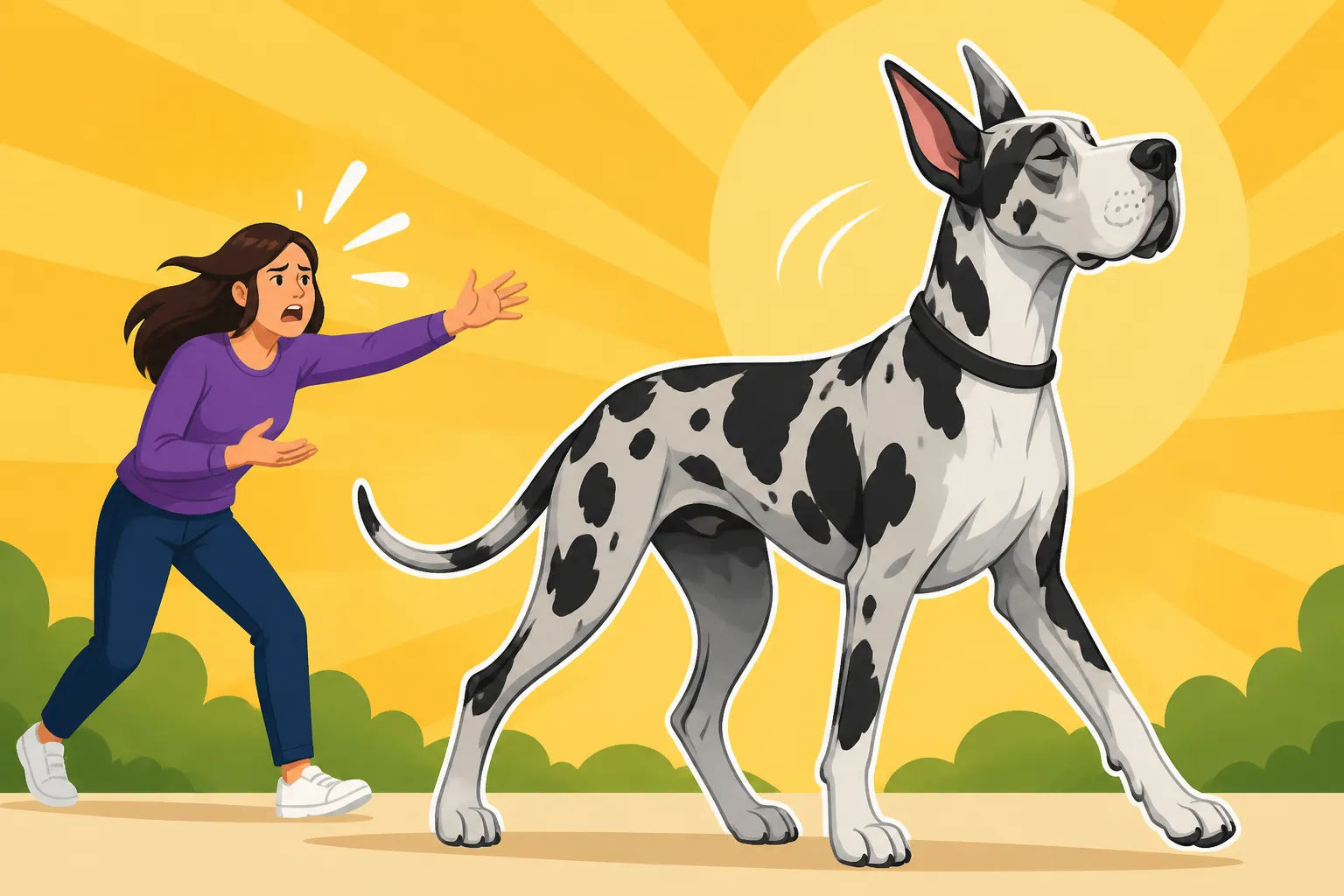
It’s a scenario many Great Dane owners know all too well: you’ve spent months lovingly raising a sweet, attentive puppy, diligently working on training, and then almost overnight, your magnificent giant starts acting like you’re invisible. Their once-reliable recall disappears into the wind, they ignore commands they used to ace, and suddenly, every squirrel, leaf, or distant sound is infinitely more fascinating than you. This guide will help you understand why your Great Dane adolescent seems to have developed selective hearing and, more importantly, how to navigate this challenging but temporary phase, rebuilding communication and reinforcing those crucial manners.
The Adolescent Brain Drain: Why Your Great Dane Suddenly Can't Hear You
Dealing with a Great Dane adolescent who seems to ignore everything can be incredibly frustrating. One minute you have a well-behaved dog, and the next, it’s like all that training went out the window. It’s important to remember that this isn't usually a sign of disrespect or a lack of intelligence; rather, it's a perfectly normal, albeit exasperating, stage of development for these magnificent giants. Their brains are undergoing a significant overhaul, making them more susceptible to distractions and less inclined to focus on their human companions.
Hormonal Havoc and Brain Development
Just like human teenagers, adolescent Great Danes are experiencing a whirlwind of hormonal changes. Their bodies are maturing, and their brains are literally rewiring themselves. The part of the brain responsible for impulse control, decision-making, and consequence assessment – the prefrontal cortex – is still very much under construction. This means that while your young Dane might know what "come" means, the impulse to chase that distant bird might be too strong for their developing brain to override in the moment. They're moving from being a dependent puppy to an independent young adult, and part of that journey involves testing boundaries and asserting a bit more autonomy. It's a phase of emotional and cognitive growth that affects their ability to concentrate and their responsiveness to commands, especially in exciting or novel situations. Understanding that their brain isn't fully mature can help you approach their "ignoring" behavior with a little more patience and empathy.
A World of New Distractions
Beyond internal changes, the external world suddenly becomes a much bigger, more exciting place for an adolescent Great Dane. When they were younger, their world might have revolved around you, your home, and perhaps a few familiar walks. As they mature, their senses become sharper, and their curiosity expands. Every new scent, every rustling bush, every passing dog or person becomes an irresistible pull. What was once easily dismissed is now a high-priority investigation. This heightened awareness of their environment means that their focus is constantly being pulled in different directions, often away from you. A command that would have earned an immediate response in a quiet living room might not even register at the bustling dog park or on a busy street. It's not that they're choosing to be disobedient; it's that their attention is genuinely captivated by a multitude of stimuli that simply weren't as prominent or interesting to them before. This shift in focus is a natural part of their exploration and understanding of the world around them.
Rebuilding the Foundation: Back to Basics (With a Twist)
When your adolescent Great Dane starts acting like they've forgotten everything, it's not time to throw in the towel. Instead, it's a clear signal to go back to basics, but with a more sophisticated approach tailored to their maturing minds and bodies. Think of it less as starting over and more as reinforcing and proofing the skills they already have, making them truly bomb-proof in any situation. This stage is crucial because what you reinforce now will largely dictate their behavior as an adult.
Reinforcing Known Cues in New Environments
Your Great Dane might have mastered "sit" and "stay" in the kitchen, but can they do it when a skateboarder zips by or another dog barks across the park? This is called "proofing" commands, and it's absolutely vital for an adolescent Dane. Start in environments with minimal distractions, like your backyard, and gradually introduce more challenging settings. For example, practice "come" when they are just a few feet away with no distractions, then move to the other side of the yard, then a quiet park. The goal is to build up their ability to respond reliably no matter what is going on around them. Break down complex commands into smaller steps if needed, and reward heavily for success. This isn't just about obedience; it's about building their confidence to focus on you even when the world is calling. Remember, a cue isn't truly learned until it can be performed consistently in various environments. Consistency is key, and every successful execution in a new place helps solidify that foundation.
Making Yourself More Interesting Than the Squirrel
This is perhaps the biggest challenge and the most important lesson during Great Dane adolescence. You need to become the most exciting, rewarding thing in their environment. This means upping your game significantly when it comes to motivation. Forget plain kibble; pull out the high-value treats like boiled chicken, cheese, or hot dogs cut into tiny pieces. These are the "jackpots" that can break through even the most intense distractions. Incorporate play into your training sessions – a quick game of tug or chase after a successful recall can be incredibly motivating.
Think about varying your rewards: sometimes it's food, sometimes it's praise, sometimes it's a favorite toy found on Amazon. Make your voice enthusiastic, use exaggerated body language, and surprise them with unexpected treats. If your Dane is ignoring you for a squirrel, your job is to make you more rewarding than that squirrel. This also means being unpredictable; don't always ask for the same thing in the same way. Keep them guessing, keep them engaged. Some owners find structured online courses, like those offered by BAXTER & Bella, incredibly helpful during this stage as they provide fresh ideas for engagement and structured learning paths that you can implement at home.
| Adolescent Challenge | Why It Happens | Training Response | Management Strategy |
|---|---|---|---|
| Selective Hearing (Recall) | Brain wiring, distractions, testing independence | High-value treats, consistent practice in varied settings, make yourself exciting, Off-Leash Walking With a Great Dane | Long lines, secure fenced areas, no off-leash in unsecured areas |
| Jumping on People | Excitement, lack of impulse control, seeking attention | "Four on the floor" rule, redirect to a sit, reward calm greetings, Stopping a Great Dane Jumping Up on People | Leash greetings, management around visitors, barrier training |
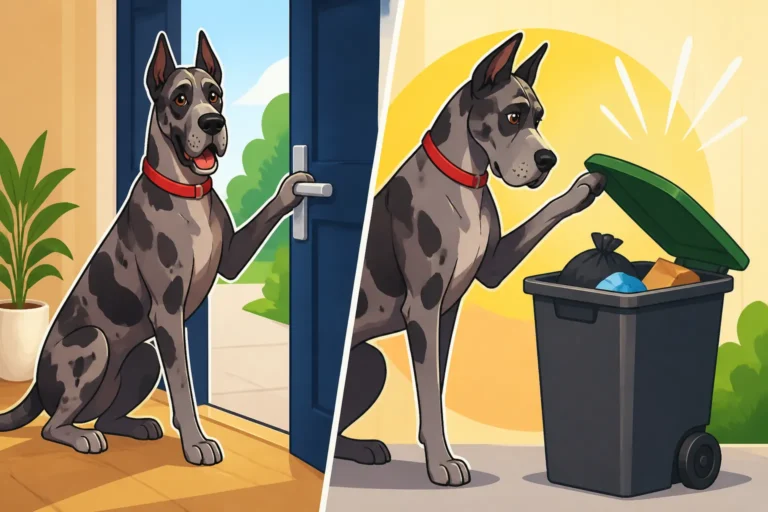
| Counter Surfing | Opportunism, heightened senses, testing boundaries | "Leave it" command, management of kitchen access, reward calm behavior away from counters, A Great Dane That Takes Dinner Off the Table | Keep counters clear, baby gates, supervise closely |
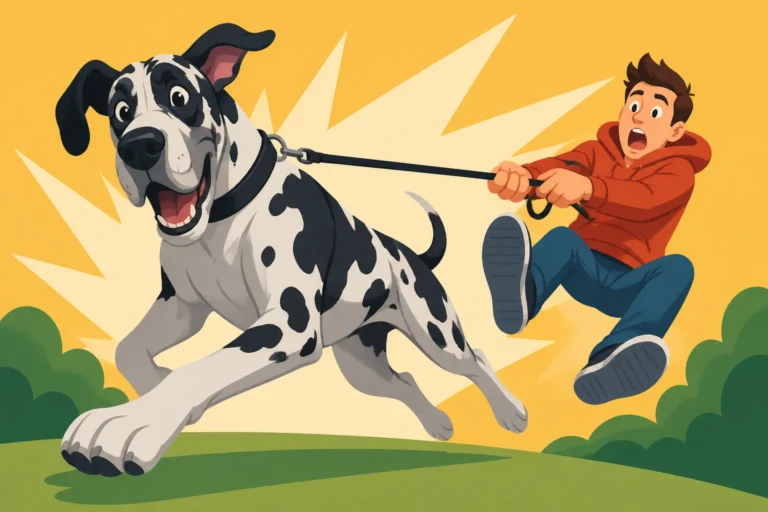
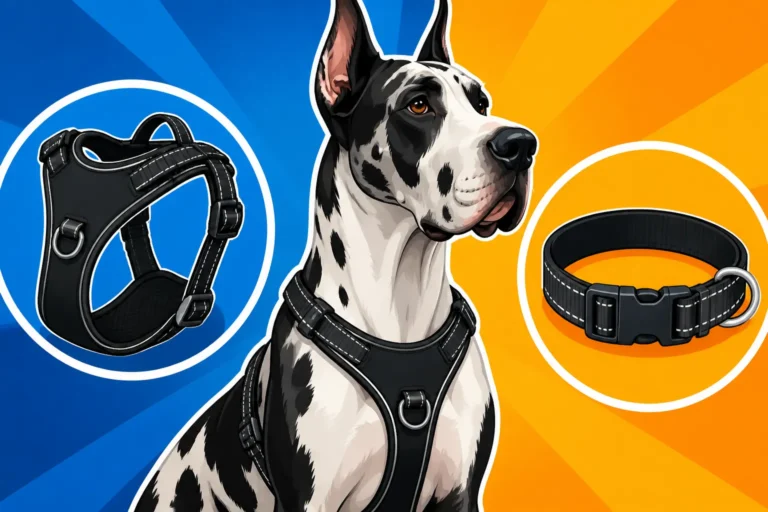
| Pulling on Leash | Desire to explore, excitement, strength | Loose-leash walking practice, front-clip harness, positive reinforcement for slack leash, Getting a Great Dane to Walk on a Loose Leash | Avoid retractable leashes, consistent practice in low-distraction areas |
Practical Strategies for Recapturing That Attention
Navigating the adolescent phase of a Great Dane often feels like a constant dance between management and training. They're growing into their massive bodies and developing their own personalities, but they still need your guidance. Implementing smart strategies in your daily routine can make all the difference in keeping them on the right track and ensuring they don't develop bad habits that are much harder to break later.
Proactive Management and Controlled Environments
When your Great Dane is acting like they've forgotten everything you taught them, the first step is often to prevent them from practicing unwanted behaviors. This means being incredibly proactive with management. A long line, available on platforms like Amazon, is your best friend during this phase. It allows your Dane to have some freedom to explore in a safe, open area while still giving you the ability to intervene and enforce commands like "come" without having to chase them down. Think of it as a safety net.
Similarly, always consider the environment. If you know your adolescent Dane will be completely overwhelmed and non-responsive at a busy dog park, choose a quieter walking trail or a friend's securely fenced yard for exercise. Don't set them up for failure. Utilize crates, exercise pens, or baby gates to manage access within your home, especially if counter-surfing or destructive chewing is an issue. It’s far easier to prevent a behavior from happening than to try and correct it after your giant has already engaged in it. By carefully controlling their environment, you reduce the opportunities for them to practice ignoring you and increase the chances of successful training sessions. Remember, a tired Dane is often a better-behaved Dane, so appropriate exercise is key, but it needs to be managed carefully to avoid developing bad habits.
Engagement Games and Relationship Building
Beyond formal training, fostering a strong, engaging relationship with your adolescent Great Dane is paramount. This means making yourself fun and exciting! Play engagement games that encourage them to focus on you even amidst distractions. "Look at me" is a simple but powerful game: hold a treat near your nose, say "look at me," and reward them the instant they make eye contact. Gradually increase the duration of eye contact and introduce minor distractions.
Recall games, where you and another family member call your Dane back and forth, rewarding heavily each time, can turn "come" into a joyful experience rather than a chore. Utilize puzzle toys to challenge their minds, or a flirt pole to burn off some of that adolescent energy in a structured, engaging way. Even simple games of hide-and-seek in the house can strengthen their bond with you and build their desire to check in. The more positive, interactive experiences you share, the more they will want to pay attention to you. This relationship-building is the bedrock upon which all successful training stands. You want them to choose to engage with you, even when there are other exciting options around. Consider reading up on The Manners a Great Dane Needs Before It Grows to understand what core skills are most important to reinforce during this time.
Consistency Is Your Superpower
This might sound obvious, but consistency is often the first thing to falter when dealing with an uncooperative adolescent. Every single person in the household needs to be on the same page regarding rules, commands, and expectations. If one person lets your Great Dane jump on them, while another scolds them for it, your Dane will become confused and more likely to ignore the inconsistent signals. Discuss what commands you'll use ("stay" vs. "wait"), what behaviors are acceptable (no jumping, no counter-surfing), and how rewards will be delivered.
Establish a clear routine for feeding, walks, and training sessions. Danes thrive on predictability, and a consistent routine helps them understand what is expected. Even on days when you feel utterly defeated, try to squeeze in a few short, positive training bursts. Five minutes of successful engagement is far better than an hour of frustration. This consistent effort, applied by everyone who interacts with your Great Dane, will slowly but surely remind your adolescent giant that you are still their leader, their source of all good things, and that listening to you is always worthwhile.
When to Call in the Big Guns: Professional Help
Sometimes, despite your best efforts, the adolescent phase can feel overwhelming, especially with a dog as powerful and large as a Great Dane. There's absolutely no shame in seeking professional help. In fact, it's often the smartest decision for both you and your dog, ensuring that minor issues don't escalate into significant behavioral problems.
Recognizing When You're Outmatched
It's natural to feel like you should be able to handle your own dog, but adolescent Great Danes can present unique challenges due to their size, strength, and the often-intense nature of their developmental stage. If you find yourself consistently frustrated, feeling angry, or fearing that you're losing control, it's time to consider professional intervention. Signs that you might be outmatched include:
- Escalating behaviors: What started as selective hearing is now genuine defiance or even aggression.
- Safety concerns: Your Dane's lack of recall or leash pulling puts themselves or others at risk. Check out A Great Dane That Pulls You Off Your Feet for more on this.
- Damage to property: Destructive chewing or house-soiling that isn't improving with management.
- Your own stress levels: If you dread interacting with your dog or find yourself avoiding situations, it's impacting your quality of life.
- Lack of progress: Despite consistent effort on your part, behaviors are not improving or are getting worse.
It's a sign of a responsible owner to know when to ask for help, not a failure. A professional can offer an objective perspective and introduce techniques you might not have considered.
Finding a Great Dane-Savvy Trainer
When looking for professional help, it's crucial to find a trainer who has specific experience with giant breeds, and ideally, with Great Danes themselves. A trainer who specializes in small terrier breeds, for example, might not fully grasp the physical dynamics or specific temperament traits of a Great Dane. Look for trainers who:
- Use positive reinforcement methods: Avoid any trainer who suggests harsh corrections, punishment, or intimidation, especially with a sensitive breed like a Great Dane.
- Are certified and reputable: Look for certifications from recognized professional organizations. Word-of-mouth recommendations from other Great Dane owners in your area can also be invaluable.
- Offer in-home consultations: This allows the trainer to observe your Dane in their natural environment and see the behaviors firsthand.
- Educate you: A good trainer teaches you how to train your dog, empowering you with the skills to continue progress long after their sessions are over. They should explain the why behind the how.
Don't hesitate to interview a few trainers before committing. Ask them about their philosophy, their experience with large breeds, and what their approach would be to your specific challenges. An investment in professional training now can pay dividends for years to come, ensuring your magnificent adolescent Great Dane grows into a well-mannered, cherished member of your family. Programs like BAXTER & Bella can also provide a structured, accessible starting point for owners who want professional guidance but prefer to work at their own pace from home.
Disclaimer
This article is for general informational purposes only and does not constitute professional advice. Laws, prices and regulations vary by location and change over time. Consult a qualified professional for guidance on your specific situation.